
8 Best Places to Visit in Egypt (2026)
A first-timer's map of Egypt, the eight regions worth your days, from Cairo and the Nile temples to the Red Sea reefs, Alexandria and the oasis of Siwa, with how long to give each.
Book it on This is Egypt
Turn this guide into a trip

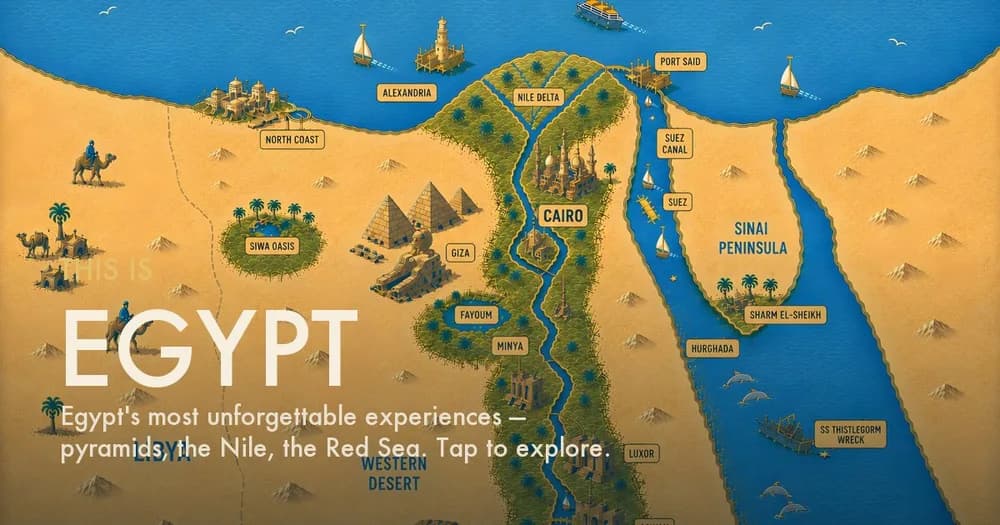
Quick answer: If you have one trip and want the best of Egypt, plan around three anchors: Cairo and Giza for the pyramids and the new Grand Egyptian Museum, the Nile between Luxor and Aswan for the temples and tombs, and the Red Sea for reefs and rest. Everything else, Abu Simbel, Alexandria, the White Desert, Siwa, Saqqara and Dahshur, hangs off those three. Egypt looks compact on a map and turns out vast on the ground: its highlights string along two lines, the river running south to north and the coast running down the east, with a handful of unforgettable outliers in the deserts and on the Mediterranean. Get the shape of the country right and your days flow instead of scramble. Here are the places worth building a trip around, roughly north to south, with how long to give each and what to actually do once you arrive.
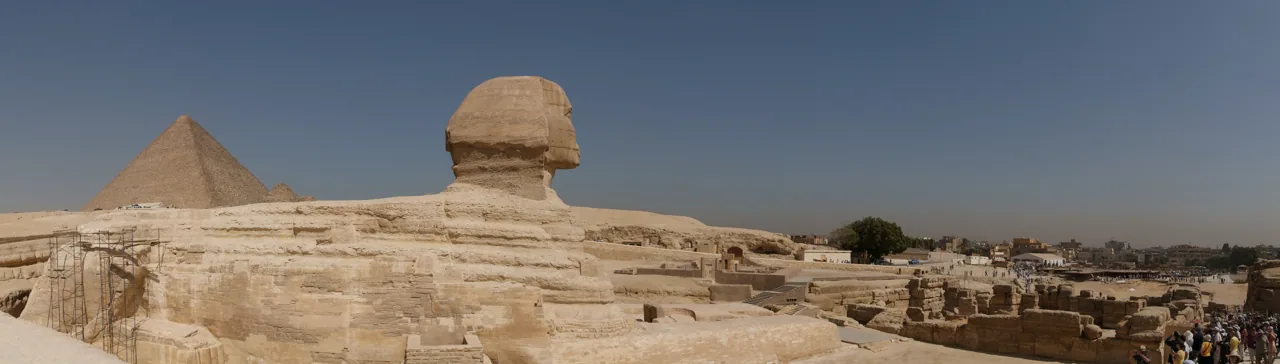
Cairo & Giza: the essential beginning
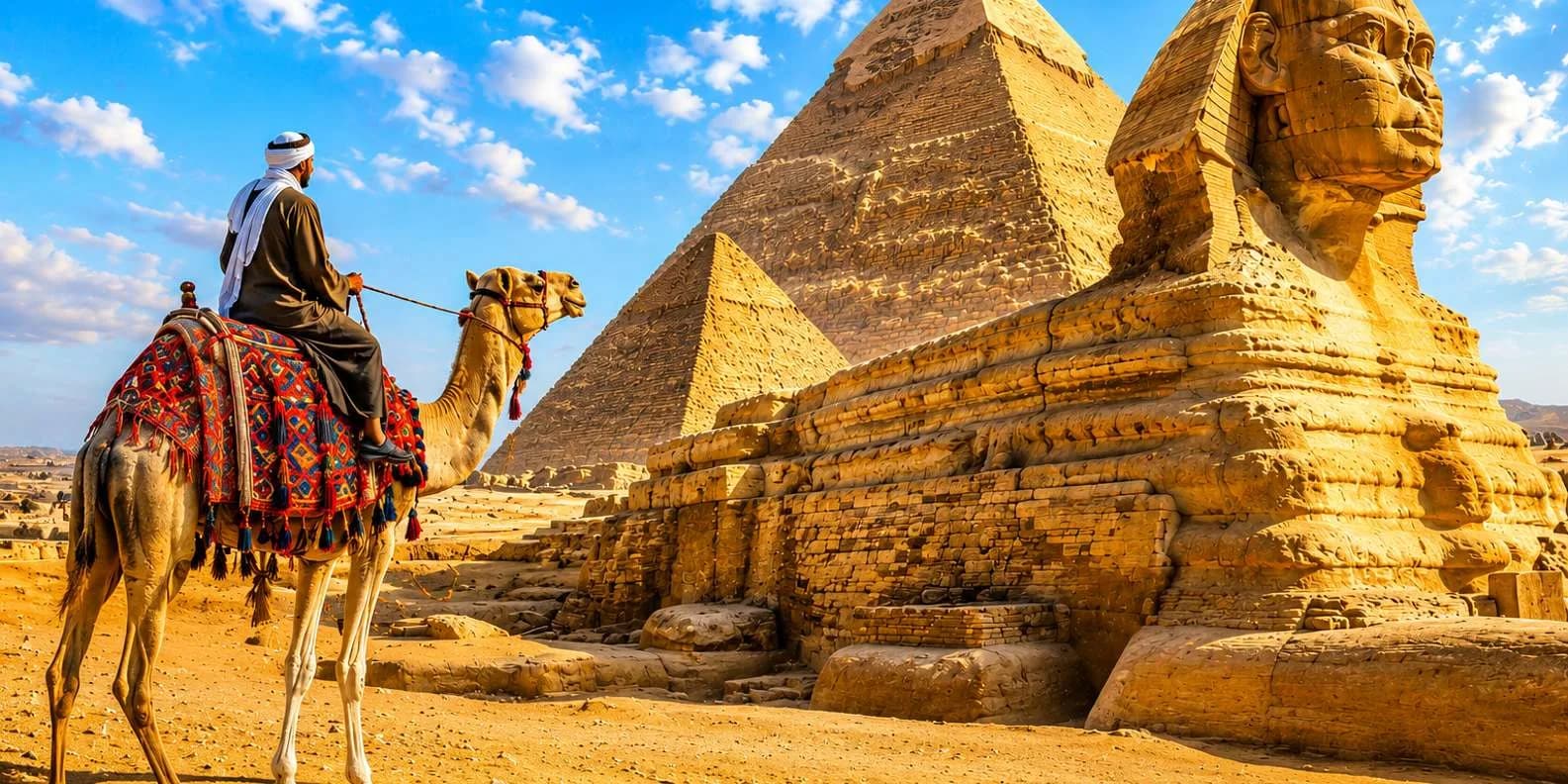
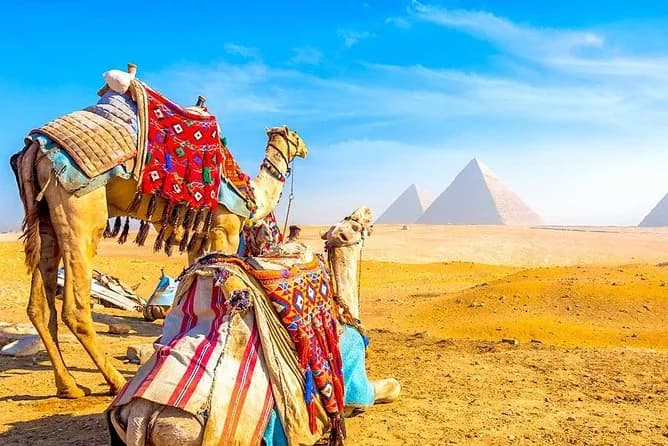
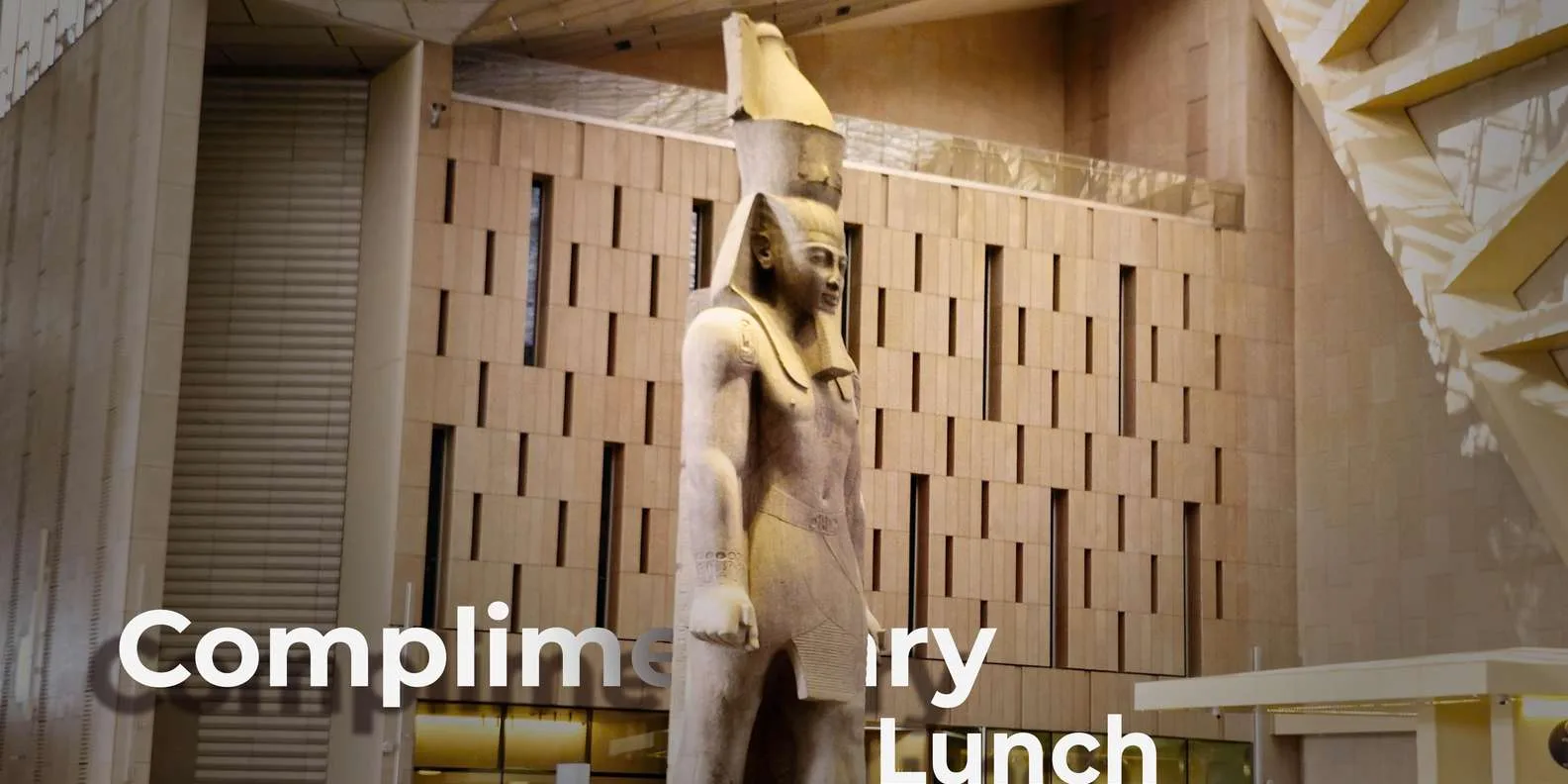
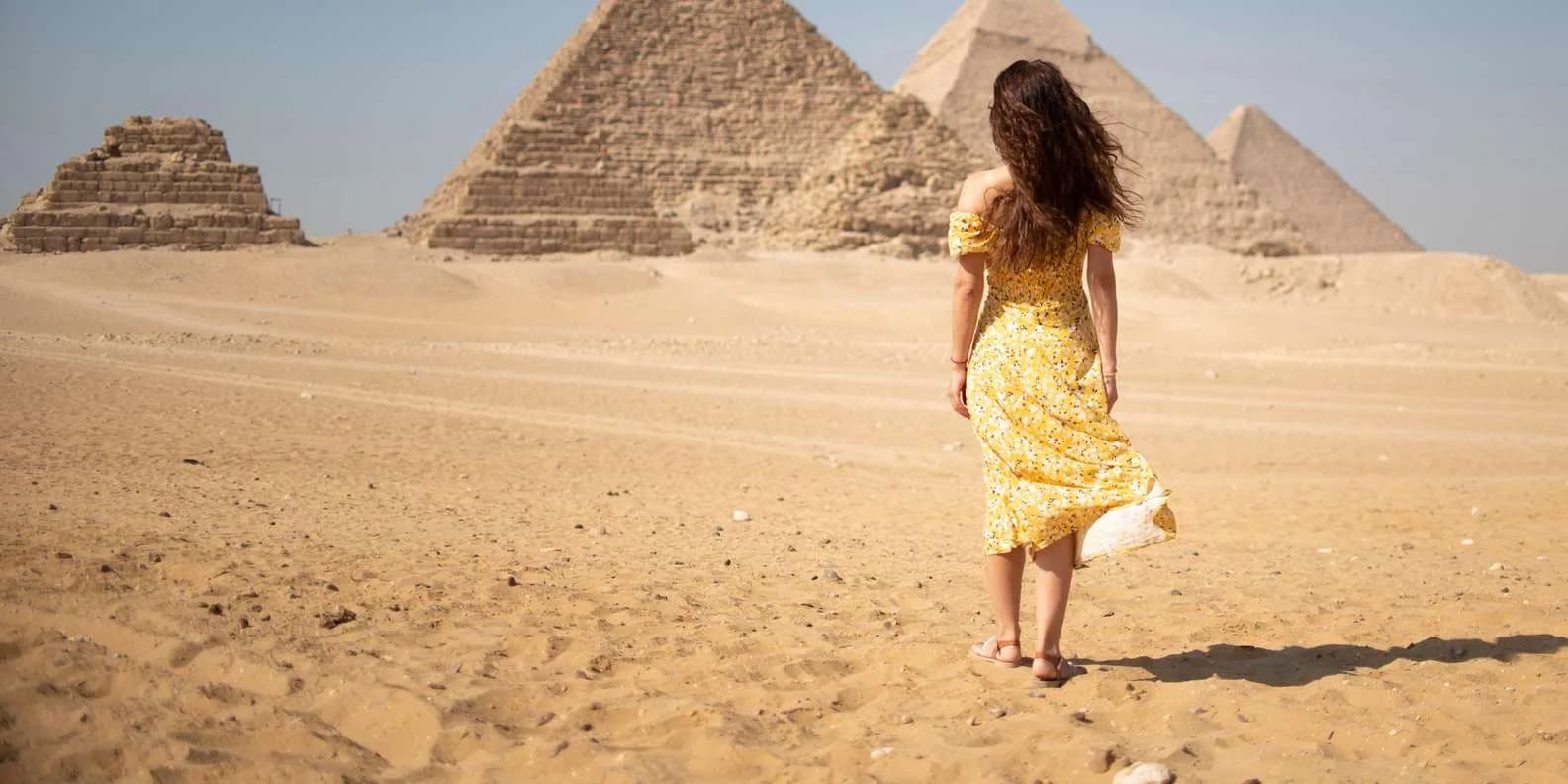
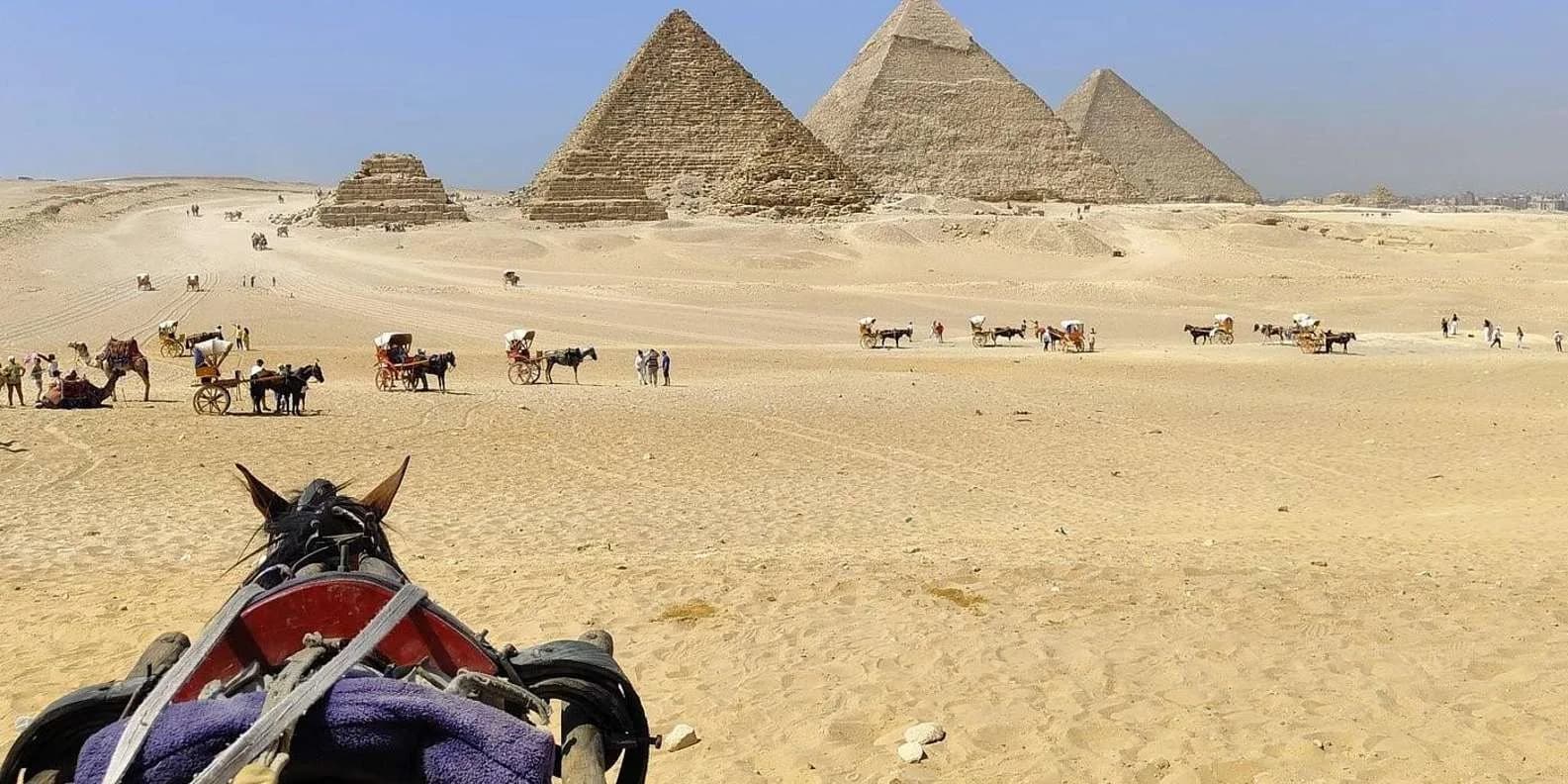
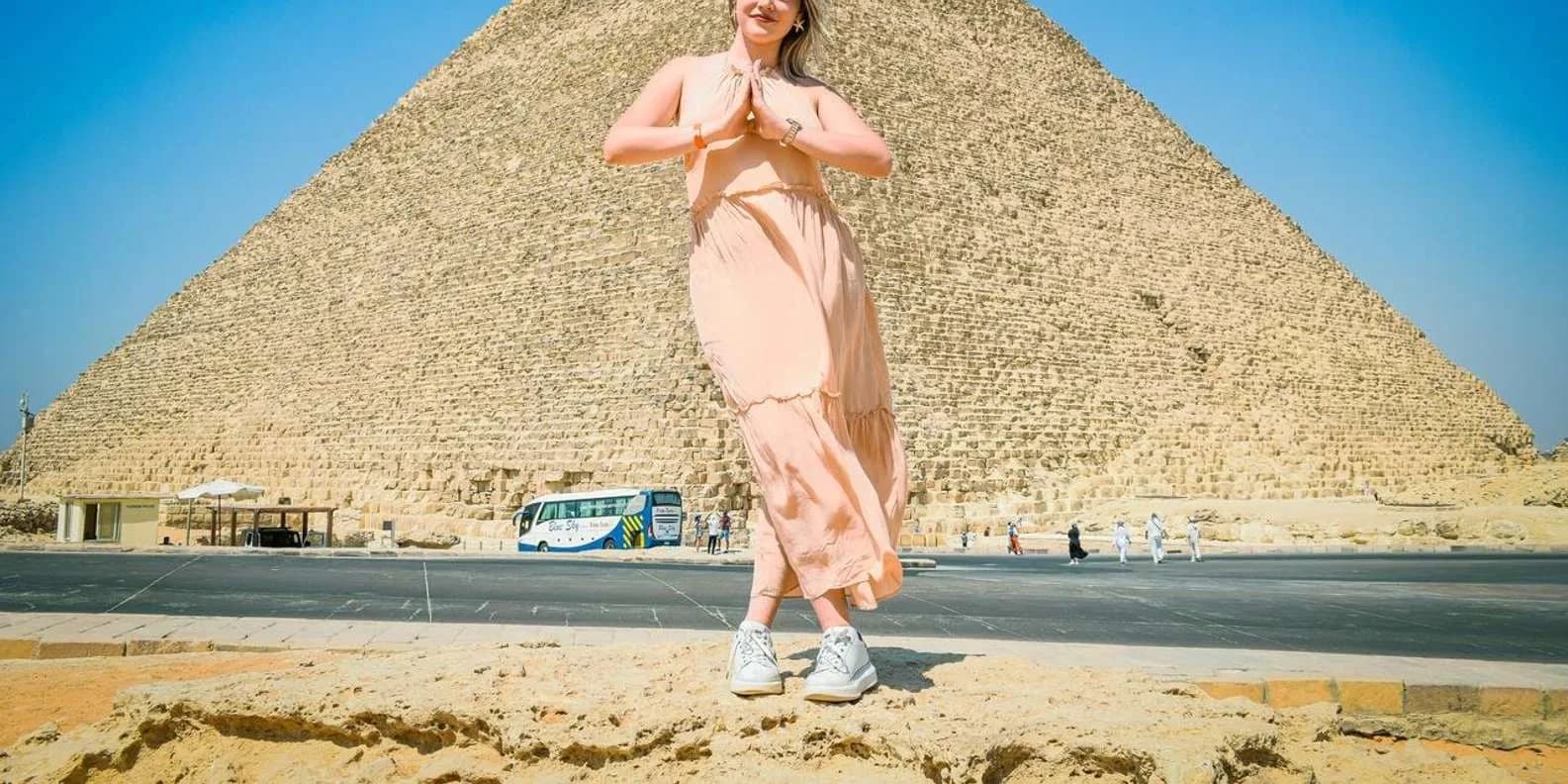
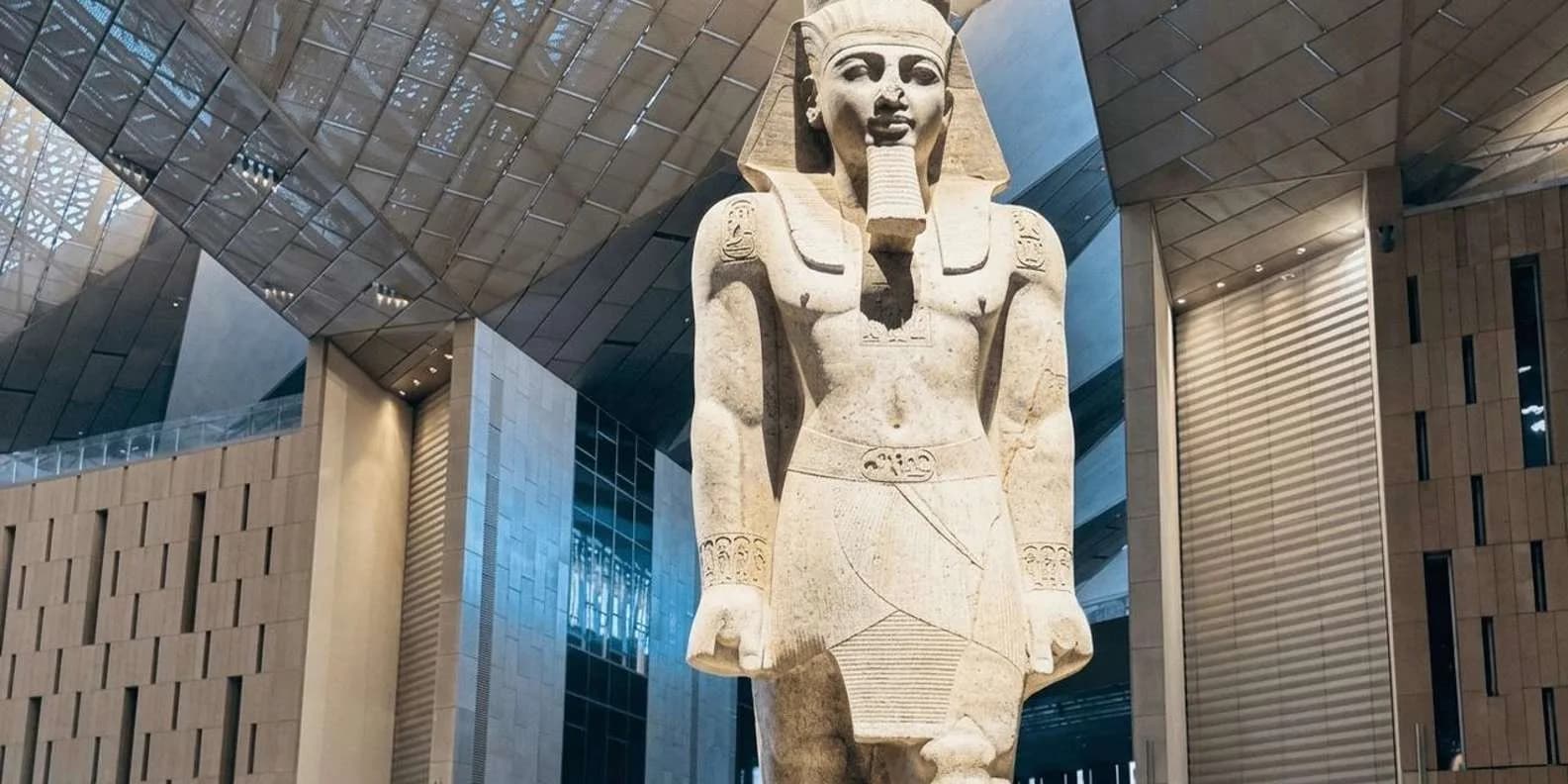
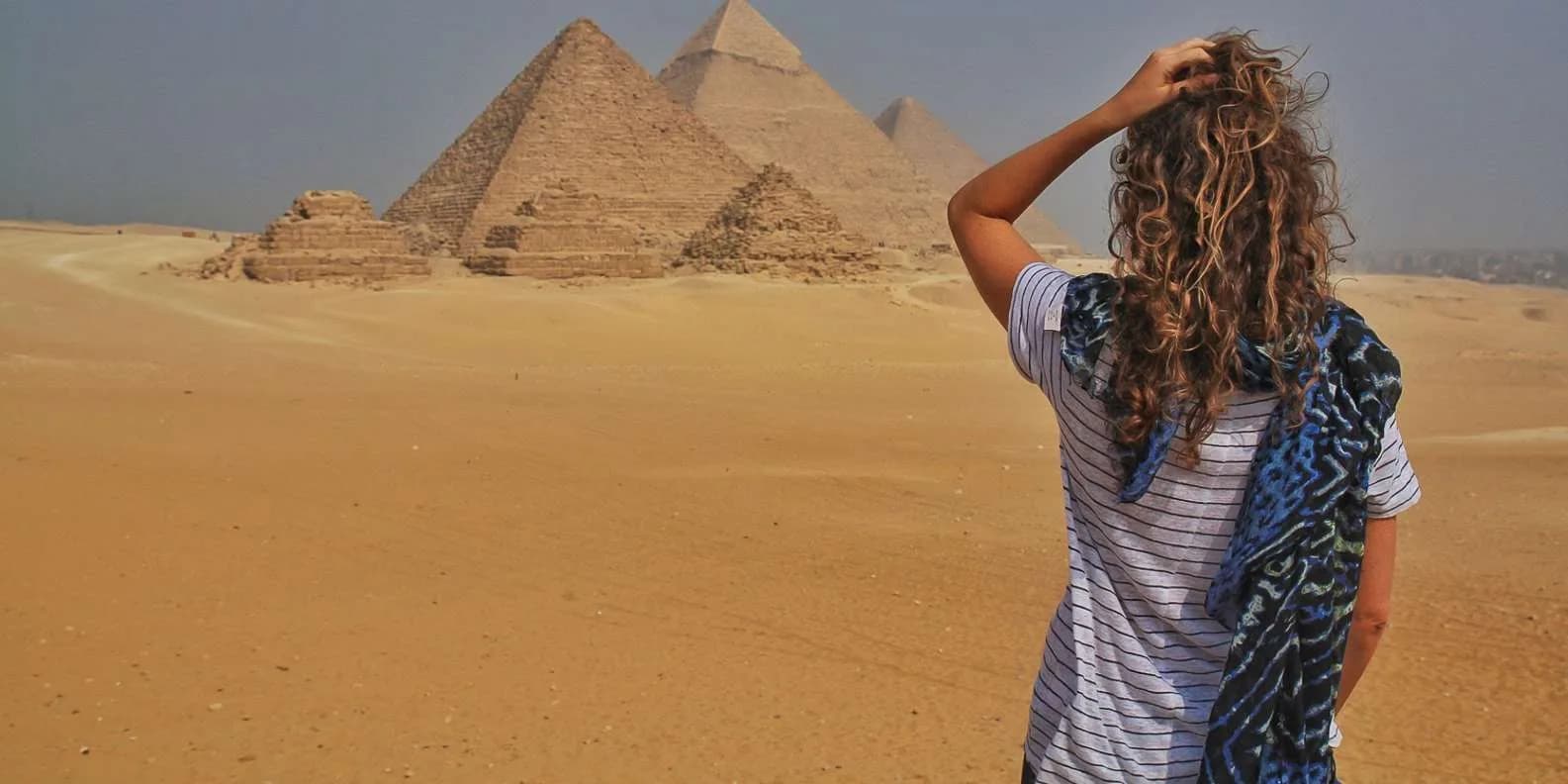
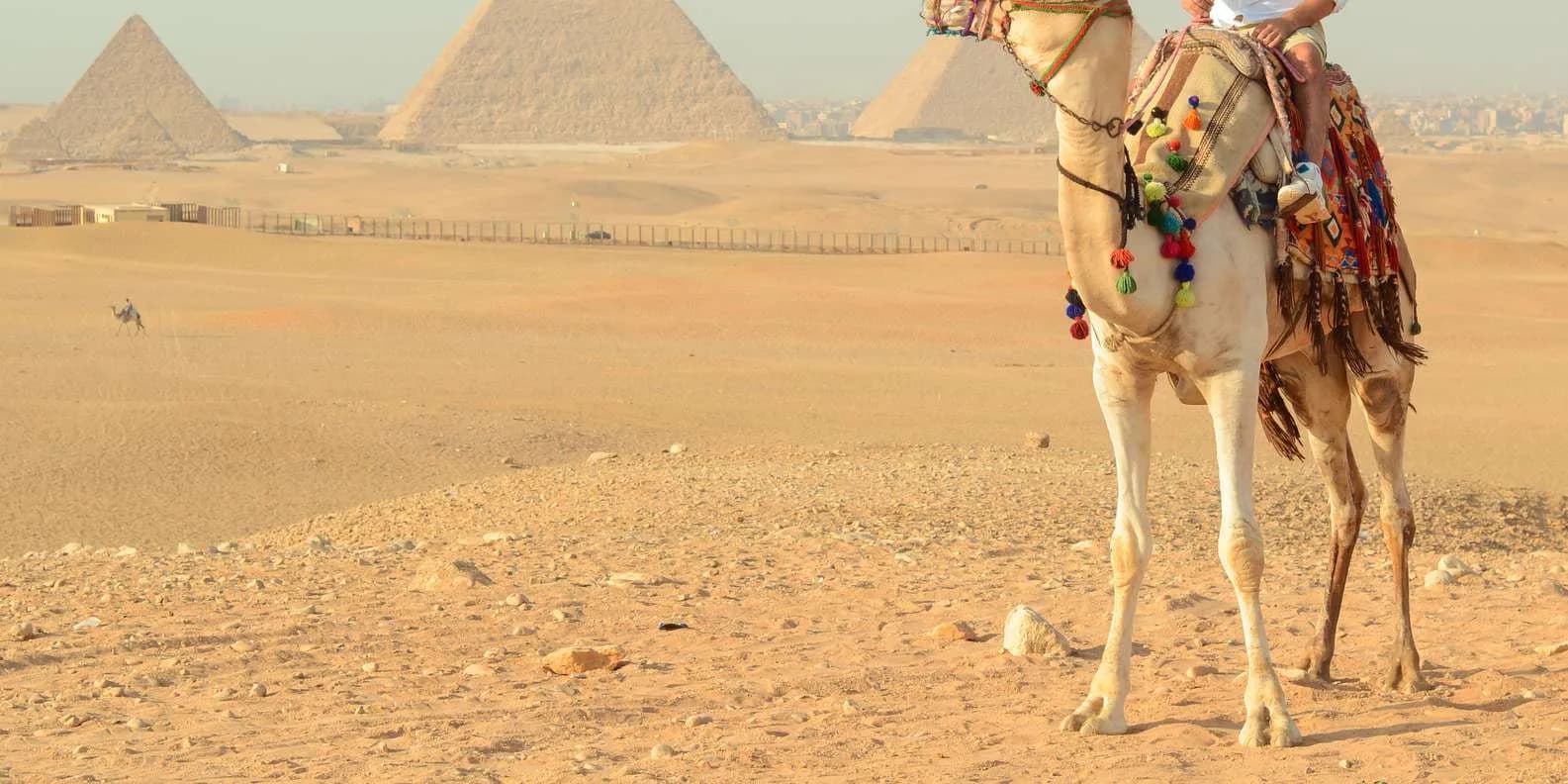
Give it 2 to 3 days. Nearly every Egypt trip starts here, and it should. On the Giza plateau the Great Pyramids and the Sphinx still stop conversation mid-sentence, and since November 2025 they share the skyline with the Grand Egyptian Museum, the largest museum on earth devoted to a single civilisation. GEM holds more than 100,000 artefacts, and for the first time anywhere the complete treasure of Tutankhamun, all 5,398 pieces including the golden mask, is displayed together, in sight of the pyramids the boy king's ancestors built. Book GEM tickets online in advance; there are no sales at the door.
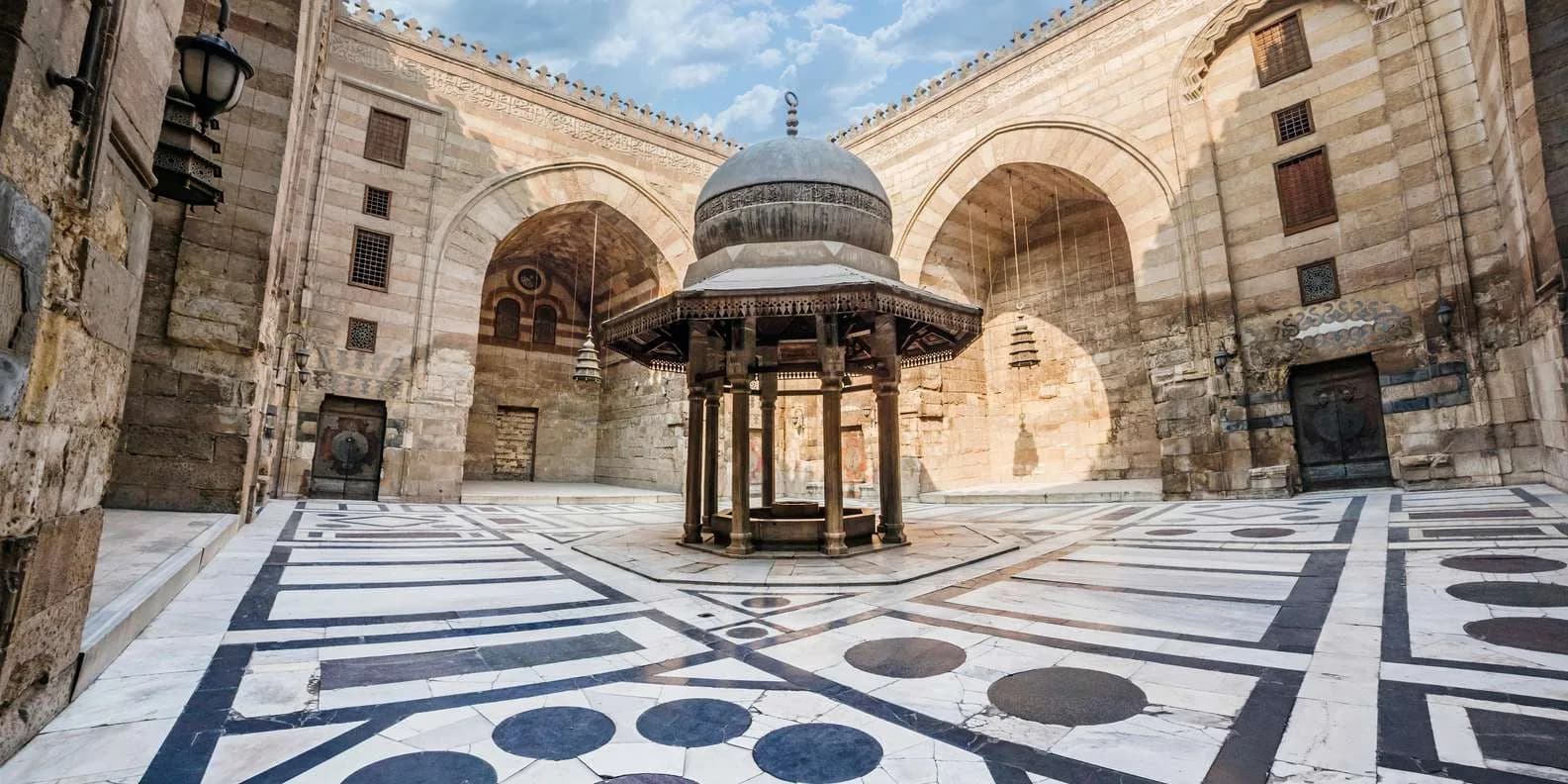
Across the river, Cairo layers a thousand years of history in a few walkable square kilometres. Islamic Cairo stacks minarets, madrasas and the vast Sultan Hassan mosque around the medieval Citadel; dive into the Khan el-Khalili bazaar for brass, spice and mint tea, then slip into Coptic Cairo for the Hanging Church and the atmospheric lanes of Old Cairo. It is loud, dense, gloriously overwhelming, and the perfect overture to everything that follows.
Saqqara & Dahshur: where the pyramid was invented
Give it a half-day from Cairo. An hour's drive south of Giza lies the story behind the story. At Saqqara stands the Step Pyramid of Djoser, the first pyramid ever built and the oldest large stone structure on the planet, the moment Egypt learned to stack a mountain of masonry. Further south at Dahshur, the Bent Pyramid freezes an engineering experiment mid-air, its angle changing halfway up as the builders lost their nerve, while the neighbouring Red Pyramid, the first true smooth-sided pyramid, is open to climb down into. Add nearby Memphis, Egypt's first capital, with its recumbent colossus of Ramesses II, and you have the quietest, least crowded pyramid experience in the country, often just you and four and a half thousand years.
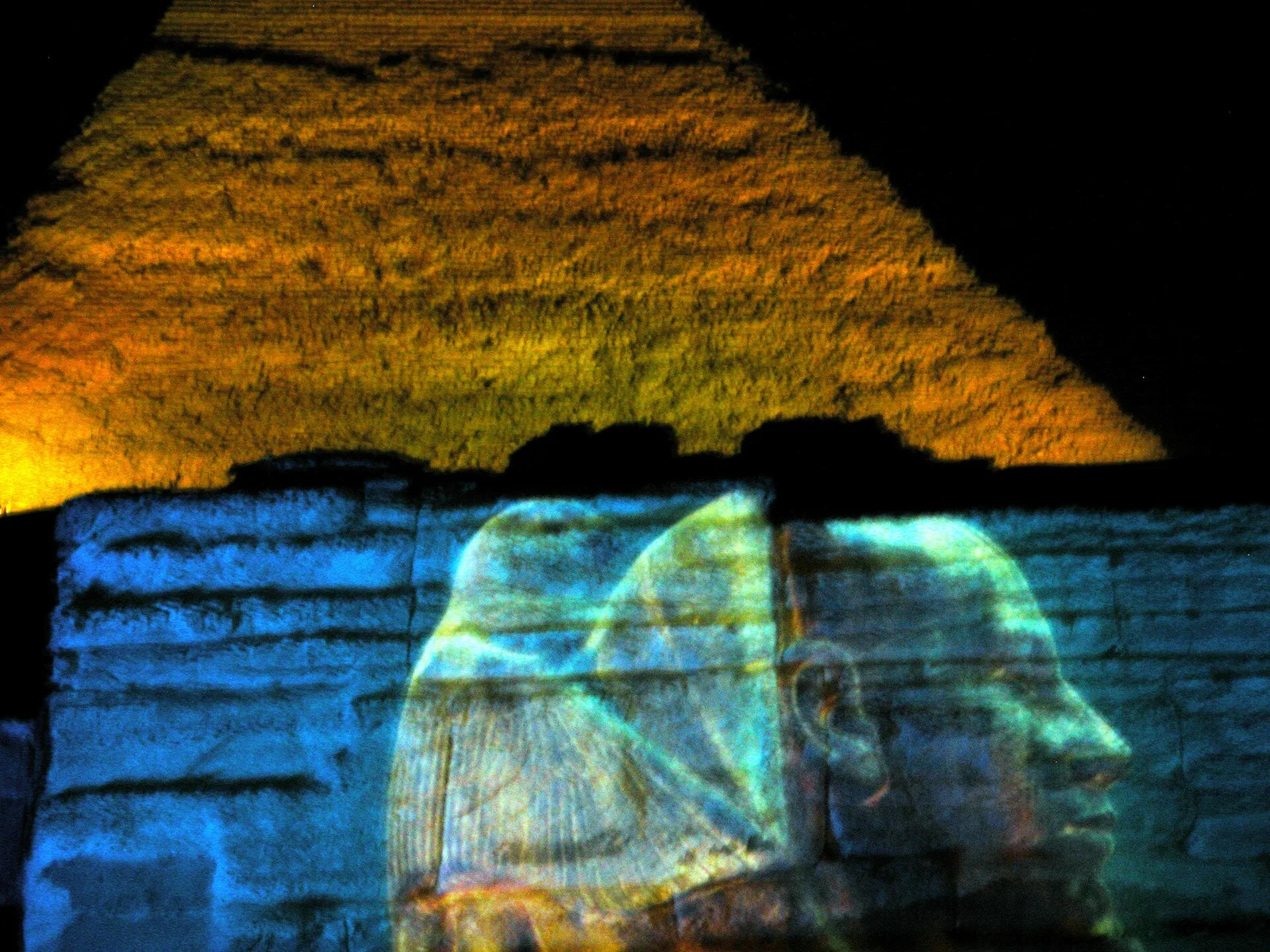
Luxor: the world's greatest open-air museum
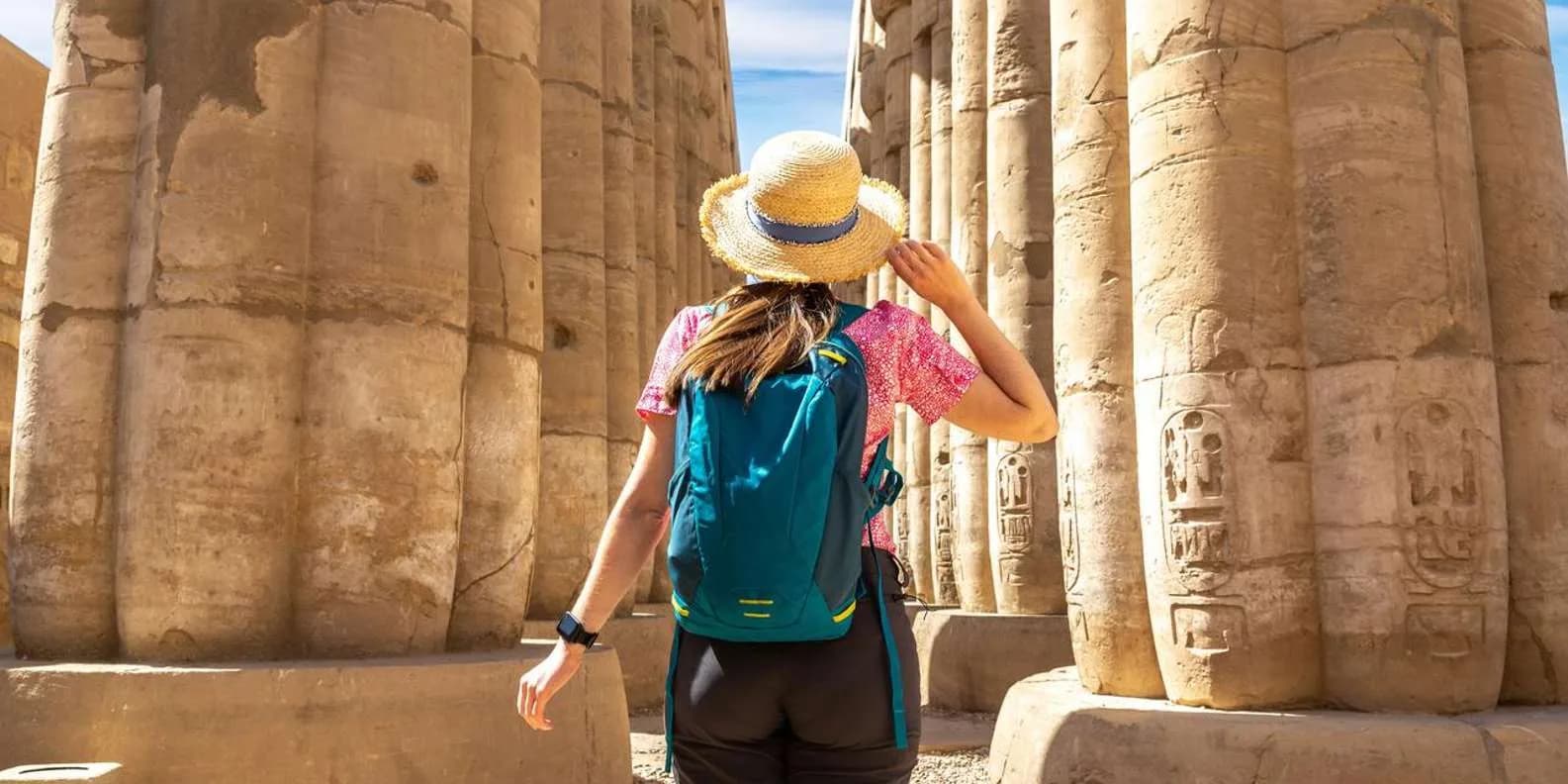
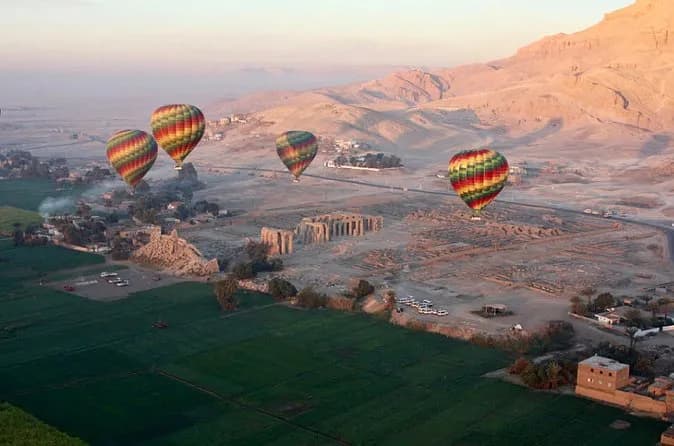
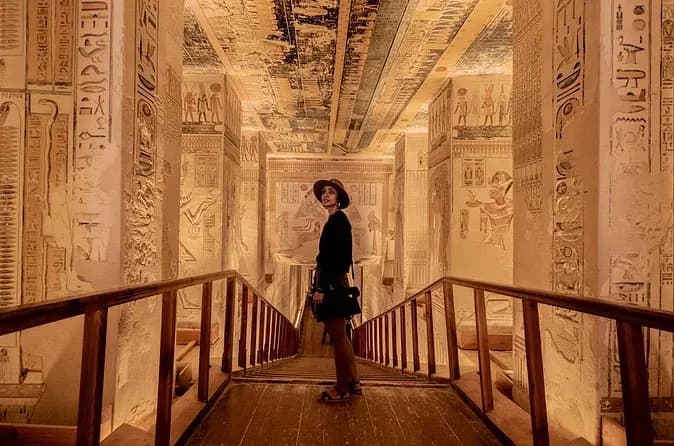
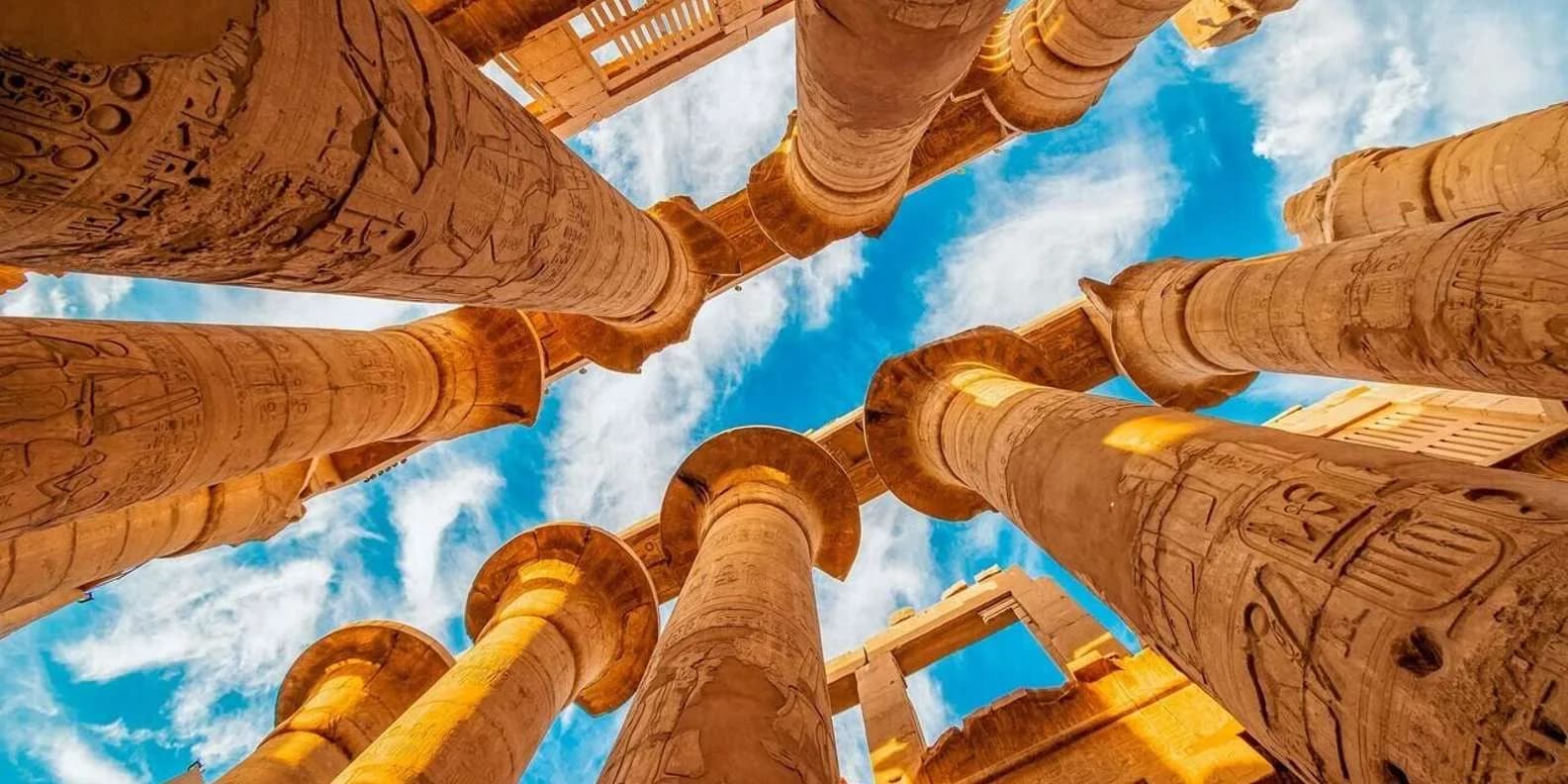
Give it 2 days. Ancient Thebes split its life across the Nile, and so should you. The East Bank, city of the living, holds the staggering columned halls of Karnak, the largest religious complex ever built, and the graceful riverside Luxor Temple, best seen floodlit after dark. The West Bank, kingdom of the dead, hides the painted burial chambers of the Valley of the Kings, including Tutankhamun's tomb, alongside Hatshepsut's terraced temple rising in tiers against the cliffs and the two weathered Colossi of Memnon standing guard on the plain. Float over all of it in a sunrise hot-air balloon and Luxor alone can justify the flight to Egypt. It is also the northern gateway to the classic Nile cruise.
The Nile between Luxor & Aswan: the journey is the destination
Give it 3 to 4 nights. The most beautiful way to travel Egypt is not to travel it at all, but to let the river do the work. A Nile cruise between Luxor and Aswan is the country at its most cinematic: fields of sugarcane and date palms slide past, egrets stalk the shallows, children wave from the banks, and the great riverside temples appear one by one. You call at Edfu, the best-preserved temple in Egypt, dedicated to the falcon god Horus, and at Kom Ombo, a rare double temple perched right at the water's edge with its eerie gallery of mummified crocodiles. Cruises run in both directions over three or four nights; sailing upstream south to north or down, you wake each morning to a new set of columns.
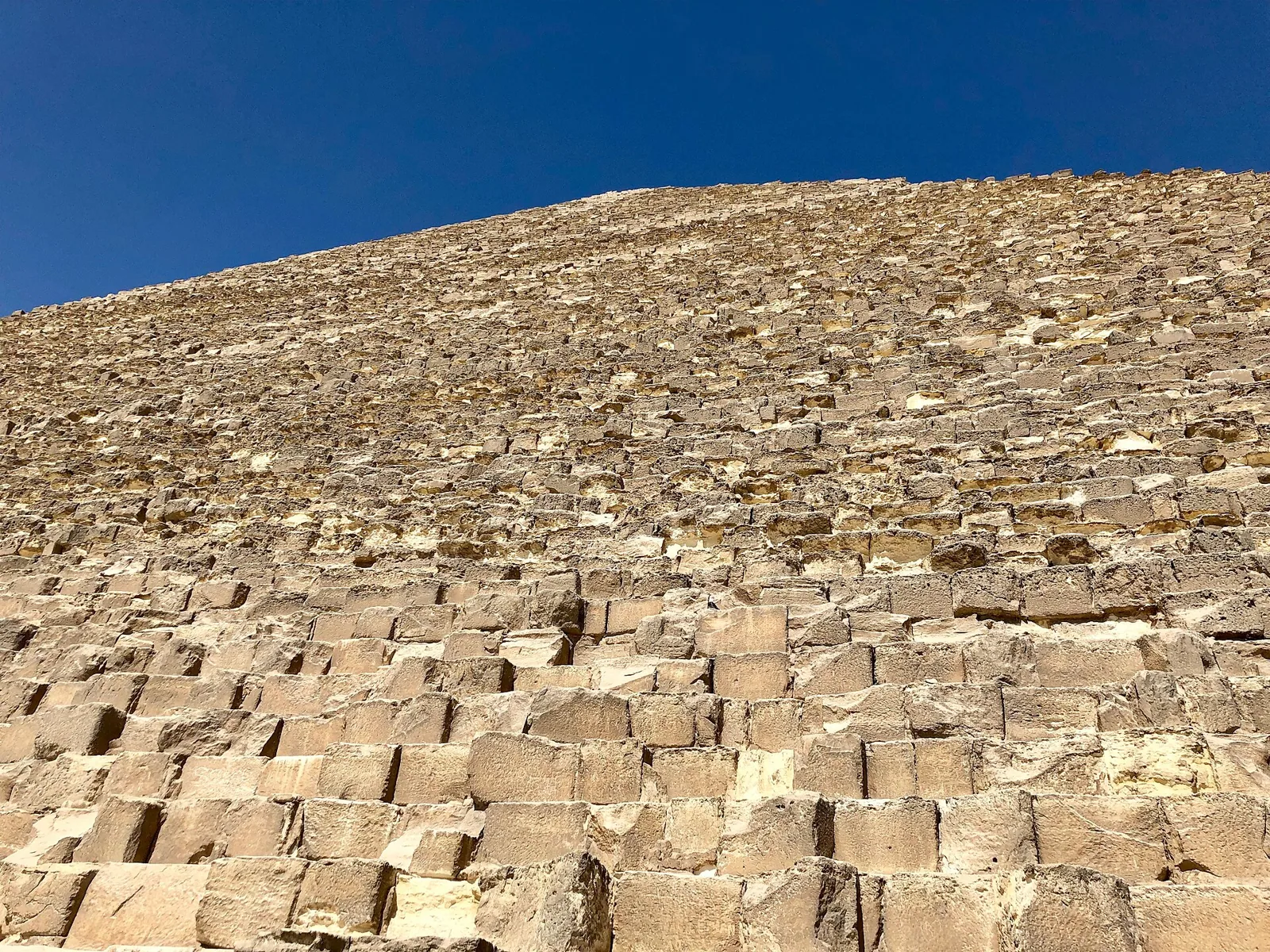
Aswan: the Nile at its most serene
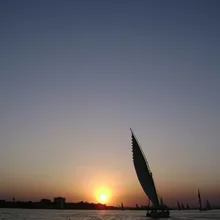
Give it 1 to 2 days. Egypt's southern hub is its calmest and most scenic, where the river braids around black granite islands at the First Cataract and the pace drops by half. Sail out to the island temple of Philae, rescued stone by stone from the rising waters of the dam; drift at golden hour in a felucca, the lateen-sailed boat that has plied this river for millennia; and cross to a Nubian village on the west bank for painted houses, spiced food and the warmest welcome in the country. Aswan is also the launch point for Abu Simbel, and a place many travellers wish they had given an extra night.
Abu Simbel: worth the journey south
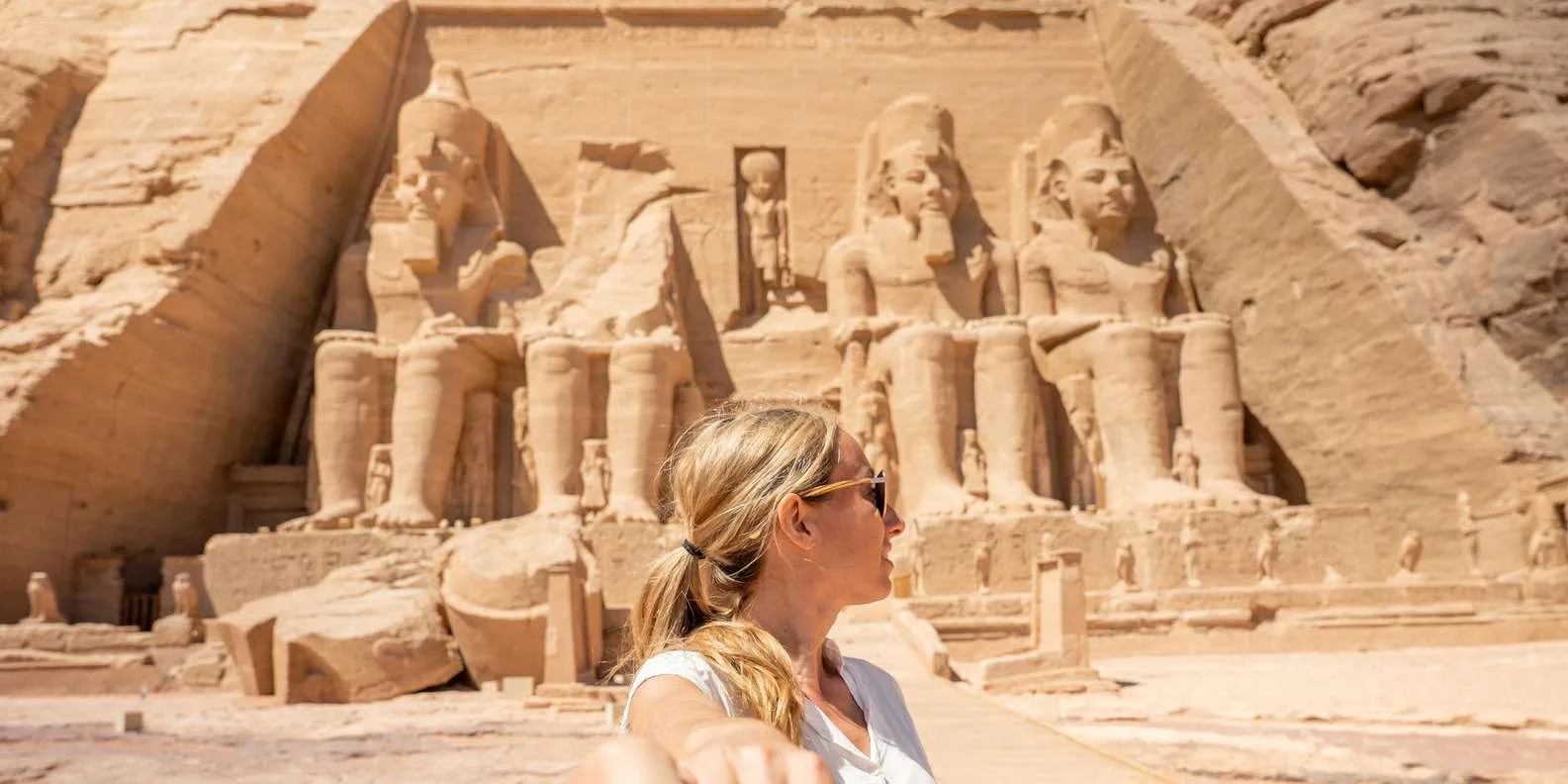
Give it a half to full day from Aswan. Ramesses II's twin temples sit 280 km south, near the Sudanese border, four colossal seated figures gazing out over the still expanse of Lake Nasser. The whole complex was famously cut apart and lifted 65 metres up the cliff in the 1960s to save it from the dam's floodwaters, and it was reassembled so precisely that dawn light still pierces the mountain to reach the inner sanctuary twice a year, around 22 February and 22 October, the Sun Festival. Reach it by a short flight or an early-morning convoy from Aswan. Few things humans have built feel this monumental in person.
The Red Sea: Egypt's underwater wonder
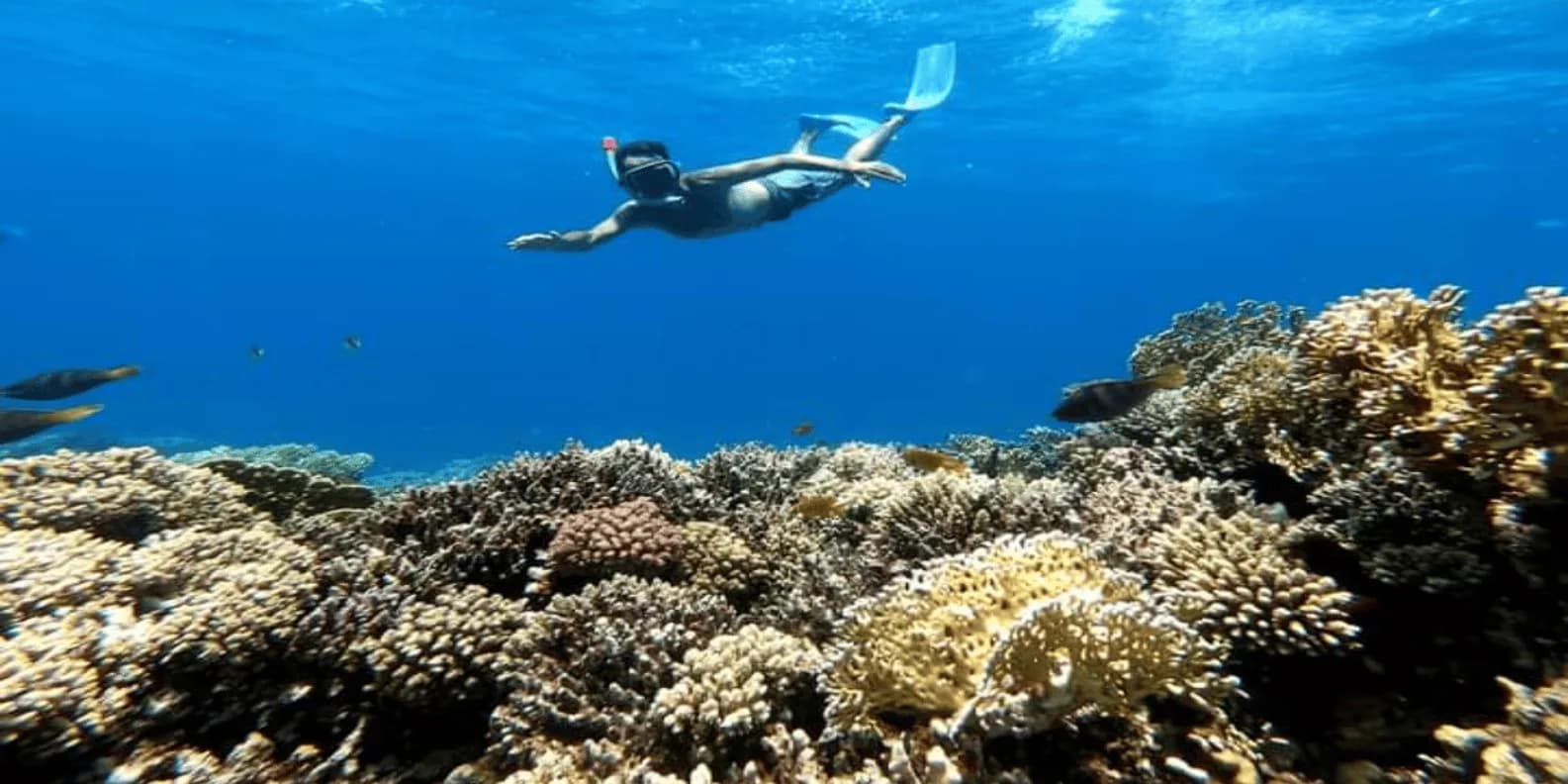
Give it 3 to 5 days. When you have had your fill of antiquity, the coast is the reset, and few seas on earth reward divers and snorkellers like this one. Sharm el-Sheikh, on the Sinai side, fronts the legendary reefs of Ras Mohammed and the Straits of Tiran, walls of coral dropping into blue. Hurghada, on the mainland, is the easy all-rounder, launching boats to Giftun Island's white sandbars and to iconic wrecks like the SS Thistlegorm. Further south, Marsa Alam trades resorts for wilder water: drift the sheer wall of Elphinstone Reef for sharks and pelagics, or snorkel with the resident dugongs and turtles grazing the seagrass of Abu Dabbab Bay. And on the Sinai coast, mellow Dahab is the traveller's favourite, a laid-back town of beachfront cafes whose famous Blue Hole is a bucket-list dive and one of the world's great freediving spots.
Sinai's interior: mountains and a desert monastery
Give it 1 to 2 days. Behind the Sharm and Dahab beaches, the Sinai rears up into raw granite mountains. Climb Mount Sinai through the cold pre-dawn dark to watch the sun break over an ocean of peaks, then descend to St Catherine's Monastery at its foot, one of the oldest continuously working monasteries on earth, keeper of a library second only to the Vatican's and a chapel built around what tradition holds is the Burning Bush.
Alexandria: the Mediterranean counterpoint
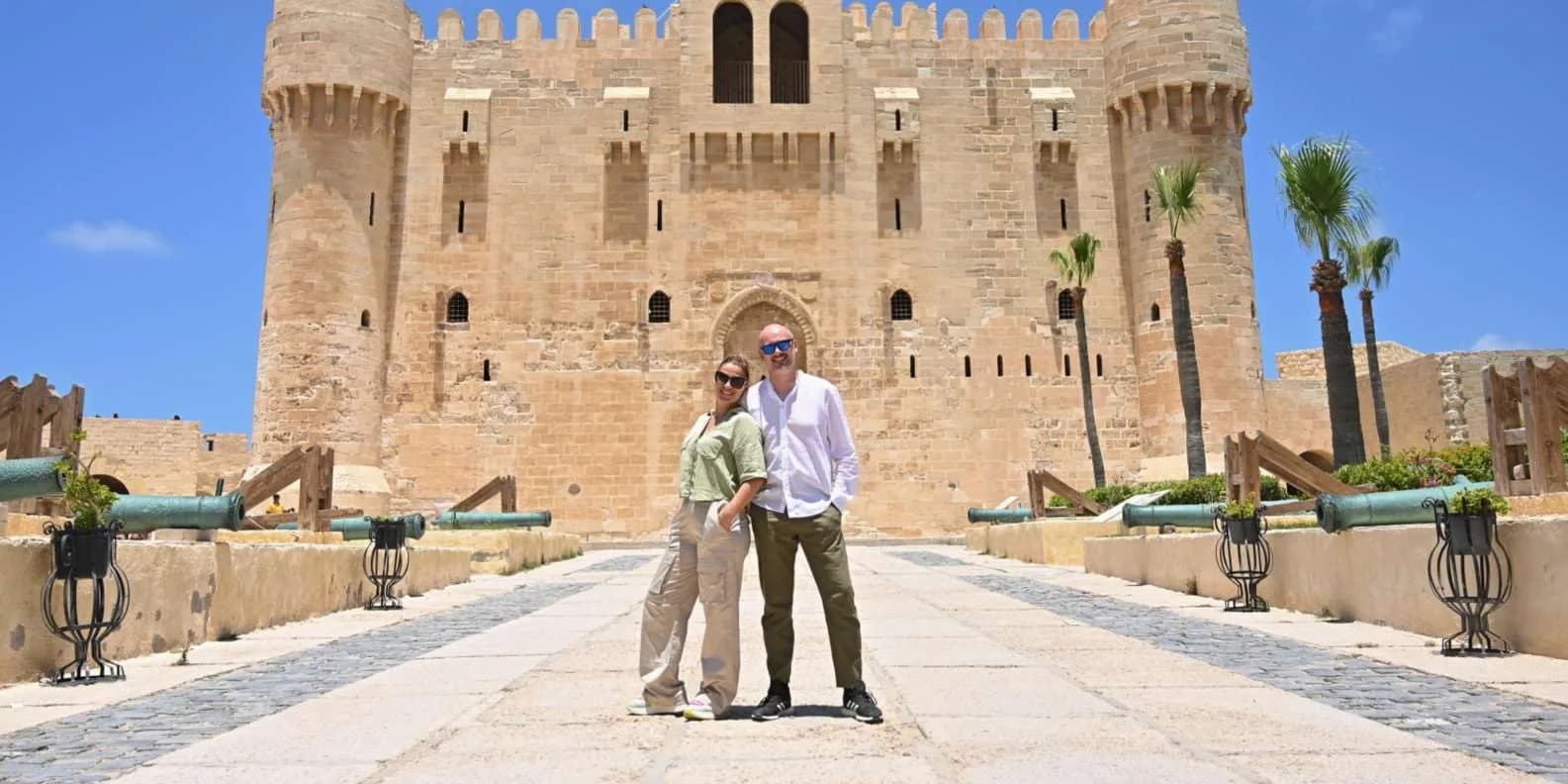
Give it 1 to 2 days, or a long day trip. Egypt's second city swaps desert heat for sea breeze and a wholly different mood. Once home to the ancient Lighthouse and the legendary Library, today's Alexandria offers the sweeping modern Bibliotheca Alexandrina, a deliberate revival of that lost wonder; the seafront Qaitbay Citadel built on the Lighthouse's own foundations; the strange subterranean Catacombs of Kom el-Shoqafa, where Egyptian and Roman styles fuse underground; and a faded Belle Epoque charm, all corniche cafes and salt air, found nowhere else in the country.
The White Desert & Bahariya: a landscape from another planet
Give it 2 days. A few hours south-west of Cairo, the Bahariya Oasis is the gateway to Egypt's most surreal scenery. The White Desert is a sea of blinding chalk sculpted by wind into mushrooms, towers and improbable animal shapes that glow pink at sunset and ghostly white under the moon. The only way to do it justice is an overnight camp, dinner around a fire, then a canopy of stars with no other light for a hundred miles. Nearby, the golden dunes and black-topped hills of the Black Desert make a dramatic counterpoint on the drive in.
Siwa Oasis: Egypt's wild western edge
Give it 2 to 3 days (it is remote). Far out near the Libyan border, Siwa is a world unto itself: a Berber-speaking oasis of mudbrick fortresses, freshwater springs and vast salt lakes you can float in like the Dead Sea. Here Alexander the Great trekked across the sands to consult the Oracle of Amun, and the ruins still stand above the palm groves. Bathe in Cleopatra's Spring, watch the sunset over the salt flats, and ride into the Great Sand Sea by 4x4. It is a long way from the Nile, and all the more rewarding for it.
How to combine them
A first visit almost always links Cairo, Luxor, Aswan and Abu Simbel over 7 to 10 days, with the Luxor to Aswan leg covered by Nile cruise and Saqqara slotted in as a half-day out of Cairo. If there is time to unwind, add 3 to 5 days on the Red Sea, easiest from Hurghada or Sharm. Alexandria works as a long day trip from Cairo. The White Desert, Siwa and the Sinai interior are best saved for a second trip or a longer, slower itinerary, they take real time and reward it. Domestic flights of about an hour stitch Cairo, Luxor, Aswan and the coast together; overnight sleeper trains link the Nile cities on a budget.
Best time to go: aim for October to April, when daytime temperatures sit around a comfortable 20 to 30 C for sightseeing and Nile sailing; October to November and March to April are the sweet spot. Avoid June to August, when Luxor and Aswan routinely top 40 C.
To see how the whole map connects, browse experiences and tours across every one of these regions on This is Egypt. For what to actually do in each place, read Things to Do in Egypt; to turn these destinations into day-by-day plans, see the Egypt Itinerary guide; and for the practical scaffolding of visas, safety, money and getting around, start with the Egypt Travel Guide.
A real team available 24/7 to assist you — free
Seif and the team reply on WhatsApp 24/7 — trip questions, custom plans and booking help.
Ask Seif on WhatsAppCommon questions
What are the best places to visit in Egypt for first-timers?
Cairo and Giza, Luxor and Aswan form the essential core: the pyramids, the Grand Egyptian Museum, the Nile temples and tombs, and the river itself. With more time add Abu Simbel and a Red Sea stay in Hurghada or Sharm el-Sheikh. Alexandria, the White Desert, Siwa and the Sinai interior reward longer trips or a second visit.
How many days do you need to see the best of Egypt?
A well-paced first trip covering Cairo, Luxor, Aswan and Abu Simbel takes 7 to 10 days, usually with a Nile cruise between Luxor and Aswan. Add 3 to 5 days for the Red Sea, or extend to two weeks to fold in Alexandria, the White Desert or Siwa.
Is Luxor or Aswan better to visit?
Both, ideally, since they bookend the finest stretch of the Nile. Luxor has the greater concentration of monuments, Karnak and the Valley of the Kings, while Aswan is gentler and more scenic, with Philae, Nubian villages and the gateway to Abu Simbel. Most itineraries do Luxor to Aswan by cruise and see the two together.
Which Red Sea destination is best for diving?
Sharm el-Sheikh offers the world-class walls of Ras Mohammed and Tiran; Hurghada is the versatile all-rounder with islands and famous wrecks; Marsa Alam is wilder, with Elphinstone Reef's sharks and dugong snorkelling at Abu Dabbab; and Dahab is the laid-back favourite, home to the legendary Blue Hole. Pick by mood and budget as much as by marine life.
How do you get between Egypt's main destinations?
Short domestic flights of about an hour link Cairo, Luxor, Aswan and the Red Sea resorts. The Cairo, Luxor and Aswan corridor also has overnight sleeper trains, and the Luxor to Aswan leg is most enjoyably covered by Nile cruise. Abu Simbel is reached by flight or early convoy from Aswan.
Is Abu Simbel worth the trip from Aswan?
Yes. The scale of Ramesses II's four colossal figures above Lake Nasser is unmatched, and the temple's rescue and reassembly in the 1960s is a marvel in its own right. Go by short flight or early-morning convoy from Aswan; twice a year, around 22 February and 22 October, the dawn sun aligns to light the inner sanctuary.
When is the best time to visit Egypt?
October to April, when daytime temperatures are a comfortable 20 to 30 C for sightseeing and Nile cruising. October to November and March to April are ideal. Avoid the June to August peak, when Luxor and Aswan regularly exceed 40 C and midday sightseeing becomes draining.
Are the desert oases like Siwa and the White Desert worth including?
If you have the time, absolutely. Siwa offers a distinct Berber culture, salt lakes and the Oracle of Amun near the Libyan border, while the White Desert near Bahariya delivers surreal chalk formations best seen on an overnight camp under the stars. Both are remote, so save them for a longer trip or a return visit rather than a packed first itinerary.
Book it on This is Egypt
Turn this guide into a trip


Egypt's bestsellers
The experiences travelers book most, across the country

Keep reading
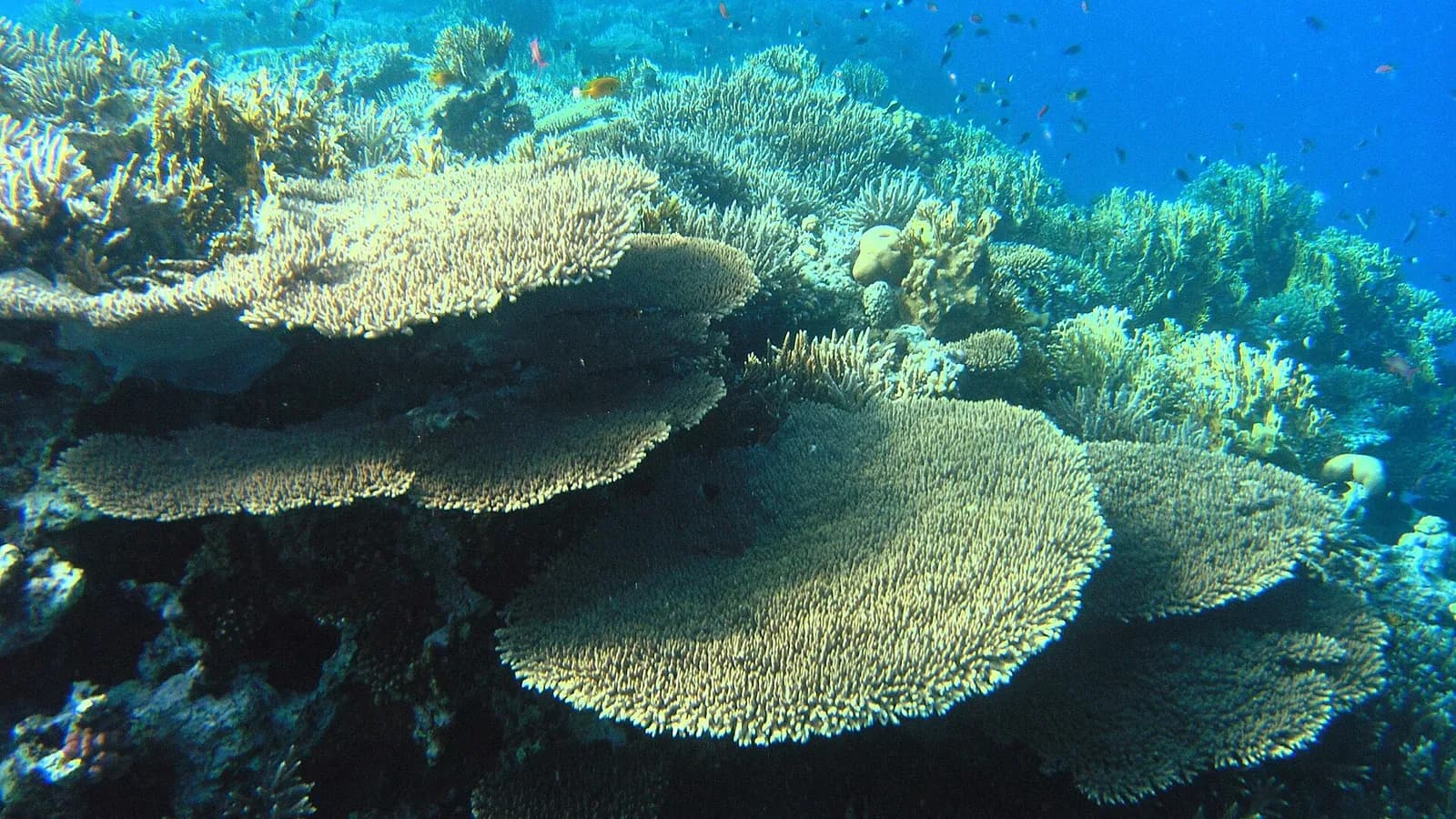
Hurghada Diving (2026): Best Sites, Packages & Prices
Diving in Hurghada — the best reefs (Giftun, Careless Reef, Dolphin House) and Abu Nuhas wrecks, Discover Scuba vs PADI courses, season and water temps, and real 2026 prices.
By TiE Editors7 min read

Hurghada Snorkeling Trips (2026): Best Reefs, Prices & How to Choose
Where to snorkel from Hurghada in 2026 — Orange Bay, Giftun, Mahmya, Utopia and Dolphin House — with boat types, marine life, month-by-month sea temperatures, family tips and real prices from 1,000+ bookable trips.
By TiE Editors7 min read

Egypt Tour Prices by Activity (2026): What Each Type Really Costs
What every type of Egypt experience actually costs — from a 1,700 EGP camel ride to a 48,500 EGP Nile cruise — based on 29,710 real bookable tours across seven platforms.
By TiE Editors6 min read