

Egypt in 5 Days: A Short Highlights Itinerary (2026)
Short on time? The smart 5-day route: Cairo, Giza and the Grand Egyptian Museum, then a fast Luxor flight for the temples and tombs. What to prioritise.
Book it on This is Egypt
Turn this guide into a trip


Quick answer: Five days is not long for a country this deep, but with the right plan it is enough to stand at the pyramids, see the complete Tutankhamun treasure, and walk Luxor's temples and tombs. The single decision that makes or breaks the trip is transport: for five days you fly, you do not drive and you do not cruise. Cairo to Luxor is a 70-minute EgyptAir hop against roughly a 10-hour road or overnight train slog, and a proper Nile cruise needs three to four nights you simply do not have. Get that right, resist the urge to over-pack each day, and this route delivers the two things every first-timer comes for: Giza and Thebes.
At a glance: two nights in Cairo and Giza, then one to two nights in Luxor, flying home via Cairo on Day 5. Best months are October to April. Budget roughly 700 to 1,400 USD per person including one domestic round-trip flight, before international airfare. If you would rather compare longer options first, see how many days you need in Egypt; if you have a full week, the 7-day Egypt itinerary adds Aswan and a cruise leg.
Day 1: Giza and the Grand Egyptian Museum
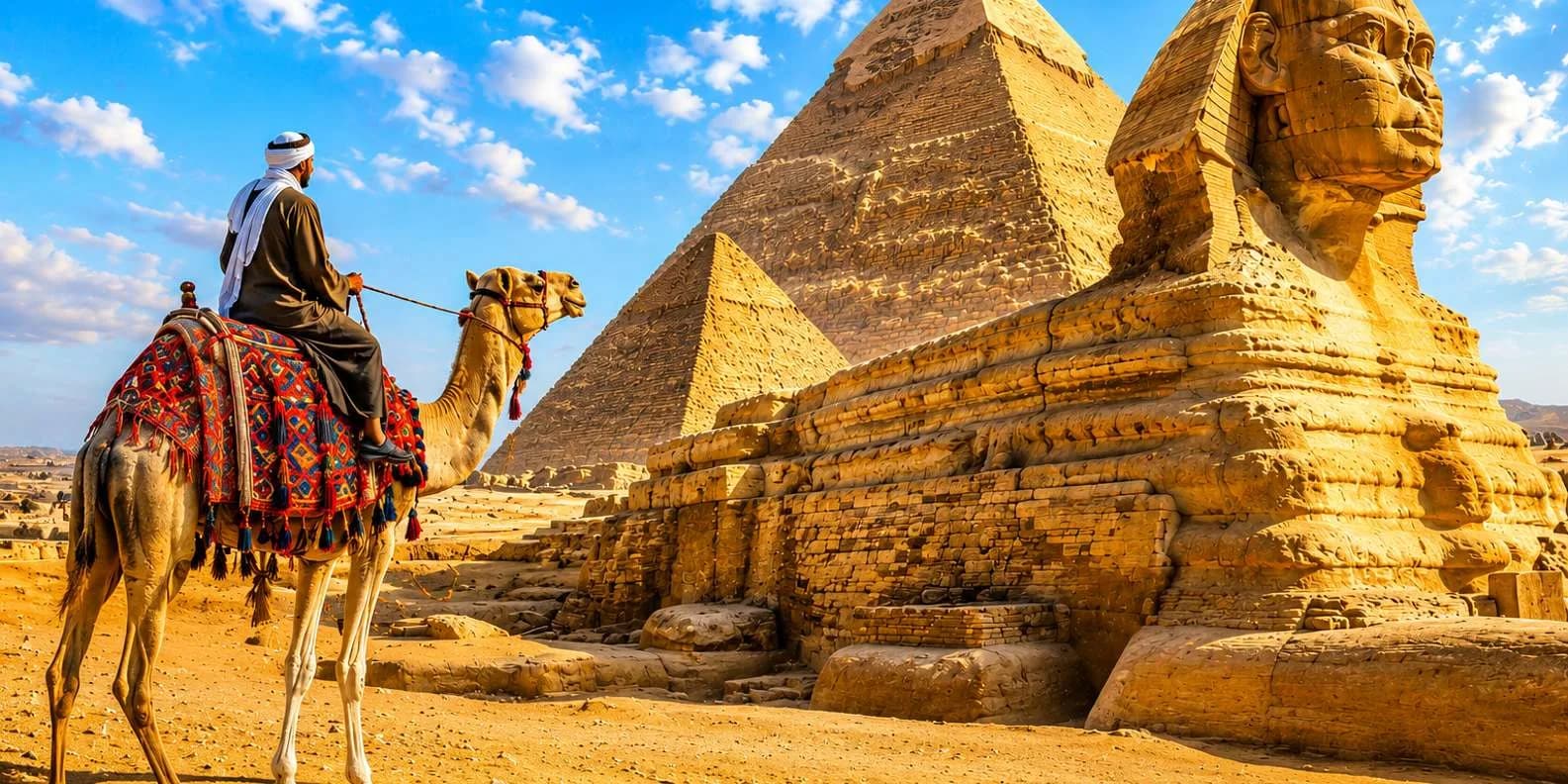
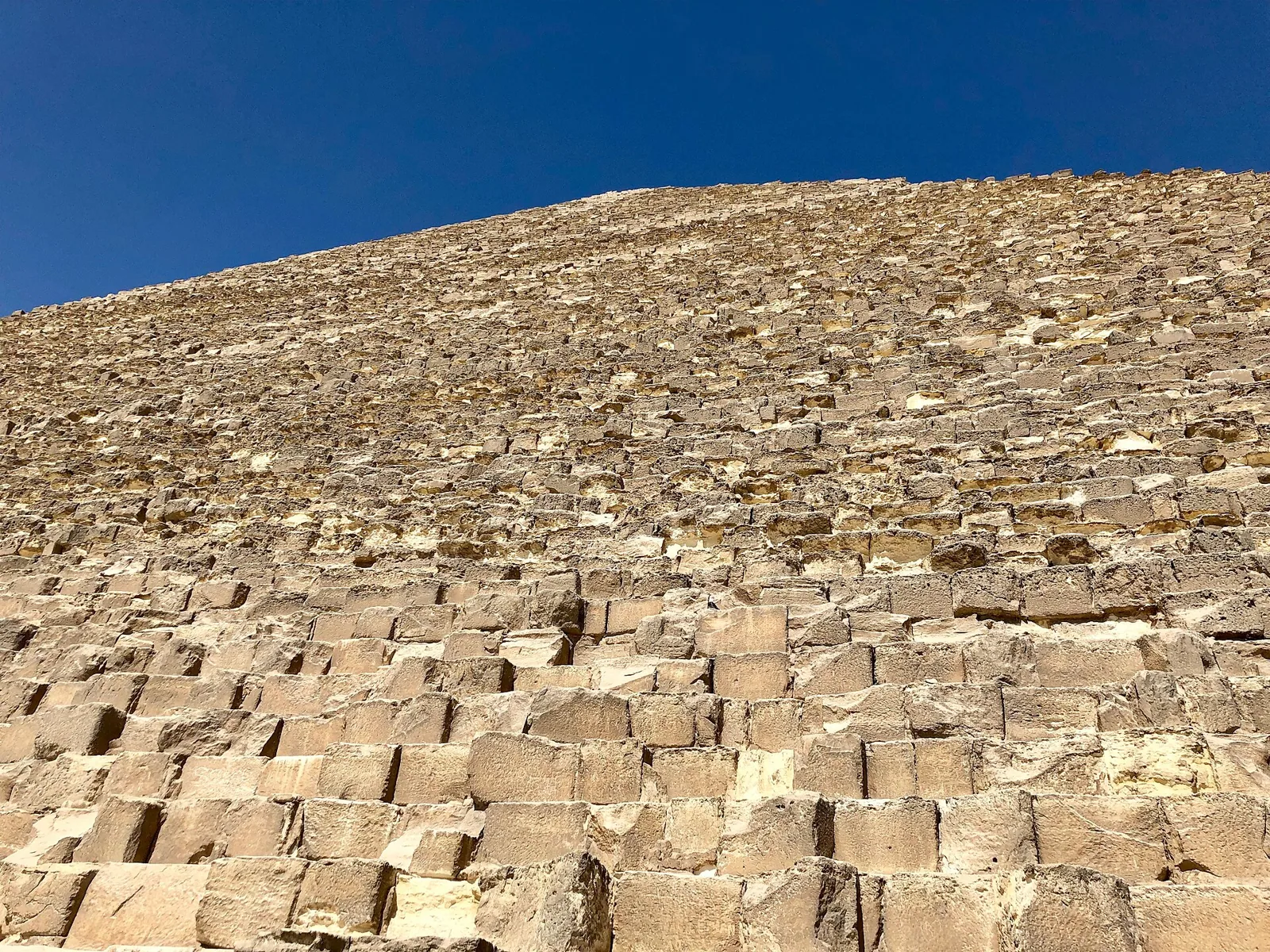
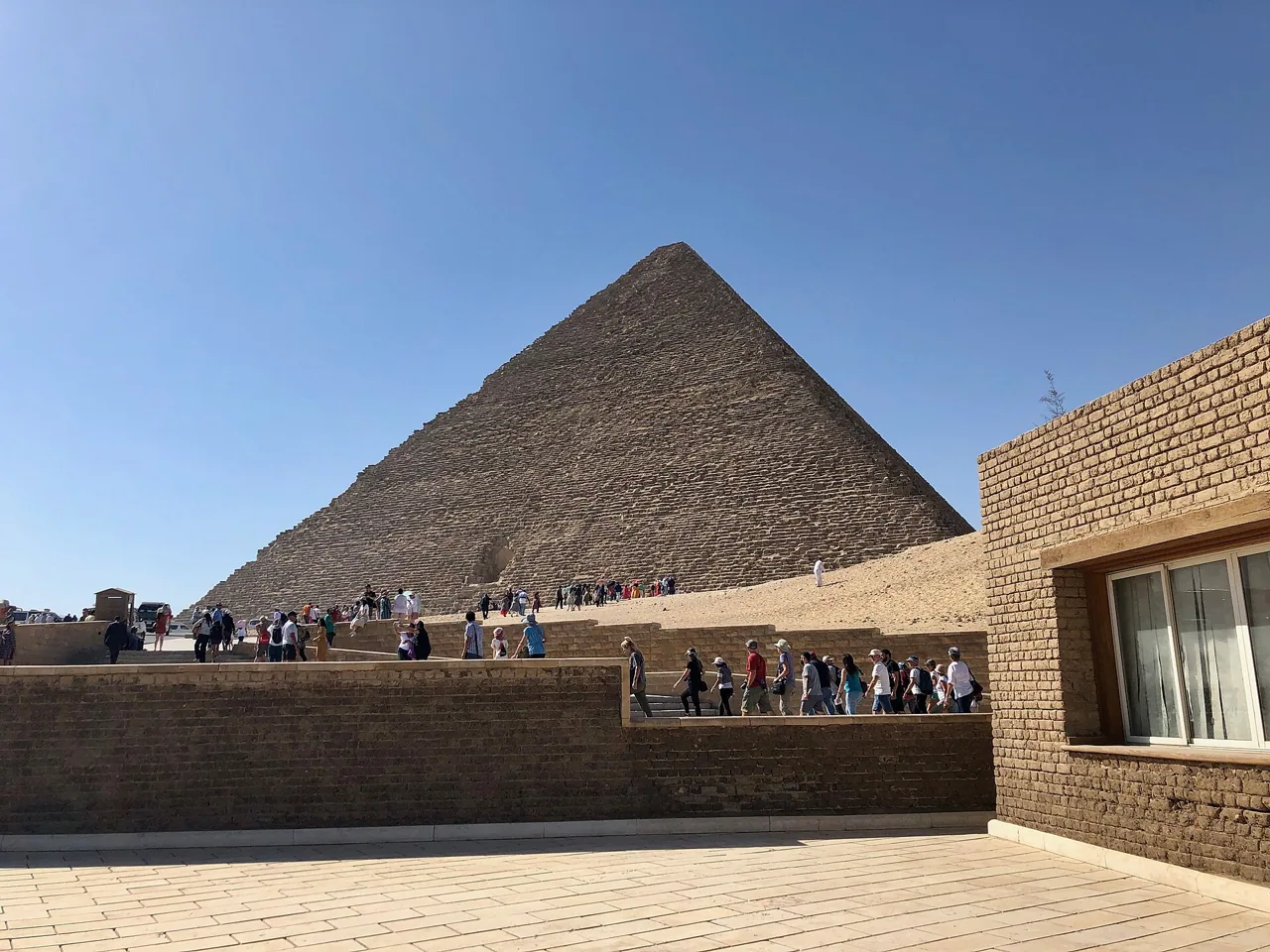
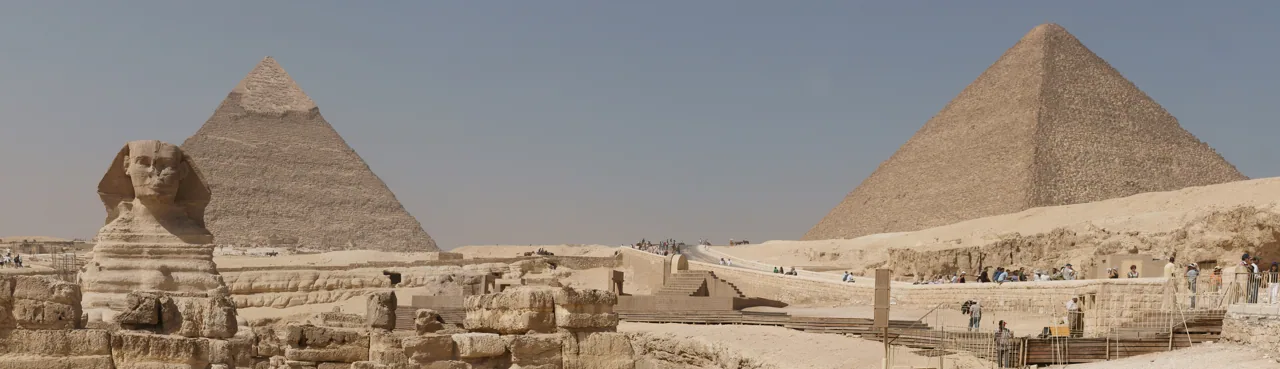
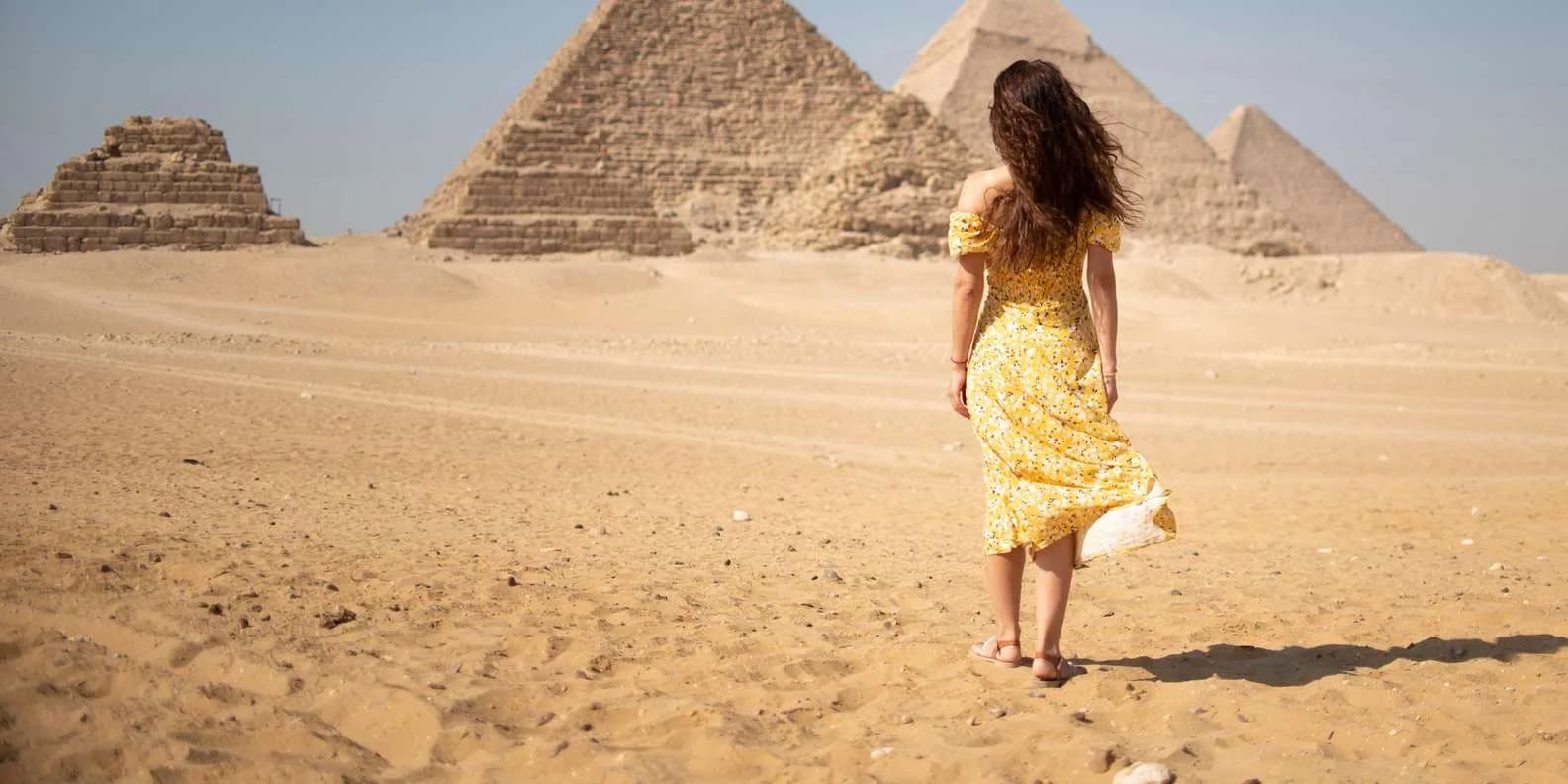
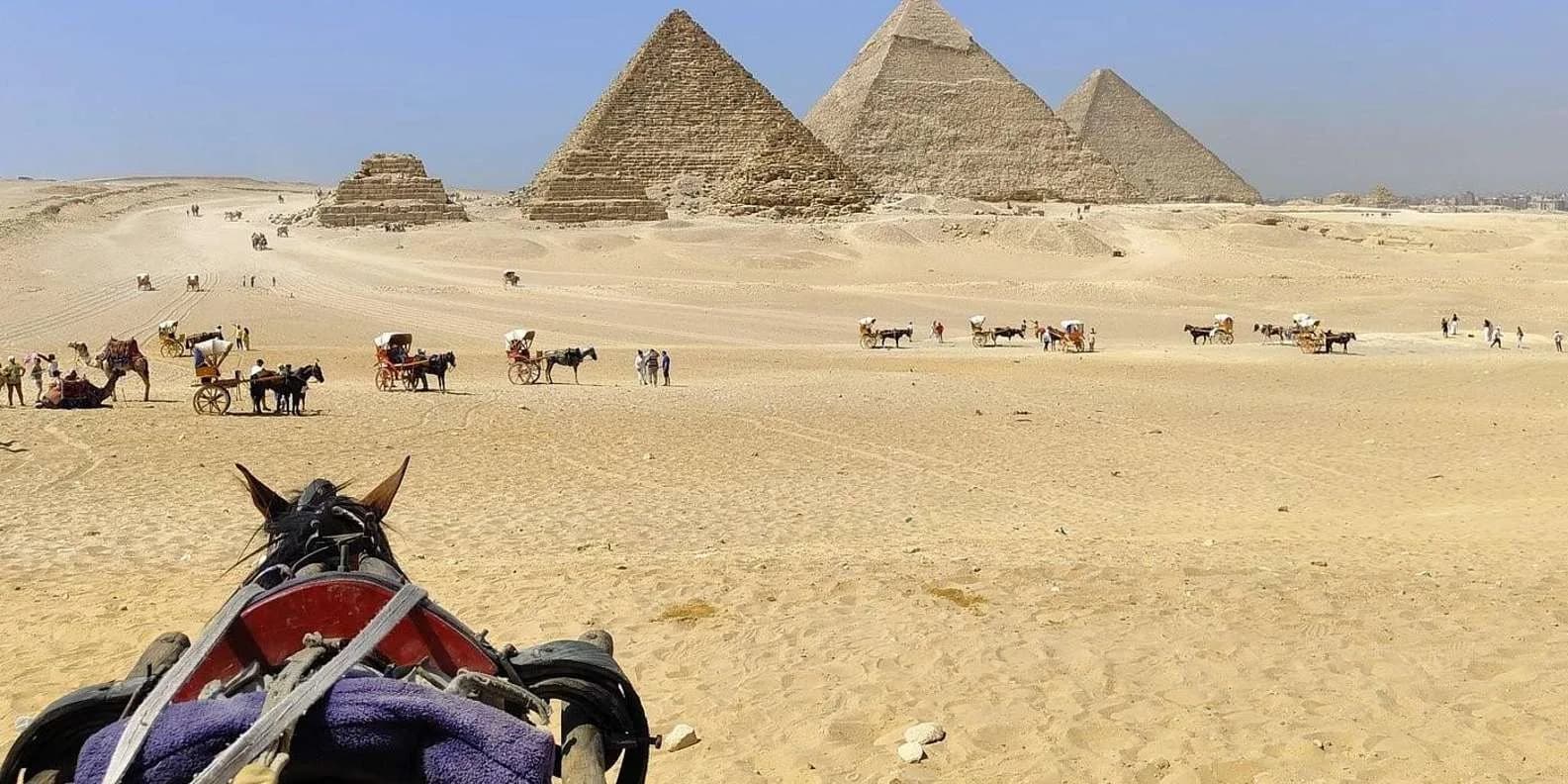
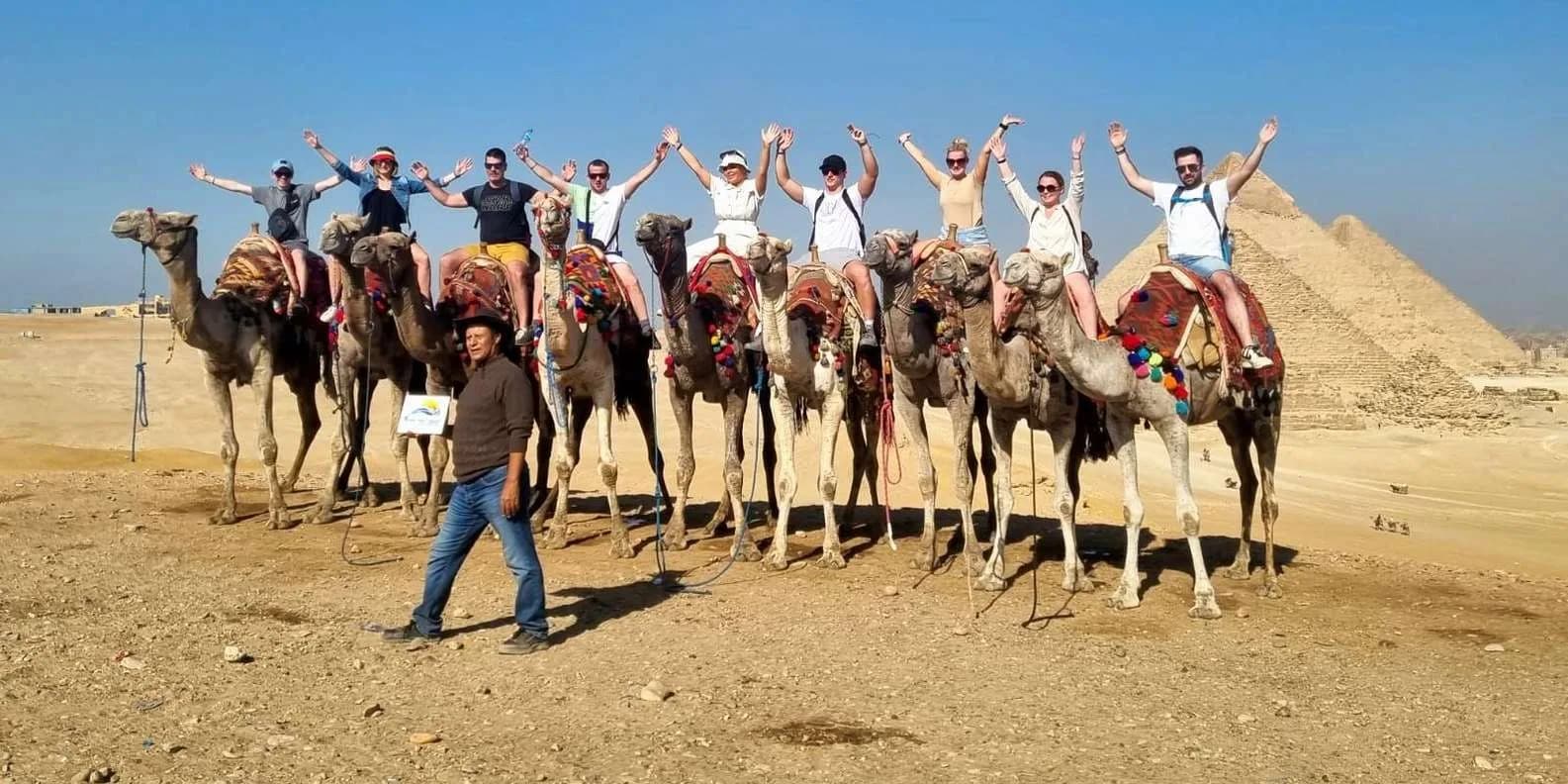
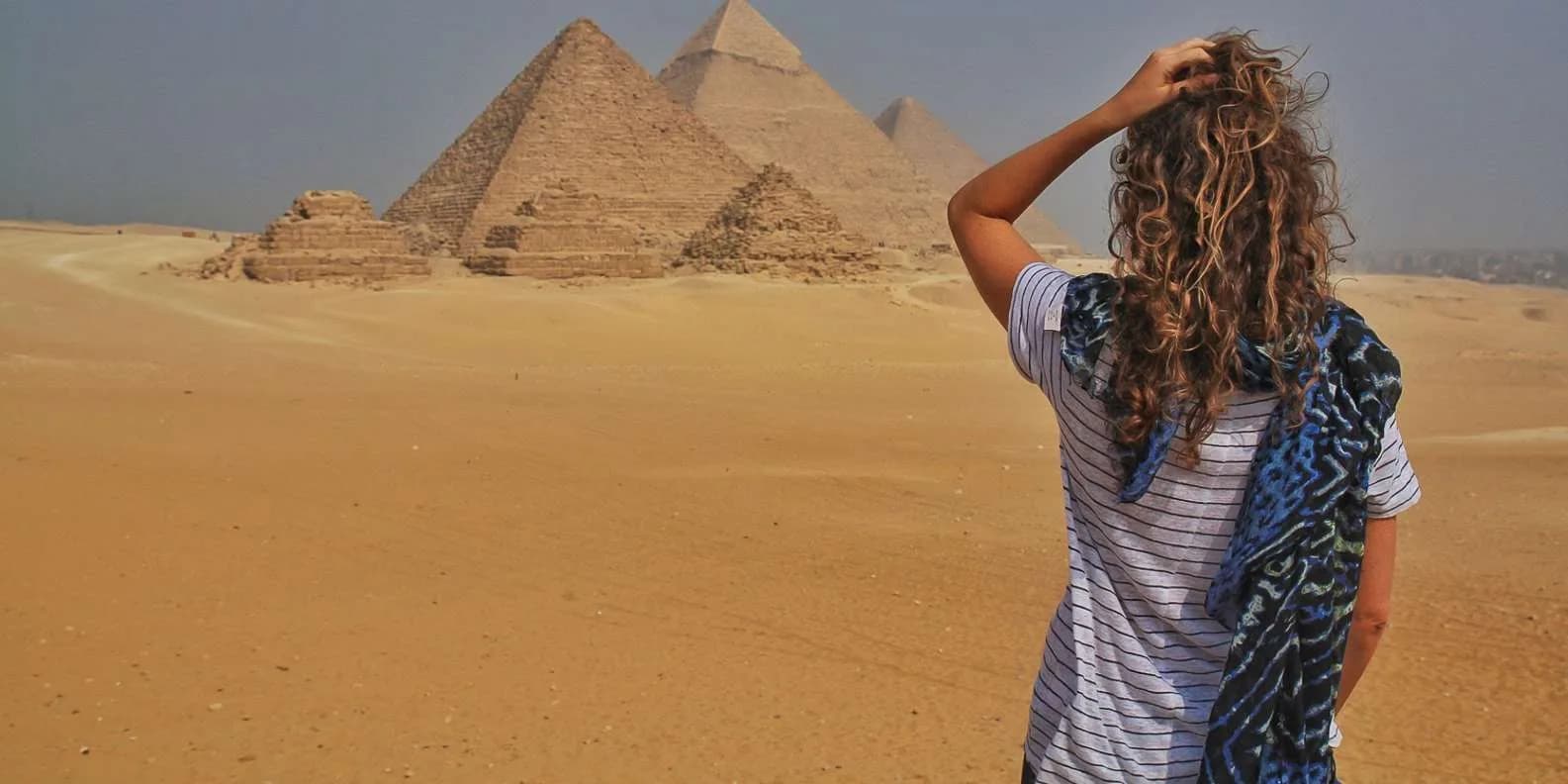
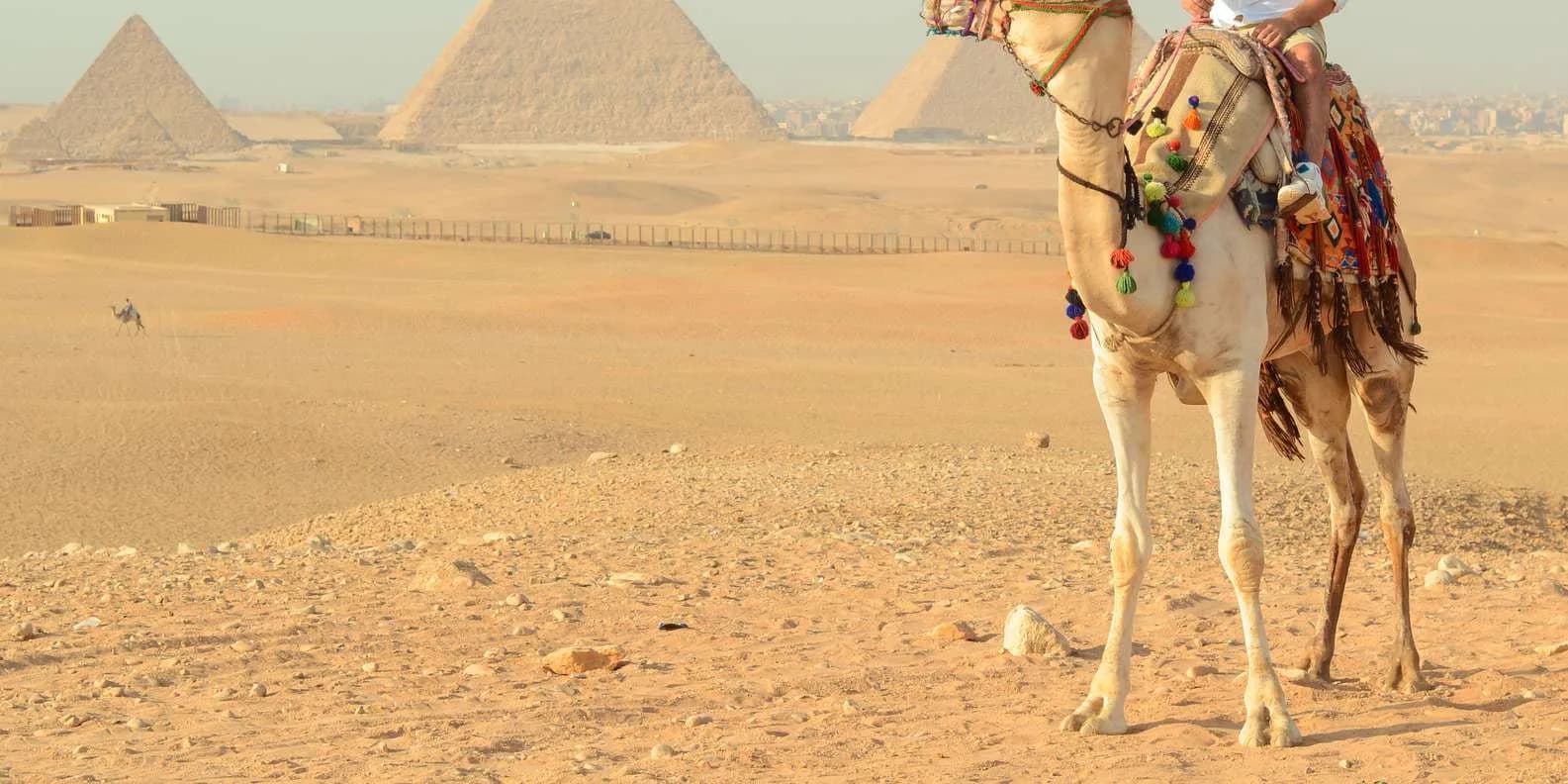
Go straight for the headline. Reach the Pyramids of Giza at the 7am opening for the three pyramids, the Sphinx, and the panorama point at the plateau's edge, where you get all three pyramids in one frame. The early start matters twice over: you beat both the tour buses and the midday heat, and the light is better for photos. Budget two to three hours on the plateau, and decide in advance whether you want to go inside the Great Pyramid (a separate ticket, a steep crouched climb, and empty chambers) or save your energy for the museum.
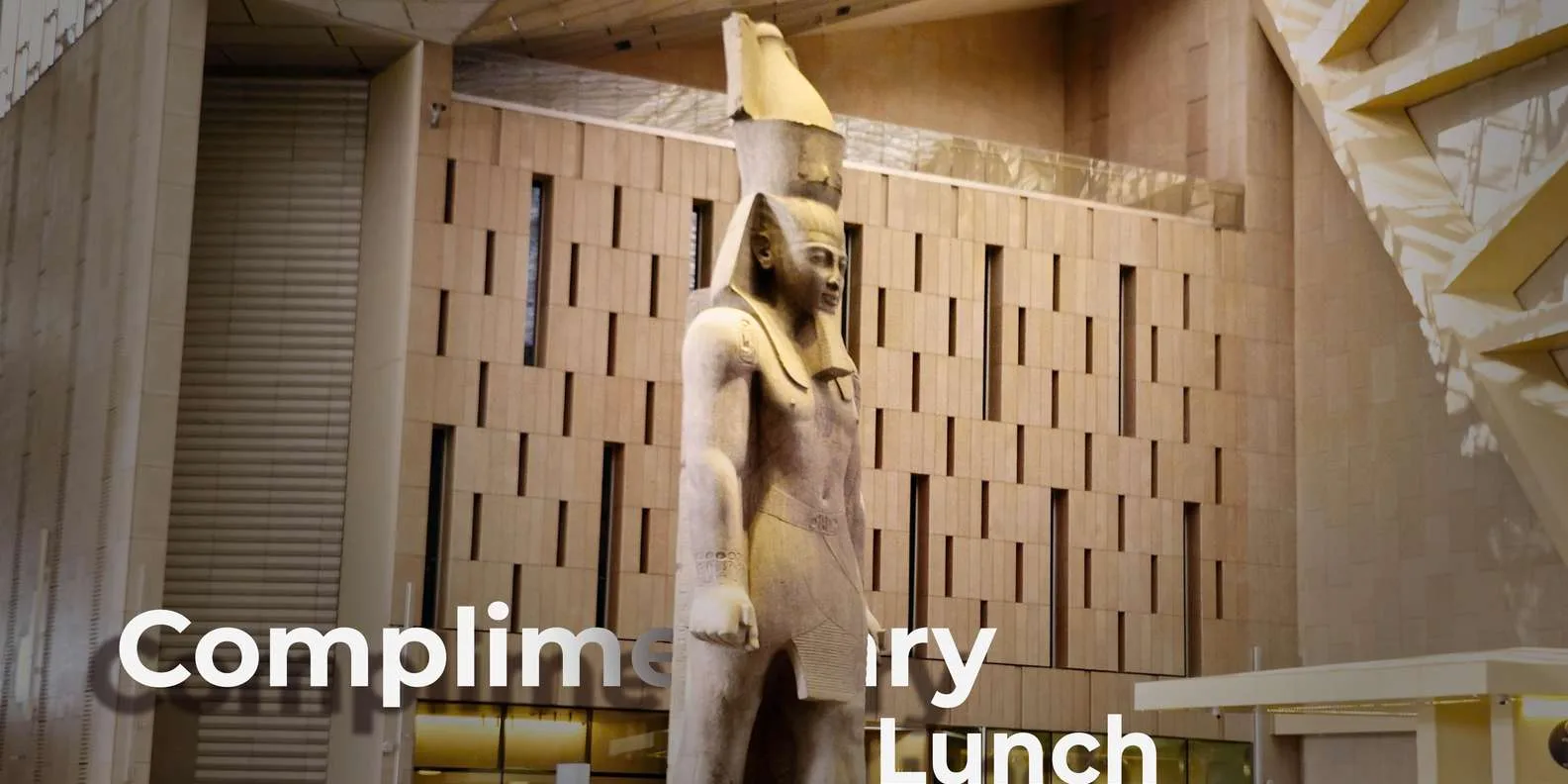
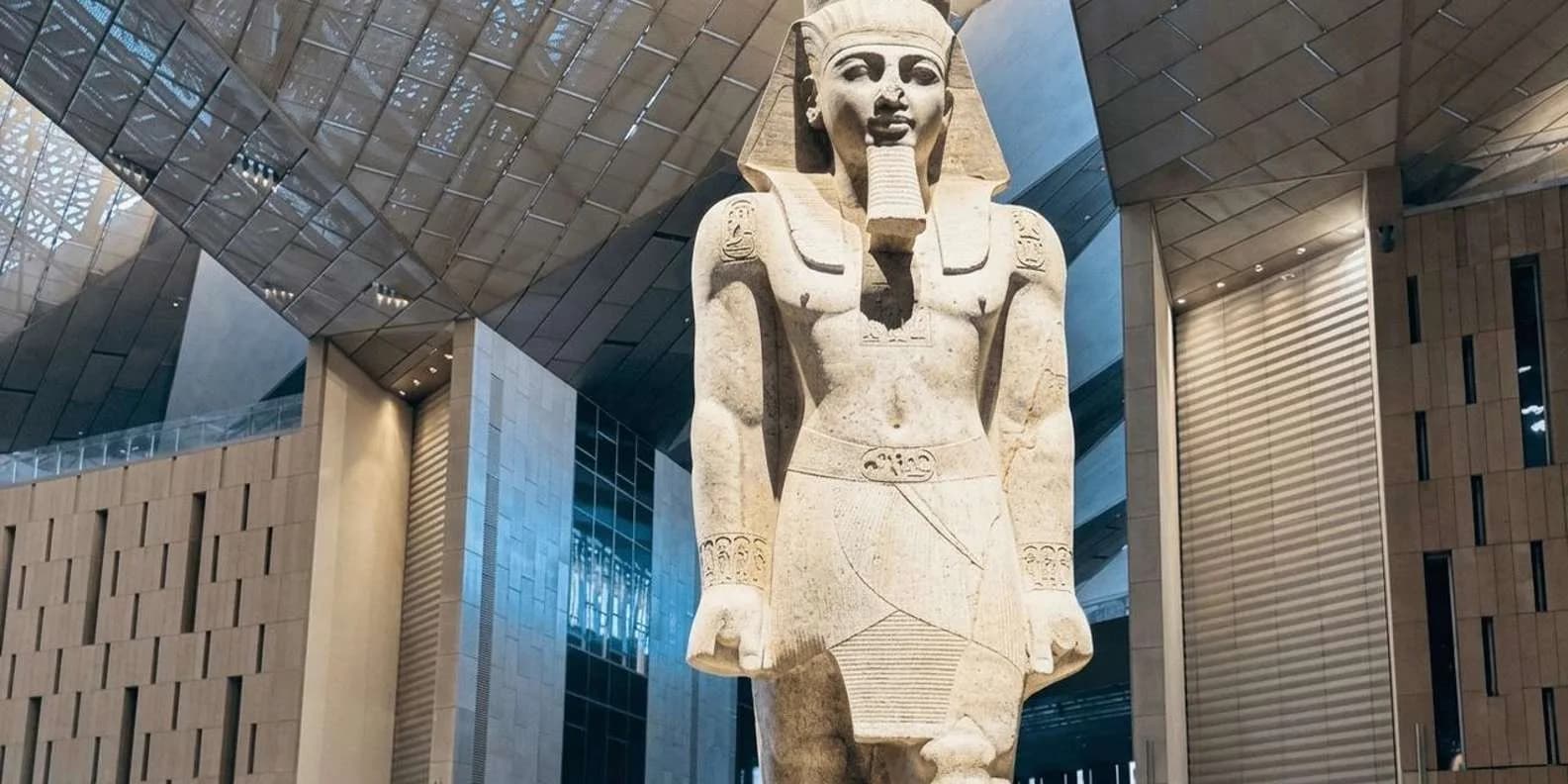
Then cross to the Grand Egyptian Museum next door, the reason Giza is now a full-day anchor rather than a morning stop. The GEM holds the complete Tutankhamun collection displayed together for the first time in history, alongside a grand staircase lined with monumental royal statues that climbs toward a window framing the pyramids themselves. Give it three hours minimum. The Grand Egyptian Museum guide sets out which galleries to prioritise if your time is tight, and the GEM versus the Egyptian Museum comparison helps you decide which to visit on Day 2.
Day 2: Historic Cairo
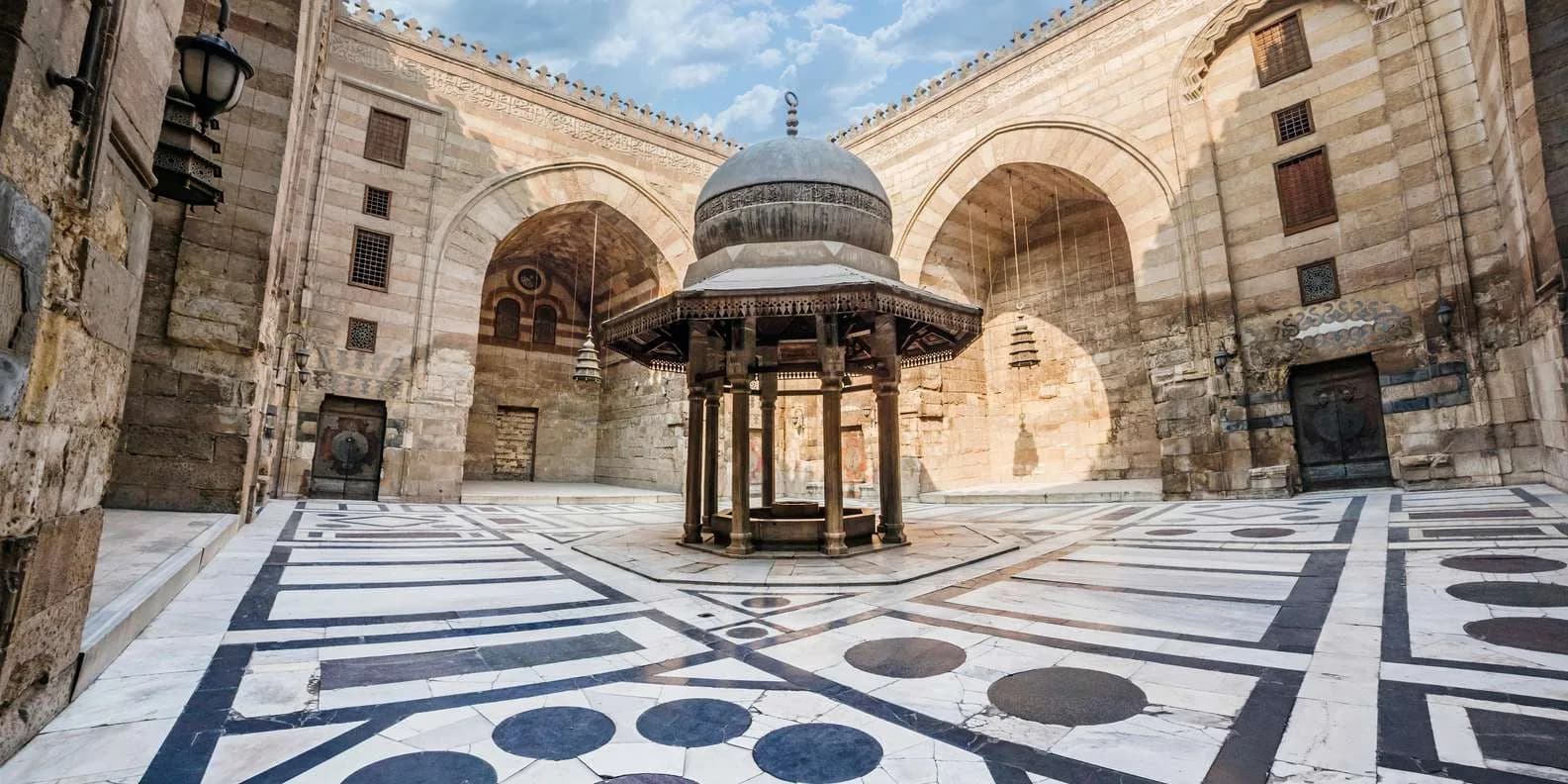
Spend the morning in Islamic Cairo. Start at the Citadel of Saladin for the Mosque of Muhammad Ali and the long view back across the city to the pyramids, then walk medieval Al-Muizz Street to Khan el-Khalili bazaar for lanterns, spices, inlaid boxes, and mint tea at El Fishawy, the 18th-century coffee house threaded into the alleys. Haggle gently and keep small notes handy.
After lunch, make the museum call. Choose the Egyptian Museum at Tahrir for its older, denser, gloriously crowded display of 120,000 objects, or Coptic Cairo for the Hanging Church and the quiet of the old Christian quarter. You cannot comfortably do both plus Islamic Cairo in one day, so pick one and go deep. Close the day with an evening felucca sail on the Nile at sunset, or a Cairo dinner cruise with dinner and a show. For a fuller menu of options, browse the best things to do in Egypt.
Day 3: Fly to Luxor and Karnak by dusk
Take an early EgyptAir flight, about 70 minutes gate to gate, and drop your bags at a hotel on the East Bank near the Corniche. This is the fly-don't-drive rule in action: the same journey by road or sleeper train would cost you the better part of a day and an evening, time that on a five-day trip you cannot spare.
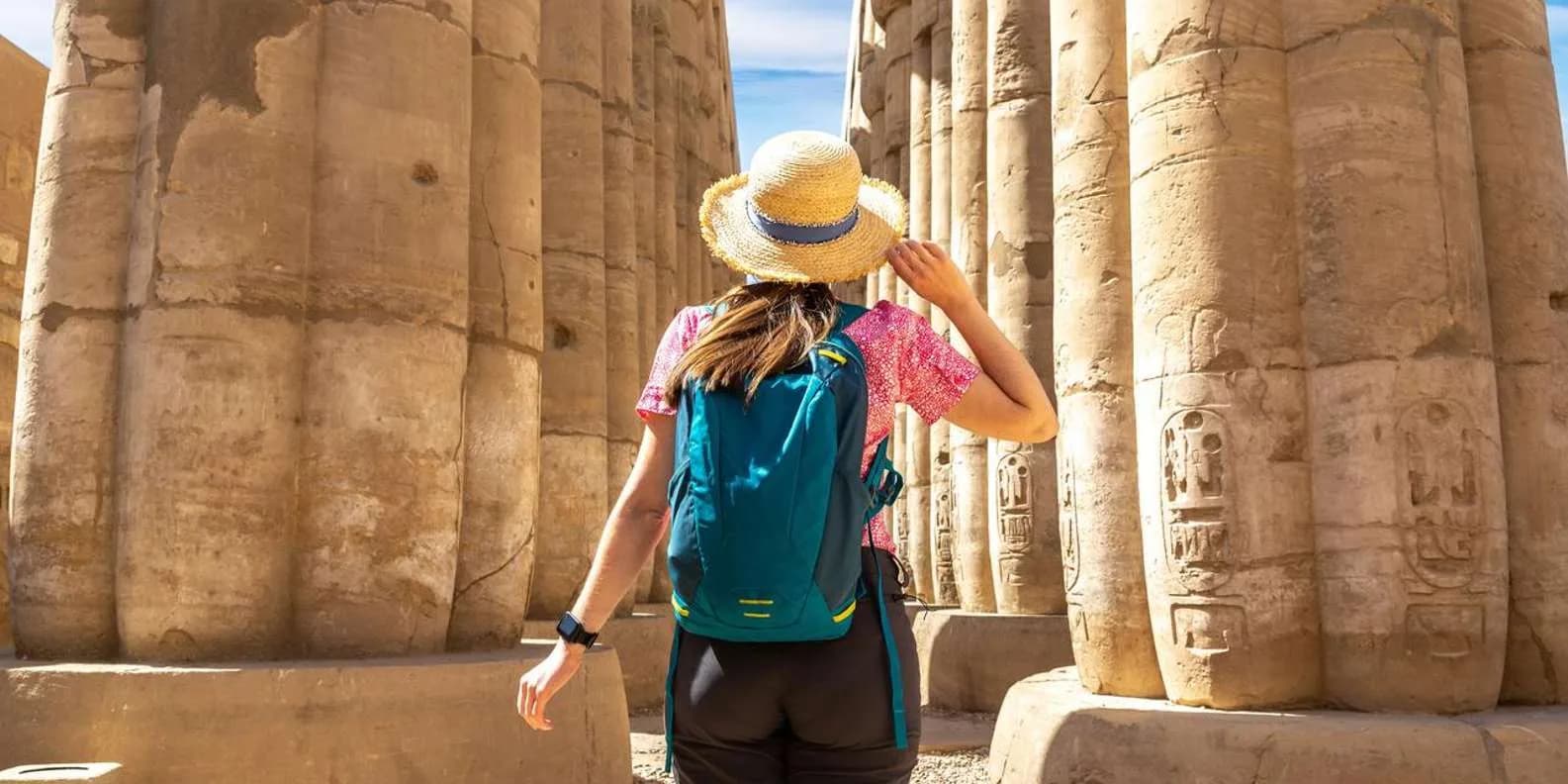
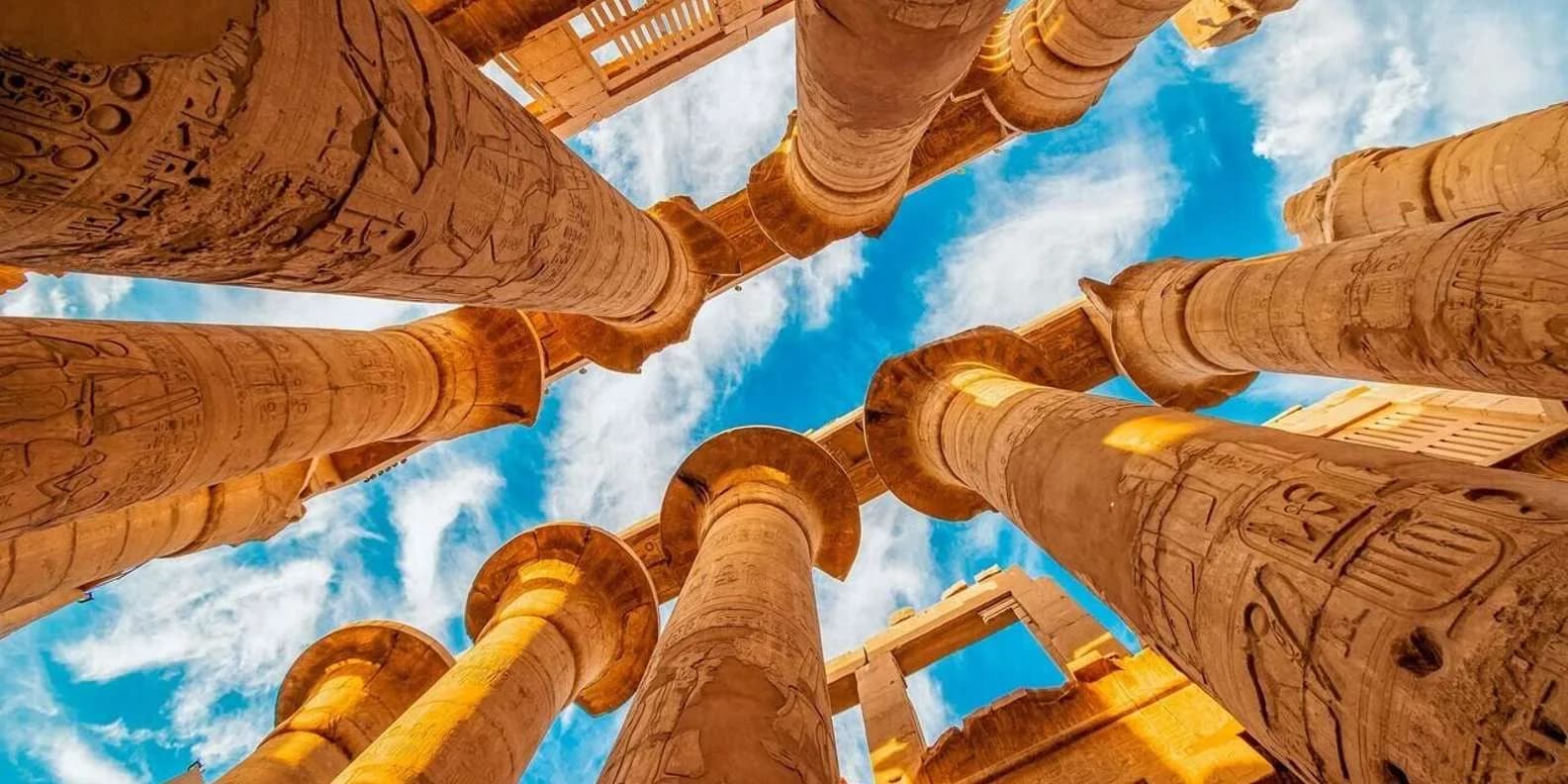
Spend the afternoon at Karnak, the largest religious complex ever built, where the Great Hypostyle Hall packs 134 sandstone columns, some 21 metres tall, into a single roofed forest of stone. Aim for late afternoon, when the light turns amber and the tour groups thin out. After dark, see Luxor Temple floodlit, a short taxi or a walk along the partly restored Avenue of Sphinxes that once linked the two temples. Dinner on the Corniche closes a long but rewarding day.
Day 4: Luxor's West Bank (and an optional sunrise balloon)
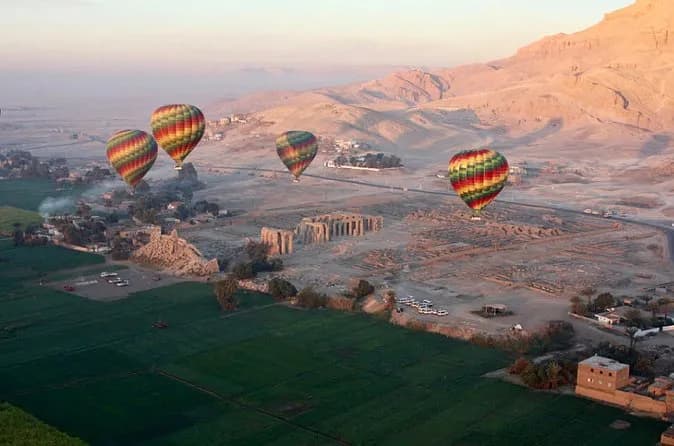
The West Bank is the day everyone remembers. Start with the optional sunrise hot air balloon over the Theban necropolis: it means a 4am pickup, but it lifts you over the Valley of the Kings, Hatshepsut's temple, and the green ribbon of the Nile as the sun breaks the eastern hills. The Luxor hot air balloon guide covers booking and timing; only do it if you have two nights in Luxor, since it makes for a very early morning.
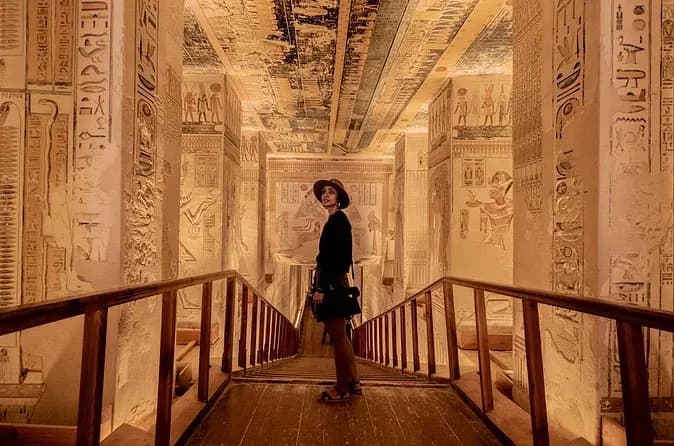
Then cross the river to the Valley of the Kings, where a standard ticket lets you into any three of the open tombs. Tutankhamun's tomb and Seti I's cost extra and are worth every pound. Continue to Hatshepsut's three-terraced temple at Deir el-Bahari, dramatically carved into the cliff face, and the two seated Colossi of Memnon that guard the road back. Hire a West Bank driver for the day (about 600 to 900 EGP) rather than piecing together taxis, because the sites are spread out and Uber does not run here.
Day 5: A slow morning, then fly home via Cairo
Keep the last day relaxed. See the compact and superbly curated Luxor Museum, or take a last Corniche coffee, then fly back to Cairo for your onward international connection. Build in a comfortable buffer between the domestic arrival and the international departure, since the two often use different terminals. If your flight home leaves late, store your bags at a Cairo hotel and squeeze in one last pass through Khan el-Khalili or a Nile dinner cruise before the airport run.
Why you fly and skip the cruise on five days
Egypt's two great clusters, Giza and Thebes, sit 500km apart, and the whole logic of a short trip is minimising the transit between them. A flight collapses that gap to an hour; the overnight train turns it into a lost night plus a lost morning, and driving it is a full, tiring day each way. Over five days, that difference is the whole margin between seeing Luxor properly and rushing it.
The Nile cruise is the other tempting trap. Cruises are wonderful, but the shortest worthwhile itineraries run three to four nights between Luxor and Aswan, and they only make sense on a trip of a week or more. On five days a cruise would swallow your entire schedule and still leave you without Cairo. Save it for the 7-day itinerary or longer, where the pacing actually works.
How to tweak: an all-Cairo plan with an Alexandria day
If you would rather not fly at all, or you are travelling with someone who dislikes the airport shuffle, drop Luxor and build a slower all-Cairo trip. Give Days 1 to 3 to Giza, the GEM, the Egyptian Museum, Islamic and Coptic Cairo, and the pyramid fields at Saqqara and Dahshur, where the Step Pyramid and the Bent and Red Pyramids trace the whole evolution of pyramid building with a fraction of Giza's crowds.
Then give Day 4 to Alexandria. The Mediterranean city is an easy two to two-and-a-half-hour train from Cairo's Ramses station, close enough for a comfortable day trip. See the striking modern Bibliotheca Alexandrina, the Roman Catacombs of Kom el-Shoqafa, Pompey's Pillar, and the seafront Citadel of Qaitbay built on the ruins of the ancient lighthouse, then eat grilled fish on the Corniche before the evening train back. Day 5 stays a relaxed Cairo morning and departure. You trade Luxor's temples for a second face of Egypt and zero domestic flights.
Best time to go, and fly versus train
The sweet spot is October to April, when Cairo is pleasant and Luxor is warm rather than punishing. Avoid June to August if you can: Luxor regularly tops 40C and the West Bank tombs become genuinely brutal at midday. Check the best time to visit Egypt before locking dates.
On the Cairo to Luxor leg, fly. EgyptAir runs several nonstop flights a day for roughly 70 minutes in the air; the sleeper train takes around 10 hours overnight. The train is a fun experience in its own right and saves a hotel night, so it earns its place on longer, slower trips, but for a five-day plan the flight buys you the daylight hours you need in Luxor. On the flat, fast Cairo to Alexandria run, the reverse is true: the train is quicker and easier than driving, and no flight exists.
Practical notes
Book the Cairo to Luxor flight and any balloon ride well in advance, as both fill in the December to February peak. A single-entry tourist visa costs 30 USD on arrival or online through the official e-visa portal. Carry small EGP notes for tips and bazaar stalls, and pack a scarf for mosque and church visits. Uber and Careem work well in Cairo but not in Luxor, where you agree taxi fares up front or hire a driver for the day. Dress modestly at religious sites, and keep water on you everywhere.
What you skip, and how to add it
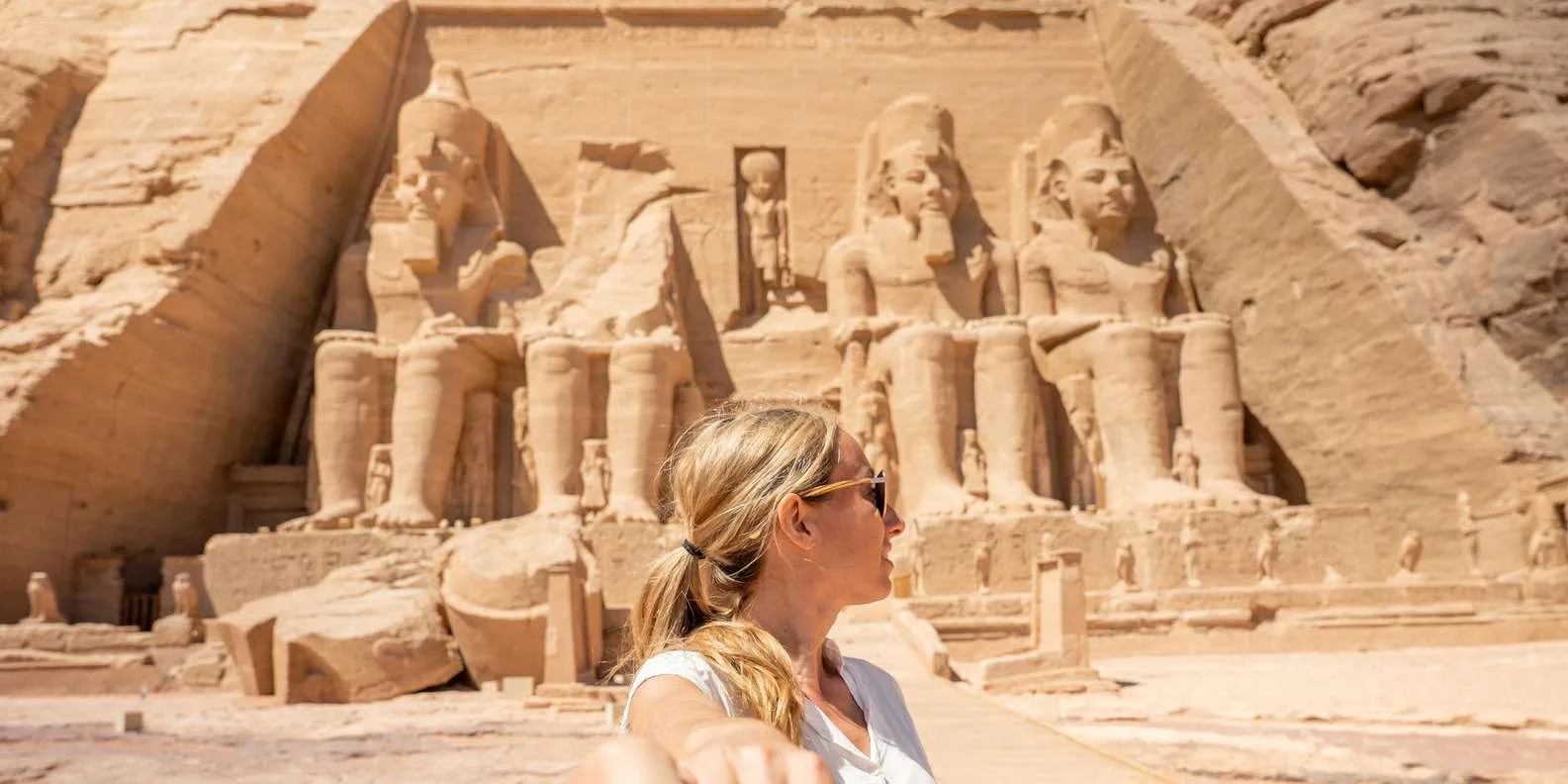
Five days leaves out Aswan and Abu Simbel: the southern temples, the elegant island-strewn stretch of the Nile, and the colossal relocated statues of Ramses II. Add two days and a short flight or leg south to reach them; the Abu Simbel day trip from Aswan shows how it fits. For the wider picture, our Egypt travel guide and full Egypt itinerary planner map out every route length. When you are ready to book the individual experiences on this plan, search live tours and tickets to lock in your dates.

A real team available 24/7 to assist you — free
Seif and the team reply on WhatsApp 24/7 — trip questions, custom plans and booking help.
Ask Seif on WhatsAppCommon questions
Is 5 days enough for Egypt?
Yes, for the headlines. Five days covers Cairo, Giza, the Grand Egyptian Museum, and Luxor's temples and tombs via a short flight. You will skip Aswan and Abu Simbel, but you will stand at the pyramids and see the complete Tutankhamun treasure. The key is to fly rather than cruise, since a river journey would eat most of your time.
Should I fly or cruise on a 5-day Egypt trip?
Fly. The 70-minute Cairo-to-Luxor flight leaves you the daylight hours you need for both Karnak and the West Bank. A Nile cruise needs three to four nights minimum, which only fits itineraries of a week or more, and would leave you no time for Cairo. Save cruising for a longer trip.
What is the best 5-day Egypt itinerary?
Two nights in Cairo for Giza, the Grand Egyptian Museum, and historic Cairo, then fly to Luxor for one to two nights covering Karnak, Luxor Temple, the Valley of the Kings, and Hatshepsut's temple, before flying home via Cairo on Day 5. It hits the pyramids and the best of the south with the least possible transit.
How much does 5 days in Egypt cost?
Budget roughly 700 to 1,400 USD per person before international airfare, including a Cairo-Luxor round-trip flight (from about 100 USD), site tickets, mid-range hotels, and a guide or driver. A sunrise balloon adds from about 5,400 EGP and a Giza group tour from about 2,200 EGP.
Should I take the train or fly from Cairo to Luxor?
On a five-day trip, fly. EgyptAir runs several nonstop flights a day, about 70 minutes in the air, versus roughly 10 hours on the overnight sleeper train. The train is a fun experience and saves a hotel night, so it suits longer, slower trips, but the flight buys you the Luxor daylight a short itinerary needs.
Can I do 5 days in Egypt without flying?
Yes. Drop Luxor and build a slower all-Cairo plan: Giza, the GEM, the Egyptian Museum, Islamic and Coptic Cairo, and the pyramid fields at Saqqara and Dahshur, plus a day trip to Alexandria by train for the Bibliotheca, the catacombs, and the Qaitbay Citadel. You trade Luxor's temples for a second side of Egypt and no domestic flights.
Is a sunrise balloon in Luxor worth it in 5 days?
Yes if you have two nights in Luxor. The flight lifts off before dawn over the Valley of the Kings and Hatshepsut's temple. It means a 4am start on Day 4, so plan a lighter afternoon after the West Bank tombs. Skip it if you only have one Luxor night and an early Day 5 flight.
When is the best time to visit Egypt for a 5-day trip?
October to April, when Cairo is pleasant and Luxor is warm rather than punishing. Avoid June to August if you can, since Luxor regularly tops 40C and the West Bank tombs become brutal at midday. December to February is peak, so book flights, hotels, and balloons well ahead.
Book it on This is Egypt
Turn this guide into a trip



Egypt's bestsellers
The experiences travelers book most, across the country



Keep reading

3 Days in Cairo: The Perfect First-Timer's Itinerary
Pyramids, Islamic Cairo, Coptic alleys and the Grand Egyptian Museum: a tested 72-hour Cairo plan with real timings, transport and prices.
By TiE Editors9 min read

7-Night Nile Cruise: Luxor to Aswan Round Trip (2026)
The complete 7-night Luxor-Aswan-Luxor Nile cruise: a relaxed pace, every major temple, optional Abu Simbel and Dendera add-ons, and the full classic Egypt experience.
By TiE Editors8 min read

5-Day Nile Cruise: The Ideal Itinerary (2026)
A relaxed 5-day, 4-night Nile cruise from Luxor to Aswan taking in Karnak, Valley of the Kings, Edfu, Kom Ombo and Philae — with time to spare for Abu Simbel, Egypt's fuller cruise option.
By TiE Editors7 min read