The 20 Best Things to Do in Egypt (2026)
The 20 best things to do in Egypt in 2026, from the Pyramids and the new Grand Egyptian Museum to a Nile cruise, the Valley of the Kings and Red Sea diving, with real prices, real detail and how long each takes.
Book it on This is Egypt
Turn this guide into a trip
Quick answer: Egypt concentrates more world-famous sights into one country than almost anywhere on earth, and in 2026 it has a genuinely new headline act: the Grand Egyptian Museum, opened fully beside the Pyramids in November 2025. This is our considered pick of the twenty best things to do, ordered roughly by how essential they are, each with real detail, a real price from our catalogue of live bookings, and how long it actually takes.
At a glance: Best time October to April · 10 days covers the classics · most experiences 1,500 to 4,500 EGP · new for 2026: the Grand Egyptian Museum.
The five you build a trip around
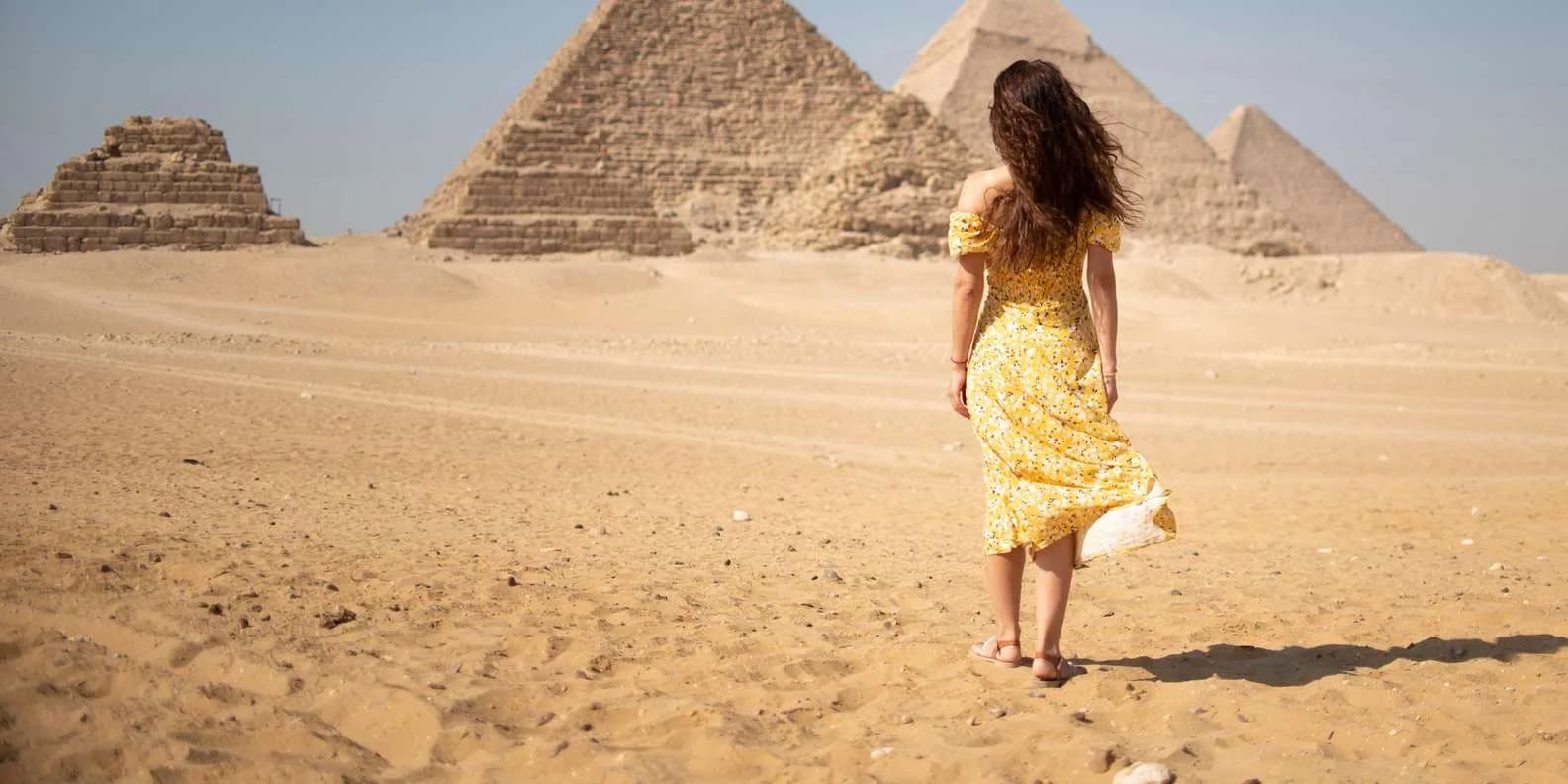
1. Stand beneath the Pyramids of Giza
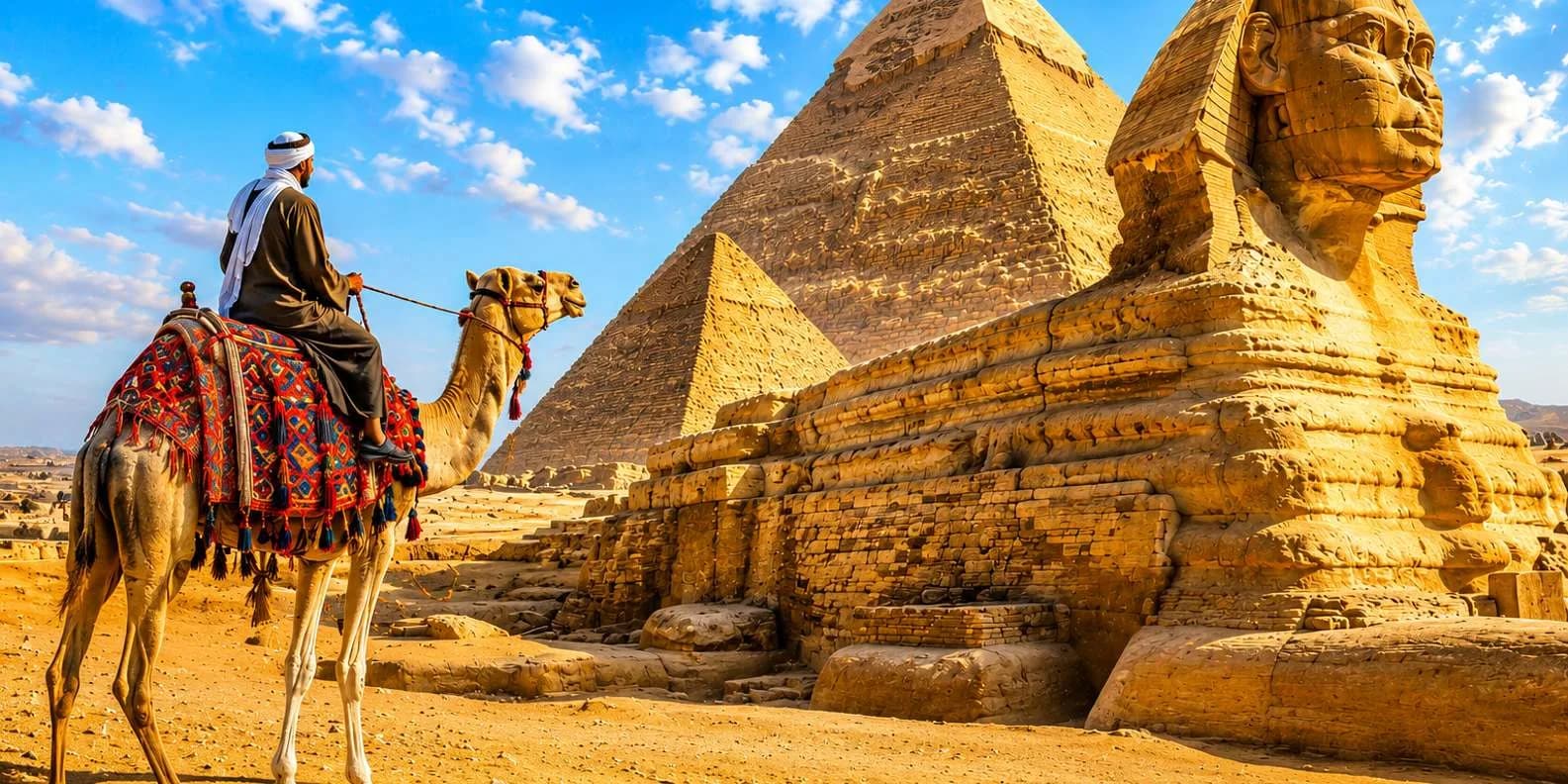
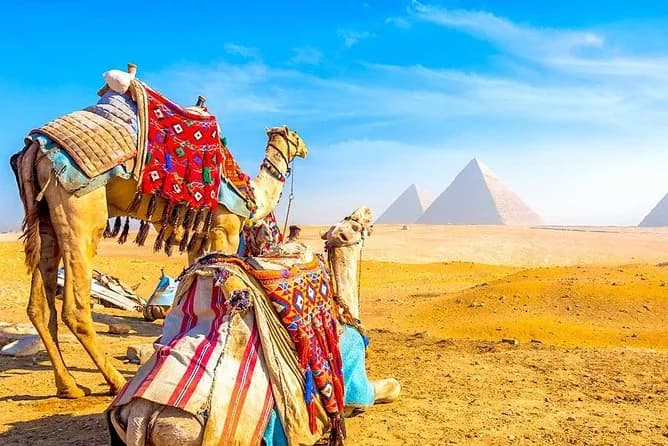
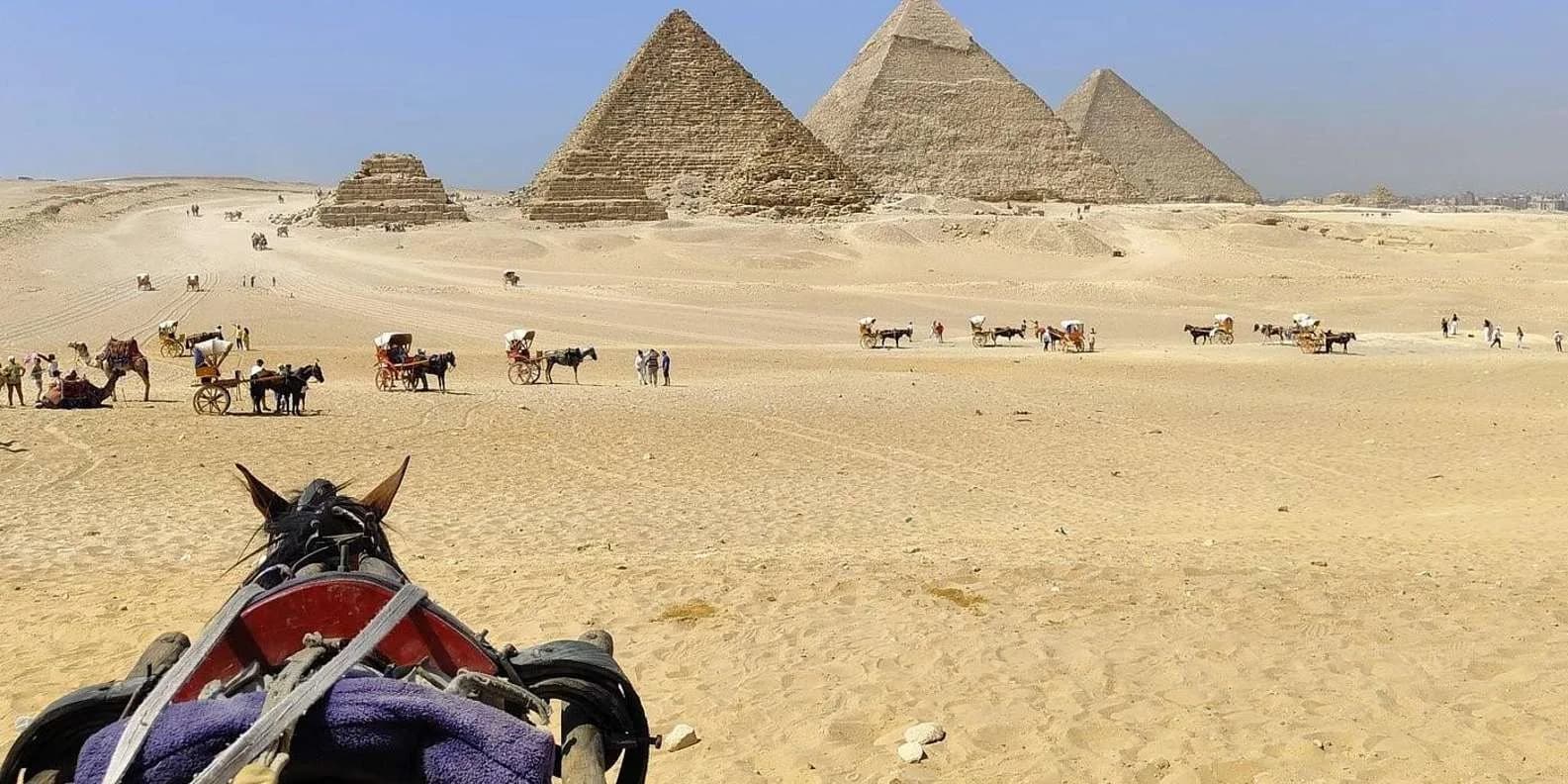
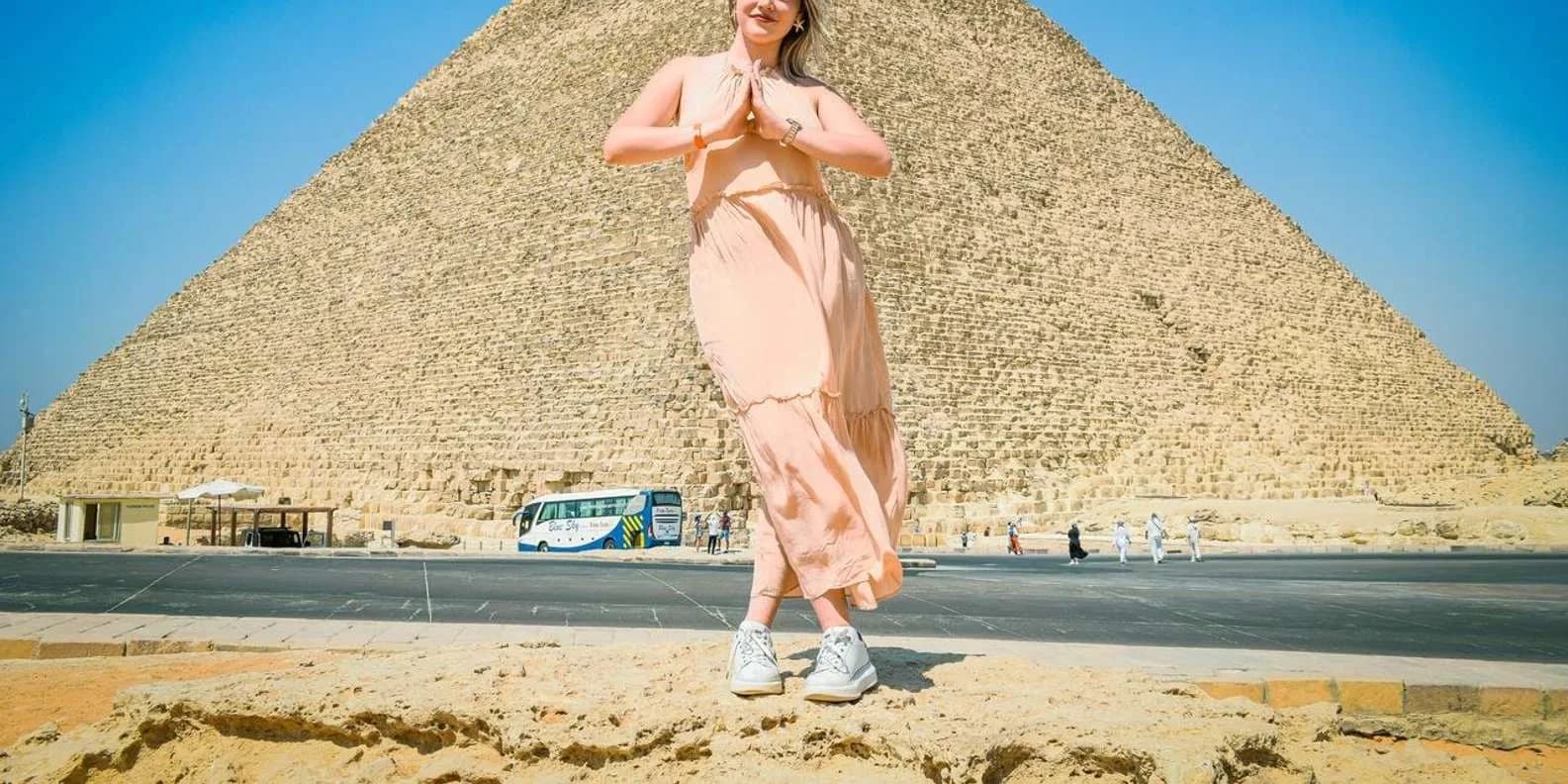
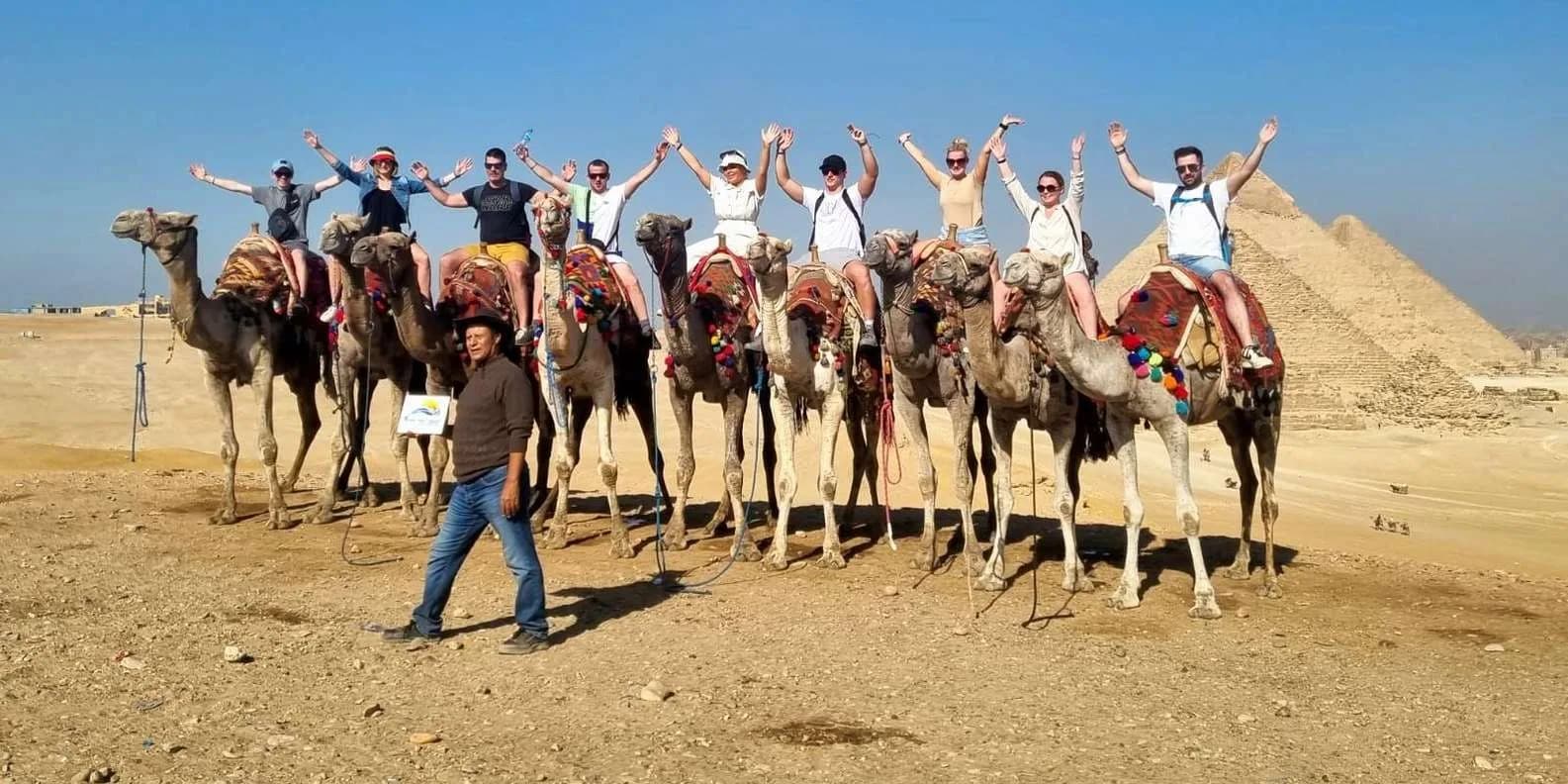
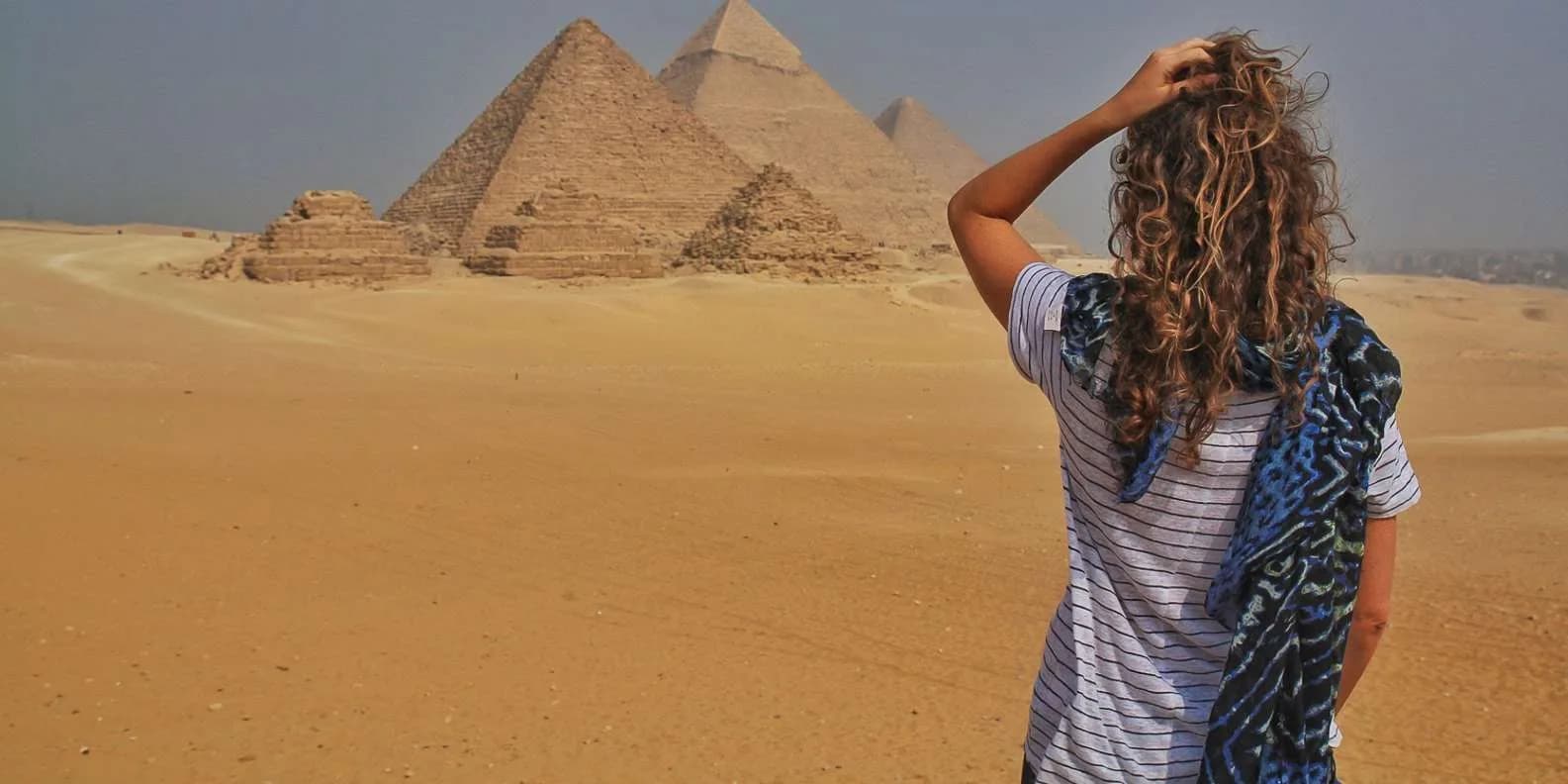
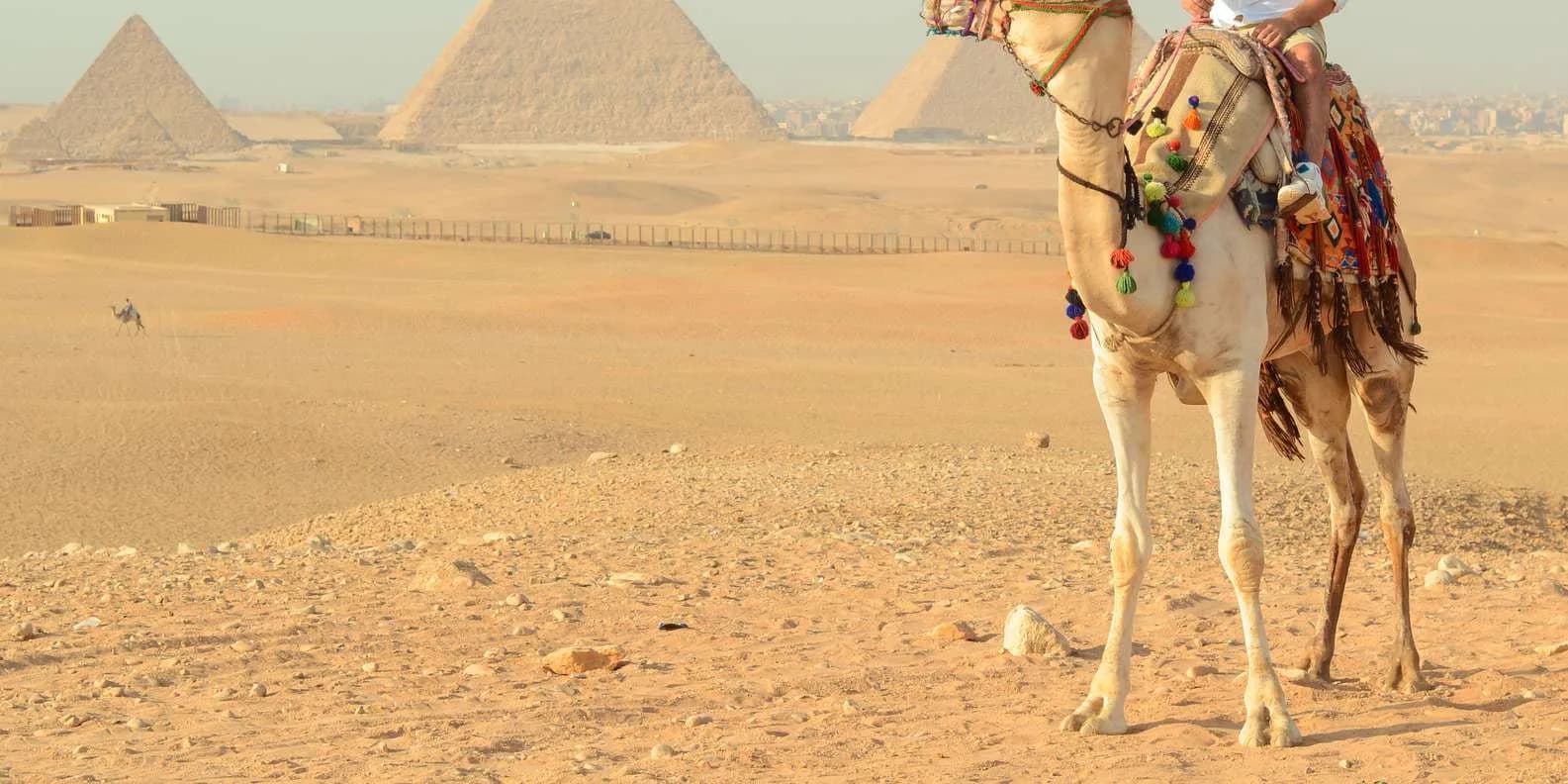
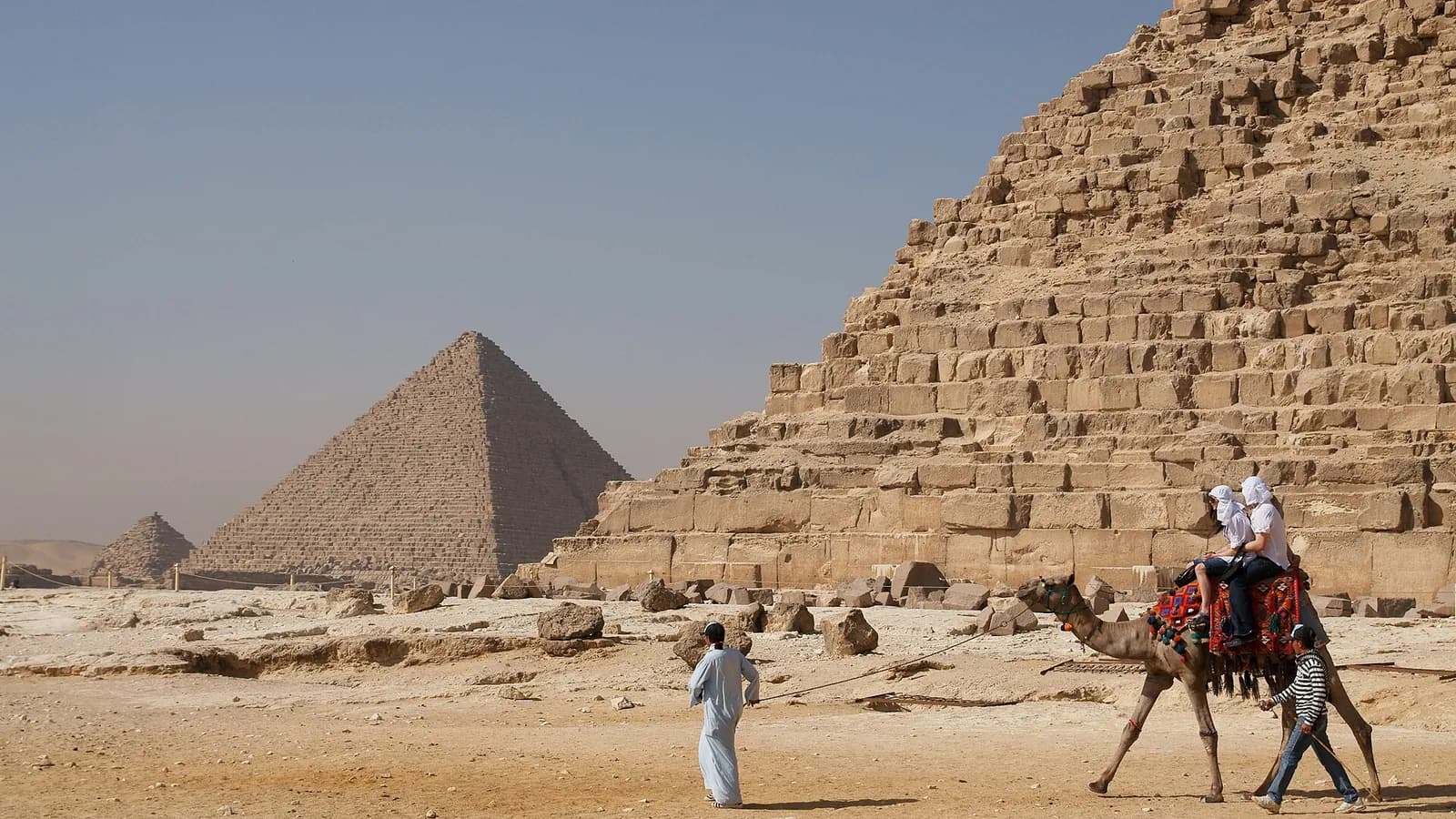
The Great Pyramid of Khufu went up around 2560 BC, held the record as the tallest structure on earth for close to 4,000 years, and still rises about 139 metres even after losing its polished outer casing. Photographs flatten it; up close, the scale is the thing, with roughly 2.3 million limestone blocks, many chest-high, stacked with a precision that still is not fully explained. Alongside it stand the pyramids of Khafre, which keeps a cap of original casing at its summit, and the smaller Menkaure, plus the Great Sphinx guarding the eastern edge. Buy the separate ticket to climb the low, airless internal passage to the empty burial chamber only if you are not claustrophobic, there is no treasure inside, just the raw engineering. A short camel or horse ride out to the desert panorama, where all three pyramids line up, is worth the modest haggle. A group tour with a camel ride runs from about 2,200 EGP; allow three to four hours, or a full day if you add the sites below. Read our Pyramids of Giza guide first.
2. See the Tutankhamun treasure at the Grand Egyptian Museum
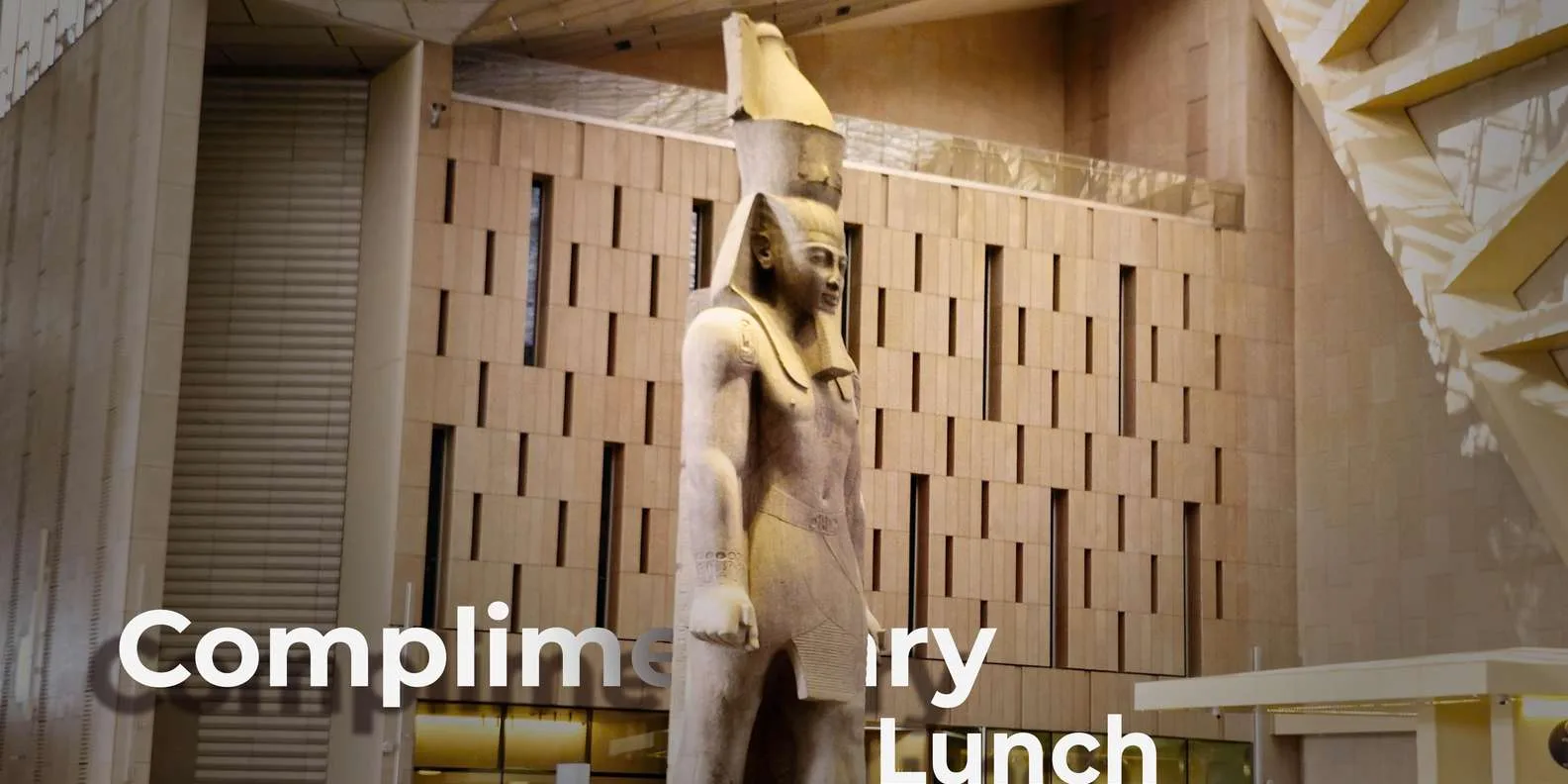
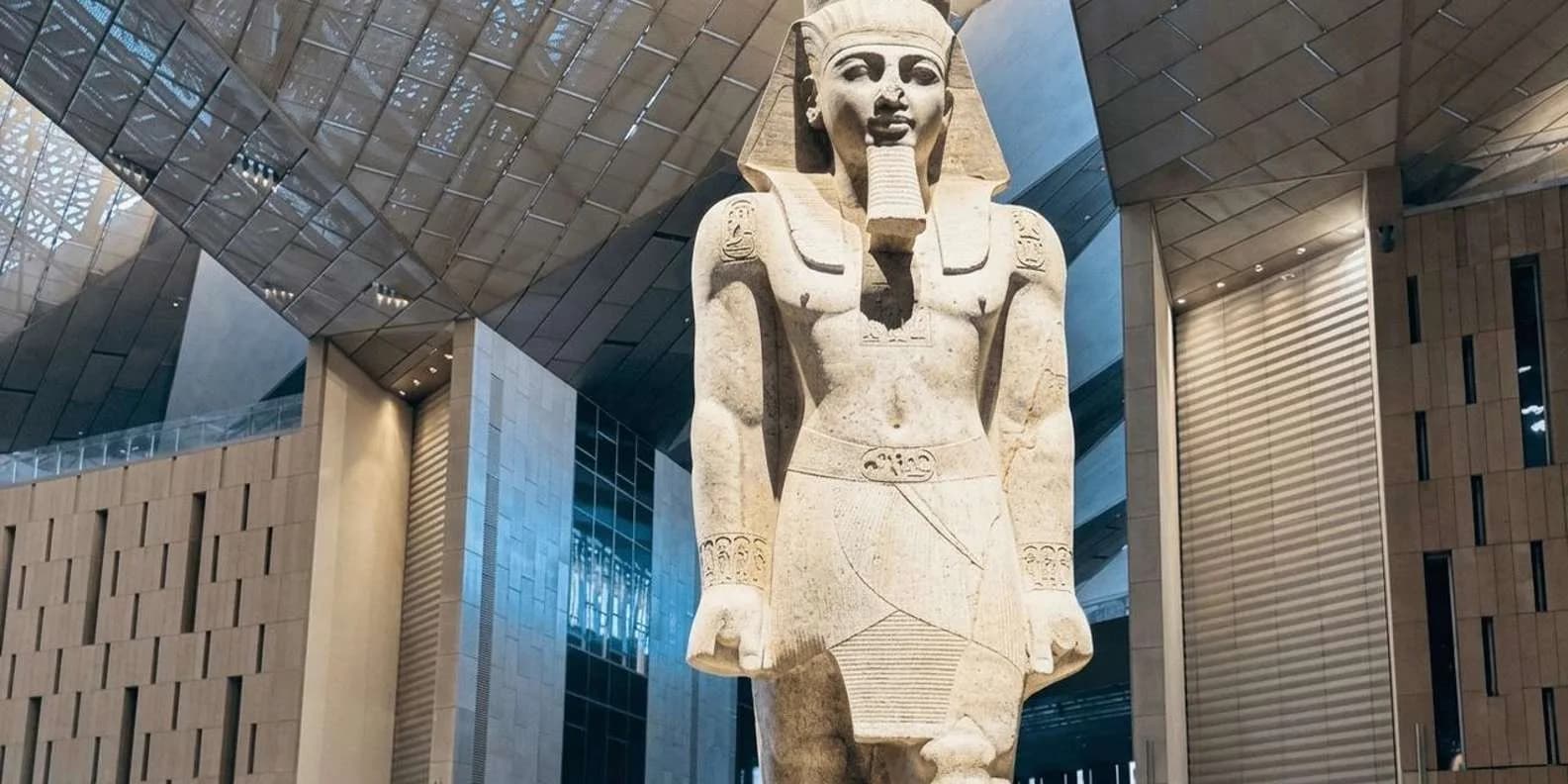
Two kilometres from the plateau, the Grand Egyptian Museum is the largest archaeological museum in the world and the reason 2026 is a special year to visit. Its centrepiece is the complete 5,000-piece Tutankhamun collection, displayed together for the first time, including the gold funerary mask and the nested golden shrines. An 11-metre, 83-tonne colossus of Ramses II presides over the atrium, and the Grand Staircase climbs past rows of royal statues toward a window that frames the Pyramids themselves. You cannot see 100,000 objects, so prioritise the Tut galleries and the atrium. Entry is about 1,450 EGP; a combined Giza and museum tour runs from about 4,100 EGP. Allow two to three hours. Our GEM visitor guide covers tickets, hours and what to see first.
3. Sail the Nile between Aswan and Luxor
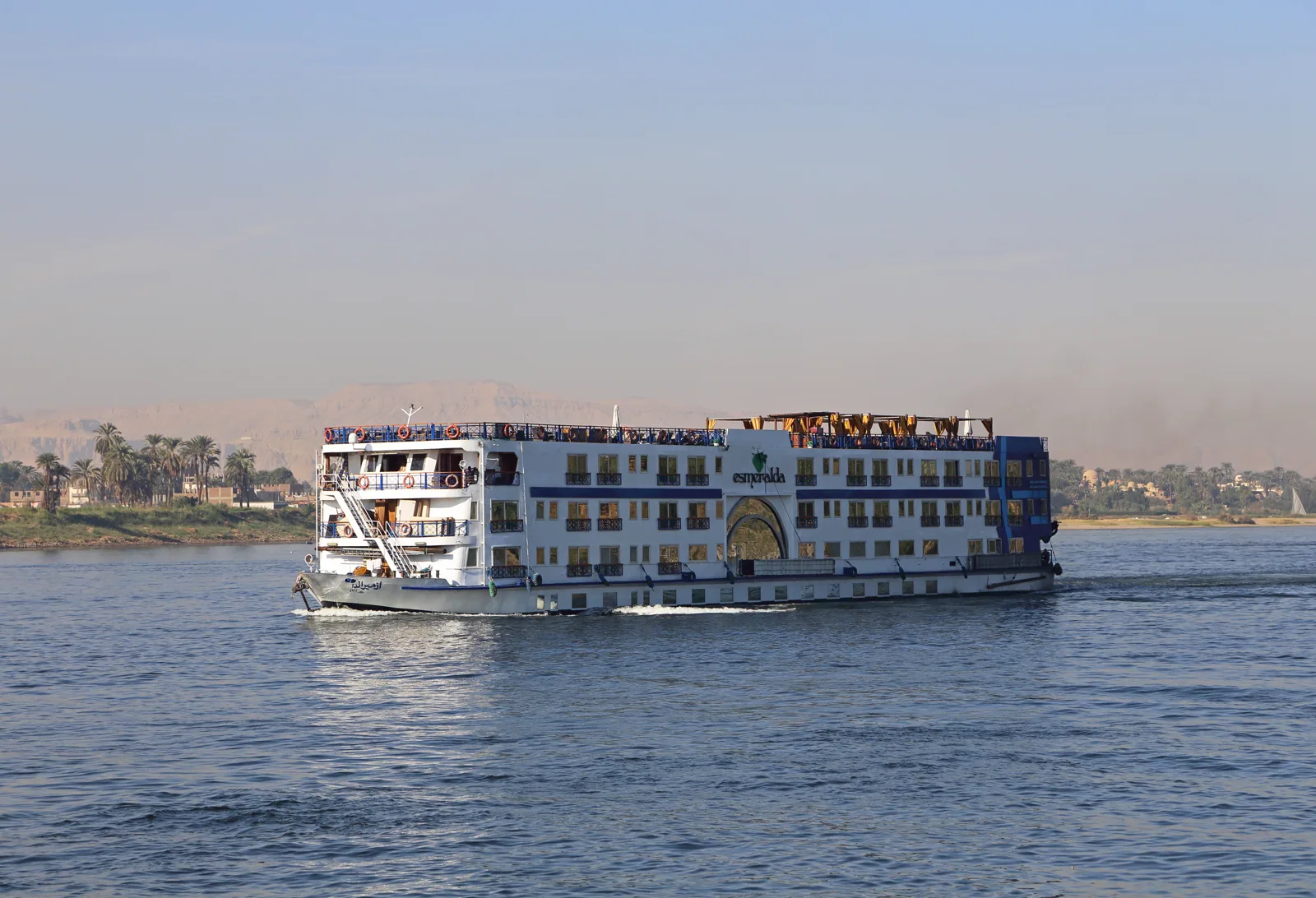
The single most relaxing way to see Egypt's river temples. A three or four night cruise trades tiring day drives for a floating hotel that moors beside a new site each morning: the double temple of Kom Ombo on the water's edge, the beautifully preserved Temple of Horus at Edfu, and the great monuments of Aswan and Luxor at either end. The catch is that boats vary enormously, so choose by recent reviews, not the lowest price, since every cruise sees the same temples. From about 18,000 EGP per person for three to four nights, full board with guided excursions. Our Nile cruise guide explains how to pick a good boat.
4. Walk into the Valley of the Kings and Karnak, Luxor
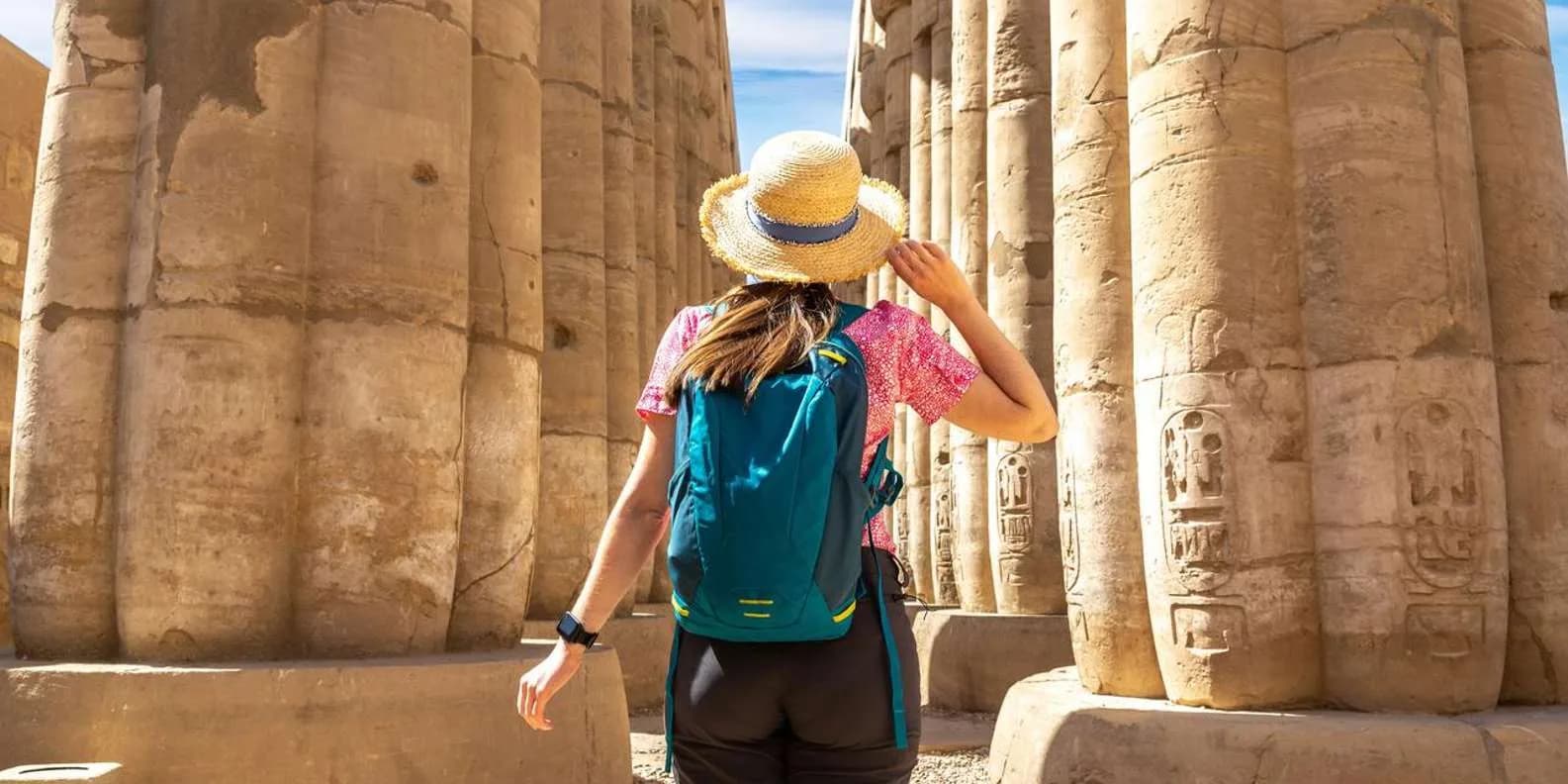
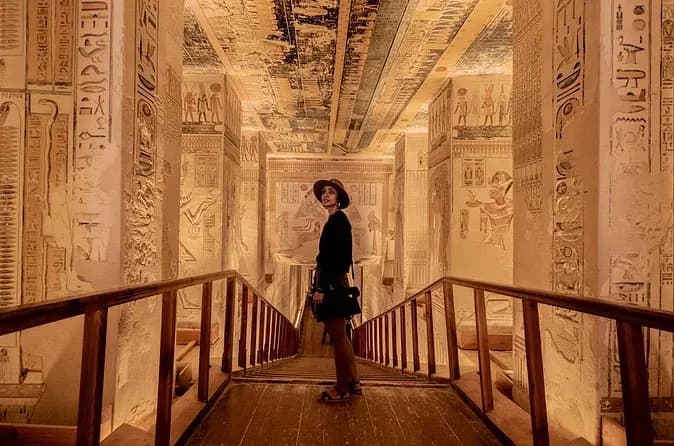
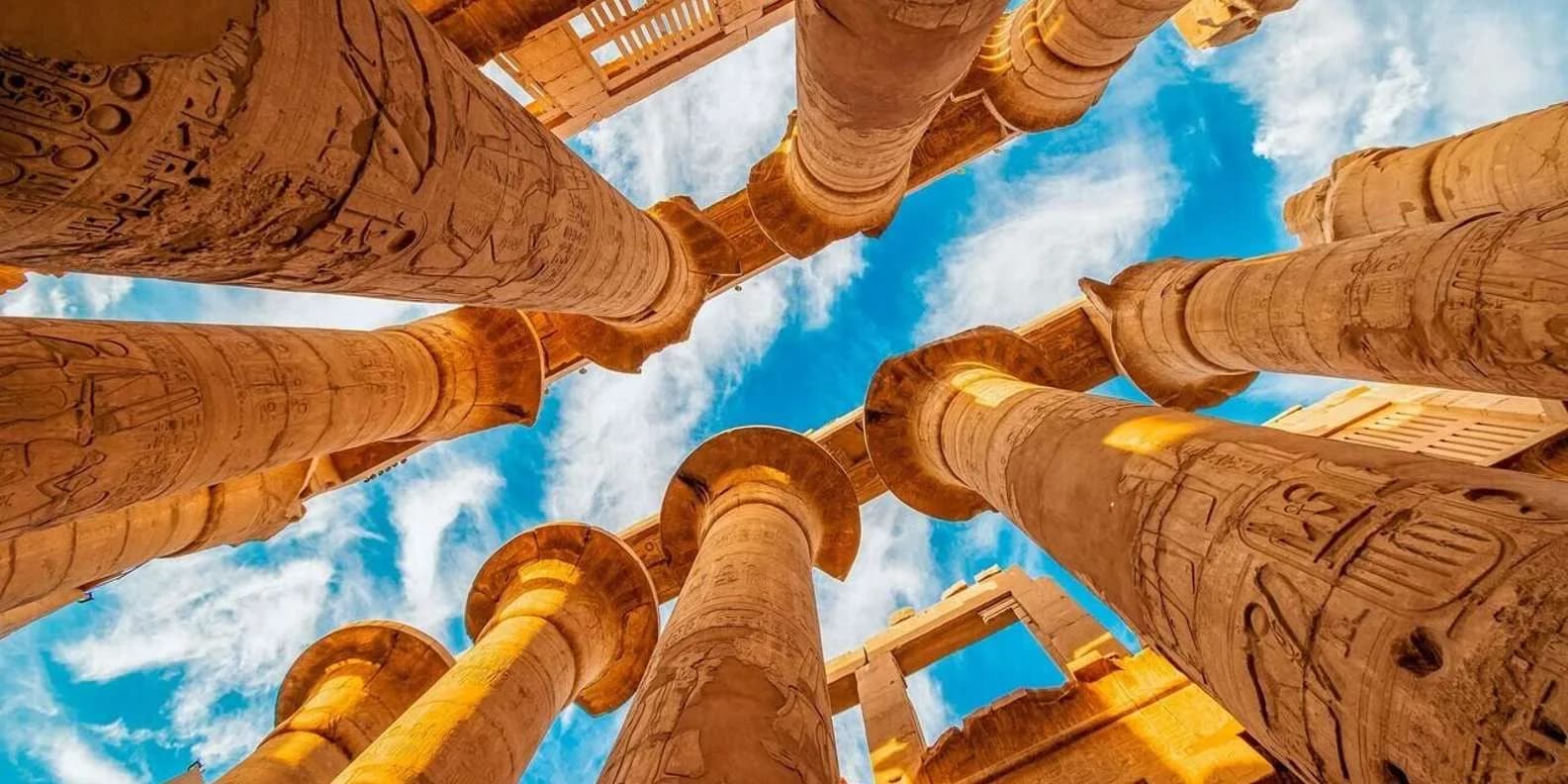
Luxor was ancient Thebes, and no square kilometre on earth holds more. On the West Bank, the Valley of the Kings hides more than 60 rock-cut royal tombs, their corridors still vivid with painted hieroglyphs; a standard ticket covers three, with the tomb of Tutankhamun sold separately. Nearby rise the terraced Temple of Hatshepsut, built into the cliff, and the two seated Colossi of Memnon. On the East Bank, Karnak is a temple city you could lose a day in, its Great Hypostyle Hall a forest of 134 columns, some 21 metres tall. Most people see it on a guided day; add a sunrise balloon (below) for the finest morning in Egypt.
5. Stand before Abu Simbel
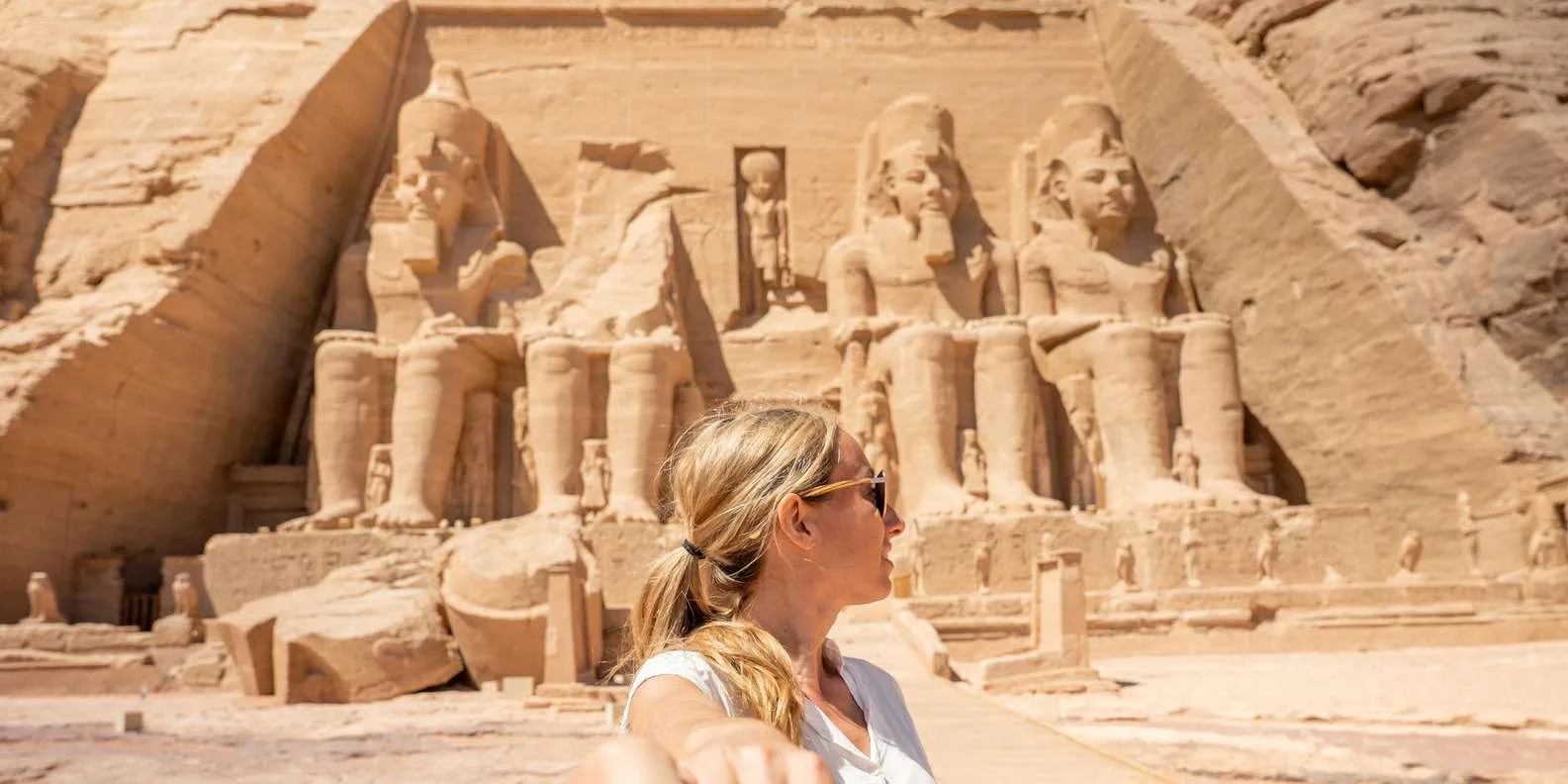
The most dramatic single monument in the country. Ramses II cut two temples into a cliff in the 13th century BC, fronted by four seated statues of himself, each about 20 metres tall, with the smaller temple of his queen Nefertari beside it. In the 1960s the entire complex was sawn into more than a thousand blocks and lifted 65 metres to escape the rising waters of Lake Nasser, one of the great feats of rescue engineering. It sits near the Sudanese border, a roughly three-hour drive south of Aswan, so tours leave before dawn. A group day trip from Aswan runs from about 3,466 EGP.
The experiences worth planning around
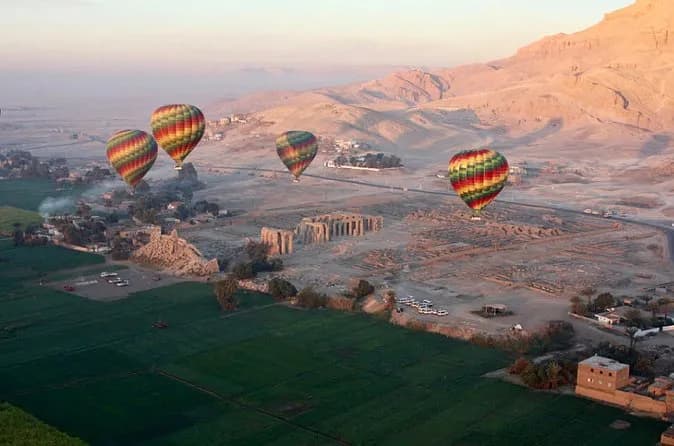
6. Fly over Luxor at sunrise in a hot air balloon
Lifting off the West Bank as the sun clears the horizon, you drift in near silence over the Valley of the Kings, Hatshepsut's temple and the green ribbon of the Nile against the desert. The flight lasts 30 to 45 minutes and asks nothing of you but an early alarm. From about 5,400 EGP; October to April is the prime, stable season. See our Luxor balloon guide.
7. Dive or snorkel the Red Sea
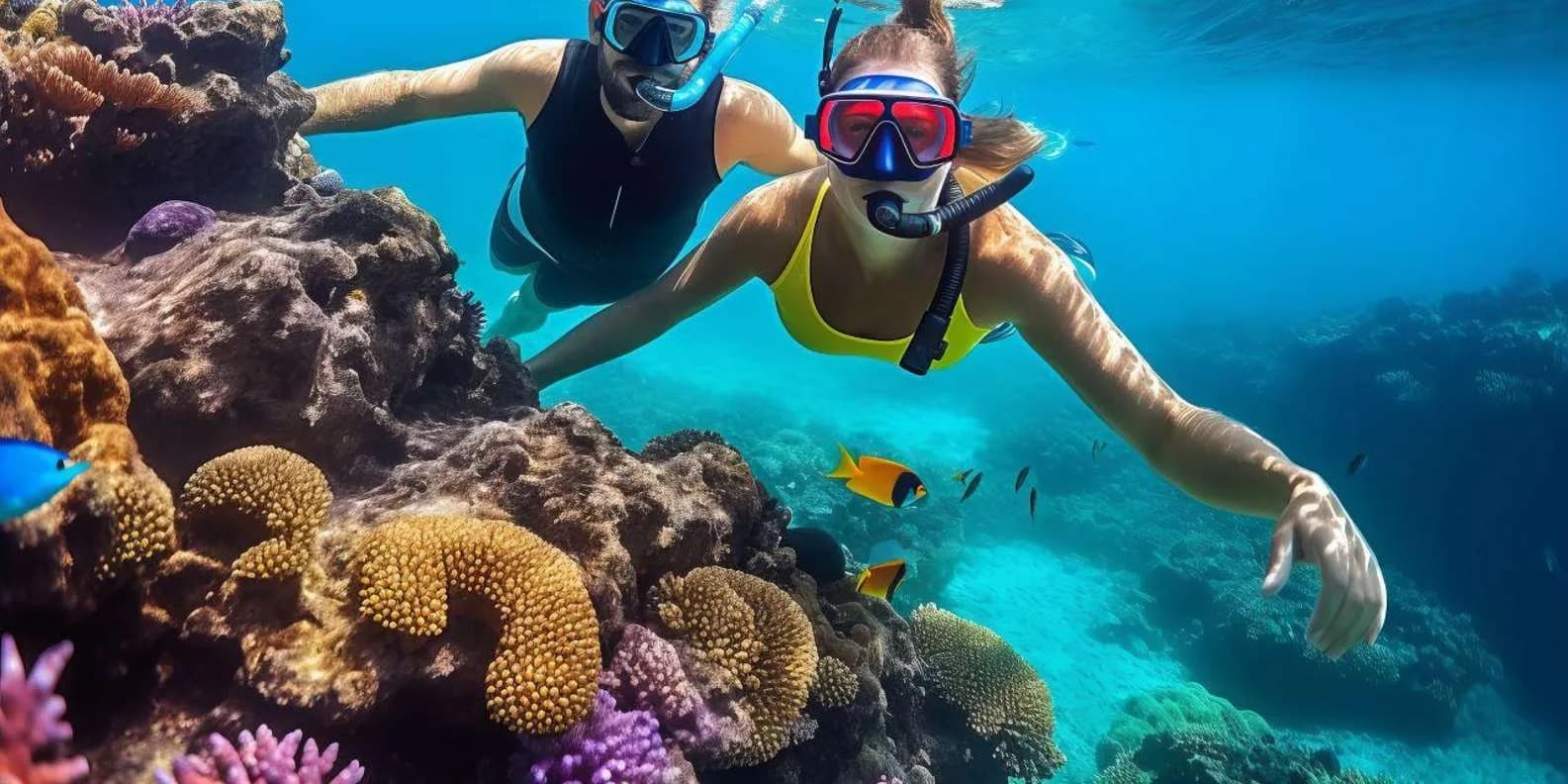
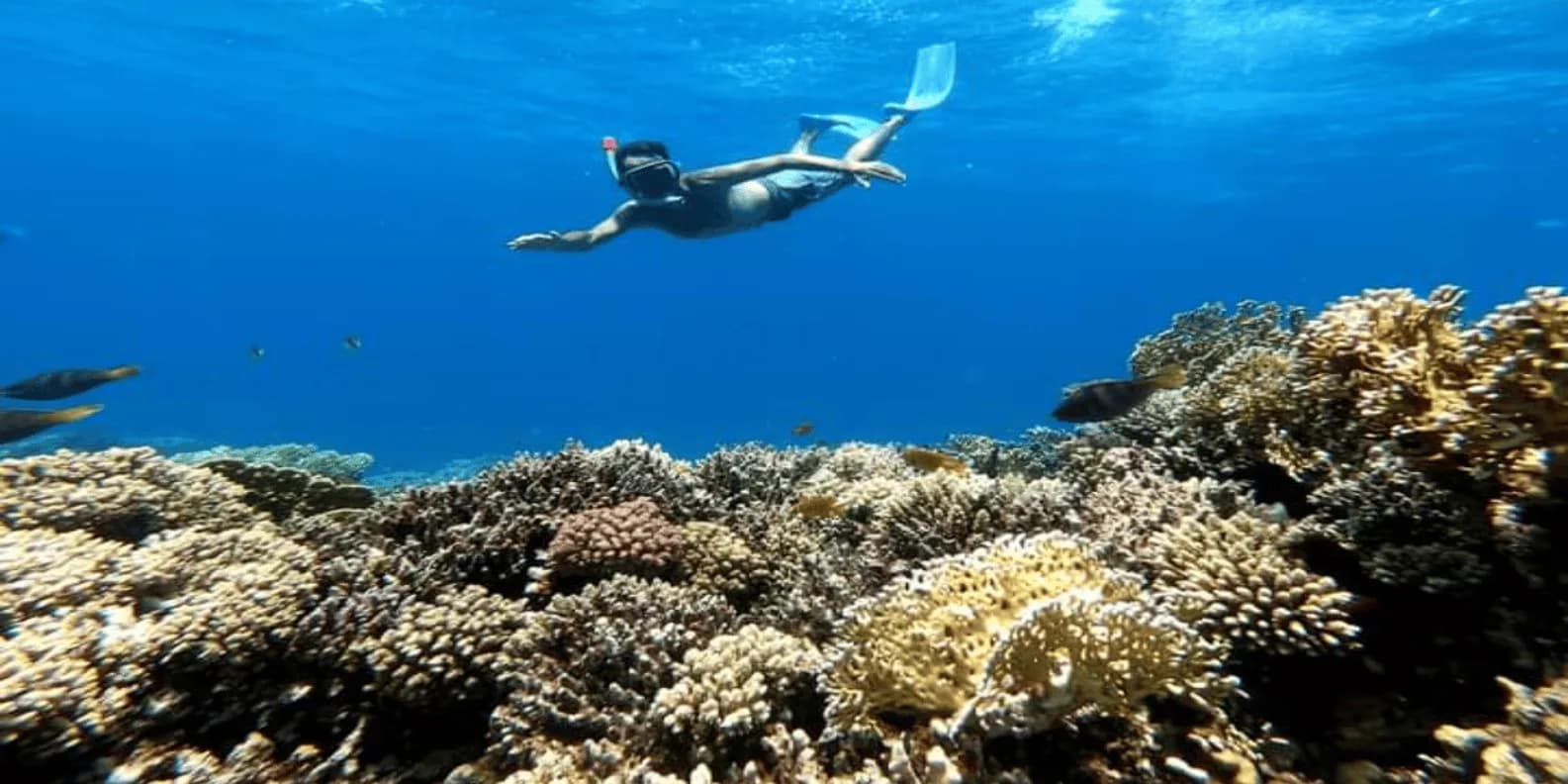
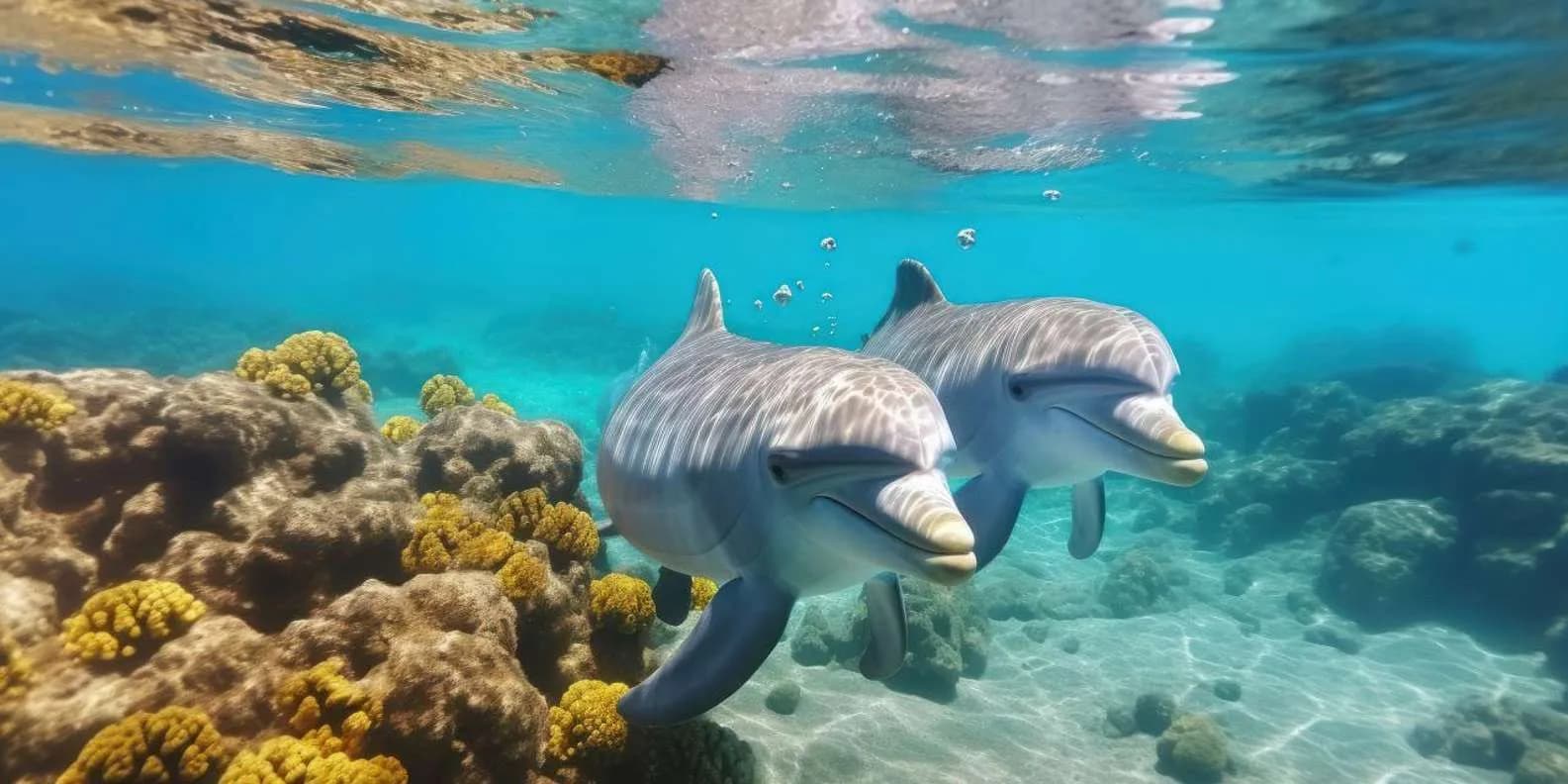
Egypt's coast is one of the world's great underwater destinations, with warm, clear water and coral a short boat ride offshore. Ras Mohammed at the tip of the Sinai has famous reef walls; Hurghada's islands, Orange Bay and the Giftun reefs, are the busiest and best value. Non-swimmers can view the coral from a semi-submarine. A boat day runs from about 1,700 EGP. Our Red Sea boat-trips guide compares them.
8. Race the dunes on a desert safari
The cheapest thrill in Egypt. Behind the Red Sea resorts, quad and buggy safaris run out to a Bedouin camp for a camel ride, tea and, on the longer trips, a barbecue and stargazing under a genuinely dark sky. From about 720 EGP. Go late afternoon to ride into the sunset, and cover your face against the dust.
9. Get lost in Islamic Cairo and Khan el-Khalili
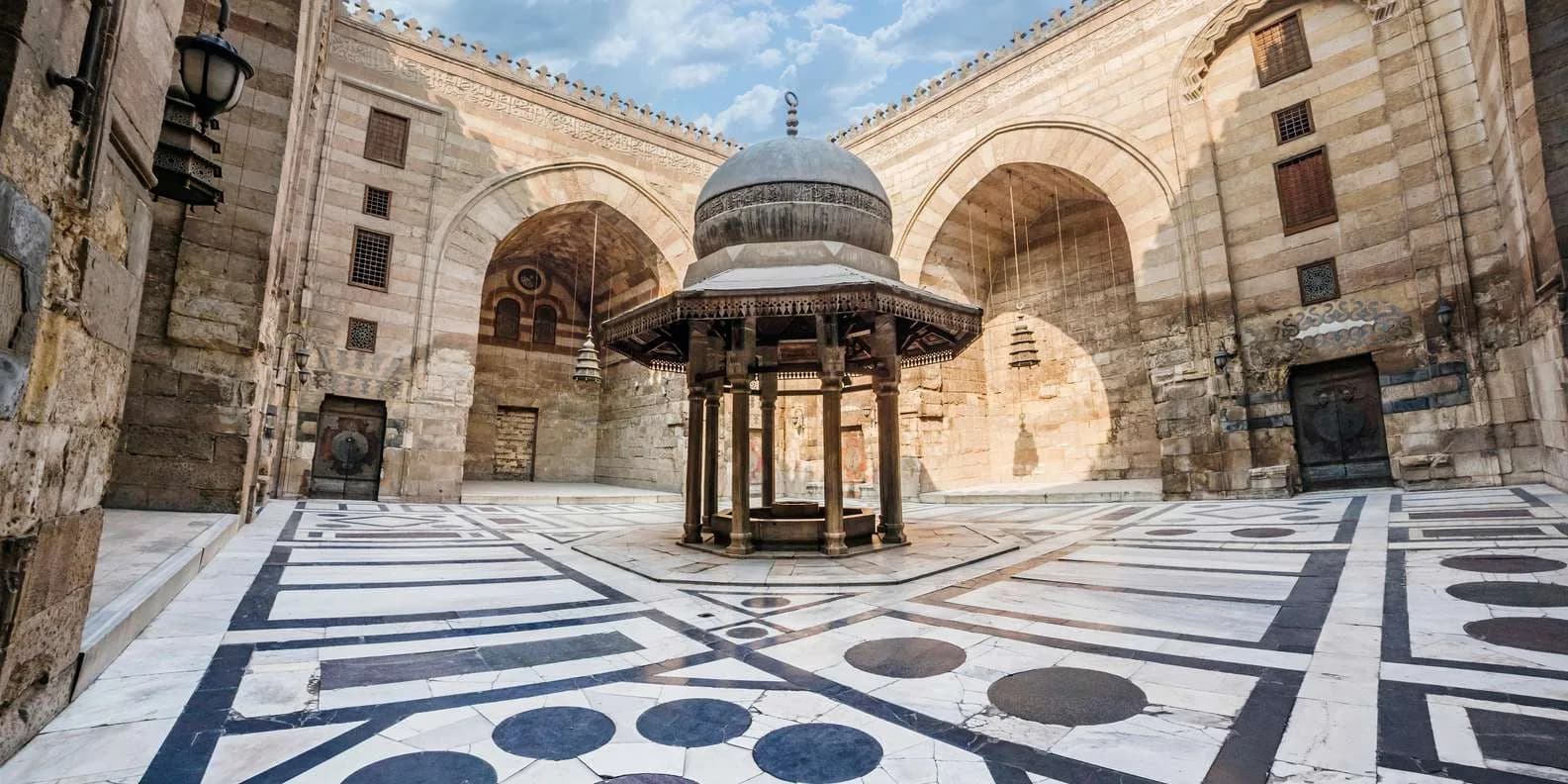
One of the largest and best-preserved medieval Islamic cities in the world, layered around the 14th-century Khan el-Khalili bazaar. Wander Al-Muizz Street after dark, when its mosques and mansions are floodlit, climb the spiral minaret of Ibn Tulun, and stop for mint tea at the centuries-old El Fishawy cafe. A guided walk makes sense of the maze.
10. Take a felucca or dinner cruise on the Nile in Cairo
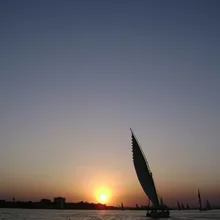
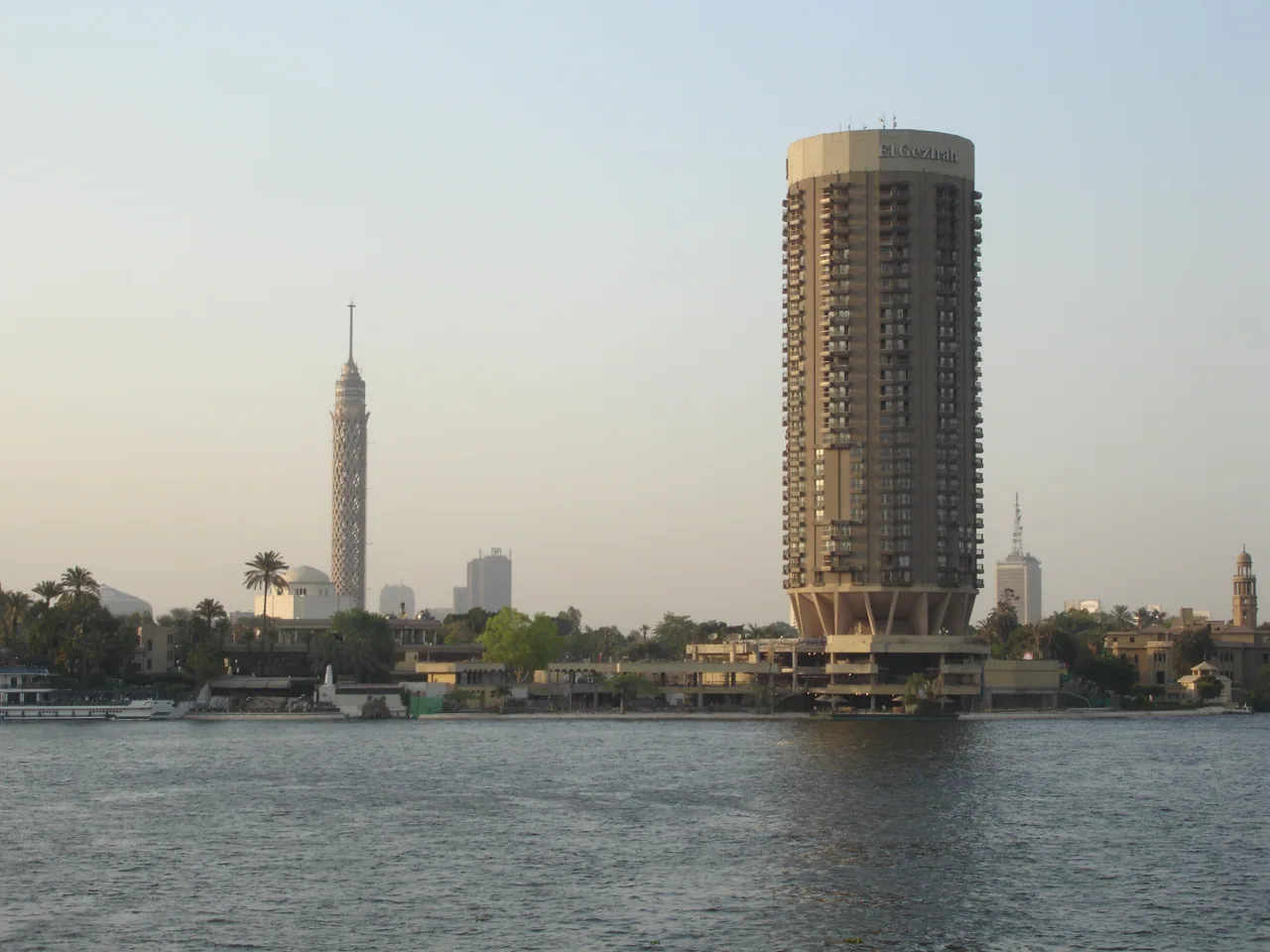
For a quiet evening, a felucca, the traditional lateen-sailed boat, drifts you under the lit skyline for about an hour, from around 750 EGP. For a full night out, a two-hour dinner cruise adds a buffet and a belly-dancer and tanoura show, from about 1,900 EGP. Both usually include hotel pickup, which spares you Cairo's night traffic.
Ten more, for a deeper trip
- Saqqara, Dahshur and Memphis. The older pyramids south of Giza: Djoser's Step Pyramid (the world's first, around 2650 BC), Dahshur's Bent and Red Pyramids, and the ancient capital of Memphis with its recumbent Ramses II.
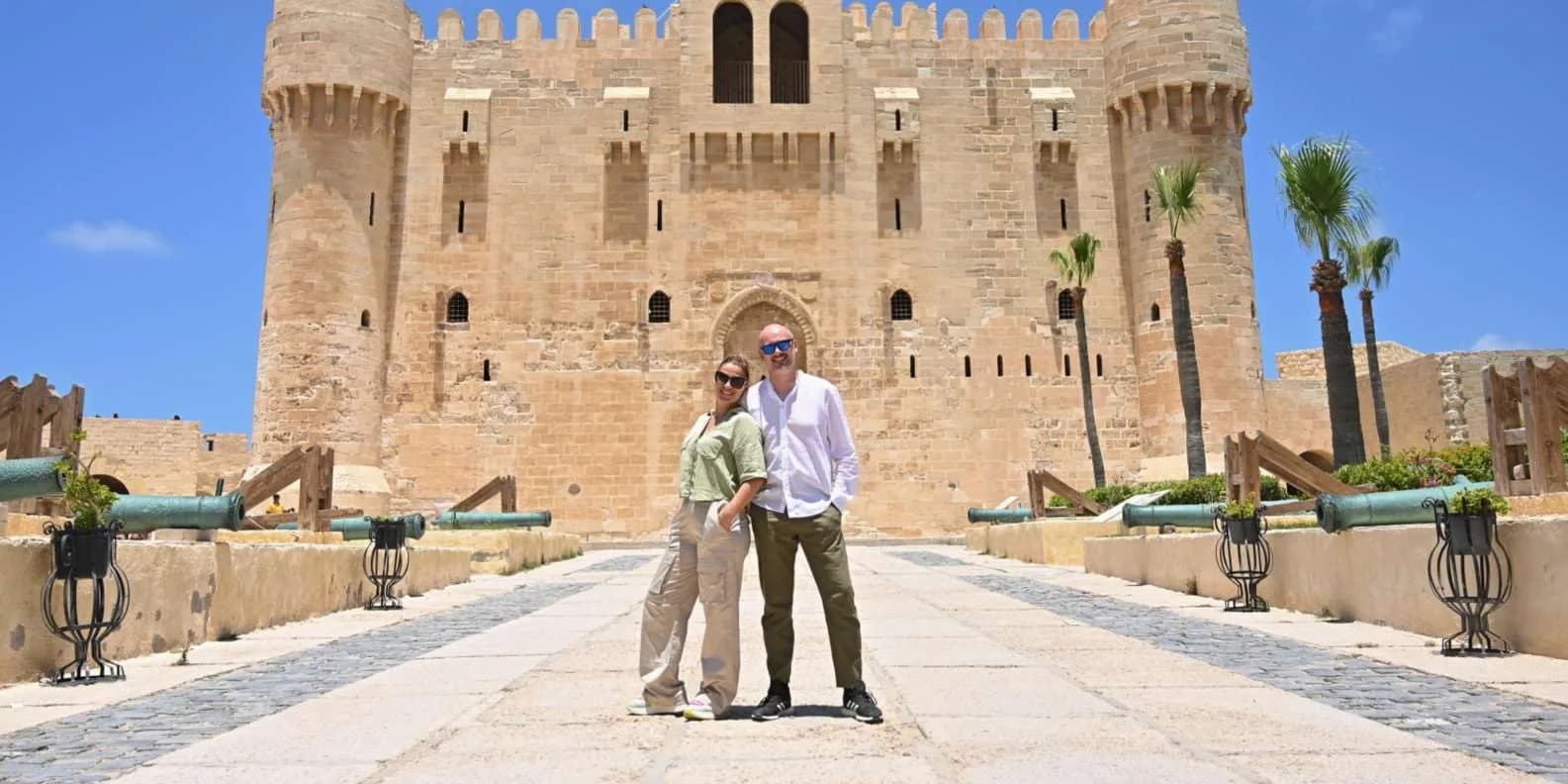
- Alexandria. Egypt's Mediterranean city: the Qaitbay Citadel on the site of the ancient Lighthouse, the Roman catacombs of Kom el-Shoqafa, and the vast modern Bibliotheca Alexandrina.
- The White Desert. Wind-carved chalk formations near Bahariya, best seen on an overnight camping trip under the stars.
- Siwa Oasis. Remote dunes, salt lakes and the oracle temple once consulted by Alexander the Great, deep in the Western Desert near the Libyan border.
- St Catherine's Monastery and Mount Sinai. A 6th-century monastery at the foot of the mountain many climb overnight to watch sunrise from the summit.
- The Blue Hole at Dahab. A legendary Red Sea sinkhole and one of the world's great shore dives; the shallow reef is spectacular for snorkellers too.
- Philae Temple, Aswan. The island temple of Isis, itself relocated to save it from the dam, reached by a short motorboat and lovely at dusk.
- The Fayoum. Two hours from Cairo: the only waterfalls in Egypt at Wadi El Rayan, the colour-shifting Magic Lake, and Wadi El Hitan, a UNESCO valley of 40-million-year-old whale fossils.
- A Bedouin stargazing night. In the Western or Sinai desert, away from any light, with a guide and often a telescope.
- The Egyptian Museum on Tahrir. The historic collection still holds the royal mummies and a dense, atmospheric jumble of antiquity, even after Tutankhamun moved to GEM.
How much it all costs
From real 2026 prices across booking platforms:
| Experience | From (per person) | Typical |
|---|---|---|
| Giza Pyramids & Sphinx group tour | 2,200 EGP (about 45 USD) | 4,050 EGP |
| Grand Egyptian Museum entry ticket | 1,450 EGP (about 30 USD) | 2,000 EGP |
| Nile dinner cruise, Cairo | 1,900 EGP (about 39 USD) | 2,600 EGP |
| Red Sea boat day, Hurghada | 1,700 EGP (about 35 USD) | 1,900 EGP |
| Desert quad safari | 720 EGP (about 15 USD) | 1,900 EGP |
| Luxor sunrise hot air balloon | 5,400 EGP (about 112 USD) | 7,000 EGP |
| Abu Simbel day trip from Aswan | 3,466 EGP (about 71 USD) | 9,650 EGP |
| 3 to 4 night Nile cruise, full board | 18,000 EGP (about 370 USD) | 22,000 EGP |
The cheapest great experiences, a desert safari or a Giza camel ride, come in under 1,100 EGP; the big costs are the Nile cruise and anything private. For the full picture see our Egypt trip cost guide.
How long you need, and when to go
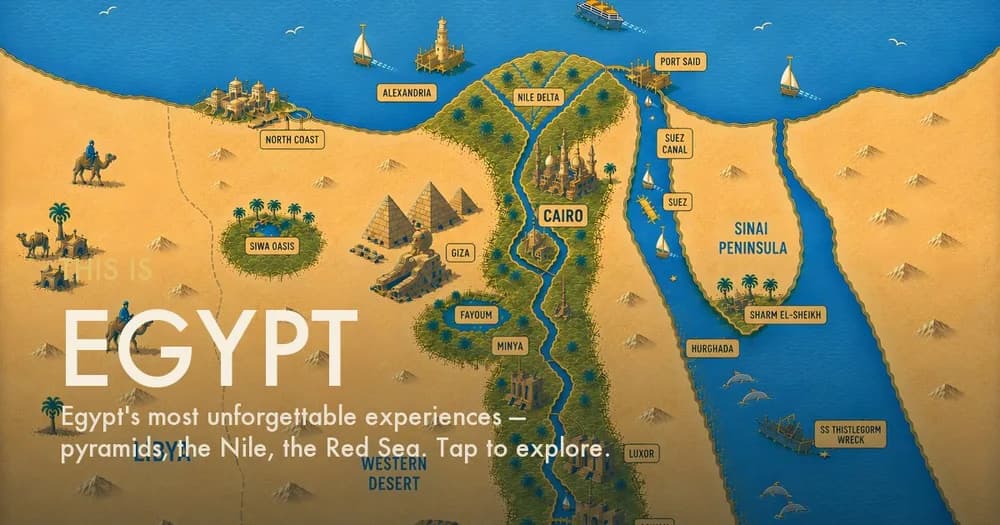
Ten days covers the classic loop (Cairo, a Nile cruise, Luxor, Aswan) at a comfortable pace; a week does a focused Cairo, Luxor and Aswan trip. Our 10-day itinerary lays it out day by day. Visit between October and April, when the Nile Valley and desert are pleasant; the shoulder months are ideal, summer is punishing inland but fine at the Red Sea. See our best time to visit guide.
Do you need a guide?
For the sprawling ancient sites, a licensed Egyptologist earns their fee: transport between monuments spread across kilometres of desert, the context that turns stone into story, and someone to handle the touts so your first hour is not a negotiation. Group tours are the best value for couples and solo travellers; families of four or more often find a private tour similar per head and far more flexible.
The verdict
Build a first trip around the five essentials, the Pyramids, the Grand Egyptian Museum, a Nile cruise, Luxor and Abu Simbel, then add a balloon, the Red Sea and a desert night. Everything here is bookable at real, honest prices, and with the Grand Egyptian Museum finally open, 2026 is the best year in a generation to go.
A real team available 24/7 to assist you — free
Seif and the team reply on WhatsApp 24/7 — trip questions, custom plans and booking help.
Ask Seif on WhatsAppCommon questions
What are the top things to do in Egypt?
The five essentials are the Pyramids of Giza and the Sphinx, the new Grand Egyptian Museum, a Nile cruise between Aswan and Luxor, the Valley of the Kings and Karnak in Luxor, and Abu Simbel. Beyond those, a sunrise balloon over Luxor, Red Sea diving, Islamic Cairo and a desert safari round out a great trip.
How many days do you need to see the best of Egypt?
Ten days covers the classic highlights comfortably: Cairo and Giza with the Grand Egyptian Museum, a 3 to 4 night Nile cruise, Abu Simbel, and a taste of the Red Sea. A week does a focused Cairo, Luxor and Aswan trip. See our 10-day Egypt itinerary.
How much do the top Egypt experiences cost in 2026?
Most famous experiences cost 1,500 to 4,500 EGP per person (30 to 90 USD). A Pyramids tour with a camel ride starts from about 2,200 EGP, a Grand Egyptian Museum ticket about 1,450 EGP, a Red Sea boat day from about 1,700 EGP, a Luxor balloon from about 5,400 EGP, and a 3 to 4 night Nile cruise from about 18,000 EGP.
What is the newest thing to do in Egypt?
The Grand Egyptian Museum, which opened fully in November 2025 beside the Pyramids. It is the largest archaeological museum in the world and the only place to see the complete 5,000-piece Tutankhamun collection together, making it the single most important new sight in the country.
Do I need a guide for Egypt's top sights?
You can visit independently, but a licensed Egyptologist adds real value at spread-out sites like Giza, Saqqara and the Valley of the Kings, handling transport, context and the touts. Group tours are best value for couples and solo travellers; families often find private tours similar per head and more flexible.
When is the best time to visit Egypt?
October to April, when the Nile Valley and desert sites are comfortable. The shoulder months of October, November, March and April are the sweet spot for weather, crowds and price. Summer is very hot inland but fine for the Red Sea.
Book it on This is Egypt
Turn this guide into a trip

Egypt's bestsellers
The experiences travelers book most, across the country

Keep reading
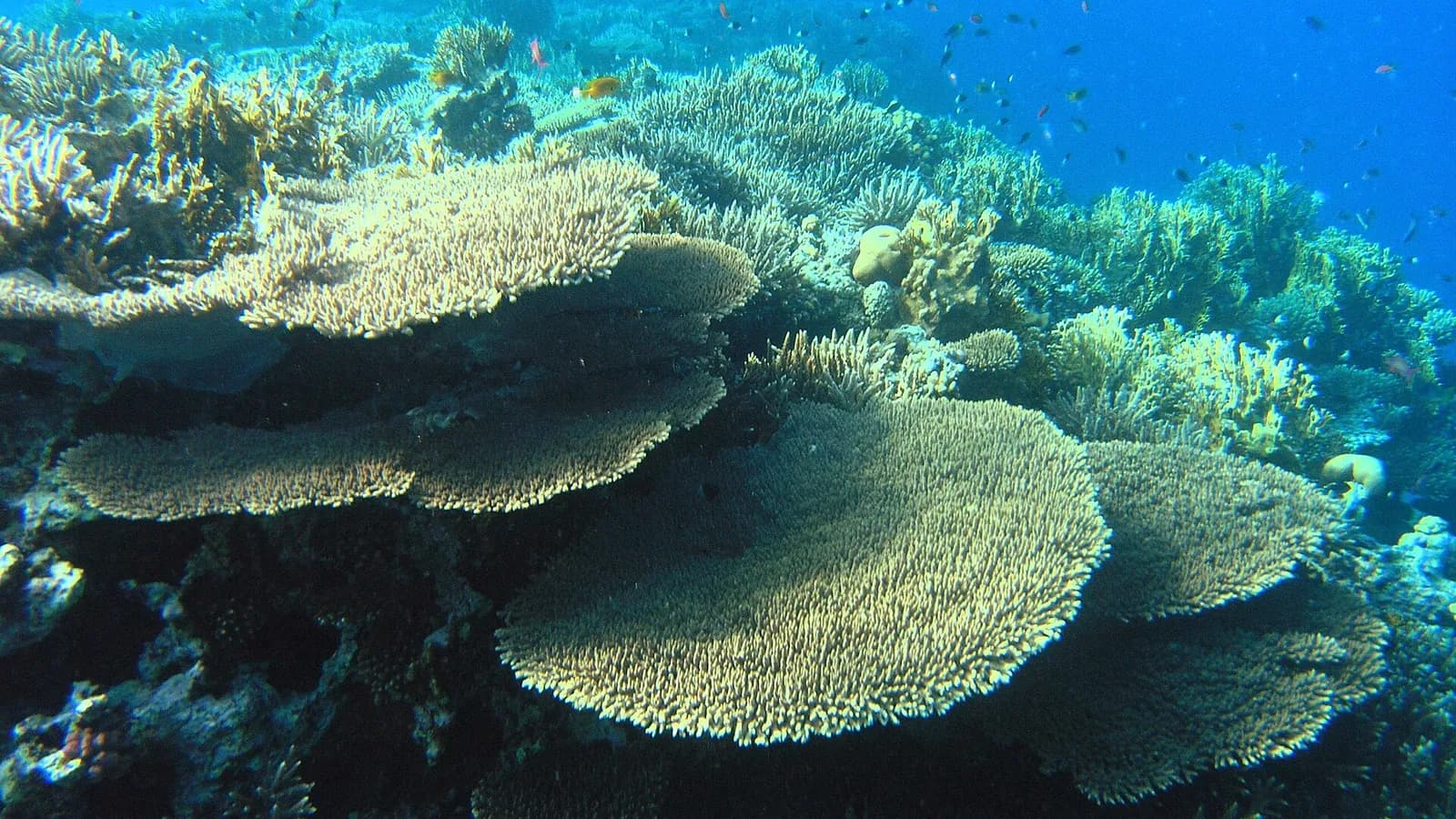
Hurghada Diving (2026): Best Sites, Packages & Prices
Diving in Hurghada — the best reefs (Giftun, Careless Reef, Dolphin House) and Abu Nuhas wrecks, Discover Scuba vs PADI courses, season and water temps, and real 2026 prices.
By TiE Editors7 min read
Hurghada Snorkeling Trips (2026): Best Reefs, Prices & How to Choose
Where to snorkel from Hurghada in 2026 — Orange Bay, Giftun, Mahmya, Utopia and Dolphin House — with boat types, marine life, month-by-month sea temperatures, family tips and real prices from 1,000+ bookable trips.
By TiE Editors7 min read
Egypt Tour Prices by Activity (2026): What Each Type Really Costs
What every type of Egypt experience actually costs — from a 1,700 EGP camel ride to a 48,500 EGP Nile cruise — based on 29,710 real bookable tours across seven platforms.
By TiE Editors6 min read