
Egypt & Jordan Itinerary: The Perfect 2-Week Trip
A 14-day plan linking the Pyramids, a Nile cruise and Luxor with Petra, Wadi Rum and the Dead Sea - plus how to connect the two countries and visa tips.
Nile Cruises & Dahabiyas
Turn this guide into a trip

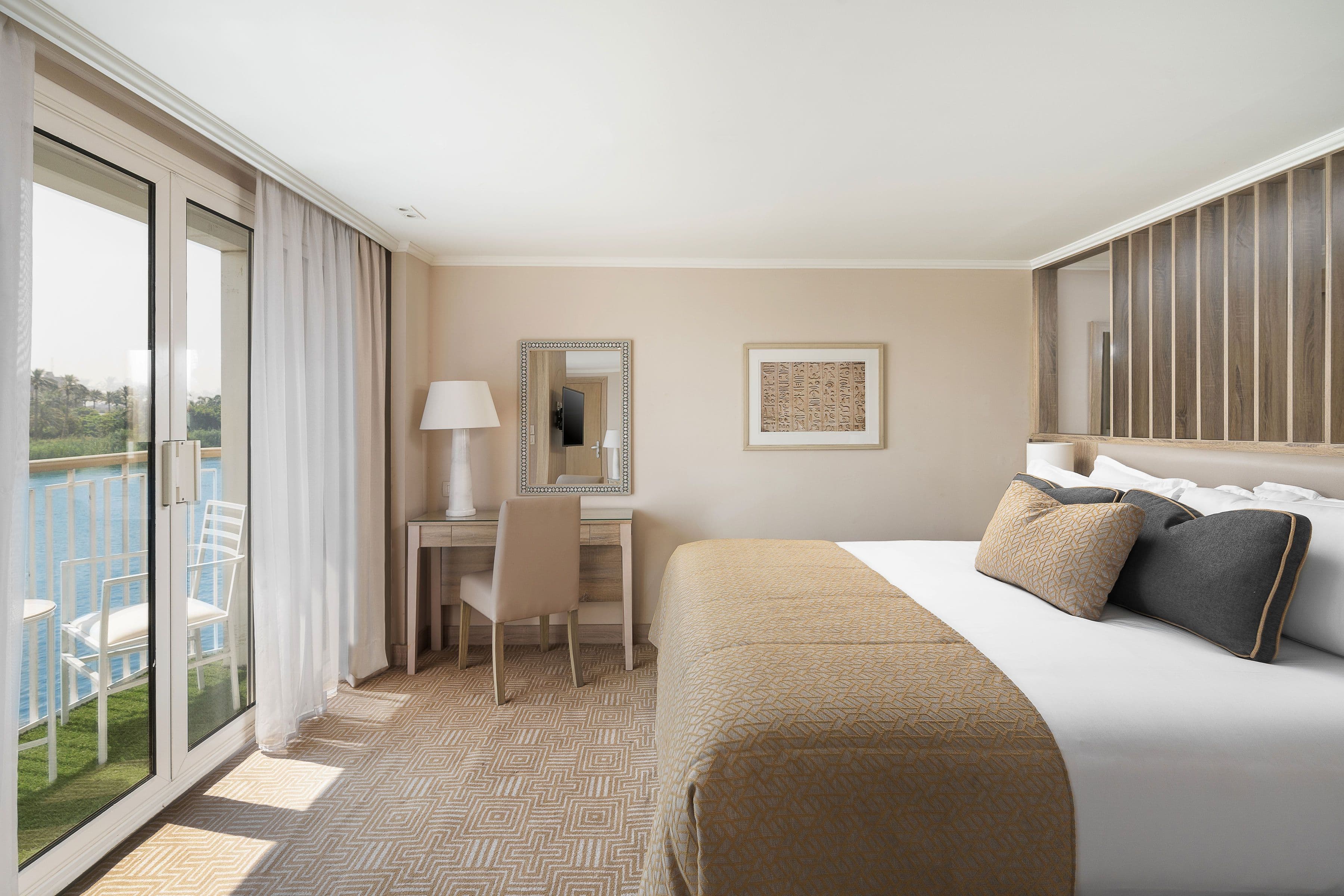
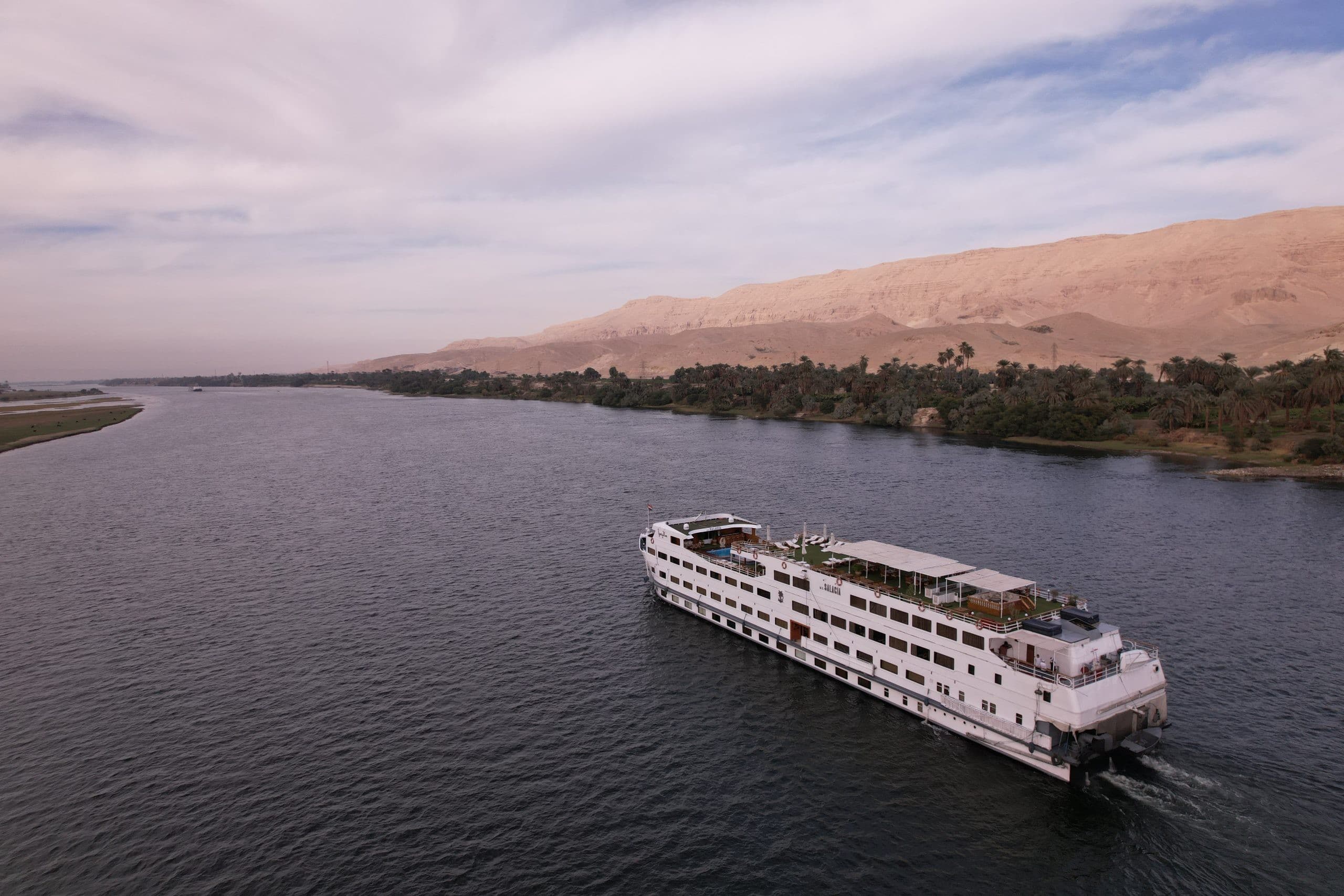
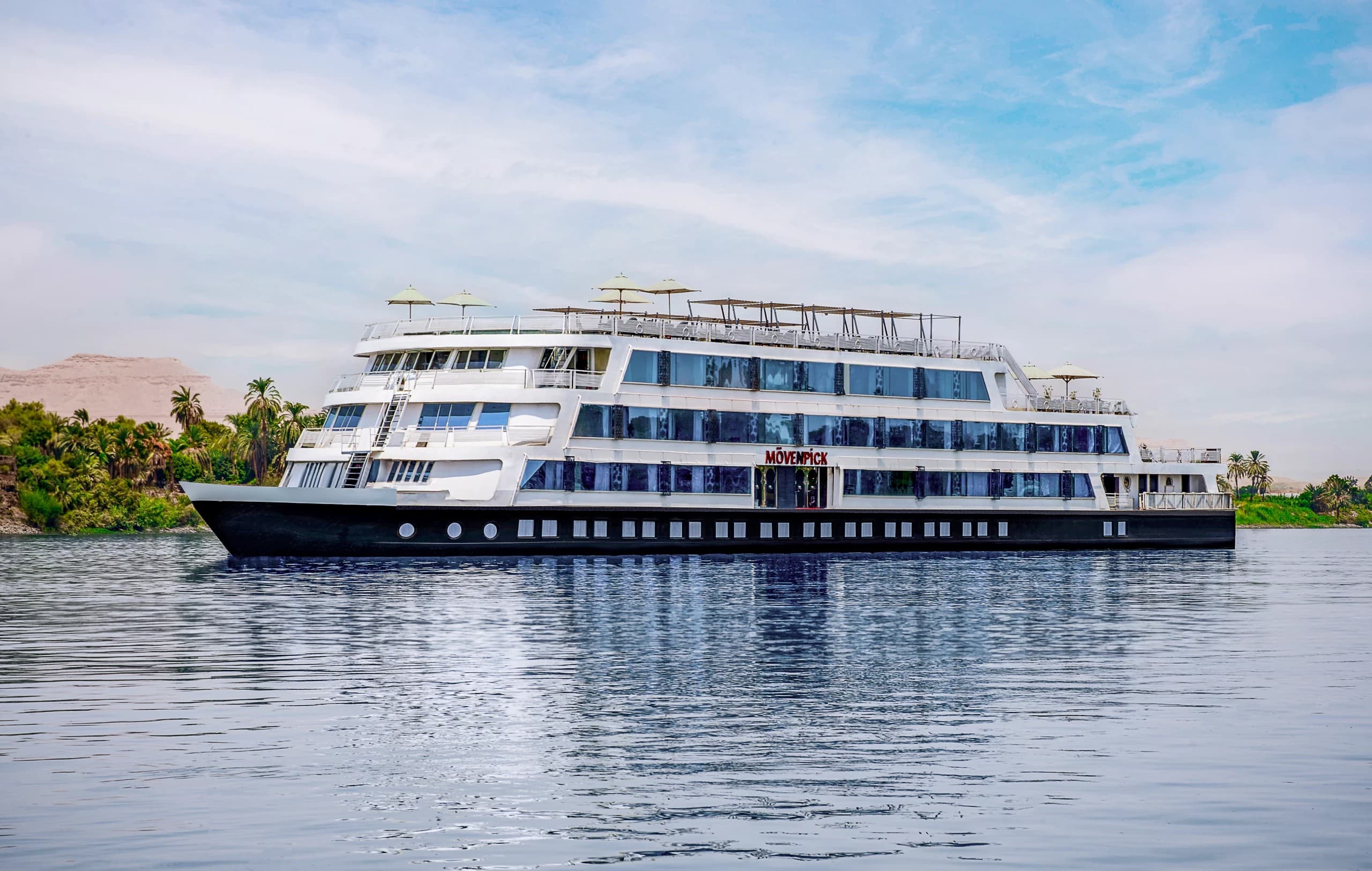
Quick answer: Egypt and Jordan are the natural pairing of the region: a short 80-minute flight links Cairo and Amman, and the two countries balance each other almost perfectly. Egypt gives you ancient grandeur on a scale nothing else matches - the Pyramids, the Nile, the temples of Luxor. Jordan gives you slower, more physical adventure - the rose-red canyons of Petra, a night under the stars in Wadi Rum, and a weightless float in the Dead Sea. Two weeks is the sweet spot: roughly nine days in Egypt and five in Jordan, connected by a single flight (or, if you want the scenic route, a Red Sea ferry).
This guide gives you a day-by-day 14-day plan, tells you exactly how to link the two countries, explains the visa maths (including the Jordan Pass, which can pay for itself), and offers shorter 10-day and longer 18-day variants. Borders and visa rules change, so treat the specifics here as a planning baseline and confirm the current rules on the official portals before you book.
The 14-day Egypt and Jordan itinerary at a glance
The logic is simple: front-load Egypt while your energy is high (Cairo is intense), spend the middle stretch relaxing on the Nile, then cross to Jordan for the adventure half. Do Egypt first and Jordan second - not the other way around - because the Nile cruise is the trip's natural decompression point, and Jordan's Petra-Wadi Rum-Dead Sea arc ends on a gentle high.
| Day | Base | Highlights |
|---|---|---|
| 1 | Cairo | Arrive, settle in Giza with a Pyramids view |
| 2 | Cairo / Giza | Pyramids, Sphinx, Grand Egyptian Museum |
| 3 | Cairo | Islamic & Coptic Cairo, Khan el-Khalili, NMEC |
| 4 | Fly to Aswan | Philae Temple, felucca at sunset, board the cruise |
| 5 | Nile cruise | Kom Ombo & Edfu temples |
| 6 | Nile cruise → Luxor | Sail to Luxor, disembark |
| 7 | Luxor | Karnak, Luxor Temple, Avenue of Sphinxes |
| 8 | Luxor | Valley of the Kings, Hatshepsut, West Bank |
| 9 | Fly Luxor→Cairo→Amman | Travel day; overnight Amman |
| 10 | Amman & Jerash | Roman Jerash, Amman Citadel |
| 11 | Petra | The Siq, the Treasury, the Monastery climb |
| 12 | Petra → Wadi Rum | Second Petra look-in, then desert camp |
| 13 | Wadi Rum → Dead Sea | 4x4 desert tour, drive to the Dead Sea |
| 14 | Dead Sea → home | Float, spa, fly home from Amman (QAIA) |
Days 1-3: Cairo and Giza
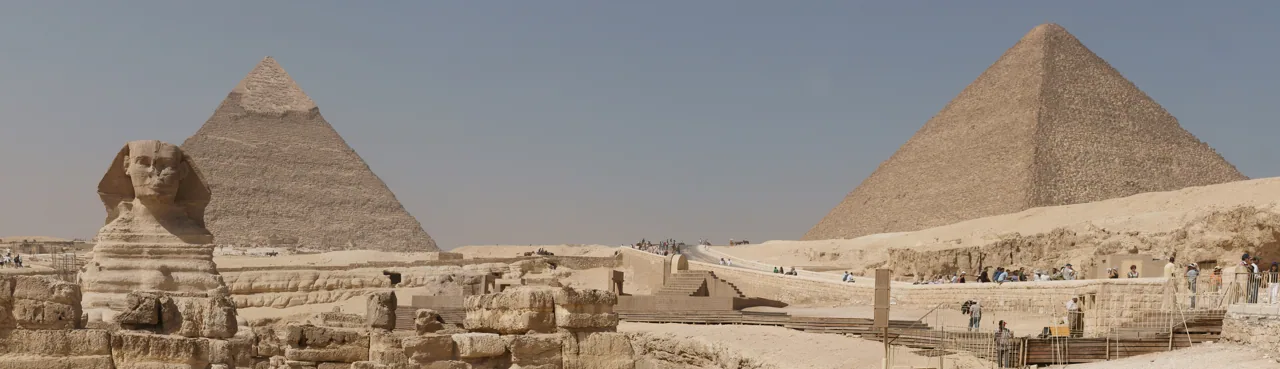
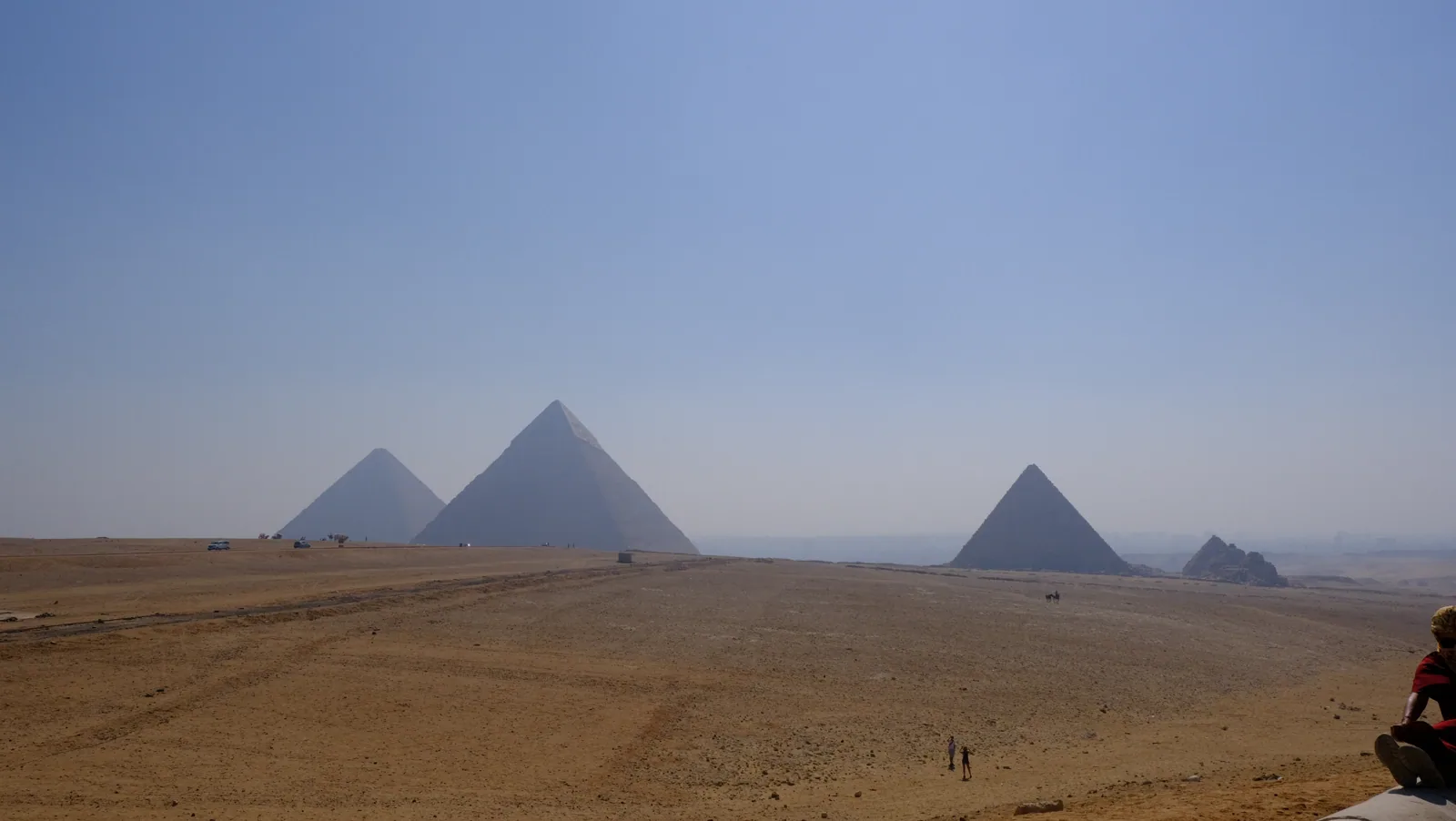
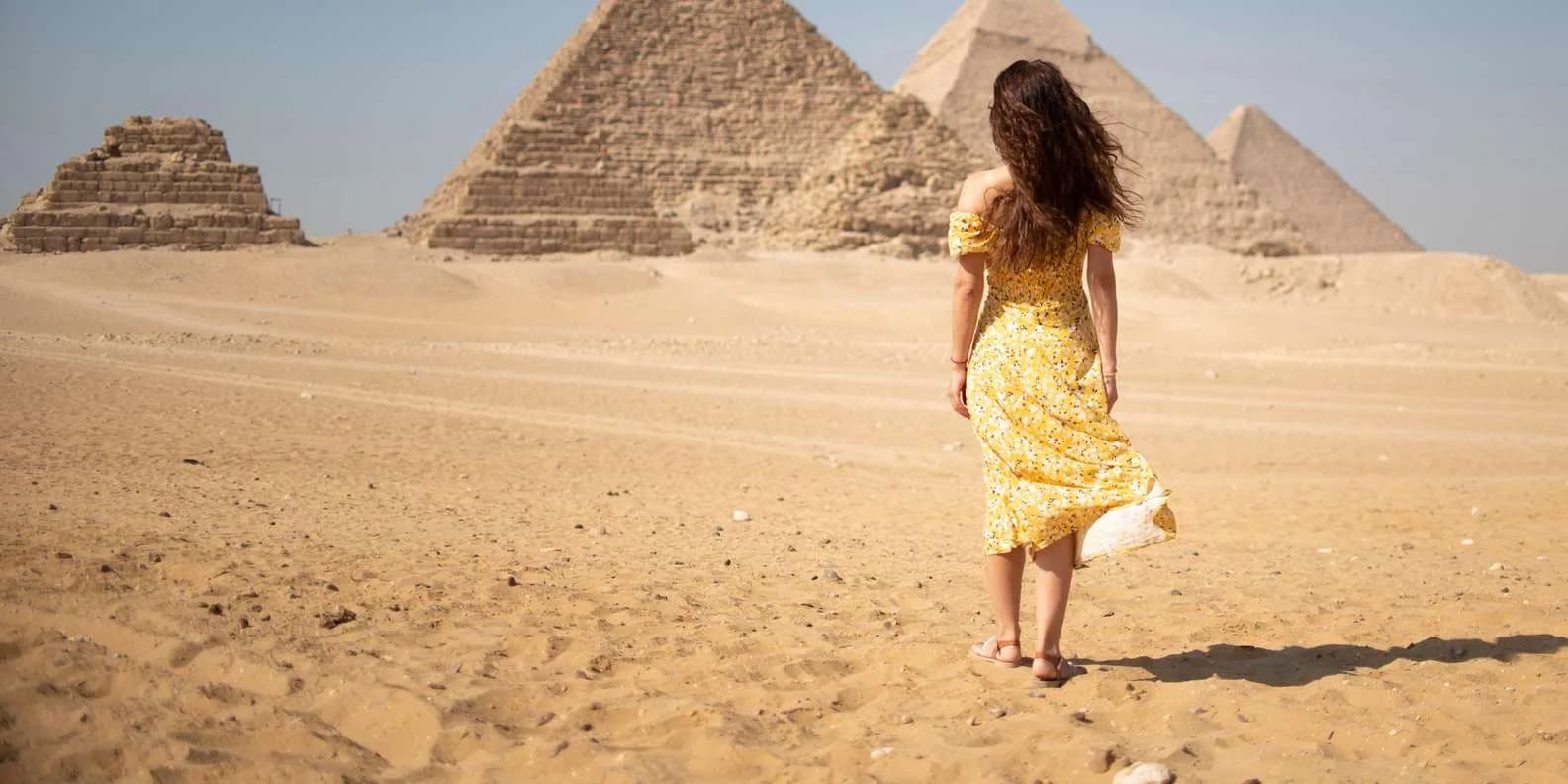
Start where civilisation's greatest hits are stacked closest together. Base yourself in Giza for at least the first night so you wake up to the Pyramids - some hotels put all three and the Sphinx in your window.
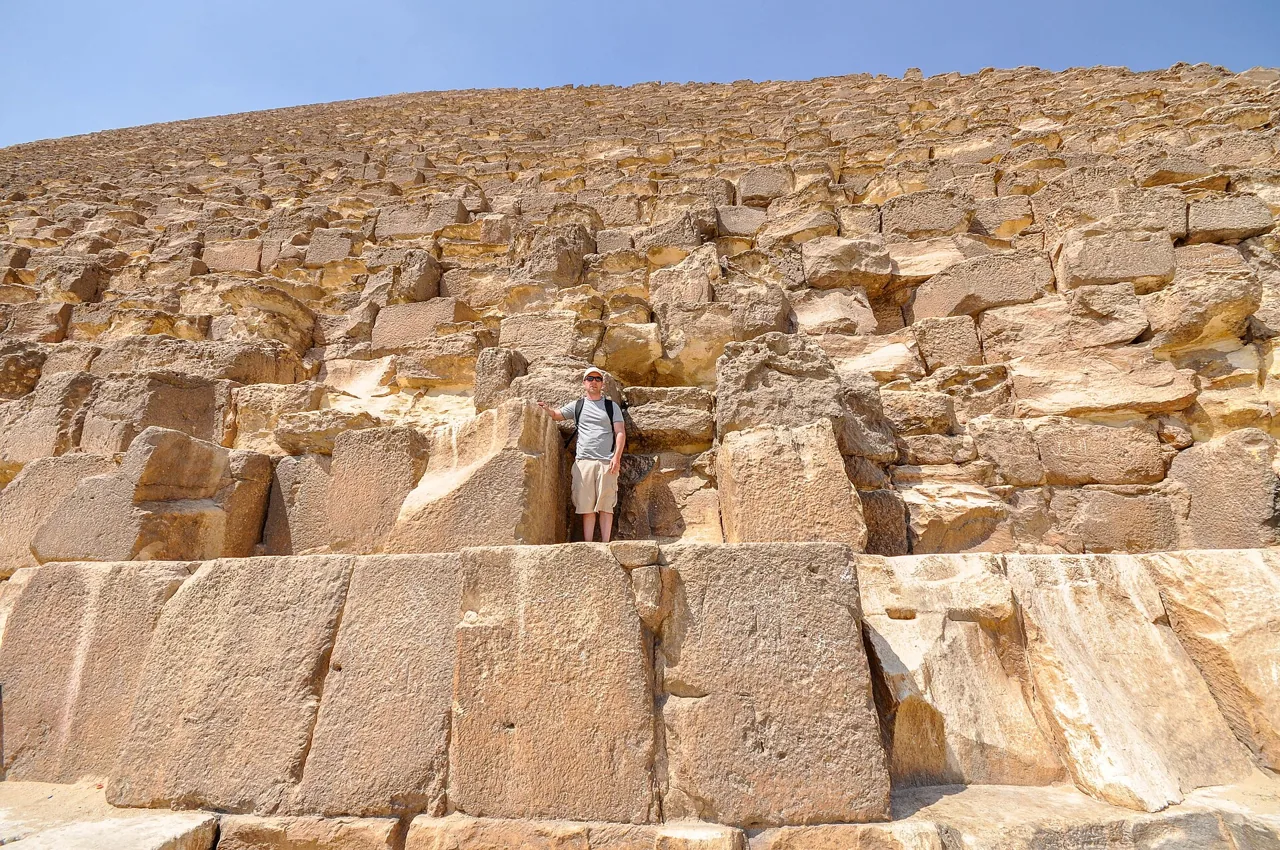
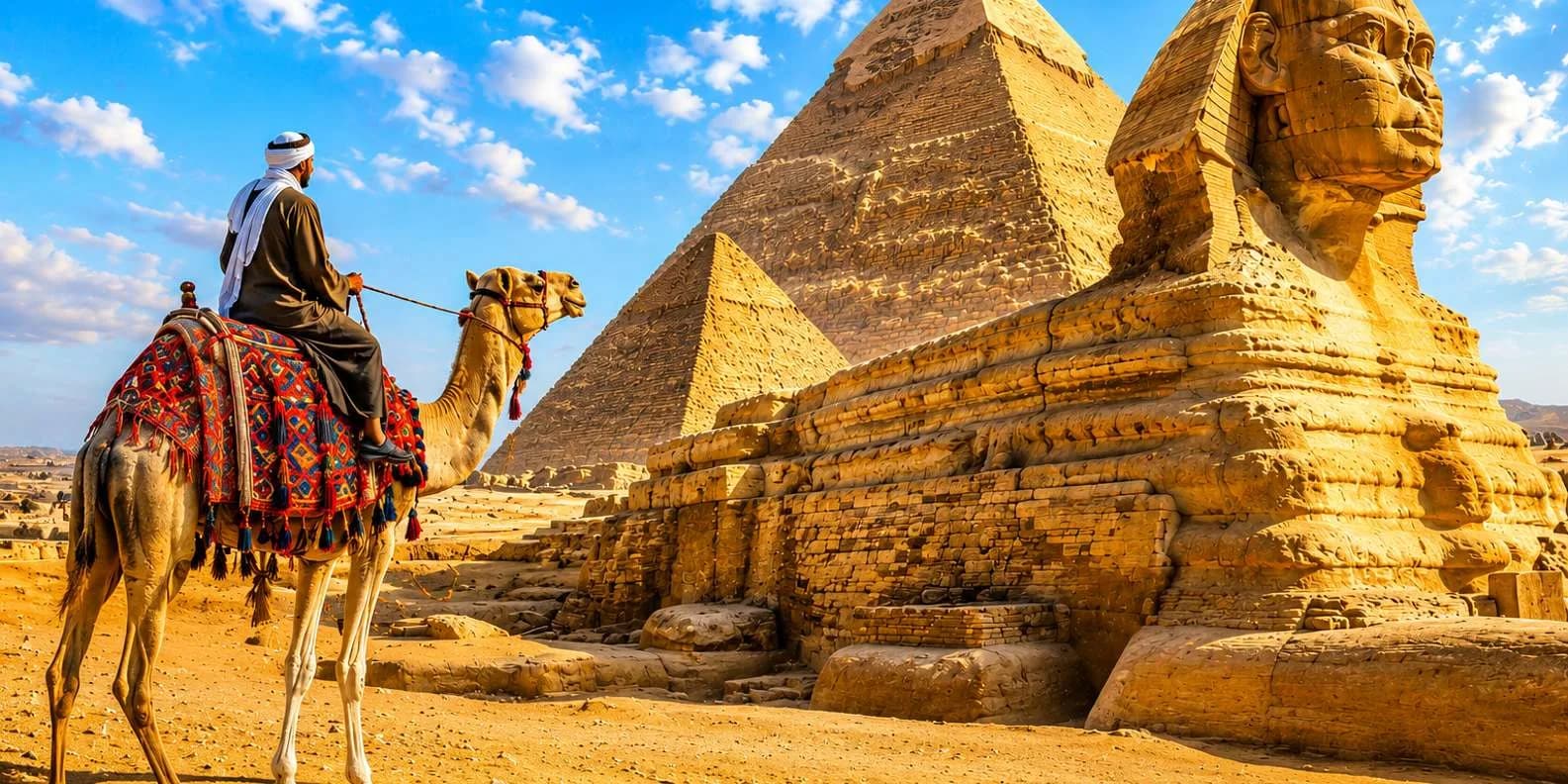
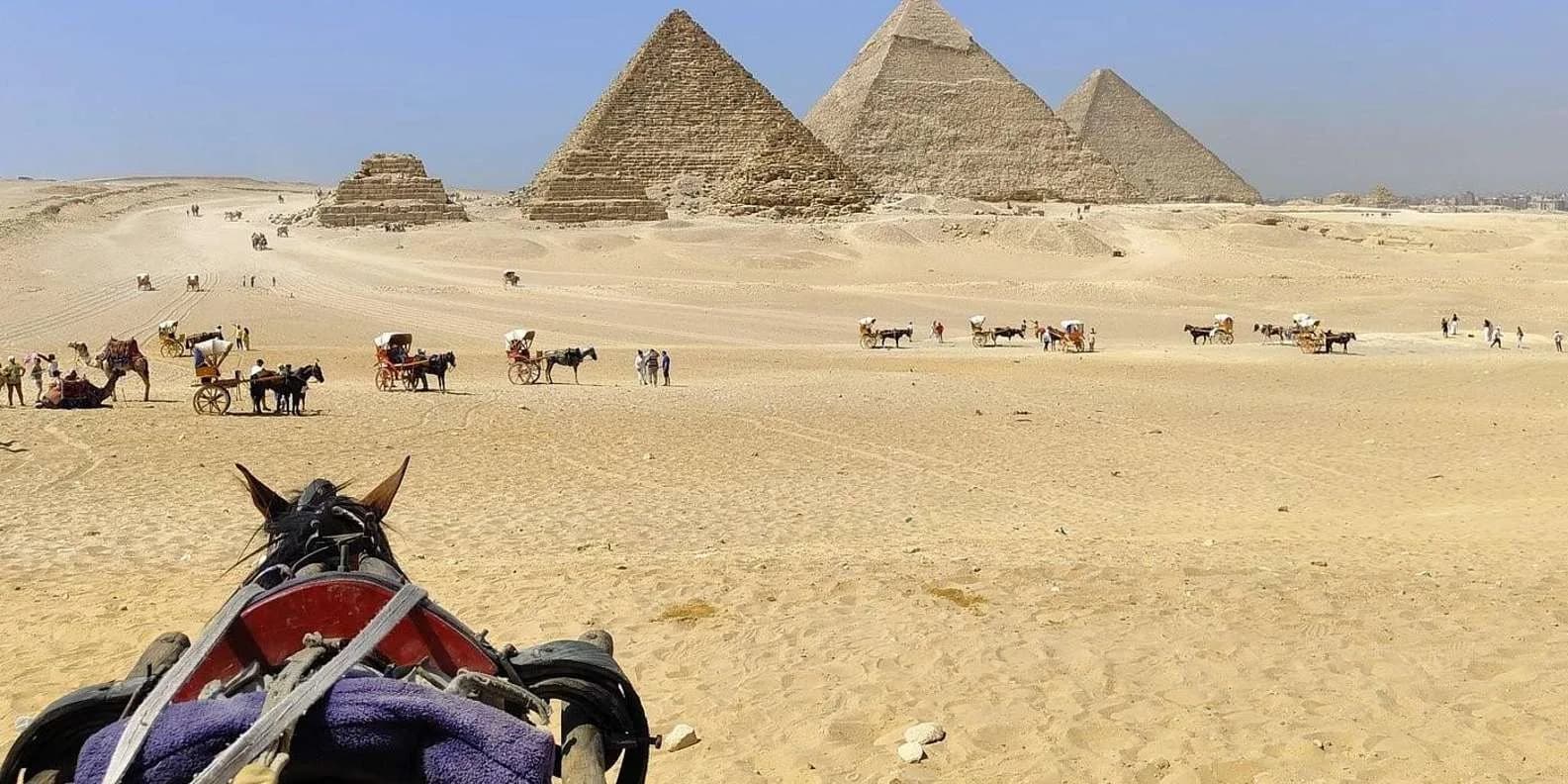
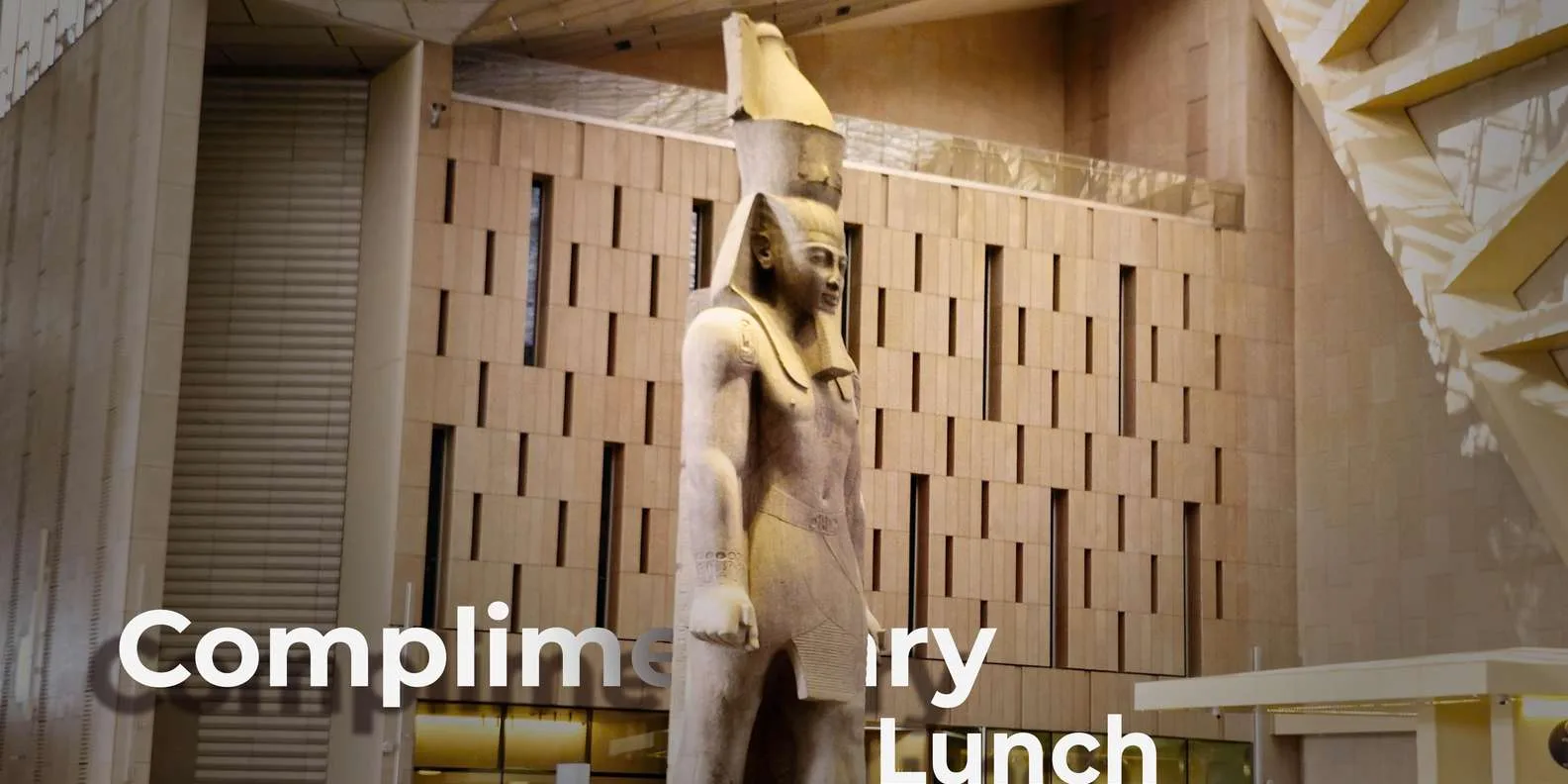
Give the Giza Plateau a full morning. The Great Pyramid of Khufu is the last of the Seven Wonders of the Ancient World still standing, and you can pay extra to climb into the interior chamber (claustrophobic, hot, and worth it once). Then the Grand Egyptian Museum (GEM) beside the plateau, which had its grand opening in November 2025 and is now fully open. It holds the complete Tutankhamun collection - the largest in the world - and is best treated as a half-day on its own. Buy a timed ticket in advance; this is the single most in-demand attraction in the country right now.
Day three is for the city itself. Wander Islamic Cairo - the Citadel of Saladin, the Mosque of Muhammad Ali, and the medieval bustle of Khan el-Khalili bazaar, where you should haggle hard and drink mint tea between rounds. Add Coptic Cairo (the Hanging Church, Ben Ezra Synagogue) and, if you want the royal mummies, the National Museum of Egyptian Civilisation (NMEC) in Fustat, where they were moved from the old Tahrir Square museum. The Egyptian Museum on Tahrir still holds a vast, atmospheric collection and remains open too - fit it in if you love the old-school cabinet-of-wonders feel.
Day 4-6: Down the Nile from Aswan to Luxor
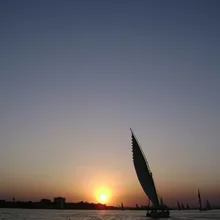
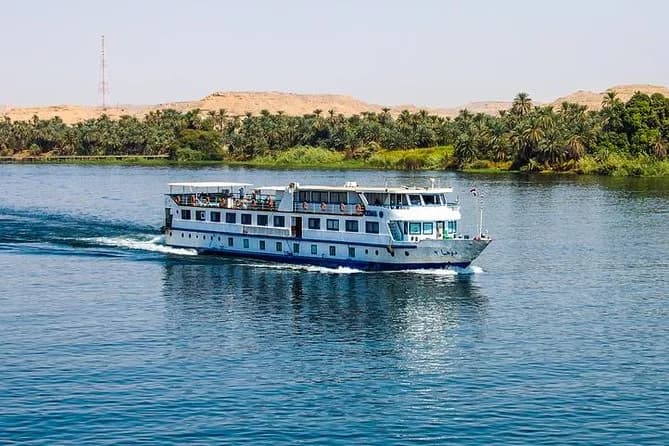
Fly Cairo to Aswan (about 1.5 hours) and pick up your Nile cruise. Almost every cruise runs the Aswan-Luxor stretch, and sailing downstream from Aswan to Luxor is the classic direction. In Aswan, see the island temple of Philae, dedicated to Isis and saved from the rising waters of Lake Nasser in one of UNESCO's great rescue operations, then take a felucca - the lateen-sailed Nile boat - out at golden hour. This is the trip's calmest, most cinematic stretch.
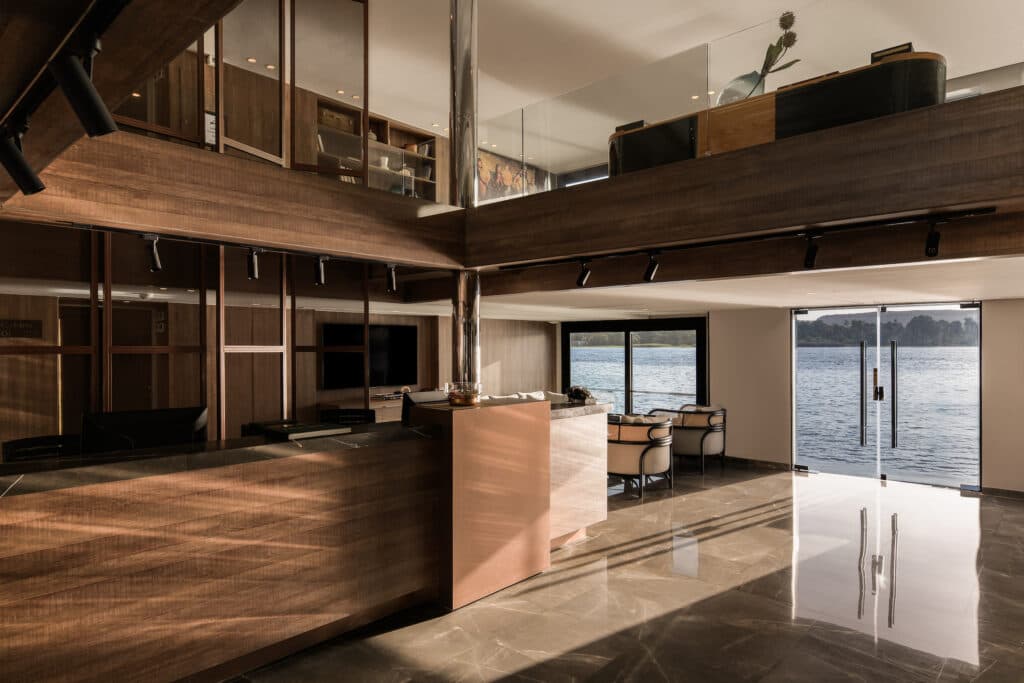
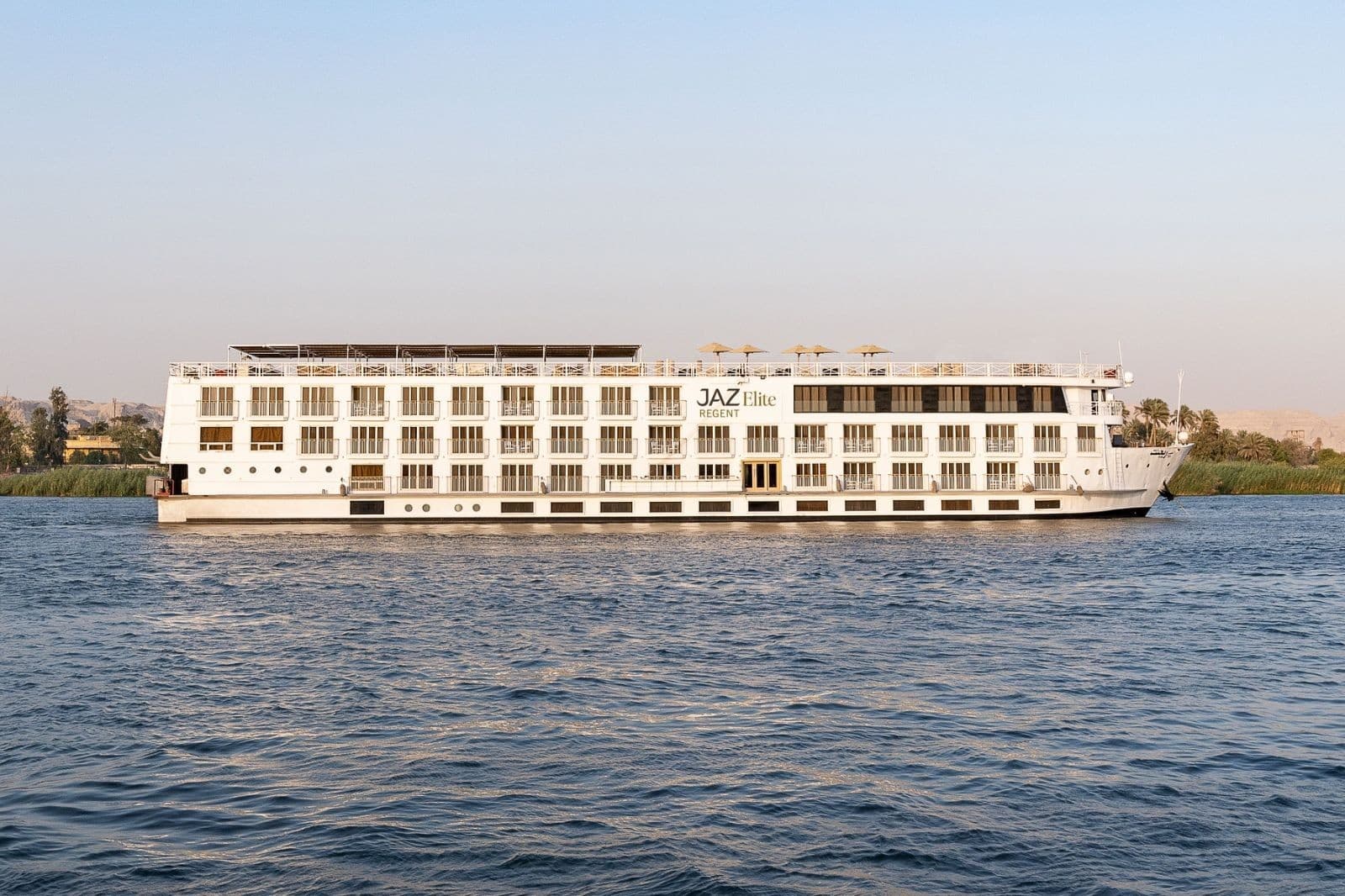
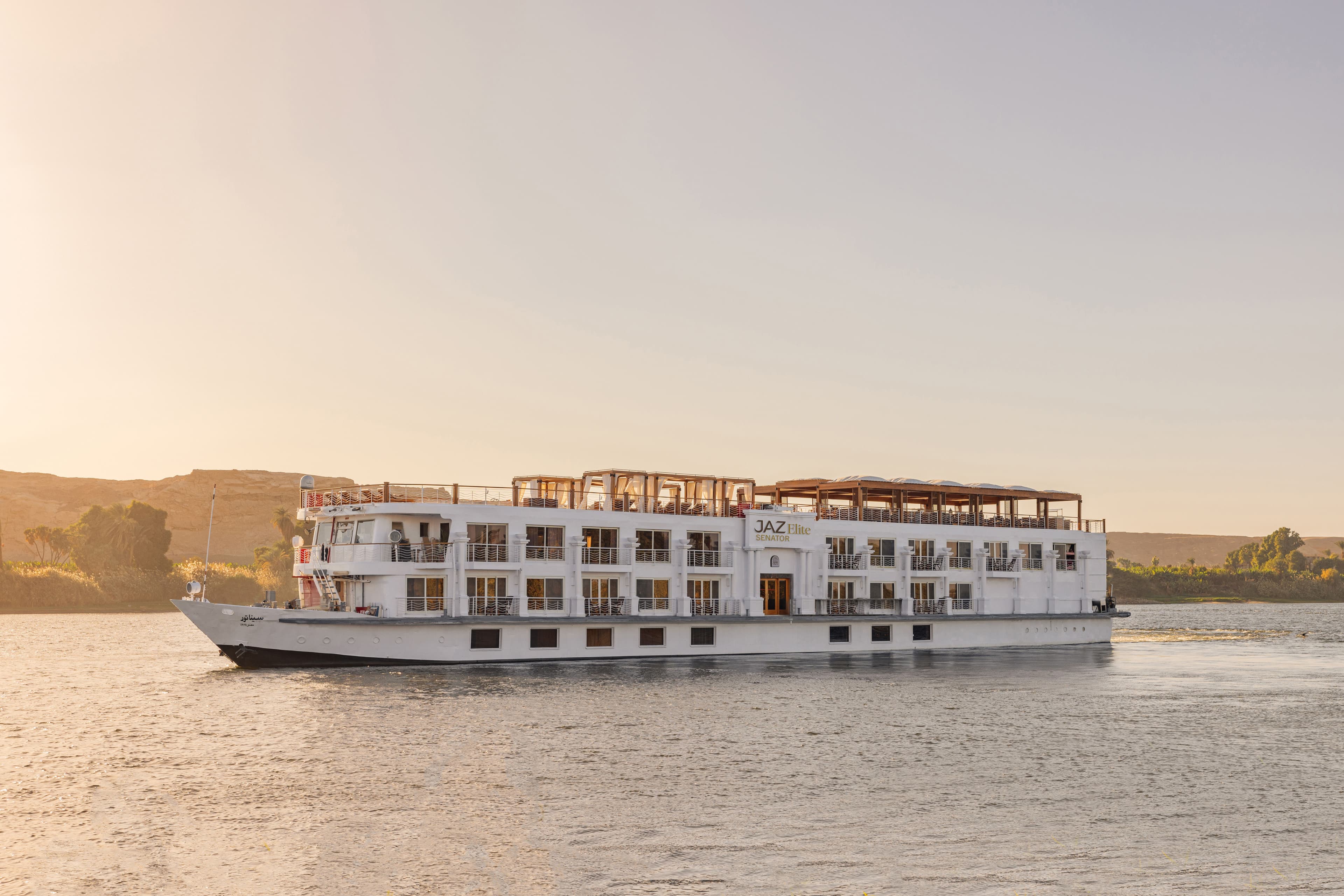
Over the next two days the boat stops at Kom Ombo, the unusual double temple honouring the crocodile god Sobek and the falcon god Horus, and Edfu, the best-preserved major temple in Egypt, dedicated to Horus and reached by horse-drawn carriage from the dock. You'll drift past riverbank villages, egrets, and farmers working fields the way they have for millennia. A cruise is the most efficient way to see these sites - they're strung along the river - and it doubles as your hotel and transport in one.
Nile cruises are the priciest experience category in Egypt (our catalogue median runs around 13,900 EGP, roughly US$285, and rises fast for the better boats), so it's worth reading up before you book. Our Nile cruise guide breaks down boat classes, the best cabins, and how many nights to choose.
Day 7-8: Luxor, the world's greatest open-air museum
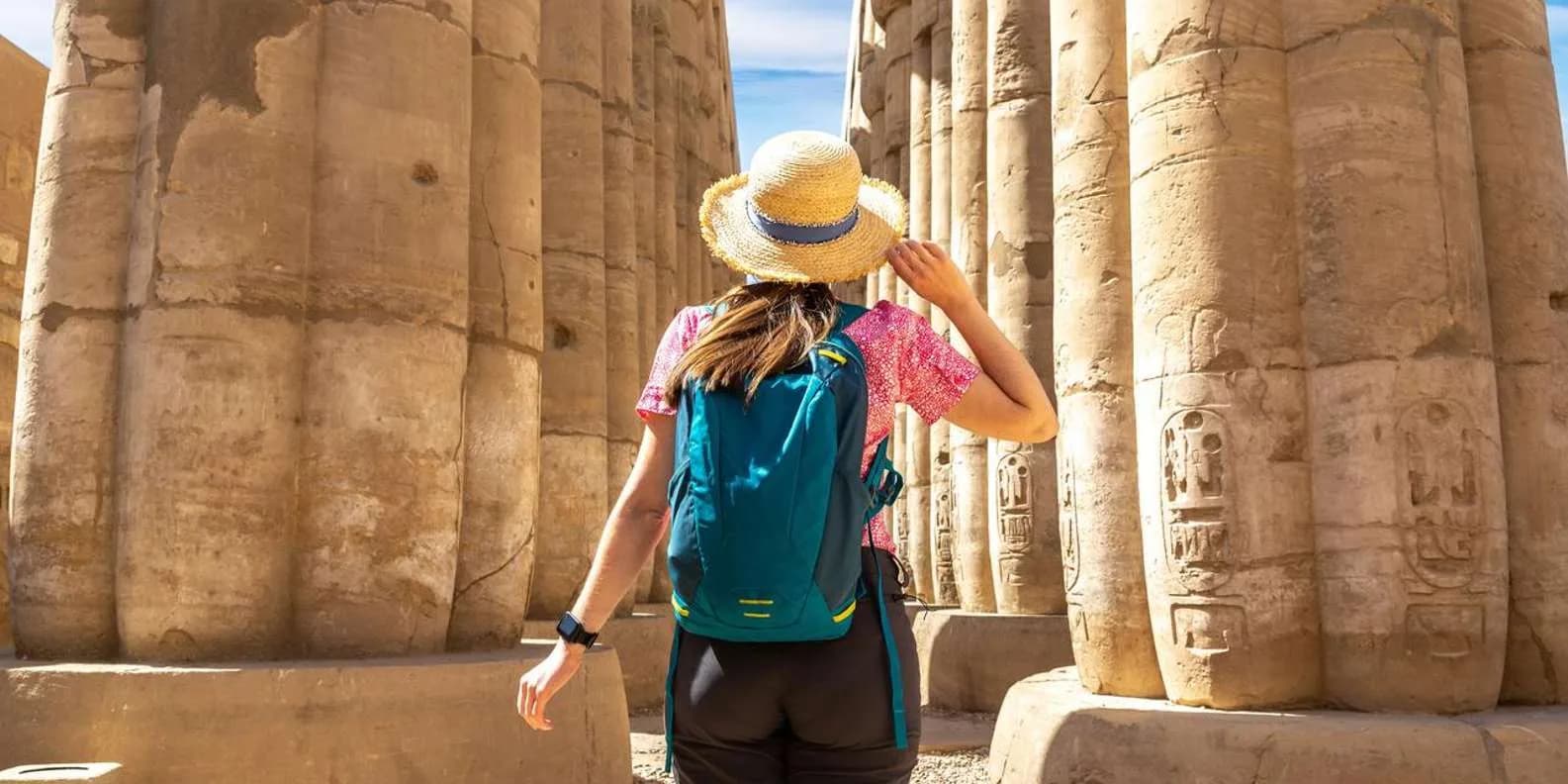
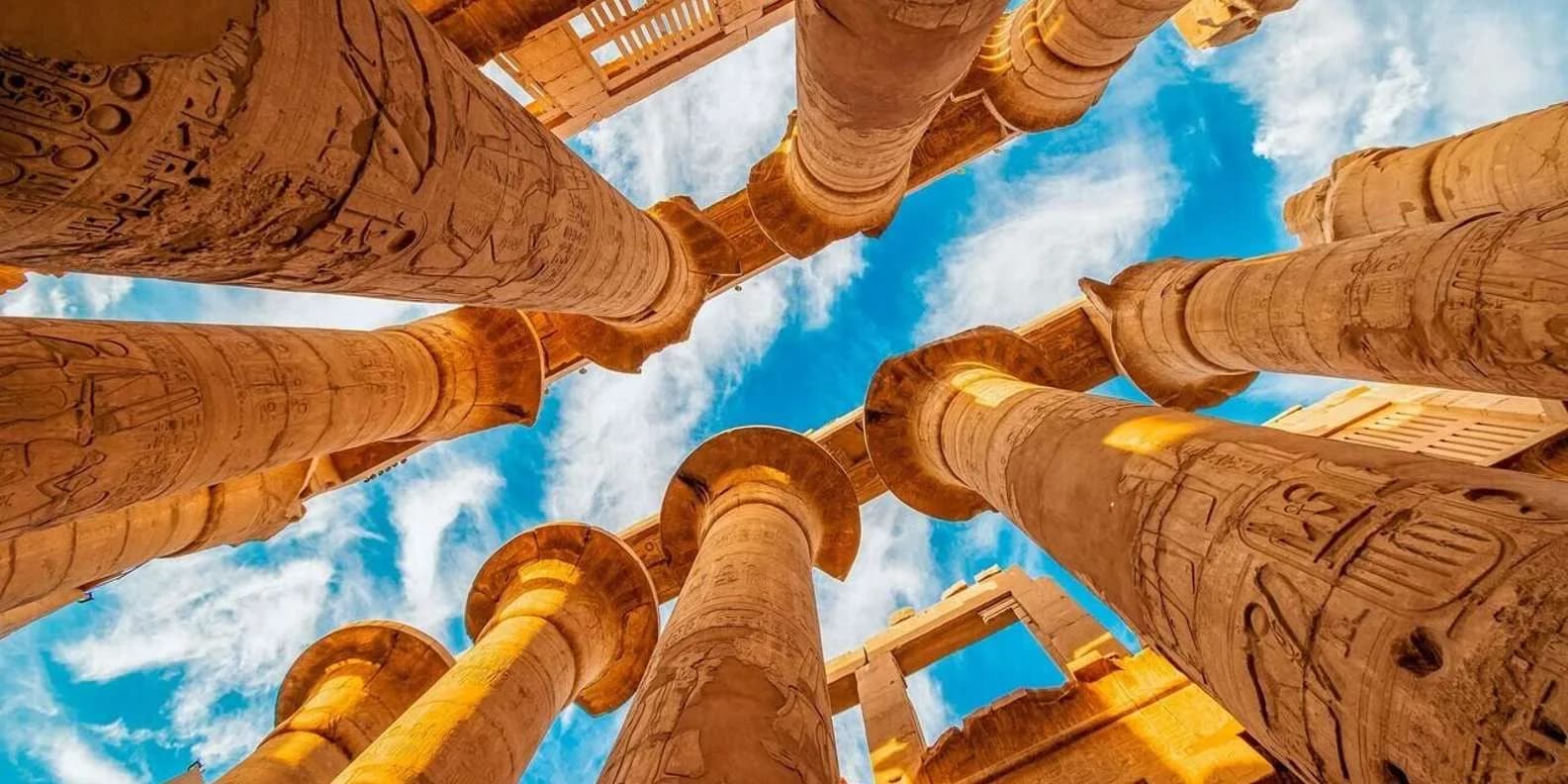
Luxor sits on the ancient city of Thebes and packs in more monuments than anywhere on earth. Split it across the river. On the East Bank, the temple complex of Karnak is staggering - its Great Hypostyle Hall has 134 columns, some tall enough to dwarf a person into insignificance - and it's now linked to Luxor Temple by the Avenue of Sphinxes, the ancient processional way that reopened in November 2021 after a decades-long excavation. See Luxor Temple lit up after dark.
Cross to the West Bank, the land of the dead, for the Valley of the Kings, where the standard ticket covers three tombs (Tutankhamun and a couple of the more elaborate royal tombs cost extra and are worth it). Add the terraced mortuary temple of Hatshepsut at Deir el-Bahari and the towering Colossi of Memnon. Hire a good guide here; the wall paintings only come alive when someone can read them for you.
Want a fuller Egypt plan on its own? Our Egypt itinerary goes deeper on pacing the country day by day, and the best places to visit in Egypt covers the sites beyond this route.
Day 9: Crossing to Jordan
This is the hinge of the trip. You have two ways to move between the countries.
Fly (recommended for a two-week trip). From Luxor, connect via Cairo to Amman's Queen Alia International Airport (AMM). The Cairo-Amman leg is only about 80 minutes and there are several direct flights daily on EgyptAir, Royal Jordanian and others. Some travellers instead fly into Aqaba (AQJ) in Jordan's south, which puts you close to Petra and Wadi Rum - handy if you want to skip Amman and Jerash. Flying is faster, simpler, and for most two-week itineraries clearly the better call. The time difference between the two countries is just one hour, so no real jet lag.
Cross by land and sea (the scenic, slower route). From Sinai's east coast you can take a ferry across the Gulf of Aqaba from Nuweiba Port (about a 15-minute drive from Taba) to Aqaba in Jordan. Arab Bridge Maritime runs a fast ferry (around 1-1.5 hours) and a slower conventional one (3-4 hours), roughly six days a week; the Egypt-to-Jordan sailing has typically departed early afternoon. Budget several hours for boarding, customs and immigration on top of the crossing itself. This route only makes sense if you're already spending time on the Sinai coast - Dahab, Sharm el-Sheikh, or a side-trip to Mount Sinai and St Catherine's Monastery - and want the adventure of arriving in Jordan by boat with the Red Sea and four countries' coastlines in view. Confirm the current schedule and fares directly with the operator, as sailings shift with season and demand. For the Sinai leg, see our Mount Sinai and St Catherine's guide.
However you cross, you'll arrive in Jordan and want to head straight to your base. If you flew into Amman, overnight there.
Day 10: Amman and Jerash
Amman is an easy landing pad. Climb to the Amman Citadel for the Temple of Hercules and the Umayyad Palace, look down over the Roman theatre, and eat well - Jordanian mezze and the national dish mansaf are a treat after a fortnight of Egyptian food. Then drive 50 minutes north to Jerash, one of the best-preserved Roman provincial cities anywhere: colonnaded streets, a huge oval forum, two theatres, and temples you can walk right through. Half a day here is plenty. If you flew into Aqaba and skipped the north, you can drop this day and add it to Petra instead.
Day 11-12: Petra
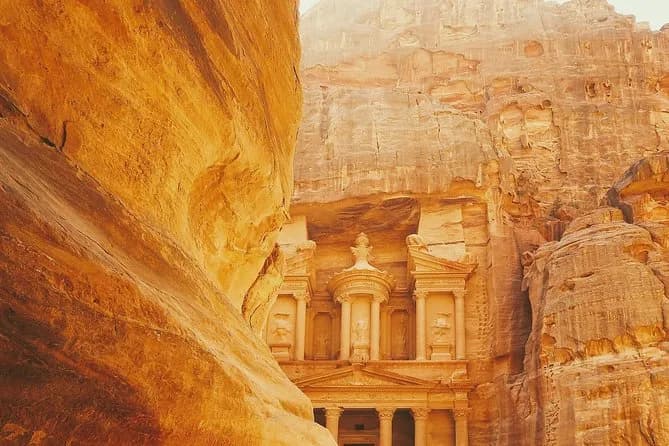
Petra earns its bucket-list status. You enter through the Siq, a mile-long crack in the rock barely wide enough for a chariot, which opens with theatrical suddenness onto Al-Khazneh - the Treasury, the rose-carved facade you've seen a thousand times and which still stops you dead. But the Treasury is the start, not the end. Petra is a whole lost city, and you need real legs to see it: the Royal Tombs, the Roman-era street, the Byzantine church, and above all the Monastery (Ad-Deir), a 45-minute uphill climb of some 800 steps that most day-trippers never reach and which rewards you with the biggest carved facade in Petra and far fewer people.
Give Petra two days if you possibly can. Day one for the classic Siq-to-Treasury-to-Monastery walk; day two for the high trails - the High Place of Sacrifice or the Al-Khubtha viewpoint that looks straight down onto the Treasury from above. If you're there on the right evening, Petra by Night lights the Siq and Treasury with candles (a separate ticket, not covered by the Jordan Pass). Overnight in Wadi Musa, the town at Petra's gate.
Day 13: Wadi Rum
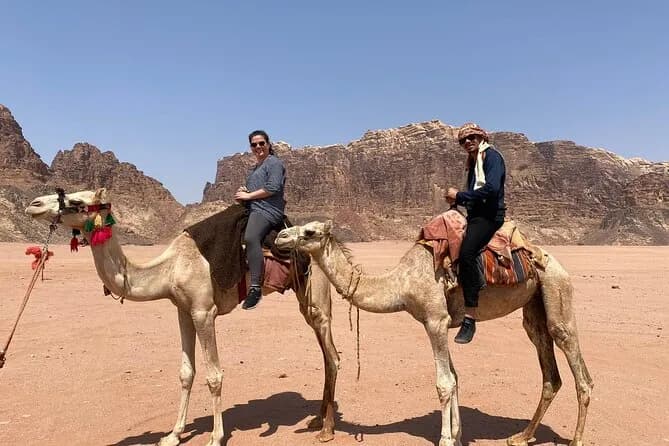
An hour south of Petra, the desert of Wadi Rum - Lawrence of Arabia's "vast, echoing and God-like" landscape - is best done as an overnight, not a rushed afternoon. Hand yourself over to a Bedouin camp: a 4x4 tour among towering sandstone monoliths, red dunes you can run down, ancient rock inscriptions, and a sunset that turns the whole desert to embers. Sleep in a camp - the simple Bedouin tents or the bubble domes with a skylight onto the Milky Way - and wake to a silent sunrise. This is the trip's most memorable single night for a lot of travellers.
Day 14: The Dead Sea, then home
Drive north to the Dead Sea, the lowest point on the surface of the earth, where the water is so salty you cannot sink - you bob like a cork. Slather on the famous black mineral mud, float with a book (carefully - don't get the water in your eyes), and rinse off at a resort or public beach. It's the perfect low-effort finale after Petra's stairs and Wadi Rum's dust. The Dead Sea is about an hour from Amman airport, so you can float in the morning and fly out that evening, or add a final night at a Dead Sea spa resort if your flight is the next day.
Still deciding which country deserves more of your two weeks? Our head-to-head Egypt vs Jordan comparison weighs cost, highlights, and pace.
Visas and the Jordan Pass
Two separate countries mean two separate entries. Here's the practical maths.
Egypt. Most visitors need a tourist visa. You can get an e-visa online in advance at the official portal visa2egypt.gov.eg, or a visa on arrival at major airports (Cairo, Luxor, Hurghada, Sharm el-Sheikh). Fees rose in 2026 - budget around US$30 for a single-entry tourist visa, payable in USD or euros - but always check the official portal for the current fee, as it has changed more than once. Buy the visa stamp at the bank kiosk before passport control if you're doing it on arrival.
Jordan - buy the Jordan Pass. This is the single best-value move of the whole trip. The Jordan Pass (jordanpass.jo) bundles the tourist visa waiver with entry to Petra and 40+ other sites including Jerash and Wadi Rum. It comes in three tiers by how many days you want at Petra:
| Jordan Pass tier | Petra access | Price (JOD) |
|---|---|---|
| Wanderer | 1 day | ~70 |
| Explorer | 2 consecutive days | ~75 |
| Expert | 3 consecutive days | ~80 |
For this itinerary, the Explorer (two days at Petra) fits best. The catch to know: the visa-fee waiver only applies if you stay at least three nights in Jordan - a border rule, not a sales gimmick. This itinerary's five days easily clears that. Buy the pass online before you arrive so it lands in your inbox, and note that Petra by Night is not included. Confirm current tiers and rules on the official site, since prices are quoted in Jordanian dinars and adjust periodically.
One more entry note: if you arrive in Jordan by the Aqaba ferry or the Aqaba airport, the region is a special economic zone with its own visa arrangements - the Jordan Pass still covers you, but read its arrival-point rules before you rely on it at a land or sea border.
What it costs, roughly
Egypt is the cheaper half; Jordan runs noticeably more expensive day to day. A rough two-week per-person budget, excluding international flights home:
- Mid-range: US$2,000-3,500. A comfortable Nile cruise, good 4-star hotels, private guides for the big sites, internal flights, the Jordan Pass, and a night in a Wadi Rum camp.
- Budget: US$1,200-2,000 if you skip the cruise for train-and-hotel in Egypt, use group tours, and choose simpler camps and guesthouses.
- Luxury: US$5,000+ for a five-star Nile boat, top desert bubble camps, and a Dead Sea spa resort.
For Egypt experiences specifically, expect roughly (median): a Cairo cultural tour ~4,640 EGP (about US$95), Luxor ~4,460 EGP, and Aswan ~6,360 EGP; government monument tickets are separate and cheaper, paid at the gate or via egymonuments.com. Jordan's headline costs are the Jordan Pass, Wadi Rum camps (typically US$60-150 per person with meals and a 4x4 tour), and Dead Sea resort day passes. Internal flights (Cairo-Aswan, Luxor-Cairo, Cairo-Amman) are the other big line item - book them 4-6 weeks out for the best fares.
Best time to go
Aim for October to April. Egypt's Upper Nile - Luxor and Aswan - is brutally hot from May to September (regularly over 40 C / 104 F), so the shoulder and winter months are far more comfortable for temple days and Petra's exposed trails. October-November and March-April are the sweet spot: warm days, cool evenings, and the Dead Sea and Wadi Rum both pleasant. December-February is peak season with the coolest days (pack a layer - desert nights and Petra mornings get genuinely cold), the biggest crowds at the Treasury, and the highest prices. Avoid high summer unless you love the heat and want the lowest rates.
Shorter and longer variants
10-day express. Trim Egypt to Cairo (2 days) plus a shorter 3-night Nile cruise and one day in Luxor, then fly to Aqaba and do Petra (1.5 days), Wadi Rum (overnight), and a half-day Dead Sea before flying out. You'll skip Amman and Jerash, but you'll still hit every marquee site. This is the tightest version that doesn't feel like a forced march.
18-21 day grand tour. Add the Sinai coast - a few days diving or relaxing in Dahab, a sunrise hike up Mount Sinai with a dawn visit to St Catherine's Monastery - and cross to Jordan by the Nuweiba-Aqaba ferry for the full land-and-sea adventure. On the Jordan side, add the King's Highway (Madaba's mosaic maps, Mount Nebo, Kerak Castle) between the Dead Sea and Petra, and a day at the Roman ruins of the Jordanian north. You could even bolt on Egypt's Red Sea for a beach finish. Eighteen days lets the trip breathe.
Prefer to skip the logistics entirely? This is Egypt plans your whole Egypt leg - flights, hotels, guides, and transfers - and connects you to the Jordan crossing. Start planning your trip.
Planning the Nile leg? A Nile cruise is the classic way to cover the Luxor–Aswan stretch of an Egypt itinerary — your hotel and transport in one. Compare cruise ships and dahabiyas, see what a Nile cruise costs, or weigh a cruise vs a land tour.
A real team available 24/7 to assist you — free
Seif and the team reply on WhatsApp 24/7 — trip questions, custom plans and booking help.
Ask Seif on WhatsAppCommon questions
How many days do you need for Egypt and Jordan together?
Two weeks is the ideal length: about nine days in Egypt (Cairo, a Nile cruise, and Luxor with Aswan) and five in Jordan (Petra, Wadi Rum, the Dead Sea, and Amman with Jerash). Ten days is the tight minimum if you cut the north of Jordan and shorten the cruise; 18-21 days lets you add Sinai, the Nuweiba ferry crossing, and Jordan's King's Highway.
Should you fly or take the ferry between Egypt and Jordan?
Fly for a standard two-week trip - Cairo to Amman is only about 80 minutes with several direct flights daily, and it's far simpler. Take the Nuweiba-to-Aqaba ferry only if you're already spending time on Egypt's Sinai coast (Dahab, Mount Sinai) and want the scenic land-and-sea route; budget several hours for the crossing plus customs on both sides.
Do you need separate visas for Egypt and Jordan?
Yes. Egypt requires a tourist visa (e-visa in advance at visa2egypt.gov.eg or visa on arrival at major airports, around US$30 in 2026). Jordan requires its own entry - but the Jordan Pass bundles the visa waiver with site entry if you stay at least three nights, which this itinerary comfortably does. Confirm current fees and rules on the official portals before you travel.
Is the Jordan Pass worth it for this trip?
Almost always yes. The Jordan Pass waives the tourist visa fee and covers Petra plus 40+ sites including Jerash and Wadi Rum. For a two-week itinerary the Explorer tier (two days at Petra, about 70-80 JOD) usually costs less than buying the visa and Petra tickets separately. Buy it online before you arrive, and remember the visa waiver only applies with a stay of at least three nights.
How much does a two-week Egypt and Jordan trip cost?
Budget roughly US$2,000-3,500 per person for a comfortable mid-range trip (Nile cruise, good hotels, guides, internal flights, Jordan Pass, a Wadi Rum camp), excluding international flights home. A budget version that swaps the cruise for train-and-hotel can come in around US$1,200-2,000; luxury with a five-star boat and Dead Sea spa runs US$5,000 and up.
What is the best time of year to visit Egypt and Jordan?
October to April. October-November and March-April are the sweet spot - warm days, cool evenings, and manageable heat for Luxor's temples and Petra's trails. December-February is coolest and busiest (pack a warm layer for desert nights and Petra mornings). Avoid high summer, when Upper Egypt regularly tops 40 C / 104 F.
Should you do Egypt or Jordan first?
Egypt first. Cairo is intense, so it's best tackled early while your energy is high, and the Nile cruise is a natural mid-trip decompression. Jordan's Petra-Wadi Rum-Dead Sea sequence then ends the trip on a relaxed, scenic high, finishing with a float in the Dead Sea an hour from Amman airport.
How many days do you need at Petra?
Two days if you can. Day one covers the Siq, the Treasury and the uphill climb to the Monastery; day two frees you for the high trails like the High Place of Sacrifice or the Al-Khubtha viewpoint overlooking the Treasury. One long day sees the highlights but leaves you rushing past a whole lost city.
Can you fly into Aqaba instead of Amman?
Yes, and it's a smart move if you want to skip Amman and Jerash. Aqaba (AQJ) sits in Jordan's south near Petra and Wadi Rum, so you land close to the highlights and save a driving day. It's ideal for the 10-day express version of this itinerary; keep Amman as your entry point if you want the Roman city of Jerash and the capital.
Book it on This is Egypt
Turn this guide into a trip


Egypt's bestsellers
The experiences travelers book most, across the country




Keep reading
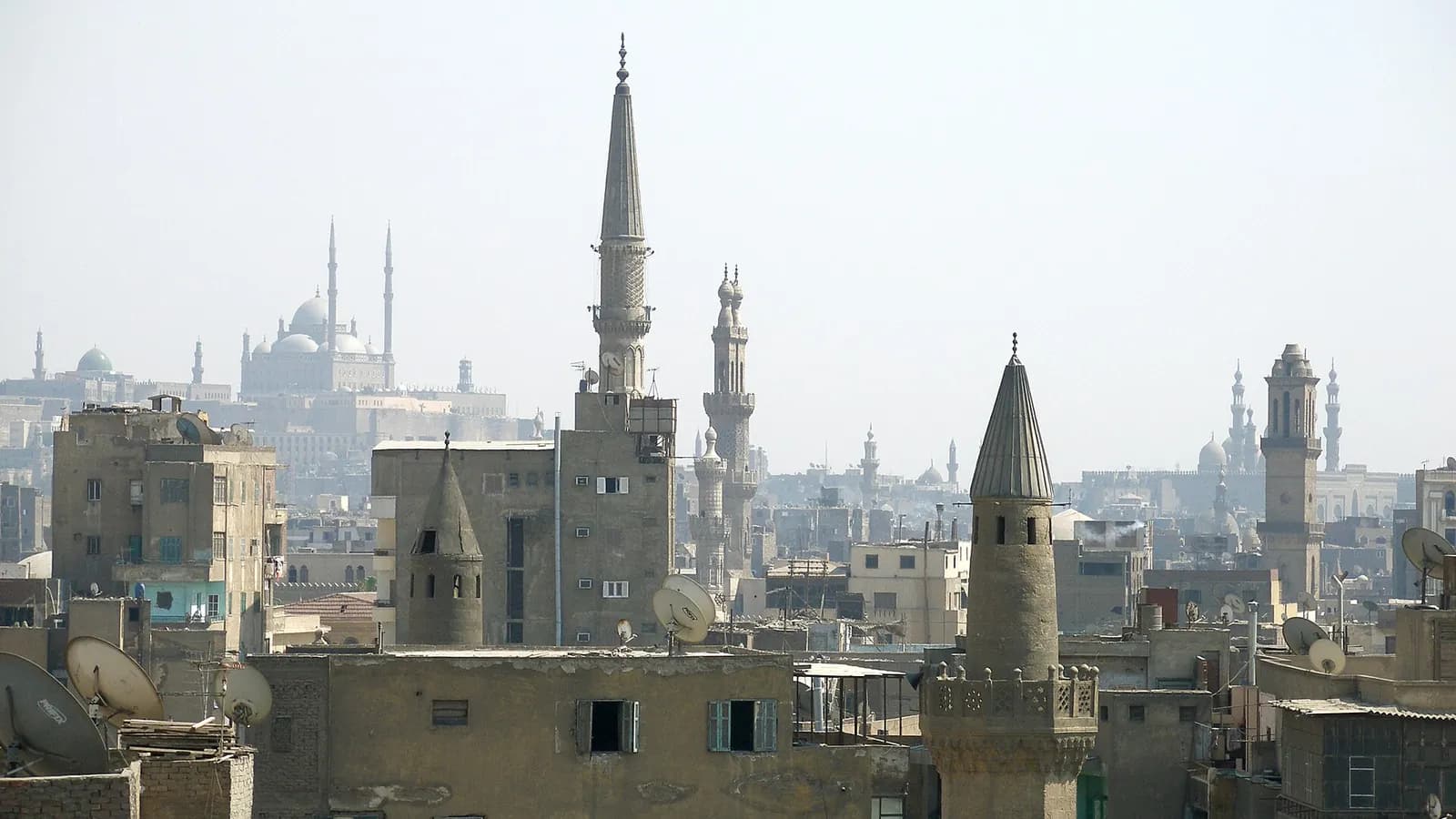
3 Days in Cairo: The Perfect First-Timer's Itinerary
Pyramids, Islamic Cairo, Coptic alleys and the Grand Egyptian Museum: a tested 72-hour Cairo plan with real timings, transport and prices.
By TiE Editors9 min read

7-Night Nile Cruise: Luxor to Aswan Round Trip (2026)
The complete 7-night Luxor-Aswan-Luxor Nile cruise: a relaxed pace, every major temple, optional Abu Simbel and Dendera add-ons, and the full classic Egypt experience.
By TiE Editors8 min read
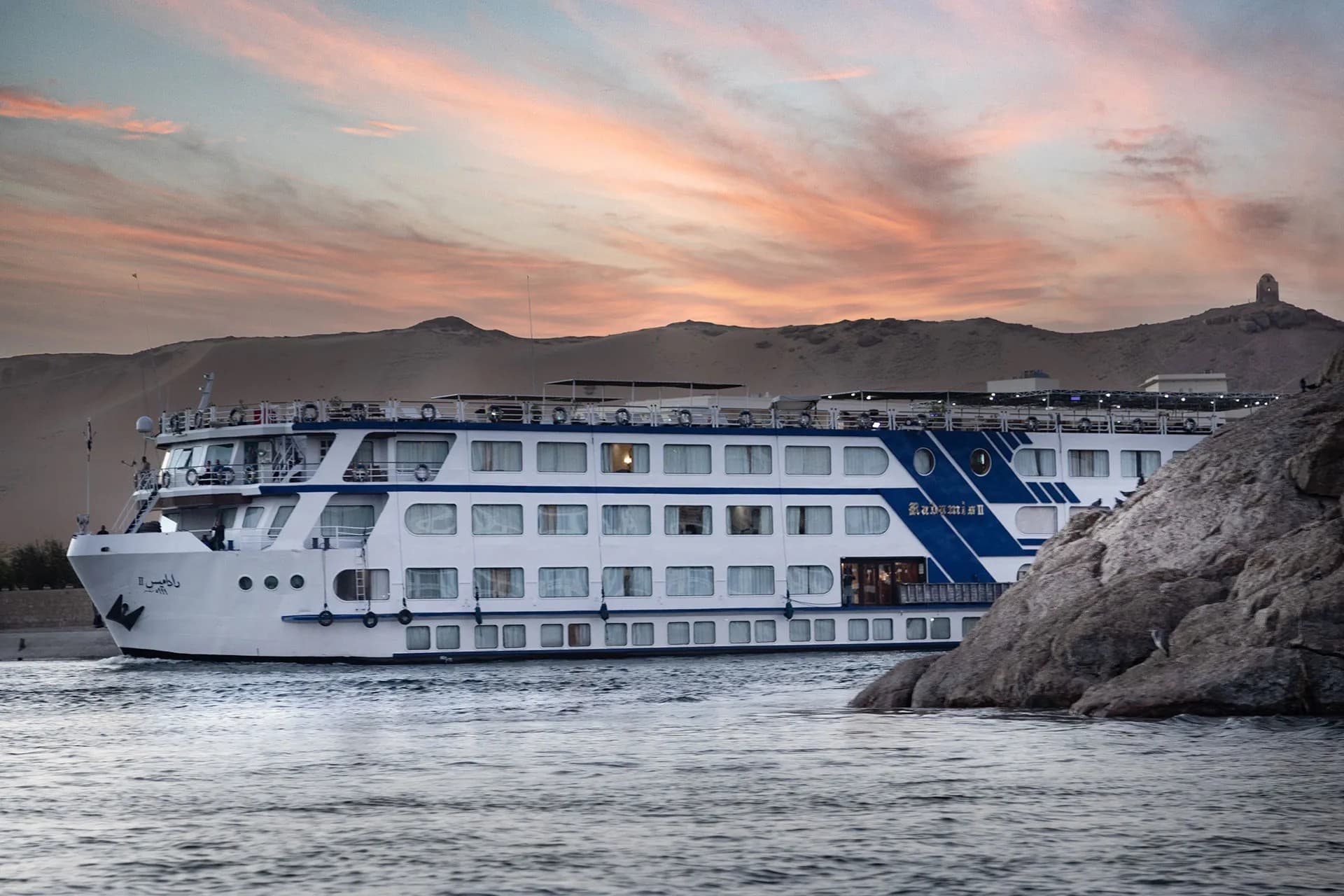
5-Day Nile Cruise: The Ideal Itinerary (2026)
A relaxed 5-day, 4-night Nile cruise from Luxor to Aswan taking in Karnak, Valley of the Kings, Edfu, Kom Ombo and Philae — with time to spare for Abu Simbel, Egypt's fuller cruise option.
By TiE Editors7 min read