Is Egypt Safe for Tourists? (2026)
An honest look at safety in Egypt, what the official advisories actually say, where the secure tourist corridor is, the areas genuinely to avoid, and the everyday hassles you'll really meet.
Book it on This is Egypt
Turn this guide into a trip
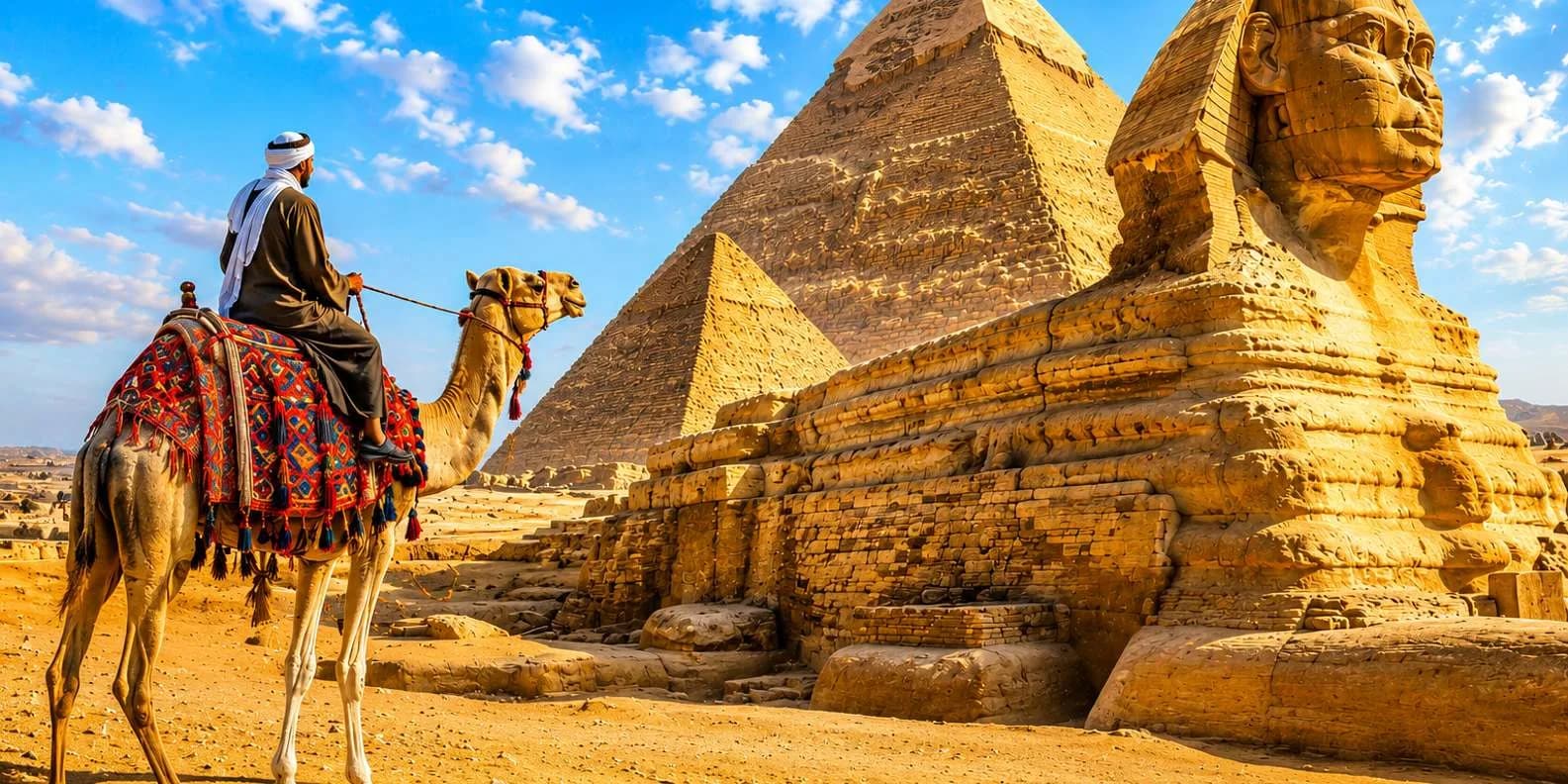
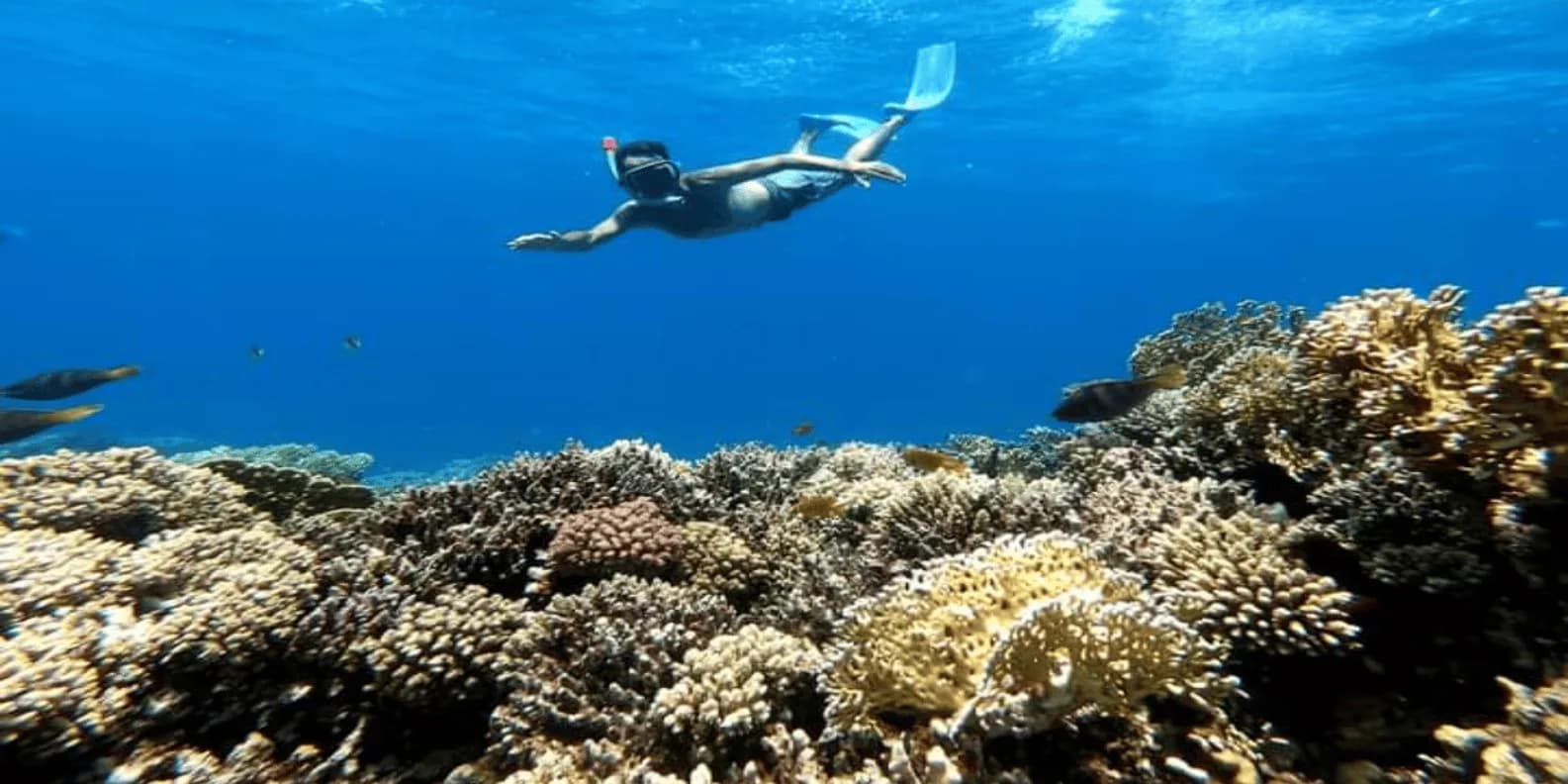
Quick answer: Yes, Egypt is safe to visit in 2026 with normal travel precautions. The places nearly everyone actually goes—Cairo, Giza, Luxor, Aswan, the Nile Valley and the Red Sea resorts—are heavily secured, visited by millions of travellers a year, and see very little crime against tourists. The word "advisory" scares people off a trip that, in practice, is more about managing touts and heat than avoiding danger. This guide gives you the honest version: what the official warnings really say, which handful of areas to skip, the scams you'll actually meet, and the tactics that make the whole thing easy.
What the official advisories actually say
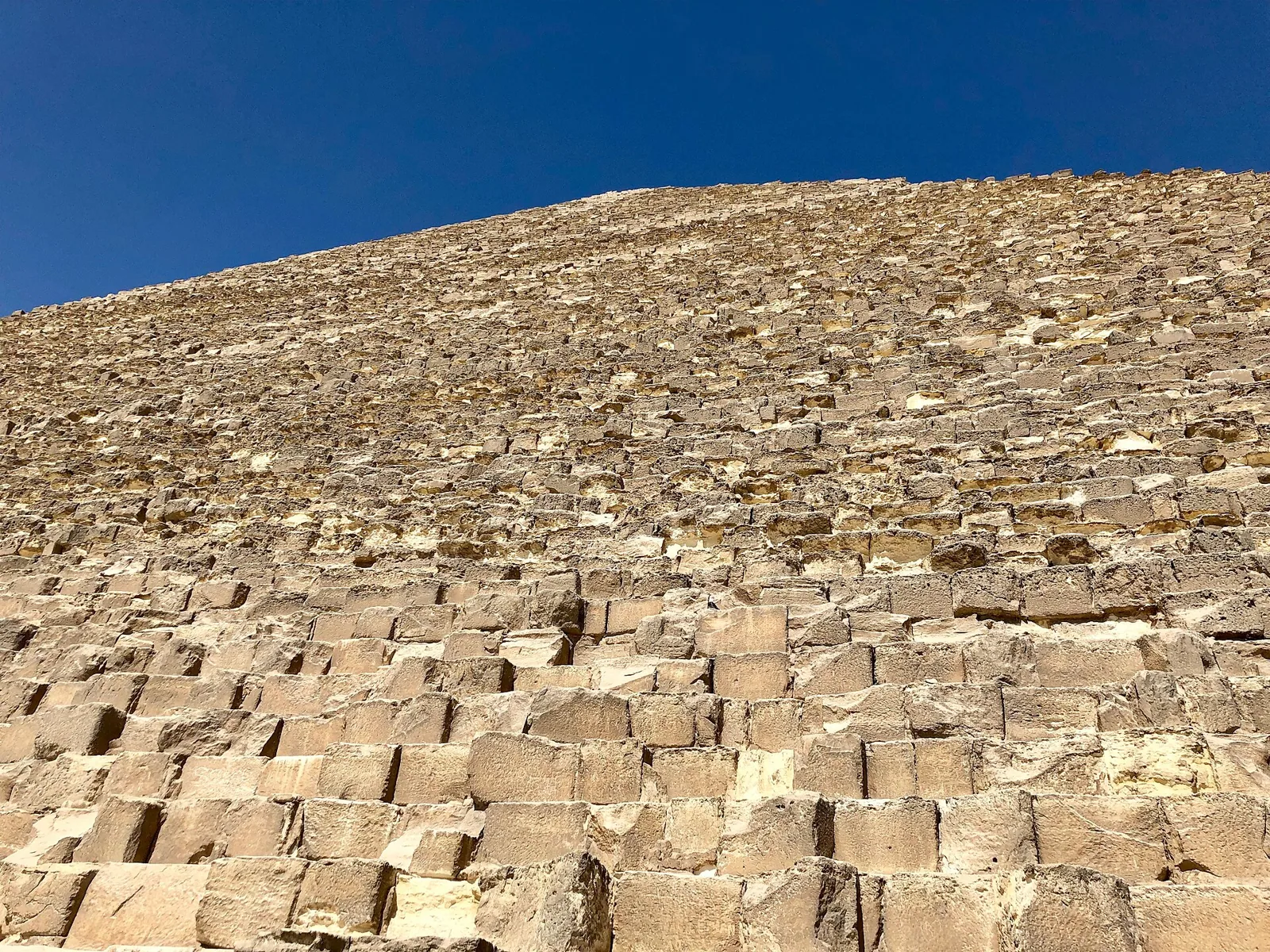
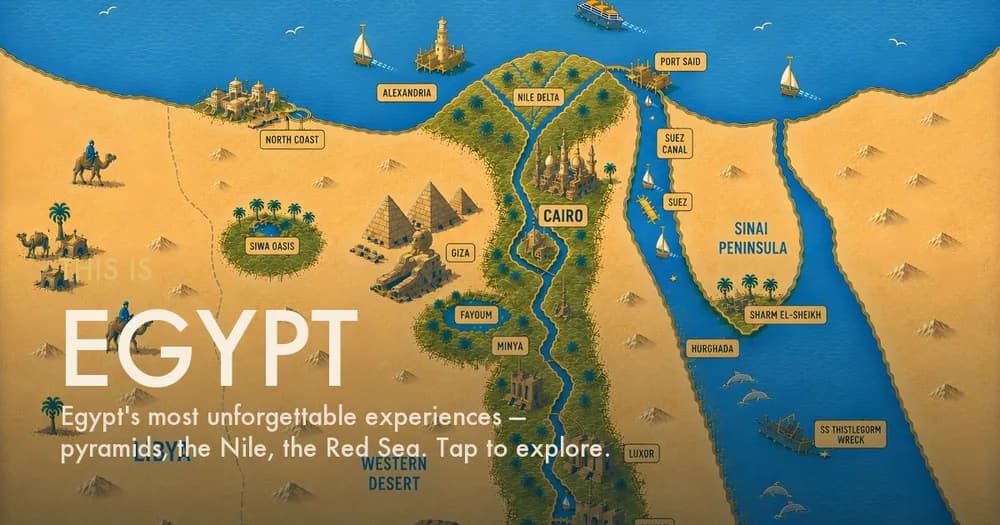
The US State Department rates Egypt Level 2, "Exercise Increased Caution" as of its 2026 update—the same tier it assigns to France, Italy, Spain and the United Kingdom. The far stricter "Do Not Travel" (Level 4) guidance is confined to two areas: the North and Middle Sinai Peninsula, and the remote Western Desert near the Libyan border. Neither is anywhere on a normal itinerary. The South Sinai resorts (Sharm El-Sheikh, Dahab) and the entire Nile Valley corridor sit outside the warning entirely.
The UK Foreign, Commonwealth & Development Office, Canada and Australia all give broadly similar guidance: caution overall, hard no on North Sinai and the western border zone, and business-as-usual for the tourist heartland. The takeaway is that the headline number is far more reassuring than the ominous word attached to it.
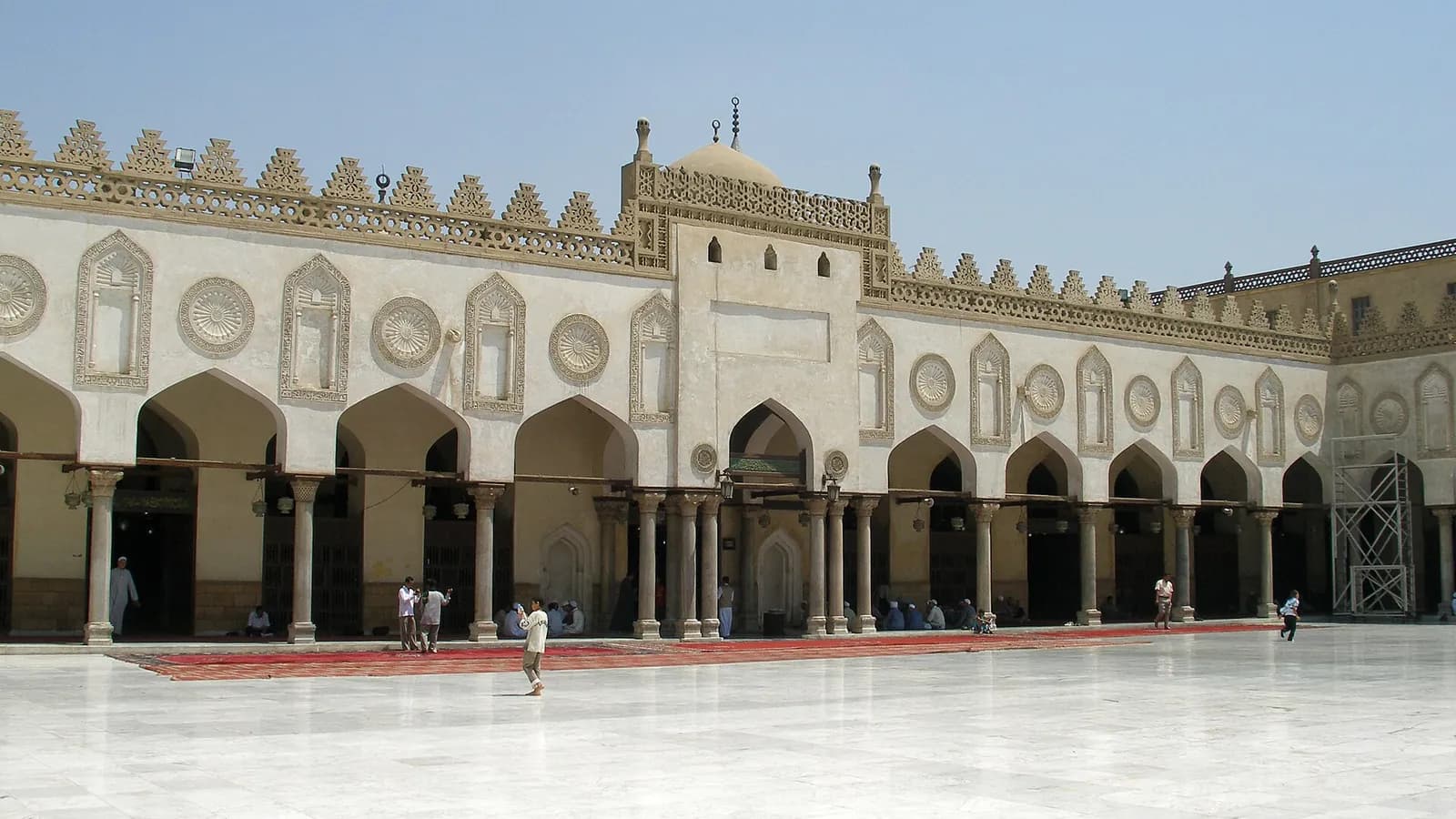
A balanced note on terrorism: extremist groups do occasionally target the country, which is why security is so visible. But attacks on tourist sites have become rare, and the response has been the opposite of complacency—the airport-style scanners at museums, the checkpoints on desert roads, and the armed tourism police are all part of a security apparatus built specifically to keep the visitor corridor safe. You'll notice it, and it's there for you.
Region by region: where's safe, where isn't
Cairo & Giza — Safe for tourists, and the busiest part of any trip. Pickpocketing in crowds and persistent vendors at the Pyramids are the real issues, not violence. Traffic is chaotic; use apps for transport. See our Cairo travel guide for neighbourhood-level detail.
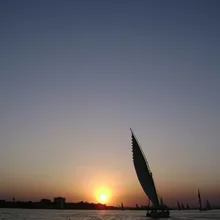
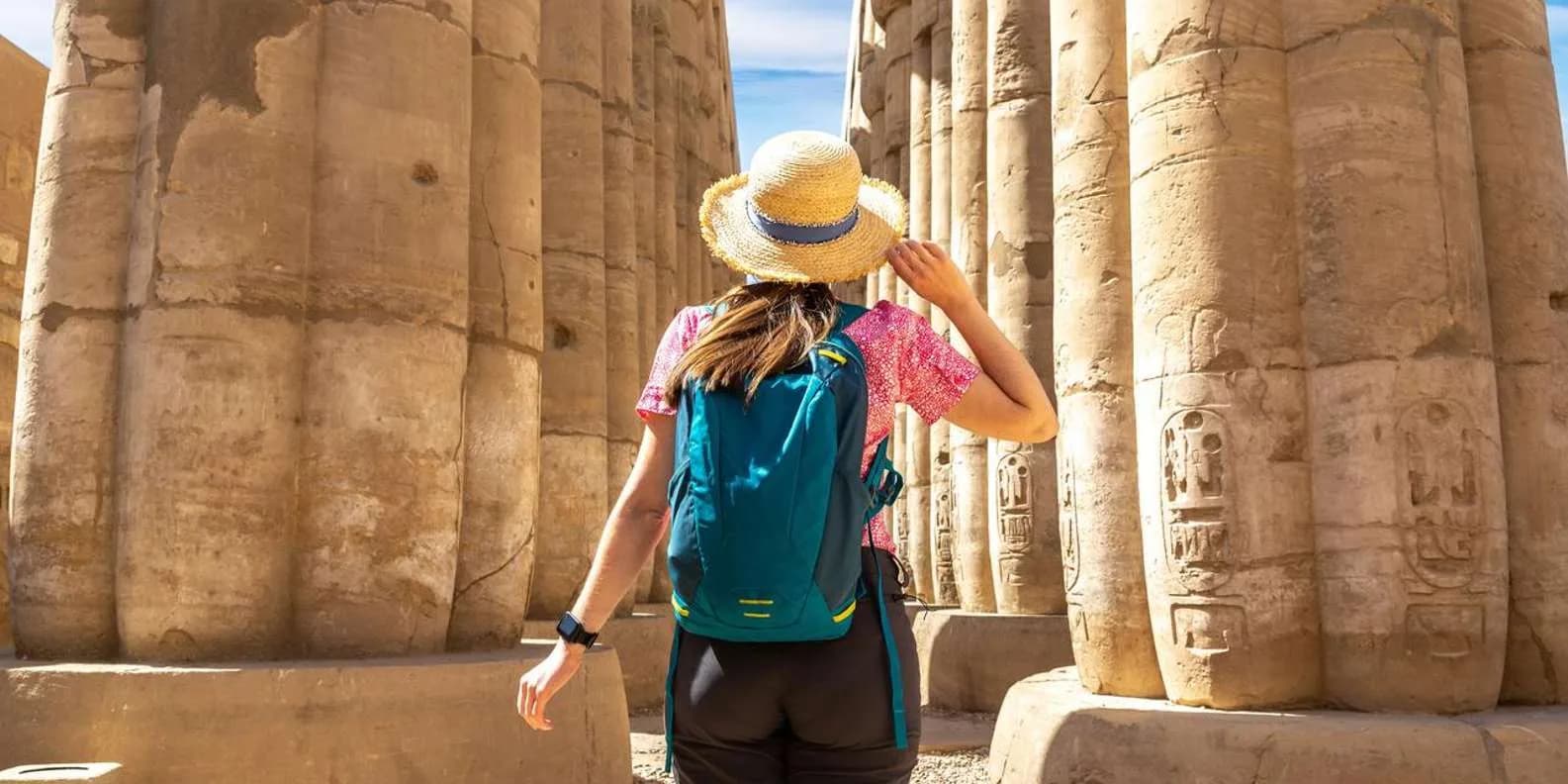
Luxor & Aswan — Among the safest, most tourism-focused places in the country. Temples and tombs are well-policed, and the main hassle is the friendly-but-relentless sales patter from felucca captains, calèche drivers and shopkeepers.
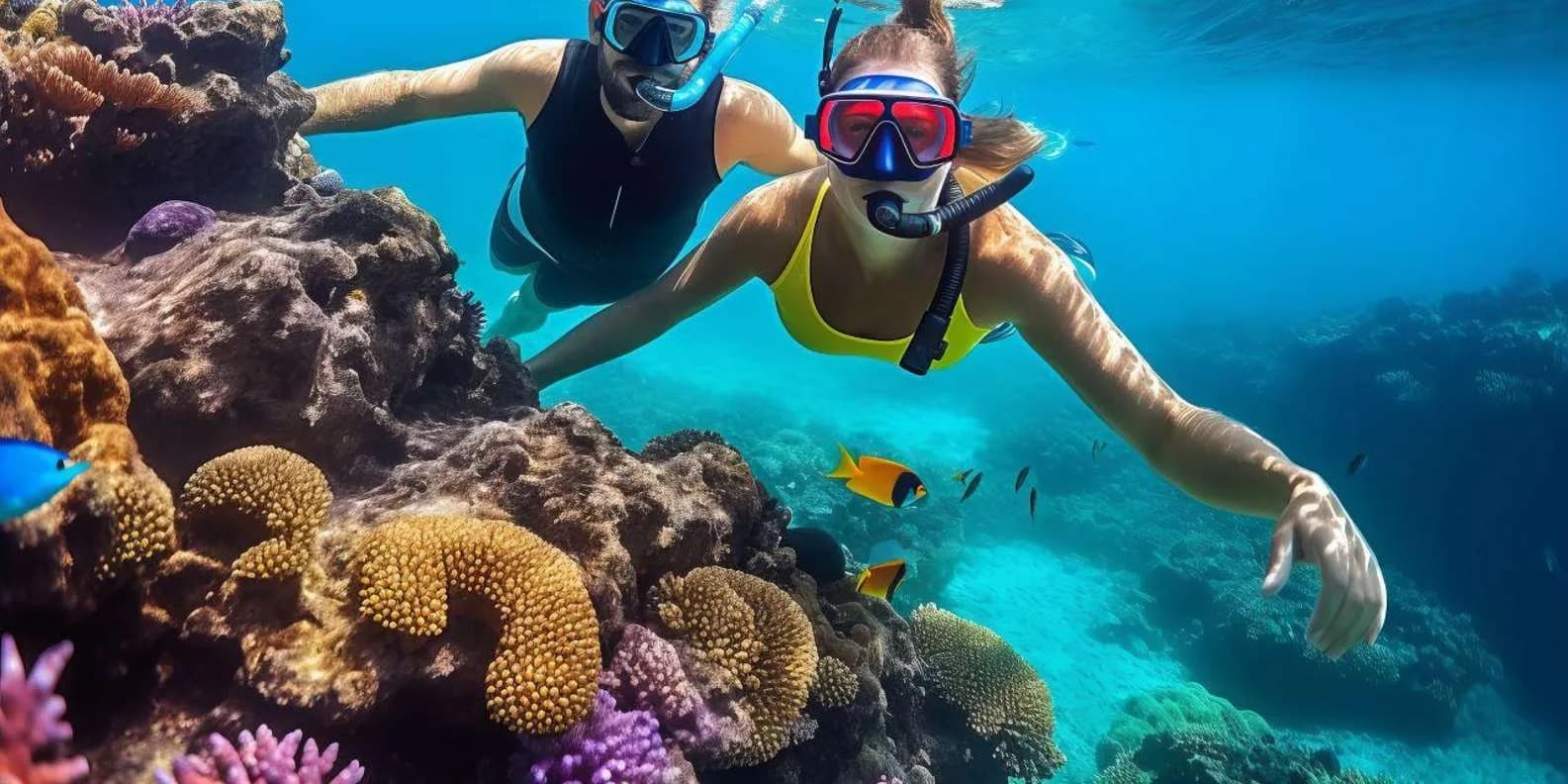
Red Sea resorts (Hurghada, El Gouna, Marsa Alam) — Self-contained, secure resort zones geared entirely around visitors. Very low-risk; the diving and beach economy depends on it.
South Sinai (Sharm El-Sheikh, Dahab) — Explicitly outside the Do Not Travel zone and heavily protected, with checkpoints controlling road access. The resorts themselves are calm and tourist-oriented. Note this is a completely different region from North Sinai despite the shared name.
North & Middle Sinai — The genuine no-go. Active security operations and militant activity make it dangerous for all civilians. No mainstream itinerary goes here, and you'd have to work hard to end up there by accident.
Western Desert & Libyan border — Do Not Travel near the frontier. The popular oases (Bahariya, the White Desert) are visited on organised trips, but only with a licensed operator—don't attempt independent desert driving out here.
The scams and hassles you'll really meet
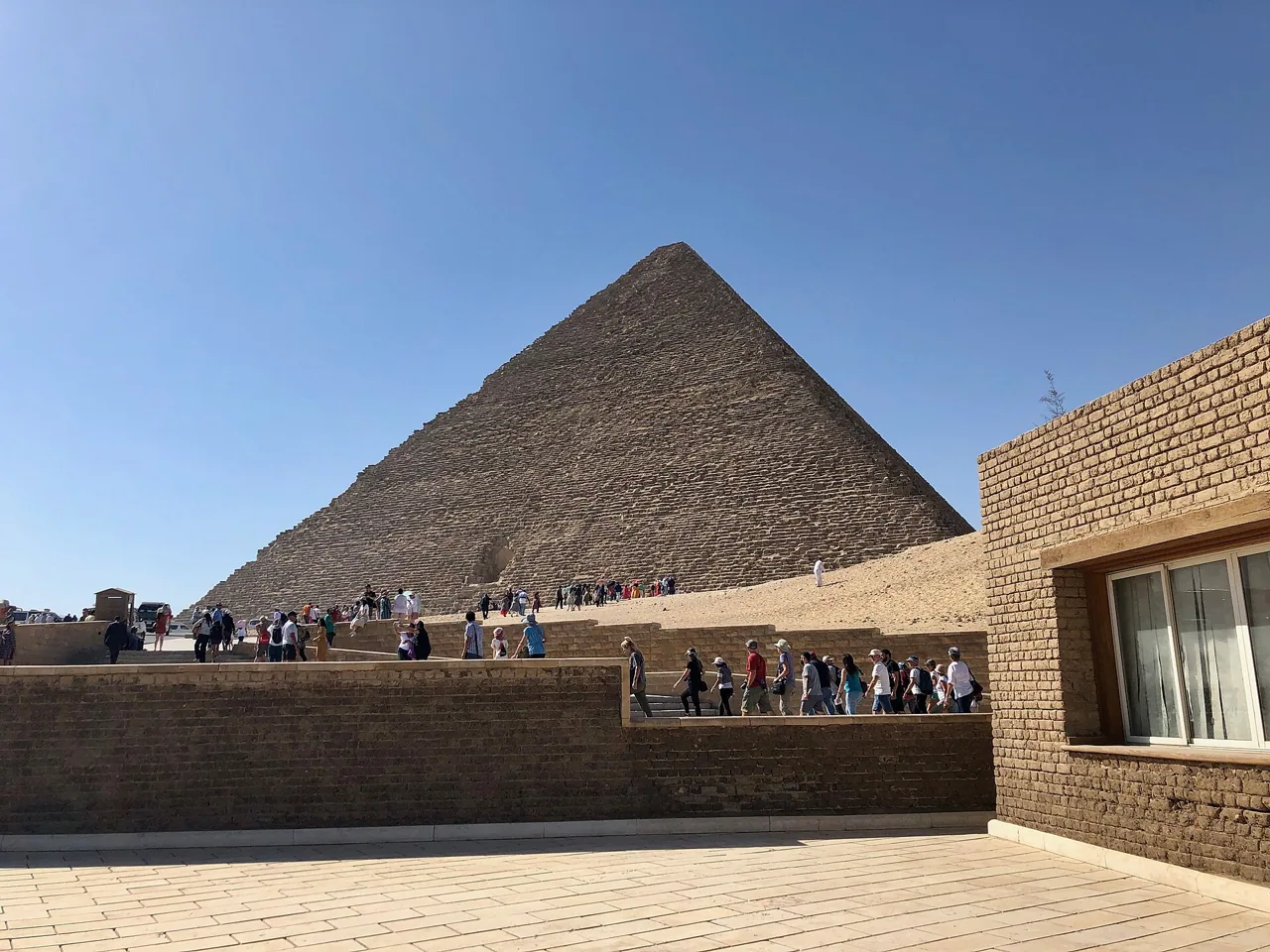
The day-to-day reality in Egypt is nuisance, not danger. At big sites and bazaars you'll meet persistent vendors and a repertoire of small, well-worn scams. None are threatening, and all are easy to shut down once you know them:
- The "it's closed" redirect. Someone tells you the temple/tomb is closed, under renovation, or that you need a different entrance—then steers you to a relative's shop or a paid "shortcut." It's almost never true. Check with official staff in uniform.
- The camel/horse bait-and-switch. A ride is offered cheap, you get on, and the price triples once you're airborne—sometimes with a fee demanded just to get down. Agree the total price and the return, out loud, before you mount anything.
- The "gift" that isn't. A vendor presses a scarf, bracelet or "free" trinket into your hand, then demands payment. Don't take anything you're not buying; hand it straight back.
- Fake papyrus and "essential oils." Banana-leaf paintings sold as papyrus, and diluted perfumes sold as rare essences. Buy from fixed-price shops if authenticity matters.
- Taxi fare inflation. Unmetered cabs quoting tourist rates, or "no change" routines.
The universal fixes are simple. Use ride-hailing apps—Uber and Careem work well in Cairo, Alexandria and increasingly elsewhere—for fixed fares and no haggling. Agree every price up front. And a calm, firm "la, shukran" (no, thank you) plus simply walking on ends the vast majority of it. You owe no one a conversation, and disengaging is not rude here—it's expected.
Solo travel and solo-female travel
Egypt is very doable solo, and plenty of independent travellers have a great time. The honest caveat is street harassment: catcalling, prolonged staring and unwanted comments are common in crowded urban areas, and solo women should expect noticeably more attention than men. This is wearing rather than dangerous—violent crime against tourists is rare—but it's real, and worth preparing for.
What works: dress modestly (shoulders and knees covered goes a long way and draws less attention), carry a scarf, use Uber/Careem instead of street taxis, keep accommodation to well-reviewed places, and don't feel obliged to answer questions from strangers who latch on. Many solo women choose a small-group tour or a Nile cruise for their first visit—it removes the logistics and adds an easy layer of comfort without giving up the experience. Our solo female travel in Egypt guide goes deep on tactics, dress and neighbourhoods.
Families find Egypt genuinely warm toward children—kids are often a social icebreaker. First-timers and nervous travellers of any stripe do best with a guided tour, a Nile cruise, or a private driver-guide, which handles navigation, language, ticket queues and site logistics while keeping you firmly inside the secure corridor.
LGBTQ+ travellers
Be realistic here: Egypt is a socially conservative country and same-sex relationships are effectively criminalised in practice through public-morality laws, so it is a higher-risk destination for LGBTQ+ visitors. Many travel without incident by exercising the same discretion in public that unmarried straight couples use in conservative settings—avoiding public displays of affection and being cautious with dating apps, which have been used for entrapment. Plenty of gay travellers visit Egypt safely every year, but it calls for more caution than most other aspects of the trip.
Health, food and water
The likeliest thing to derail a day in Egypt isn't crime—it's an upset stomach or the sun. Don't drink the tap water; stick to bottled or filtered water, and use it for brushing your teeth too. "Pharaoh's Revenge" (traveller's diarrhoea) is the most common complaint, usually from tap water, ice, or unpeeled raw produce. Ease into street food over a day or two rather than diving in on arrival, favour busy stalls with high turnover, and pack rehydration salts and an anti-diarrhoeal just in case.
Heat is the other big one. Summer temperatures at Luxor and Aswan are brutal—start sightseeing early, carry water and sun protection, and pace yourself; dehydration and sunstroke realistically ruin more trips than anything else. If timing is flexible, our best time to visit Egypt guide helps you dodge the worst of it. Check routine vaccinations before you fly, and bring any prescription medication in its original packaging.
Road and transport safety
The single highest statistical risk to visitors is the road. Egyptian traffic is fast, dense and improvisational, and intercity driving carries real risk. Skip self-driving. Use a private driver, an organised transfer, or the train (the Cairo–Luxor–Aswan sleeper and day trains are a solid, popular option). In cities, ride-hailing apps beat flagging down cabs. Some desert and cross-country routes still run on a convoy or checkpoint system—your operator will handle it, which is one more reason first-timers lean on guided logistics.
Your quick safety checklist
- Buy travel insurance that covers medical care and evacuation.
- Use Uber/Careem or pre-arranged drivers; avoid self-driving and unmetered cabs.
- Agree every price—rides, guides, "gifts"—before you commit.
- Drink bottled/filtered water only; be measured with street food at first.
- Dress modestly; carry a scarf (essential for mosques).
- Keep valuables discreet and watch pockets in crowds and bazaars.
- Keep digital and paper copies of your passport and visa.
- Stay out of North/Middle Sinai and the western border zone; only do the Western Desert with a licensed operator.
- Save the emergency numbers below in your phone.
Emergency numbers in Egypt
- Police: 122
- Ambulance: 123
- Tourism Police: 126 (best first call for scams, harassment or trouble at sites—they're used to helping visitors and often speak English)
- Fire: 180
The bottom line
Egypt is the trip a lot of people almost talk themselves out of, and almost always regret hesitating on. The tourist corridor is well-secured, the genuine no-go zones are remote and easy to avoid, and the real challenges—touts, traffic and heat—are all manageable with a bit of preparation. Plan it sensibly, read our Egypt travel guide for the full first-timer's picture, and when you're ready, browse guided tours and Nile cruises that keep the logistics—and the safety—handled for you.
A real team available 24/7 to assist you — free
Seif and the team reply on WhatsApp 24/7 — trip questions, custom plans and booking help.
Ask Seif on WhatsAppCommon questions
Is Egypt safe to visit in 2026?
Yes, with normal precautions. The main tourist corridor—Cairo, Giza, Luxor, Aswan, the Nile and the Red Sea resorts—is heavily secured and visited by millions each year. The US State Department rates Egypt Level 2 ("Exercise Increased Caution"), the same as France or the UK, with "Do Not Travel" guidance only for North/Middle Sinai and the remote Western Desert.
Which areas of Egypt should tourists avoid?
The North and Middle Sinai Peninsula and the remote Western Desert near the Libyan border carry "Do Not Travel" advisories and are genuine no-go zones. None are on a standard itinerary. The South Sinai resorts (Sharm El-Sheikh, Dahab) and the whole Nile Valley are explicitly outside the warning and safe for visitors.
Is Egypt safe for solo female travellers?
Many solo women travel Egypt successfully every year. The main issue is street harassment—catcalling and staring in crowded areas—which is wearing rather than dangerous, as violent crime against tourists is rare. Modest dress, ride-hailing apps, well-reviewed accommodation and firmness with touts all help. A small-group tour or Nile cruise is a popular, comfortable choice for a first visit.
What are the most common scams in Egypt?
The classics are the "it's closed" redirect to a shop, the camel or horse ride whose price triples once you're on it, the "free gift" that comes with a demand for payment, fake papyrus and essential oils, and inflated taxi fares. Agree every price up front, don't take anything you're not buying, and use Uber or Careem for transport.
Can you drink the tap water in Egypt?
No. Stick to bottled or filtered water, and use it for brushing your teeth too. Traveller's diarrhoea ("Pharaoh's Revenge") is the most common tourist ailment, usually from tap water, ice or unpeeled raw produce. Ease into street food over a couple of days and choose busy stalls with high turnover.
Is Egypt safe for LGBTQ+ travellers?
It's a higher-risk destination. Same-sex relationships are effectively criminalised through public-morality laws, and dating apps have been used for entrapment. Many LGBTQ+ travellers visit without incident by staying discreet in public—avoiding public displays of affection—but it calls for more caution than other parts of the trip.
What are the emergency numbers in Egypt?
Police 122, Ambulance 123, Fire 180, and the Tourism Police 126. The Tourism Police are your best first call for scams, harassment or problems at sites—they're used to dealing with visitors and often speak English. Save all four in your phone before you travel.
Is it safe to drive in Egypt as a tourist?
Driving yourself isn't recommended—road safety is the highest statistical risk to visitors, with fast, dense traffic and challenging intercity routes. Use a private driver, an organised transfer, or the train between Cairo, Luxor and Aswan. In cities, ride-hailing apps like Uber and Careem are safer and cheaper than street taxis.
Book it on This is Egypt
Turn this guide into a trip

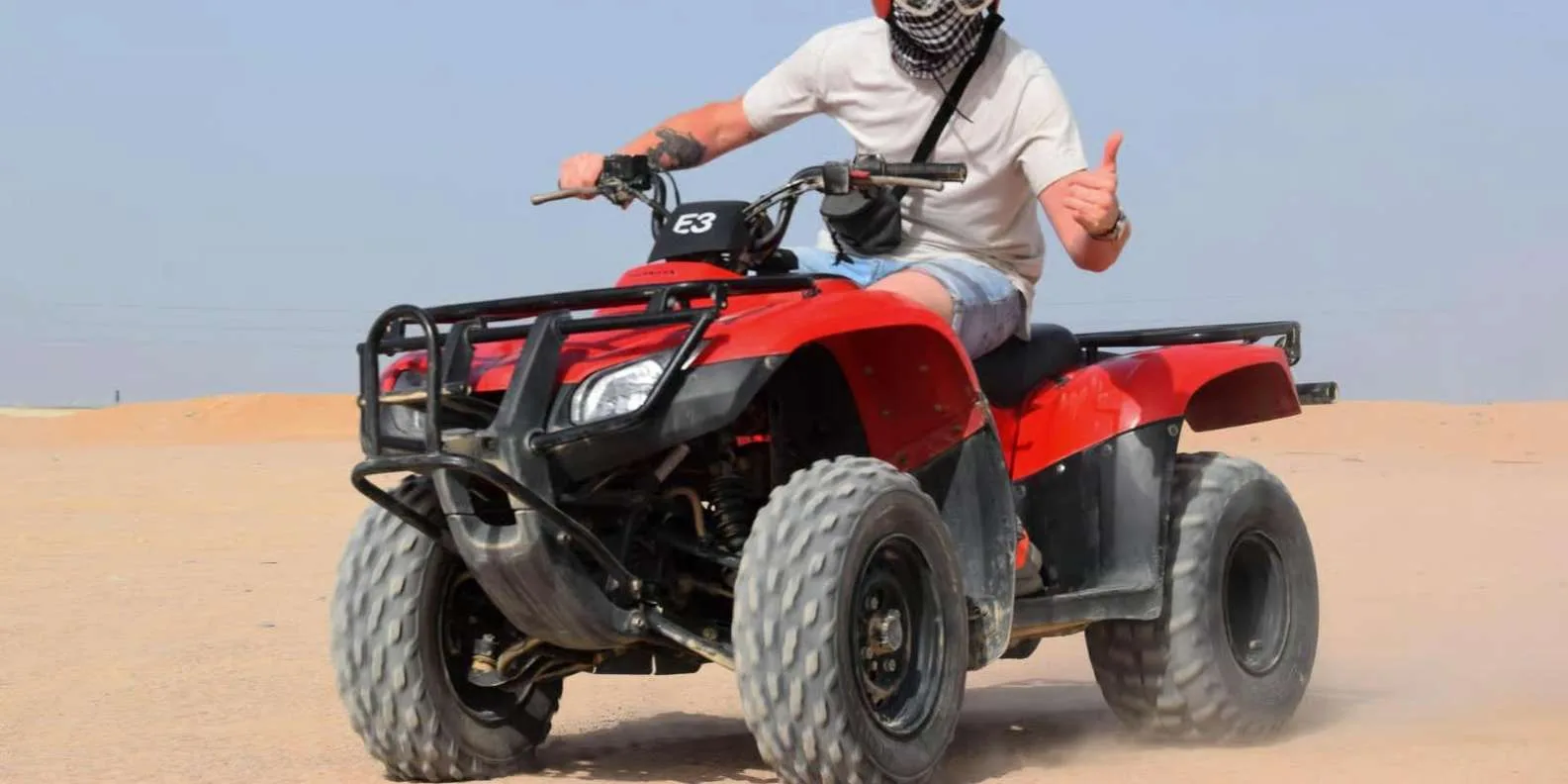
Egypt's bestsellers
The experiences travelers book most, across the country
Keep reading
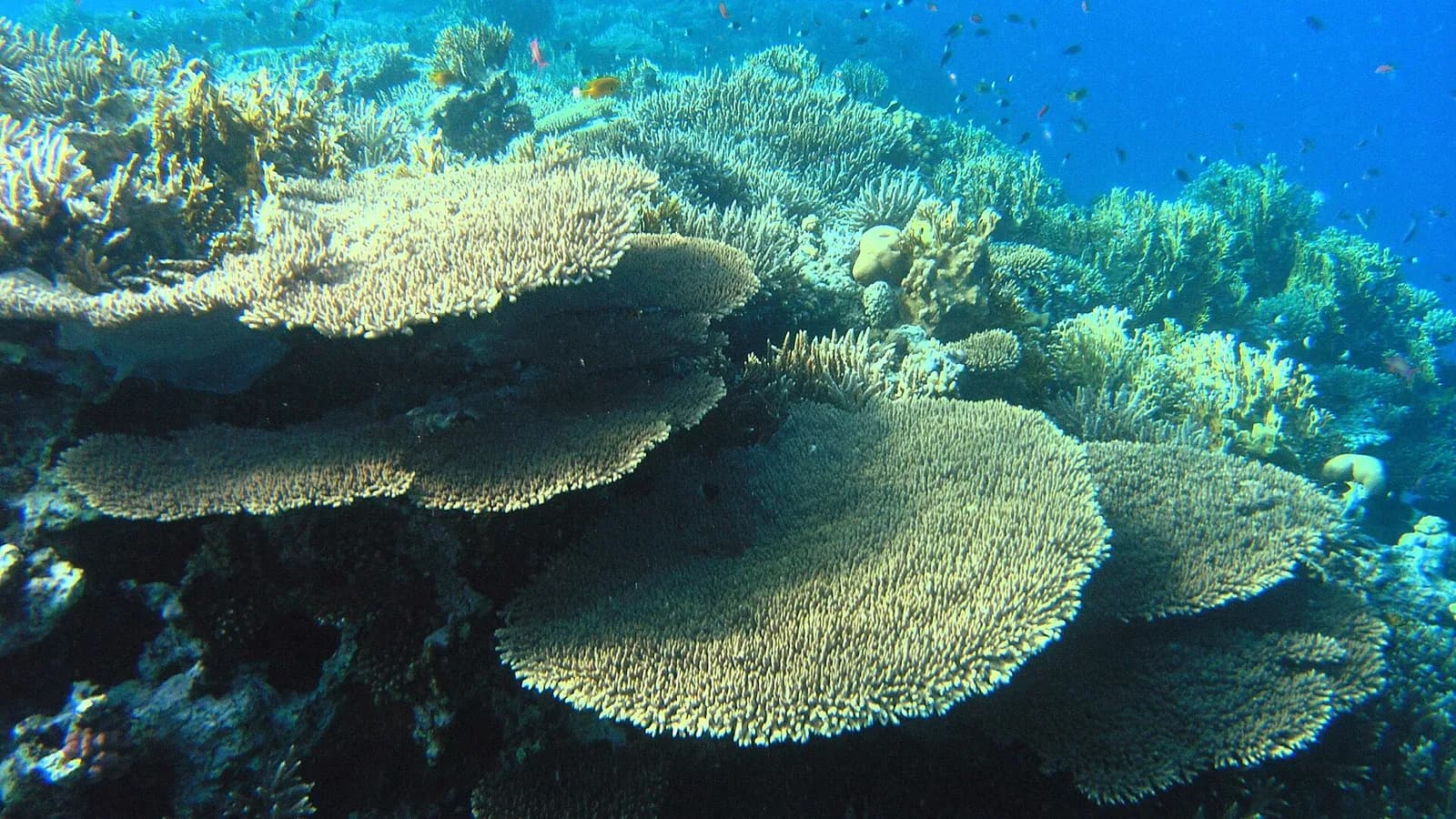
Hurghada Diving (2026): Best Sites, Packages & Prices
Diving in Hurghada — the best reefs (Giftun, Careless Reef, Dolphin House) and Abu Nuhas wrecks, Discover Scuba vs PADI courses, season and water temps, and real 2026 prices.
By TiE Editors7 min read
Hurghada Snorkeling Trips (2026): Best Reefs, Prices & How to Choose
Where to snorkel from Hurghada in 2026 — Orange Bay, Giftun, Mahmya, Utopia and Dolphin House — with boat types, marine life, month-by-month sea temperatures, family tips and real prices from 1,000+ bookable trips.
By TiE Editors7 min read
Egypt Tour Prices by Activity (2026): What Each Type Really Costs
What every type of Egypt experience actually costs — from a 1,700 EGP camel ride to a 48,500 EGP Nile cruise — based on 29,710 real bookable tours across seven platforms.
By TiE Editors6 min read