8-Day Egypt Itinerary: Cairo, Nile Cruise & Luxor
A day-by-day 8-day Egypt itinerary: Cairo and the pyramids, Aswan, a three-night Nile cruise via Kom Ombo and Edfu, and a full day of Luxor's temples and tombs.
Nile Cruises & Dahabiyas
Turn this guide into a trip
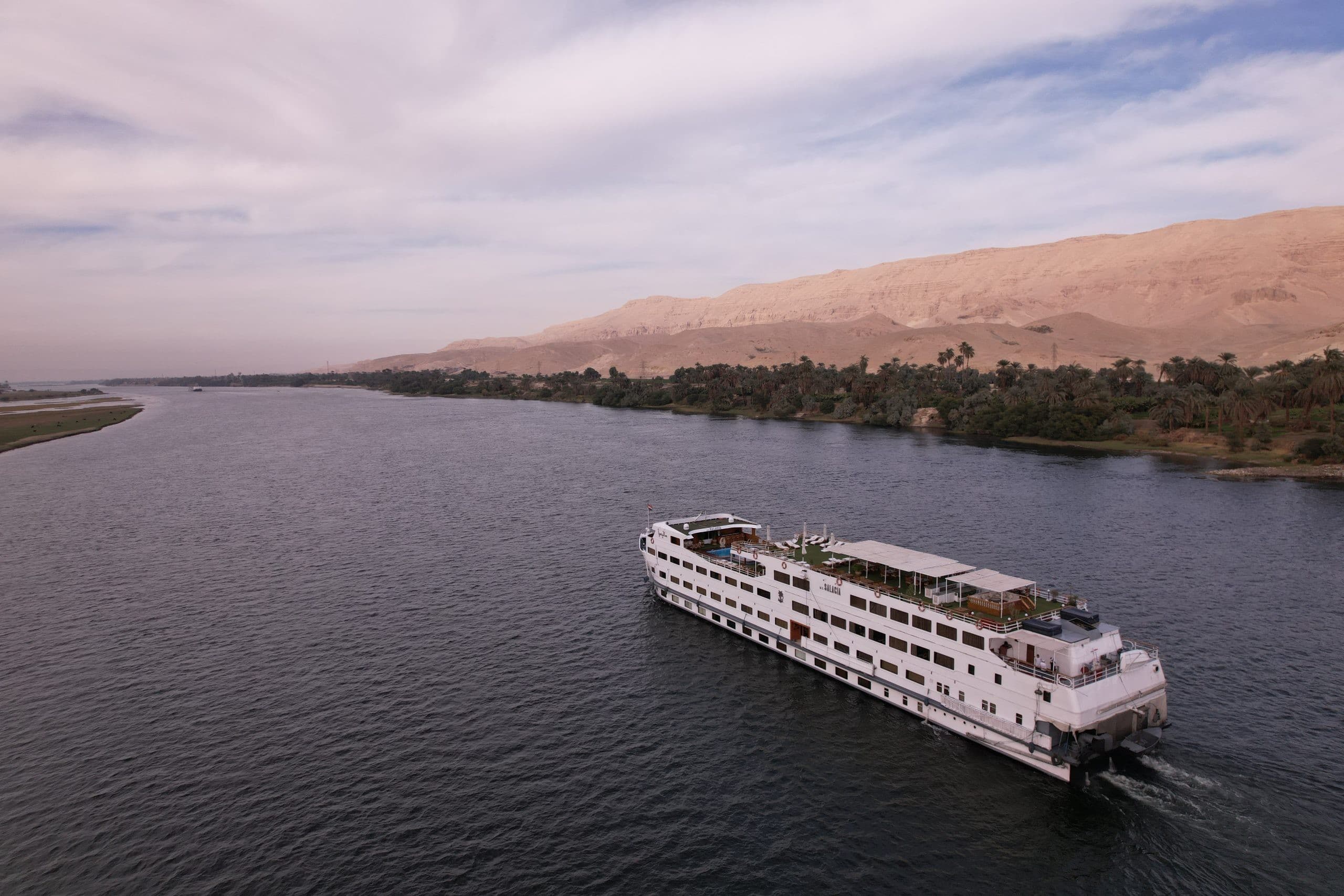
Quick answer: Eight days is the sweet spot for a first trip to Egypt. A week can feel like a sprint through the classic sights; ten days is more than many travellers can spare. Eight days lets you see everything on the Cairo–Nile–Luxor route with a little air in the schedule: two days in Cairo for the pyramids and the Grand Egyptian Museum, a flight south to Aswan, a three-night Nile cruise that carries you past Kom Ombo and Edfu, and a full day among Luxor's temples and royal tombs before you fly back to Cairo to leave.
The plan below assumes internal flights (they save whole days over the train) and a standard downstream cruise from Aswan to Luxor. If you want a slightly shorter or longer version, this itinerary trims cleanly to seven days and stretches to ten — I'll show you exactly where at the end.
The 8-day Egypt itinerary at a glance
| Day | Base | Highlights |
|---|---|---|
| 1 | Cairo | Arrive, Giza pyramids & Sphinx, sound-and-light show |
| 2 | Cairo | Grand Egyptian Museum, Islamic Cairo, Khan el-Khalili |
| 3 | Aswan | Fly Cairo→Aswan, High Dam, Philae Temple, felucca sail |
| 4 | Cruise | Optional Abu Simbel dawn trip, board cruise, sail north |
| 5 | Cruise | Kom Ombo & Edfu temples, sail toward Luxor |
| 6 | Luxor | Disembark; Karnak & Luxor Temple, Luxor Museum |
| 7 | Luxor | Sunrise balloon, Valley of the Kings, Hatshepsut |
| 8 | Cairo | Fly Luxor→Cairo, Coptic Cairo or free time, depart |
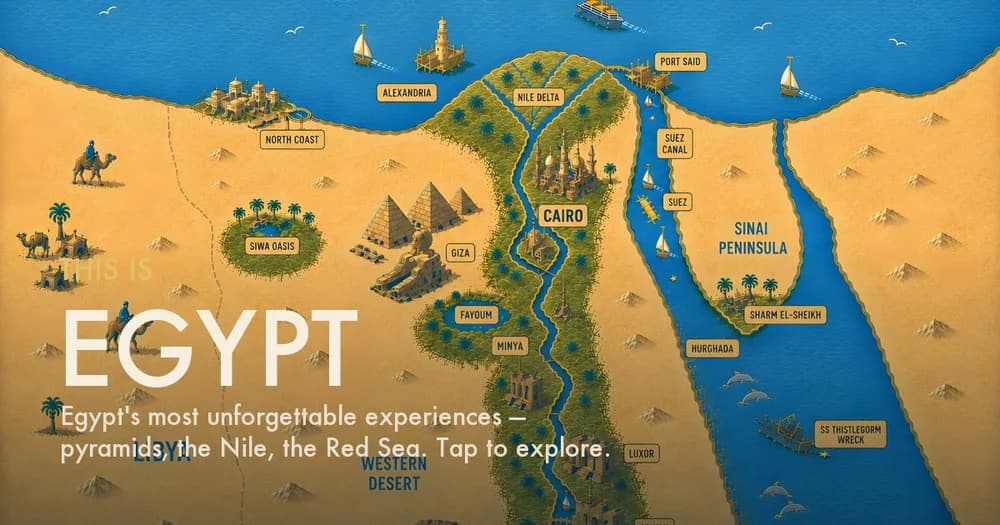
Distances in Egypt are deceptive, so the route is built around three short EgyptAir hops rather than long overland drives. Cairo to Aswan flies in about 90 minutes; Luxor back to Cairo takes about 75. Domestic fares usually land between US$50 and US$120 one way when booked ahead, and there are multiple daily departures on both routes.
Day 1 — Arrive in Cairo, Giza pyramids and the Sphinx
Land at Cairo International, clear your visa (most nationalities buy a US$30 single-entry e-visa in advance at visa2egypt.gov.eg, or a visa-on-arrival sticker of the same price), and head to your hotel. If you have any daylight left, go straight to Giza.
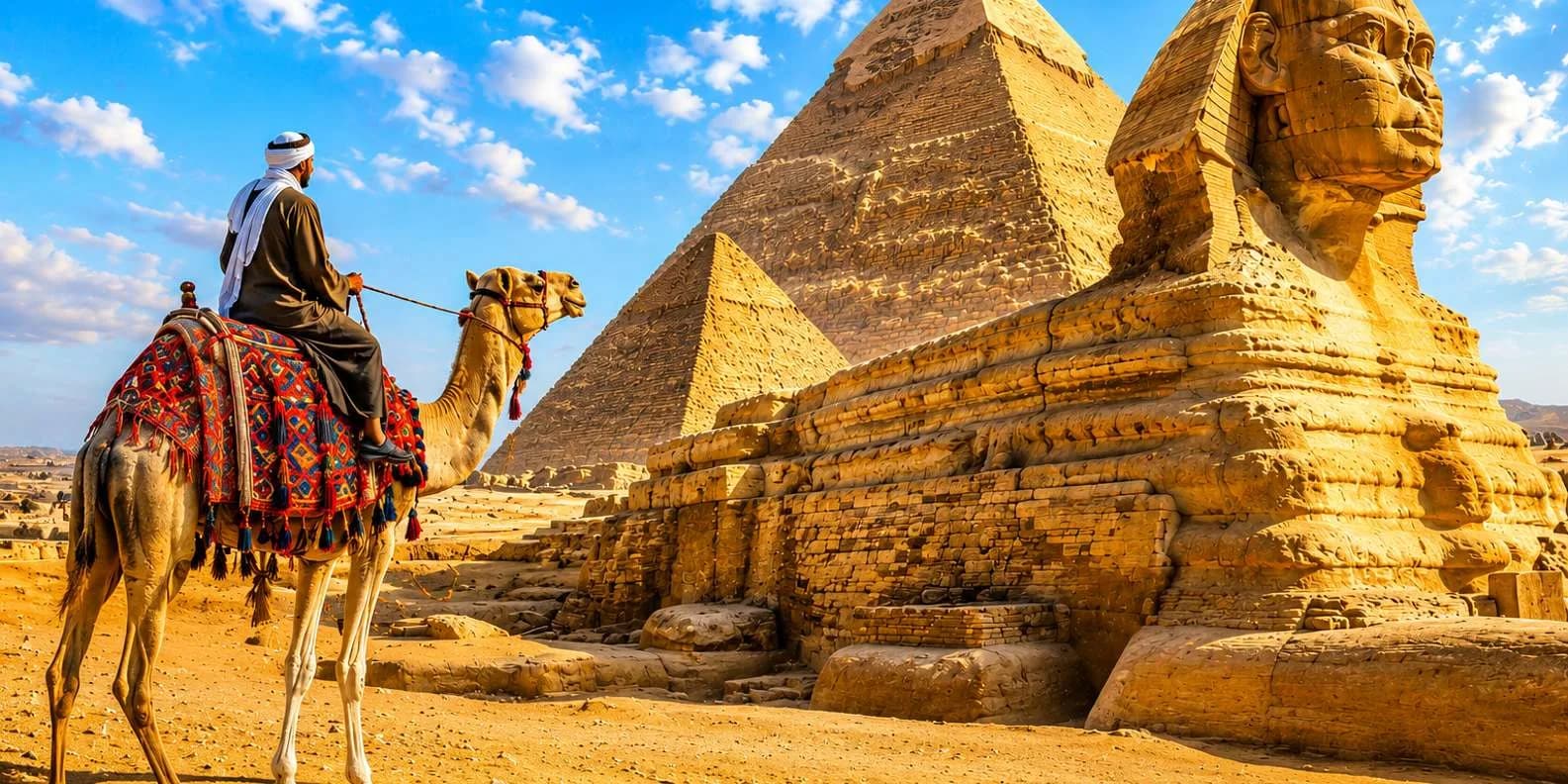
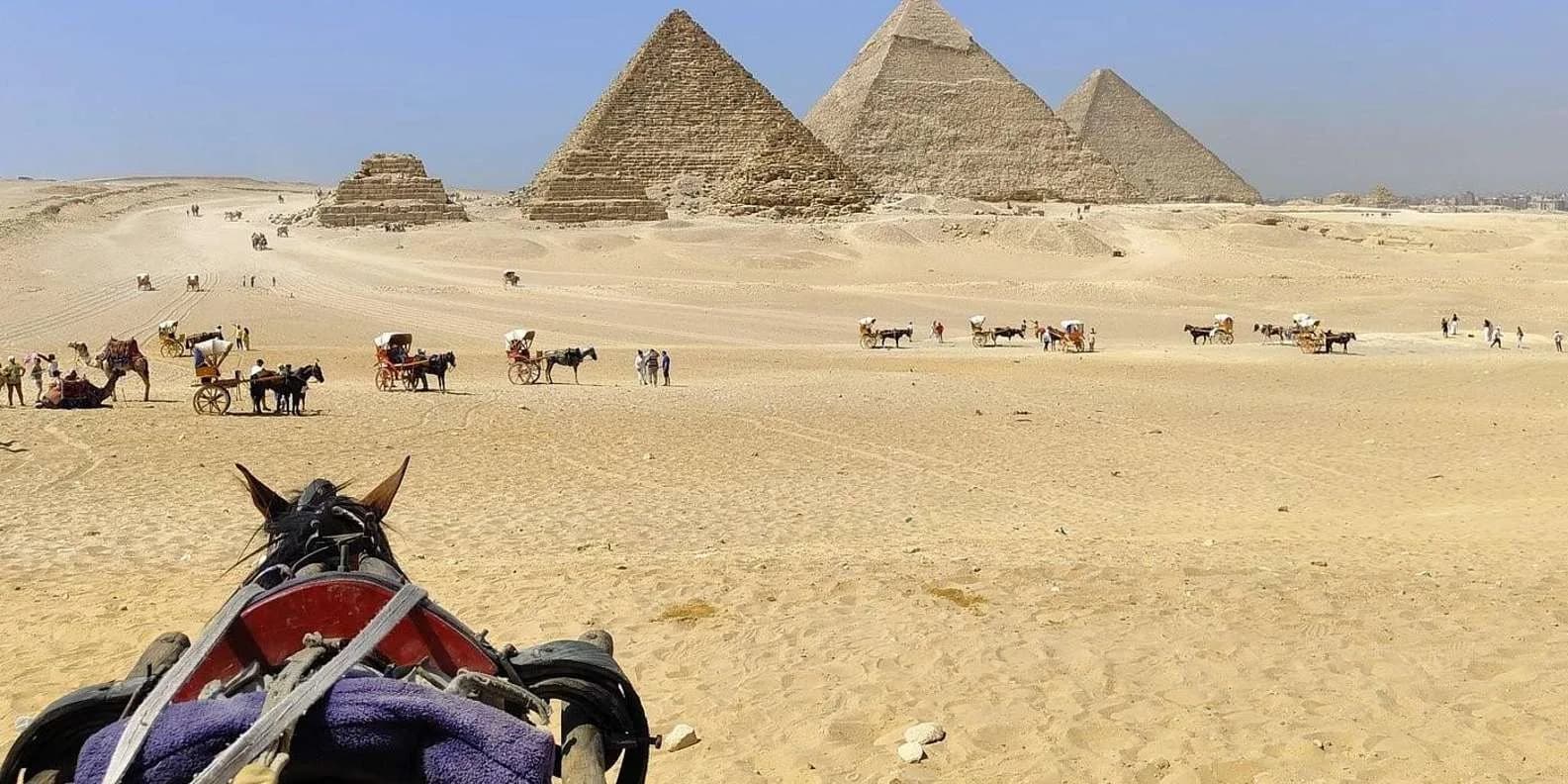
The three great pyramids — Khufu, Khafre and Menkaure — sit on the desert edge about a 40-minute drive from central Cairo. Buy the general plateau ticket at the gate, and decide on the spot whether to add the interior ticket for the Great Pyramid; the climb through its cramped inner passages is memorable but not for the claustrophobic. Walk down to the Sphinx, which carries the face of King Khafre on a lion's body, and stand at the panorama point where all three pyramids line up. If your energy holds, the evening sound-and-light show is a gentle, atmospheric way to close a long travel day.
Giza's camel and horse touts are persistent; agree any price before you get on, and don't hand over your ticket to anyone but the official gate staff. Our Egypt scams guide covers the plateau's specific tricks.
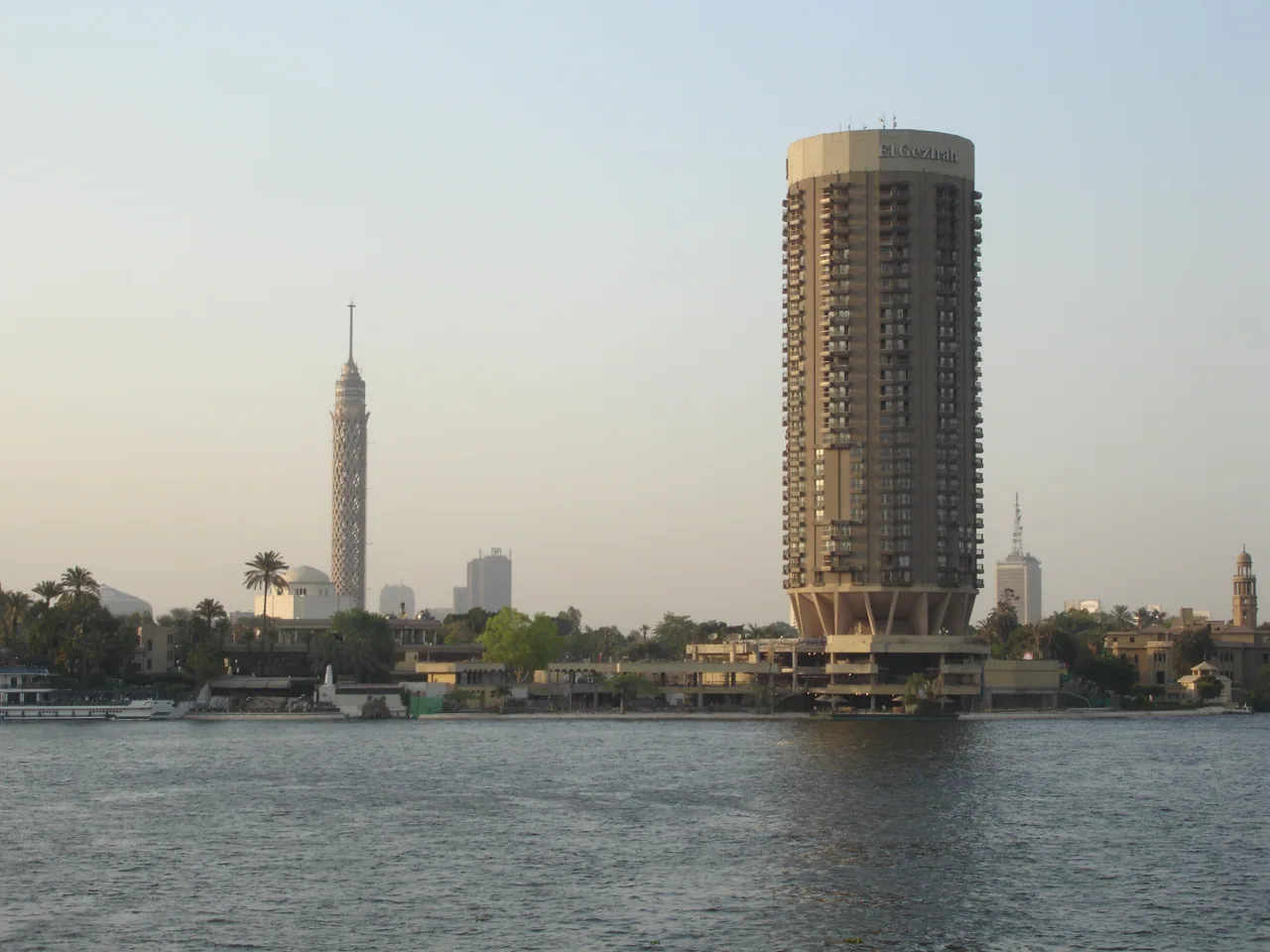
Day 2 — Grand Egyptian Museum, Islamic Cairo and Khan el-Khalili
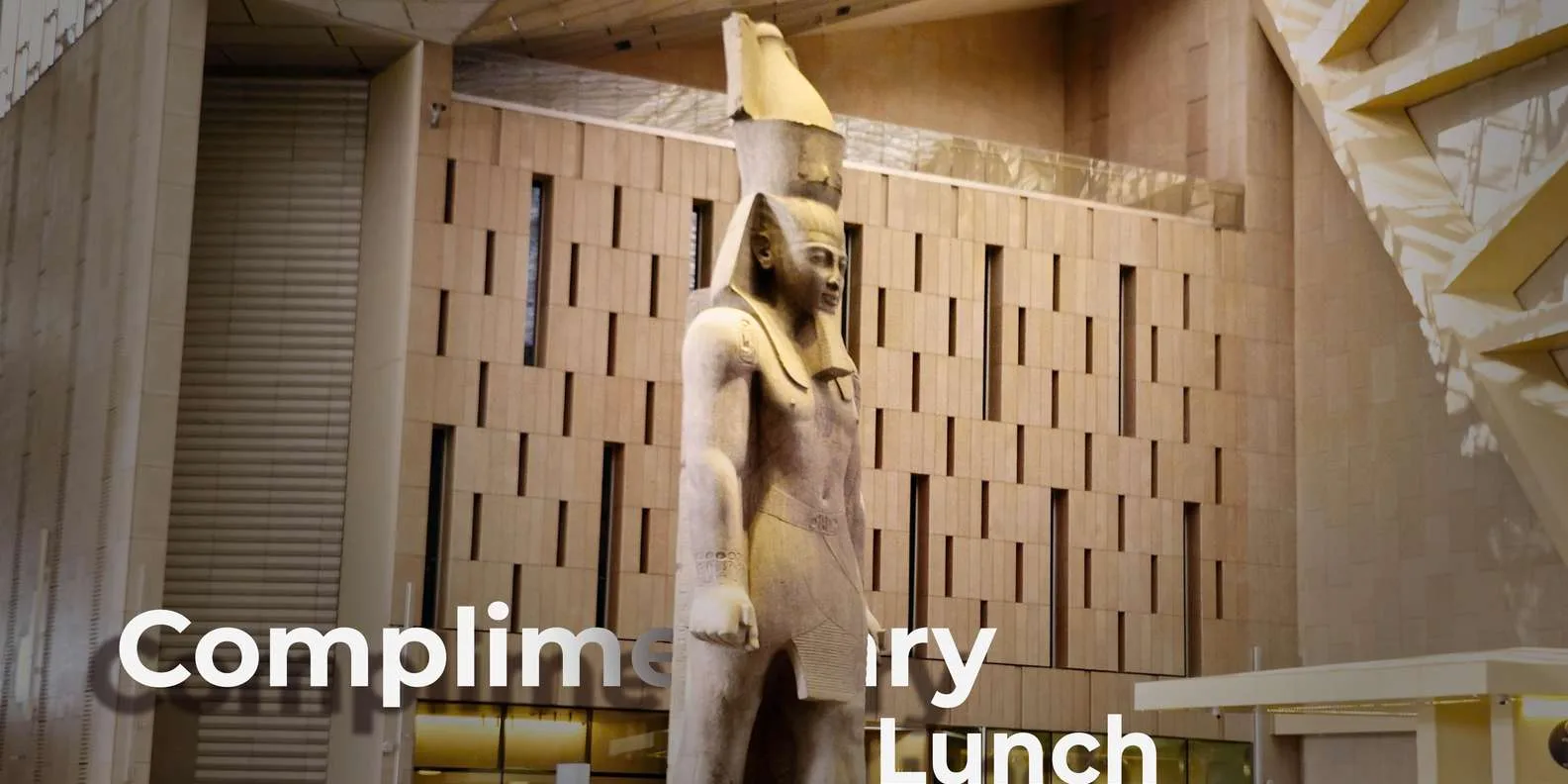
Start at the Grand Egyptian Museum (GEM), which sits within sight of the pyramids and held its official grand opening in November 2025. It's now the largest archaeological museum in the world, and for the first time the complete Tutankhamun collection — more than 5,000 objects — is displayed together under one roof. Give it at least three hours; the Grand Staircase and the Tutankhamun galleries alone reward a slow visit. (The old Egyptian Museum on Tahrir Square is still open if you're a completist, and the royal mummies now rest at the National Museum of Egyptian Civilisation in Fustat.)
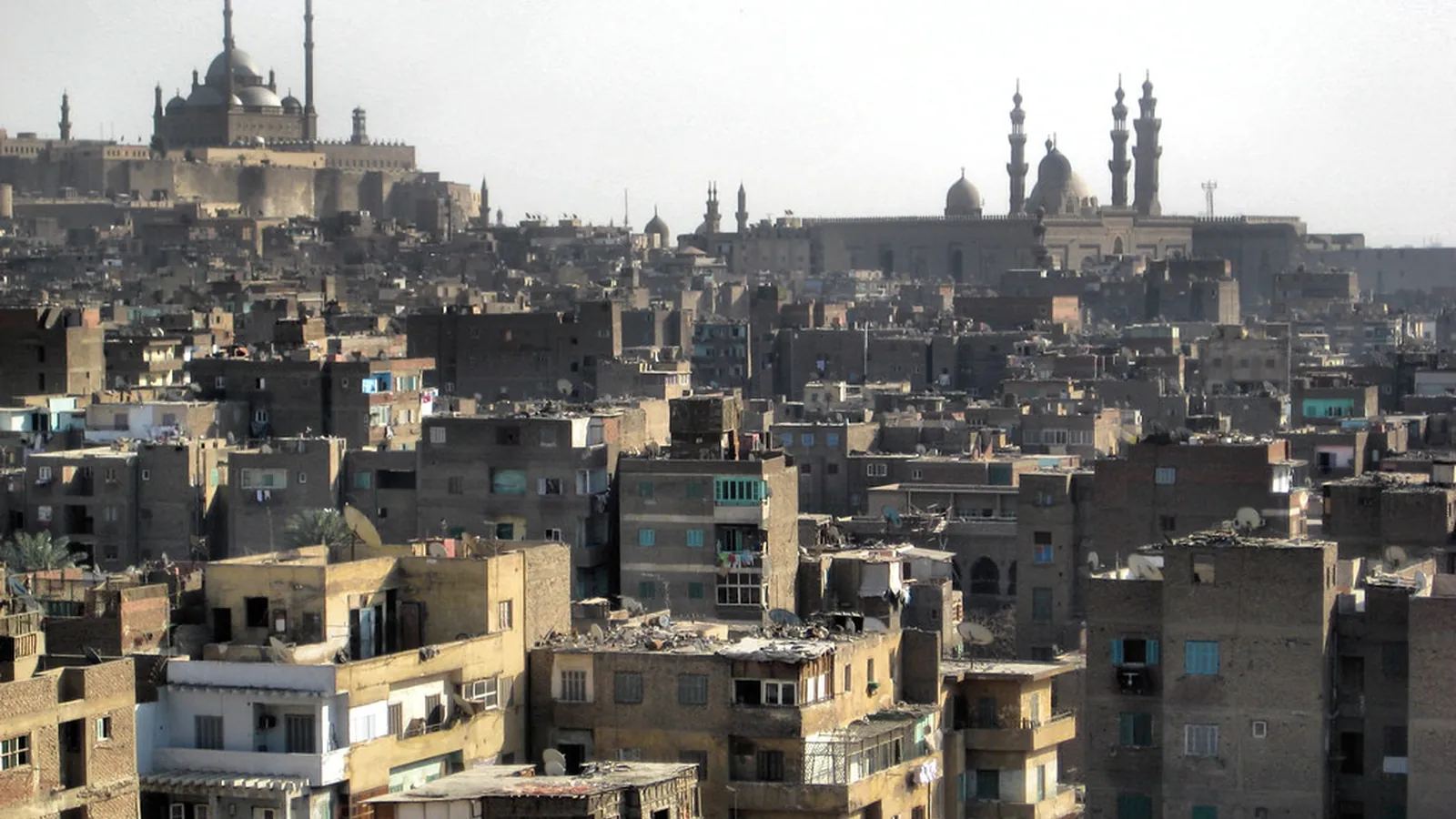
After lunch, cross into medieval Cairo. Climb to the Citadel of Salah al-Din for the alabaster Mosque of Muhammad Ali and a view across the city to the pyramids on a clear day. Then lose an hour or two in Khan el-Khalili, the fourteenth-century bazaar of coppersmiths, spice sellers and gold merchants. Stop for mint tea at El-Fishawy, the centuries-old café where the novelist Naguib Mahfouz used to sit. If you'd rather trade the Citadel for Coptic Cairo, you can — but it fits neatly on Day 8, so I've held it there. For more ideas, see our full guide to things to do in Cairo.
Day 3 — Fly to Aswan: High Dam, Philae and a felucca
Take an early flight to Aswan, Egypt's gentle southern city where the Nile is at its most beautiful — islands, feluccas and golden dunes on the west bank. Drop your bags and start sightseeing; Aswan's classic circuit is compact.
The High Dam, completed in 1970, created Lake Nasser and reshaped modern Egypt. From there, a short motorboat ride reaches Philae Temple, dedicated to the goddess Isis. When the dam raised the water, the whole temple was dismantled and rebuilt stone by stone on higher Agilika Island — one of the great feats of the UNESCO rescue campaign. Nearby, the Unfinished Obelisk lies in its quarry, cracked and abandoned, showing exactly how the ancients cut these giants from bedrock.
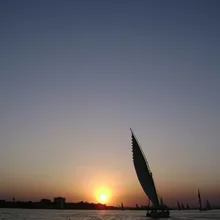
End the afternoon on the water. A felucca, the small lateen-sailed wooden boat that has worked the Nile for centuries, drifts past Elephantine Island and the Aga Khan Mausoleum as the light softens. Aswan's Nubian community — famous for its colour and hospitality — has villages on the west bank worth a visit, and the Nubian Museum is a fine primer if you have an hour spare.
Day 4 — Abu Simbel option, then board your Nile cruise
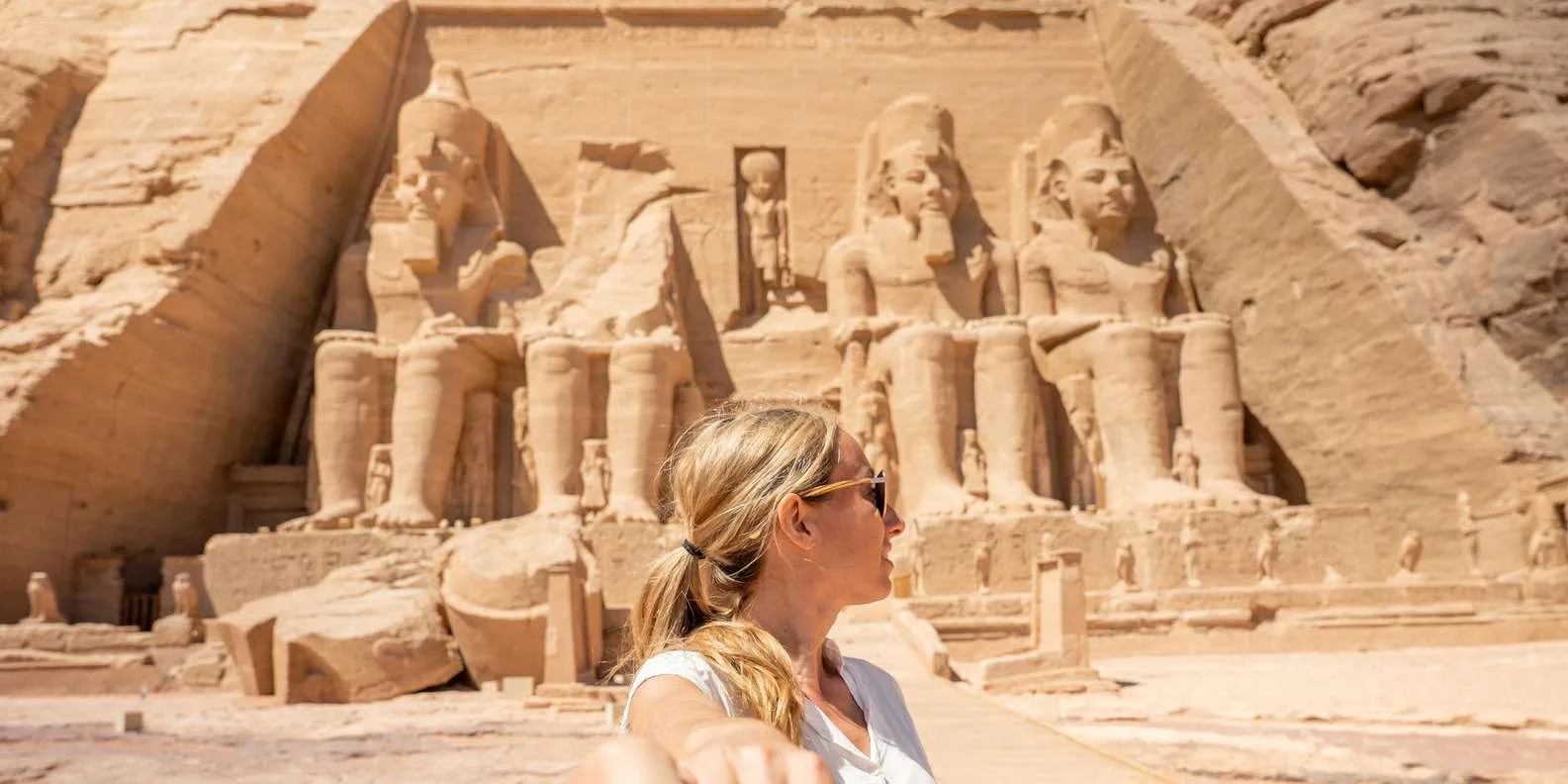
This is the day to decide about Abu Simbel. The colossal rock temples Ramses II carved for himself and Nefertari, three hours south near the Sudanese border, are among the most staggering monuments in Egypt — and, like Philae, they were cut apart and lifted to higher ground when Lake Nasser rose. Reaching them means committing to a very early start: a road convoy leaves Aswan around 4 a.m. and takes about 3 to 3.5 hours each way, or you can fly the 45-minute hop from Aswan (flights sell out fast in winter, so book early).
Most cruise boats board around midday or early afternoon, so an Abu Simbel dawn trip can be squeezed in before you sail — it's a long but unforgettable morning. If you'd rather not rush, skip it, take a relaxed morning in Aswan, and board without the pre-dawn alarm. Either way, you settle into your cabin, the boat casts off, and the slow, hypnotic sail downstream toward Luxor begins.
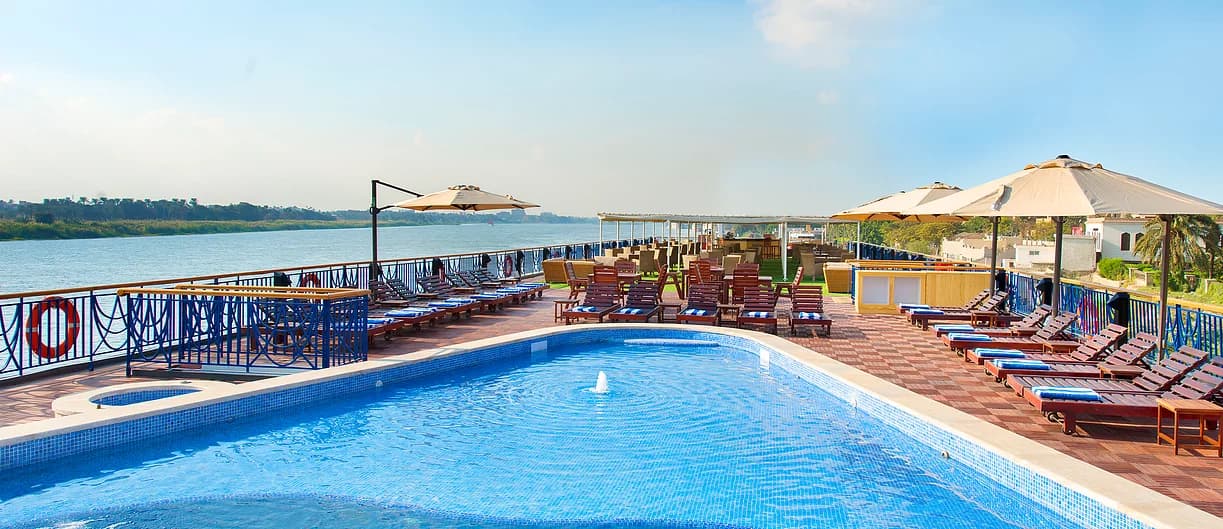
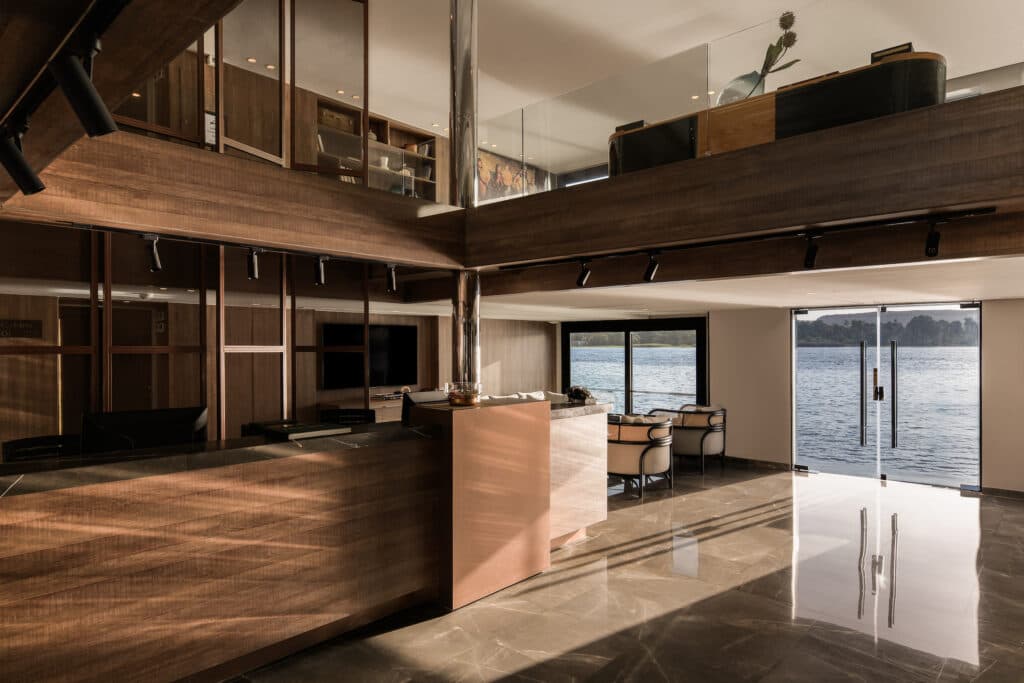
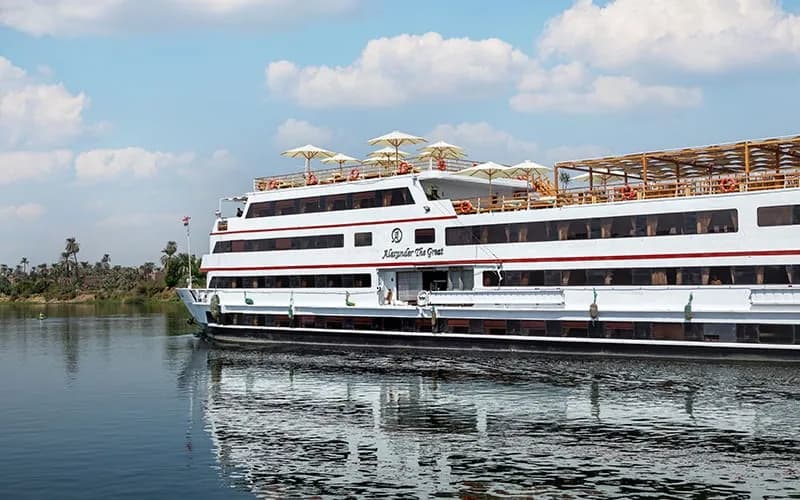
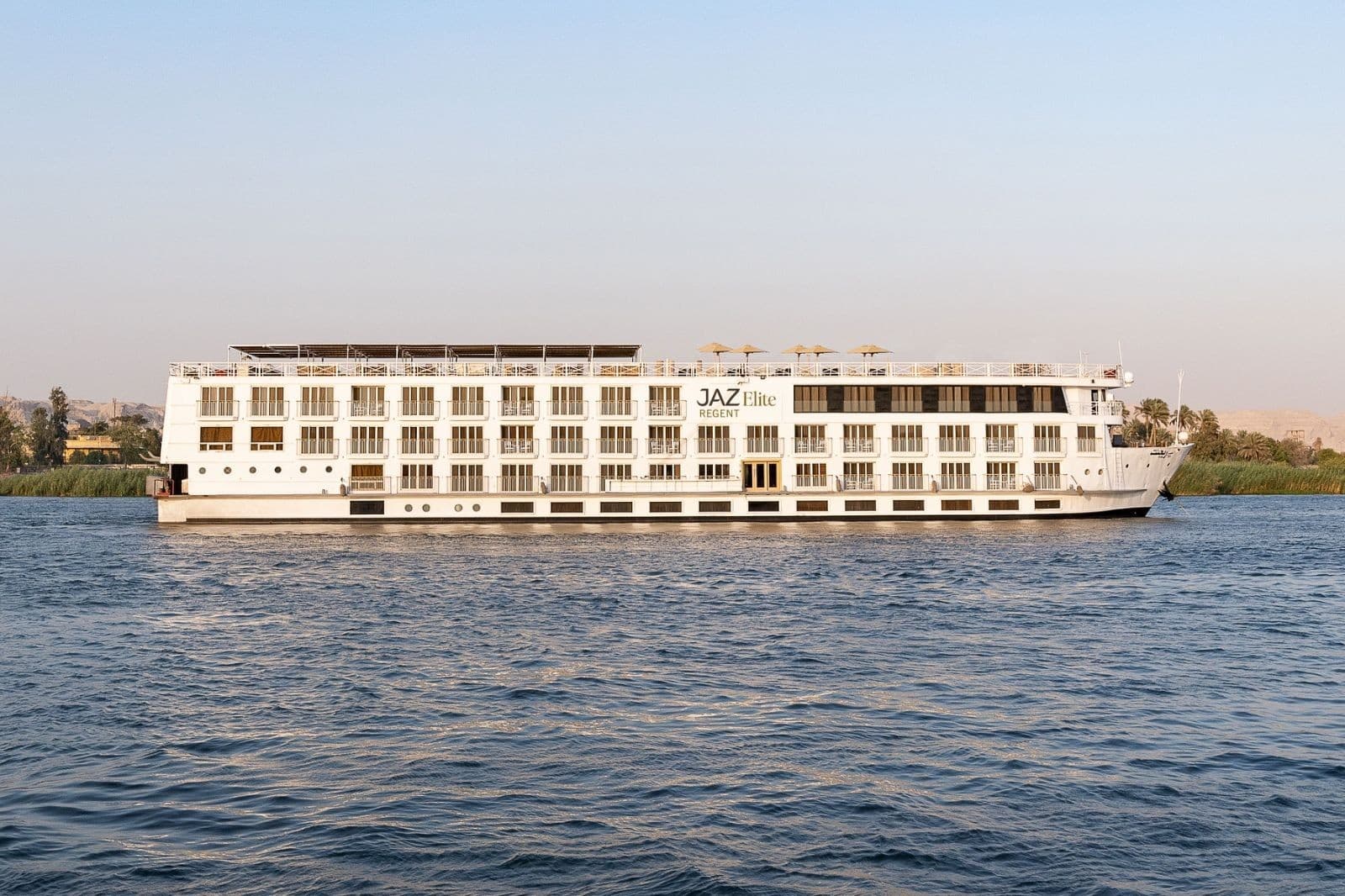
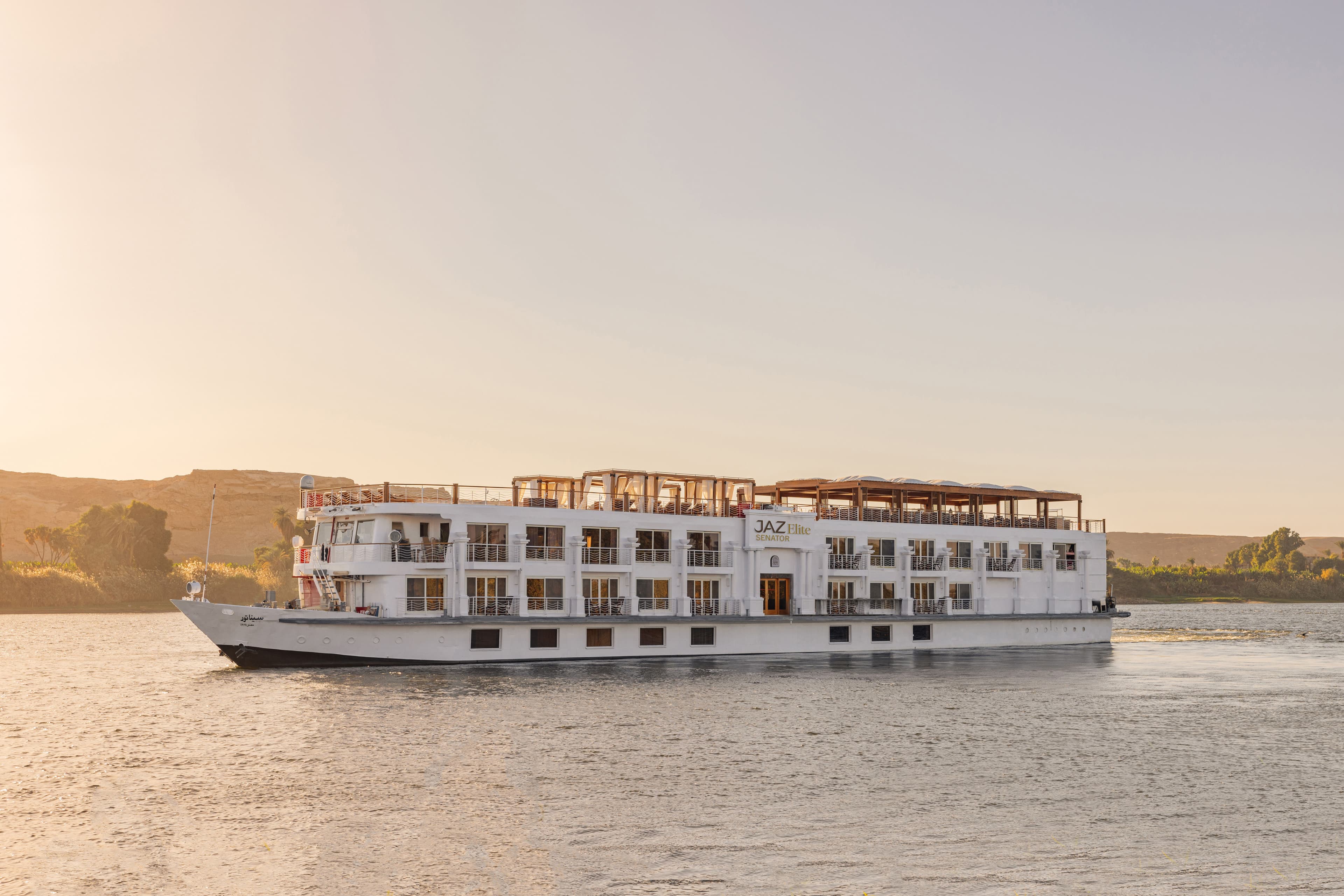
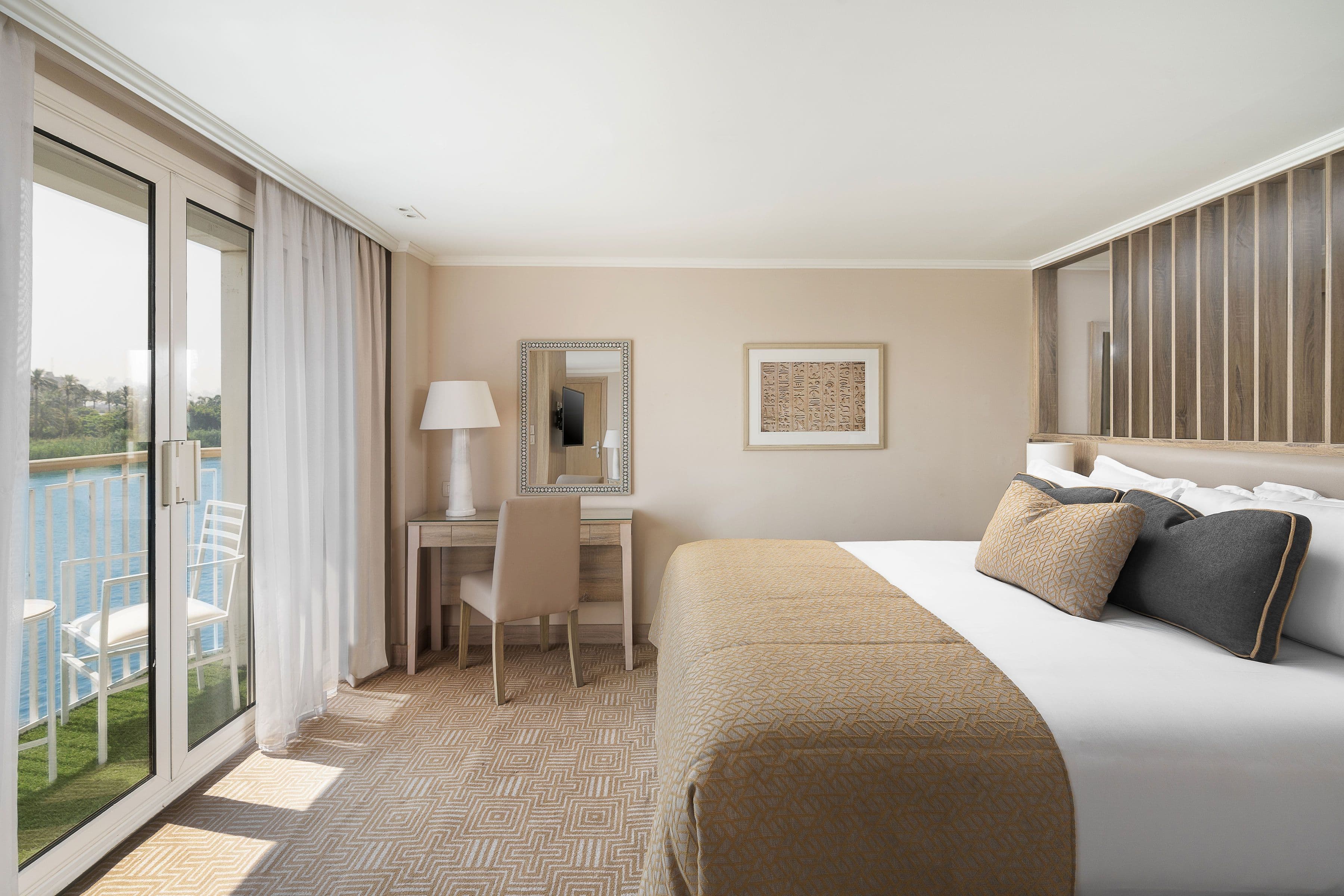
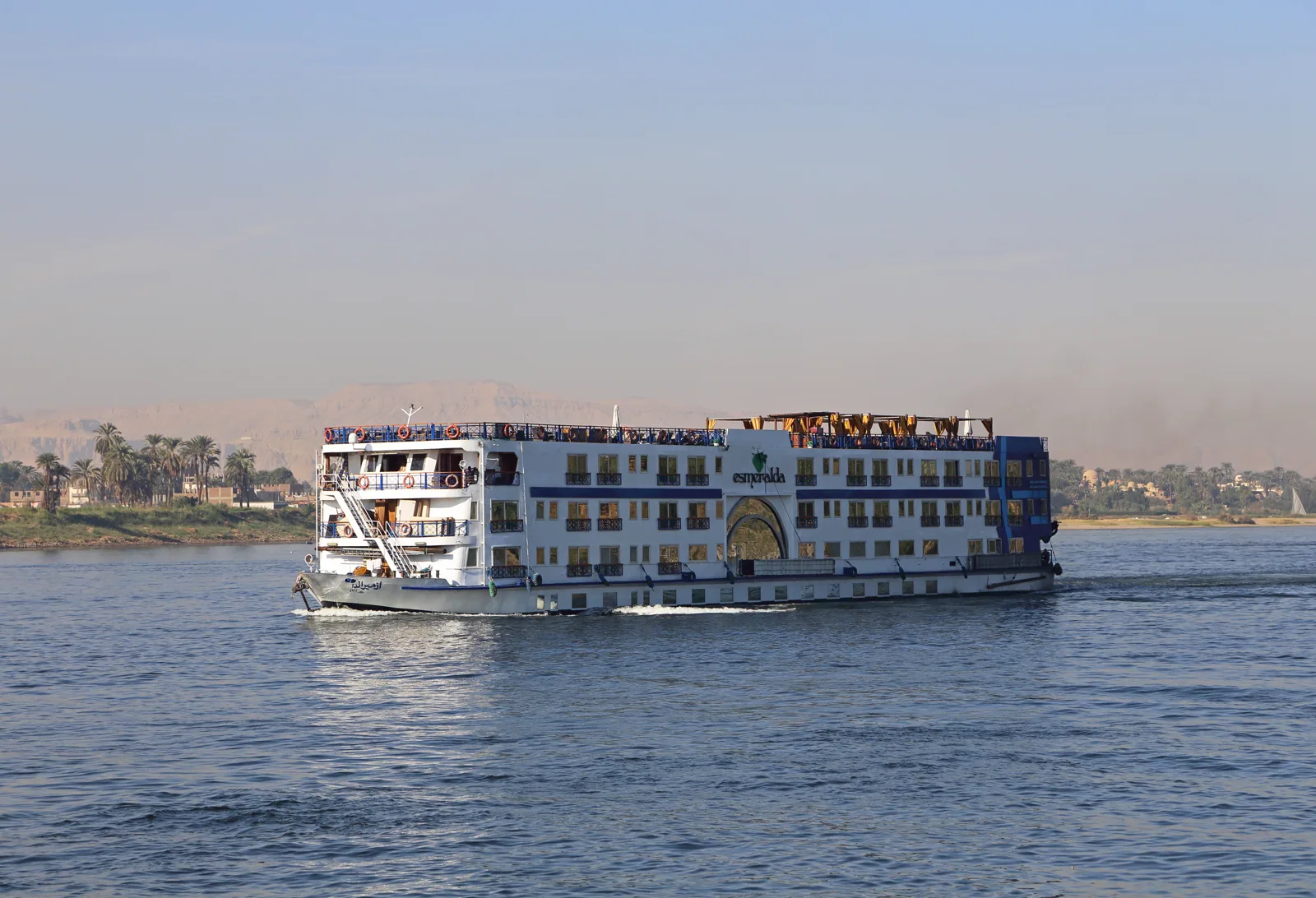
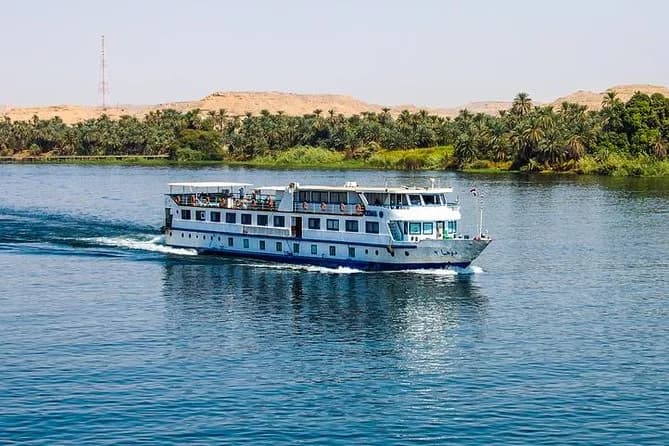
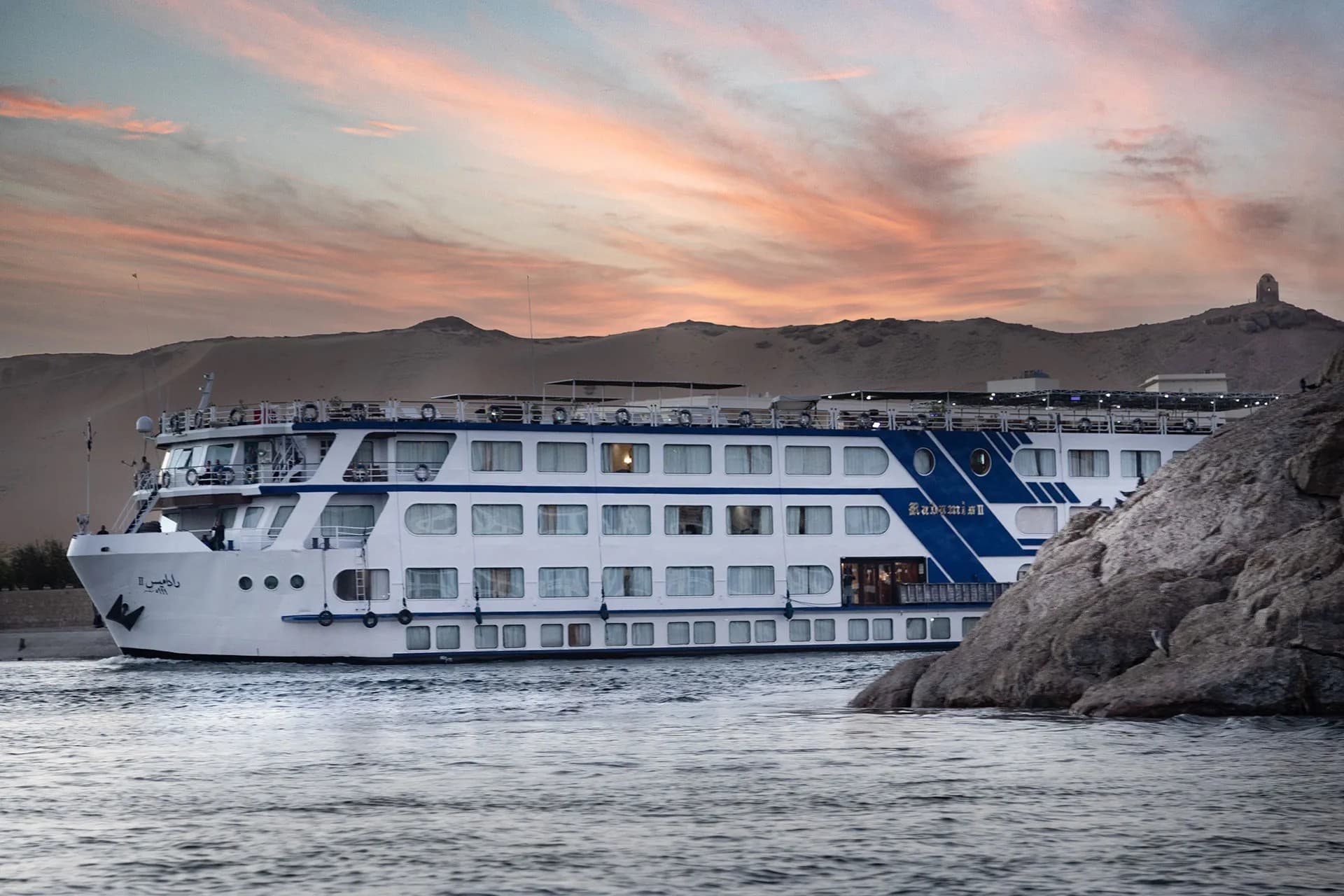
A standard Aswan-to-Luxor cruise runs three nights and is the most comfortable way to link the two cities, with the temples of Kom Ombo and Edfu built right into the route. Boats range from restored steamers to full 5-star ships with pools and gourmet dining. For the deep detail — choosing a boat, cabins, what's included — read our dedicated Nile cruise guide, Aswan to Luxor.
Day 5 — Kom Ombo and Edfu by river
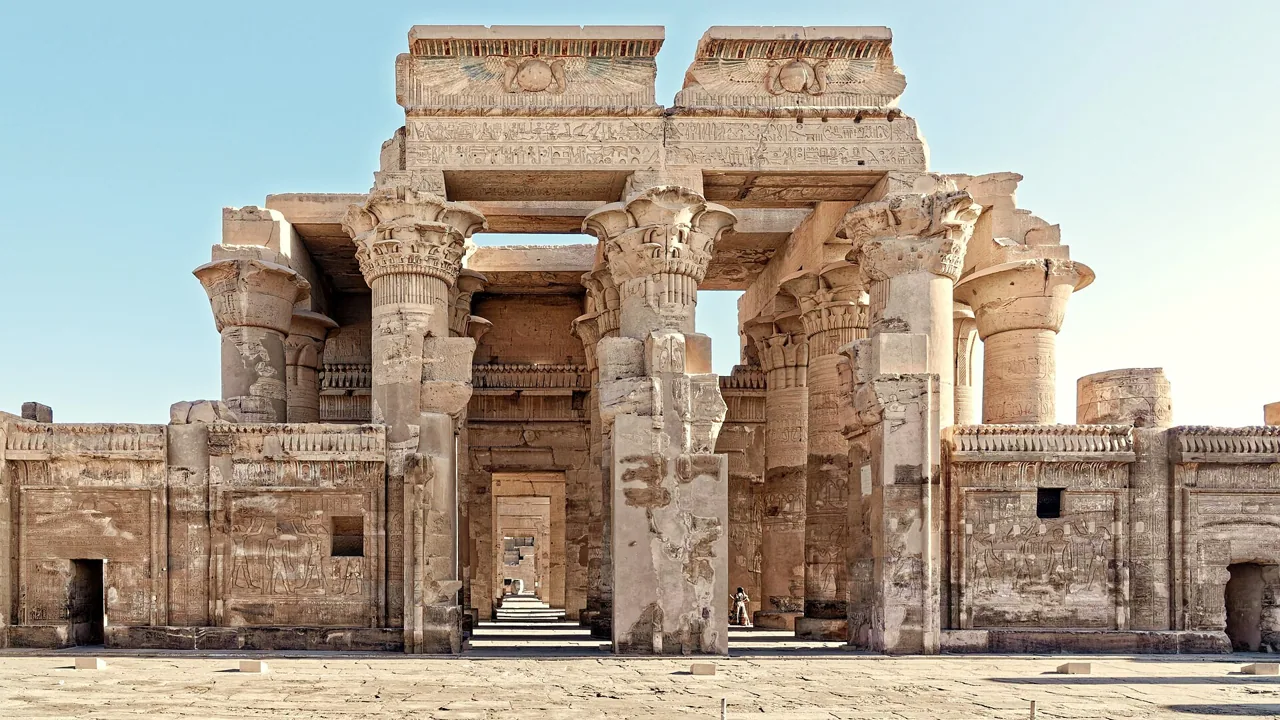
Today the cruise earns its keep. The boat moors first at Kom Ombo, a rare double temple standing right at the water's edge, shared between Sobek the crocodile god and Horus the elder. Its adjoining Crocodile Museum displays mummified crocodiles pulled from the surrounding sands — an odd, memorable sight.
Sailing on, you reach Edfu, home to the Temple of Horus, the best-preserved major temple in Egypt and a textbook of Ptolemaic religion carved across its towering walls. Many travellers ride the short distance from the dock to the temple by horse-drawn carriage. Between temple stops, this is the day to do very little: watch the banks slide past, wave at children on the shore, and let fishing boats and reed beds fill the afternoon. Meals, sundeck and the occasional Nubian music evening are part of the rhythm.
Day 6 — Disembark in Luxor: Karnak and Luxor Temple
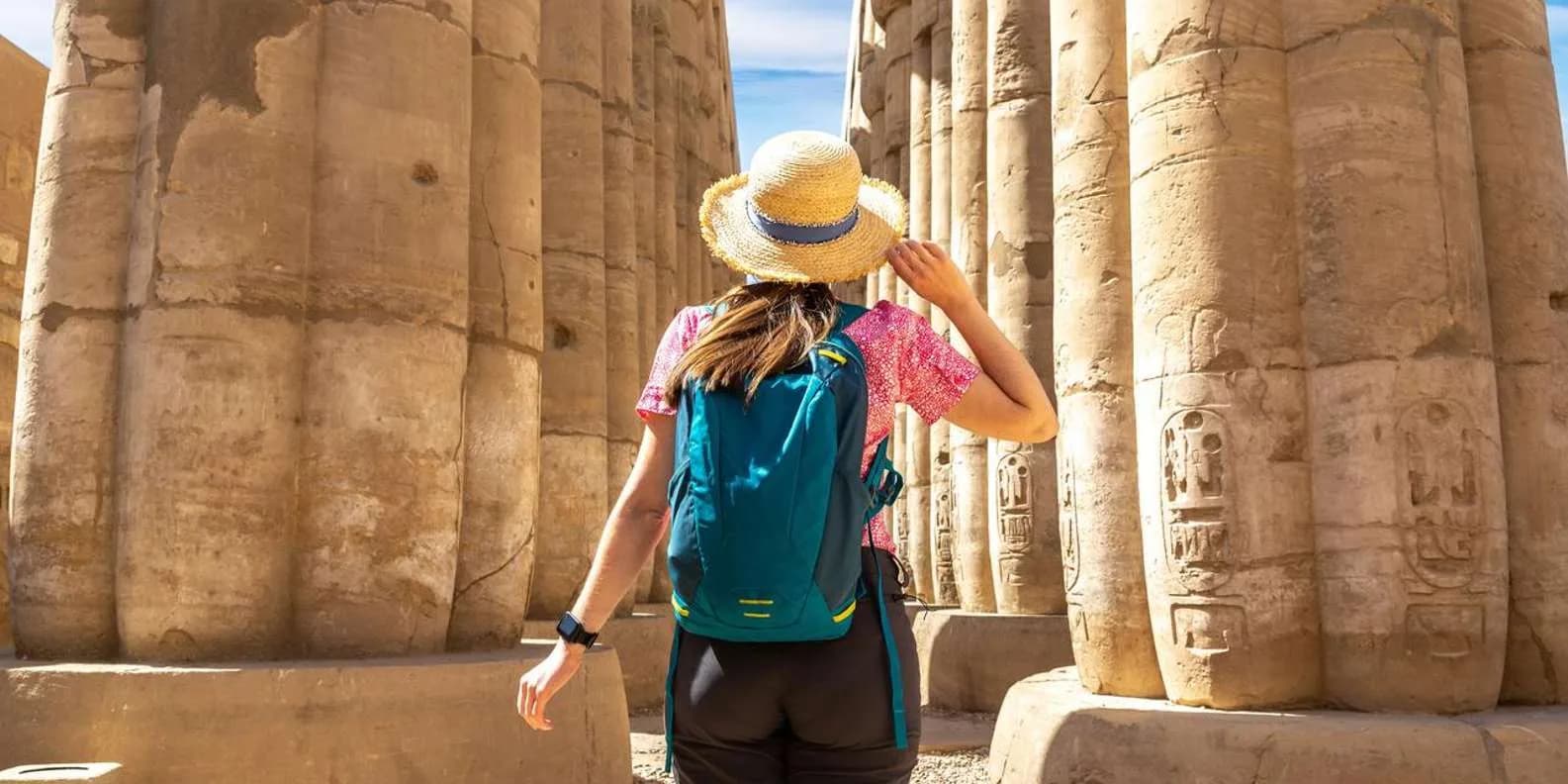
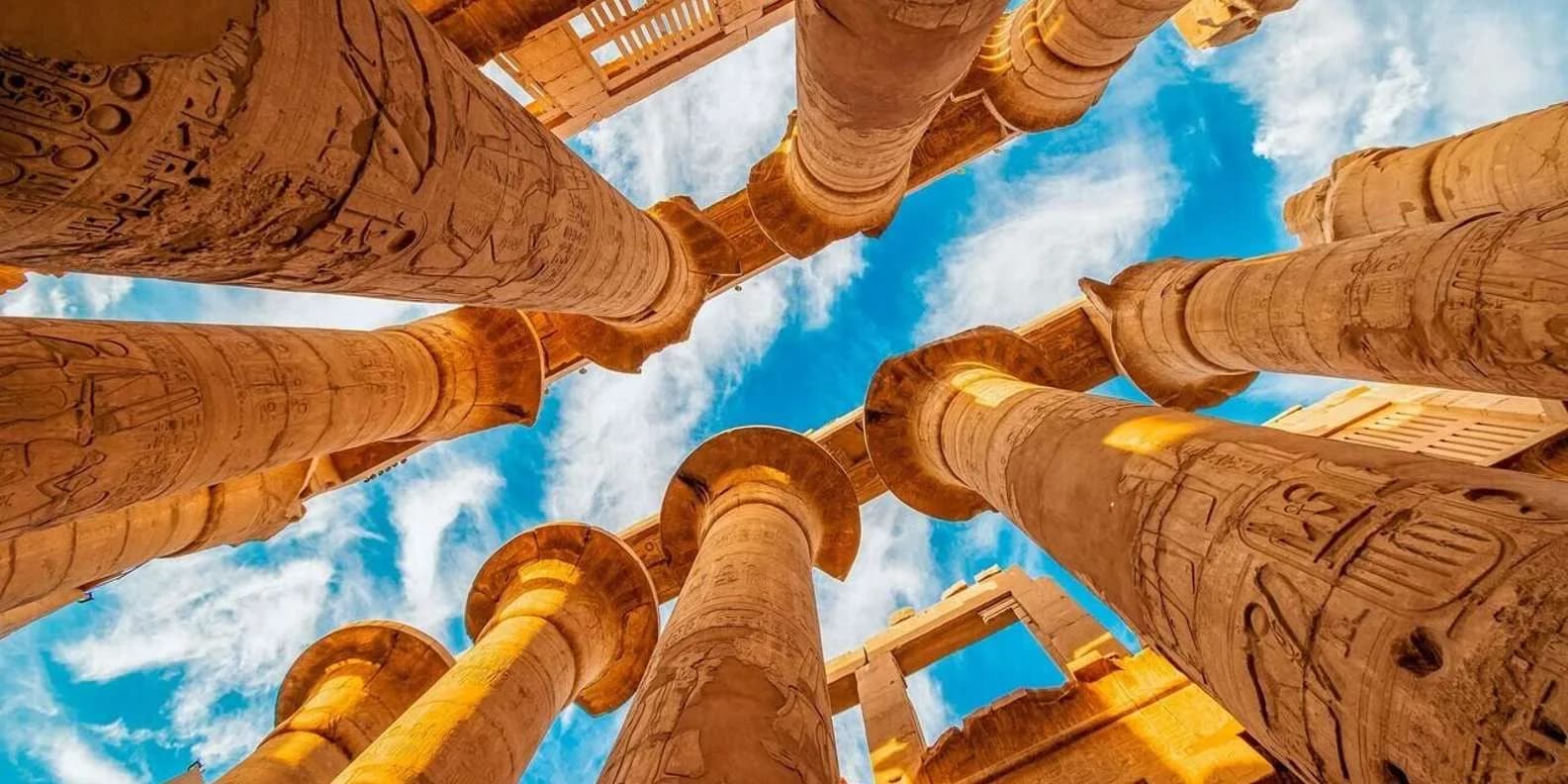
You wake in Luxor, ancient Thebes, the richest concentration of monuments anywhere on earth. Start on the East Bank at Karnak, a vast complex built and rebuilt over roughly two thousand years and dedicated to the Theban triad. Its Great Hypostyle Hall — 134 colossal columns crowding out the sky — is one of those places that photographs badly and overwhelms in person.
A short drive away, Luxor Temple stands in the heart of the modern town, glowing especially well toward dusk when it's lit. The two are linked by the recently restored Avenue of Sphinxes, reopened to the public in 2021, which once carried grand processions between them. If time allows, the small but superb Luxor Museum is a calm, well-curated antidote to Karnak's scale. Our Luxor things-to-do guide has the full menu.
Day 7 — Balloon at sunrise, Valley of the Kings and Hatshepsut
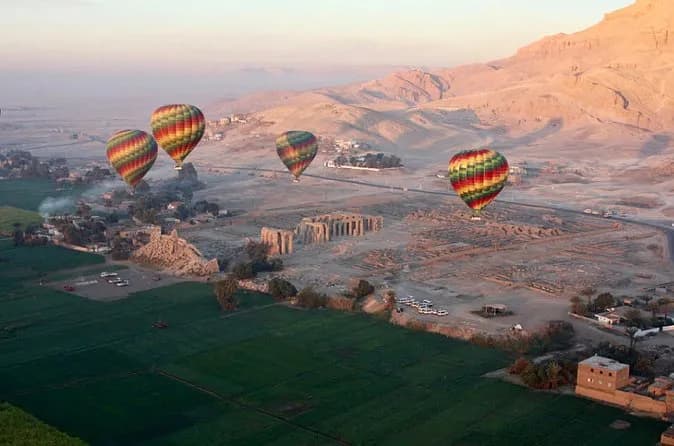
Set an alarm for the dark. A hot-air balloon at first light over the West Bank is the single best view in Egypt — the Nile, the green strip of cultivation, and the desert tombs unfolding beneath you as the sun comes up. Rides last around 45 minutes to an hour; book the night before.
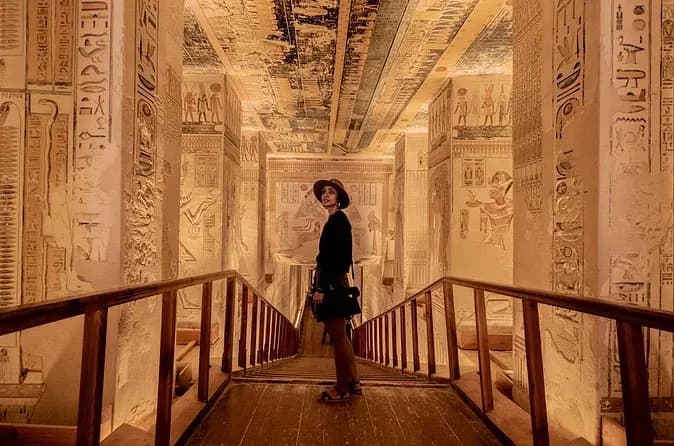
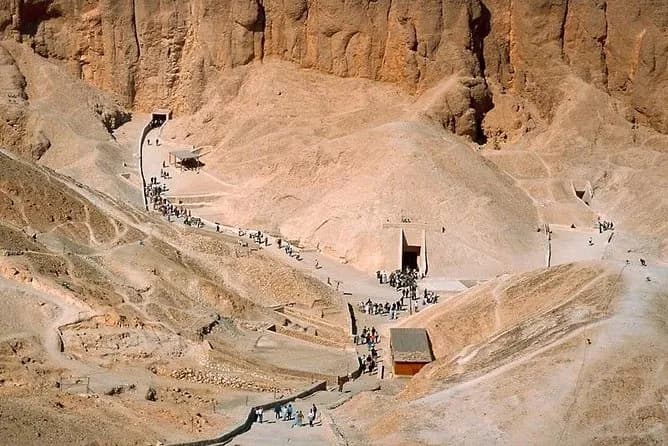
Then cross to the West Bank proper. The Valley of the Kings holds the rock-cut tombs of the New Kingdom pharaohs; a standard ticket covers three, and the painted burial chambers of the likes of Ramses III and Seti I are astonishing. Tutankhamun's tomb and the exceptional tomb of Nefertari in the nearby Valley of the Queens each need a separate ticket — worth it if the budget stretches. Finish at the Temple of Hatshepsut at Deir el-Bahari, its terraces rising cleanly out of the cliff face, built for the queen who ruled Egypt as a king. If you have any appetite left, the Colossi of Memnon sit right on the road back.
Day 8 — Fly to Cairo, Coptic Cairo, depart
Take a morning flight back to Cairo. Depending on your departure time, spend your last hours in Coptic (Old) Cairo, the quiet Christian quarter in Fustat. The Hanging Church, suspended over a Roman gate tower, dates in its present form to the medieval period, and the Coptic Museum holds the finest collection of Coptic art anywhere. It's a fitting, contemplative bookend to a trip that began at the pyramids. Then it's back to the airport for your flight home.
If you skipped the Citadel on Day 2, swap it in here instead — or simply use the morning to catch your breath, pick up last souvenirs, and beat the airport queues.
Where to stay
- Cairo: Base yourself either in Giza with a pyramid-view room (you can watch the sound-and-light show from a rooftop) or in Zamalek/Garden City for easier access to Islamic and Coptic Cairo. Both work; pick by whether you value the view or the central location.
- Aswan: The old cataract-side hotels on the Nile are worth the splurge for one or two nights. Even a mid-range room with a river view earns its keep here.
- Cruise: Your boat is your Aswan-to-Luxor hotel for three nights. Cabin quality varies enormously between operators, so this is where to spend a little extra — see the cruise guide linked above.
- Luxor (if you add a night): East Bank hotels put you close to Karnak and the corniche; West Bank guesthouses sit nearer the tombs and the balloon launch.
What it costs
Government site tickets are cheap and paid separately at the gate or via egymonuments.com — budget a modest amount per site. Guided experiences are where the money goes. As a rough anchor from our own catalogue: a Cairo cultural day tour runs around 4,640 EGP (about US$95), a full Luxor West Bank tour around 4,460 EGP, and Aswan experiences around 6,360 EGP given the distances involved. A multi-night Nile cruise, all-in, sits far higher — cruises and sailing average around 13,900 EGP and up depending on the boat. Prices move, so confirm on the day.
| Item | Typical range | Notes |
|---|---|---|
| Cairo→Aswan / Luxor→Cairo flights | US$50–120 each | EgyptAir, multiple daily |
| Site tickets (per site) | Low, EGP | Pay at gate / egymonuments.com |
| Guided day tour | ~4,500–6,400 EGP | Cairo, Luxor, Aswan |
| 3-night Nile cruise | From ~13,900 EGP+ | Varies hugely by boat |
| Sunrise balloon | Book locally | ~45–60 min flight |
The Nile cruise option (and the alternative)
The cruise is the backbone of this itinerary, and for good reason: it turns the Aswan-to-Luxor journey into sightseeing rather than transit, reaching Kom Ombo and Edfu — which are awkward to visit any other way — from the water. Three nights is standard for the downstream run.
If you'd rather sleep on land, you can do the same route by road with hotels in Aswan and Luxor, stopping at Kom Ombo and Edfu en route. It's cheaper and gives you more control over your evenings, but you lose the slow-river magic that makes the middle of this trip special. We weigh both properly in Nile cruise vs land tour. For sohour-slow romance on a smaller boat, a dahabiya (a private sailing houseboat) is the boutique alternative to the big ships.
How to shorten to 7 days or extend to 10
Shorten to 7 days. Drop the Abu Simbel morning and tighten Cairo into a single packed day (GEM plus a fast pyramids visit), or cut the Aswan sightseeing day and board the cruise sooner. The classic week does exactly this — see our 7-day Egypt itinerary for the trimmed version.
Extend to 10 days. Add Abu Simbel as a proper unhurried day rather than a squeeze, spend an extra night in Luxor for the tombs you missed, and tack on the Red Sea (a couple of days snorkelling in Hurghada, a short flight or drive from Luxor) or Alexandria for the Mediterranean coast and the catacombs. Our 10-day Egypt itinerary lays out the longer route in full, and the broader Egypt itinerary planner helps you compare lengths.
Best time to go
October to April is the comfortable window: warm days, cool evenings, and the Upper Egypt heat kept in check. December and January are peak — book flights, cruises and Abu Simbel well ahead, and expect crowds at Giza and the Valley of the Kings. The shoulder months of October, November, March and April are the sweet spot: pleasant weather without the deepest-season prices. May through September brings fierce heat in Aswan and Luxor (often 40°C+), so if you travel then, do your West Bank tombs and balloon at dawn and rest through the afternoon.
Want this planned end to end without the logistics headache? This is Egypt can arrange your flights, cruise, hotels, guides and transfers as one trip. Browse our Egypt experiences to start building your eight days.
Planning the Nile leg? A Nile cruise is the classic way to cover the Luxor–Aswan stretch of an Egypt itinerary — your hotel and transport in one. Compare cruise ships and dahabiyas, see what a Nile cruise costs, or weigh a cruise vs a land tour.
A real team available 24/7 to assist you — free
Seif and the team reply on WhatsApp 24/7 — trip questions, custom plans and booking help.
Ask Seif on WhatsAppCommon questions
Is 8 days enough for Egypt?
Yes. Eight days comfortably covers the classic route — Cairo's pyramids and the Grand Egyptian Museum, Aswan, a Nile cruise via Kom Ombo and Edfu, and Luxor's temples and tombs — with a little breathing room. You'll see the essentials without the rushed feeling of a shorter week, and you can even fit in Abu Simbel.
Should I fly or take the train between Cairo, Aswan and Luxor?
Fly. EgyptAir hops (about 90 minutes Cairo–Aswan, 75 minutes Luxor–Cairo) save whole days over the sleeper train and cost roughly US$50–120 one way when booked ahead. The overnight train is a fine budget or experiential choice, but it eats into your sightseeing time on an eight-day trip.
How long is the Nile cruise from Aswan to Luxor?
A standard downstream cruise from Aswan to Luxor runs three nights, stopping at Kom Ombo and Edfu along the way. That fits neatly into the middle of an eight-day itinerary. Upstream cruises (Luxor to Aswan) exist too and simply reverse the order.
Can I fit Abu Simbel into 8 days?
Yes, as an early-morning add-on from Aswan. A road convoy leaves around 4 a.m. and takes about 3–3.5 hours each way, or you can fly the 45-minute hop (flights sell out fast in winter). You can be back in time to board your cruise the same afternoon, though it makes for a long day.
Is the Grand Egyptian Museum open?
Yes. The Grand Egyptian Museum (GEM) near Giza held its official grand opening in November 2025 and is fully open. It's the largest archaeological museum in the world and displays the complete Tutankhamun collection together for the first time. Allow at least three hours.
What's the best time of year for this itinerary?
October to April, when the Upper Egypt heat is manageable. December and January are peak season — book cruises, flights and Abu Simbel well ahead. The shoulder months (October, November, March, April) balance good weather with lower prices. Summer is very hot in Aswan and Luxor; if you go then, do outdoor sites at dawn.
How much does an 8-day Egypt trip cost?
It varies widely by cruise standard and hotel level, but the big line items are the Nile cruise (from around 13,900 EGP / US$285+), internal flights (US$50–120 each), guided day tours (roughly 4,500–6,400 EGP), and cheap government site tickets paid at the gate. Confirm current prices when you book.
Do I need a visa for Egypt?
Most visitors do. A single-entry tourist e-visa costs about US$25 and is bought in advance at the official portal visa2egypt.gov.eg; many nationalities can also buy the same visa on arrival at the airport. Check your eligibility on the official portal before you travel.
Book it on This is Egypt
Turn this guide into a trip



Egypt's bestsellers
The experiences travelers book most, across the country



Keep reading
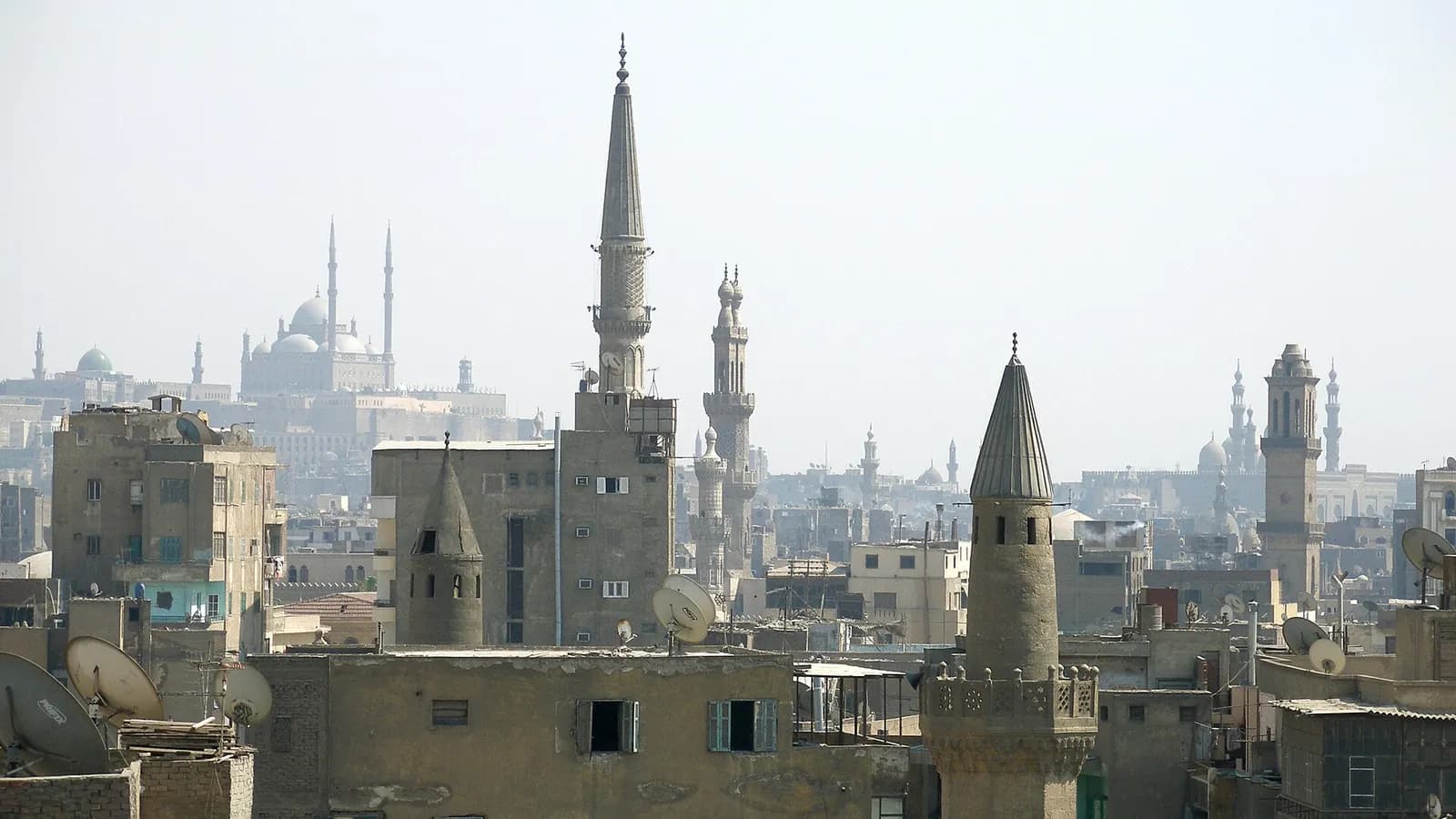
3 Days in Cairo: The Perfect First-Timer's Itinerary
Pyramids, Islamic Cairo, Coptic alleys and the Grand Egyptian Museum: a tested 72-hour Cairo plan with real timings, transport and prices.
By TiE Editors9 min read

7-Night Nile Cruise: Luxor to Aswan Round Trip (2026)
The complete 7-night Luxor-Aswan-Luxor Nile cruise: a relaxed pace, every major temple, optional Abu Simbel and Dendera add-ons, and the full classic Egypt experience.
By TiE Editors8 min read
5-Day Nile Cruise: The Ideal Itinerary (2026)
A relaxed 5-day, 4-night Nile cruise from Luxor to Aswan taking in Karnak, Valley of the Kings, Edfu, Kom Ombo and Philae — with time to spare for Abu Simbel, Egypt's fuller cruise option.
By TiE Editors7 min read