Seti I's Tomb (KV17): The Valley of the Kings' Masterpiece (2026)
KV17 is the longest, deepest and most beautifully decorated tomb in the Valley of the Kings — and the priciest extra ticket. Why it's the valley's masterpiece and whether it's worth it.
Book it on This is Egypt
Turn this guide into a trip

Quick answer: KV17, the tomb of Seti I, is the longest, deepest and most beautifully decorated tomb in the Valley of the Kings — a masterpiece of carved and painted relief, with a famous vaulted astronomical ceiling. Discovered by Giovanni Belzoni in 1817, it reopened to visitors after a long restoration and is the priciest single-tomb ticket at the site. It needs a separate extra ticket on top of standard admission. For anyone serious about ancient art it is the finest king's tomb in Egypt and, for many, worth every pound; on a tight budget, the tombs on your standard ticket are magnificent too. (Prices and open status are set by the Ministry and change — confirm.)
Of all the tombs cut into the Valley of the Kings, one stands above the rest for sheer artistry. Here is what makes Seti I's tomb the valley's masterpiece, and whether the premium ticket is worth it.
Why KV17 is the valley's masterpiece
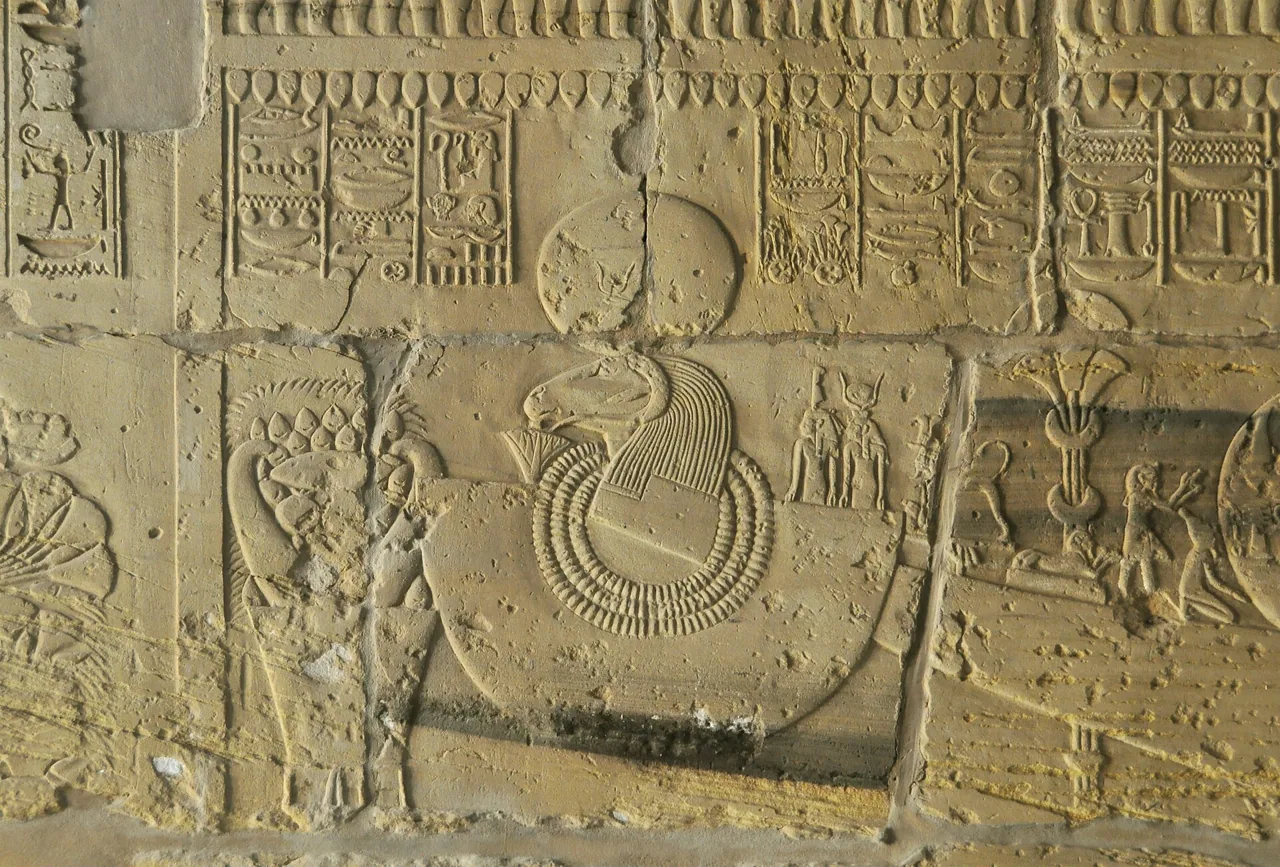
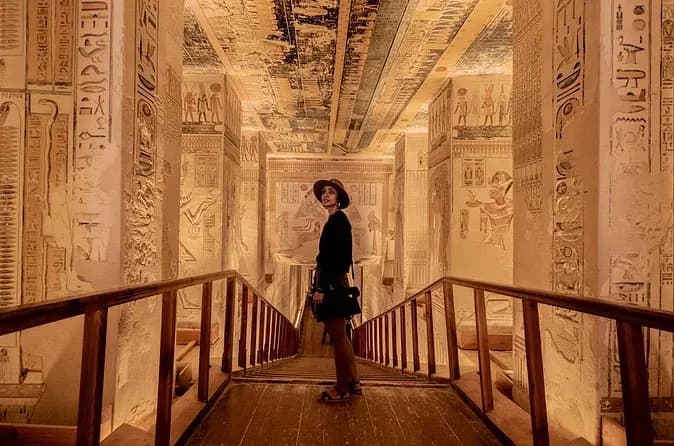
Seti I was the father of Ramesses II and ruled at the height of the New Kingdom, and the tomb built for him matches that ambition. It runs deep into the hillside — the longest tomb in the valley — through corridor after corridor of exquisitely carved raised relief, not merely painted walls but sculpture in stone, still holding delicate colour. The burial chamber is crowned by a deep-blue astronomical ceiling of stars and constellations, and the walls carry the funerary texts in their finest form. Where other tombs impress by scale, Seti I impresses by craft: this is the high-water mark of Egyptian tomb decoration.
What you see today
After decades of damage and a long, careful restoration, much of the tomb is open again, and you walk the full descent past the decorated halls to the pillared burial chamber. The original alabaster sarcophagus is not here — it left Egypt in the nineteenth century and is in the Sir John Soane's Museum in London — but the tomb itself, its reliefs and its ceiling, is the reason to come. Confirm the current open extent, price and photography rules when you buy, as all have changed over the years.
Is it worth the premium ticket?
If you love ancient art and craftsmanship, yes — Seti I is widely rated the single most impressive tomb on the west bank, and a few visitors say it eclipses everything else in Luxor. The catch is the price: it is the most expensive tomb ticket at the site. If your budget is tight, remember that the tombs on your standard Valley of the Kings ticket are themselves superb; Seti I is the connoisseur's splurge, not a must for every visitor.
How it compares to the other extra tombs
Among the extra-ticket tombs, Seti I is the grandest and priciest; Ramesses VI (KV9) offers the best value with its own dazzling astronomical ceiling; Tutankhamun (KV62) is the small, historic one, its treasures in Cairo; and Nefertari (QV66), over in the Valley of the Queens, is the finest painted tomb. If you add only one and money is no object, most enthusiasts choose Seti I or Nefertari.
Practical tips
Buy the extra ticket at the visitor centre with your standard admission, and go early — the west bank is punishing by late morning. The tomb is a real descent, so it is warm and involves steps. Confirm the price, the open sections and the photo rules on the day.
What to look for inside
As you descend, watch how the decoration changes. The upper corridors carry finely carved raised relief, still holding colour, at the peak of Egyptian craftsmanship; the burial chamber is crowned by the vaulted astronomical ceiling of stars and constellations. Look, too, for the unfinished sections deeper in — areas left as sketched outlines and half-cut relief when work stopped. These are a rare gift: they show exactly how the tomb was made, from the draughtsmen's red guide-grid to the sculptors' first cuts, a step-by-step record of the ancient workshop frozen mid-task. Few monuments let you see both the finished masterpiece and the method behind it in the same descent, and it's part of why KV17 rewards a slow, attentive visit.
Getting there and visiting
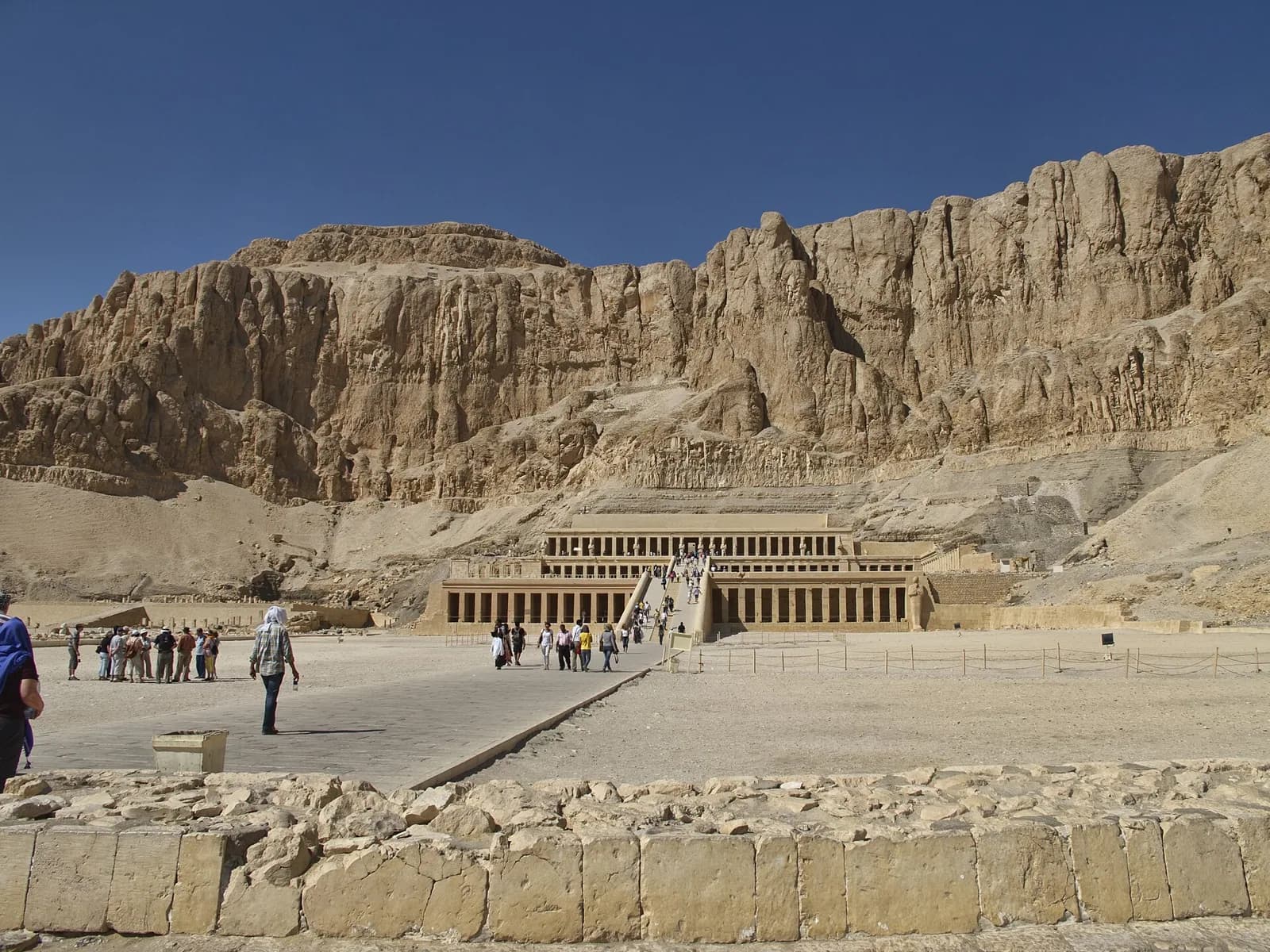
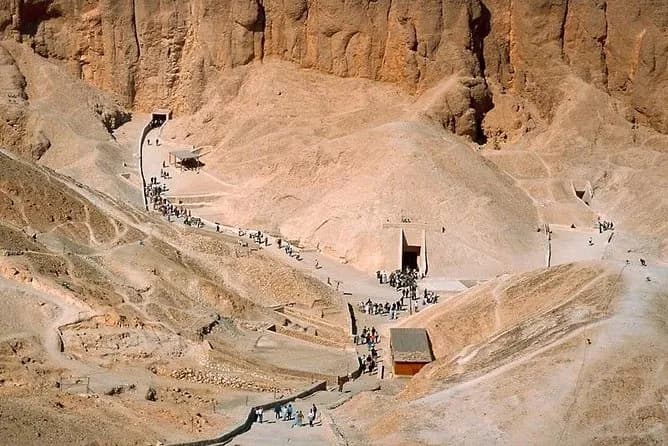
The tombs are on Luxor's west bank, reached in a few minutes by taxi across the bridge, by the local ferry and a short ride, or by bike if you're energetic — and, on a Nile cruise, as an organised morning excursion. Buy your tickets at the visitor centre at the valley entrance (the general ticket and any extra-tomb tickets), then take the little electric train or walk the last stretch to the tombs. Go as early as you can: the west bank is fiercely hot by late morning and the tombs fill with tour groups, so the first hour after opening is by far the best. Combine the visit with the neighbouring sites — Hatshepsut's temple, the Colossi of Memnon and, across the ridge, the Valley of the Queens — for a full west-bank morning. Allow around two hours for three tombs, more if you add the extra-ticket ones. Wear sturdy shoes for the ramps and steps, carry water, and confirm current prices, which tombs are open and the photography rules on the day, as all of these change.
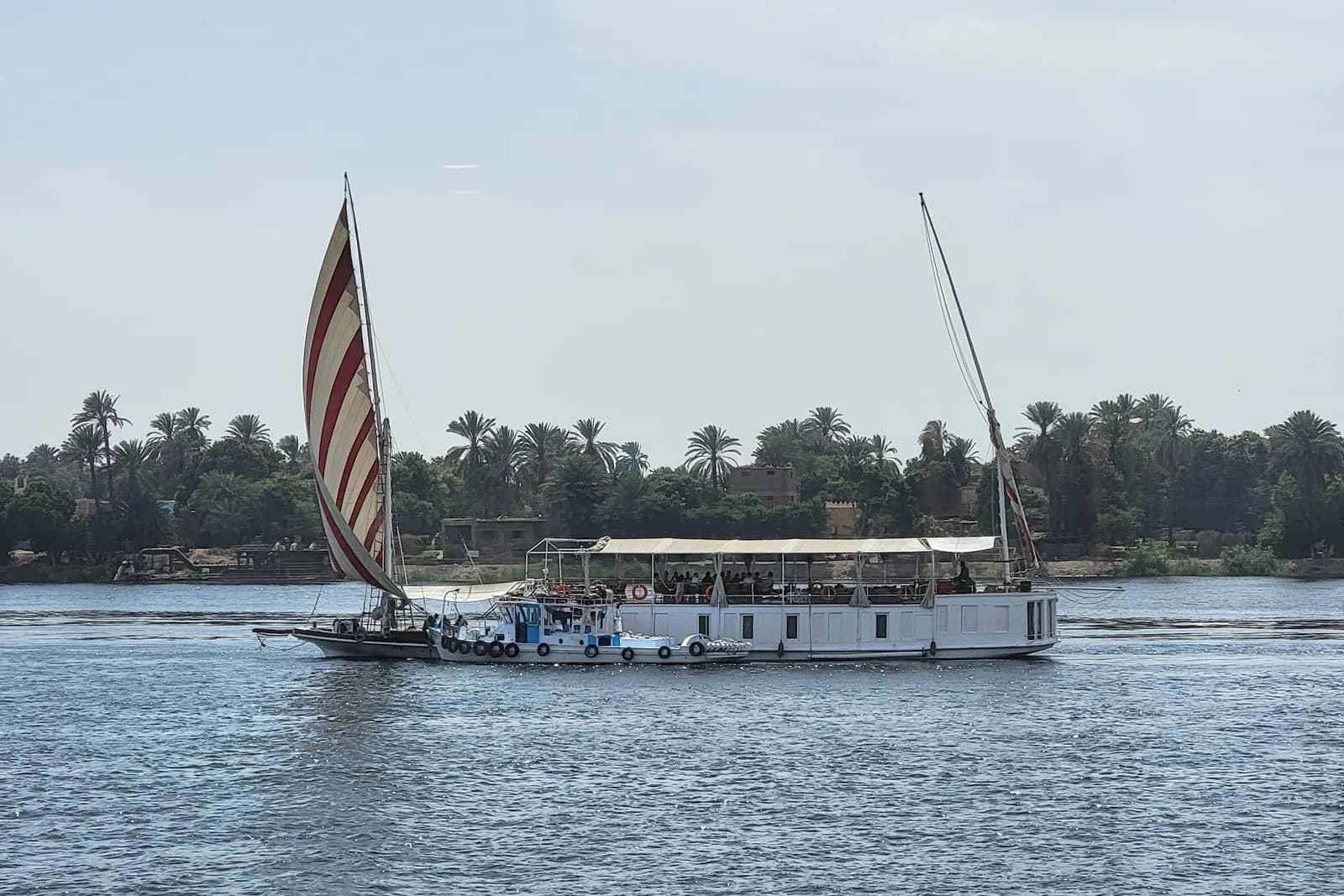
See it on a Nile cruise. The Valley of the Kings is a highlight of every Luxor–Aswan Nile cruise — you visit the tombs on the west-bank shore excursion from Luxor. Compare Nile cruise ships and dahabiyas, or read the Nile cruise guide.
Who Seti I was
It helps to know the king whose tomb this is. Seti I ruled early in the 19th Dynasty, at the start of a great revival: after the religious upheaval of the Amarna period had weakened Egypt, Seti restored its temples, reasserted its power abroad, and set the stage for the long, glittering reign of his son, Ramesses II (Ramesses the Great). His was an age of confident, refined art, and it shows everywhere in his monuments. Beyond the tomb, Seti's other masterpiece is his mortuary temple at Abydos, famous for two things: the exquisitely carved, delicately coloured wall reliefs — some of the finest in all of Egyptian art — and the Abydos King List, a wall carved with the names of the pharaohs before him, a priceless record for historians. The same craftsmanship that makes the Abydos temple special is what makes KV17 the finest tomb in the Valley of the Kings: this was simply the peak moment of Egyptian decorative art, and Seti I commanded the very best of it. Seeing his tomb and, if you can, his temple at Abydos gives you the fullest sense of that golden moment — and puts the man behind the masterpiece. Read which tombs your ticket includes, the full Valley of the Kings guide, and plan the west bank in things to do in Luxor.
A real team available 24/7 to assist you — free
Seif and the team reply on WhatsApp 24/7 — trip questions, custom plans and booking help.
Ask Seif on WhatsAppCommon questions
Is Seti I's tomb worth it?
For anyone who loves ancient art, yes — KV17 is widely rated the finest king's tomb in the Valley of the Kings, with exquisite carved relief and a famous astronomical ceiling. The trade-off is that it's the most expensive single-tomb ticket. On a tight budget, the tombs on the standard ticket are magnificent too.
Why is Seti I's tomb special?
It's the longest and deepest tomb in the valley and the most beautifully decorated — carved in raised relief (sculpture in stone, not just paint) that still holds delicate colour, crowned by a deep-blue astronomical ceiling. It's considered the high-water mark of Egyptian tomb decoration.
Does Seti I's tomb need a separate ticket?
Yes — an extra ticket on top of standard Valley of the Kings admission, and it's the priciest single-tomb ticket at the site. Prices and open status are set by the Ministry and change, so confirm the current ones.
Who discovered Seti I's tomb?
Giovanni Belzoni, in 1817. Its alabaster sarcophagus later left Egypt and is now in the Sir John Soane's Museum in London, but the tomb's carved reliefs and ceiling remain its glory.
Seti I or Ramesses VI — which extra tomb should I choose?
Seti I (KV17) is the grandest and priciest; Ramesses VI (KV9) is the best value, with its own dazzling astronomical ceiling and complete decoration. Art lovers with the budget pick Seti I; for the best splendour-per-pound, Ramesses VI.
Is Seti I's tomb open?
It reopened after a long restoration, though the open extent has varied over time. Confirm the current open sections and any conditions when you buy your ticket at the visitor centre.
What should you look for in Seti I's tomb?
The finely carved raised relief that still holds colour, the vaulted astronomical ceiling of stars in the burial chamber, and — deeper in — the unfinished sections left as sketches and half-cut relief, which reveal exactly how the tomb was made, from the draughtsmen's guide-grid to the sculptors' first cuts.
How do you visit Seti I's tomb?
It's in the Valley of the Kings on Luxor's west bank; buy the extra ticket (the priciest single-tomb ticket) at the visitor centre. Go early to beat the heat, and confirm the current price and open sections on the day, as they change.
Book it on This is Egypt
Turn this guide into a trip

Egypt's bestsellers
The experiences travelers book most, across the country





Keep reading
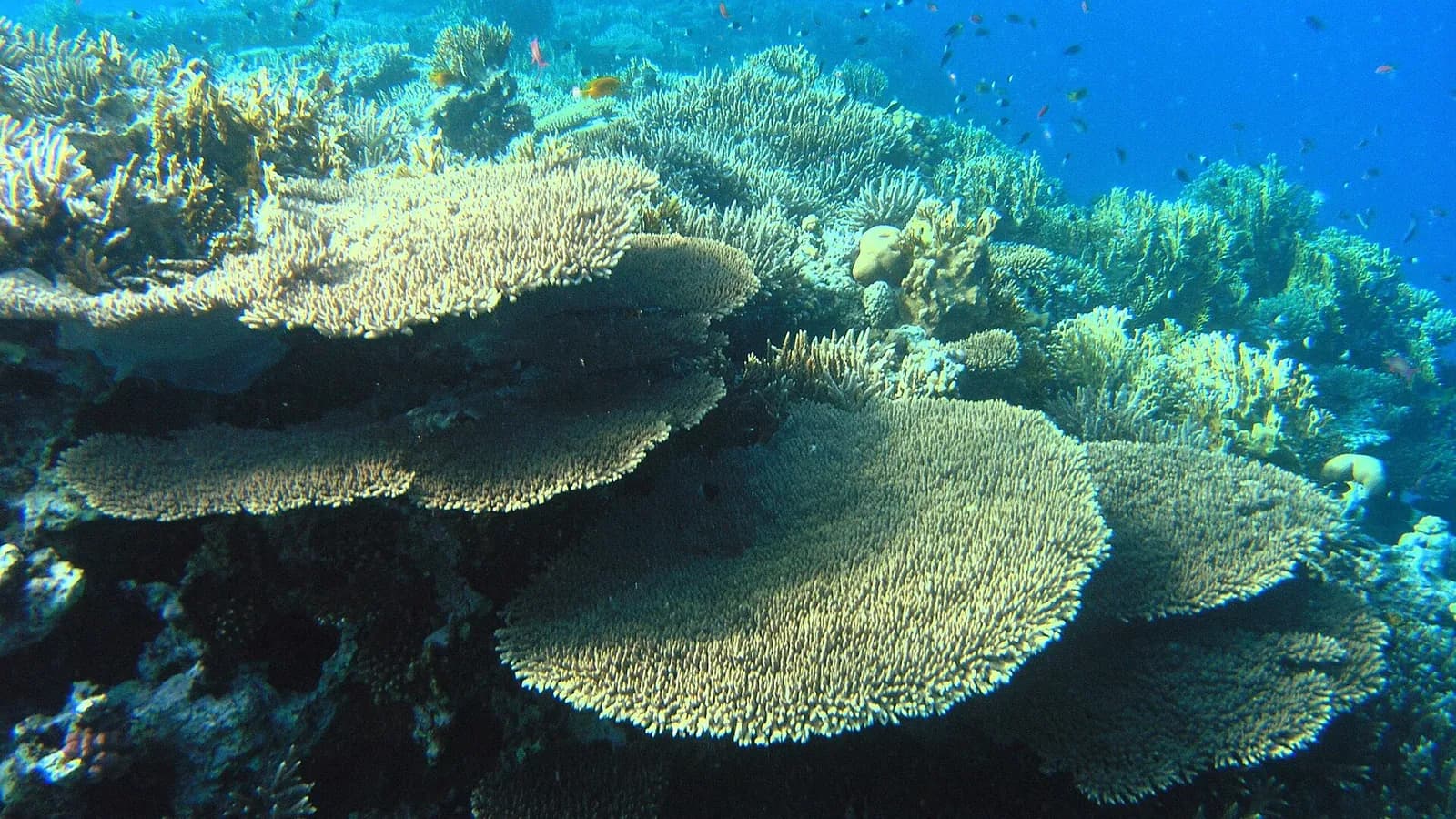
Hurghada Diving (2026): Best Sites, Packages & Prices
Diving in Hurghada — the best reefs (Giftun, Careless Reef, Dolphin House) and Abu Nuhas wrecks, Discover Scuba vs PADI courses, season and water temps, and real 2026 prices.
By TiE Editors7 min read
Hurghada Snorkeling Trips (2026): Best Reefs, Prices & How to Choose
Where to snorkel from Hurghada in 2026 — Orange Bay, Giftun, Mahmya, Utopia and Dolphin House — with boat types, marine life, month-by-month sea temperatures, family tips and real prices from 1,000+ bookable trips.
By TiE Editors7 min read
Egypt Tour Prices by Activity (2026): What Each Type Really Costs
What every type of Egypt experience actually costs — from a 1,700 EGP camel ride to a 48,500 EGP Nile cruise — based on 29,710 real bookable tours across seven platforms.
By TiE Editors6 min read