Ramesses VI's Tomb (KV9): The Best-Value Tomb in the Valley (2026)
KV9 is spacious, almost completely decorated and famous for its astronomical ceiling — the best value of the extra-ticket tombs. Plus the tomb that accidentally saved Tutankhamun's.
Book it on This is Egypt
Turn this guide into a trip

Quick answer: KV9, the tomb of Ramesses VI, is one of the finest and best-value extra-ticket tombs in the Valley of the Kings — spacious, almost completely decorated, and famous for its stunning astronomical ceiling showing the sky-goddess Nut arched over the burial chamber. It needs a separate extra ticket, but it is cheaper than Seti I and, for many, the best splendour-for-your-money in the valley. There's a bonus of history too: the workmen's huts built for KV9 buried the entrance to Tutankhamun's tomb next door, hiding it from robbers for over three thousand years. (Prices are set by the Ministry and change — confirm.)
If you want one of the valley's great tombs without paying the top price, Ramesses VI is the smart choice. Here is what makes KV9 special and why it's the value pick among the extras.
Why KV9 is a standout
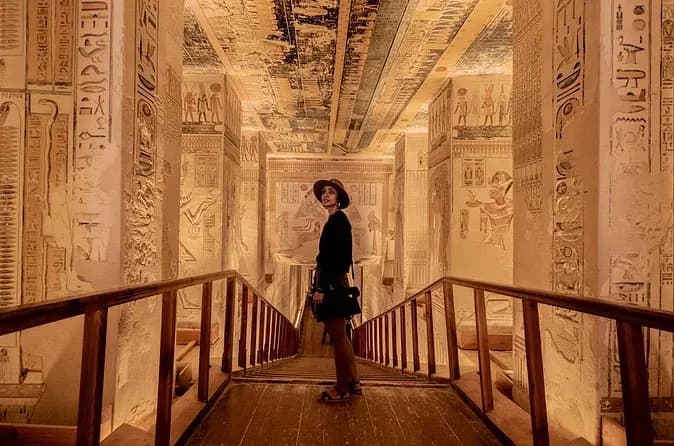
Begun for Ramesses V and completed for Ramesses VI, the tomb is broad and bright, its long corridors decorated almost from floor to ceiling with vivid scenes from the ancient funerary books — the Book of Gates, the Book of Caverns, the Book of the Day and the Book of the Night. The showpiece is the astronomical ceiling of the burial chamber: a double image of the goddess Nut swallowing and giving birth to the sun, her body stretched across the heavens in deep blue and gold. Few ceilings in Egypt are as complete or as beautiful.
The tomb that saved Tutankhamun
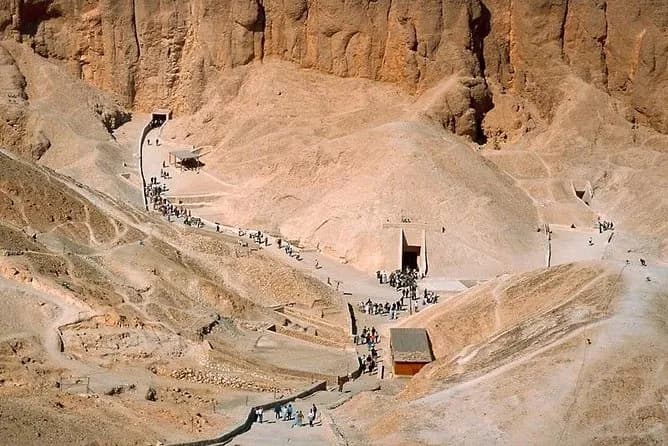
KV9 has a remarkable footnote. When ancient workers cut this tomb, the stone chippings and the huts they built for themselves were piled over the ground just below — directly on top of the entrance to the small tomb of Tutankhamun (KV62). That debris hid KV62 completely, which is why the robbers who emptied nearly every other royal tomb never found it, and why Howard Carter found it nearly intact in 1922. Standing at KV9, you are standing above the reason the world's most famous tomb survived.
Is it worth the extra ticket?
For most visitors, yes — Ramesses VI gives you a grand, richly decorated royal tomb and one of the best ceilings in Egypt for a mid-range extra price. If you can only add one tomb and want maximum impact per pound, KV9 is the pick; if money is no object and you want the absolute finest, Seti I (KV17) is grander still.
How it fits your visit
KV9 is one of the extra-ticket tombs, alongside Tutankhamun, Seti I and — in the neighbouring Valley of the Queens — Nefertari (QV66). Your standard ticket covers three tombs from the day's open rotation; see which tombs are included for how it all works. Buy the extra ticket at the visitor centre, go early to beat the heat, and confirm the current price and photo rules on the day.
What to look for inside
Beyond the famous ceiling, KV9 is a gallery of the ancient funerary books — the Book of Gates, the Book of Caverns, the Book of the Day and the Book of the Night — laid out along its walls in vivid, near-complete colour, a fuller set than almost any other tomb. Look closely at the walls near the entrance and you'll spot a different kind of history: ancient graffiti, scratched by Greek and Roman visitors thousands of years ago. KV9 was one of the tombs left open in antiquity, and classical tourists came, marvelled and signed their names — proof that "must-see" tomb tourism in the Valley of the Kings is itself over two thousand years old. Spotting those inscriptions adds a strangely human layer to the visit.
Getting there and visiting
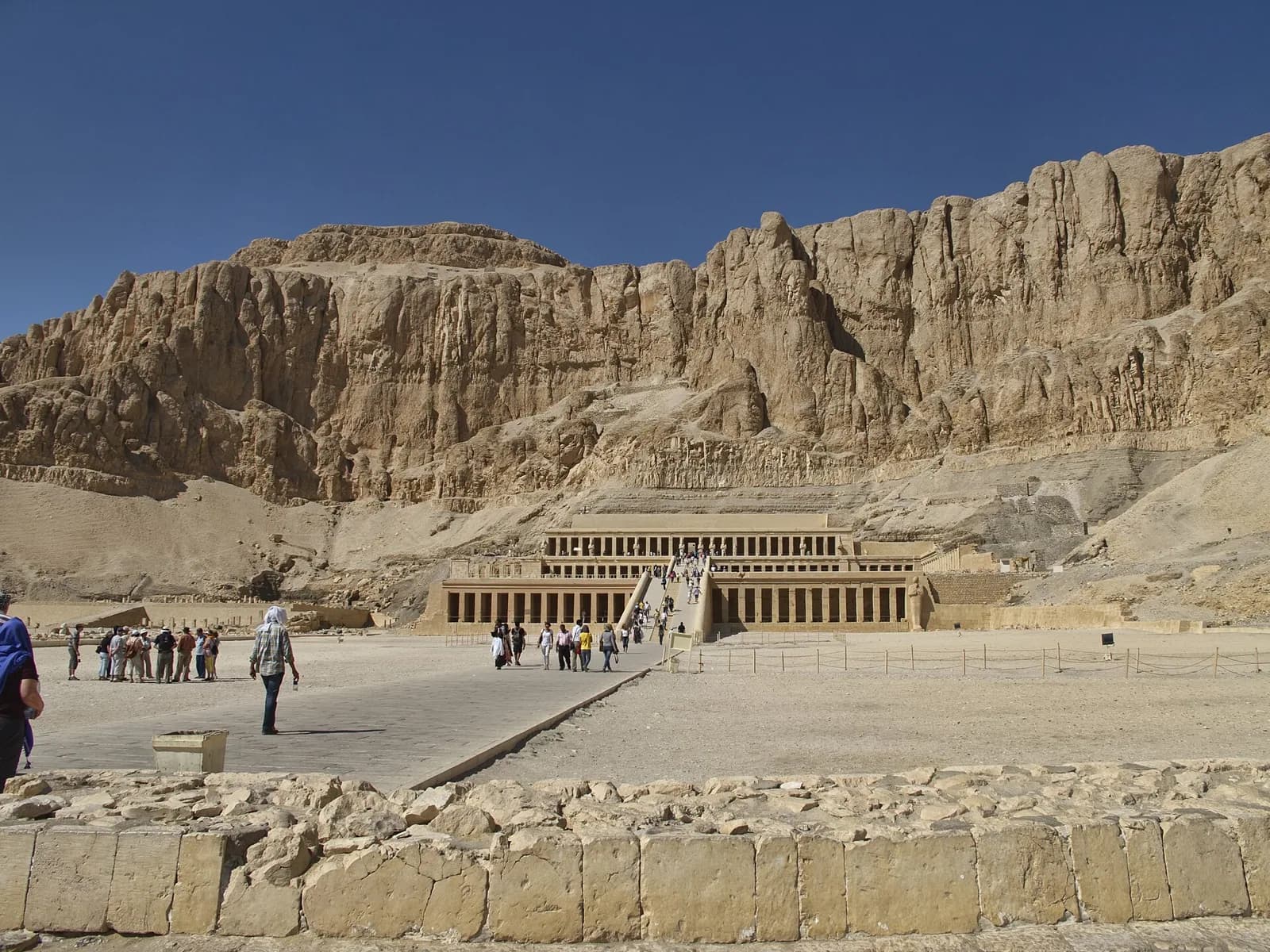
The tombs are on Luxor's west bank, reached in a few minutes by taxi across the bridge, by the local ferry and a short ride, or by bike if you're energetic — and, on a Nile cruise, as an organised morning excursion. Buy your tickets at the visitor centre at the valley entrance (the general ticket and any extra-tomb tickets), then take the little electric train or walk the last stretch to the tombs. Go as early as you can: the west bank is fiercely hot by late morning and the tombs fill with tour groups, so the first hour after opening is by far the best. Combine the visit with the neighbouring sites — Hatshepsut's temple, the Colossi of Memnon and, across the ridge, the Valley of the Queens — for a full west-bank morning. Allow around two hours for three tombs, more if you add the extra-ticket ones. Wear sturdy shoes for the ramps and steps, carry water, and confirm current prices, which tombs are open and the photography rules on the day, as all of these change.
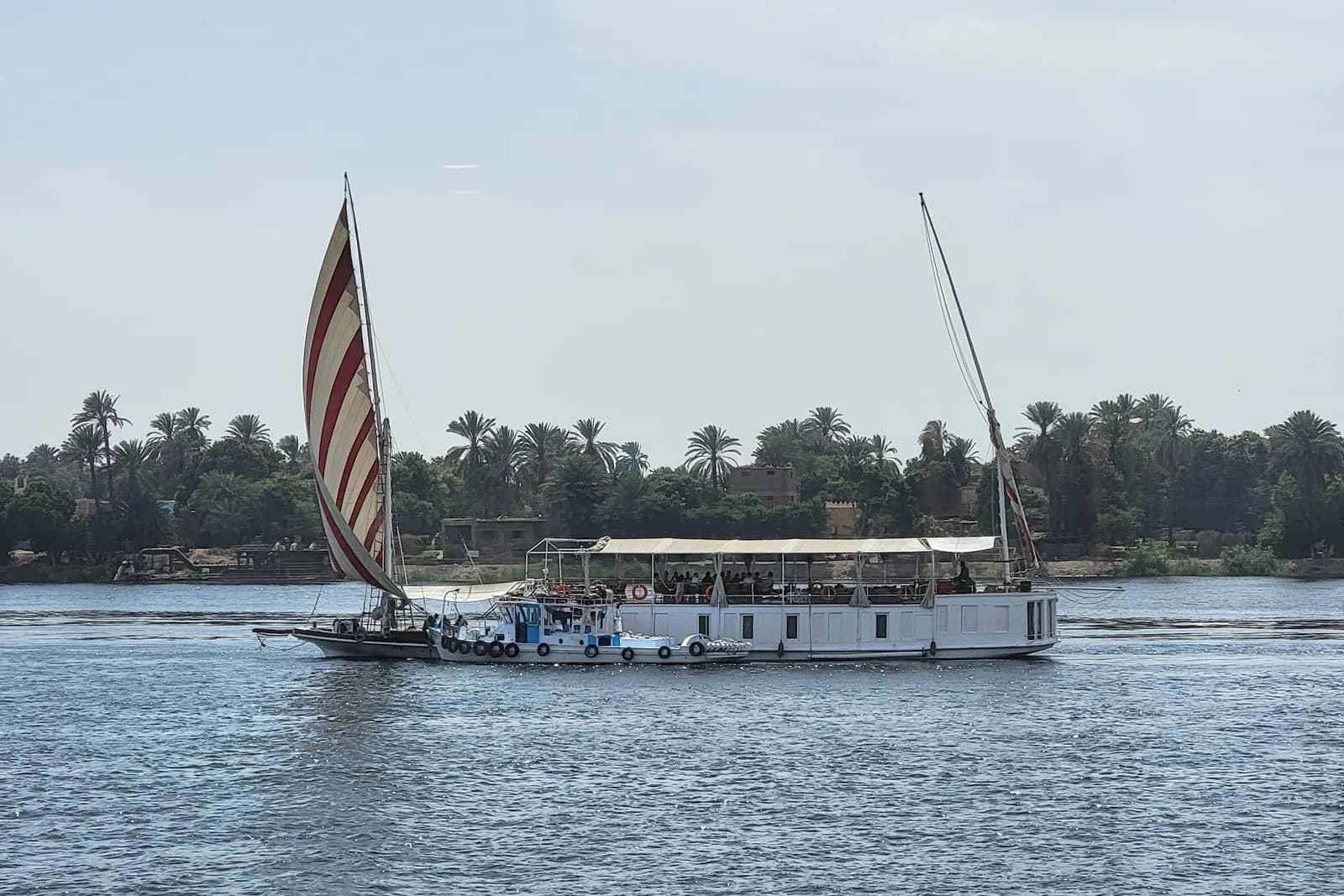
See it on a Nile cruise. The Valley of the Kings is a highlight of every Luxor–Aswan Nile cruise — you visit the tombs on the west-bank shore excursion from Luxor. Compare Nile cruise ships and dahabiyas, or read the Nile cruise guide.
Reading the ceiling: the Books of the Heavens
The astronomical ceiling is worth understanding, because once you can read it the tomb comes alive. Stretched across the burial chamber is the body of Nut, goddess of the sky, shown twice — one image for the day, one for the night. Each evening she swallows the sun, which travels through her body during the twelve hours of night, to be reborn at dawn the next morning; the ceiling maps that journey hour by hour. Around it run the great funerary compositions the Egyptians called the Books of the Heavens — the Book of the Day and the Book of the Night — alongside the Book of Gates and the Book of Caverns on the walls, each a kind of guidebook for the dead king's passage through the underworld and his rebirth with the sun. It is, in effect, an ancient map of the cosmos and of the soul's journey through it, painted in extraordinary detail. You don't need to decode the hieroglyphs to feel it: stand in the burial chamber, look up at the deep-blue, gold-starred vault with the doubled figure of the goddess arching overhead, and you are looking at one of the most complete visions of the ancient Egyptian universe that survives anywhere. That, as much as the price, is why KV9 rewards the extra ticket. Read the full Valley of the Kings guide and plan the west bank in things to do in Luxor.
A real team available 24/7 to assist you — free
Seif and the team reply on WhatsApp 24/7 — trip questions, custom plans and booking help.
Ask Seif on WhatsAppCommon questions
Is Ramesses VI's tomb worth it?
For most visitors, yes — KV9 is spacious, almost completely decorated, and has one of the finest astronomical ceilings in Egypt, at a mid-range extra-ticket price. It's widely rated the best value of the extra-ticket tombs.
What is famous about Ramesses VI's tomb?
Its astronomical ceiling: a double image of the sky-goddess Nut swallowing and giving birth to the sun, arched across the burial chamber in deep blue and gold. The tomb is also decorated almost end to end with scenes from the ancient funerary books.
Did Ramesses VI's tomb protect Tutankhamun's?
Yes. The debris and workmen's huts from cutting KV9 were piled over the entrance of Tutankhamun's tomb (KV62) just below, hiding it from robbers for over three thousand years — which is why it survived nearly intact.
Does Ramesses VI's tomb need a separate ticket?
Yes, an extra ticket on top of standard Valley of the Kings admission, bought at the visitor centre. It's cheaper than Seti I. Prices are set by the Ministry and change — confirm the current one.
Ramesses VI or Seti I — which is better?
Seti I (KV17) is the grandest and priciest tomb in the valley; Ramesses VI (KV9) is the best value, with a spectacular ceiling and complete decoration for a mid-range price. Choose Seti I for the ultimate, Ramesses VI for the best value.
Is Ramesses VI's tomb included in the standard ticket?
No — it's an extra-ticket tomb. Your standard ticket covers three tombs from the day's open rotation; KV9, like Tutankhamun and Seti I, costs extra.
What should you look for in Ramesses VI's tomb?
The double astronomical ceiling of the goddess Nut, the near-complete sequence of funerary books (the Book of Gates, Caverns, Day and Night) along the walls, and the ancient Greek and Roman graffiti near the entrance — proof that visitors were touring this tomb over two thousand years ago.
How do you visit Ramesses VI's tomb?
It's in the Valley of the Kings on Luxor's west bank; buy the extra ticket at the visitor centre — it's cheaper than Seti I. Go early, and confirm the current price and photo rules on the day.
Book it on This is Egypt
Turn this guide into a trip

Egypt's bestsellers
The experiences travelers book most, across the country





Keep reading
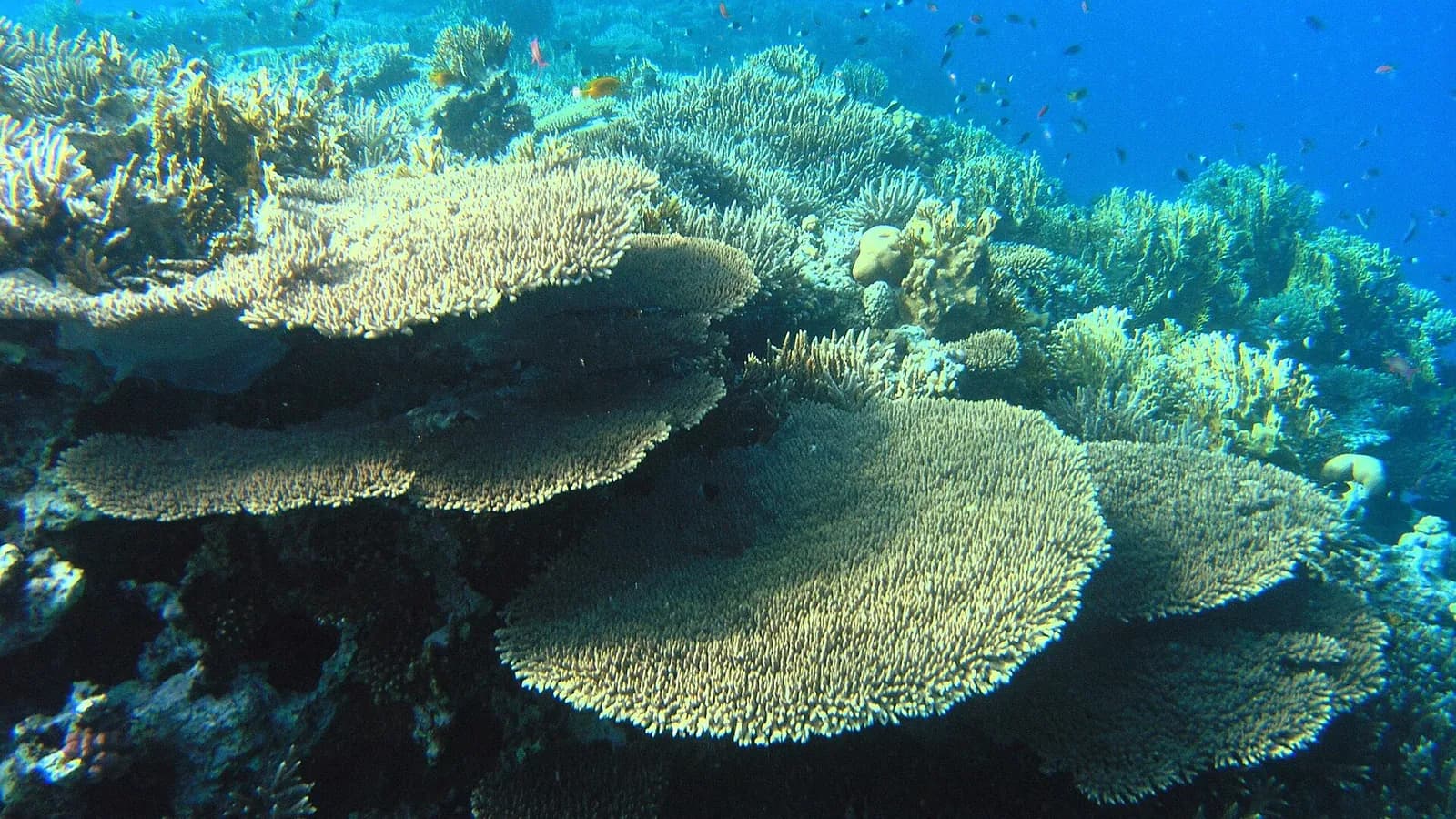
Hurghada Diving (2026): Best Sites, Packages & Prices
Diving in Hurghada — the best reefs (Giftun, Careless Reef, Dolphin House) and Abu Nuhas wrecks, Discover Scuba vs PADI courses, season and water temps, and real 2026 prices.
By TiE Editors7 min read
Hurghada Snorkeling Trips (2026): Best Reefs, Prices & How to Choose
Where to snorkel from Hurghada in 2026 — Orange Bay, Giftun, Mahmya, Utopia and Dolphin House — with boat types, marine life, month-by-month sea temperatures, family tips and real prices from 1,000+ bookable trips.
By TiE Editors7 min read
Egypt Tour Prices by Activity (2026): What Each Type Really Costs
What every type of Egypt experience actually costs — from a 1,700 EGP camel ride to a 48,500 EGP Nile cruise — based on 29,710 real bookable tours across seven platforms.
By TiE Editors6 min read