Nefertari's Tomb (QV66): Egypt's Most Beautiful Tomb — Worth It? (2026)
QV66 in the Valley of the Queens is widely called the most beautiful tomb in Egypt. Why it's so celebrated, the short premium-ticket visit, and whether it's worth the price.
Book it on This is Egypt
Turn this guide into a trip

Quick answer: QV66, the tomb of Queen Nefertari — Great Royal Wife of Ramesses II — is widely called the most beautiful tomb in Egypt. Its painted walls are astonishingly vivid and among the best-preserved anywhere, thanks to a major conservation project. It sits in the Valley of the Queens (near the Valley of the Kings, on Luxor's west bank) and needs a separate, expensive extra ticket, with a short, limited visit — around ten minutes, with capped daily numbers — to protect the fragile paint. For art lovers it is one of Egypt's great sights and usually worth it; the high price and brief visit are the trade-off. (Prices are set by the Ministry and change — confirm.)
If the Valley of the Kings is about scale and royalty, Nefertari's tomb is about sheer beauty. Here is why it is so celebrated, what the visit is actually like, and whether it's worth the steep ticket.
Why Nefertari's tomb is so celebrated
Nefertari was the favourite queen of Ramesses II, and the tomb built for her is the finest painted tomb in Egypt. The walls show the queen — elegant, in a flowing white gown — being led by the gods through the afterlife, in colours so fresh they look barely dry: deep blues and golds, turquoise, ochre. A long conservation programme (led by the Getty Conservation Institute in the late twentieth century) stabilised the fragile plaster and is why the paintings survive in such condition today.
What to expect on the visit
Everything about the visit is shaped by conservation. Entry is on a separate, premium ticket — the most expensive single-tomb ticket at the site — and it buys a short, timed visit of around ten minutes, with a cap on how many people go in each day and, at times, photography restrictions. The tomb is smaller than a great king's tomb; you are not there for length, you are there for the art, which is unmatched. Confirm the current price, visit length and photo rules when you buy, as all have changed over time.
Is it worth it?
For anyone who cares about ancient art, yes — many rate Nefertari's tomb the single most beautiful thing on Luxor's west bank, worth the price for a few unforgettable minutes. If you're on a tight budget, or painted reliefs aren't your priority, the tombs on your standard Valley of the Kings ticket are magnificent in their own right and may be enough. It comes down to how much the finest painting in Egypt is worth to you.
Valley of the Queens vs Valley of the Kings
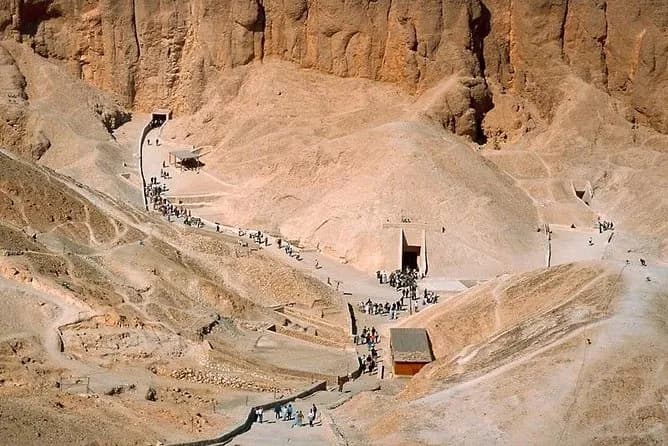
The two valleys are different sites with separate tickets. The Valley of the Queens was the burial ground of queens and royal children; Nefertari's is its star, but a cheaper general ticket also admits you to other tombs there, including those of the sons of Ramesses III. The Valley of the Kings, a short drive away, holds the pharaohs. Most visitors do both in one west-bank morning — see which Valley of the Kings tombs are included.
Practical tips
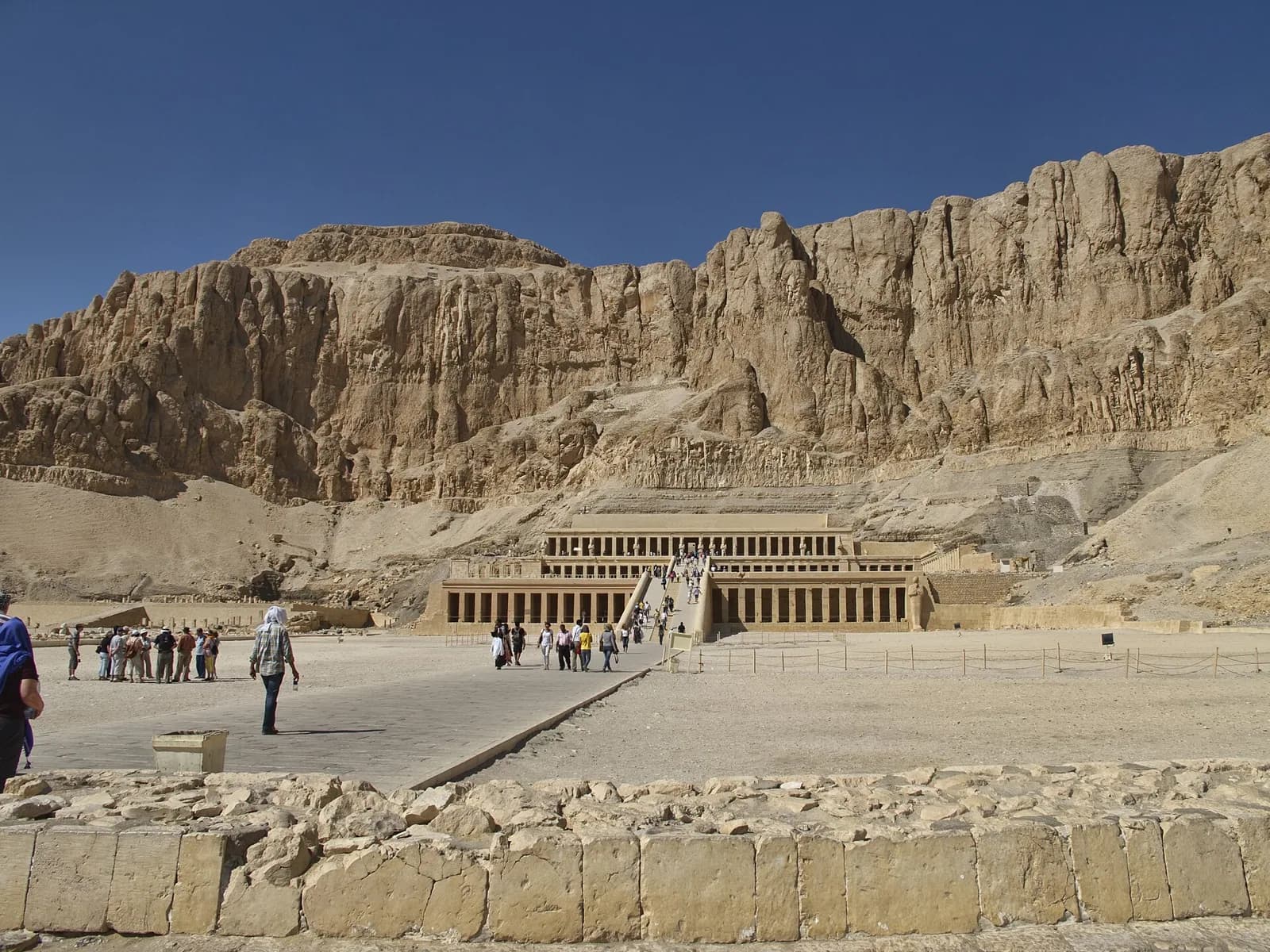
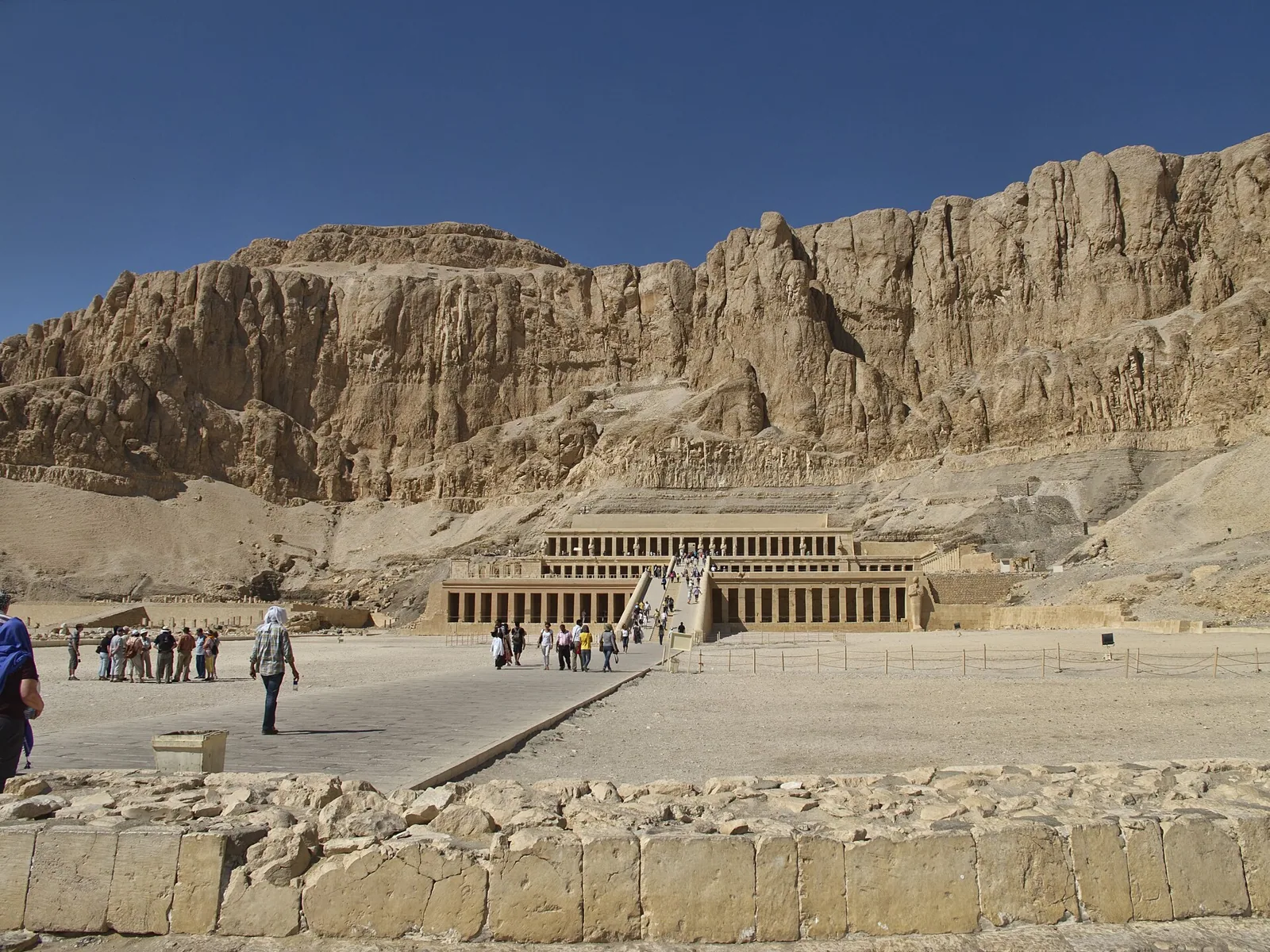
Nefertari's tomb is on Luxor's west bank; combine it with the Valley of the Kings and Hatshepsut's temple in a single early start to beat the heat. Buy the extra ticket at the site, and confirm the current price, the visit length and the photography rules on the day.
Who Nefertari was
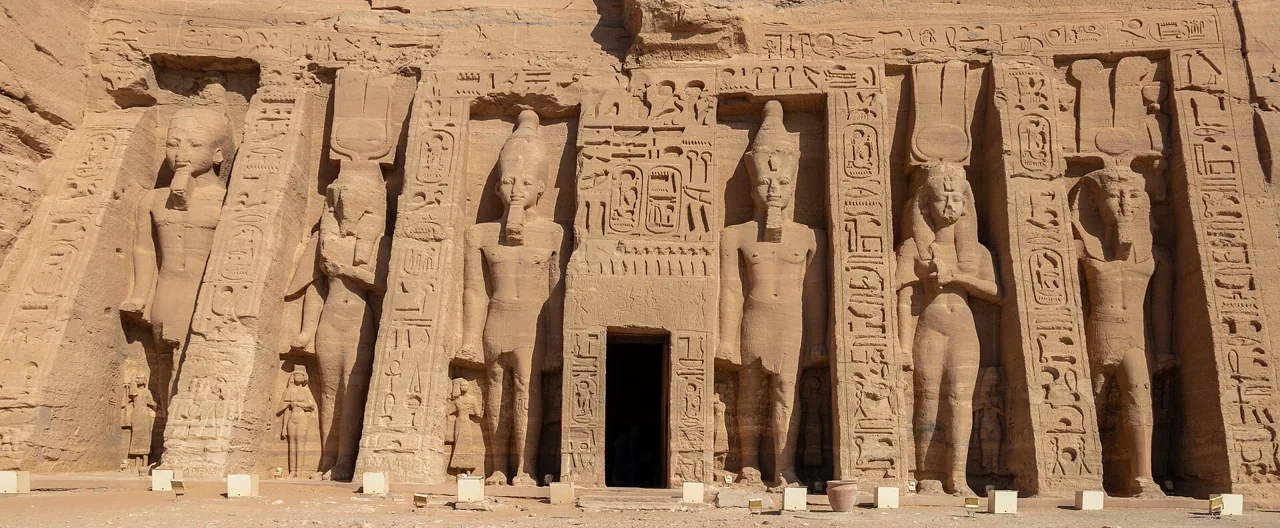
Nefertari was not just any queen. She was the principal wife of Ramesses II, the longest-reigning and most powerful of Egypt's New Kingdom pharaohs, and he lavished honours on her that were extraordinary for a royal consort. At Abu Simbel, alongside his own colossal temple, he built a second, smaller temple dedicated to Nefertari and the goddess Hathor — its facade carved with statues of the queen made the same height as the king, an almost unheard-of gesture. Her name means roughly "the most beautiful of them all", and the tomb her husband commissioned for her lived up to it. Knowing who she was adds to the visit: you are not looking at a generic royal tomb but at the resting place of one of the most celebrated women of the ancient world, honoured as few queens ever were.
The art inside
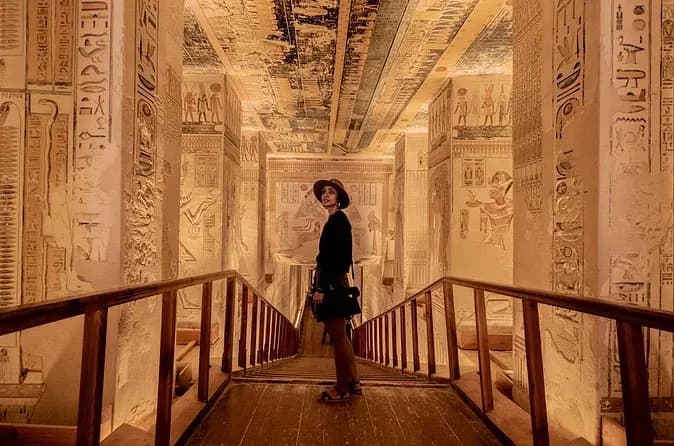
What makes QV66 unforgettable is the painting. Nefertari is shown throughout in a flowing white gown and elaborate headdress, her skin painted a pale gold, being led by the gods — Isis, Horus, Hathor — through the trials of the afterlife. In one famous scene she sits playing senet, the ancient board game, a metaphor for the contest for eternal life. Overhead the ceiling is a deep blue sky scattered with golden stars. The colours are extraordinarily fresh, the drawing confident and elegant — this is court art at its absolute finest, which is exactly why the visit is kept so short and the numbers so limited. You are not there to linger over inscriptions; you are there to stand, briefly, inside the most beautiful painted room to survive from the ancient world.
Getting there and visiting
The tombs are on Luxor's west bank, reached in a few minutes by taxi across the bridge, by the local ferry and a short ride, or by bike if you're energetic — and, on a Nile cruise, as an organised morning excursion. Buy your tickets at the visitor centre at the valley entrance (the general ticket and any extra-tomb tickets), then take the little electric train or walk the last stretch to the tombs. Go as early as you can: the west bank is fiercely hot by late morning and the tombs fill with tour groups, so the first hour after opening is by far the best. Combine the visit with the neighbouring sites — Hatshepsut's temple, the Colossi of Memnon and, across the ridge, the Valley of the Queens — for a full west-bank morning. Allow around two hours for three tombs, more if you add the extra-ticket ones. Wear sturdy shoes for the ramps and steps, carry water, and confirm current prices, which tombs are open and the photography rules on the day, as all of these change.
See it on a Nile cruise. The Valley of the Kings is a highlight of every Luxor–Aswan Nile cruise — you visit the tombs on the west-bank shore excursion from Luxor. Compare Nile cruise ships and dahabiyas, or read the Nile cruise guide.
Read which tombs your ticket includes, compare with Tutankhamun's tomb (KV62), and plan the day in things to do in Luxor.
A real team available 24/7 to assist you — free
Seif and the team reply on WhatsApp 24/7 — trip questions, custom plans and booking help.
Ask Seif on WhatsAppCommon questions
Is Nefertari's tomb worth it?
For anyone who loves ancient art, usually yes — it's widely called the most beautiful painted tomb in Egypt, worth the price for a few unforgettable minutes. The high ticket cost and short, timed visit are the trade-off; on a tight budget, the standard Valley of the Kings tombs are magnificent too.
Where is Nefertari's tomb?
In the Valley of the Queens, on Luxor's west bank — a separate site from the Valley of the Kings, a short drive away. Most visitors combine both in one morning.
How much is the Nefertari tomb ticket?
It's the most expensive single-tomb ticket at the site, set by the Ministry of Tourism & Antiquities and changed periodically — confirm the current price when you buy. The premium reflects the strict limits placed on visits to protect the paintings.
How long can you stay in Nefertari's tomb?
A short, timed visit — around ten minutes — with a cap on daily visitor numbers. These limits exist to protect the fragile painted plaster. Confirm the current visit length on the day.
Can you take photos in Nefertari's tomb?
Photography has been restricted at times for conservation, and the rules have changed over the years. Confirm the current photo policy (and any camera fee) when you buy your ticket.
Nefertari's tomb or Tutankhamun's — which is better?
Nefertari (QV66) for sheer beauty — the finest painted tomb in Egypt. Tutankhamun (KV62) for history and to see his mummy, though it's small and plain and the treasures are in Cairo. Many art-focused visitors rate Nefertari the highlight of the west bank.
Is Nefertari's tomb included in the Valley of the Kings ticket?
No — it's in the Valley of the Queens, a separate site, and needs its own premium extra ticket. Your Valley of the Kings ticket does not cover it.
What do the paintings in Nefertari's tomb show?
Nefertari in a flowing white gown, led by gods such as Isis, Horus and Hathor through the afterlife; one famous scene shows her playing the board game senet, and the ceiling is a deep-blue sky of golden stars. The colours are exceptionally fresh — court art at its finest, which is why visits are kept short.
How do you visit Nefertari's tomb?
It's in the Valley of the Queens on Luxor's west bank; buy the separate premium ticket at the site. The visit is short and timed (around ten minutes) with capped numbers, so go early and combine it with the Valley of the Kings and Hatshepsut's temple.
Book it on This is Egypt
Turn this guide into a trip

Egypt's bestsellers
The experiences travelers book most, across the country





Keep reading
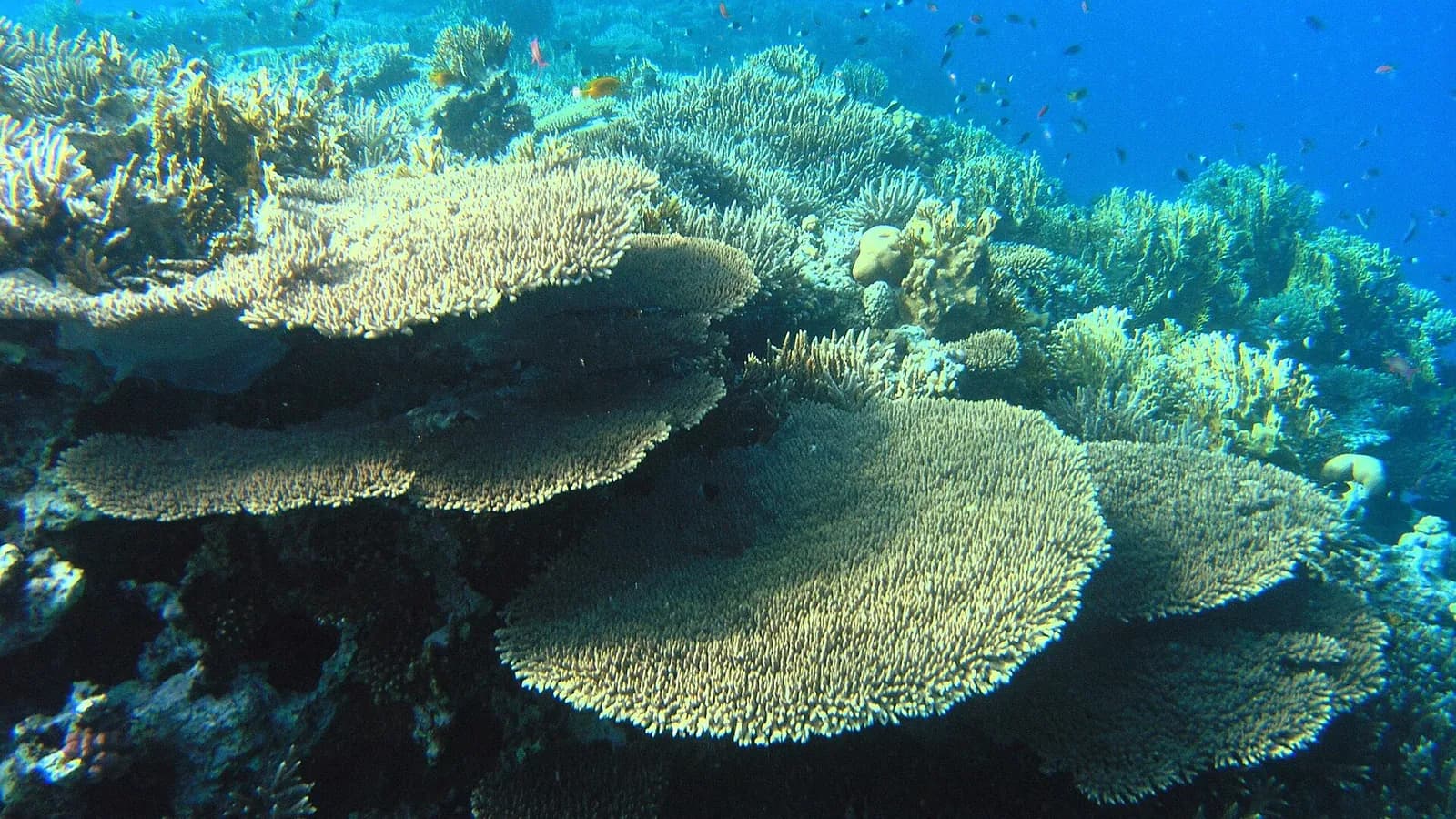
Hurghada Diving (2026): Best Sites, Packages & Prices
Diving in Hurghada — the best reefs (Giftun, Careless Reef, Dolphin House) and Abu Nuhas wrecks, Discover Scuba vs PADI courses, season and water temps, and real 2026 prices.
By TiE Editors7 min read
Hurghada Snorkeling Trips (2026): Best Reefs, Prices & How to Choose
Where to snorkel from Hurghada in 2026 — Orange Bay, Giftun, Mahmya, Utopia and Dolphin House — with boat types, marine life, month-by-month sea temperatures, family tips and real prices from 1,000+ bookable trips.
By TiE Editors7 min read
Egypt Tour Prices by Activity (2026): What Each Type Really Costs
What every type of Egypt experience actually costs — from a 1,700 EGP camel ride to a 48,500 EGP Nile cruise — based on 29,710 real bookable tours across seven platforms.
By TiE Editors6 min read