Which Valley of the Kings Tombs Are Included in the Ticket? (2026)
A standard Valley of the Kings ticket covers three tombs of your choice. Which four famous tombs need an extra ticket (KV62, KV17, KV9, Nefertari), and which extra is actually worth it.
Book it on This is Egypt
Turn this guide into a trip

Quick answer: A standard Valley of the Kings ticket lets you enter three tombs of your choice from those open that day — and the open set rotates to protect them. Four of the famous tombs need a separate extra ticket and are not included: Tutankhamun (KV62), Seti I (KV17), Ramesses VI (KV9), and — technically in the neighbouring Valley of the Queens — Nefertari (QV66). You buy the extra tickets at the site. If you add just one, most visitors rate Seti I or Nefertari the most worthwhile; Tutankhamun's tomb is small and its treasures are in Cairo. (Ticket prices are set by the Ministry of Tourism & Antiquities and change — confirm the current ones.)
The single most common Valley of the Kings question is also the most confusing one: what does your ticket actually get you in? Here is exactly what is included, what costs extra, and which of the extras is worth it.
What the standard ticket includes
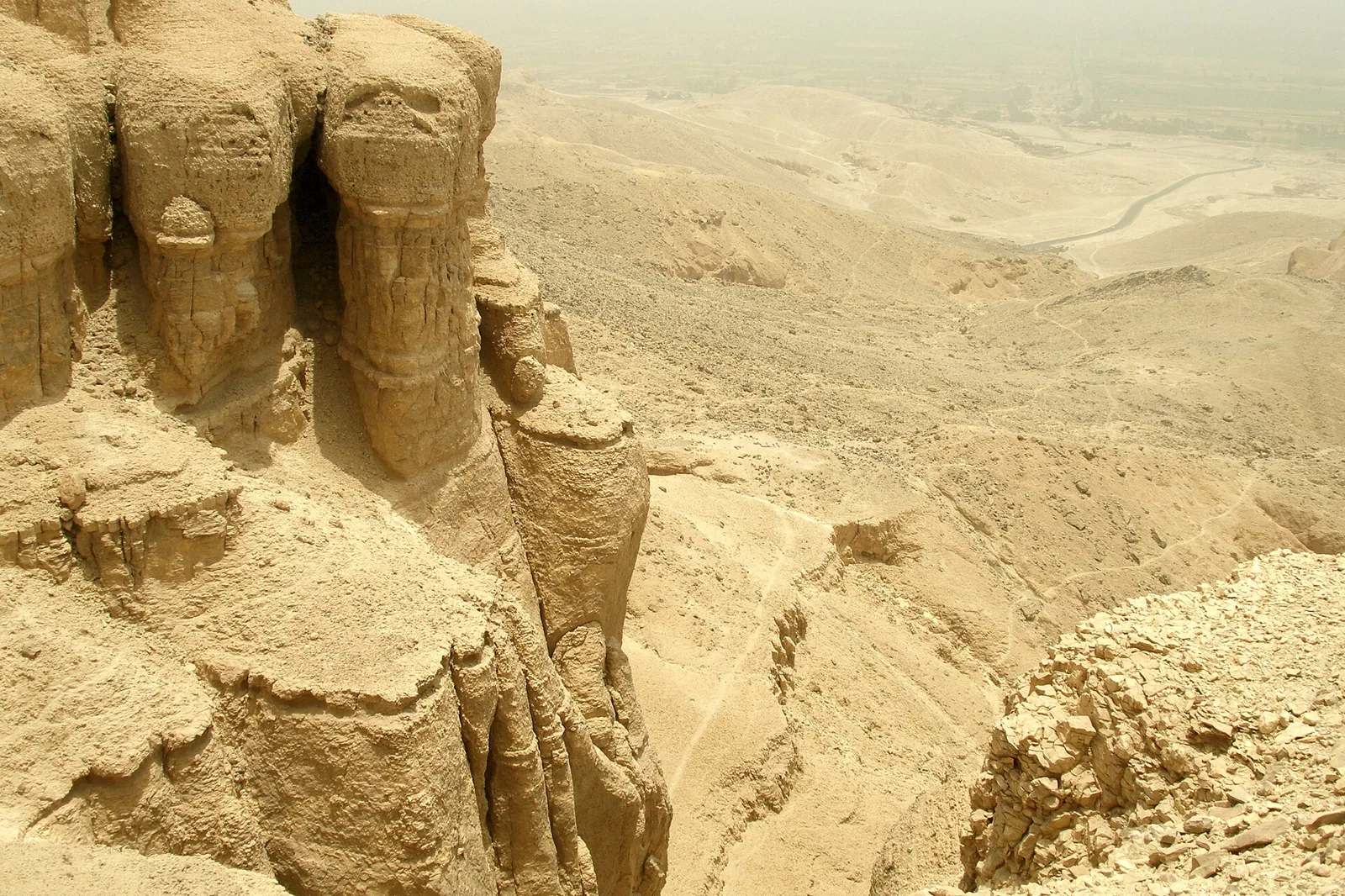
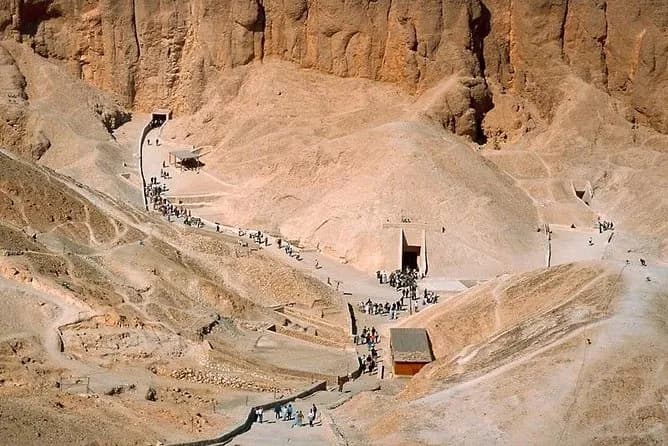
Your general admission ticket covers entry to three tombs of your choice from the ones open on the day. The valley holds more than sixty tombs, but only a handful are open at any time — the authorities rotate which ones, resting each in turn to limit the damage from visitors' breath and humidity. That means you shouldn't fixate on one specific tomb: the open set on your day might include the likes of Ramesses IV (KV2), Ramesses III (KV11), Ramesses IX (KV6) or Merenptah (KV8), all of which are superb, deep, richly decorated royal tombs. You choose your three at the tombs themselves, so you can see what's open and pick.
The tombs that need a separate ticket (not included)
Four headline tombs sit outside the standard ticket and each needs its own extra ticket:
- Tutankhamun — KV62. The most famous tomb in the world, but small and plainly decorated; the treasures are in Cairo. Its draw is Tutankhamun's own mummy, on display.
- Seti I — KV17. The longest, deepest and most beautifully decorated tomb in the valley, reopened after a major restoration — and the priciest extra ticket.
- Ramesses VI — KV9. Famous for its astronomical ceilings and vivid, complete decoration; widely rated the best value of the extras.
- Nefertari — QV66. Technically in the adjacent Valley of the Queens, not the Kings, on a separate ticket; often called the most beautiful tomb in Egypt.
Which extra tomb is worth it?
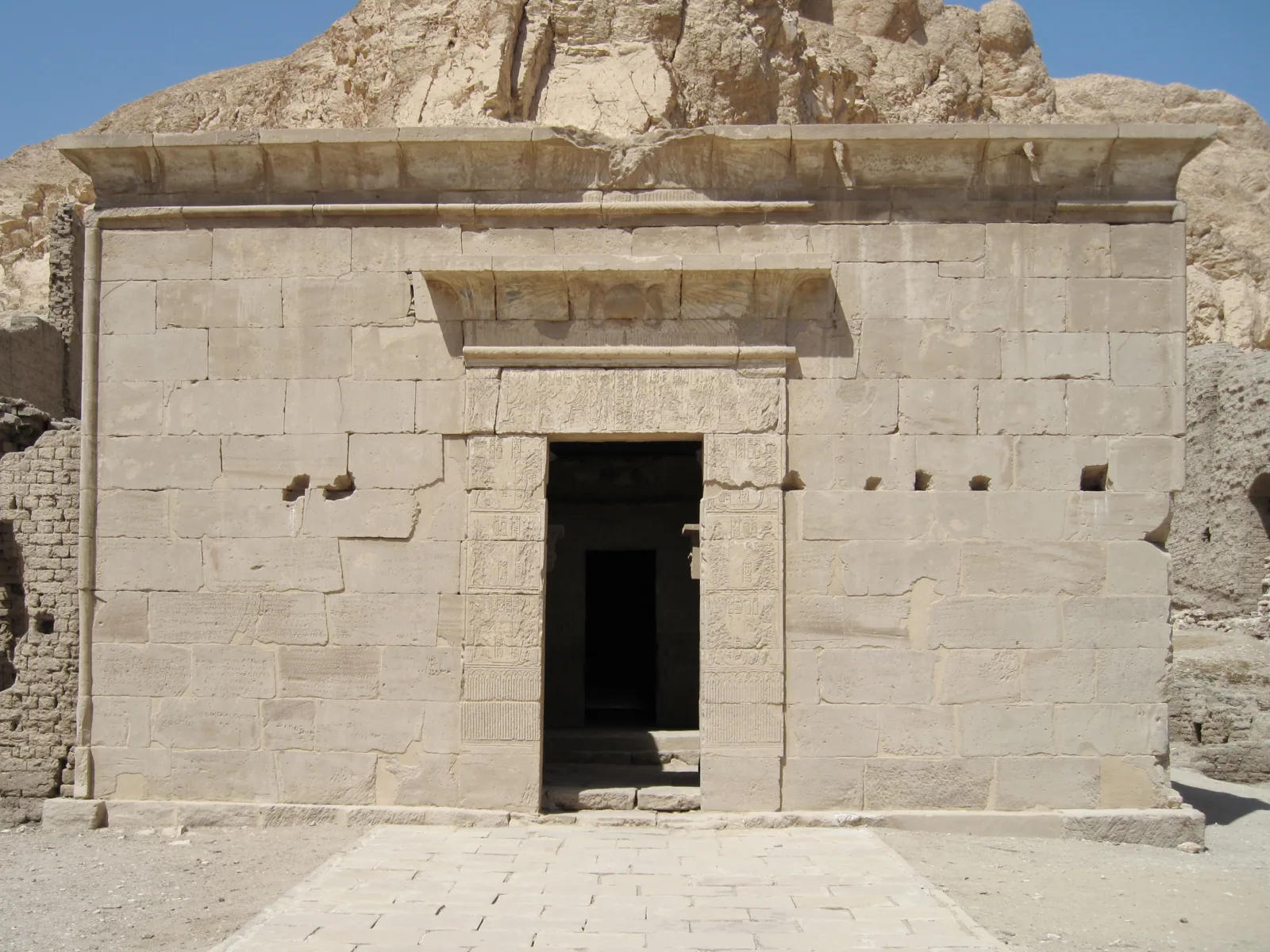
If budget is no object, Seti I is the showstopper. For sheer painted beauty, Nefertari is the art-lover's pick. For the best balance of splendour and price, Ramesses VI is the smart add. Tutankhamun is the one to think twice about: go for the history and to see the mummy, but know it is the smallest and plainest of the famous tombs and the gold you're picturing is in Cairo. Read the detail in our Tutankhamun's tomb (KV62) guide and Nefertari's tomb (QV66) guide.
Practical tips
Buy the general ticket — and any extra-tomb tickets — at the visitor centre before you go in; the little electric train down to the tombs is a separate small fee. Go early: the west bank bakes by late morning and the tombs get crowded. Photography rules have changed over the years (phone photography is generally allowed now, with camera and some individual-tomb rules varying) — confirm the current photo rules on the day. Three tombs take roughly half a morning; add extras as time and budget allow.
What the tombs are actually like inside
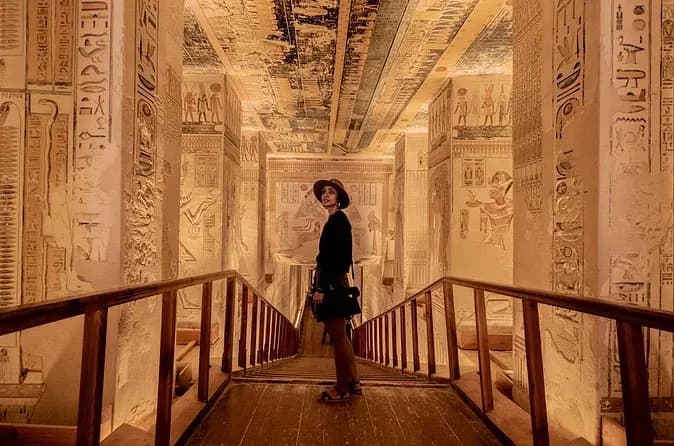
Don't underrate the tombs on the standard ticket. Each royal tomb is a long, sloping corridor cut deep into the limestone, its walls and ceilings covered end to end with painted scenes and hieroglyphs from the ancient funerary books — the texts meant to guide the pharaoh safely through the underworld. In tombs like Ramesses III or Ramesses IV the colour is still astonishingly vivid: golden-yellow backgrounds, deep-blue star-strewn ceilings, ranks of gods and demons in procession. You descend past pillared halls to the burial chamber where the great stone sarcophagus still sits. Three of these, chosen from whatever is open, easily fill a couple of absorbing hours — and cost far less than the extra-ticket tombs. The extras are exceptional, but no one leaves the standard three feeling short-changed.
How to plan your three tombs
A little strategy makes the standard ticket go further. First, see what's open on the day at the visitor centre — the rotation changes — then choose a mix: pair one of the big, deep royal tombs (a Ramesses, say) with a smaller, intensely colourful one, so you get both scale and vivid decoration. Whatever tomb is being pushed as the "must-see" that day draws the biggest crowds, so consider doing it first thing or last, and enjoying the quieter tombs in between. Don't try to see everything: three well-chosen tombs, unhurried, beat a rushed six. If you're adding an extra-ticket tomb, decide in advance which one and buy its ticket at the same time. And pace yourself — the tombs involve ramps and steps in warm, close air, so three is a comfortable morning for most people.
Getting there and visiting
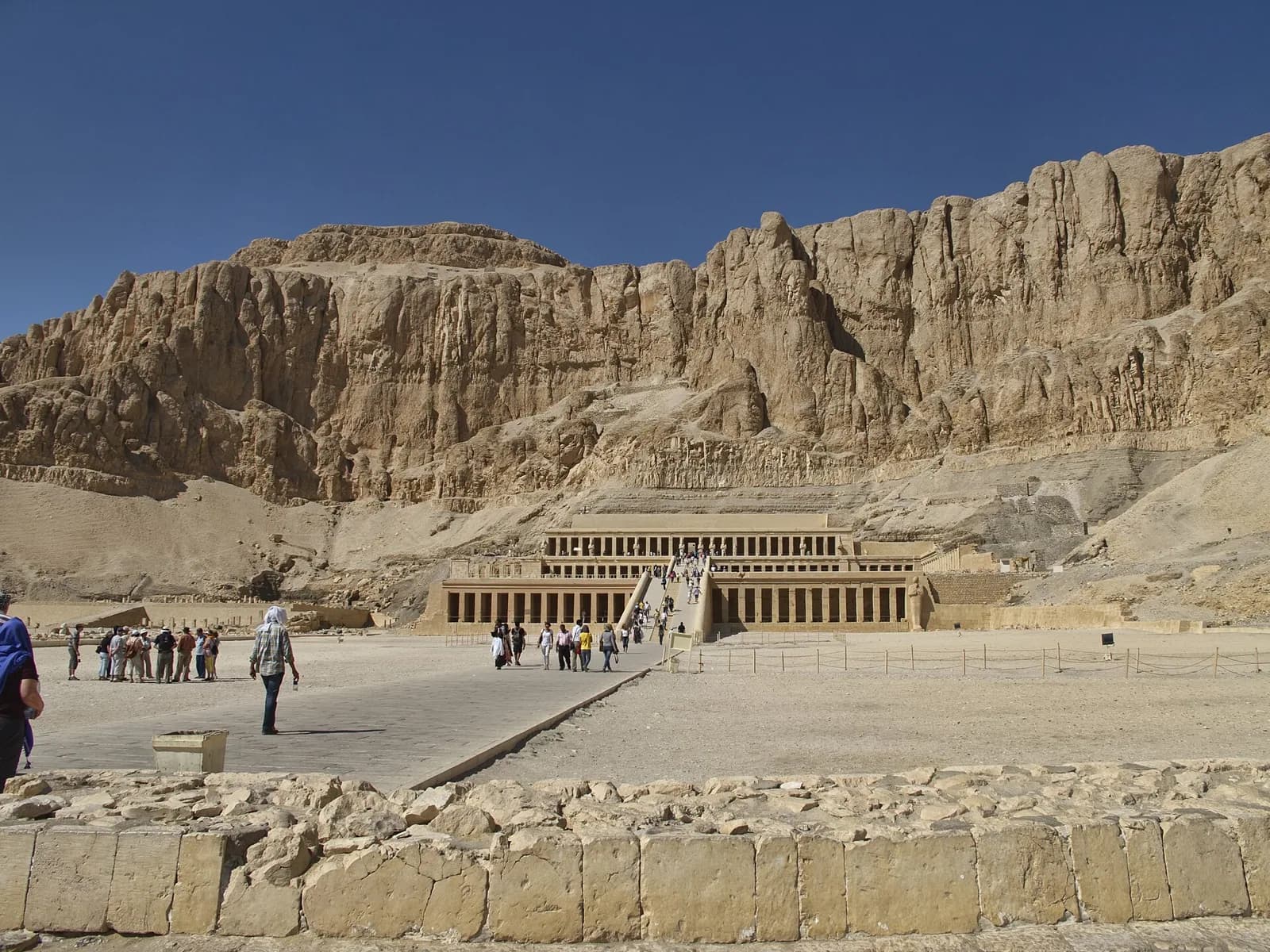
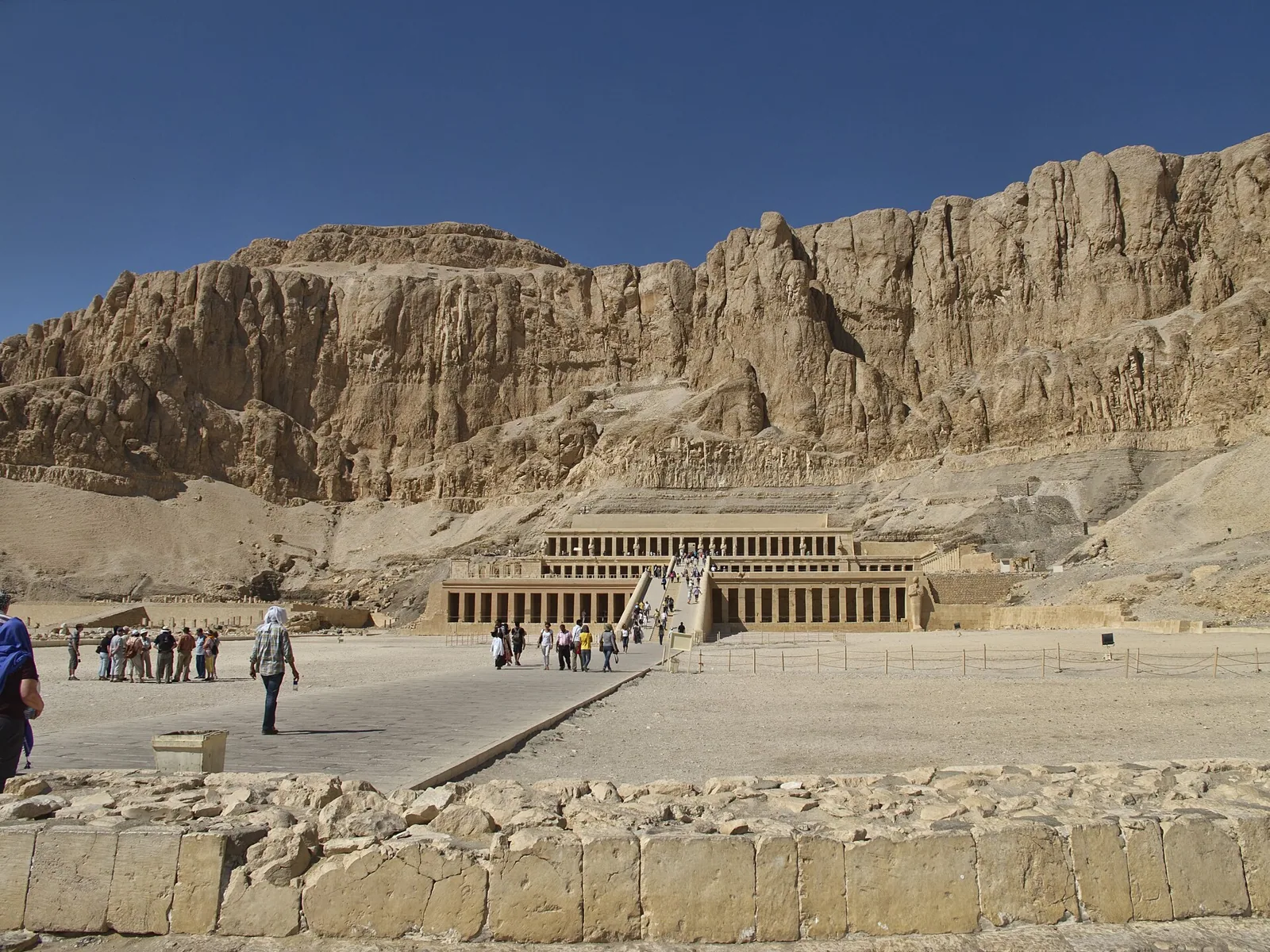
The tombs are on Luxor's west bank, reached in a few minutes by taxi across the bridge, by the local ferry and a short ride, or by bike if you're energetic — and, on a Nile cruise, as an organised morning excursion. Buy your tickets at the visitor centre at the valley entrance (the general ticket and any extra-tomb tickets), then take the little electric train or walk the last stretch to the tombs. Go as early as you can: the west bank is fiercely hot by late morning and the tombs fill with tour groups, so the first hour after opening is by far the best. Combine the visit with the neighbouring sites — Hatshepsut's temple, the Colossi of Memnon and, across the ridge, the Valley of the Queens — for a full west-bank morning. Allow around two hours for three tombs, more if you add the extra-ticket ones. Wear sturdy shoes for the ramps and steps, carry water, and confirm current prices, which tombs are open and the photography rules on the day, as all of these change.
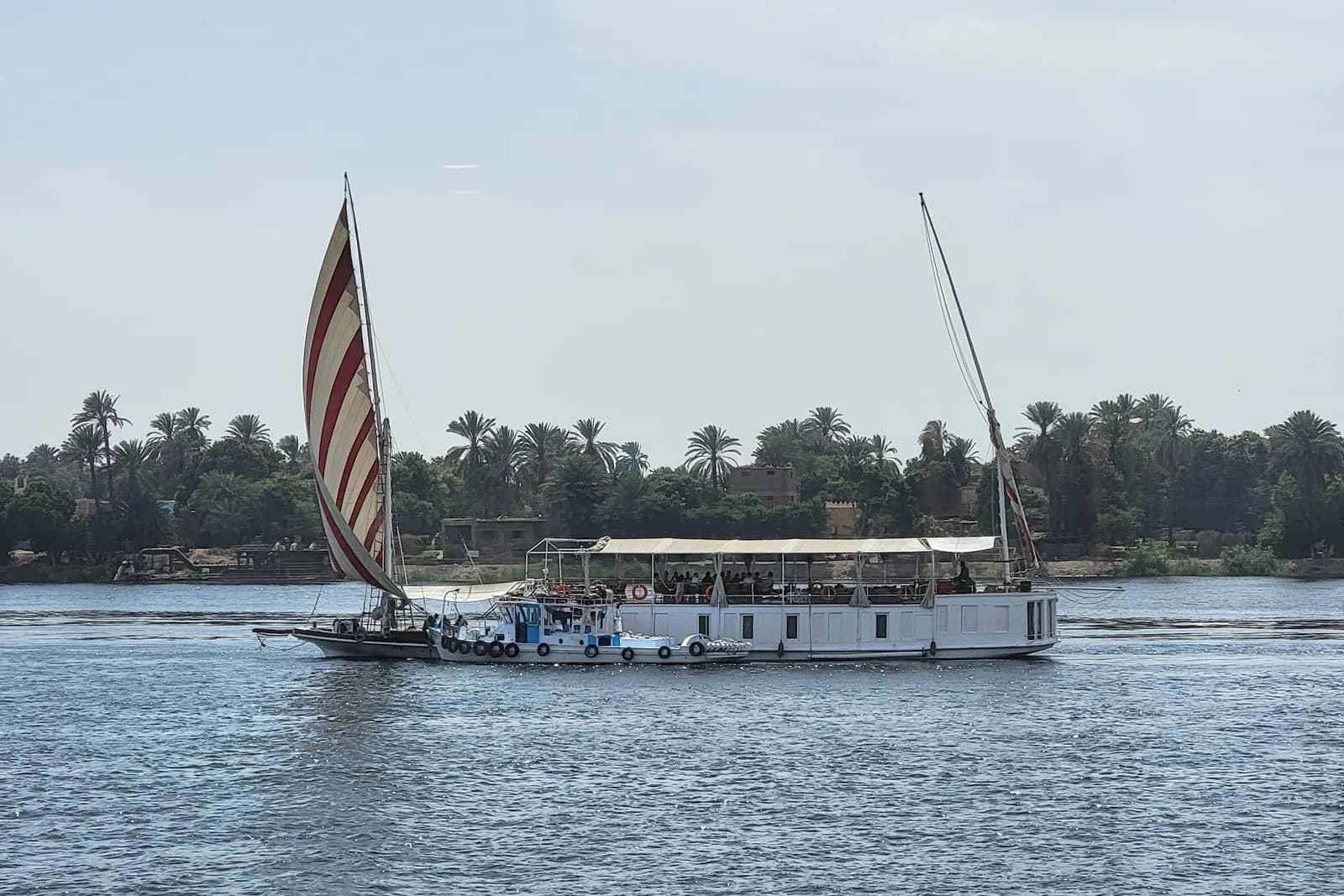
See it on a Nile cruise. The Valley of the Kings is a highlight of every Luxor–Aswan Nile cruise — you visit the tombs on the west-bank shore excursion from Luxor. Compare Nile cruise ships and dahabiyas, or read the Nile cruise guide.
Plan the wider visit in the Valley of the Kings guide, see the west bank in things to do in Luxor, and read the Luxor travel guide.
A real team available 24/7 to assist you — free
Seif and the team reply on WhatsApp 24/7 — trip questions, custom plans and booking help.
Ask Seif on WhatsAppCommon questions
How many tombs are included in a Valley of the Kings ticket?
Three tombs of your choice from the ones open that day. The valley has over sixty tombs but only a handful are open at once, and the authorities rotate which ones to protect them, so you pick your three at the site from what's open.
Which tombs are NOT included in the standard ticket?
Four famous tombs need a separate extra ticket: Tutankhamun (KV62), Seti I (KV17) and Ramesses VI (KV9) in the Valley of the Kings, plus Nefertari (QV66), which is in the neighbouring Valley of the Queens on its own ticket.
Which extra Valley of the Kings tomb is most worth it?
Seti I (KV17) is the grandest if budget allows; Nefertari (QV66) is the most beautiful painted tomb; Ramesses VI (KV9) is the best value of the extras. Tutankhamun (KV62) is the one to weigh up — small and plain, with the treasures in Cairo.
Can you choose which tombs to visit?
Yes. Your standard ticket lets you enter any three of the tombs open that day, and you choose them at the tombs themselves. Which are open rotates, so the exact set varies by visit.
How much do the extra tomb tickets cost?
They're set by the Ministry of Tourism & Antiquities and change periodically. As a guide to the relative cost, Seti I and Nefertari are the priciest single-tomb tickets, Ramesses VI sits in the middle, and Tutankhamun is cheaper — but confirm the current prices when you buy.
Is Tutankhamun's tomb worth the extra ticket?
For the history and to see Tutankhamun's mummy, many say yes — but manage expectations: it's the smallest and plainest of the famous tombs, and the celebrated treasures are in Cairo, not the tomb. See our KV62 guide.
Can you take photos in the Valley of the Kings?
Phone photography is generally permitted now, though camera rules and restrictions on individual tombs have changed over time. Confirm the current photography rules at the visitor centre on the day.
How long do you need at the Valley of the Kings?
Around two hours for three tombs at an unhurried pace; add more time for each extra-ticket tomb. Go early after opening to beat the heat and the tour groups — the first hour is by far the best.
How do you get to the Valley of the Kings from Luxor?
It's a short trip to Luxor's west bank by taxi over the bridge, by the local ferry plus a ride, or as an organised excursion — including the west-bank morning on a Nile cruise. Buy tickets at the visitor centre and take the electric train to the tombs.
Book it on This is Egypt
Turn this guide into a trip

Egypt's bestsellers
The experiences travelers book most, across the country





Keep reading
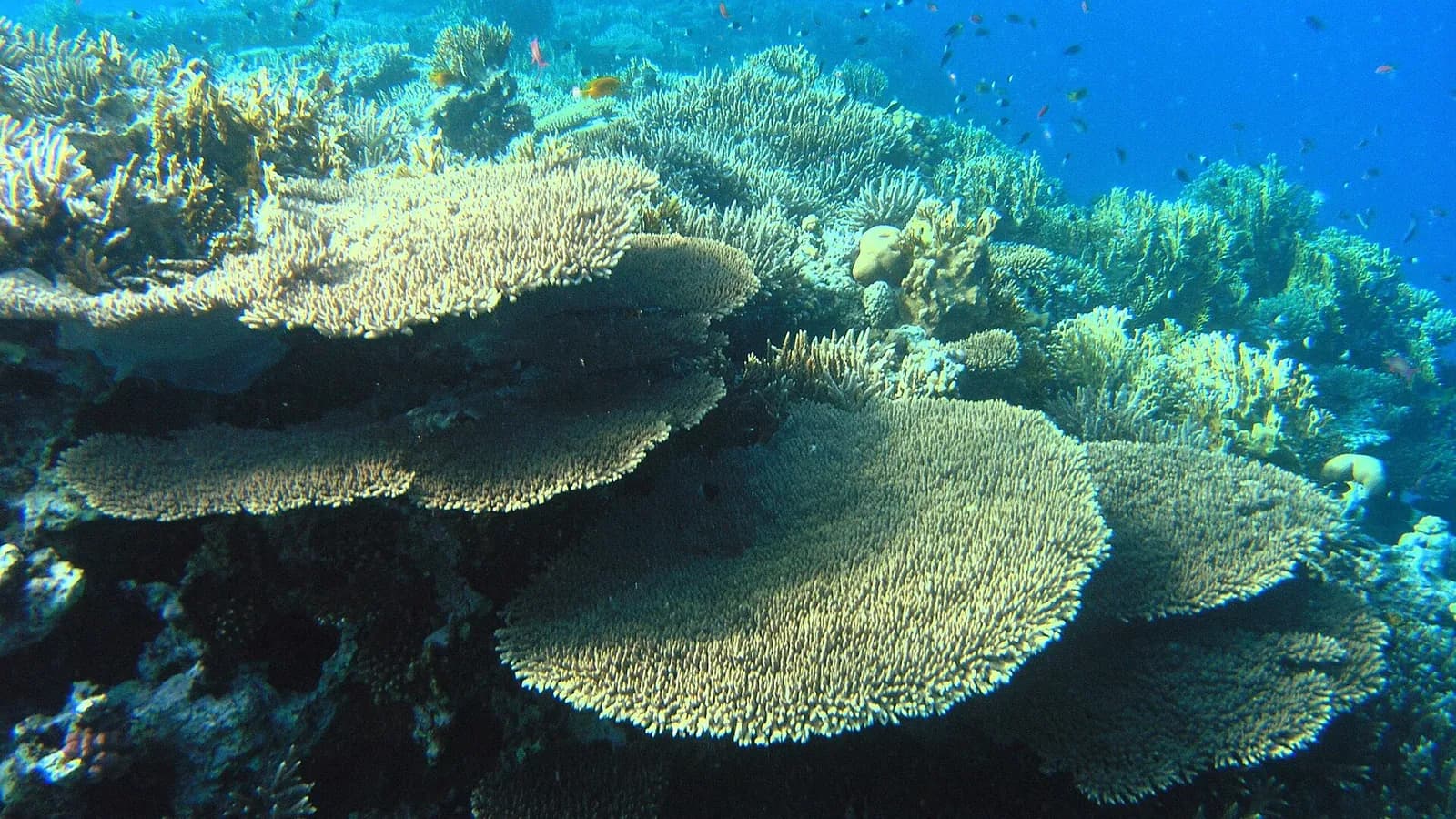
Hurghada Diving (2026): Best Sites, Packages & Prices
Diving in Hurghada — the best reefs (Giftun, Careless Reef, Dolphin House) and Abu Nuhas wrecks, Discover Scuba vs PADI courses, season and water temps, and real 2026 prices.
By TiE Editors7 min read
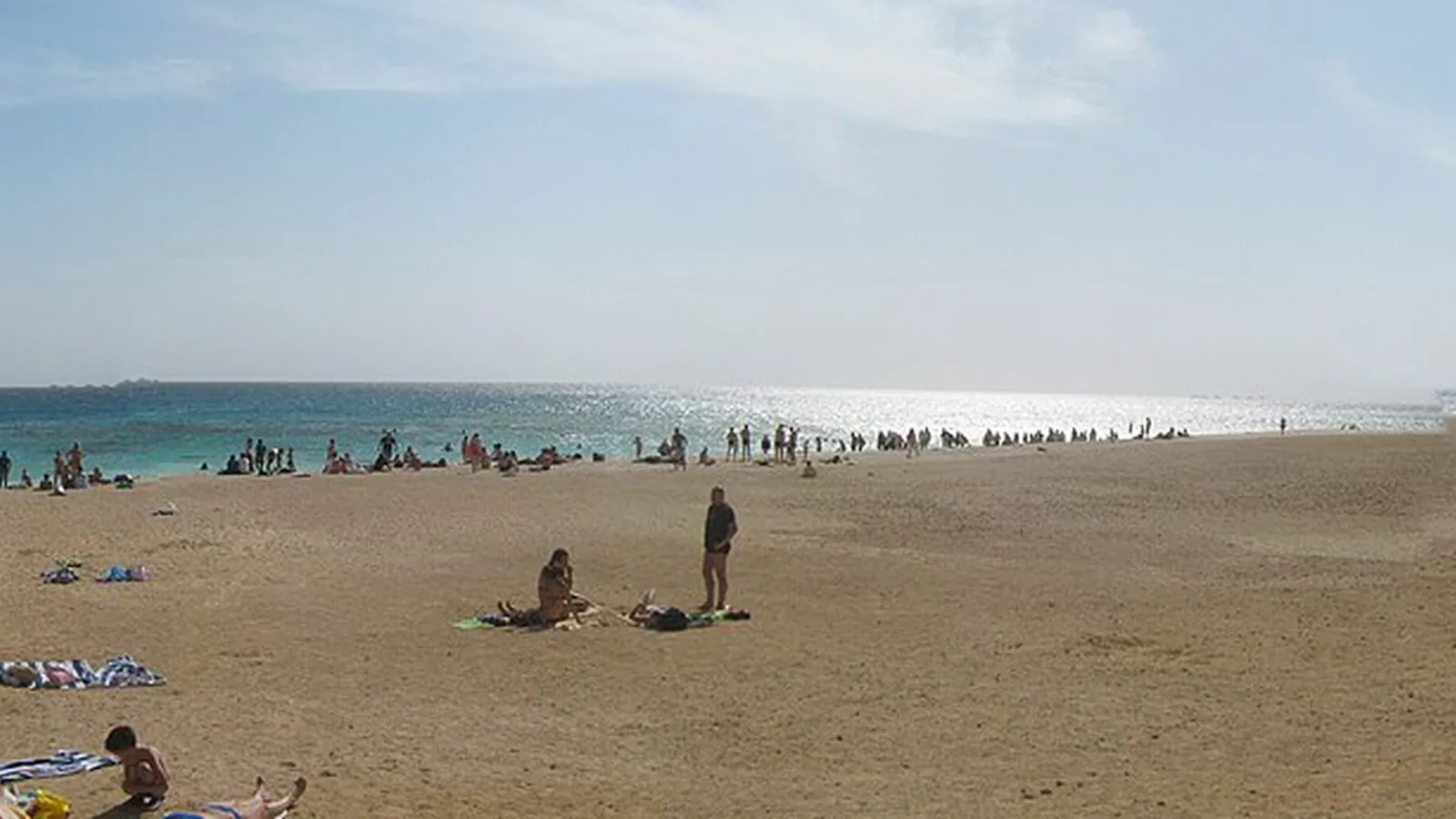
Hurghada Snorkeling Trips (2026): Best Reefs, Prices & How to Choose
Where to snorkel from Hurghada in 2026 — Orange Bay, Giftun, Mahmya, Utopia and Dolphin House — with boat types, marine life, month-by-month sea temperatures, family tips and real prices from 1,000+ bookable trips.
By TiE Editors7 min read
Egypt Tour Prices by Activity (2026): What Each Type Really Costs
What every type of Egypt experience actually costs — from a 1,700 EGP camel ride to a 48,500 EGP Nile cruise — based on 29,710 real bookable tours across seven platforms.
By TiE Editors6 min read