Tutankhamun's Tomb (KV62): Is It Worth Visiting? (2026)
KV62 is the most famous tomb in the world — but small, plain, and its treasures are in Cairo. What you actually see (including Tutankhamun's mummy), and whether the extra ticket is worth it.
Book it on This is Egypt
Turn this guide into a trip

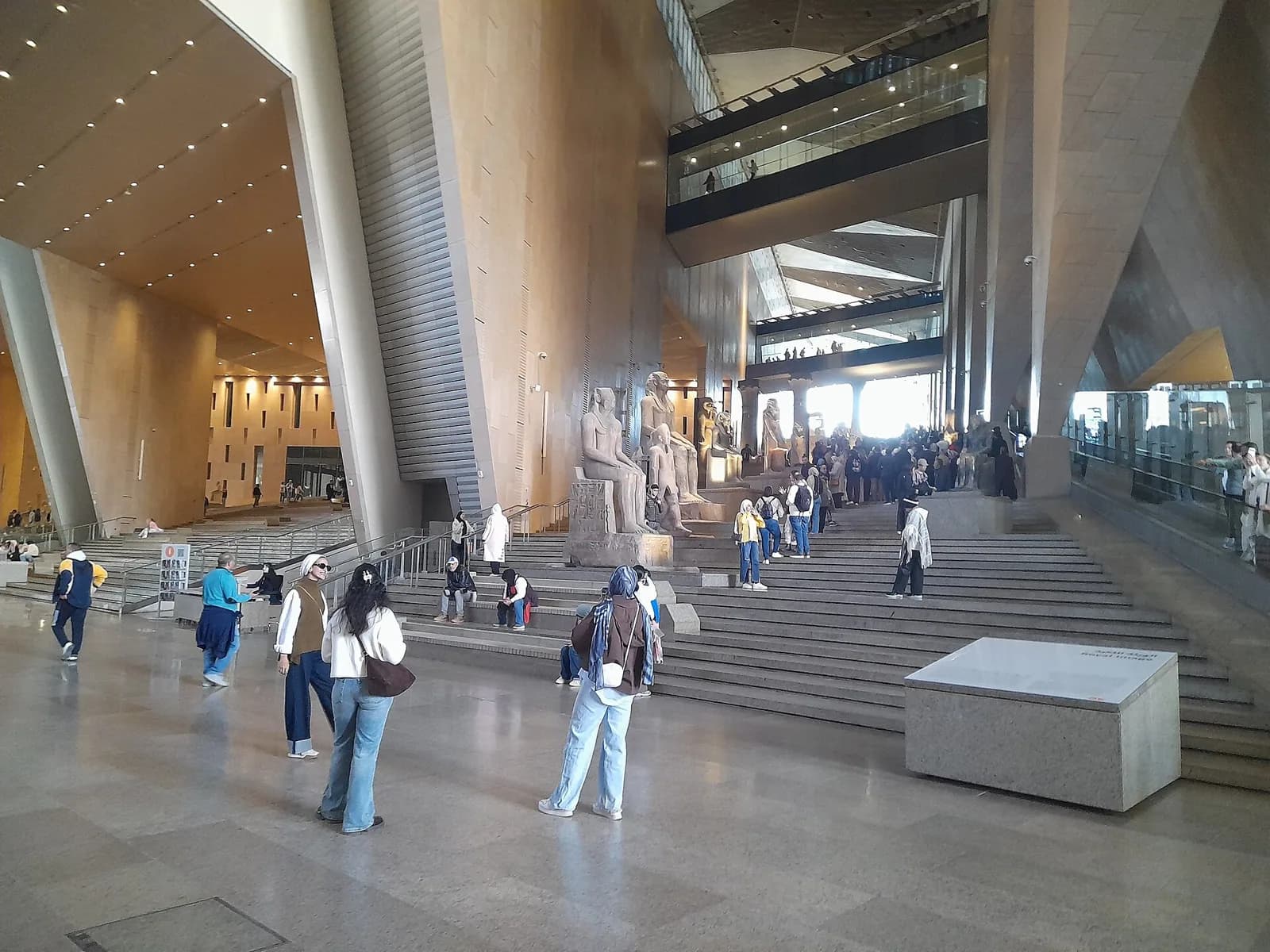
Quick answer: KV62, the tomb of Tutankhamun, is the most famous archaeological find in the world — uncovered nearly intact by Howard Carter in 1922. In person it surprises people: it is small and plainly decorated (the boy king died young and was buried in a hastily adapted tomb), and its treasures are in Cairo — the Grand Egyptian Museum — not here. What the tomb does hold is Tutankhamun's own mummy, on display, making him one of the very few pharaohs still resting in his own tomb. It needs a separate extra ticket on top of Valley of the Kings admission. Worth it for the history and the mummy; temper your expectations of the tomb itself. (Prices are set by the Ministry and change — confirm.)
No name in Egyptology is bigger, and no tomb catches visitors more off guard. Here is what Tutankhamun's tomb actually is, what you see today, and whether the extra ticket is worth it.
What KV62 actually is
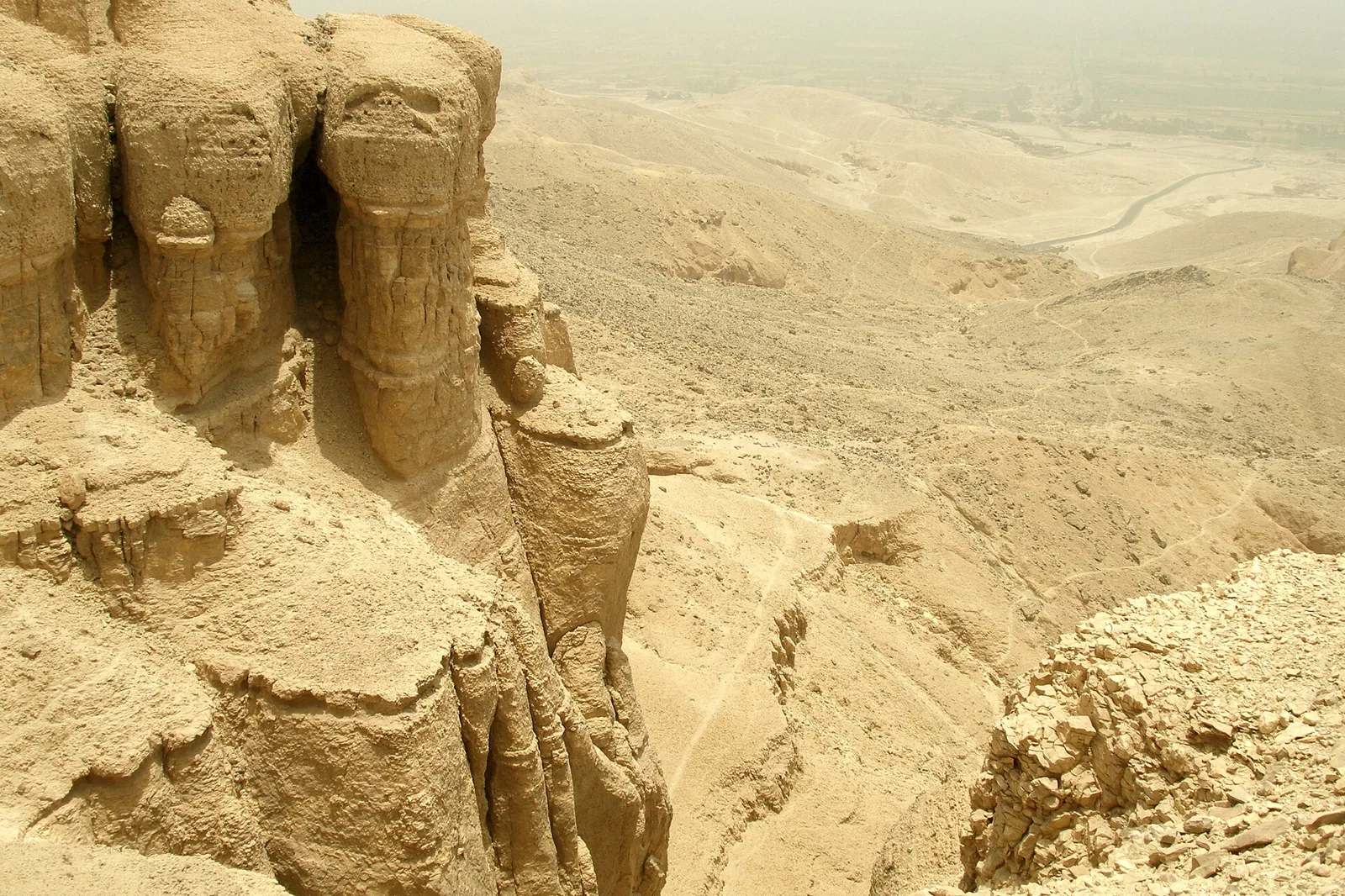
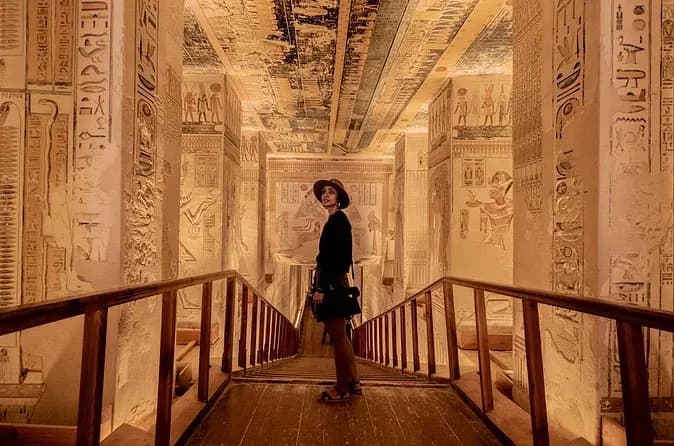
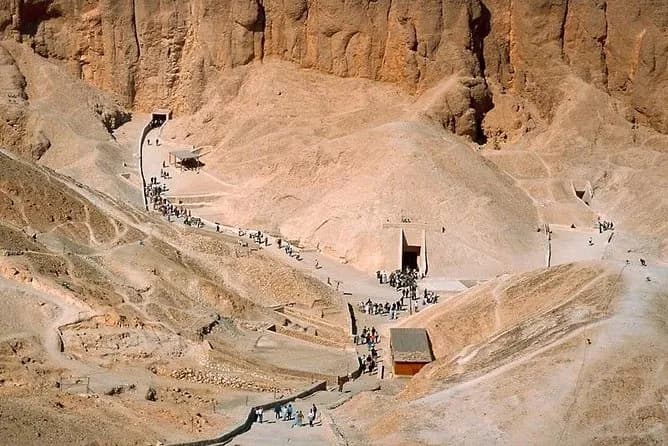
Howard Carter found the tomb in November 1922 after years of searching, and it stunned the world because it was nearly intact — some five thousand objects packed into four small chambers. That smallness is the point: Tutankhamun died unexpectedly at around nineteen, and what was probably a non-royal tomb was hastily adapted for a king's burial. So KV62 lacks the vast corridors and wall-to-wall decoration of the great royal tombs nearby; only the burial chamber is painted, its scenes set against a golden background.
What you see today
Inside, you see the burial chamber with its painted walls, the quartzite sarcophagus and the outermost gilded coffin — and, in a climate-controlled case, Tutankhamun's mummy itself. This is genuinely rare: most royal mummies were long ago moved to Cairo, so seeing a pharaoh still lying in his own tomb is part of what makes the visit special. What you will not see here are the famous objects — the golden mask, the thrones, the chariots. Those are in Cairo, now centrepieces of the Grand Egyptian Museum.
Is it worth the extra ticket?
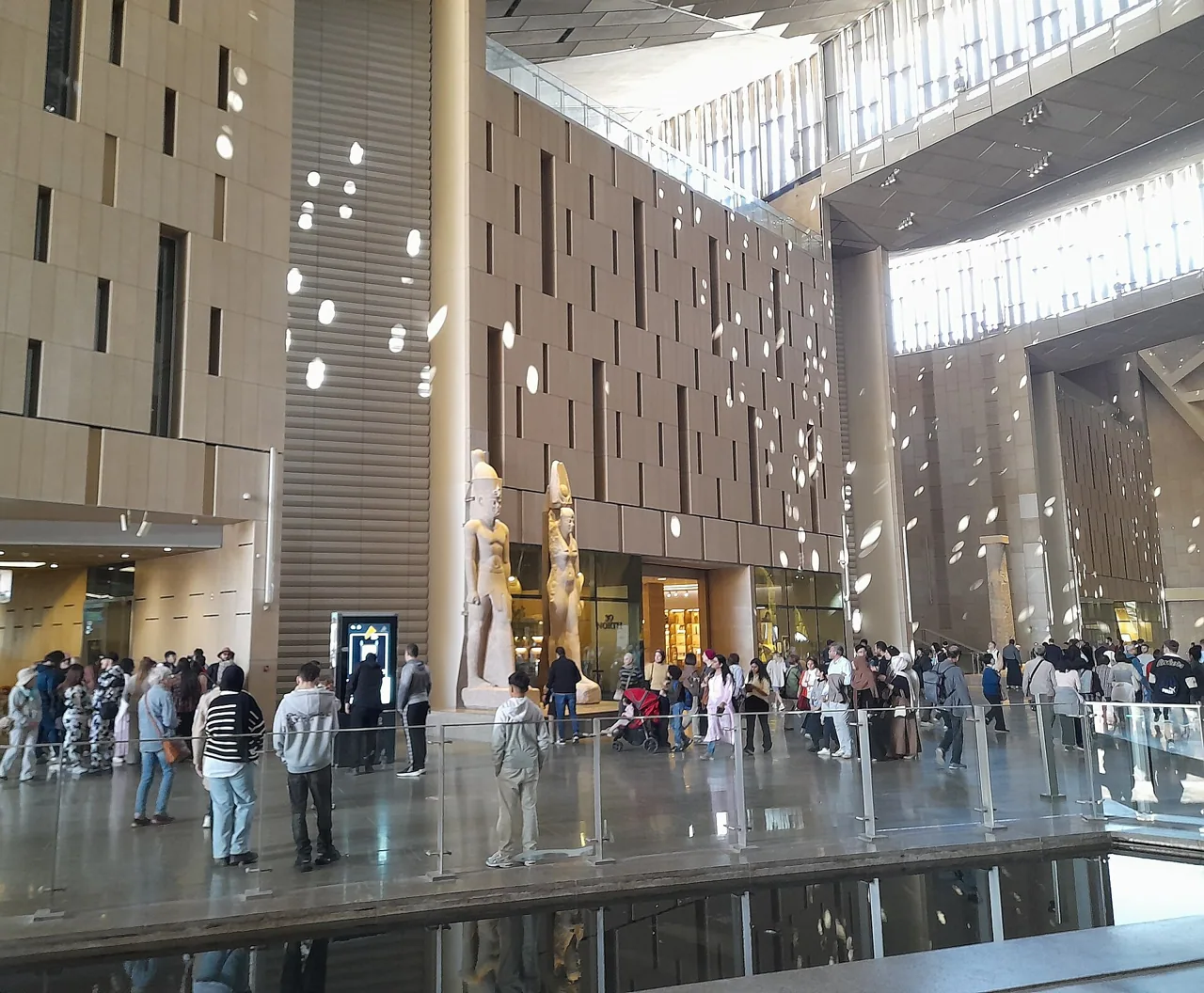
It depends on what you want. If you love the story — Carter, the near-intact discovery, the boy king — and you want to stand where it all happened and see the mummy, then yes. If you are picturing chambers dripping with gold, you'll be disappointed: KV62 is the smallest and plainest of the famous tombs, and the treasure is elsewhere. The best approach is to pair the tomb (the place and the mummy) with a museum visit in Cairo (the treasures) — the two halves of the same story. See the treasures side in our Tutankhamun galleries at the GEM guide.
Practical tips
Buy the extra ticket at the visitor centre with your Valley of the Kings admission. The tomb is small, so it crowds quickly and visits are brief — go early. Confirm the current price and photography rules on the day, as both change. And read which Valley of the Kings tombs are included so you know what else your main ticket covers.
The bigger picture
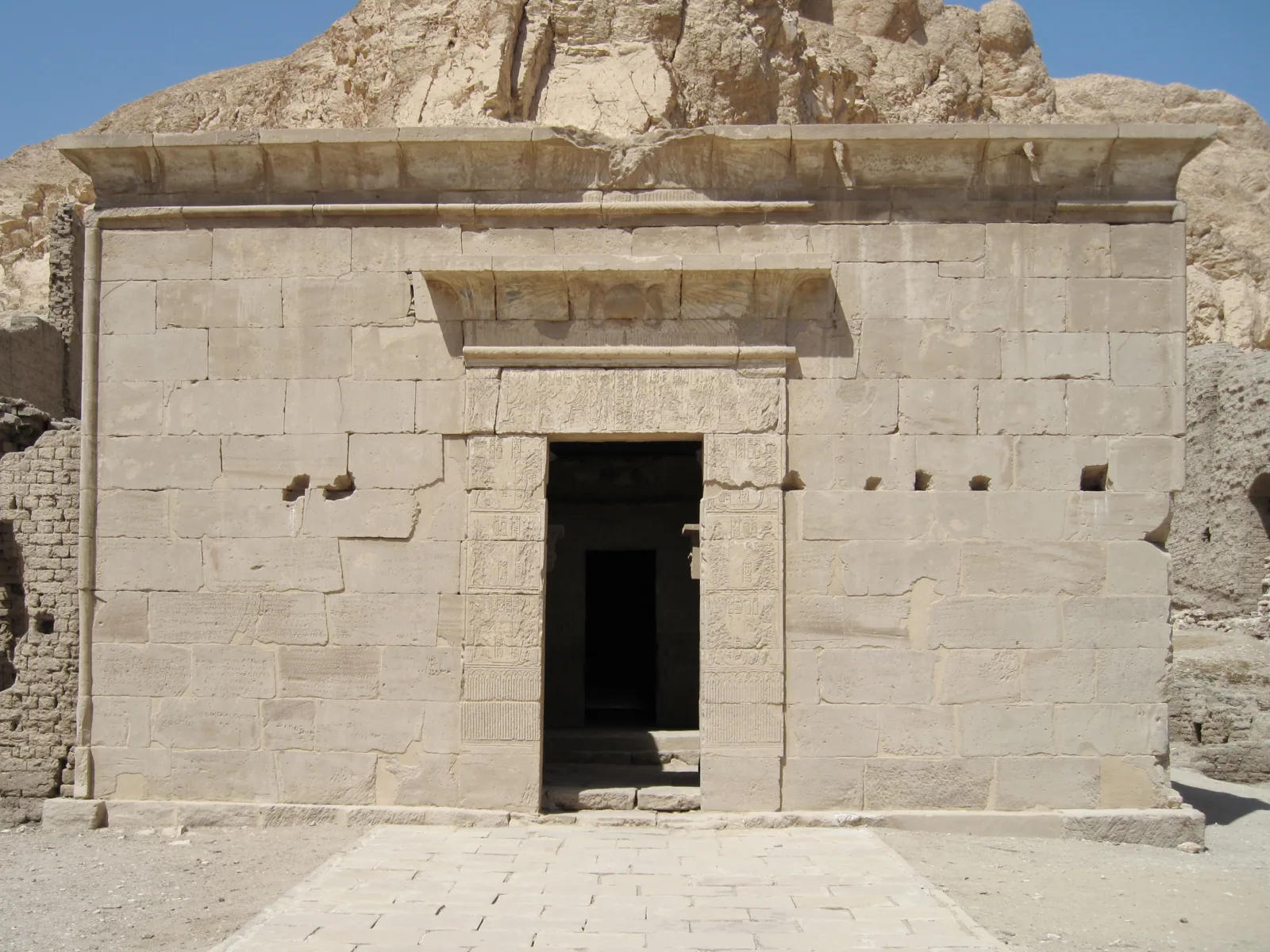
Part of why the tomb survived intact is luck: it was buried under debris and the workmen's huts built for the later tomb of Ramesses VI, hiding it from the robbers who emptied almost every other royal tomb. The "curse of the pharaohs" that followed the discovery was a press sensation, not history. What endures is the scale of the find — the single richest, most complete royal burial ever recovered.
Why KV62 still matters
For all its modest size, KV62 rewrote what the world knew about ancient Egypt. Almost every other royal tomb was stripped by robbers in antiquity, leaving Egyptologists to reconstruct royal burials from fragments. Tutankhamun's tomb arrived whole: the furniture, the weapons, the jewellery, the ritual objects, the nested shrines and coffins, all in place. It gave the first complete picture of how a pharaoh was actually equipped for the afterlife, and it turned an obscure, short-reigned boy king into the most recognised name from the ancient world. That is the paradox worth carrying into the tomb: the plainest famous tomb in the valley produced the richest discovery in the history of archaeology. Seeing the man himself, still lying where he was buried more than three thousand years ago, is the quiet payoff.
Tutankhamun beyond the tomb
To really understand KV62, pair it with Cairo. The tomb gives you the place and the mummy; the Grand Egyptian Museum gives you the treasure — and for the first time the entire collection of some five thousand objects is displayed together, from the golden funerary mask to the chariots, thrones, jewellery and the nested shrines that filled these four small rooms. Seeing the cramped tomb and then the sheer volume of what came out of it is genuinely startling; it's the best way to grasp why the 1922 discovery stunned the world. Read the Grand Egyptian Museum guide and the Tutankhamun galleries at the GEM to plan that half of the story.
Getting there and visiting
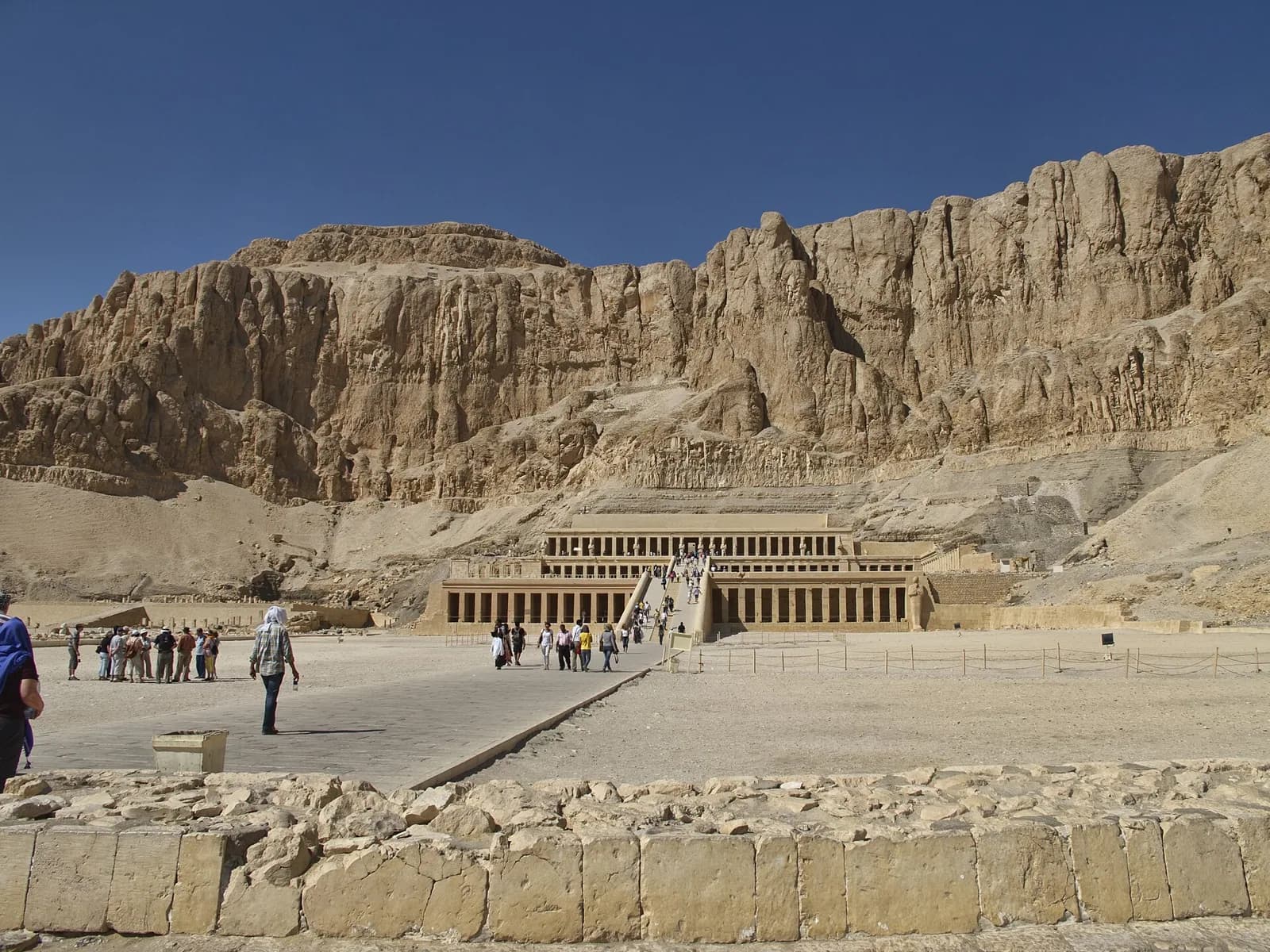
The tombs are on Luxor's west bank, reached in a few minutes by taxi across the bridge, by the local ferry and a short ride, or by bike if you're energetic — and, on a Nile cruise, as an organised morning excursion. Buy your tickets at the visitor centre at the valley entrance (the general ticket and any extra-tomb tickets), then take the little electric train or walk the last stretch to the tombs. Go as early as you can: the west bank is fiercely hot by late morning and the tombs fill with tour groups, so the first hour after opening is by far the best. Combine the visit with the neighbouring sites — Hatshepsut's temple, the Colossi of Memnon and, across the ridge, the Valley of the Queens — for a full west-bank morning. Allow around two hours for three tombs, more if you add the extra-ticket ones. Wear sturdy shoes for the ramps and steps, carry water, and confirm current prices, which tombs are open and the photography rules on the day, as all of these change.
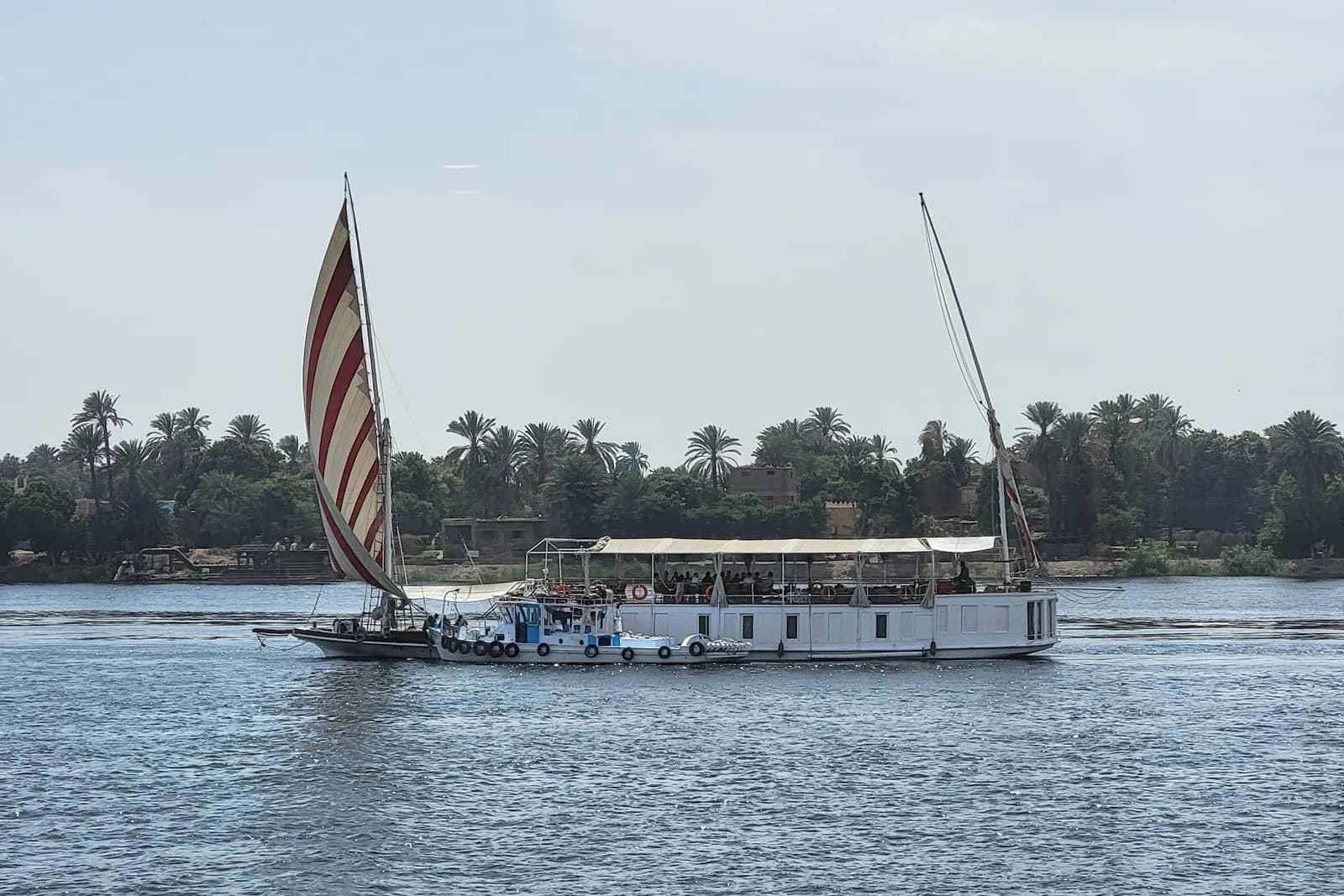
See it on a Nile cruise. The Valley of the Kings is a highlight of every Luxor–Aswan Nile cruise — you visit the tombs on the west-bank shore excursion from Luxor. Compare Nile cruise ships and dahabiyas, or read the Nile cruise guide.
Read which tombs your ticket includes, the full Valley of the Kings guide, and compare it with Nefertari's tomb (QV66).
A real team available 24/7 to assist you — free
Seif and the team reply on WhatsApp 24/7 — trip questions, custom plans and booking help.
Ask Seif on WhatsAppCommon questions
Is Tutankhamun's tomb worth visiting?
For the history and to see Tutankhamun's mummy in place, many visitors say yes. But temper expectations: KV62 is the smallest and plainest of the famous tombs, and the celebrated treasures are in Cairo, not the tomb.
Are Tutankhamun's treasures in the tomb?
No. The golden mask, thrones, chariots and the rest are in Cairo — now centrepieces of the Grand Egyptian Museum. The tomb itself holds the painted burial chamber, the quartzite sarcophagus, the outermost gilded coffin and Tutankhamun's mummy.
Is Tutankhamun's mummy in the tomb?
Yes — it's on display in a climate-controlled case inside the tomb, making Tutankhamun one of the very few pharaohs still resting in his own tomb rather than a museum.
Does Tutankhamun's tomb need a separate ticket?
Yes. KV62 requires an extra ticket on top of the general Valley of the Kings admission, bought at the visitor centre. Prices are set by the Ministry and change — confirm the current one.
Why is Tutankhamun's tomb so small?
He died unexpectedly at around nineteen, and what was probably a smaller, non-royal tomb was hastily adapted for a royal burial — so KV62 lacks the long corridors and full decoration of the great royal tombs nearby.
Who discovered Tutankhamun's tomb and when?
Howard Carter, in November 1922, after years of searching — and it was found nearly intact, the richest and most complete royal burial ever recovered.
Where can I see Tutankhamun's treasures?
At the Grand Egyptian Museum near the Giza pyramids, where the full collection — including the golden mask — is displayed together. See our Tutankhamun galleries at the GEM guide.
Should I see the tomb or the Grand Egyptian Museum for Tutankhamun?
Both, ideally — they're two halves of one story. The tomb (KV62) in Luxor gives you the place and Tutankhamun's mummy; the Grand Egyptian Museum near Giza displays the entire treasure of some 5,000 objects together, including the golden mask. Seeing the small tomb and then the vast hoard that came out of it is the best way to grasp the 1922 discovery.
How do you visit Tutankhamun's tomb?
It's in the Valley of the Kings on Luxor's west bank; buy the extra ticket at the visitor centre with your general admission. The tomb is small and gets crowded, so go early, and confirm the current price and photo rules on the day.
Book it on This is Egypt
Turn this guide into a trip
Egypt's bestsellers
The experiences travelers book most, across the country




Keep reading
Hurghada Diving (2026): Best Sites, Packages & Prices
Diving in Hurghada — the best reefs (Giftun, Careless Reef, Dolphin House) and Abu Nuhas wrecks, Discover Scuba vs PADI courses, season and water temps, and real 2026 prices.
By TiE Editors7 min read
Hurghada Snorkeling Trips (2026): Best Reefs, Prices & How to Choose
Where to snorkel from Hurghada in 2026 — Orange Bay, Giftun, Mahmya, Utopia and Dolphin House — with boat types, marine life, month-by-month sea temperatures, family tips and real prices from 1,000+ bookable trips.
By TiE Editors7 min read
Egypt Tour Prices by Activity (2026): What Each Type Really Costs
What every type of Egypt experience actually costs — from a 1,700 EGP camel ride to a 48,500 EGP Nile cruise — based on 29,710 real bookable tours across seven platforms.
By TiE Editors6 min read