
Ras Mohammed National Park: Egypt's Premier Marine Reserve
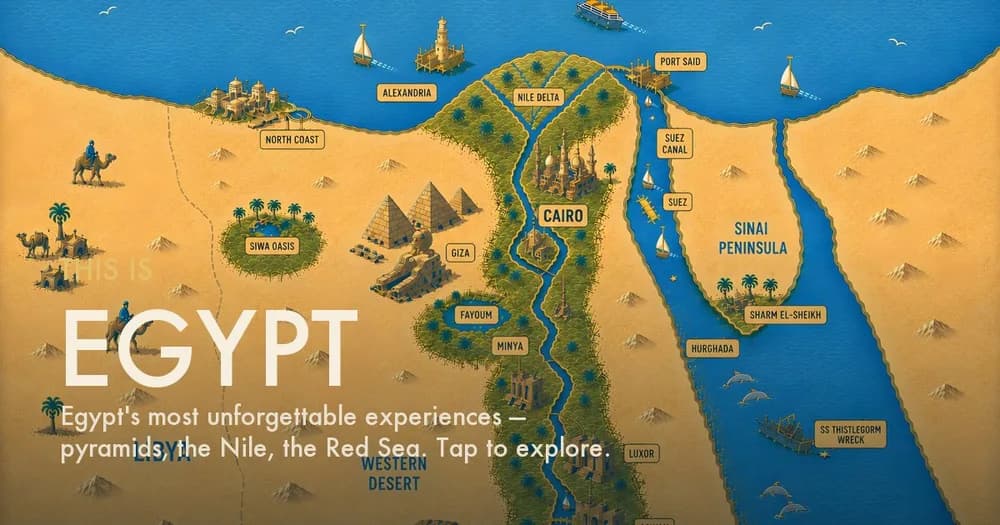
At the very tip of Sinai off Sharm el-Sheikh lies Ras Mohammed, Egypt's first national park and one of the finest dive and snorkel destinations on Earth. Here is how to visit its walls, wrecks and reefs.
Quick answer: Ras Mohammed National Park sits at the southernmost tip of the Sinai Peninsula, where the Gulf of Suez and the Gulf of Aqaba meet the open Red Sea. Just a short boat ride or 4x4 drive from Sharm el-Sheikh, it is the crown jewel of Egyptian marine tourism: sheer coral walls plunging into the blue, pinnacles thick with schooling fish, a famous cargo wreck and shallow, anemone-carpeted plateaus that even snorkelers can enjoy. It is regularly named among the best dive destinations in the world, and for good reason.
This guide covers what the park is, its marquee dive and snorkel sites, how to get there, the entry fee and passport rule, the marine life you can expect, the best time to go and the conservation code that keeps this reef alive.
What is Ras Mohammed National Park?
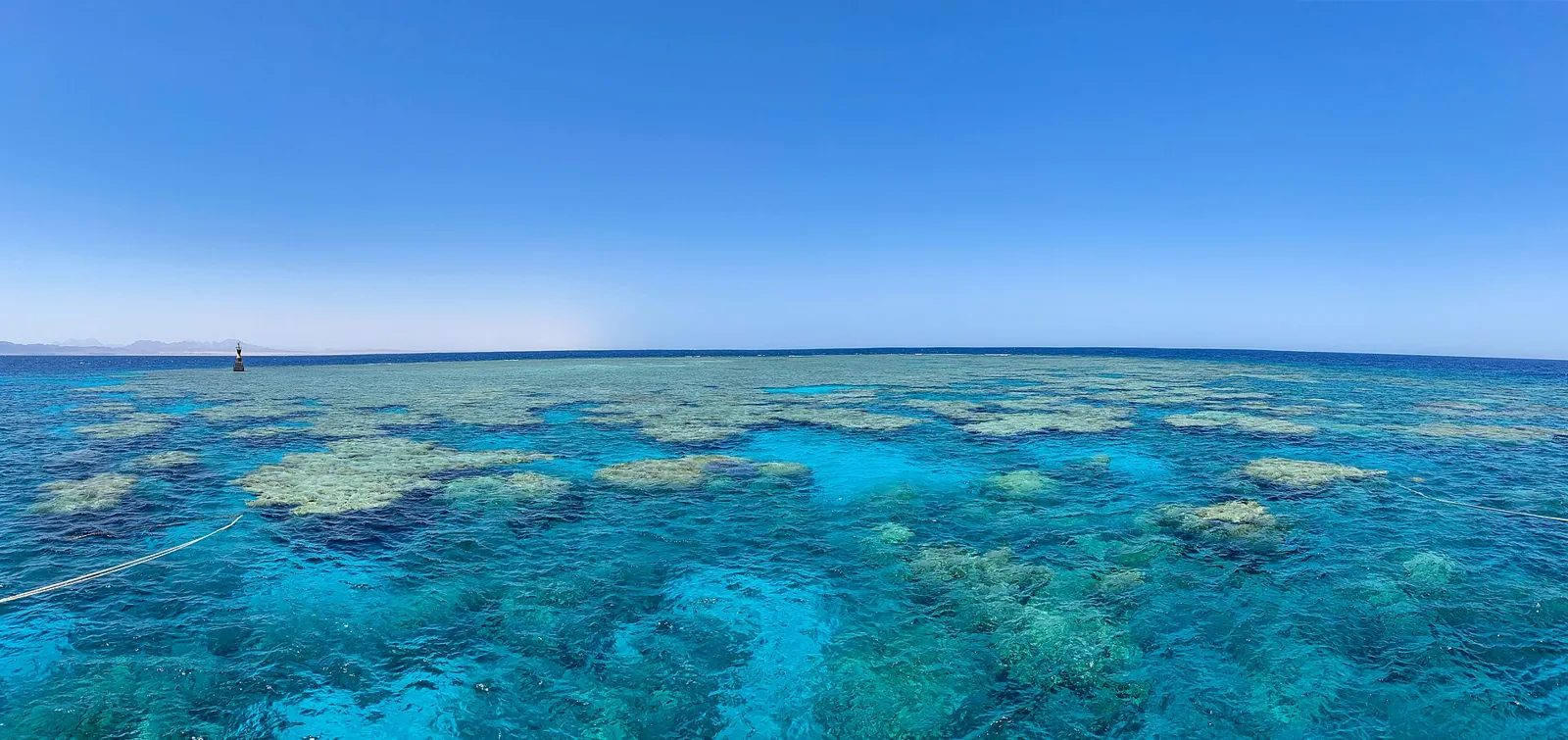 Declared in 1983, Ras Mohammed was Egypt's first national park, created to protect the extraordinary reefs and desert coastline at the southern tip of Sinai. The protected area covers roughly 480 square kilometres of land and sea, encompassing coral reefs, mangrove stands, salt marshes, mud flats and a dramatic desert headland shaped by ancient uplifted coral terraces.
The waters here are astonishingly rich. The park protects more than 220 species of hard and soft coral and over 1,000 species of fish, from tiny reef gobies to grey reef sharks and passing pelagics. Its position at the confluence of two gulfs funnels nutrient-rich currents past the reefs, feeding the corals and drawing the big schools of predatory fish that make the diving here so spectacular. The name means "Cape of Mohammed" in Arabic, said to reference the headland's profile.
Shark Reef and Yolanda Reef: the marquee dive
The combined dive at Shark Reef and Yolanda Reef is the site most divers travel to Sharm for, and it is routinely ranked among the top ten dives on the planet. Two coral pinnacles rise from immense depths almost to the surface, their outer walls dropping vertically into charted depths approaching 800 metres. The sheer scale of the drop-off, the visibility and the density of life combine into an unforgettable dive.
The site is dived as a drift, riding the current from Shark Reef across to Yolanda. Along the walls hang huge aggregations of snapper, batfish, barracuda, unicornfish and jacks, which mass in enormous numbers during the July and August peak. Grey reef sharks patrol the deeper water and, in season, hammerheads are sometimes seen out in the blue. Because of the depth, the current and the exposure, Shark and Yolanda is best suited to Advanced Open Water divers with good buoyancy and drift experience.
The Yolanda wreck
Yolanda Reef takes its name from a cargo ship, the Yolanda, which struck the reef in 1980 while carrying an unusual load of bathroom fixtures — toilets, bathtubs, washbasins and pipework — plus the captain's BMW car. The ship lay wedged on the reef for years before a storm in 1987 sent the main hull sliding down into the abyss, far beyond recreational depths.
What remains, and what divers actually see, is the cargo: a surreal scattering of toilets, baths and sinks strewn across a gently sloping shelf at snorkel-to-recreational depth. It is one of the most photographed and most peculiar wreck-cargo scenes in diving, and it caps off the Shark and Yolanda drift perfectly. For more on Egypt's legendary wrecks and reefs, see our Red Sea diving guide.
Anemone City, Shark Observatory and Jackfish Alley
 Ras Mohammed is far more than a single dive. Its other sites suit a range of levels and interests.
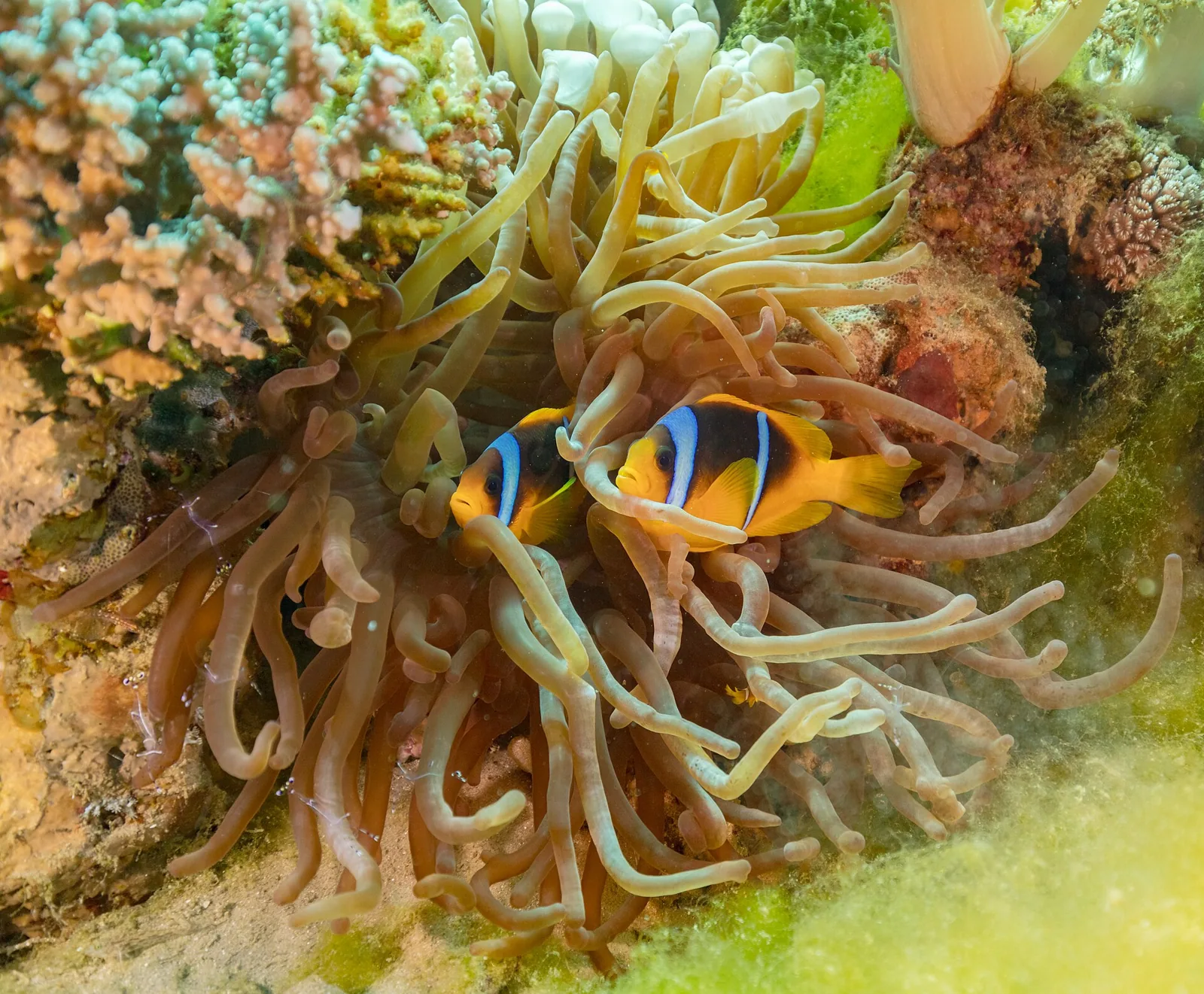
Anemone City is a shallow plateau at roughly 6 to 14 metres, carpeted with hundreds of giant sea anemones, each hosting pairs of clownfish. It is calmer and more sheltered than the exposed outer walls, which makes it a favourite for underwater photographers and for newer divers building confidence.
Shark Observatory is the towering cliff on the headland itself, where the desert plateau drops straight into deep water. From land it is the classic Ras Mohammed viewpoint; underwater it is a dramatic wall dive along a vertical face draped in soft coral and gorgonians.
Jackfish Alley (also called Fisherman's Bank) is a channel running between reef walls at around 8 to 25 metres, usually dived towards Shark Observatory and often beginning with a small swim-through cave in the wall. It is named for the shoals of yellowfin trevally and bigeye jacks that sweep through, especially in the early morning, alongside reef sharks, rays and glassfish in the caves.
The mangrove channel and shallow snorkelling
Not every highlight requires a tank. On the landward side of the peninsula, a shallow mangrove channel threads through stands of salt-tolerant mangrove trees — a rare and important ecosystem that acts as a nursery for juvenile fish. It can be explored on foot along the shore or gently by boat, and it is a striking contrast to the open-sea walls.
Snorkelers are well served, too. Shallow bays such as Shark Bay and the Anemone City plateau offer clear, calm water over living coral, and boat trips frequently pause at White Island, a bright sandbank that emerges at low tide surrounded by extraordinarily clear shallows. Many day boats welcome non-diving companions who want to snorkel the reef stops while others dive.
How to visit: by dive boat or 4x4 jeep
There are two main ways to reach the park from Sharm el-Sheikh, about a 30 to 60 minute journey depending on the route.
- By dive or snorkel boat. Most visitors arrive by sea. Boats depart Sharm's marinas in the morning, moor at the offshore sites, and typically fit in two dives (or several snorkel stops) with lunch on board before returning mid-afternoon. This is the only practical way to dive Shark and Yolanda.
- By 4x4 jeep or land tour. The park is also reachable overland, driving in through the desert gate to reach the headland viewpoints, the Shark Observatory cliff, the mangrove channel and shore-entry snorkel bays. Land tours suit travellers who want the desert scenery and easy snorkelling without a boat.
A typical dive day runs from an early-morning marina departure to a mid-afternoon return, with two guided dives and lunch served on board between them. Snorkel-only day trips follow a similar rhythm but pack in more surface stops. Bring your certification card and logbook, sun protection, and cash for the gate fee and crew tips if these are not prepaid.
Whichever you choose, the practicalities of diving from town — operators, courses and dive-day logistics — are covered in our Sharm el-Sheikh diving guide, and general trip planning in the Sharm el-Sheikh travel guide.
Entry fee and the passport rule
Ras Mohammed is a protected reserve with a gate and an entrance fee, and there are two things worth knowing before you go.
First, bring your passport. The park lies within a controlled zone near the border, and access is checked at the gate. Foreign visitors are required to carry their passport (a good-quality copy is sometimes accepted, but the original is safest), and holders of the Sharm-only entry stamp rather than a full Egyptian visa may be restricted from entering — confirm your visa status before booking.
Second, there is a per-person conservation and entrance fee, payable in cash at the gate. Fees for South Sinai's protected areas were revised upward in recent seasons, and the exact figure varies, so treat the numbers below as a guide and confirm the current rate with your operator when you book. Many dive and snorkel packages bundle the fee into the trip price; some do not, so ask.
| Item | Typical guide (2026) | Notes |
|---|---|---|
| Foreign visitor entry | ~USD 10-15 per person, per day | Cash at the gate; rates revised recently, confirm on booking |
| Egyptian nationals | Lower national rate (EGP) | Bring ID |
| Marine conservation fee | ~EUR 5-10 per diver, per day | Often bundled into the dive-day price |
| Payment | Cash only | Cards not accepted at the gate |
| Document required | Passport (full Egyptian visa) | Sharm-only visa may not permit entry |
Currents, depth and who it suits
Ras Mohammed spans the full range of difficulty. The signature sites — Shark and Yolanda, Shark Observatory, Jackfish Alley — are deep, current-swept drift dives on exposed walls and are best enjoyed by Advanced Open Water divers who are comfortable in moving water and negative or drift entries. Currents can be strong and occasionally unpredictable where the two gulfs meet, which is exactly what brings the fish in.
Newer and less experienced divers are not shut out. Sheltered sites like Anemone City and shallow bays offer gentle conditions, and snorkelers can enjoy the calm plateaus and White Island. If you are still learning, dive the easier sites first and build up. Always dive within your certification and follow your guide's briefing on the day.
Marine life and when to see sharks and turtles
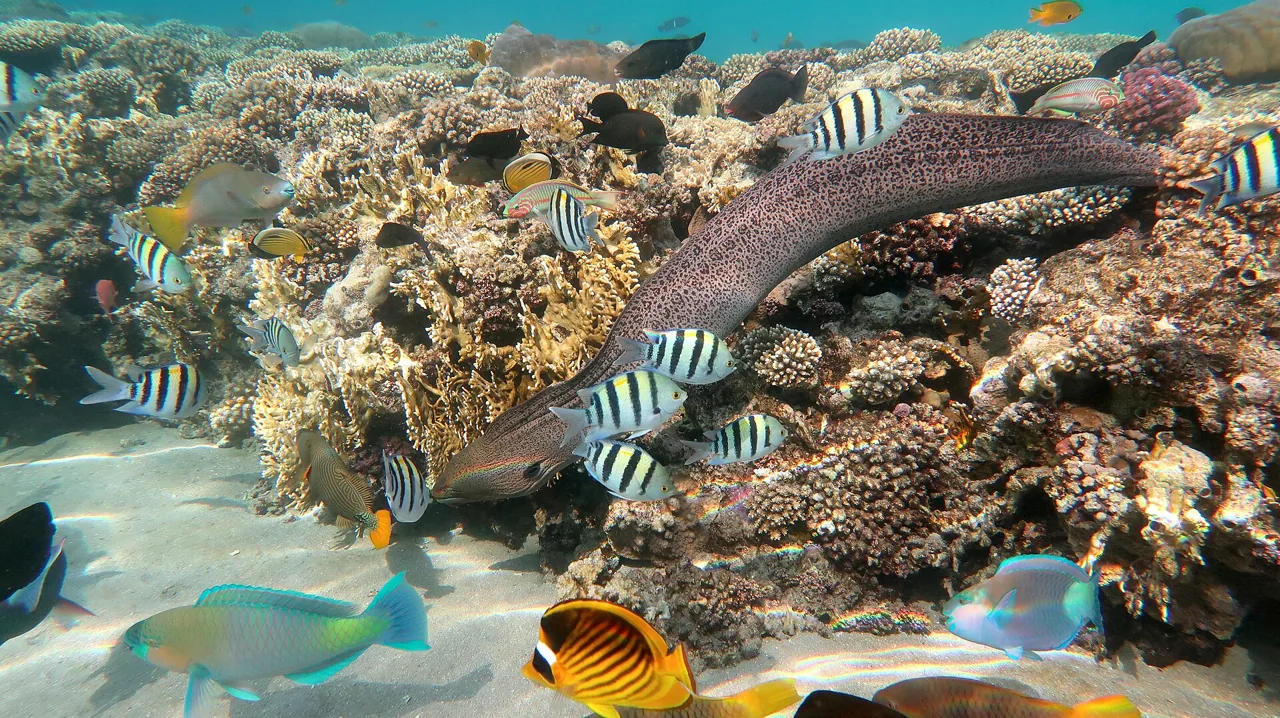 The reefs teem year-round with anthias clouds, butterflyfish, angelfish, Napoleon wrasse, moray eels, lionfish, blue-spotted rays and the resident clownfish of Anemone City. Green and hawksbill turtles are seen regularly grazing the reef flats and cleaning stations. The Red Sea also holds a notable share of endemic species found nowhere else, so keen-eyed divers may spot fish unique to these waters among the more familiar reef residents.
The big spectacle is seasonal. In July and August, huge schools of snapper, barracuda and batfish gather to spawn around the Shark and Yolanda pinnacles — one of the Red Sea's great fish aggregations. Grey reef sharks are present through the warmer months, and scalloped hammerheads are occasionally spotted out in the blue in summer and early autumn. Sightings are never guaranteed, but the odds rise in the warm-water peak. For a country-wide view of seasonal timing, see the best time to visit Egypt guide.
Best season to dive Ras Mohammed
The park is diveable all year. Water temperatures range from around 21 to 23 degrees Celsius in winter to about 28 to 30 degrees in the summer peak, so a 5mm wetsuit is a sensible all-rounder, with a 3mm in high summer and a 7mm in the coldest months.
For the best all-round conditions, the shoulder seasons of March to May and September to November offer calm seas, warm water, excellent visibility and thinner crowds. Summer brings the warmest water and the famous fish aggregations but also the strongest heat on land and the busiest boats. Winter is cooler and can be windier, but visibility is often superb and the reefs are quieter.
Conservation and the code of conduct
Ras Mohammed is a living reef under real pressure from tourism, and every visitor shares responsibility for keeping it healthy. The core rules are simple and non-negotiable.
- Do not touch, stand on or break the coral. Even a fin kick can kill years of growth.
- Do not feed the fish or any marine life; it disrupts natural behaviour and damages the ecosystem.
- Take nothing — no shells, coral or "souvenirs" — and leave nothing behind. Carry your rubbish out.
- Keep your distance from turtles, sharks and rays; do not chase, ride or corner them.
- Use the mooring buoys. Boats must not anchor on the reef; the buoy system exists to protect it.
Much of the Egyptian Red Sea's reef-protection infrastructure — mooring buoys, monitoring and conservation standards — is coordinated by HEPCA, the Hurghada Environmental Protection and Conservation Association, working alongside the park authority. The entrance and conservation fees you pay go directly toward keeping this reef, and the wider Red Sea, alive for the next generation of divers.
Dive it well, tread lightly, and Ras Mohammed will reward you with one of the finest days you will ever spend underwater.
A real team available 24/7 to assist you — free
Seif and the team reply on WhatsApp 24/7 — trip questions, custom plans and booking help.
Ask Seif on WhatsAppCommon questions
Where is Ras Mohammed National Park?
It sits at the southern tip of the Sinai Peninsula, where the Gulf of Suez and Gulf of Aqaba meet the Red Sea, about a 30 to 60 minute boat ride or drive from Sharm el-Sheikh.
How much is the entry fee to Ras Mohammed?
Foreign visitors pay a per-person entrance fee, roughly USD 10-15 per day as a guide, plus a marine conservation fee, payable in cash at the gate. Rates were revised recently, so confirm the current figure with your operator when booking. Many dive and snorkel packages bundle it into the price.
Do I need my passport to enter the park?
Yes. The park is in a controlled border zone, so foreign visitors should carry their passport, and a full Egyptian visa is generally required. Travellers with only the free Sharm-area entry stamp may not be allowed in, so check your visa status before you book.
Can I visit Ras Mohammed without diving?
Absolutely. You can snorkel the shallow bays and the Anemone City plateau, visit White Island sandbank, walk the mangrove channel and take in the Shark Observatory cliff on a land or boat tour. Non-diving companions are welcome on most dive boats.
What is the Yolanda wreck?
The Yolanda was a cargo ship that hit the reef in 1980 carrying bathroom fixtures and a BMW. A 1987 storm sent the hull into the deep abyss, but its cargo of toilets, baths and sinks still lies scattered on the reef shelf, making one of diving's most surreal sights.
Is Ras Mohammed suitable for beginner divers?
The signature sites like Shark and Yolanda are deep, current-swept drift dives best suited to Advanced divers. Beginners can enjoy sheltered sites such as Anemone City and the shallow snorkel bays. Always dive within your certification and follow the guide's briefing.
When can I see sharks and big fish schools?
The warm months, especially July and August, bring huge aggregations of snapper, barracuda and batfish around the pinnacles. Grey reef sharks are present through the warmer season and hammerheads are occasionally seen in summer and early autumn, though sightings are never guaranteed.
What is the best time of year to visit?
The park is diveable year-round. March to May and September to November offer the best balance of calm seas, warm water, great visibility and fewer crowds. Summer is warmest with the big fish schools, while winter is cooler and quieter with often superb visibility.
Book it on This is Egypt
Turn this guide into a trip





Egypt's bestsellers
The experiences travelers book most, across the country

Attractions in this guide
Keep reading
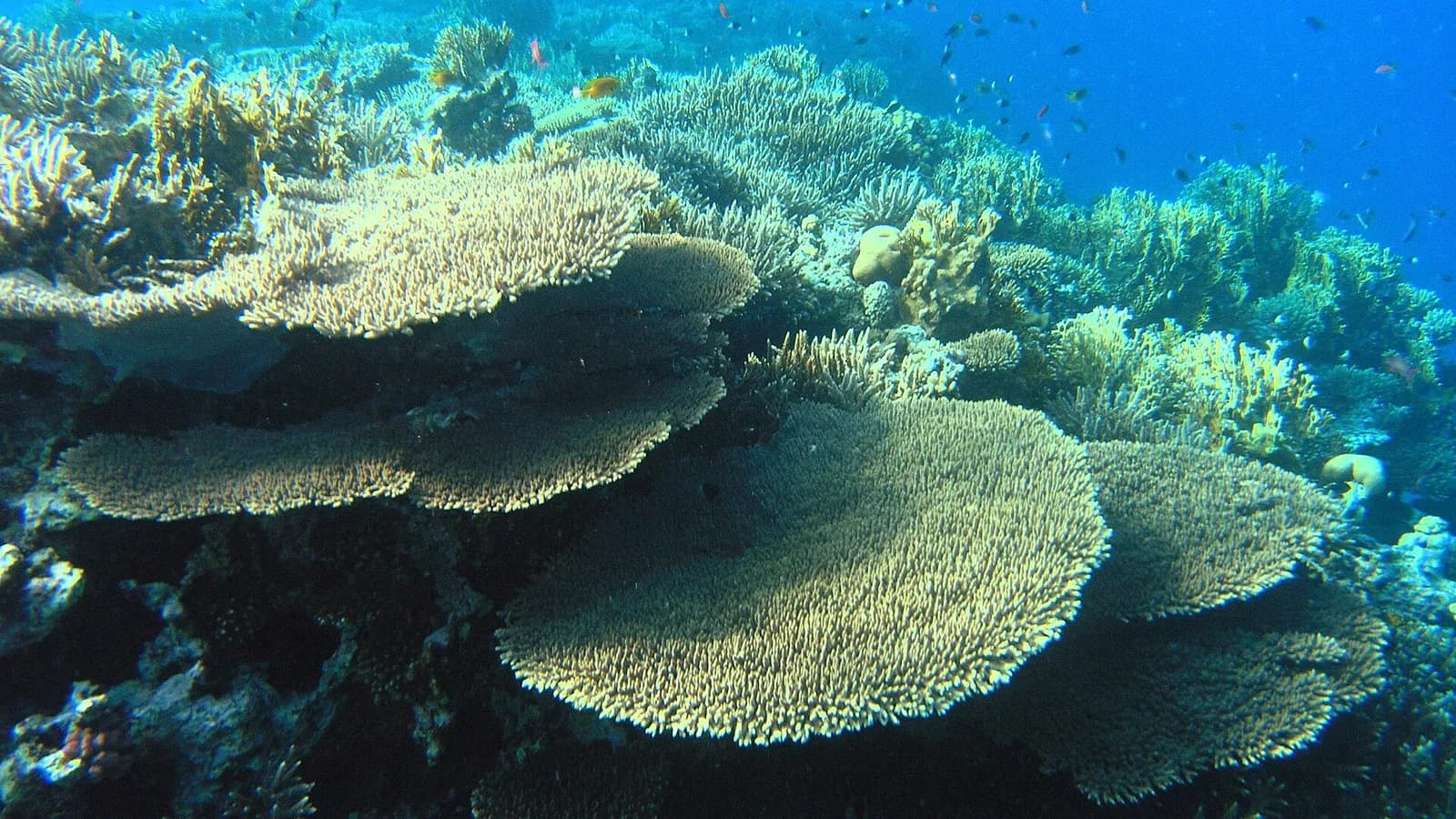
Hurghada Diving (2026): Best Sites, Packages & Prices
Diving in Hurghada — the best reefs (Giftun, Careless Reef, Dolphin House) and Abu Nuhas wrecks, Discover Scuba vs PADI courses, season and water temps, and real 2026 prices.
By TiE Editors7 min read
Hurghada Snorkeling Trips (2026): Best Reefs, Prices & How to Choose
Where to snorkel from Hurghada in 2026 — Orange Bay, Giftun, Mahmya, Utopia and Dolphin House — with boat types, marine life, month-by-month sea temperatures, family tips and real prices from 1,000+ bookable trips.
By TiE Editors7 min read
Egypt Tour Prices by Activity (2026): What Each Type Really Costs
What every type of Egypt experience costs — half day, full day or overnight — as a median and a mid-half range in US dollars, from 12,370 live bookable listings.
By TiE Editors6 min read