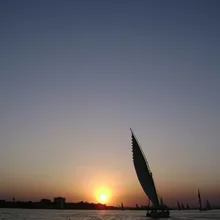
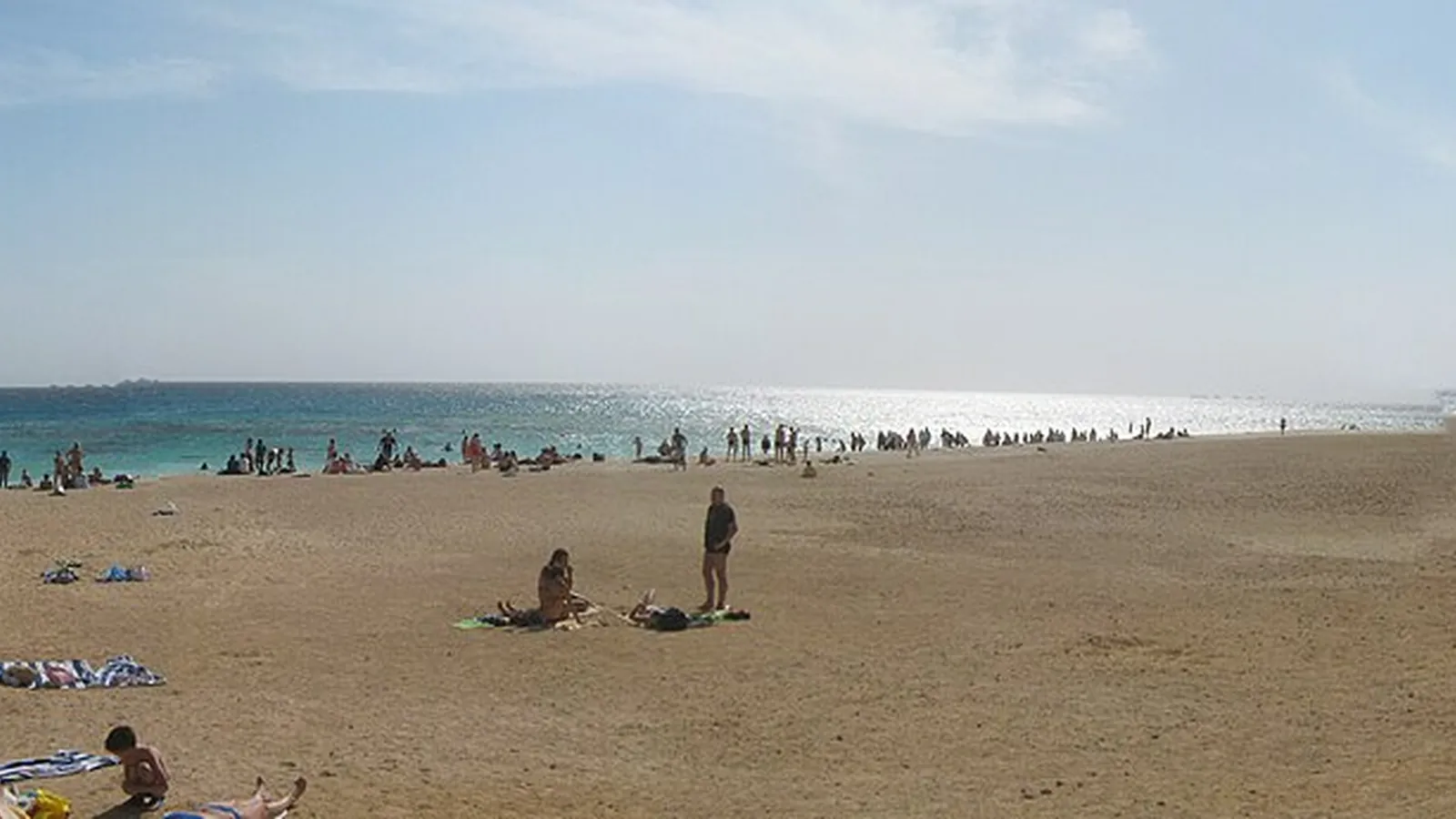
 Photo by Dak15, via Wikimedia Commons, CC BY-SA 4.0
Is Egypt Worth Visiting? An Honest 2026 Guide
Yes - for most travellers Egypt is absolutely worth it. Here's the honest case: the highlights, the hassles, the cost, safety, and who will love it most.
Quick answer: Short answer: yes. For most travellers, Egypt is absolutely worth visiting, and it lands near the top of the list of trips people describe as once-in-a-lifetime. You get the last surviving wonder of the ancient world, tombs painted 3,000 years ago that still hold their colour, a river you can sail the way people have for millennia, some of the best-value diving on earth, and a level of everyday hospitality that surprises almost everyone.
The trade-offs are real, and this guide is honest about them: persistent vendors at the big sites, a culture of small tipping (baksheesh) that never quite switches off, heat in summer, and logistics that genuinely reward a good guide or a well-planned trip. None of that is a dealbreaker. Go in with realistic expectations and a plan, and Egypt rarely disappoints.
And right now is a strong moment to go. Arrivals hit a record 17.5 million in 2025, up more than 20% on the year before, and the first four months of 2026 were up again on 2025. The reason is largely one building: the Grand Egyptian Museum (GEM) beside the Pyramids opened in full in November 2025, putting the entire Tutankhamun collection - all ~5,000 objects - on display together for the first time since the tomb was found in 1922.
If you already know you're going, jump to why visit Egypt for the fuller pitch, or is Egypt safe for the security picture. Otherwise, here's the balanced version.
The highlights that make it worth it
A handful of Egypt's sights are the reason "bucket list" exists as a phrase.
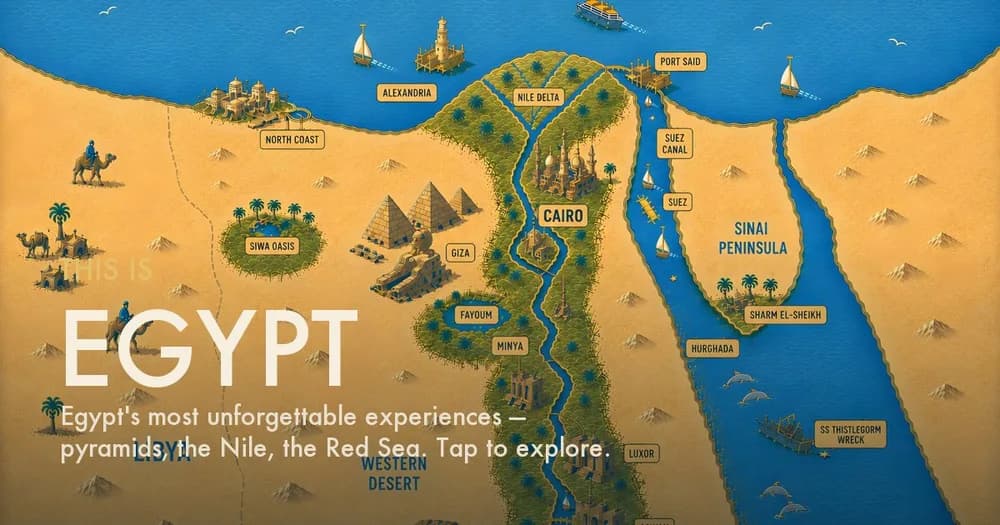
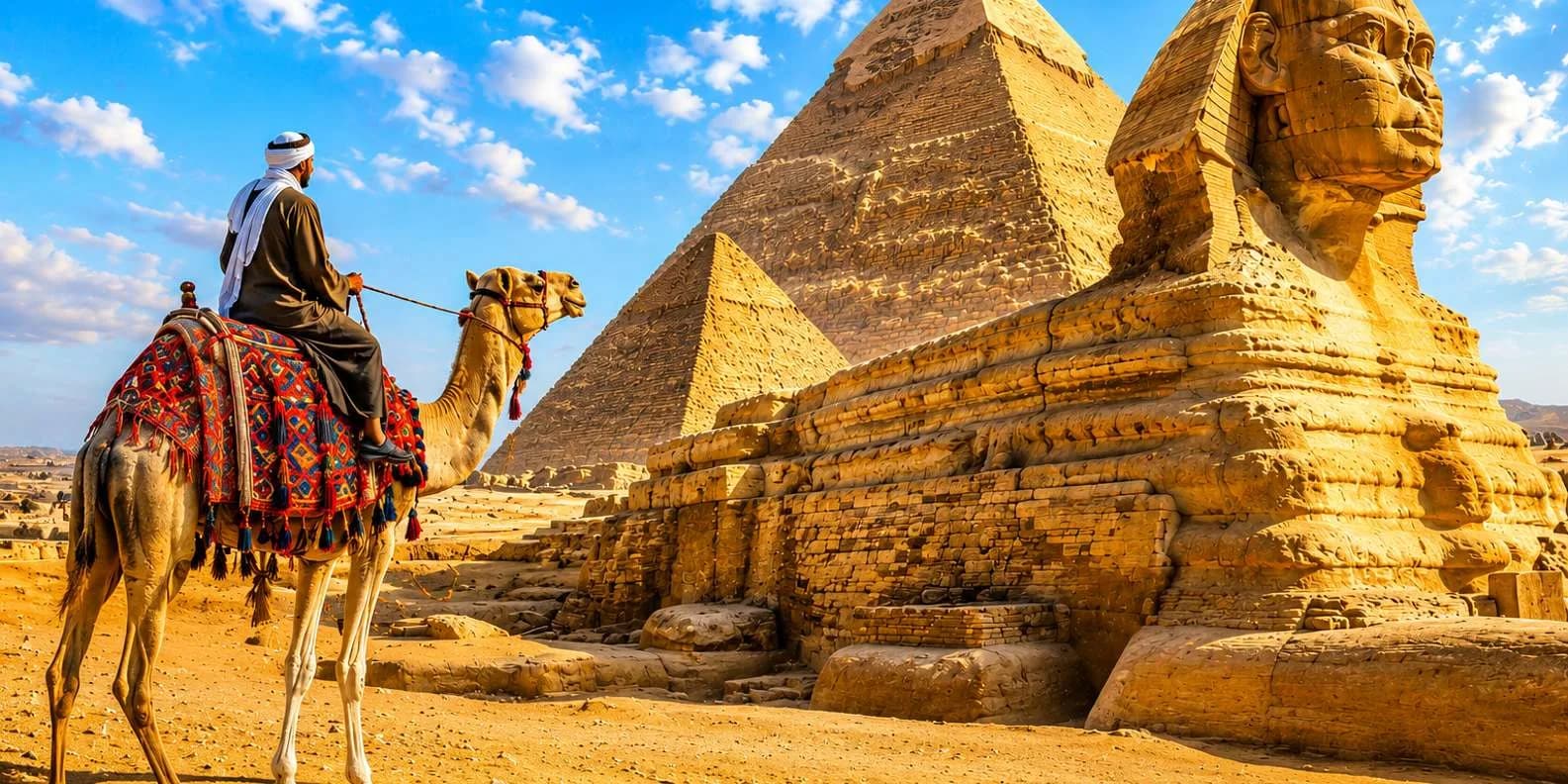
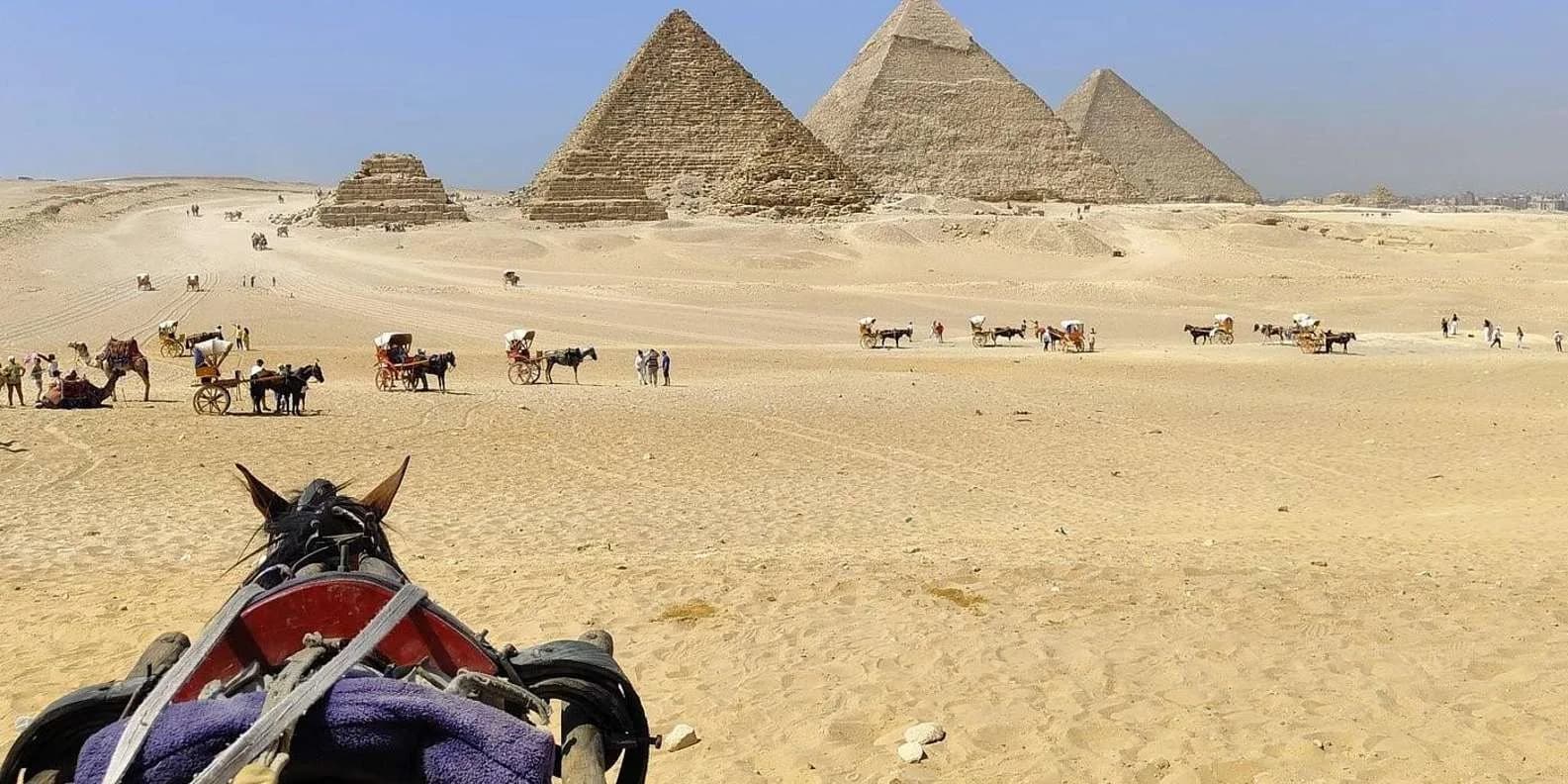
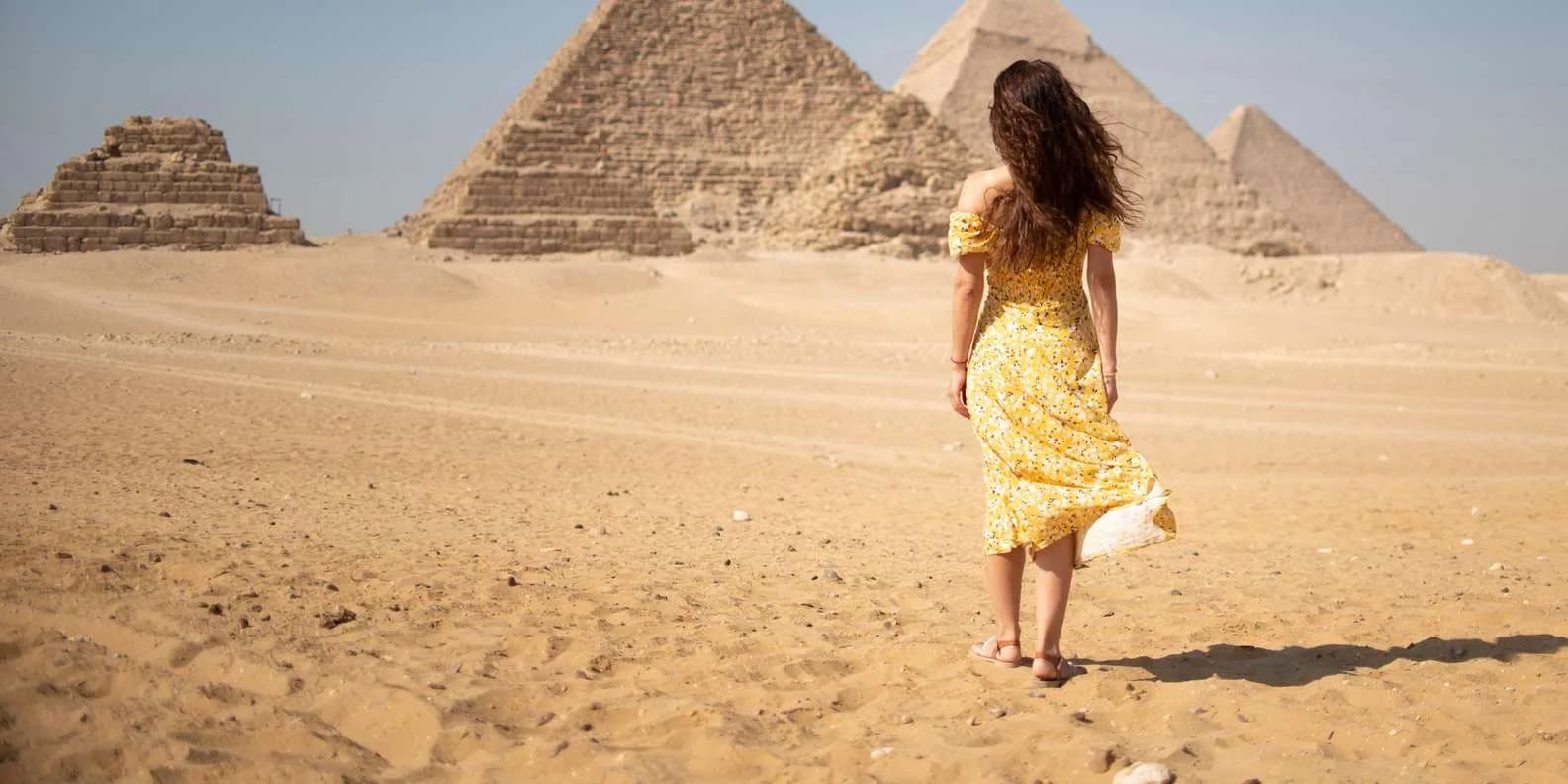
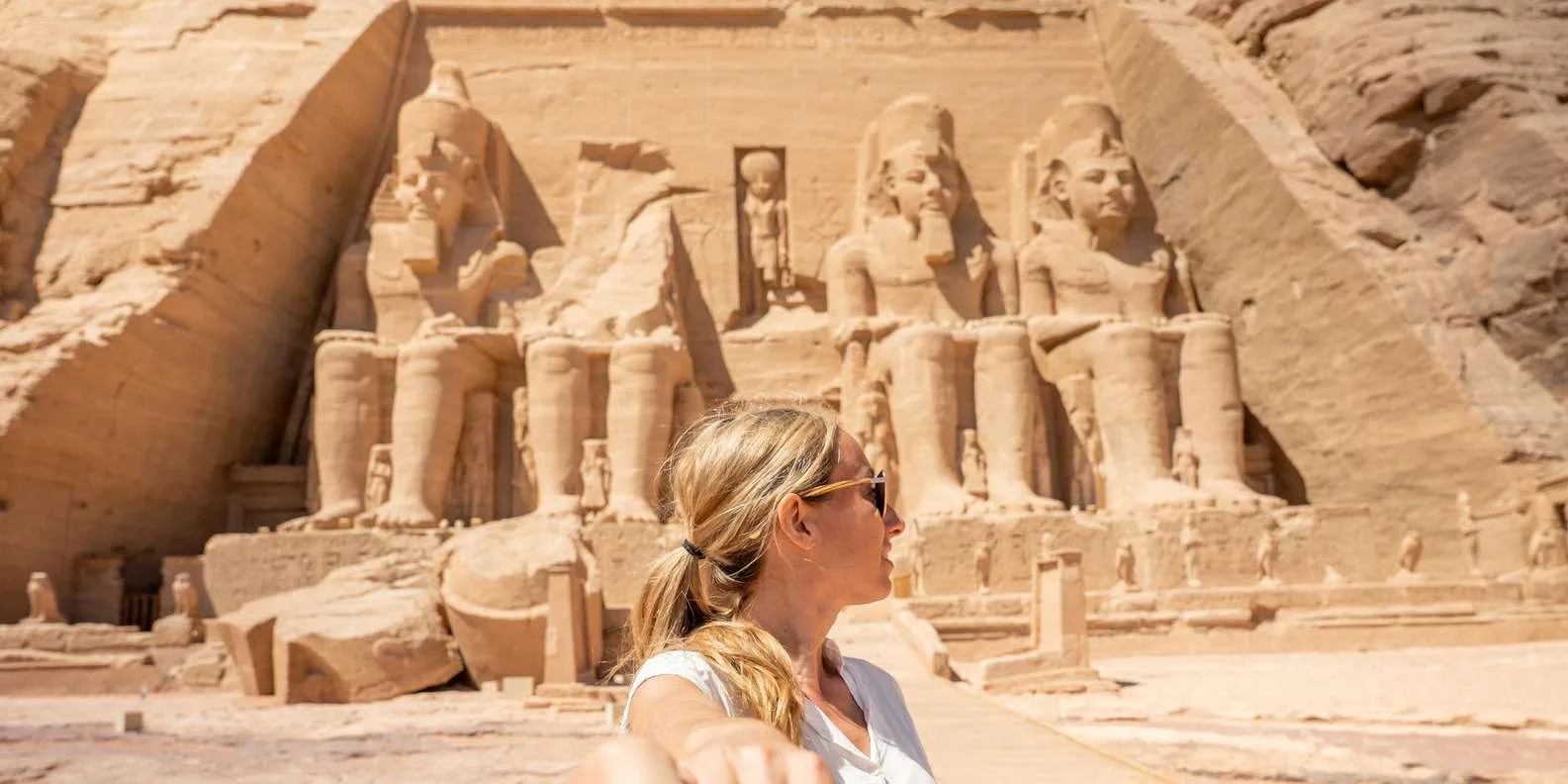
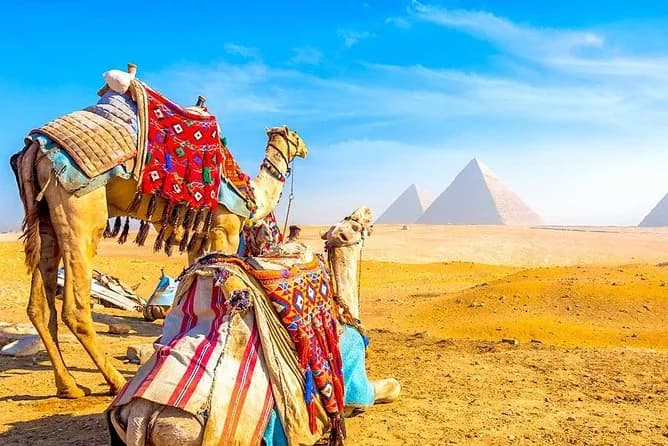
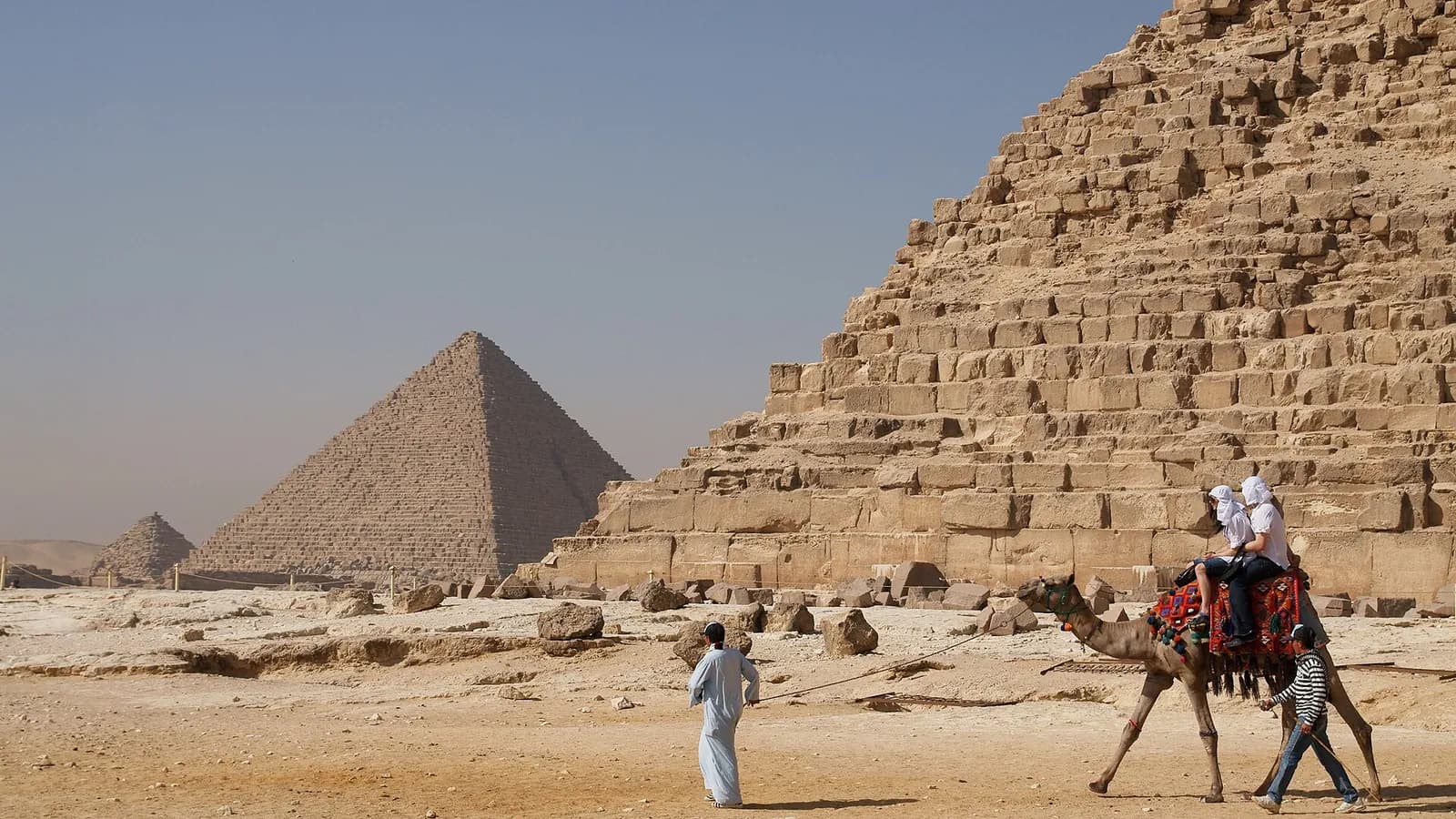
The Pyramids of Giza and the Sphinx. The only ancient wonder still standing, 4,500 years old, on the edge of Cairo. Photos genuinely undersell the scale. With the GEM now open a short drive away, Giza is a full, world-class day on its own.
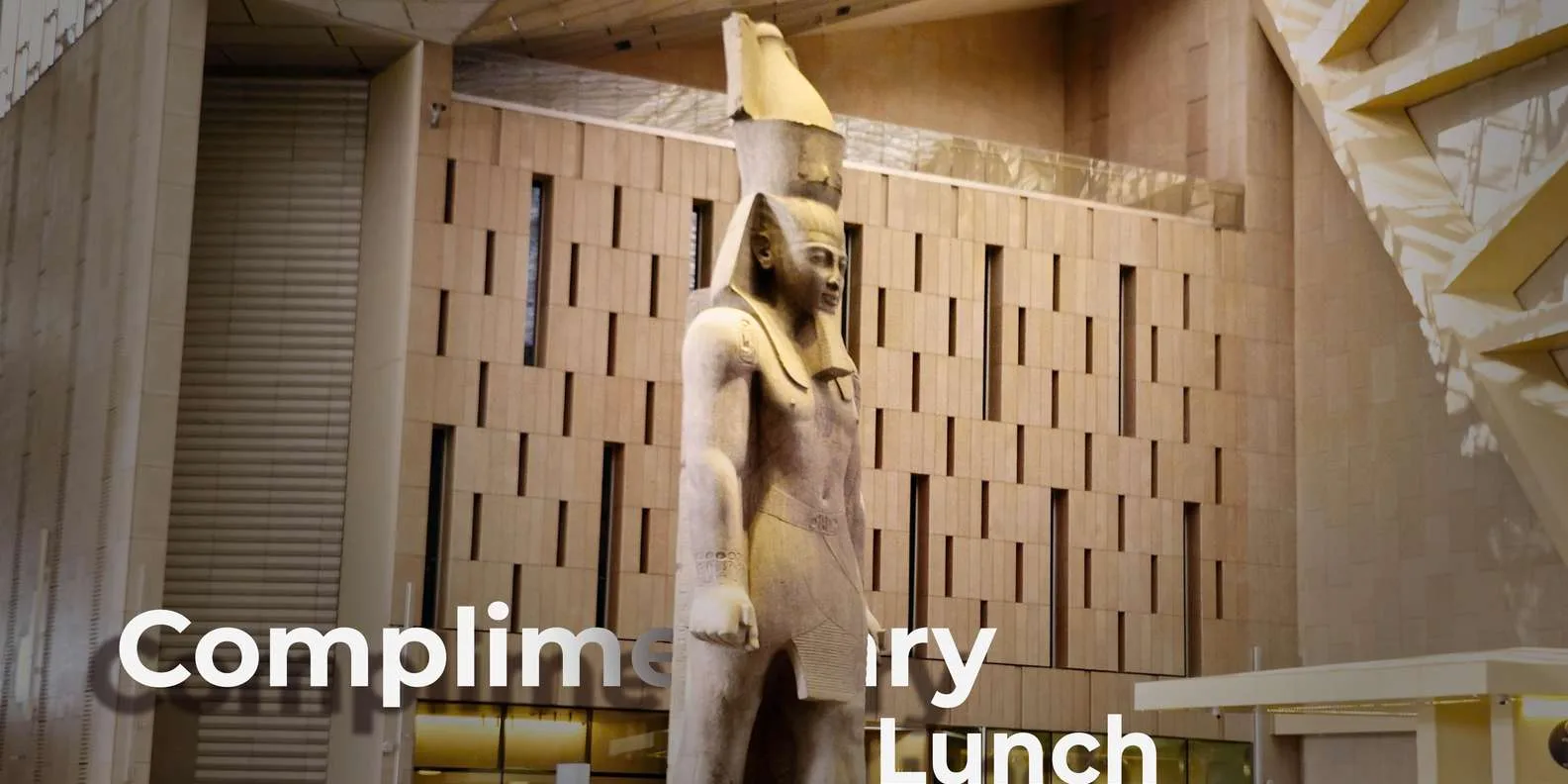
The Grand Egyptian Museum. The largest museum in the world devoted to a single civilisation - roughly 100,000 artefacts across 12 galleries, and the complete, dazzling Tutankhamun hoard shown as one collection for the first time. This is the single biggest reason 2026 is a better year to visit than almost any before it.
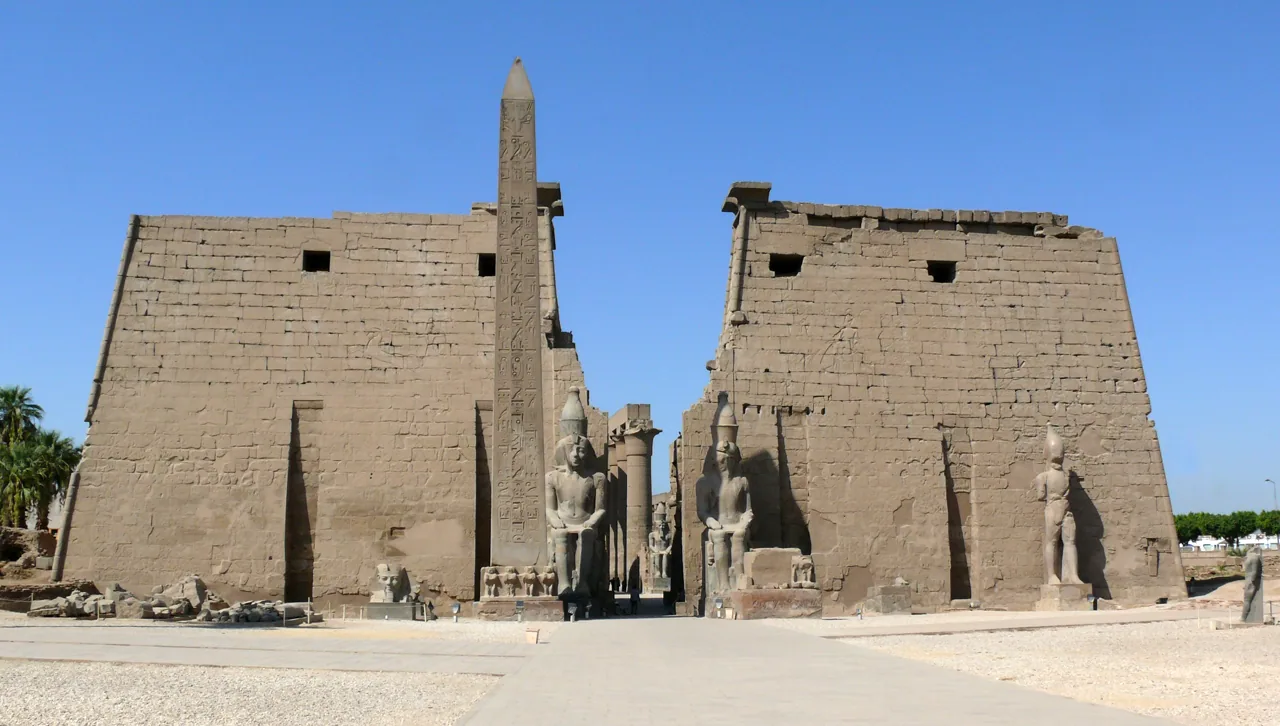
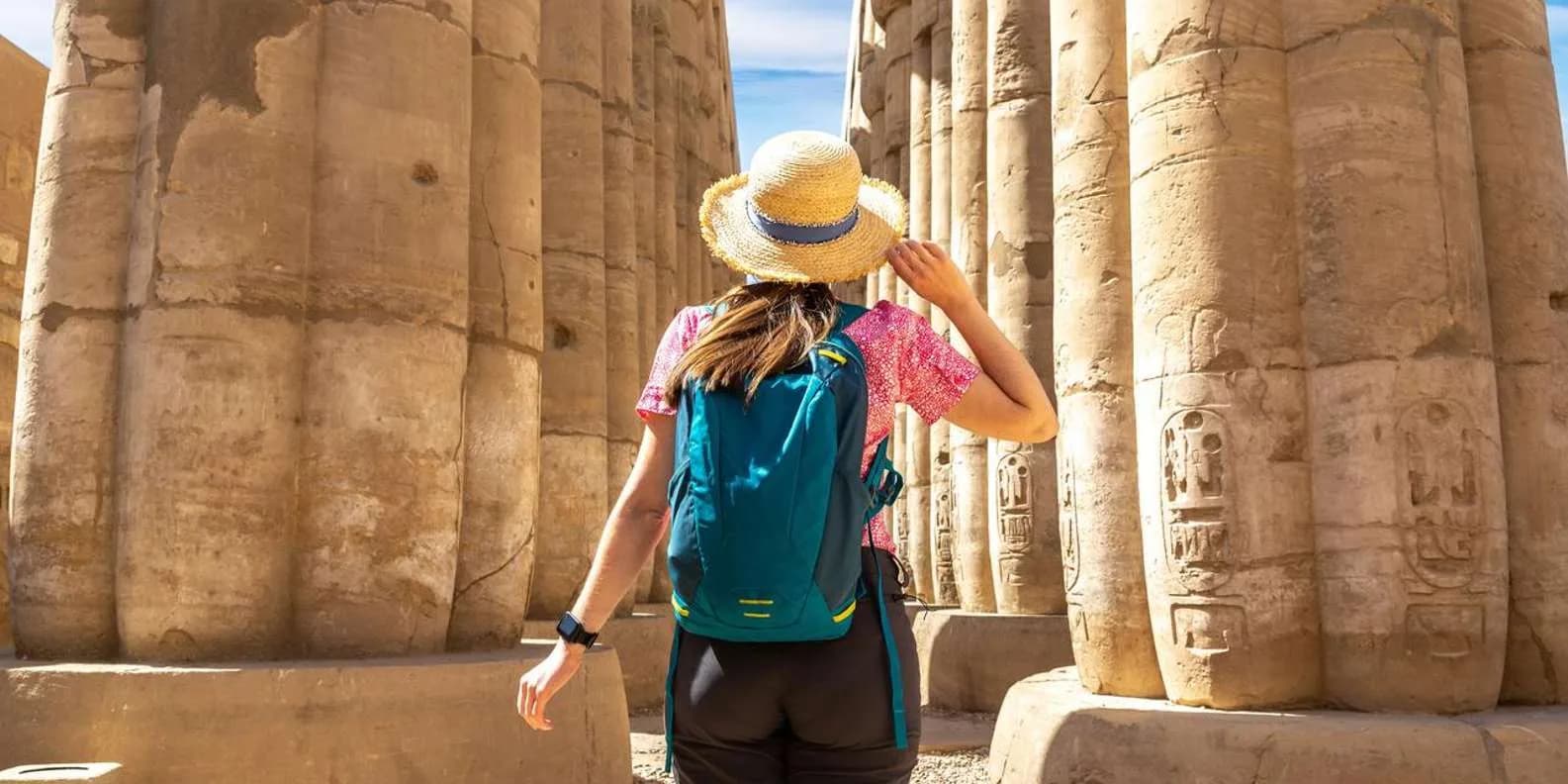
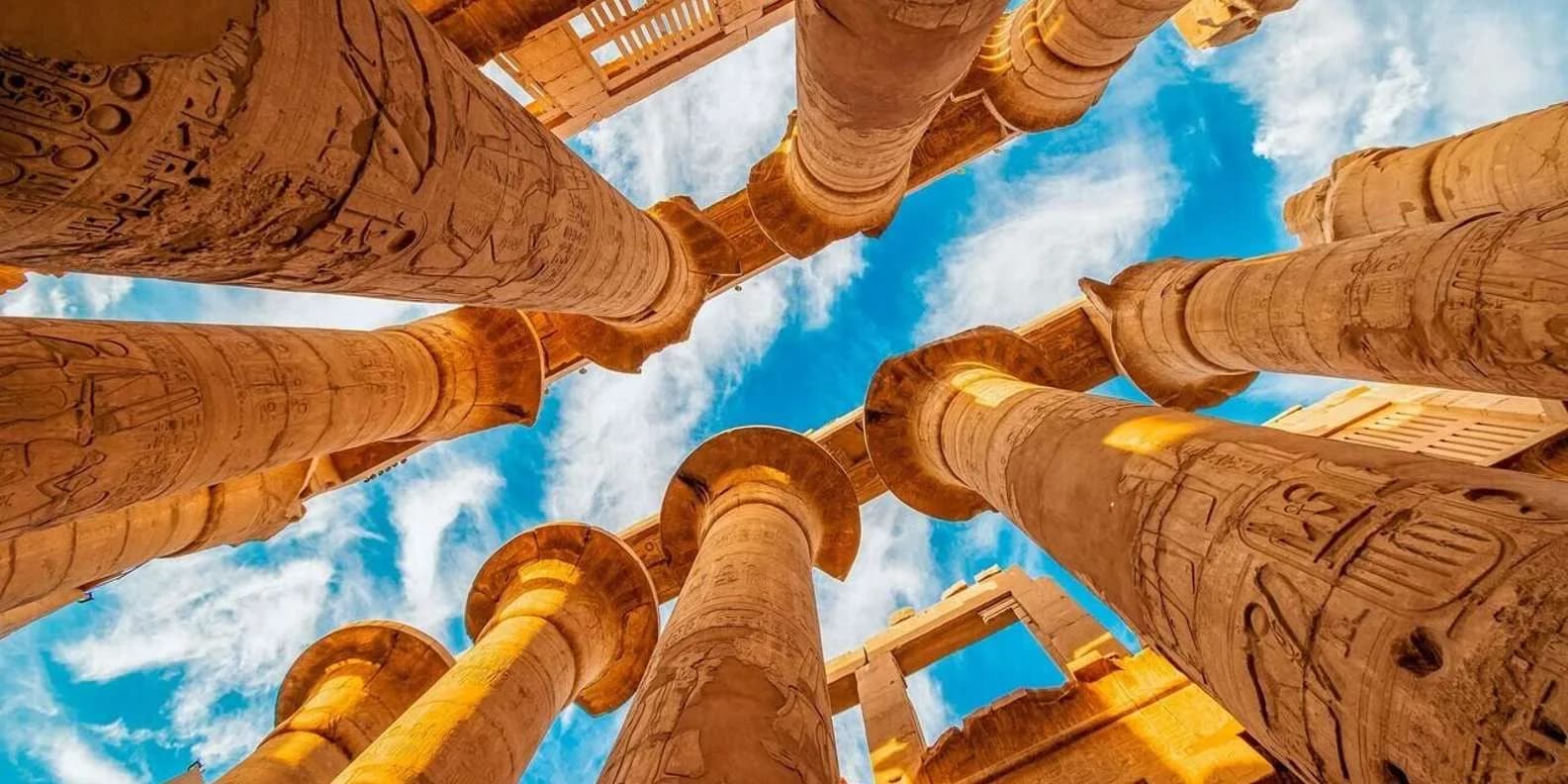
Luxor. Often called the world's greatest open-air museum, and for once the cliche fits. Karnak's forest of columns, the painted tombs of the Valley of the Kings, Hatshepsut's terraced temple, and the reopened Avenue of Sphinxes linking Karnak to Luxor Temple. See our things to do in Luxor for the detail.
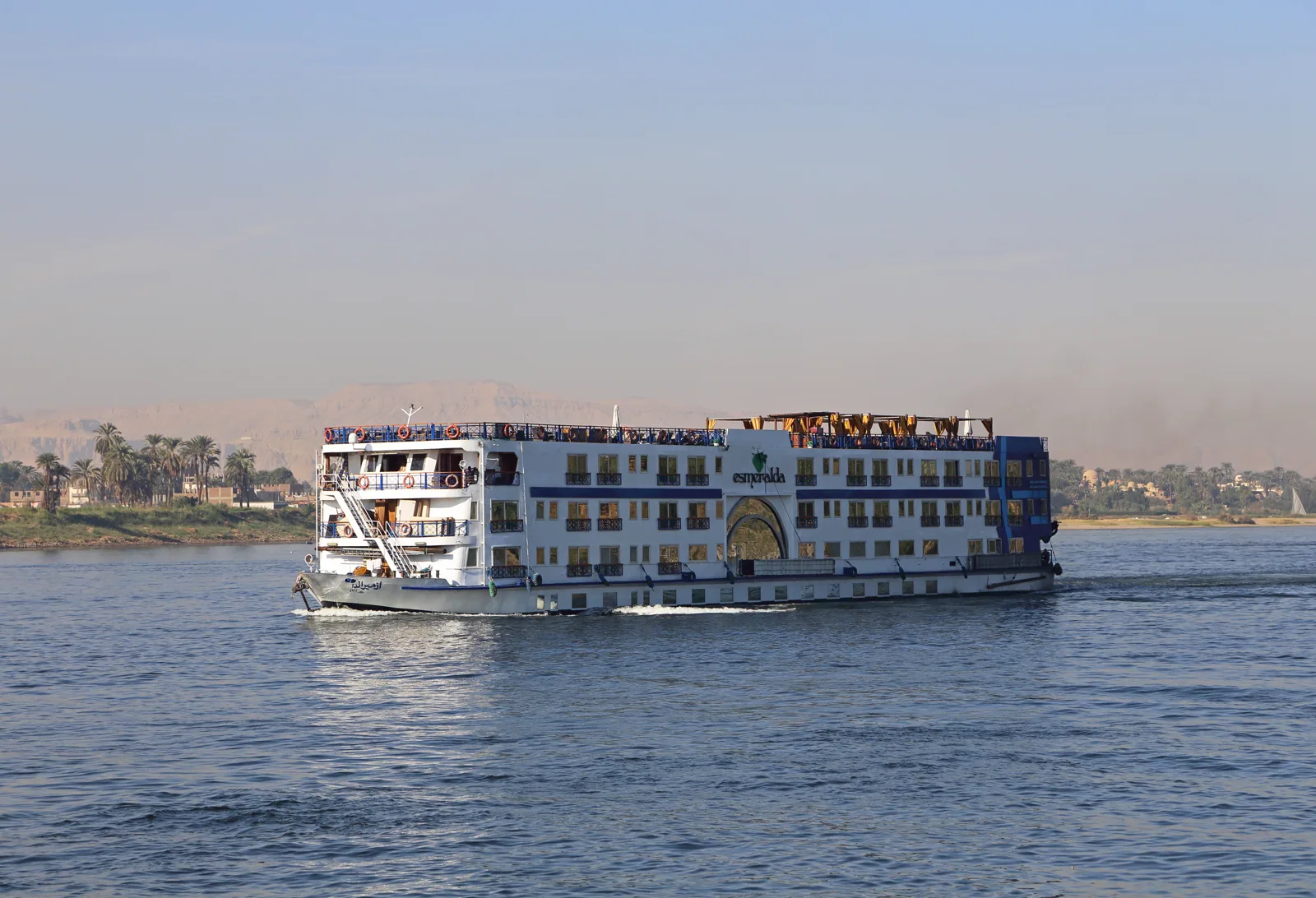
A Nile cruise or felucca sail. The classic Luxor-to-Aswan stretch lets you reach temples the way travellers have for centuries, watching village life, palm groves and egrets drift past between stops. A short felucca sail at sunset in Aswan is one of the calmest, cheapest highlights of any Egypt trip.
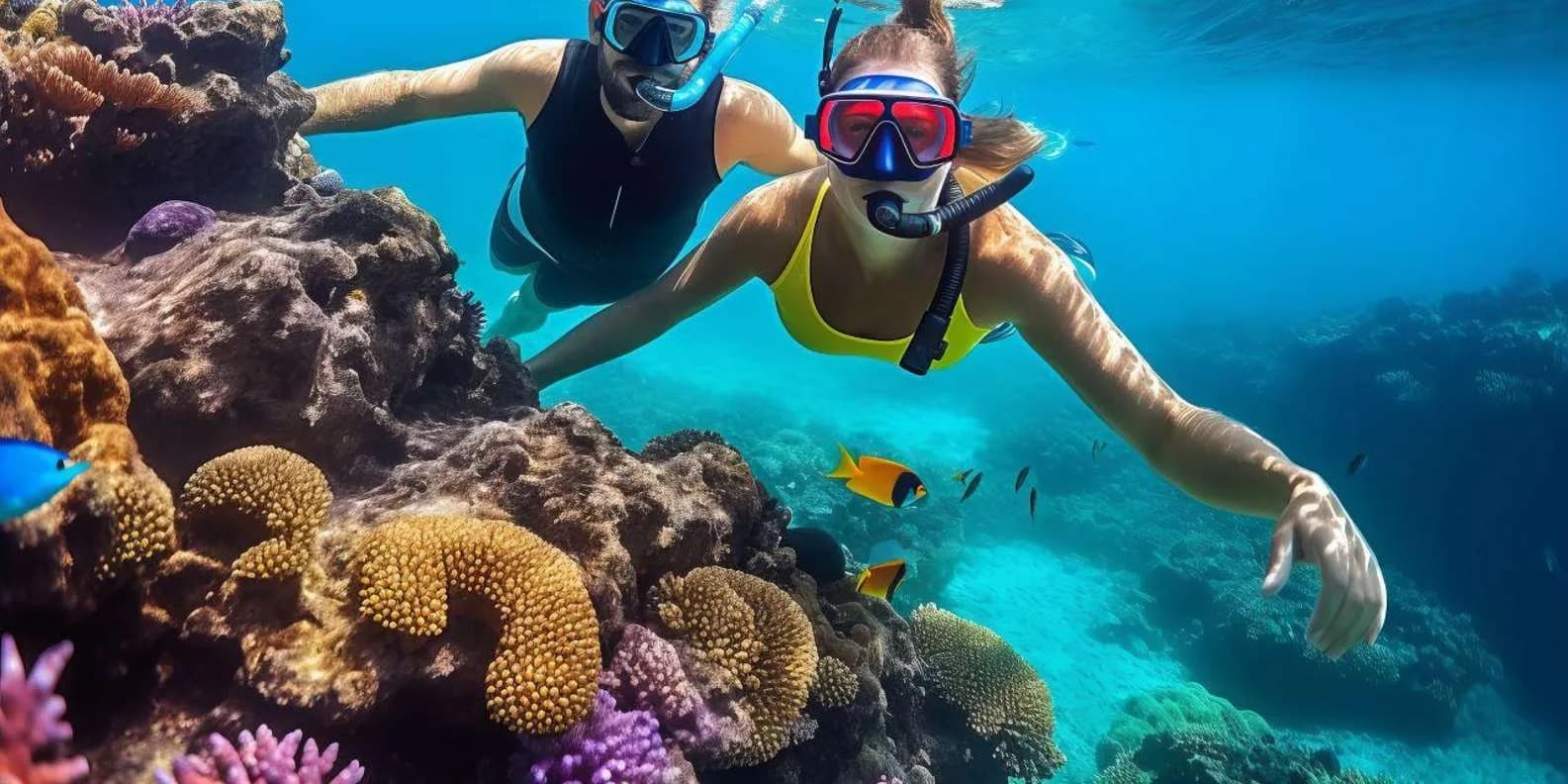
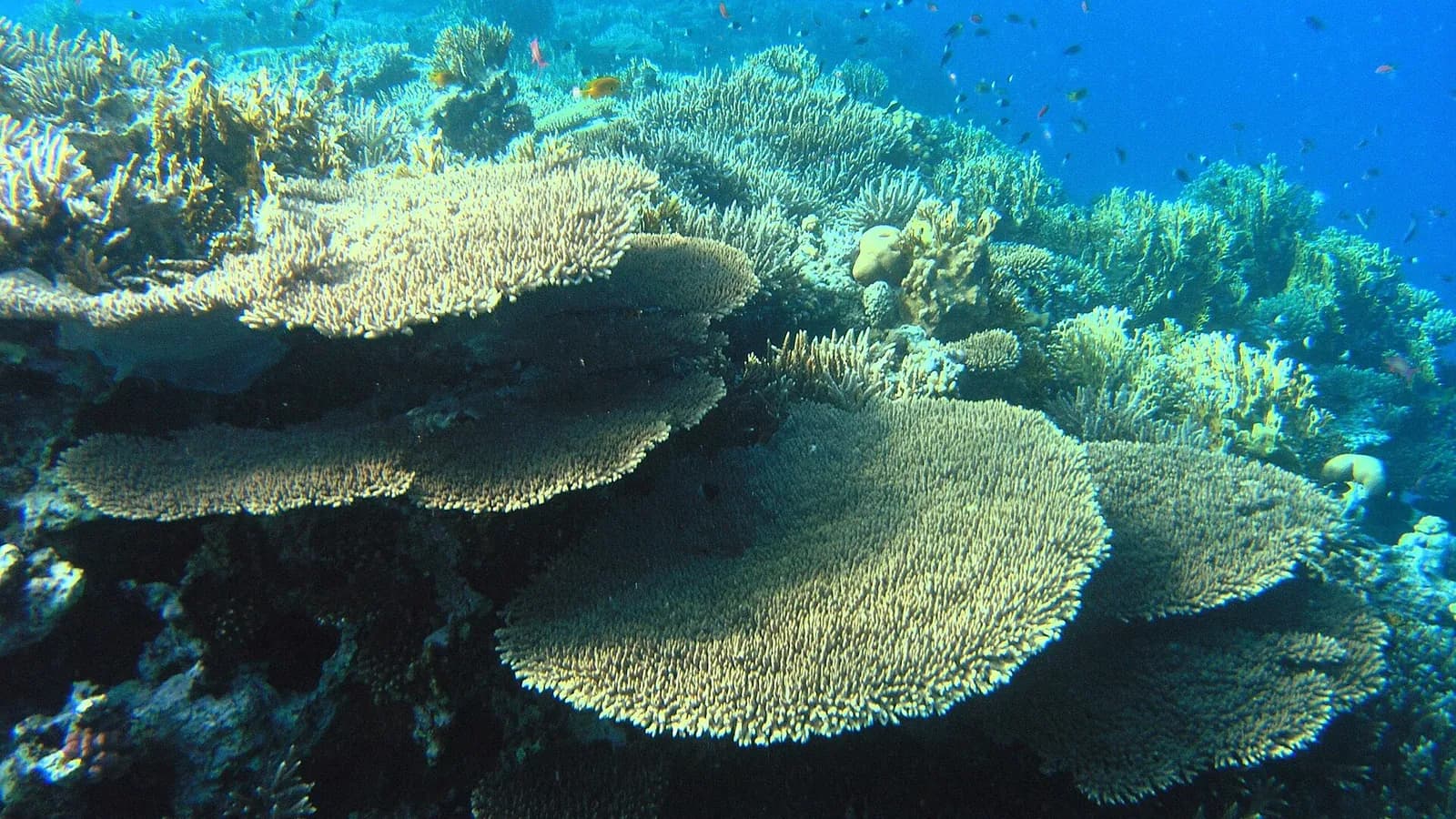
The Red Sea. Hurghada, Marsa Alam, Sharm el-Sheikh and Dahab sit on some of the world's best-value warm-water reefs - vivid coral, easy shore diving, year-round sun. It's the part of Egypt that works as a straightforward relaxing holiday.
What makes Egypt uniquely worth it
Plenty of countries have ruins. What Egypt has is continuity and scale: monuments so old, so intact, and so tightly clustered that you can stand inside a 3,000-year-old tomb in the morning and float down the same river the pharaohs used that afternoon. No reconstruction, no theme-park version - the real thing, still standing.
The other half is the people. Egyptians are, as the official tourist material puts it, a people "of humour, joy, generous hospitality," and it holds up on the ground. You'll be offered tea, waved at by kids, and helped by strangers far more often than you'll be hustled. That warmth is a real part of why people leave loving the place, not just its stones.
The honest downsides - and how to manage them
Egypt is worth it, but it isn't frictionless. Here's the real picture and the fix for each.
Hassle and touts at the big sites. At Giza, Luxor and the bazaars you'll meet camel handlers, "free gift" pressers, and unsolicited "guides." It's more tiring than dangerous. The fixes: agree every price out loud in Egyptian pounds before anything happens, say "la, shukran" (no, thank you) with a smile and keep walking, and - the big one - book major sites with a licensed guide, which makes the touts disengage almost entirely. Our Egypt scams to avoid guide has a one-line defence for each.
Constant tipping (baksheesh). Small tips are woven into daily life - for the bag carry, the bathroom, the driver. It's normal, not a scam, but it's relentless if you're unprepared. Carry a stack of small notes (5-20 EGP) and it becomes background noise. See our Egypt money and tipping guide.
Heat. Summer in Luxor and Aswan is brutal (often 40C+). Visit October to April, start sightseeing at opening time, and keep midday for the pool or the museum. Full breakdown in Egypt weather by month.
Crowds at peak sites. Giza and Tutankhamun's galleries get busy. Go early, and consider a guide who knows when the tour-bus waves arrive.
Logistics. Distances are long, ticketing is inconsistent, and a little Arabic goes a long way. This is the single strongest argument for a guided trip or a well-organised private tour: it turns Egypt's biggest weakness into someone else's job.
Who Egypt is especially great for
History and culture lovers. No contest - this is the best country on earth for you. Nowhere else concentrates this much intact ancient history.
Divers and snorkellers. The Red Sea is world-class and cheap by global standards. Dahab and Marsa Alam in particular over-deliver.
Families. Kids who like mummies, pyramids and camels are in heaven, and a Nile cruise is an easy, contained way to travel with children. See our Egypt family itinerary.
Budget travellers. Your money goes further here than almost anywhere with sights this famous - see the value section below.
Luxury travellers. The other end works beautifully too: five-star Nile cruisers, dahabiya sailboats, private Egyptologists and desert lodges are excellent value at the top end.
Value for money: Egypt is affordable
This is a big part of why Egypt is worth it - the price-to-payoff ratio is exceptional. With roughly 48-49 Egyptian pounds to the US dollar in 2026, your money stretches a long way, and The Times recently singled Egypt out as an outstanding, affordable destination. Government monument tickets are cheap and paid at the gate or via egymonuments.com; guided experiences are where most of your budget goes, and even those are reasonable.
| Experience | Typical price (EGP) | Approx. USD |
|---|---|---|
| Ticket / single attraction | ~1,540 | ~$32 |
| Cultural & historic tour | ~4,700 | ~$97 |
| Red Sea water activity | ~2,480 | ~$51 |
| Full day trip | ~6,200 | ~$128 |
| Multi-day Nile cruise / sailing | ~13,900 | ~$286 |
By city, median experience prices run roughly Cairo ~4,640 EGP, Luxor ~4,460, Giza ~3,660, Hurghada ~2,480 and Sharm el-Sheikh ~2,440 - meals, local transport and mid-range hotels are cheaper still. Prices move, so confirm on the day. For the wider picture, read is Egypt expensive and our Egypt trip cost breakdown.
Is it safe? (in brief)
Yes, broadly. Egypt's main tourist areas - Cairo, Giza, Luxor, Aswan, the Nile corridor and the Red Sea resorts - are heavily policed and see very low violent crime against visitors. What you'll actually deal with is sales pressure and the odd overcharge, not danger. Most governments advise against travel to specific border regions (parts of the Sinai interior, the Western Desert near Libya), which standard itineraries don't go near. For the full treatment, see is Egypt safe.
Best time to go
October to April is the sweet spot: warm, dry days and comfortable sightseeing, especially in Upper Egypt. December and January are peak (busiest, priciest, best weather). Shoulder months - October, November, March, April - balance good weather with thinner crowds. Summer is hot and cheaper, and fine if you're mainly on the Red Sea coast, where a sea breeze helps.
Is it worth it if...
...you only have 5 days? Yes. Cairo, Giza and the GEM plus a two-night hop to Luxor (a short flight) gives you the pyramids, the Tutankhamun collection and the Valley of the Kings - the core of Egypt - in a tight, high-impact trip.
...you're nervous about going? Yes, and this is exactly the traveller a guided trip is built for. A licensed guide meeting you by name, pre-booked tickets and a fixed-price driver removes the two things that make people anxious about Egypt - the hassle and the logistics. Read do you need a guide in Egypt if you're weighing it up.
...you're on a tight budget? Yes. Egypt is one of the best-value big-ticket destinations on the planet. Cheap monument tickets, affordable food and transport, and low-cost domestic flights let you see the headline sights without a headline budget. Our Egypt budget itinerary shows how.
The verdict
Egypt is worth visiting for the overwhelming majority of travellers - genuinely, memorably worth it. The upside is unmatched and, with the Grand Egyptian Museum now fully open, 2026 is one of the best years in a generation to go. The downsides are real but predictable, and every one has a straightforward fix. If you love history, culture and a bit of adventure, few places on earth deliver like Egypt. If you want a purely hands-off beach holiday, base yourself on the Red Sea and dip into the ancient sites from there.
Ready to experience it without the hassle? This is Egypt runs private, Egyptologist-guided tours with vetted operators and fixed, upfront prices - the sites brought to life, the logistics off your plate. Browse Egypt experiences.
A real team available 24/7 to assist you — free
Seif and the team reply on WhatsApp 24/7 — trip questions, custom plans and booking help.
Ask Seif on WhatsAppCommon questions
Is Egypt really worth visiting in 2026?
Yes. For most travellers Egypt ranks among the most memorable trips they'll ever take, and 2026 is an especially strong year because the Grand Egyptian Museum near Giza is now fully open with the complete Tutankhamun collection. Arrivals hit a record 17.5 million in 2025 and rose again in early 2026, reflecting renewed confidence in the destination.
What are the downsides of visiting Egypt?
The main ones are persistent vendors and touts at big sites, a culture of constant small tipping (baksheesh), summer heat in Upper Egypt, and logistics that reward a good guide. All are manageable: agree prices upfront, carry small notes, visit October to April, and consider booking major sites with a licensed guide.
Is Egypt safe for tourists?
Broadly, yes. The main tourist areas - Cairo, Giza, Luxor, Aswan and the Red Sea resorts - are heavily policed with very low violent crime against visitors. The realistic issue is sales pressure, not danger. Governments advise avoiding specific border regions that standard itineraries don't visit. See our full is Egypt safe guide.
Is Egypt expensive to visit?
No, Egypt is one of the best-value famous destinations in the world. With around 48-49 EGP to the US dollar in 2026, monument tickets are cheap (often paid at the gate), food and local transport are inexpensive, and even guided experiences are reasonable - roughly $30 for a single attraction up to a few hundred dollars for a multi-day Nile cruise.
Is Egypt worth it if I only have 5 days?
Yes. Cairo, Giza and the Grand Egyptian Museum plus a short flight to Luxor for the Valley of the Kings gives you the core of Egypt in a tight, high-impact trip. Five days is enough to see the pyramids, the Tutankhamun collection and Luxor's temples without feeling rushed if you plan the flights well.
Do I need a guided tour, or can I do Egypt independently?
You can do it independently, but a guide adds a lot of value in Egypt specifically - it removes the touts, handles ticketing and transport, and brings the sites to life. Nervous or first-time visitors, families and time-tight travellers benefit most. Confident independent travellers can absolutely manage it with some planning.
When is the best time to visit Egypt?
October to April, when days are warm and dry and sightseeing is comfortable, especially in Luxor and Aswan. December and January are peak season - best weather but busiest and priciest. Shoulder months (October, November, March, April) balance good conditions with thinner crowds. Summer suits the Red Sea coast.
Is Egypt good for families with children?
Very. Pyramids, mummies, camels and a contained Nile cruise make Egypt genuinely exciting for kids, and Egyptians are warm and welcoming toward children. A cruise or a private guided tour keeps logistics simple, which makes travelling with children far easier than doing it all yourself.
Is the Grand Egyptian Museum worth seeing?
Absolutely - it's a headline reason to visit right now. Opened in full in November 2025, it's the largest museum in the world dedicated to one civilisation, with around 100,000 artefacts and the entire Tutankhamun collection displayed together for the first time since 1922. Budget at least half a day for it.
Egypt's bestsellers
The experiences travelers book most, across the country


Keep reading
Hurghada Diving (2026): Best Sites, Packages & Prices
Diving in Hurghada — the best reefs (Giftun, Careless Reef, Dolphin House) and Abu Nuhas wrecks, Discover Scuba vs PADI courses, season and water temps, and real 2026 prices.
By TiE Editors7 min read
Hurghada Snorkeling Trips (2026): Best Reefs, Prices & How to Choose
Where to snorkel from Hurghada in 2026 — Orange Bay, Giftun, Mahmya, Utopia and Dolphin House — with boat types, marine life, month-by-month sea temperatures, family tips and real prices from 1,000+ bookable trips.
By TiE Editors7 min read
Egypt Tour Prices by Activity (2026): What Each Type Really Costs
What every type of Egypt experience costs — half day, full day or overnight — as a median and a mid-half range in US dollars, from 12,370 live bookable listings.
By TiE Editors6 min read