
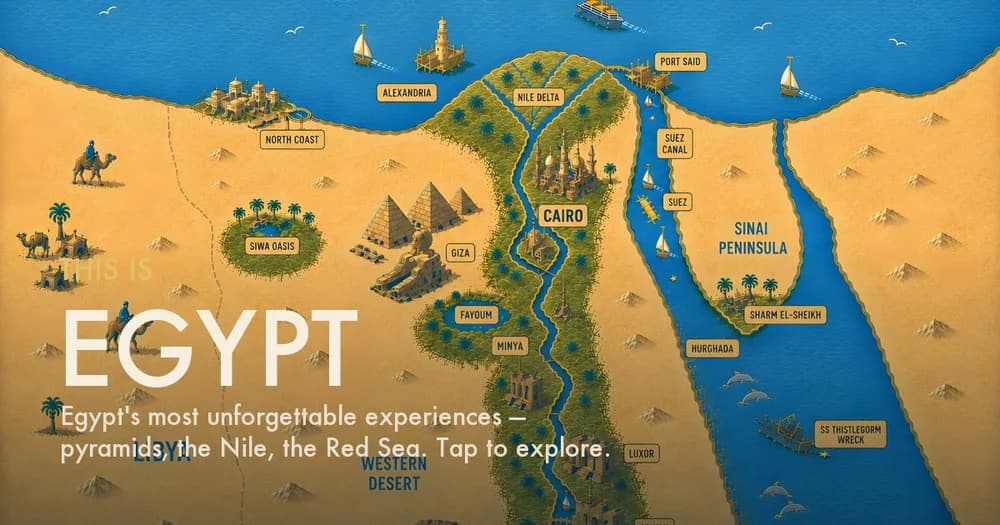
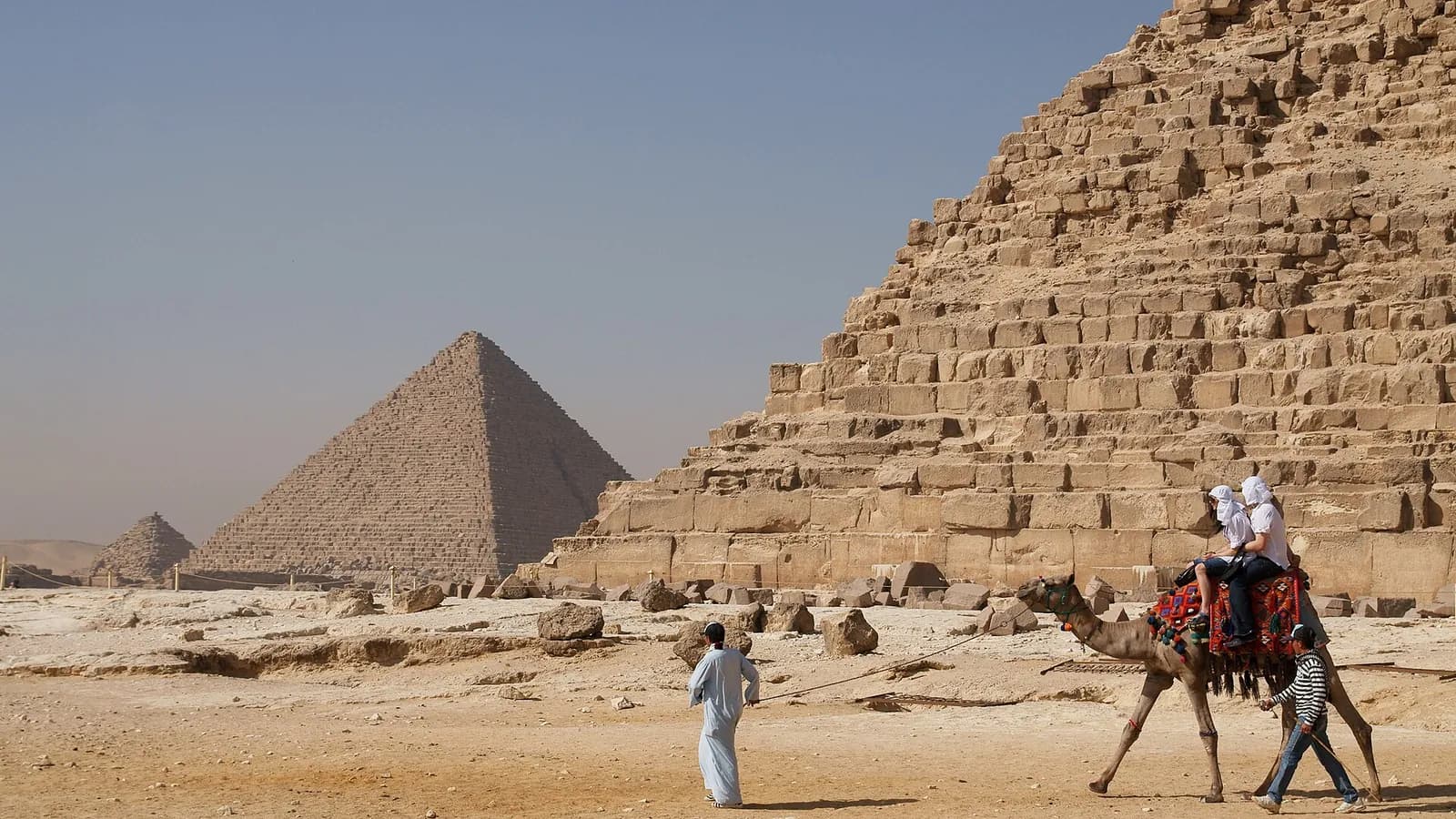
 Photo by Wouter Hagens, via Wikimedia Commons, CC BY-SA 3.0
How to Choose an Egypt Tour Company: Group vs Private (2026)
A buyer's guide to picking an Egypt tour - group vs private, Nile cruise vs land, what should be included, red flags to avoid, and how to vet a real operator.
Nile Cruises & Dahabiyas
Turn this guide into a trip
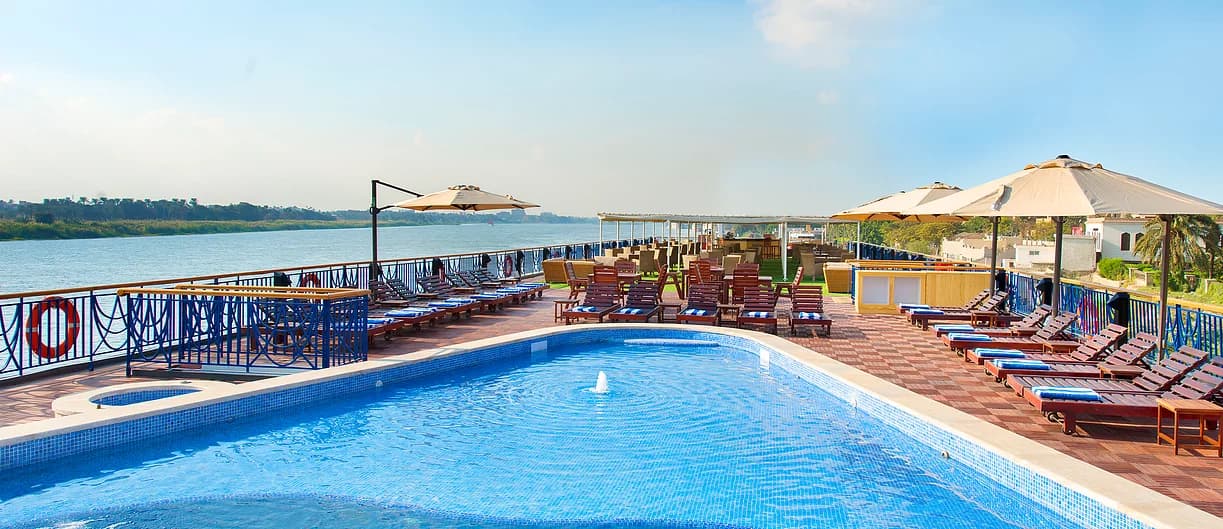
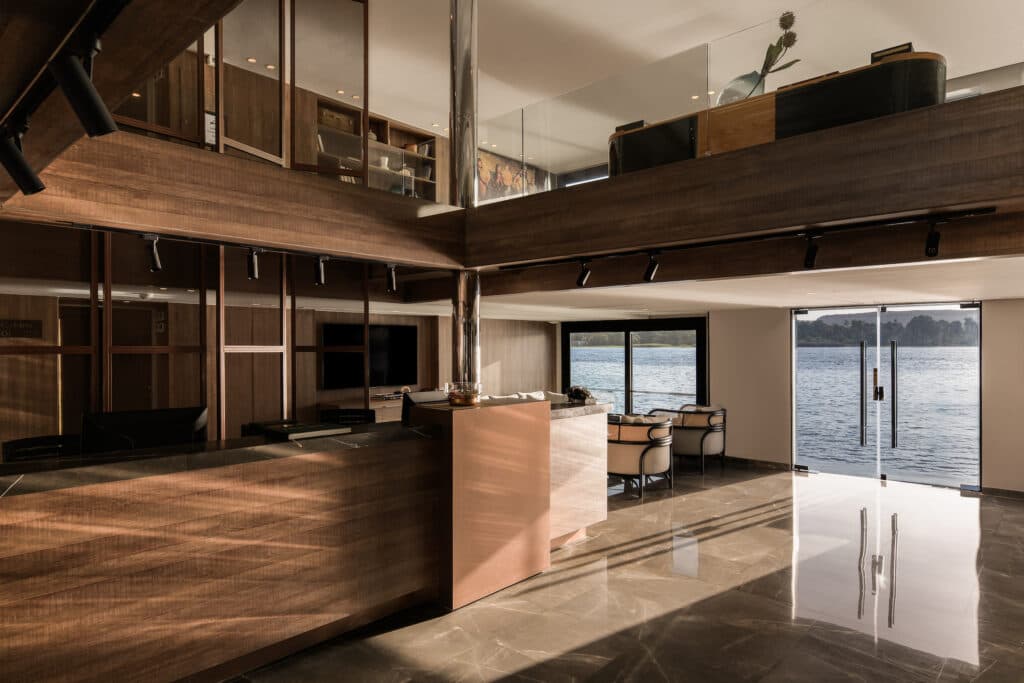

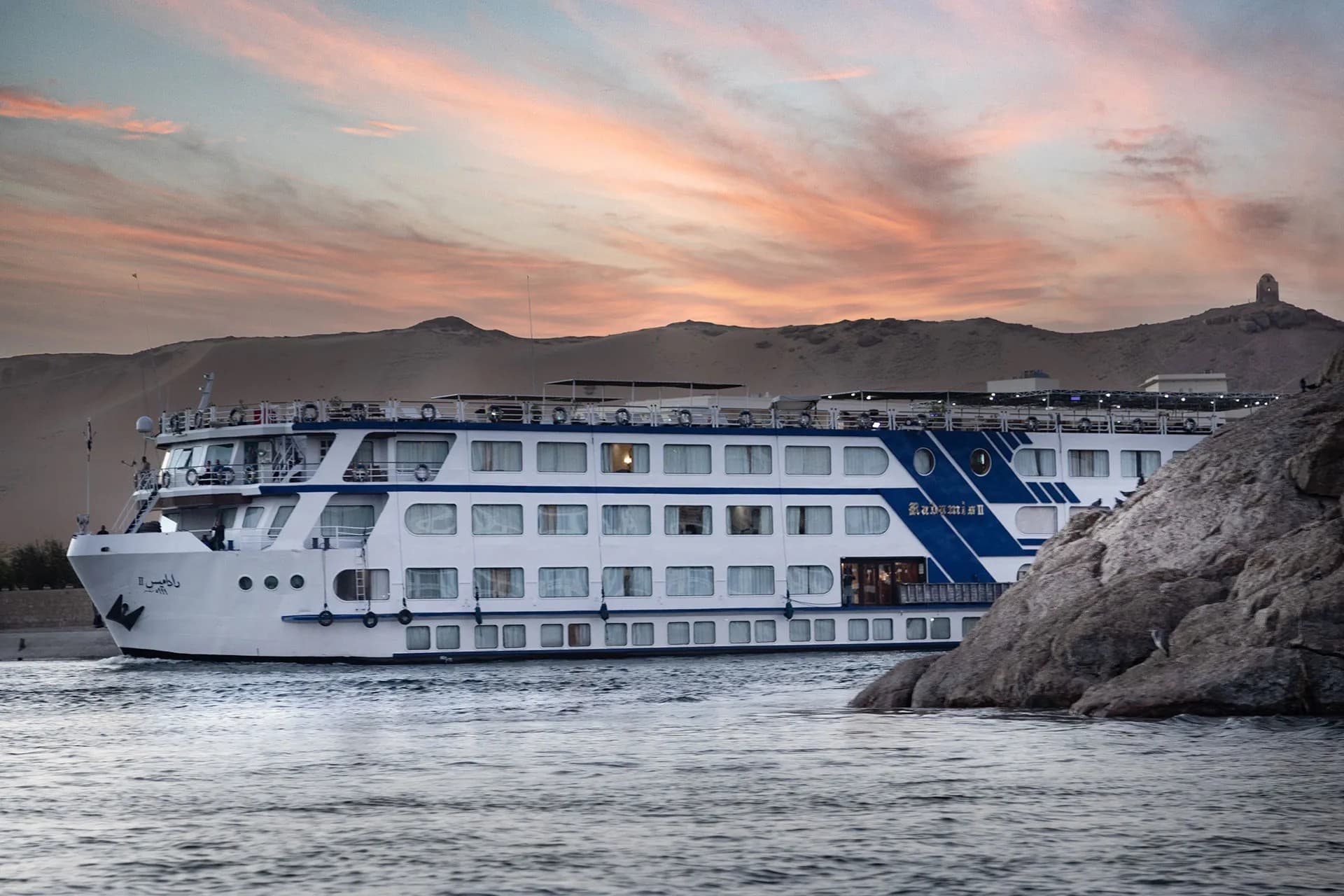
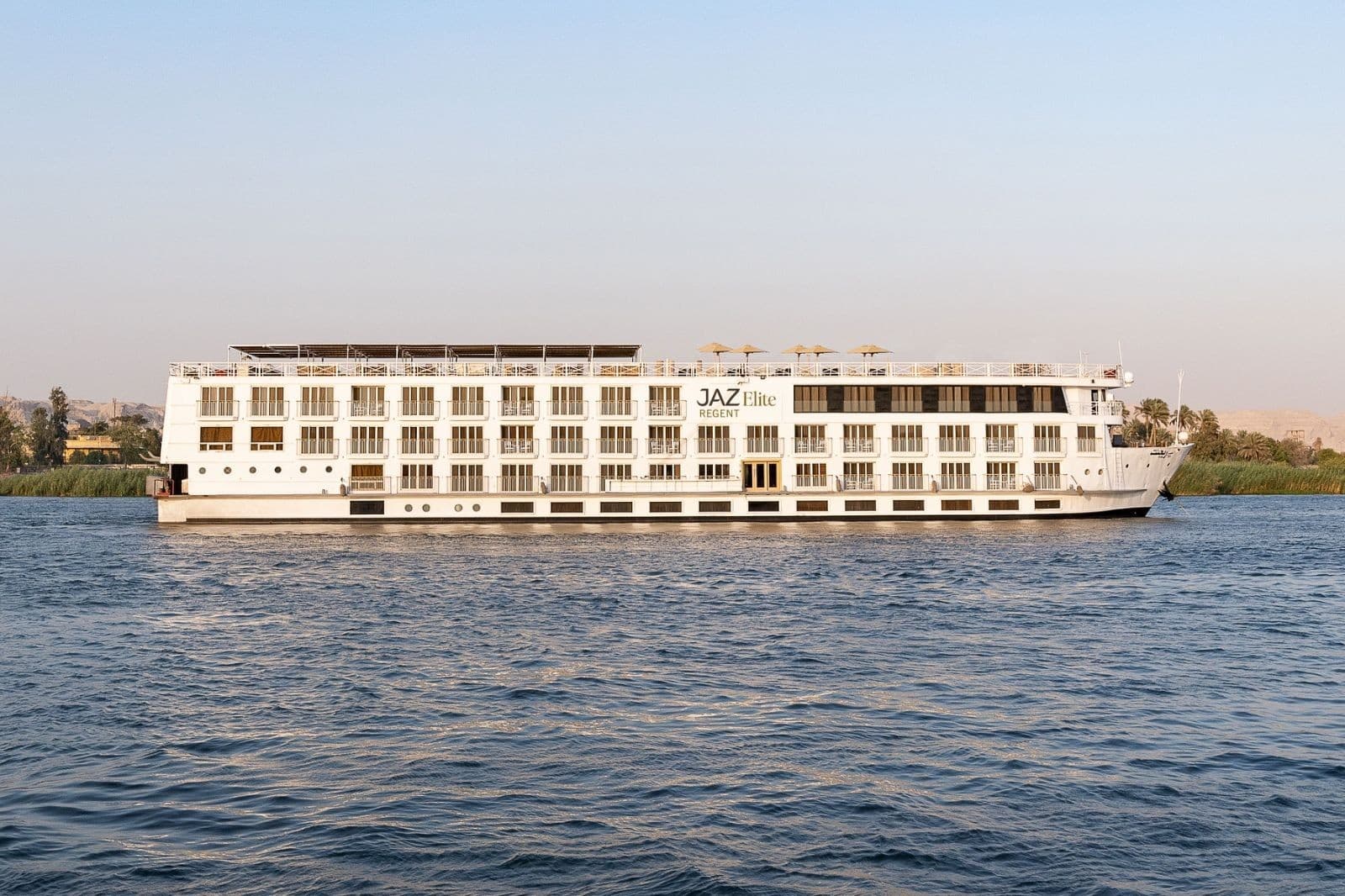
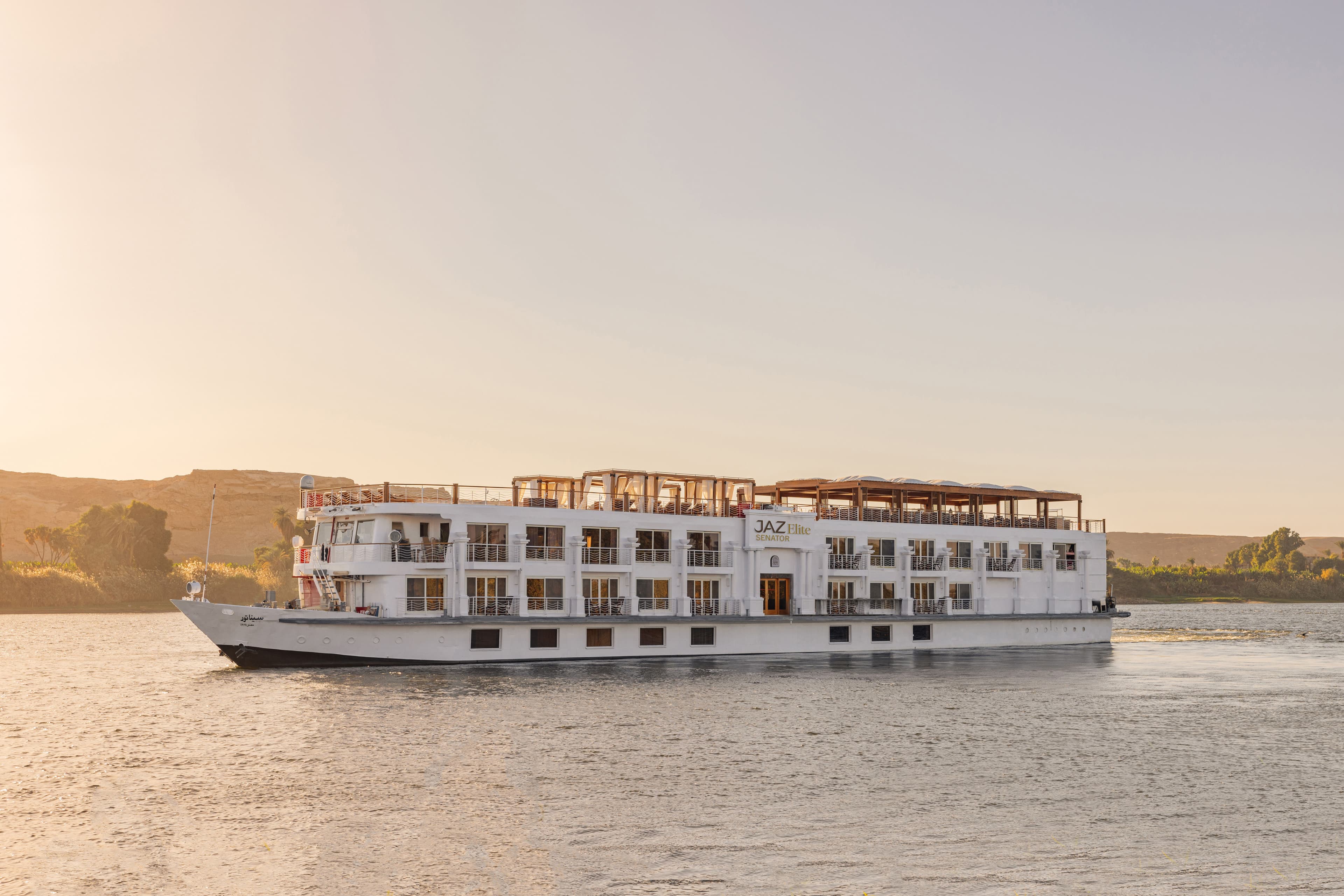
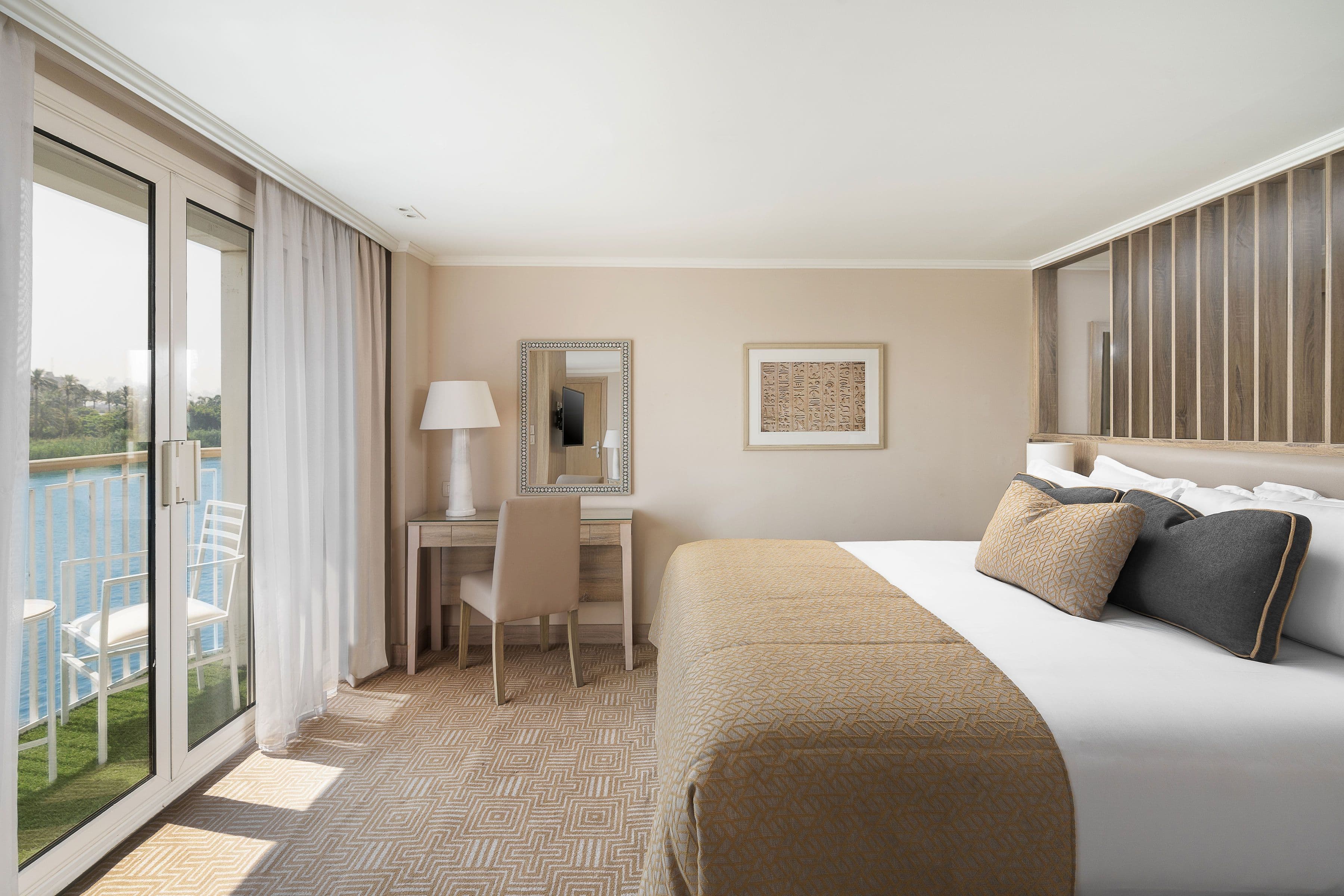
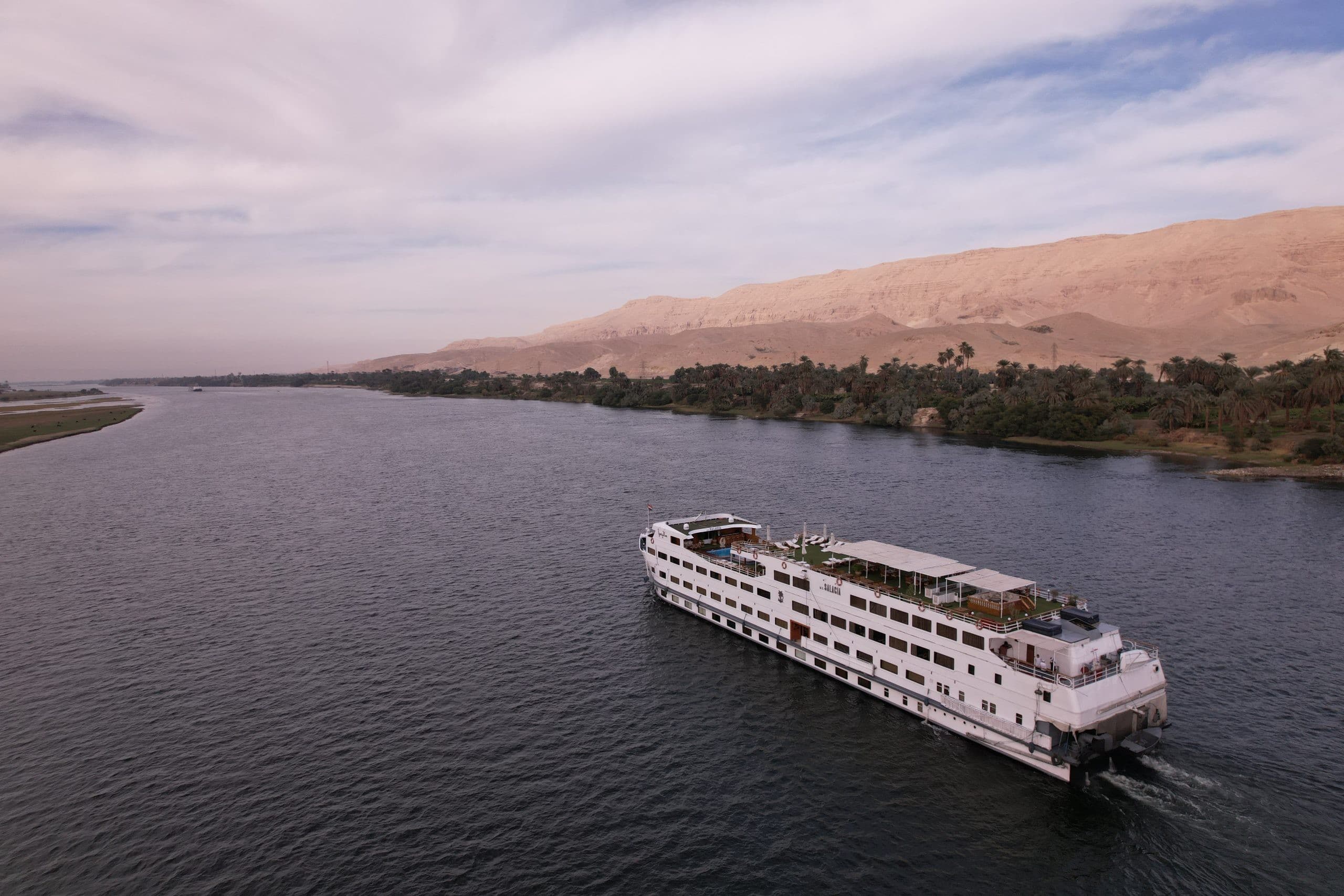
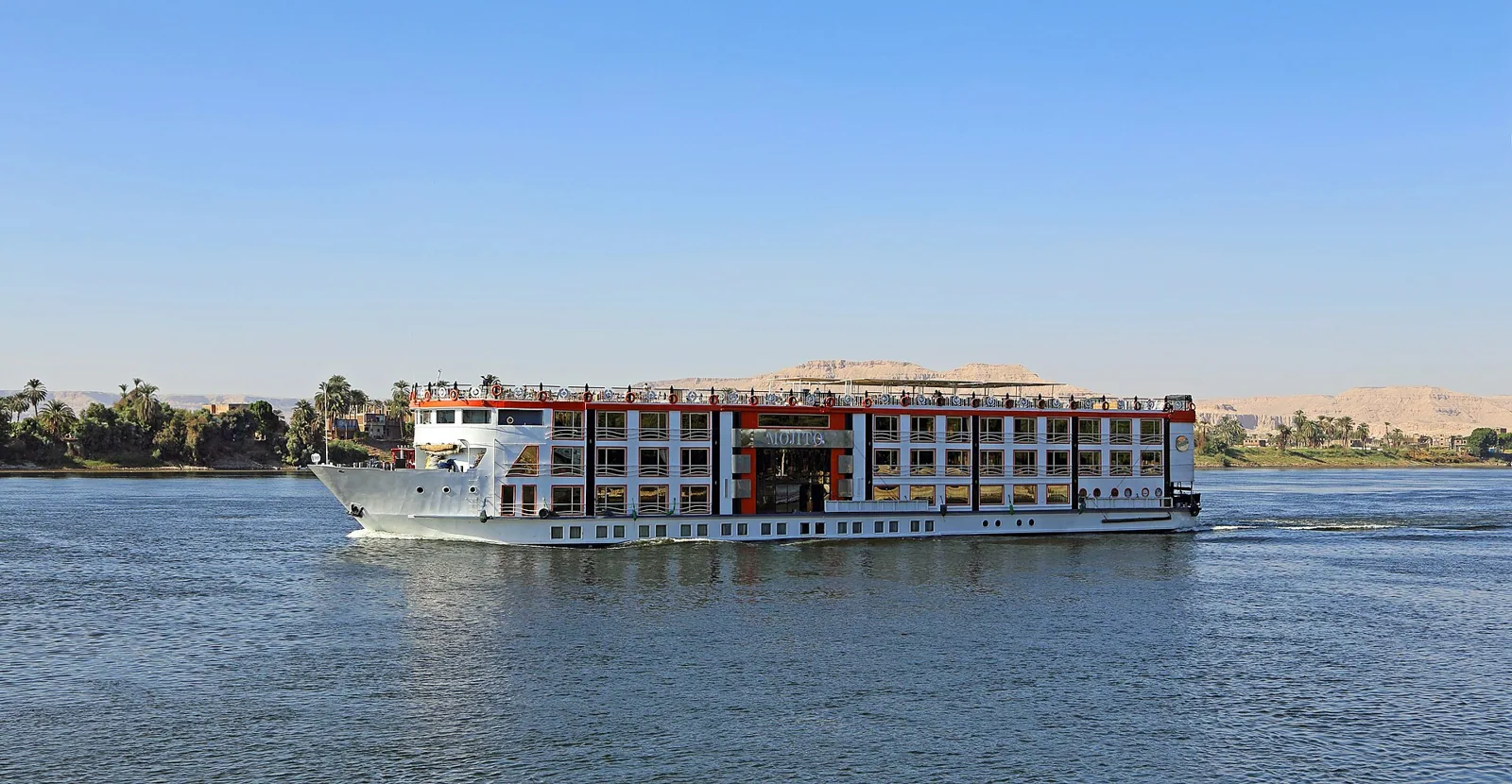
Quick answer: Choosing an Egypt tour comes down to three questions: group or private, cruise or land, and who exactly is guiding you. Get those right and the rest is detail. Group tours are cheaper and social; private tours cost more but bend to your pace and interests, which most people find worth it here because Egypt's sites have almost no signage and the logistics are genuinely complex. Whatever you pick, the single biggest quality lever is the guide - a licensed Egyptologist turns a pile of stones into the story of a civilisation, while a cheap unlicensed "guide" often turns your day into a tour of his cousin's papyrus shop. This guide walks you through the choices, the fair price ranges, and the red flags that separate a great trip from an expensive disappointment.
The three decisions that shape your tour
Everything else follows from these.
Group or private. A group tour puts you on a fixed itinerary with 8-30 strangers, a shared guide, and a set departure date. It's the cheapest way to see Egypt and you'll meet people. A private tour is just your party - a dedicated guide and driver, your own pace, and the freedom to skip a site or linger for an extra hour. In Egypt specifically, private is more popular than in most destinations because the sites reward depth and the heat rewards flexibility.
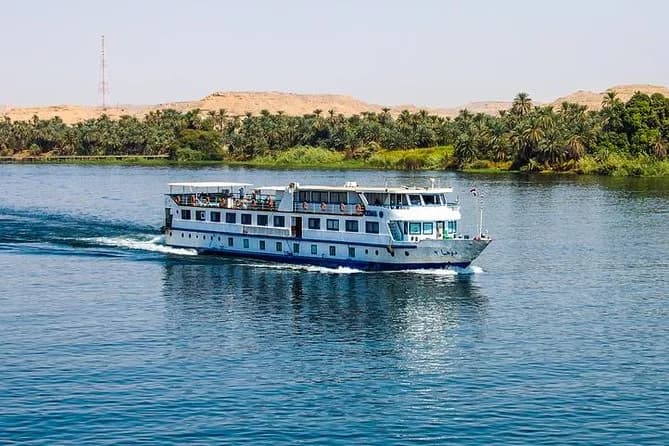
Nile cruise or land tour. A Nile cruise between Luxor and Aswan (usually 3-4 nights) is the classic Egypt experience: your hotel moves with you, and you wake up beside temples like Edfu and Kom Ombo. A land tour keeps you in hotels and covers Cairo, Giza and further afield without a boat. Most well-rounded trips combine both - a few Cairo days plus a cruise - which is why the strongest packages bundle them.
Day tour or multi-day package. Day tours (a single site or city, 4-10 hours) are perfect for filling gaps in an independent trip or testing an operator before committing. Multi-day packages handle everything - hotels, internal flights, transfers, guide, entries - so you never touch the logistics. If it's your first time in Egypt, a package removes almost all the friction.
Group vs private vs self-guided, compared
| Group tour | Private tour | Self-guided | |
|---|---|---|---|
| Cost | Lowest | Higher (2-4x group per head) | Lowest cash, highest hassle |
| Pace | Fixed schedule | Fully flexible | Total freedom |
| Guide | Shared, one for the group | Dedicated to you | None (or hired per site) |
| Best for | Budget, solo social travellers | Families, honeymoons, deep interest | Confident repeat travellers |
| Downside | Rushed, crowd-paced, shopping stops | Costs more | You handle scams, tickets, transport |
| Typical day rate | From ~$40-70/person | ~$120-250/person | Site tickets only |
Self-guided works in Egypt, but understand what you're signing up for: buying tickets at the gate, arranging transport, fending off touts, and reading the sites cold. Many independent travellers still hire a licensed guide for the big-ticket days (Giza, the Valley of the Kings) and go it alone the rest.

What a good Egypt tour actually includes
The word "tour" hides enormous variation. Before you pay, get the inclusions in writing and check for these:
- A licensed Egyptologist guide. This is the difference-maker. Egypt licenses guides by category, and a proper Egyptologist has a university degree in the subject and a Ministry of Tourism badge showing their name, photo and licence class. They can decode a cartouche and answer your real questions. A cheap "guide" may just be a driver who talks.
- All entrance fees, or a clear list of what's extra. Egypt has many paid extras inside sites - the Tutankhamun tomb, the Great Pyramid interior, the Abu Simbel add-on, special mummy halls. A good operator either includes these or names them upfront with prices.
- Air-conditioned private transfers and airport pickups, not "meet at the site."
- Internal flights if the itinerary crosses the country (Cairo-Luxor-Aswan), stated as included or not.
- Cruise category spelled out - a 5-star boat and a tired 3-star boat are both sold as "Nile cruise." Ask for the vessel name and read its recent reviews.
- Meals - most cruises are full board; land tours are usually breakfast only. Know before you go.
Commonly excluded (and legitimately so): international flights, the Egypt e-visa (about US$30, buy on the official portal visa2egypt.gov.eg), travel insurance, drinks, and tips. If those are the only exclusions, that's a clean, honest package.
How to vet an operator
Egypt has thousands of operators and the quality gap is huge. Five checks catch most problems.
- Read recent, specific reviews. Genuine reviews name the guide, describe real moments, and occasionally mention a small hiccup. Uniformly glowing, generic five-stars with no detail are a warning sign. Look on independent platforms, not just the operator's own site.
- Confirm licensing. Ask directly: is the guide a licensed Egyptologist, and will the same guide be with us throughout? A real operator answers without hesitation and can show the badge.
- Demand transparent pricing. A trustworthy quote itemises what's in and what's out. Vague "all-inclusive" language that dodges the specifics usually hides fees.
- Kill the shopping stops. Ask in writing: are there any shopping or "factory" visits on this itinerary? The best operators pay guides a fixed rate so they have zero incentive to detour you into commission shops. If the answer is evasive, walk.
- Check the itinerary is real. A quality itinerary names sites, gives rough timings, and matches the number of days to the ground covered. Vague day-by-day copy ("explore Cairo's wonders") often means a padded, under-planned trip.
Which Egypt tour companies are actually worth booking in 2026?
The recurring names fall into four categories: international small-group adventure operators (Intrepid Travel, G Adventures), premium small-group (Exodus Adventure Travels), an Egypt specialist selling private, group and tailor-made tours (Memphis Tours), and a licensed Egyptian operator designing private trips only (This is Egypt). Which is best depends on whether you want a fixed departure or a trip built around you.
| Operator | Style | Group size | Typical trip length and from-price | Who it suits | How to book |
|---|---|---|---|---|---|
| Intrepid Travel | Small-group adventure in four styles - Basic, Original, Comfort, Premium - plus Tailor-Made; B Corp, running trips since 1989 | Usually 12 to 14 people | 3 to 23 days across 24 Egypt trips; from USD 575 per person for the 3-day Egypt Short Break: Cairo to Fayoum | Social travellers who want a fixed departure, a local leader and a clear price ladder | Direct with Intrepid |
| G Adventures | Small-group tours in the Classic, Geluxe and National Geographic Journeys lines, plus Private Travel | Max 16, average 12 (8-day Best of Egypt) | 8 to 14 days for the Classic Egypt trips (Best of Egypt to Highlights of Egypt) among 21 Egypt tours; from USD 1,699 per person (Best of Egypt, 8 days, January 2027 departure; discounted autumn 2026 dates are lower) | Budget-conscious group travellers and solo travellers (no single supplement on group trips) | Direct with G Adventures |
| Exodus Adventure Travels | Guided small-group tours in Classic, Superior and Signature styles, flights excluded | Not published on the Egypt listing | 9 to 13 days; from USD 3,080 per person (Highlights of Egypt, 9 days, Classic - a 20%-off promotional price in October 2026) | Travellers who want a longer, higher-end guided group, often with a Nile cruise built in | Direct with Exodus |
| Memphis Tours | Egypt specialist selling private, group and small-group tours plus "Tailor a Tour"; ISO 9001:2015 certified | Filterable by Private, Group or Small Group; sizes not published per tour | 4 to 14 days; from US$930 per person sharing (4-day Aswan/Luxor small group) or US$1,345 (5-day private Cairo and Luxor by air) | Travellers who want a ready-made private itinerary with Nile cruise and dahabiya options | Direct with Memphis Tours |
| This is Egypt | Licensed Egyptian tour operator (Licence No. 393/21, IATA accredited, operating since 2012) with a Cairo-based team of travel specialists and licensed guides; private, custom trips only - no fixed group departures | Your party only | Any length - starting points, not packages; priced by quote, so there is no from-price | Travellers who want a trip designed around them, with a human on WhatsApp rather than a booking engine | Plan a custom trip |
All from-prices are per person as shown on each operator's own site on 8 October 2026 and exclude international flights. Memphis Tours states its small-group price as "sharing", G Adventures prices are for the dated departure shown, and the Exodus and G Adventures figures were promotional discounts at the time, so treat every number as a starting point and confirm when you book. This is Egypt publishes no from-price because every trip is quoted individually.
International small-group vs Egypt-based private. An international operator sells certainty: a published itinerary, a published price, a departure date and a group that becomes company. You give up pace and privacy for that. A local operator building a private trip sells the opposite: your dates, your sites, a guide and driver to yourselves, and a direct line to the people actually running your days. The vetting checklist above applies to both - the licence, the named guide, the written inclusions and the shopping-stop question - and a good operator in either category answers it without hesitation.
If you would rather skip the comparison, tell us your dates and what you can't miss and a Cairo-based specialist will design the trip for you - no planning fee, no obligation.

Red flags that should stop you
- A price that seems too good. Egypt tours have real costs - guide, fuel, entries, hotels. A multi-day package priced far below everyone else is almost always recouping the difference through commission shopping stops, hidden "optional" fees, or a downgraded boat. Cheap upfront, expensive on the day.
- Forced shopping and "free" factory visits. The perfume "factory," the papyrus "institute," the alabaster workshop - these eat your time and exist to extract a commission. One or two is a scheduling annoyance; several is the actual business model.
- Vague itineraries and dodged questions. If you can't get a straight answer on the guide's licence, the boat's name, or what's included, that opacity will follow you the whole trip.
- Guides who approach you at the site. Licensed guides come pre-arranged through your operator. Anyone soliciting you at the gate, claiming a site is "closed" today, is running a routine. See our Egypt scams guide for the full playbook.
- Pressure to book instantly. "This price is only today" is a sales tactic, not a real constraint.
What things cost in 2026
Use these as anchors. Rough conversion is about US$1 to 48-49 EGP. Government site tickets are separate and cheaper - pay at the gate or via egymonuments.com - so a tour price is mostly guiding, transport and logistics on top.
| Tour type | Typical median price | Notes |
|---|---|---|
| Ticket/attraction entry | The site itself; add a guide for context | |
| Cultural & historic day tour | Giza, Egyptian Museum, temples | |
| Day trip (further afield) | Alexandria, Abu Simbel add-ons | |
| Desert & adventure | Quad, safari, oasis day trips | |
| Food & nightlife | Dinner cruises, food walks | |
| Nile cruise (multi-day) | Per person; varies wildly by boat class |
Nile cruises span the widest range: budget standard boats start around $450-700 per person for 3-4 nights, deluxe 5-star boats run $700-1,200, and boutique dahabiya sailboats or ultra-luxury vessels climb well past $1,800-4,000. By city, medians run roughly: Cairo ~4,640 EGP, Giza ~3,660, Luxor ~4,460, Aswan ~6,360, Alexandria ~6,200, Hurghada ~2,480, Sharm el-Sheikh ~2,440. Confirm current prices when you book - they move with the season and the exchange rate. For a full breakdown, see our guide to Egypt trip cost and where to find the best-value Egypt tours.
Tipping your guide and driver
Tipping (baksheesh) is a normal, expected part of Egyptian tourism, and it's genuinely appreciated rather than a scam. Budget for it separately from the tour price.
- Private guide: roughly $10-25 per traveller per day, toward the higher end for an excellent full-day guide. A couple might tip $20-30 a day.
- Driver: about half the guide's rate - $5-8 per day, or 150-350 EGP depending on the vehicle and service.
- Cruise crew: cruises usually run a shared tip box for the boat staff; a common guideline is $10-15 per passenger per day, split among the crew.
Carry small notes, tip guide and driver separately, and adjust for how good they actually were. US dollars are widely accepted for larger tips; small change is easiest in Egyptian pounds. Our Egypt money and tipping guide has the full etiquette.
Matching the tour to your trip style
- First-timers: book a private multi-day package with a licensed Egyptologist. It removes the logistics and the scams in one move, and the depth is worth the extra over group rates.
- Families: private, every time. You control the pace, can duck out when kids melt down in the heat, and a good guide keeps children engaged with the stories.
- Honeymooners: a private land-and-cruise combo, ideally on a dahabiya or a strong 5-star boat. The privacy and flexibility are the whole point.
- Budget travellers: a small-group tour, or self-guided in Cairo with a licensed guide hired just for Giza and the museum. Skip the padded packages and the shopping-stop specials.
- Luxury travellers: private everything, boutique dahabiya, premium hotels, and an operator that names the guide and vessel upfront.
- Solo travellers: a small-group tour is social and cost-effective; a private guide is safer-feeling and more flexible if the budget allows. Either way, a vetted operator matters more when you're on your own.
Still weighing the boat question? Read Nile cruise vs land tour before you commit, and if you're unsure whether you even need a guide, do you need a guide in Egypt settles it.
The short version
Decide group vs private and cruise vs land first. Then insist on a licensed Egyptologist, written inclusions, transparent pricing and a shopping-stop-free itinerary. Read specific recent reviews, and treat a suspiciously cheap package as a warning, not a bargain. Do that and you'll skip the frustrations that ruin some Egypt trips while keeping everything that makes it one of the great journeys on earth.
Want the choosing done for you? This is Egypt is a licensed Egyptian tour operator that designs private, Egyptologist-guided trips with vetted operators, transparent pricing, and no forced shopping stops - so the sites come to life and the logistics are off your plate. Plan a custom trip, or browse Egypt tours and experiences.
A real team available 24/7 to assist you — free
Seif and the team reply on WhatsApp 24/7 — trip questions, custom plans and booking help.
Ask Seif on WhatsAppCommon questions
Is a group or private Egypt tour better?
Private is better for most people in Egypt because the sites reward depth and the heat rewards flexibility - you set the pace, skip or linger where you like, and get a guide's full attention. Group tours are cheaper and more social, and work well for budget and solo travellers who don't mind a fixed schedule. Expect a private day to cost roughly 2-4 times a group day per person.
How much does an Egypt tour cost in 2026?
A cultural day tour runs around 4,700 EGP (~$97), a bigger day trip around 6,200 EGP (~$128), and a multi-day Nile cruise from about $450 on a budget boat up to $1,800-4,000+ on a boutique or luxury vessel. Government site tickets are separate and cheaper, paid at the gate or via egymonuments.com. Prices move with the season and exchange rate, so confirm when booking.
What should a good Egypt tour include?
A licensed Egyptologist guide, air-conditioned private transfers, airport pickup, all entrance fees (or a clear list of paid extras like the Tutankhamun tomb and Great Pyramid interior), internal flights if the trip crosses the country, and a named cruise vessel with its star rating. Meals are usually full board on cruises and breakfast-only on land tours. Get all of it in writing before you pay.
What's usually not included in an Egypt tour price?
International flights, the Egypt e-visa (about US$25 via visa2egypt.gov.eg), travel insurance, drinks, and tips are legitimately excluded from most packages. Watch for less honest exclusions - inflated 'optional' site fees or a downgraded boat hidden behind a low headline price. If the only exclusions are the standard ones above, that's a clean package.
How do I know if an Egypt guide is really licensed?
Ask directly whether the guide is a licensed Egyptologist and request to see the Ministry of Tourism badge, which shows their name, photo and licence category. Licensed guides are pre-arranged through your operator and don't solicit tourists at site entrances. Anyone approaching you at the gate offering to guide, or claiming a site is 'closed' today, is not a licensed guide you should follow.
Why are some Egypt tours so cheap?
Egypt tours have real fixed costs - guide, fuel, entrance fees, hotels - so a package priced far below the market almost always makes the money back another way: commission-earning shopping and 'factory' stops that eat your time, hidden optional fees added on the day, or a downgraded cruise boat. Cheap upfront usually means expensive or frustrating on the ground.
How do I avoid shopping-stop tours in Egypt?
Ask in writing whether the itinerary includes any shopping or factory visits, and choose operators that pay guides a fixed rate rather than commission. The perfume 'factory,' papyrus 'institute' and alabaster workshop exist to earn the guide a cut. One brief stop is a minor annoyance; several packed into a day means shopping is the tour's real purpose.
How much should I tip an Egypt tour guide and driver?
Roughly $10-25 per traveller per day for a private guide (higher for an excellent one), and about half that - $5-8 per day - for the driver, tipped separately. On a Nile cruise, budget around $10-15 per passenger per day for the shared crew tip box. Tipping is normal and appreciated; carry small notes and adjust for the quality of service.
Should I do a Nile cruise or a land tour?
Most well-rounded Egypt trips do both - a few days in Cairo and Giza on land, plus a 3-4 night Nile cruise between Luxor and Aswan where your hotel moves with you and you wake beside temples like Edfu and Kom Ombo. A land-only trip is fine if you're short on time or focused on Cairo. The strongest packages bundle a land segment with a cruise for exactly this reason.
Which is the best tour company for Egypt?
There is no single best, only the best fit. For a fixed-departure small group, Intrepid Travel (usually 12 to 14 people, from USD 575 for a 3-day break) and G Adventures (max 16, from USD 1,699 for 8 days) lead; Exodus runs higher-end 9 to 13-day groups. Memphis Tours sells private and small-group Egypt tours off the shelf, and This is Egypt is a licensed Egyptian operator that designs private trips only, priced by quote.
Should I book an Egypt tour with an international company or a local Egyptian operator?
International operators such as Intrepid, G Adventures and Exodus give you a fixed itinerary, a published price and a group that becomes company - the safer choice if you want everything decided before you fly. A licensed local operator gives you a private guide and driver, your own pace, and a direct line to the people running your trip. Whichever you pick, check the licence, the guide's credentials and the inclusions in writing.
Book it on This is Egypt
Turn this guide into a trip



Egypt's bestsellers
The experiences travelers book most, across the country




Keep reading
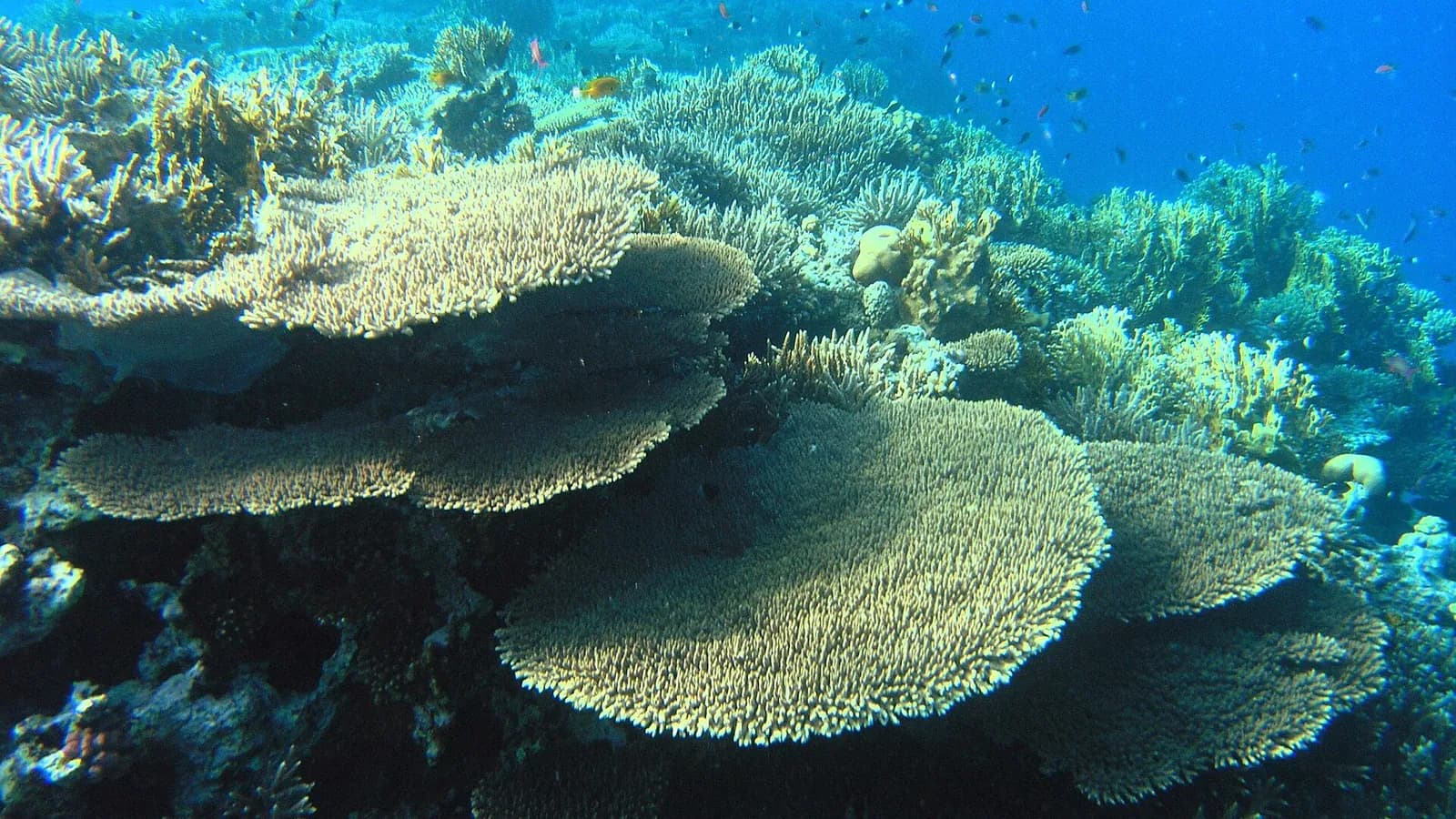
Hurghada Diving (2026): Best Sites, Packages & Prices
Diving in Hurghada — the best reefs (Giftun, Careless Reef, Dolphin House) and Abu Nuhas wrecks, Discover Scuba vs PADI courses, season and water temps, and real 2026 prices.
By TiE Editors7 min read
Hurghada Snorkeling Trips (2026): Best Reefs, Prices & How to Choose
Where to snorkel from Hurghada in 2026 — Orange Bay, Giftun, Mahmya, Utopia and Dolphin House — with boat types, marine life, month-by-month sea temperatures, family tips and real prices from 1,000+ bookable trips.
By TiE Editors7 min read
Egypt Tour Prices by Activity (2026): What Each Type Really Costs
What every type of Egypt experience costs — half day, full day or overnight — as a median and a mid-half range in US dollars, from 12,370 live bookable listings.
By TiE Editors6 min read