
Do You Need a Guide in Egypt? When It's Worth It (2026)
You can travel Egypt solo, but a licensed Egyptologist transforms the big sites. Here's exactly when a guide is worth it, when to DIY, and what one costs.
Quick answer: You can absolutely travel Egypt on your own. Trains run, hotels book online, and museums sell tickets at the gate. But at the great ancient sites, a licensed Egyptologist guide is close to essential. The temples and tombs carry almost no signage, and a good guide turns a wall of weathered hieroglyphs into a gripping story of gods, kings and daily life. The practical answer most experienced travellers land on: hire a private guide for the heavy sightseeing days in Cairo, Luxor and Aswan, and go independent for everything else.
Egypt has employed guides for a very long time. The old handbooks called them dragomans — from an Aramaic root meaning "to explain" — and Baedeker's 1895 guide warned that "satisfactory will be the traveller's subsequent relations with his guide" only if you chose carefully. That's still the whole game in 2026. A great guide is the difference between a good trip and one you talk about for years. A bad one is a wasted day and a hard sell to a papyrus shop. So the real question isn't whether to use a guide — it's where, and how to find a good one.
What a good Egyptologist guide actually adds
Four things, in order of how much they matter.
Context that brings stone to life. This is the big one. Stand alone in the tomb of Ramesses VI and you see beautiful painted ceilings you can't read. Stand there with an Egyptologist and you learn why the sky-goddess Nut swallows the sun each night, what the Book of the Dead spells on the walls promise, and how the workers who cut the tomb went on the first recorded labour strike in history. Licensed Egyptian guides complete a university degree in Egyptology — it's a legal requirement, not a marketing line — so this depth is real.
Logistics and time. The big sites are big. The Giza plateau, Karnak, and Saqqara all reward knowing which entrance to use, when the light is best, and what to skip. A guide with a driver gets you to the Valley of the Kings before the cruise crowds and steers you to the three tombs worth your included ticket.
A buffer against hassle. Touts, "free" camel rides that aren't free, and pushy vendors thin out fast when you're visibly with a local guide. It's one of the most underrated reasons to hire one for Giza specifically.
Access and tickets. Egypt's monuments have gone almost entirely cashless — Giza, the Egyptian Museum, the Citadel and more now take bank or Meeza cards only, not cash. A guide handles the ticket machines, knows which extra tickets (the Great Pyramid interior, special tombs, photography passes) are worth buying, and saves you queueing twice.
Where a guide is most valuable
Some sites are almost incomprehensible without one, and gloriously rich with one.
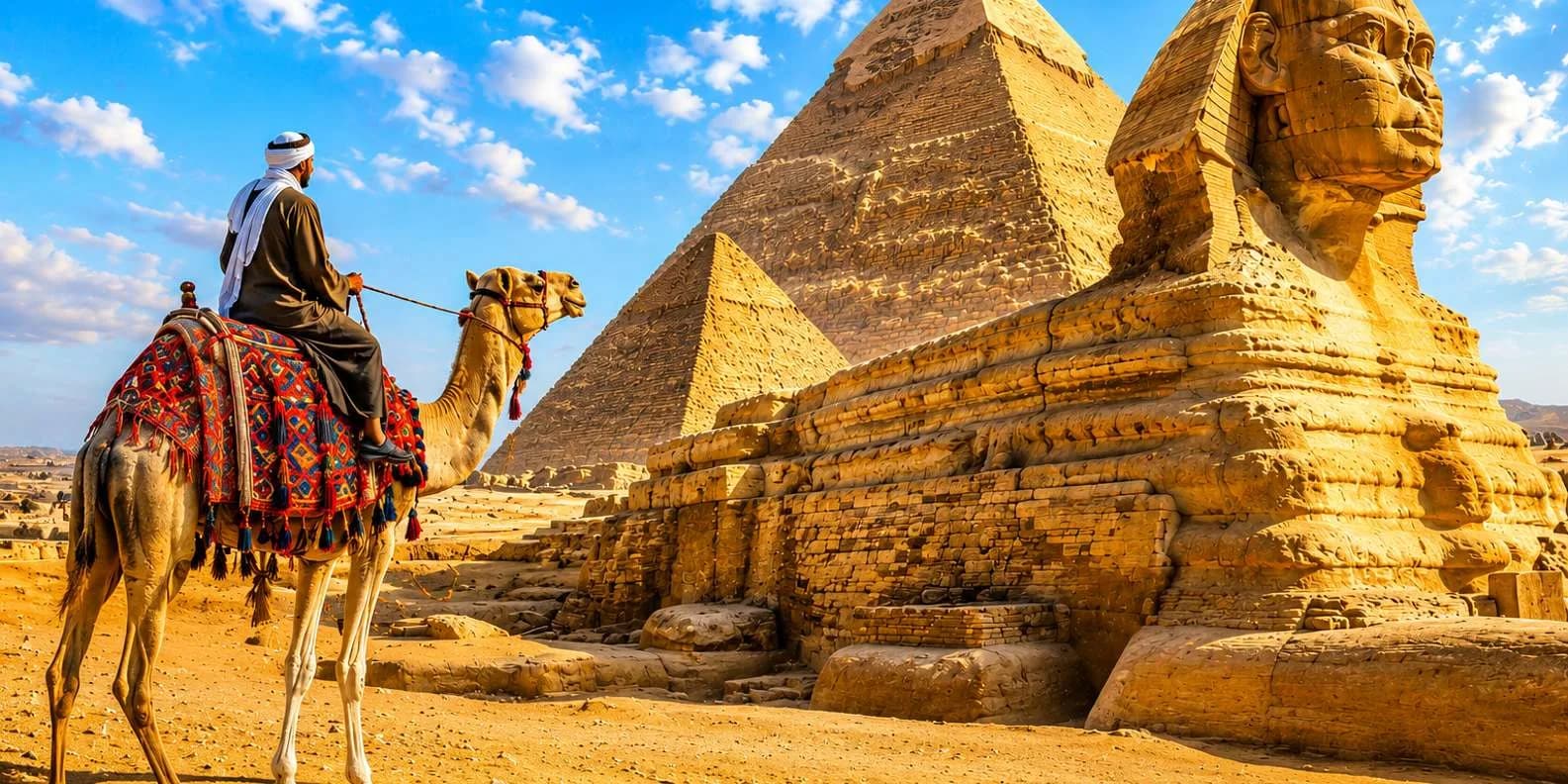
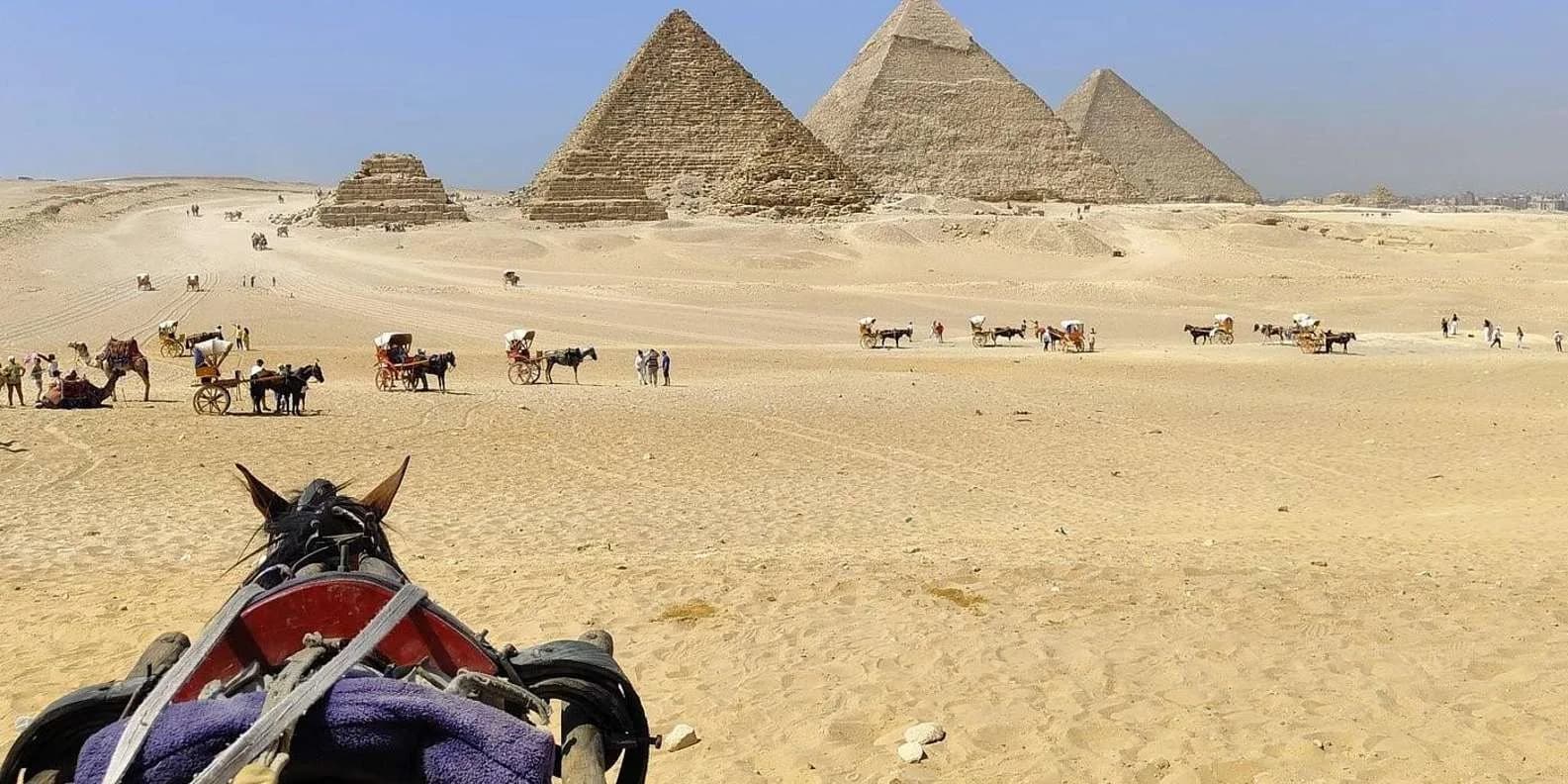
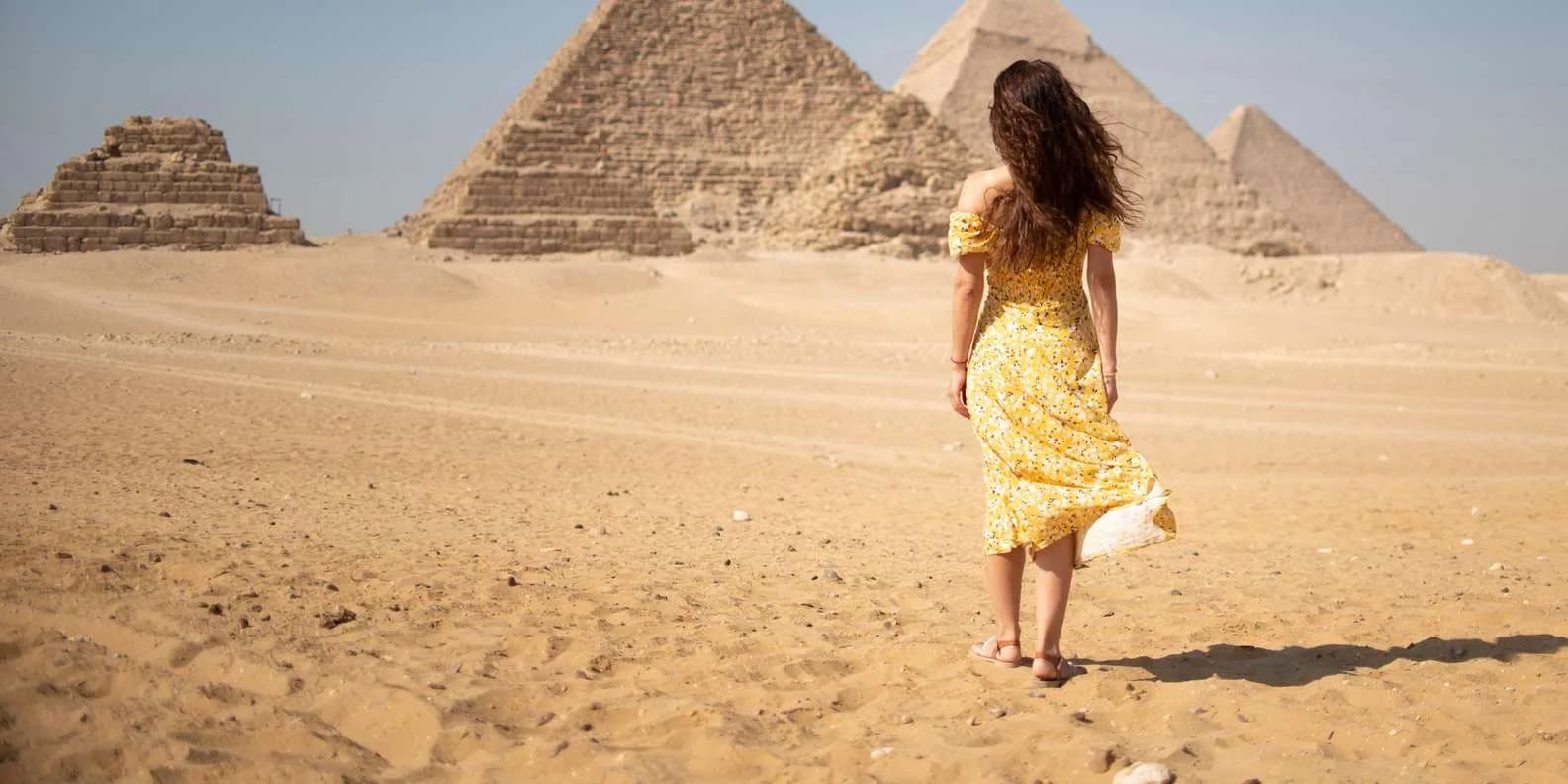
- The Giza Pyramids & Sphinx — huge, hot, and heavy with touts. A guide handles the hassle and explains what you're actually looking at.
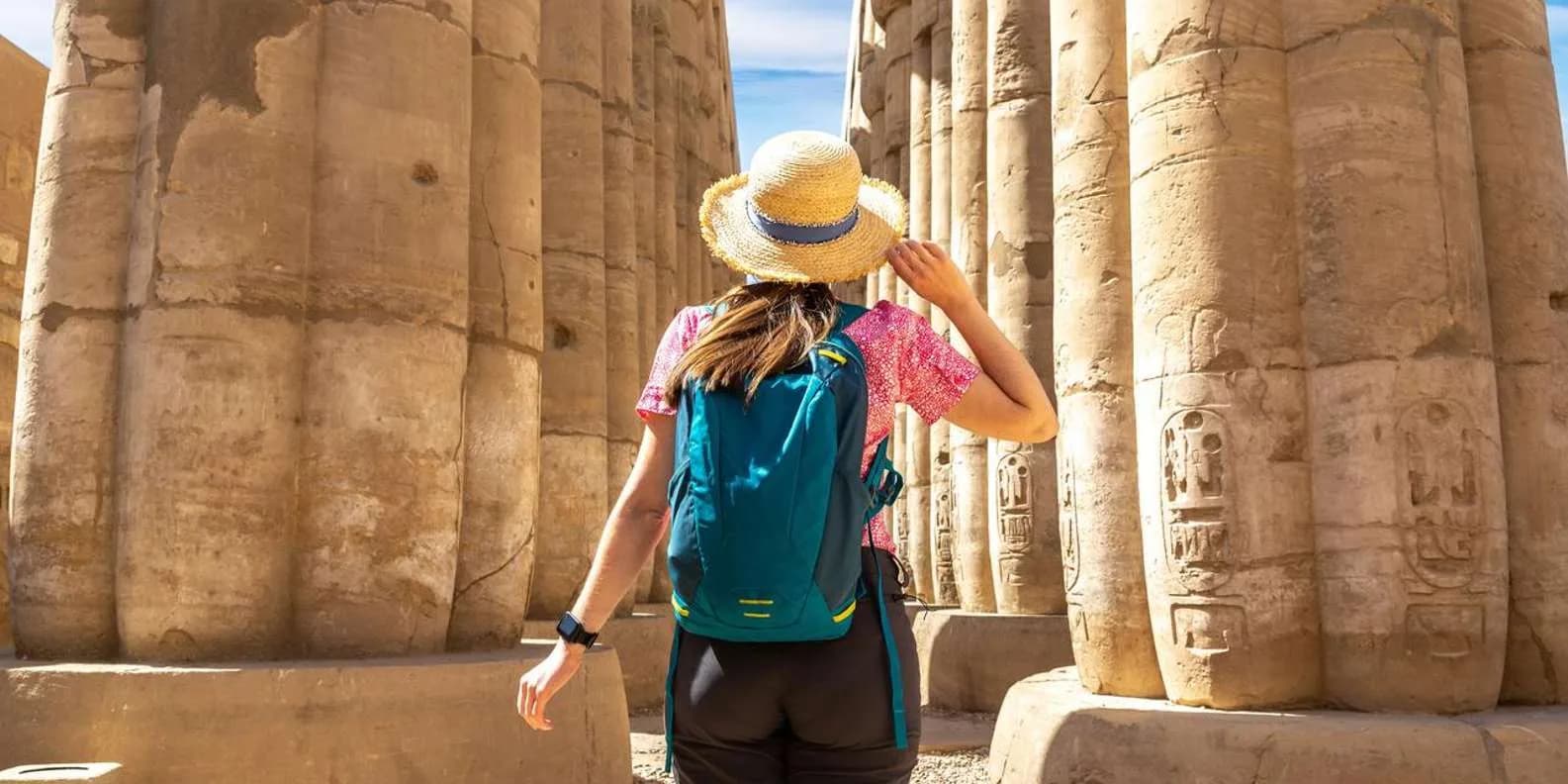
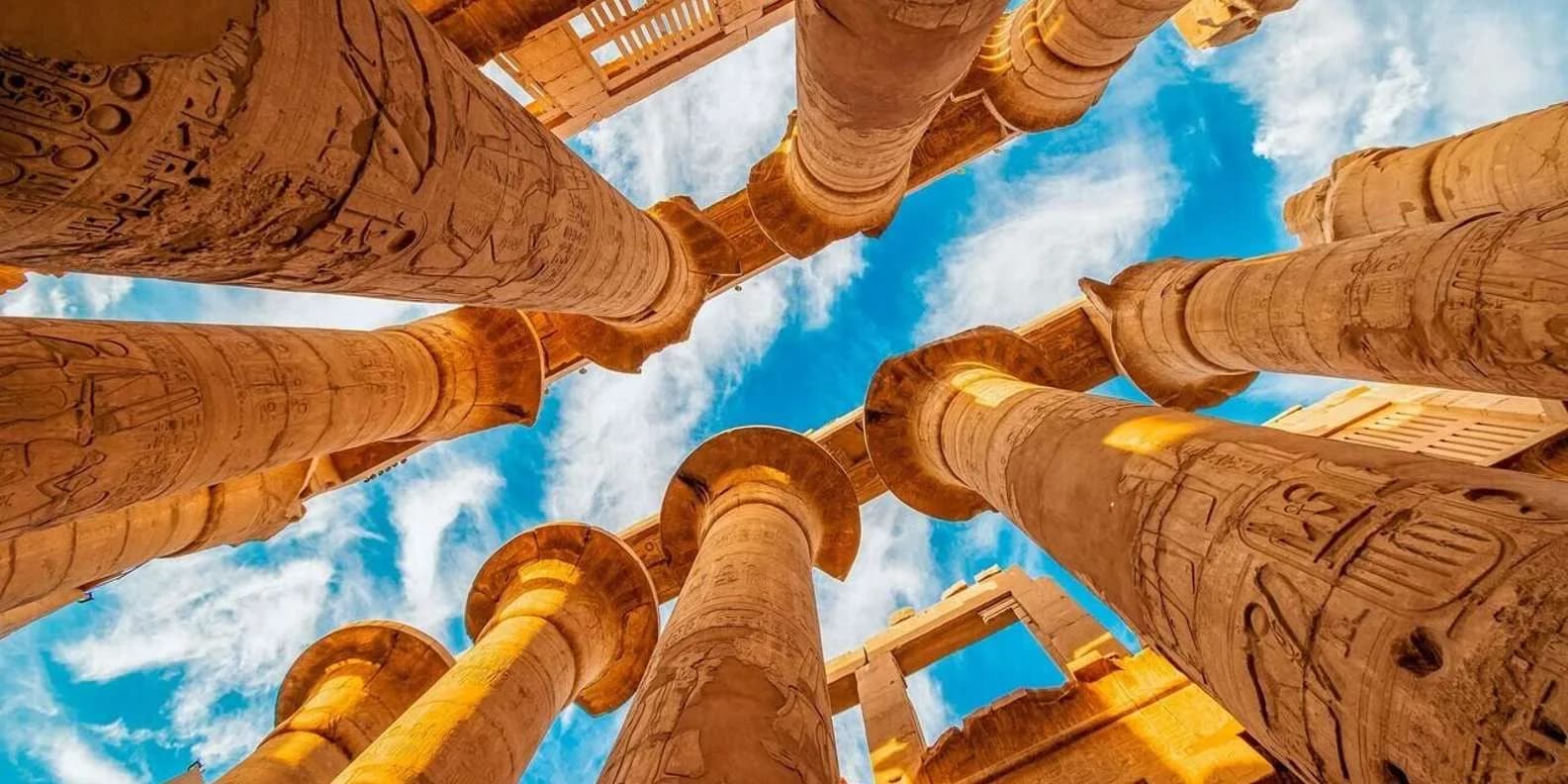
- Luxor's tombs and temples — the Valley of the Kings, Hatshepsut's temple, Karnak and Luxor Temple are the densest concentration of decorated monuments on earth. This is where a guide pays for itself twice over.
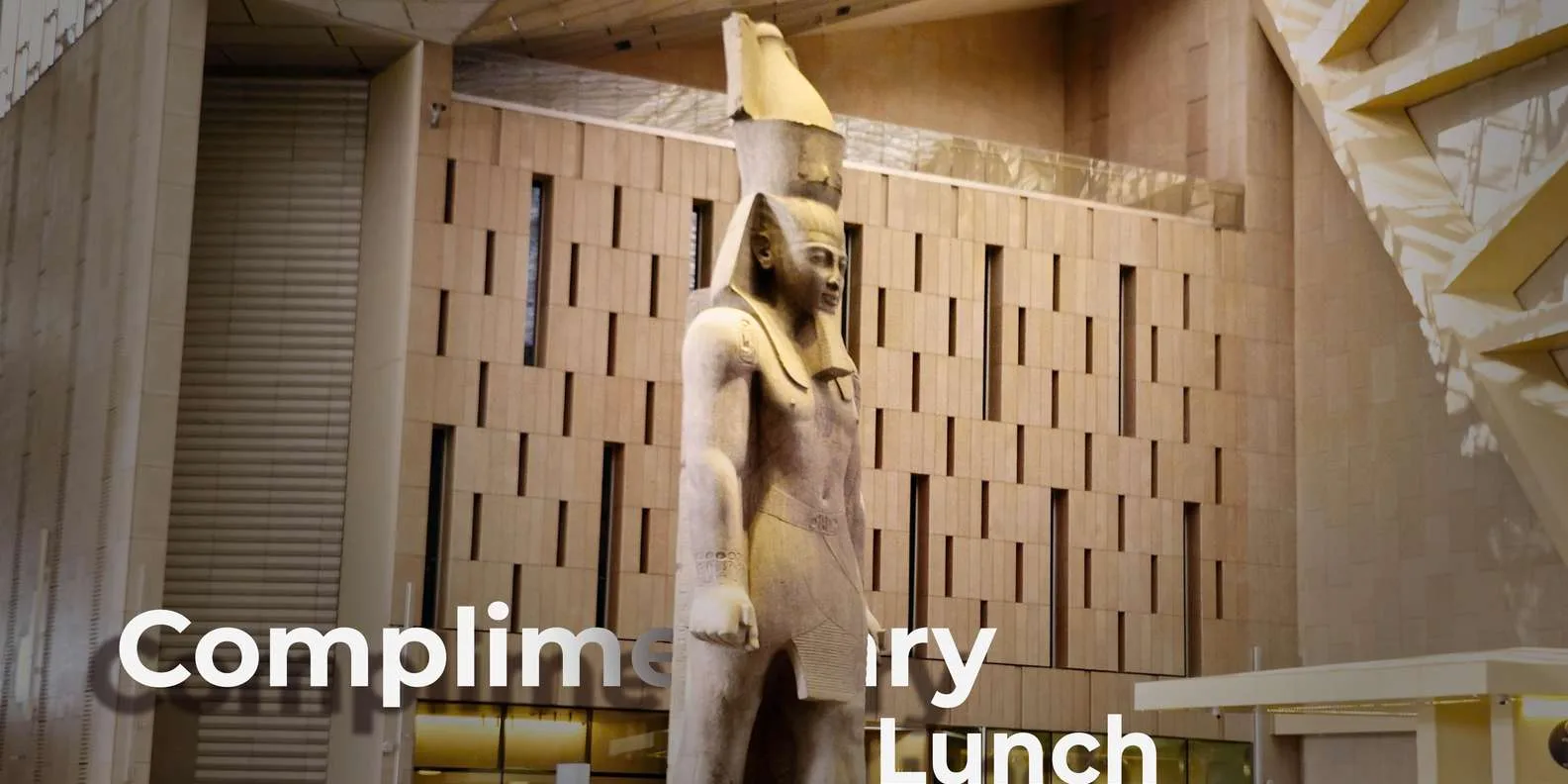
- The Grand Egyptian Museum (GEM) and the old Egyptian Museum in Tahrir — GEM opened fully in November 2025 with the complete Tutankhamun collection, the largest in the world. It's vast; a guide gives it a narrative thread instead of museum fatigue.
- Saqqara & Dahshur — the Step Pyramid, the Bent and Red Pyramids, and painted Old Kingdom tombs most tourists rush past. Underrated and best with someone who knows the stories.

Where you're fine solo
Just as important — plenty of Egypt is easy and better on your own.
- Red Sea resorts (Hurghada, Marsa Alam, Sharm) — sun, snorkelling and diving. Book dives with a certified dive centre, not an Egyptologist.
- Wandering Cairo's neighbourhoods — Islamic Cairo, Coptic Cairo, a coffee on a Zamalek balcony. Go slow, go alone.
- Khan el-Khalili — the great bazaar is an experience, not a lecture. Haggle, get pleasantly lost, drink mint tea.
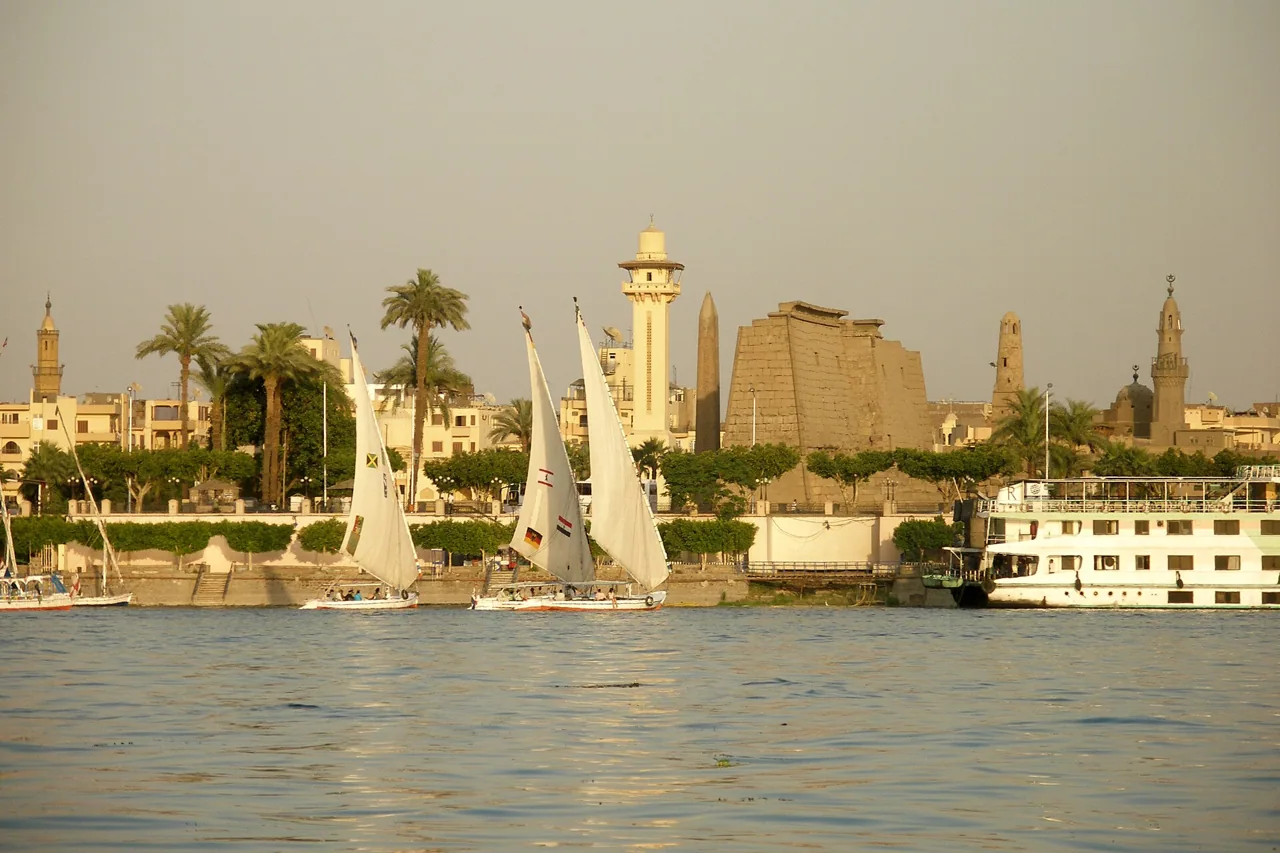
- A felucca sail in Aswan — you want the boatman and the breeze, not a running commentary.
- Alexandria's corniche and cafés — a city for drifting.
Private guide vs group tour vs audio guide vs app
| Option | Best for | Roughly costs | The trade-off |
|---|---|---|---|
| Private Egyptologist | The major sites; families; anyone who wants depth and pace control | Cultural/historic day tours median ~4,700 EGP (~US$95); Cairo day tours ~4,640 EGP | Priciest, but the experience is on another level |
| Small-group day tour | Solo travellers, couples on a budget who still want an expert | Often 1,500–3,500 EGP per person (~US$30–70) | Cheaper; less flexibility, shared pace |
| Audio guide | Museums and self-paced sites | Free–~200 EGP where offered | No one to answer questions or handle touts |
| Guidebook / app | Prep and independent days | One-time or free | Great context, zero logistics help |
Many travellers mix all four: a private guide for Luxor and Giza, an app or guidebook for museum days, and pure DIY for the beach and the bazaar.
What guides cost, and tipping
As a rule of thumb in 2026, a good licensed private guide runs roughly 1,800–3,500 EGP per day (about US$40–80) for the guide alone; a full private day tour that bundles the Egyptologist, a car and driver, and entry fees typically lands around our catalog median of ~4,700 EGP for a cultural day, and more for far-flung sites. Government site tickets are separate and much cheaper — you pay those at the gate by card. See our Egypt money and tipping guide for the full breakdown.
Tipping (baksheesh) is expected and separate from the fee. Budget roughly 150–300 EGP per day for a guide you were happy with, more for a standout, plus a smaller tip for your driver (say 50–100 EGP). Hand it directly, at the end.
How to find a licensed guide (and avoid the fakes)
Every legitimate guide in Egypt carries a Ministry of Tourism licence and a photo ID card — real ones will show it if you ask. The people who approach you at the pyramid gate offering to "guide" you are almost never licensed; they're touts working for a tip and a shop commission.
- Book through a reputable operator rather than hiring on the spot. That's the single best filter.
- Ask for a licensed Egyptologist by name and read recent reviews.
- Agree the plan and price in advance — sites covered, hours, what's included, whether shopping stops are on the itinerary (say no if you don't want them).
- Ignore gate-side offers of guides, "special access," or camel rides. See our Egypt scams to avoid guide for the common ones.
Guide vs no guide, by trip type
| Your trip | Guide verdict |
|---|---|
| First-timer, classic Cairo–Luxor–Aswan | Guide for the sightseeing days. The sites are the whole point and you'll get far more from them. |
| Repeat visitor who knows the basics | Selective. Guide a new site or two; DIY the rest. |
| Red Sea beach & diving trip | No guide needed — just a good dive centre. |
| Families with kids | Private guide. Pace control and someone to hold attention makes the difference. |
| Budget backpacker | Group tours for headline sites, independent for everything else. |
| Photography or slow-travel trip | Half-and-half. Guide for access and context; solo time for the light. |
Still weighing how to structure the trip? Our how to choose an Egypt tour guide walks through private vs group and full-package vs à la carte, and best-value Egypt tours shows where the money goes furthest.
The honest bottom line
You don't need a guide to enter Egypt's monuments. You need one to understand them. Skip the guide and you'll still stand where Tutankhamun was buried; hire a good one and you'll leave knowing why it mattered. Spend on guides where the sites are dense and story-rich — Giza, Luxor, the museums, Saqqara — and keep the beaches, bazaars and felucca days for yourself.
Ready to see these places with an expert who can read the walls? This is Egypt runs private, licensed-Egyptologist tours that bring the great sites to life — browse our guided Egypt tours.
A real team available 24/7 to assist you — free
Seif and the team reply on WhatsApp 24/7 — trip questions, custom plans and booking help.
Ask Seif on WhatsAppCommon questions
Do you legally need a guide to visit Egypt's sites?
No. There's no legal requirement to hire a guide for the pyramids, Luxor, or the museums — you can buy tickets and enter on your own. A guide is about understanding and convenience, not access. Almost all sites are now cashless, so bring a bank or Meeza card.
Is it safe to travel Egypt independently?
Yes, for the main tourist areas. Cairo, Luxor, Aswan, the Nile Valley and the Red Sea resorts are well-trodden and generally safe for independent travel. The main friction is persistent touts and vendors, not danger — and a guide reduces that hassle at the busy sites.
How much does a private guide cost per day in Egypt?
Roughly 1,800–3,500 EGP (about US$40–80) per day for a licensed guide alone in 2026. A full private day tour bundling guide, driver and entry fees is often around 4,700 EGP (~US$95) for a cultural day. Site tickets are separate and paid by card at the gate.
How much should I tip an Egypt tour guide?
Around 150–300 EGP per day for a guide you were happy with, more for a standout, plus 50–100 EGP for the driver. Tipping (baksheesh) is expected and separate from the tour fee — hand it over directly at the end of the day.
Where do I most need a guide in Egypt?
At the dense, story-rich ancient sites: the Giza pyramids, Luxor's Valley of the Kings and temples, Saqqara, and the big museums (the Grand Egyptian Museum and the Egyptian Museum in Tahrir). These have almost no signage, so context makes or breaks the visit.
Where don't I need a guide?
Red Sea resorts and diving (book a dive centre instead), wandering Cairo's neighbourhoods, shopping in Khan el-Khalili, a felucca sail in Aswan, and drifting around Alexandria. These are experiences to enjoy at your own pace.
How do I know a guide is licensed and not a tout?
Licensed Egyptologist guides hold a Ministry of Tourism ID card and a university degree — ask to see the card. Book through a reputable operator rather than hiring someone who approaches you at the gate; on-the-spot offers are almost never from licensed guides.
Is a private guide or a group tour better?
A private Egyptologist gives you depth, flexibility and control over pace — best for the headline sites, families, and anyone who wants a proper narrative. Small-group tours are cheaper and still expert-led, but you share the schedule. Many travellers use private for Giza and Luxor and group tours elsewhere.
Can I just use an audio guide or app instead?
For museums and some self-paced sites, yes — an app or guidebook gives good context on independent days. But they can't answer your questions, get you past ticket queues, or keep touts at bay, which is why most people still hire a person for Giza and Luxor.
Book it on This is Egypt
Turn this guide into a trip



Egypt's bestsellers
The experiences travelers book most, across the country





Keep reading
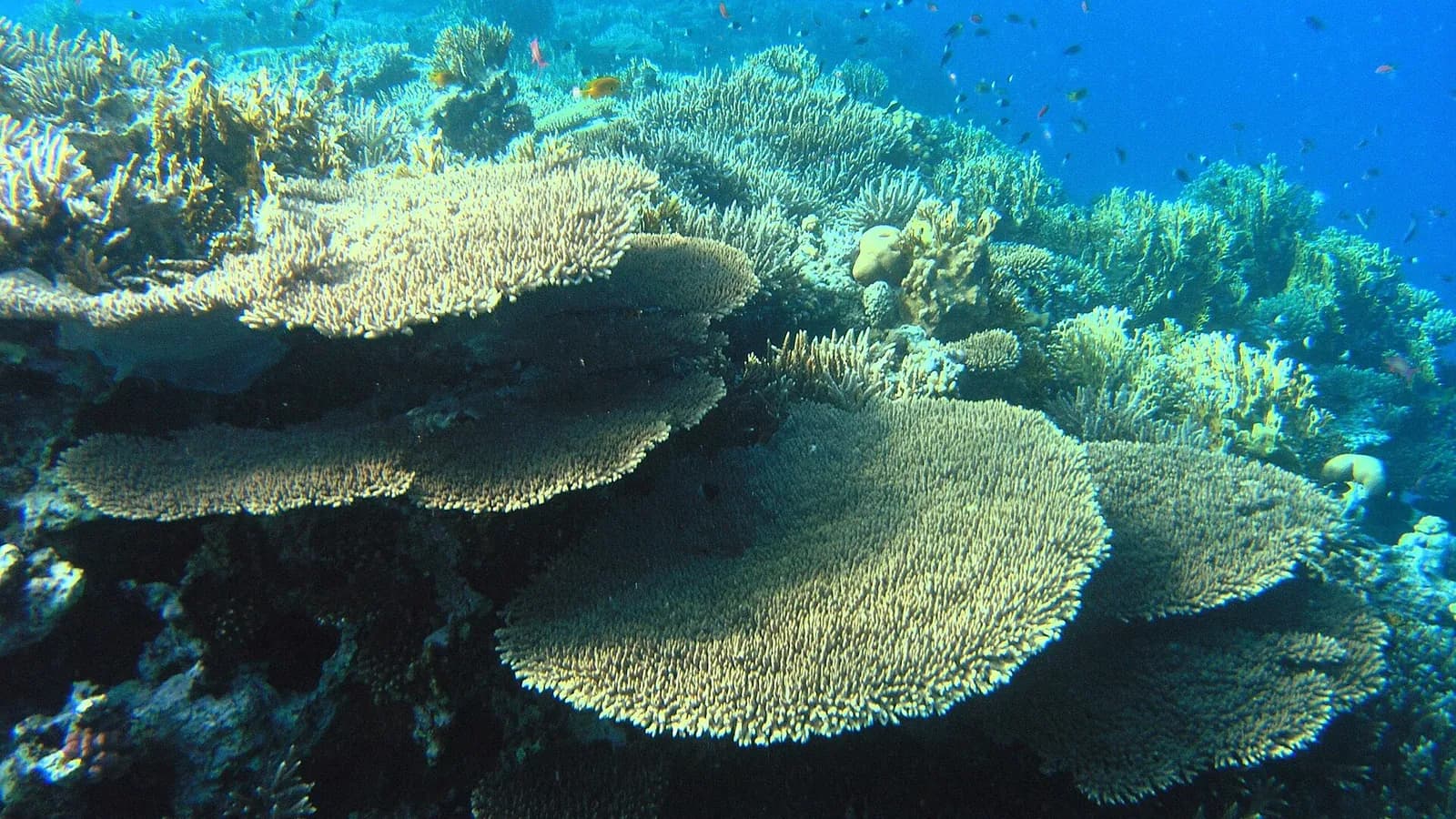
Hurghada Diving (2026): Best Sites, Packages & Prices
Diving in Hurghada — the best reefs (Giftun, Careless Reef, Dolphin House) and Abu Nuhas wrecks, Discover Scuba vs PADI courses, season and water temps, and real 2026 prices.
By TiE Editors7 min read
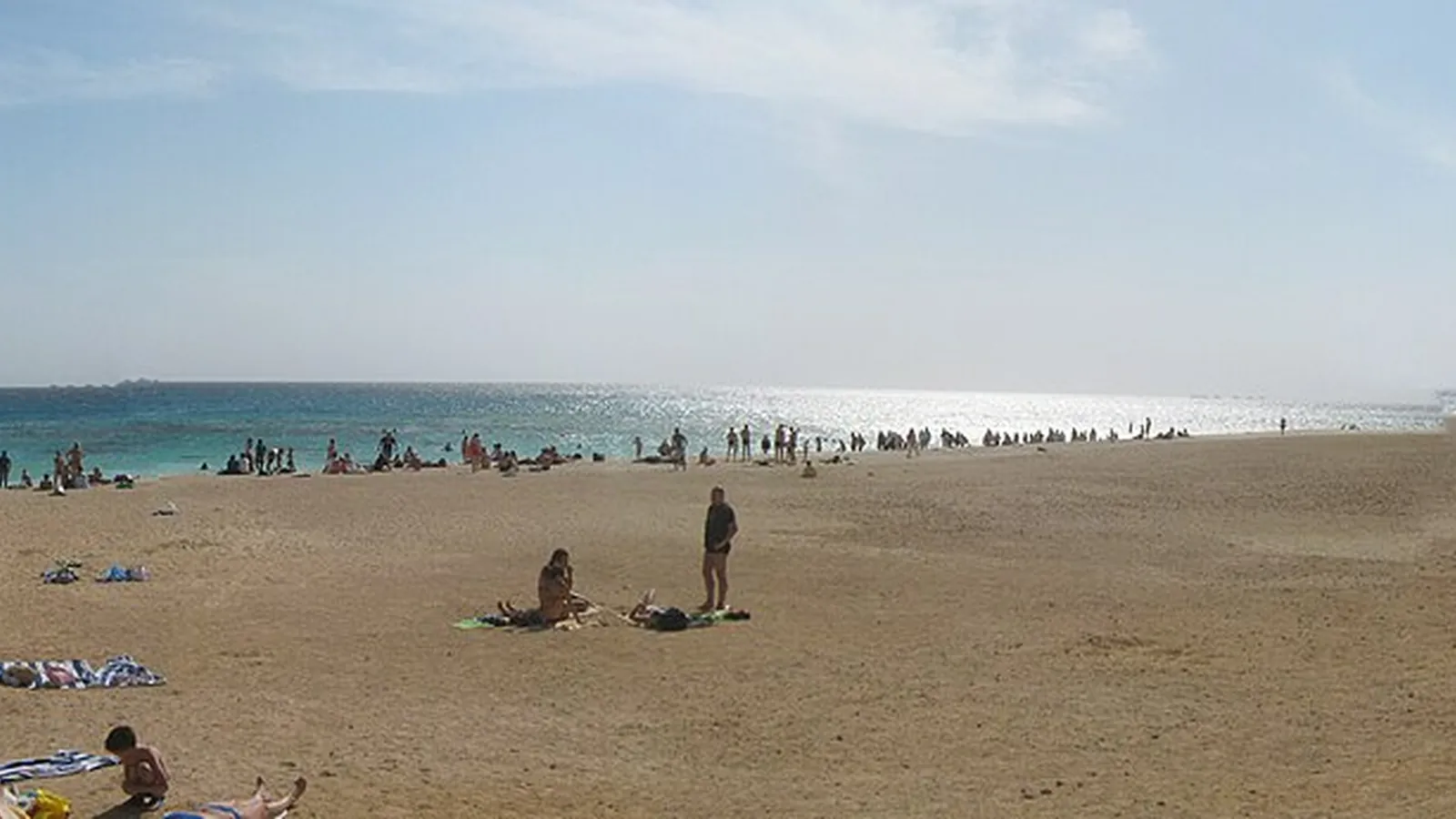
Hurghada Snorkeling Trips (2026): Best Reefs, Prices & How to Choose
Where to snorkel from Hurghada in 2026 — Orange Bay, Giftun, Mahmya, Utopia and Dolphin House — with boat types, marine life, month-by-month sea temperatures, family tips and real prices from 1,000+ bookable trips.
By TiE Editors7 min read
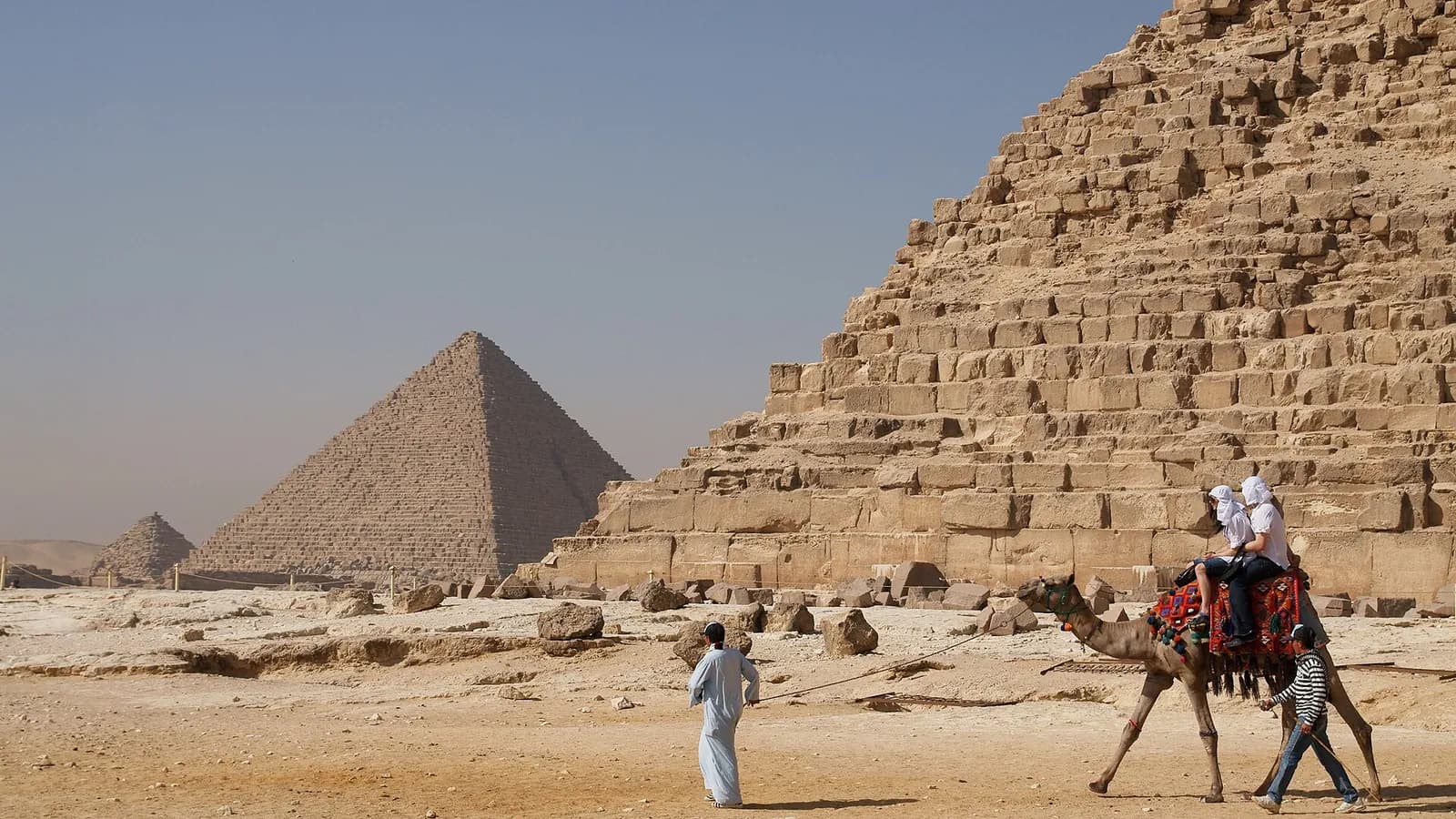
Egypt Tour Prices by Activity (2026): What Each Type Really Costs
What every type of Egypt experience costs — half day, full day or overnight — as a median and a mid-half range in US dollars, from 12,370 live bookable listings.
By TiE Editors6 min read