Wadi El Gemal National Park: Marsa Alam's Wild Coast and Desert
One of Egypt's largest protected areas, south of Marsa Alam: turquoise lagoons at Hankorab, green turtles and dugongs, mangroves, and Roman emerald mines.
Book it on This is Egypt
Marsa Alam · Turn this guide into a trip

Half-Day Snorkeling Experience on Abu Dabbab Beach from Marsa Alam

Quad experience with camel ride in the desert of Marsa Alam
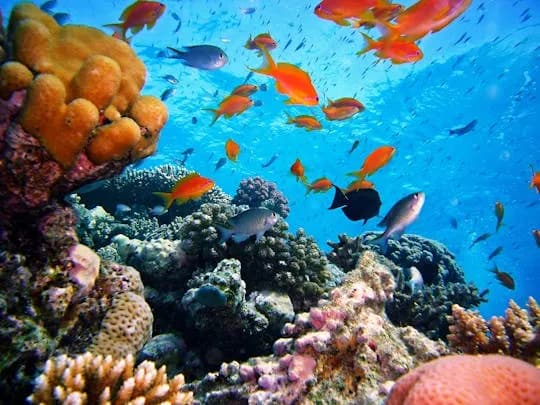
Satayah Reef Snorkeling Tour from Marsa Alam with Lunch and Drinks
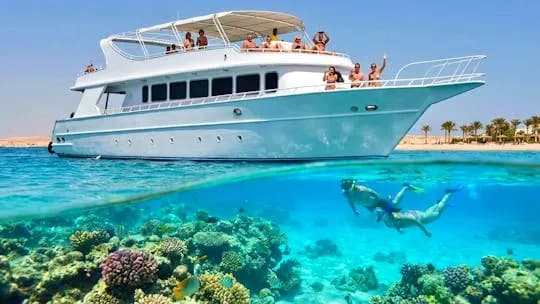
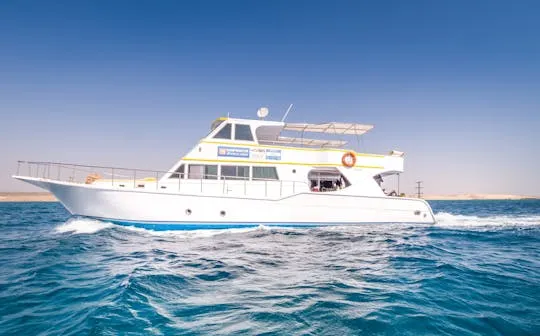
Port Ghalib Snorkeling Cruise from Marsa Alam with Lunch and Drinks
Quick answer: Wadi El Gemal is where the southern Red Sea coast stays wild. Set south of Marsa Alam, it protects both a stretch of reef-lined shore and a vast run of desert behind it, so a single visit can take you from snorkelling over a turquoise lagoon in the morning to standing among 2,000-year-old mine ruins in the afternoon. It is one of the largest protected areas in Egypt, and one of the few places on this coast where turtles, dugongs, mangroves and Bedouin culture all sit inside the same boundary. This guide covers what the park is, its headline sights, and the practical side of getting in during 2026.
What Wadi El Gemal National Park is
Wadi El Gemal, sometimes written Wadi El Gemal-Hamata, was declared a national park in 2003 by Egyptian cabinet decree and is classed by the IUCN as a Category II protected area. It is run by Egypt's Environmental Affairs Agency (EEAA) under the Ministry of Environment's Red Sea Protectorates administration. The name means "Valley of the Camels," a nod to the desert half of the park rather than the reefs.
The protected area combines land and sea. It guards roughly 60 km of Red Sea coastline plus a large marine zone offshore, and a much bigger desert interior of wadis, mountains and dry riverbeds reaching inland toward the Eastern Desert. Published figures for the total size vary between sources and do not fully reconcile, but every account agrees it is one of Egypt's biggest reserves, running south from Marsa Alam toward Hamata. That mix of habitats is the whole point: the seagrass meadows feed turtles and dugongs, the mangroves shelter young fish and wading birds, and the desert holds gazelle, ibex and ruins from the Roman era. Egypt now counts more than 30 protectorates covering around 14 to 15 percent of its land, and Wadi El Gemal is one of the crown jewels of that network. To place it in the wider picture, see our guide to Egypt's national parks.
Hankorab (Sharm el-Luli) beach and its lagoon
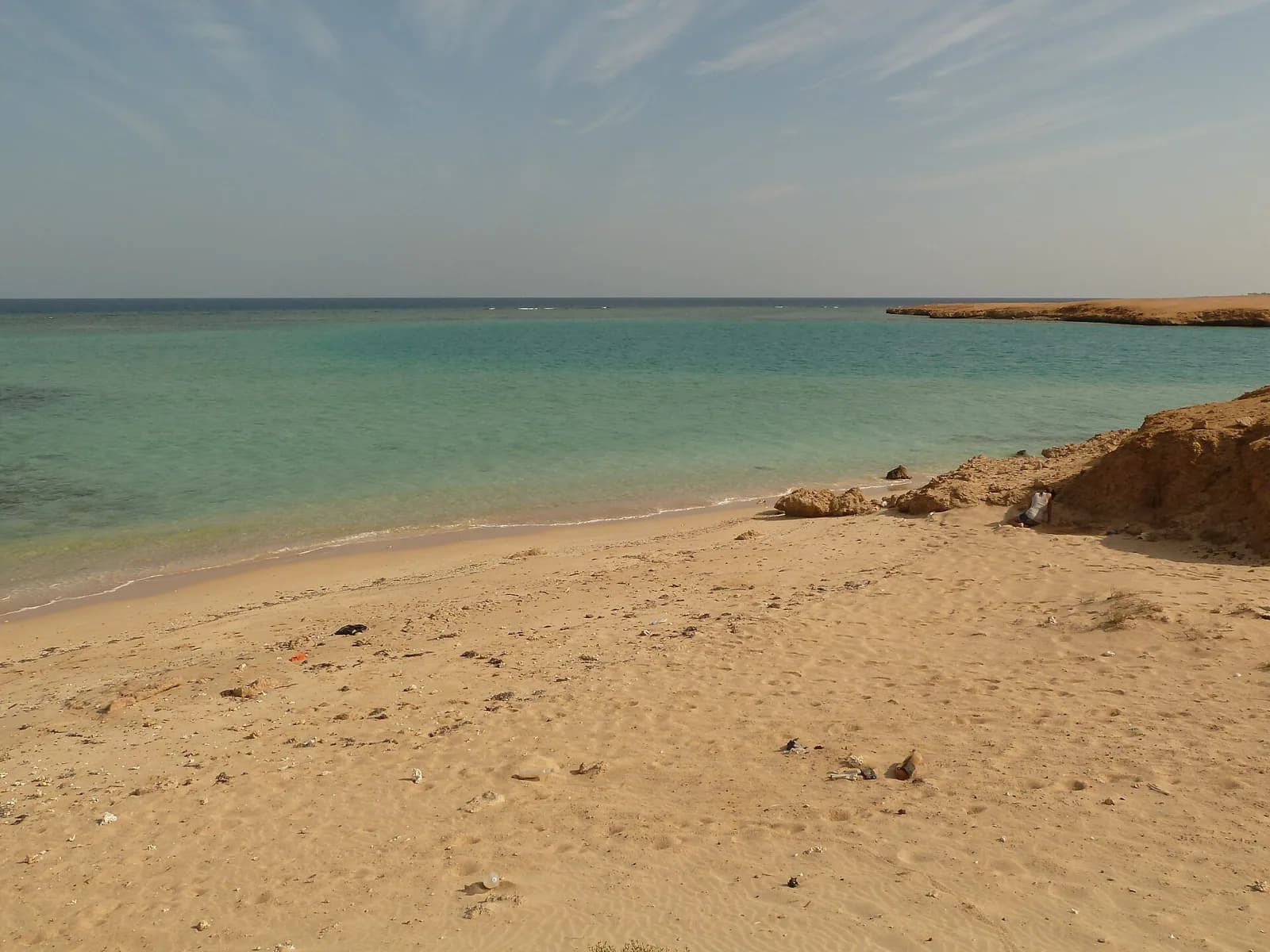
The single most photographed spot in the park is the beach at Ras Hankorab, better known to visitors as Sharm el-Luli. It sits about 60 km south of Marsa Alam town and has long been rated one of the finest beaches in Egypt. TripAdvisor once ranked it the 25th-best beach in the world and second-best in the Middle East. The draw is a shallow, almost luminous turquoise lagoon that shelves gently over white sand, with a coral reef close in from shore.
That reef makes Hankorab an unusually easy place to snorkel. You can wade in from the sand and drift over coral heads busy with butterflyfish, pufferfish, clownfish, the occasional Napoleon wrasse and sea turtles, all without a boat. The lagoon's calm, clear water suits nervous or first-time snorkellers, and it is one of the gentlest reef entries on the whole coast. Historically the beach kept a deliberately bare feel, with a few Bedouin tents for tea and little else, though facilities have expanded recently (see the conservation section below for why that has become contentious).
Snorkelling with green turtles and dugongs
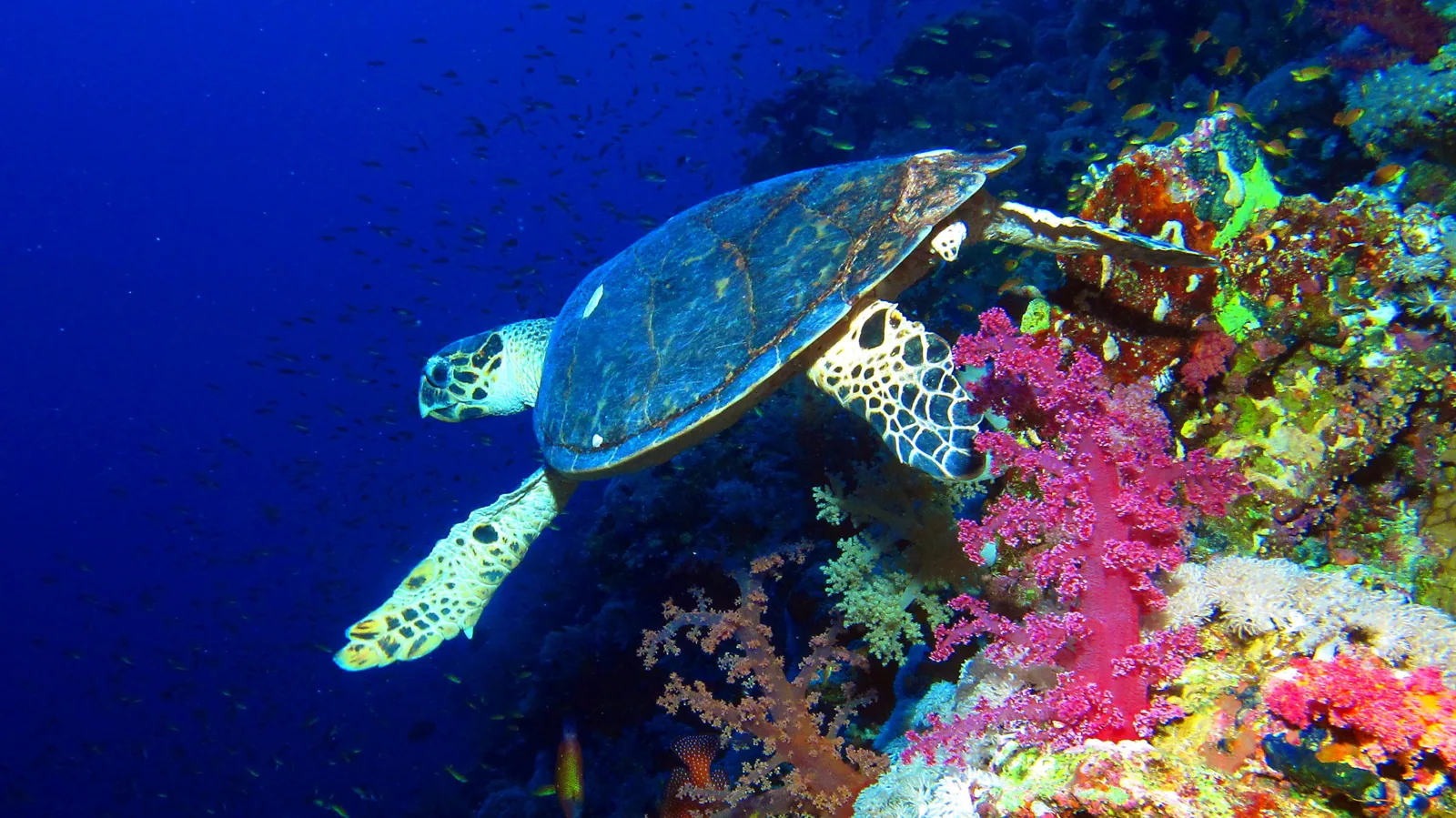 The park's marine zone is genuinely rich. Surveys have recorded well over 450 coral species and more than 1,200 fish species inside its waters, which puts it among the most biodiverse patches of the Red Sea. Two animals in particular pull people here.
Green turtles graze the seagrass beds and are seen regularly in the shallow bays, often close enough to snorkel alongside if you keep your distance and let them feed undisturbed. The bigger prize is the dugong, the shy "sea cow" that survives by cropping the same seagrass meadows. The Red Sea holds the world's second-largest dugong population, estimated at somewhere between 5,800 and 7,300 animals, and Satayeh reef inside the park is one of the known dugong areas. They are not easy to find: dugongs are mostly solitary or seen in pairs, cruise at around 10 km/h, and dive to nearly 40 metres, so sightings take patience, a boat trip and a good local guide. The population has fallen by roughly a quarter since 1950, which is exactly why the rules around approaching them matter. For where dugong-watching fits alongside the region's wider underwater scene, our Red Sea diving guide is a good companion read.
Wadi El Gemal Island and the park's birds
Offshore, the marine zone includes several islands, of which Wadi El Gemal Island is the best known. These low sand-and-coral islands are important nesting and roosting sites for seabirds and are visited on boat excursions rather than as places to land freely, since the birdlife is protected.
Birdwatching is a quiet highlight of the whole park. Species recorded here include the African spoonbill, Caspian tern, western reef heron, striated heron and desert wheatear, with the mangrove creeks and mudflats acting as a magnet for waders and migrants. Bring binoculars if birds are your thing; the mix of open water, mangrove and desert edge means you can tally coastal, wetland and desert species in a single morning.
The desert side: wadis, mangroves and the Ababda
Most day-trippers only see the coast, but the park's inland half is just as distinctive. Near Hamata in the south, the park protects the largest mangrove forest in the Red Sea, concentrated around the Qulaan (Qul'an) islands. Mangroves are the nurseries of the reef, and walking the boardwalks and channels here is one of the more unusual things you can do on this coast.
This is also Ababda country. The Ababda are a historically nomadic Bedouin people, more than 250,000 strong in total, whose traditional range between the Nile and the Red Sea takes in Wadi El Gemal. Many families still live in and around the park, and cultural tourism is part of the reserve's model. Visitors are welcomed with jabana, the ceremonial roasted coffee, and sometimes music and dance; residents are fee-exempt and are encouraged to sell handicrafts and take part in ecotourism. The Al-Fustat ecolodge, built inside the park in 2005 from traditional materials, was set up specifically to give visitors an overnight base for birdwatching, swimming and learning about the local ecology and history.
Sikait: the Roman emerald mines (Mons Smaragdus)
The park's biggest surprise is archaeological. Hidden in the mountains inland, about 24 km from the coast, lie the ruins of Sikait, the ancient mining district the Romans called Mons Smaragdus, the "Emerald Mountain." These were the only emerald mines in the entire Roman Empire.
Mining ran from the Ptolemaic period, from roughly 330 to 30 BC, through Roman and Byzantine times, and the emeralds associated with Cleopatra are thought to have come from here. The site was written about by both Pliny the Elder and the geographer Ptolemy, and it holds a rock-cut temple to the god Serapis along with mine shafts and stone dwellings. Lost for centuries, the workings were rediscovered by the French mineralogist Frédéric Cailliaud around 1817. Reaching Sikait needs a 4x4 and a guide who knows the tracks, and it is usually visited as a dedicated desert excursion rather than tacked onto a beach day.
How to visit from Marsa Alam
Almost everyone visits Wadi El Gemal on a trip out of Marsa Alam, which is the natural base for the park and worth a read in its own right in our Marsa Alam travel guide. Marsa Alam International Airport (RMF) sits about 60 km north of the town, and the coastal park zones stretch south from there. A hire car or, more commonly, an organised excursion gets you in.
| Route | Approx. distance | Notes |
|---|---|---|
| Marsa Alam Airport to Marsa Alam town | ~60 km | Airport is northwest of the town |
| Marsa Alam town to Hankorab (Sharm el-Luli) | ~60 km south | Main coastal beach zone |
| Marsa Alam town to Port Ghalib | ~65 km north | Marina and resort hub |
| Marsa Alam to Hurghada | ~274 km | The next major airport to the north |
| Coast to Sikait emerald mines | ~24 km inland | 4x4 and guide required |
The two ways to visit break down simply. Guided is the norm and often the easier choice: operators run half- and full-day trips that pair a 4x4 or boat with snorkelling gear, park permits and an Ababda guide, and desert sites like Sikait or the mangroves realistically need someone who knows the unmarked tracks. Independent visits to the coastal beach zones are possible with your own vehicle, but you handle the entrance gate yourself and you will miss the interior. For the mangroves, the islands and the mines, a guided 4x4 is effectively required, both for navigation and because commercial and marine activities inside the park need EEAA permits that operators already hold.
Entry fees and permits
There is a park entrance fee, collected at the gate to the paid zones such as Hankorab, Qulaan and the beach areas. As of 2026, the national-park entry is modest, reported at around EGP 25 per person plus roughly EGP 25 per car, though Ras Hankorab beach itself now has its own separate and noticeably higher gate charge following recent redevelopment. Fees change often and are not always posted clearly, so treat any figure as a guide and confirm the current rate with your operator before you go. On some public holidays, such as Eid, the Red Sea reserves have opened free of charge.
On permits: EEAA formally requires permits for commercial activity inside the park, covering dive centres, tour companies, marine-activity operators, camping and commercial photography. In practice that means a reputable operator has the paperwork sorted. Whether an ordinary individual visitor to the beach needs a guide is not spelled out in a single official rule, but for anything beyond the main coastal gate a licensed guide is the sensible and usually necessary option.
Best time to visit
This is a hot, arid coast, so timing matters. The most comfortable windows are the shoulder seasons, roughly May to June and September to October, when the weather is warm rather than punishing and hotel prices ease off compared with the July-to-August peak. Winter, from November to February, brings pleasant, mild days that are ideal for the desert side and for lounging on the beach, though the water feels cooler for long snorkelling sessions. Deep summer is intensely hot inland, which makes the Sikait excursion hard going, so save the mines for the cooler months if you can. For a month-by-month view across the country, see our guide to the best time to visit Egypt.
Conservation rules and respecting the park
Wadi El Gemal is a protected area first and a destination second, and its wildlife is under real pressure. A few simple habits keep it that way. Do not touch, stand on or chase coral, turtles or dugongs; keep a respectful distance and let animals set the terms of any encounter, which also gives you the best sighting. Take all litter out with you, skip single-use plastics (Marsa Alam has banned single-use plastic bags since 2019), and do not buy shells, coral or turtle products. On the reef, use the mooring buoys rather than dropping anchor; the regional conservation body HEPCA has installed more than 1,000 buoys across the Red Sea precisely to stop anchor damage.
There is also a live conservation story worth knowing. In early 2025, construction work and fencing appeared at Ras Hankorab as part of a tourism-development plan, prompting a public "Save Ras Hankorab" campaign and a petition that gathered thousands of signatures. Work was paused pending review, but new gates, fees and facilities have already changed the once-bare beach, and the long-term plan remains unsettled. It is a reminder that this is a fragile place whose protected status is still being fought over. Visit lightly, use local Ababda guides and operators who put money back into the community, and you become part of the reason the park is worth protecting.

A real team available 24/7 to assist you — free
Seif and the team reply on WhatsApp 24/7 — trip questions, custom plans and booking help.
Ask Seif on WhatsAppCommon questions
Where is Wadi El Gemal National Park?
It lies on Egypt's southern Red Sea coast, immediately south of Marsa Alam town and stretching down toward Hamata. The main beach zone at Hankorab (Sharm el-Luli) is about 60 km south of Marsa Alam, and Marsa Alam International Airport sits roughly 60 km north of the town, making the town the usual base for visiting the park.
How much is the entrance fee in 2026?
The national-park entry is modest, reported in 2026 at around EGP 25 per person plus about EGP 25 per car, collected at the gates to the paid zones. Ras Hankorab beach now has its own separate and higher charge after recent redevelopment. Fees change often and are not always posted, so confirm the current rate with your tour operator before you go.
Can you see dugongs at Wadi El Gemal?
Yes, though sightings are never guaranteed. Satayeh reef inside the park is a known dugong area, and the Red Sea holds the world's second-largest dugong population. Dugongs are shy, usually solitary, and feed on seagrass beds, so seeing one takes a boat trip with a local guide, patience, and calm, respectful behaviour in the water.
Do I need a guide, or can I visit independently?
You can reach the coastal beach zones like Hankorab independently with your own vehicle and pay at the gate. But the mangroves, the offshore islands and the inland Sikait emerald mines need a 4x4 and a guide who knows the unmarked desert tracks. Most visitors join an organised excursion from Marsa Alam, which handles permits, transport and snorkelling gear.
What is the best time of year to visit?
The shoulder seasons of May to June and September to October offer warm rather than extreme weather and lower prices. Winter (November to February) is mild and pleasant, ideal for the desert side, though the sea is cooler for snorkelling. Deep summer is intensely hot inland, so save the emerald-mine excursion for the cooler months.
What are the Roman emerald mines?
Inland from the coast, about 24 km up in the mountains, lies Sikait, which the Romans called Mons Smaragdus, the only emerald mines in the entire Roman Empire. They were worked from Ptolemaic through Byzantine times, the emeralds linked to Cleopatra are thought to come from here, and the ruins include a rock-cut temple to Serapis. Reaching them requires a 4x4 and a guide.
Is snorkelling good at Hankorab beach?
Very. Ras Hankorab (Sharm el-Luli) has a shallow turquoise lagoon with a coral reef close to shore, so you can wade in and snorkel without a boat. The calm, clear water suits beginners, and you may see butterflyfish, pufferfish, clownfish, Napoleon wrasse and green turtles. The park's waters hold over 450 coral species and 1,200-plus fish species.
What conservation rules should visitors follow?
Do not touch or chase coral, turtles or dugongs, and keep a respectful distance. Take all litter out, avoid single-use plastics (Marsa Alam banned single-use plastic bags in 2019), and never buy coral, shells or turtle products. Boats should use mooring buoys rather than anchors. The park is a fragile protected area, and its beaches have faced recent development pressure, so tread lightly.
Book it on This is Egypt
Turn this guide into a trip



Egypt's bestsellers
The experiences travelers book most, across the country

Keep reading

Hurghada Diving (2026): Best Sites, Packages & Prices
Diving in Hurghada — the best reefs (Giftun, Careless Reef, Dolphin House) and Abu Nuhas wrecks, Discover Scuba vs PADI courses, season and water temps, and real 2026 prices.
By TiE Editors7 min read

Hurghada Snorkeling Trips (2026): Best Reefs, Prices & How to Choose
Where to snorkel from Hurghada in 2026 — Orange Bay, Giftun, Mahmya, Utopia and Dolphin House — with boat types, marine life, month-by-month sea temperatures, family tips and real prices from 1,000+ bookable trips.
By TiE Editors7 min read

Egypt Tour Prices by Activity (2026): What Each Type Really Costs
What every type of Egypt experience actually costs — from a 1,700 EGP camel ride to a 48,500 EGP Nile cruise — based on 29,710 real bookable tours across seven platforms.
By TiE Editors6 min read