
A Typical Day on a Nile Cruise (2026): Hour by Hour
Early temple visits before the heat, breakfast back on board, hours of gentle sailing past the riverbank, lunch, the pool, an afternoon temple, then dinner and entertainment. Here is how a day on the Nile actually flows.
Nile Cruises & Dahabiyas
Turn this guide into a trip
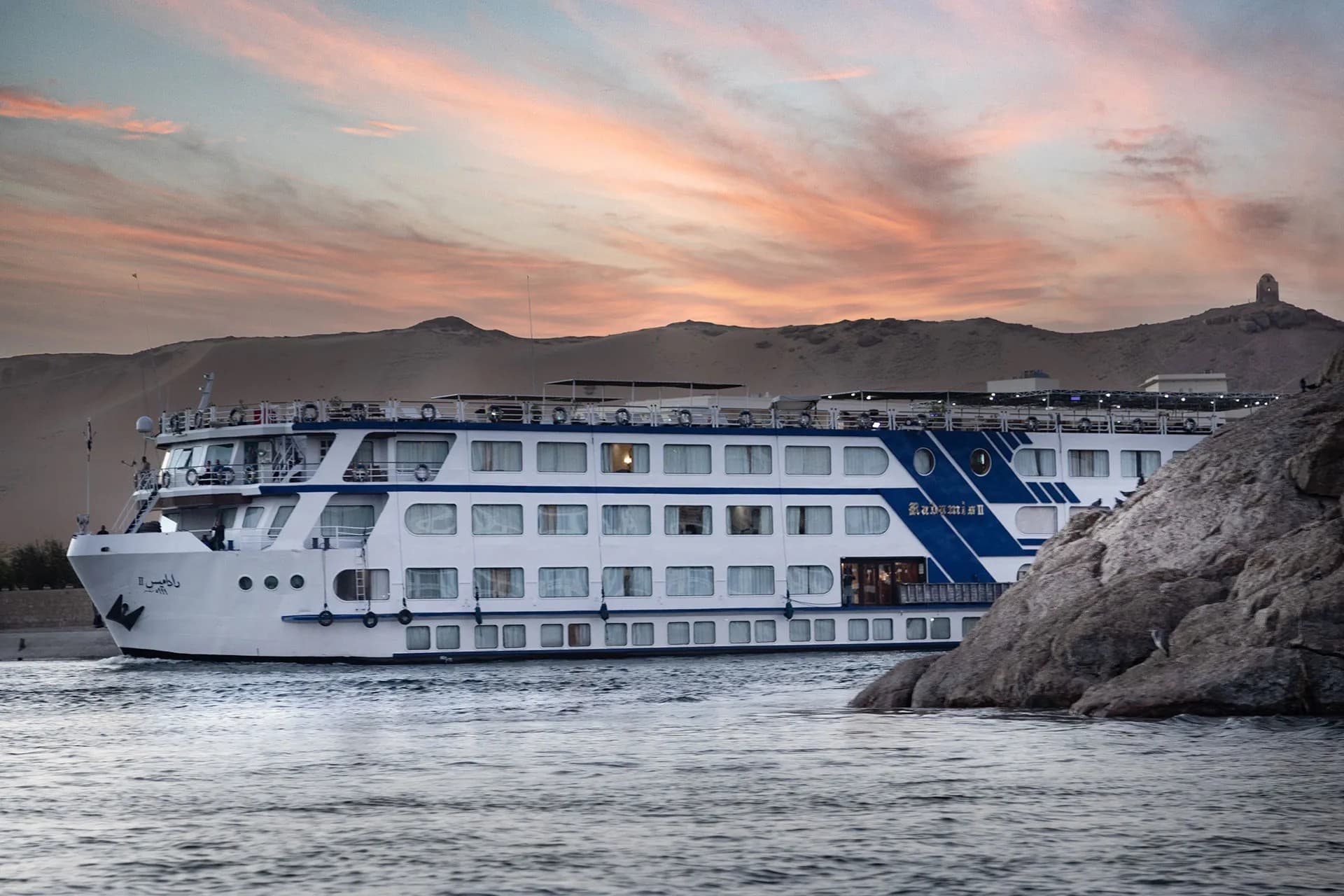
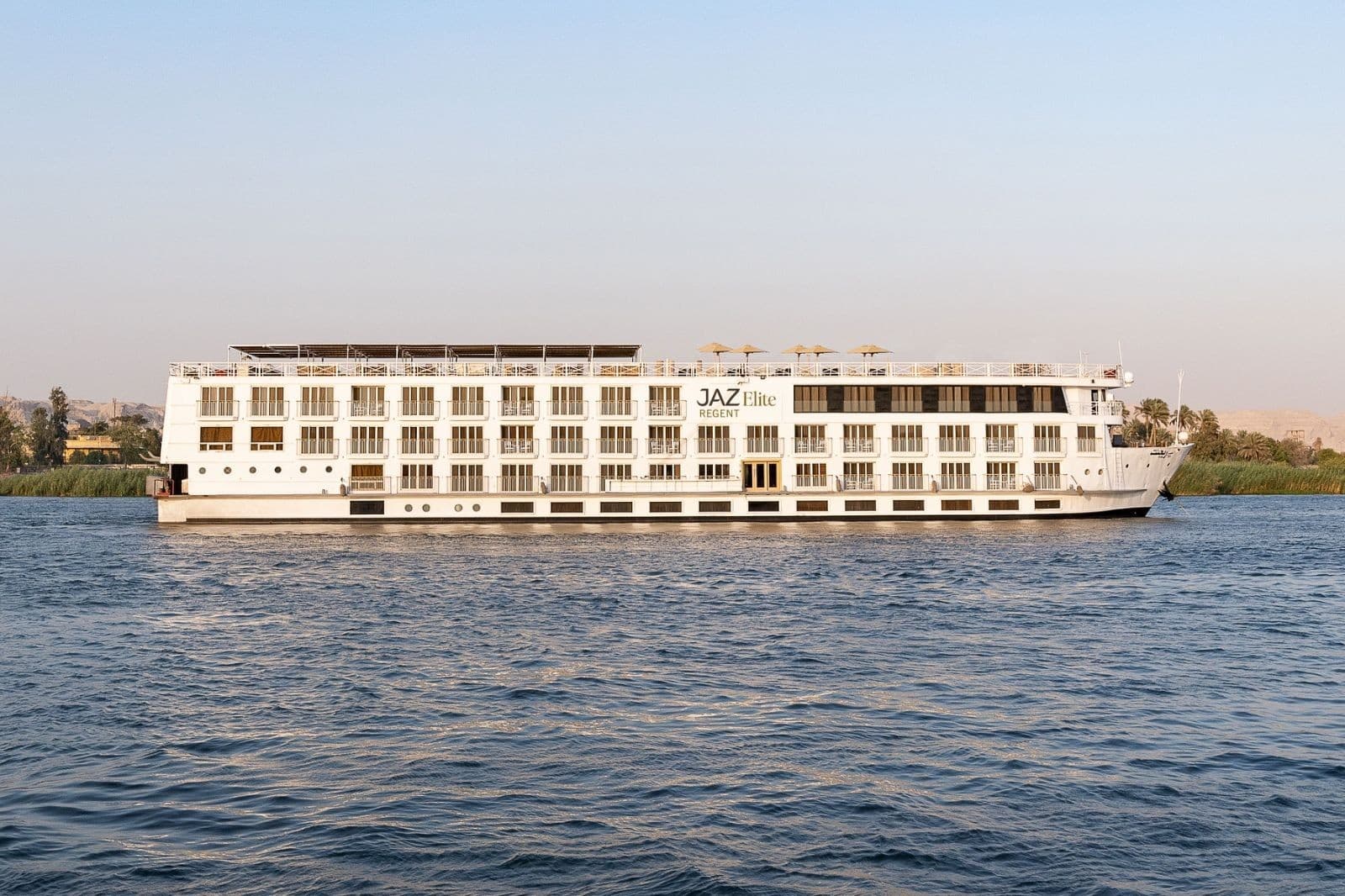
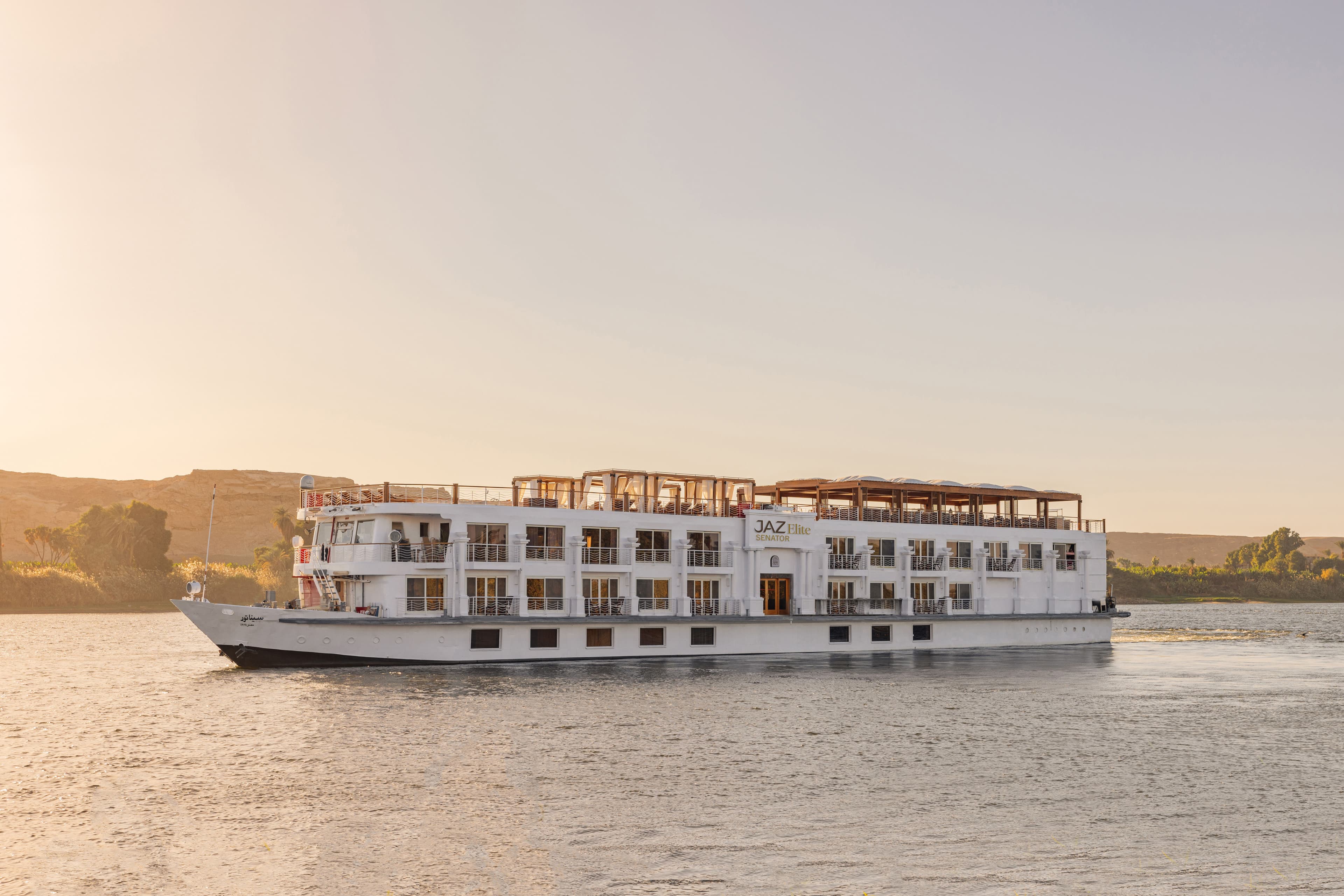
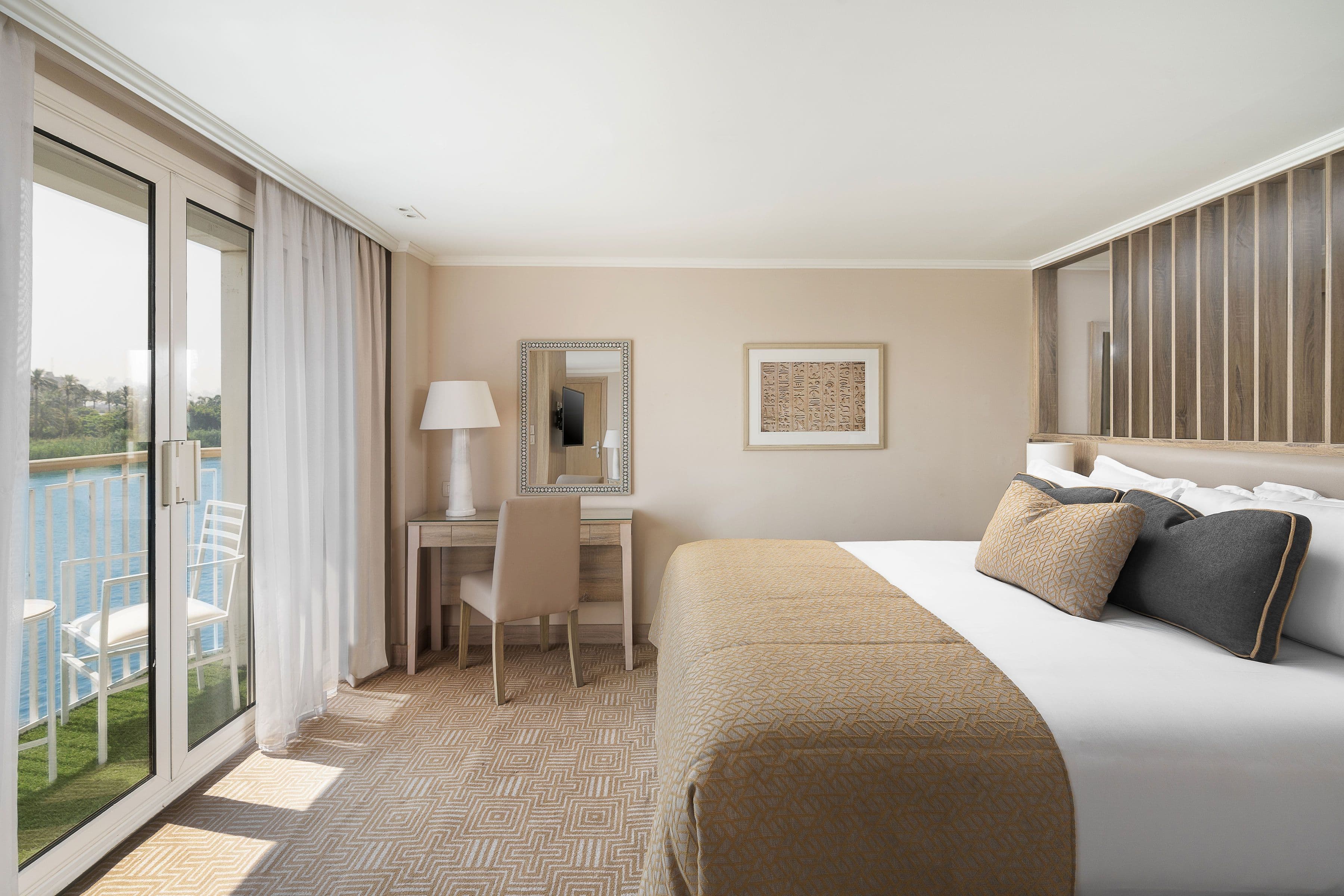
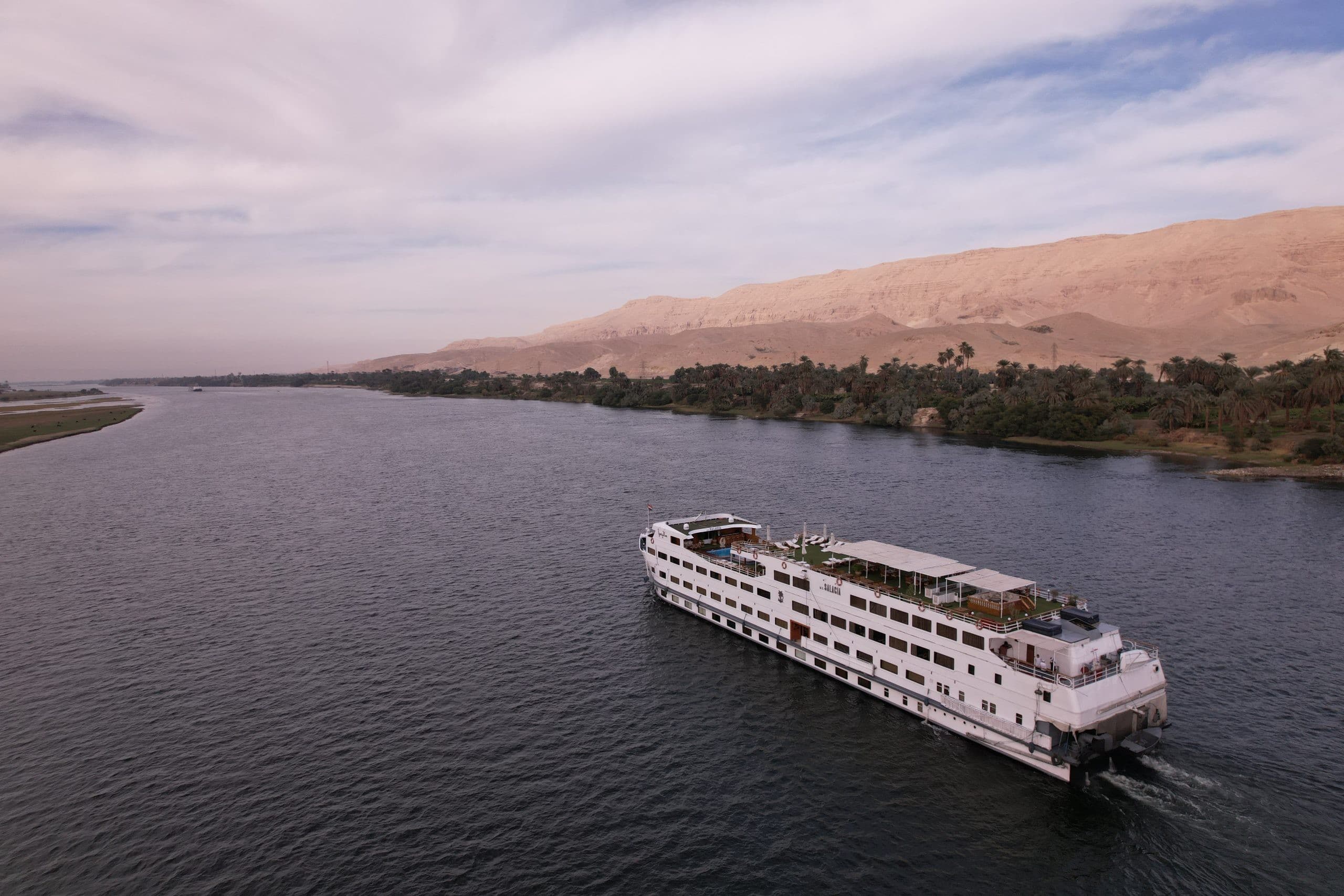
Quick answer: A typical Nile cruise day mixes early-morning temple visits (before the heat and crowds), hours of gentle sailing between sites with time at the pool and sun deck, three meals on board, and an evening of dinner and light entertainment. The boat is your hotel and transport at once, so you unpack once and wake up somewhere new — you're never rushing between cities.
The rhythm of a Nile cruise is one of its great pleasures: busy, rewarding mornings at the temples, then long, lazy stretches of sailing with nothing to do but watch Egypt slide past. Here's how a day usually flows.
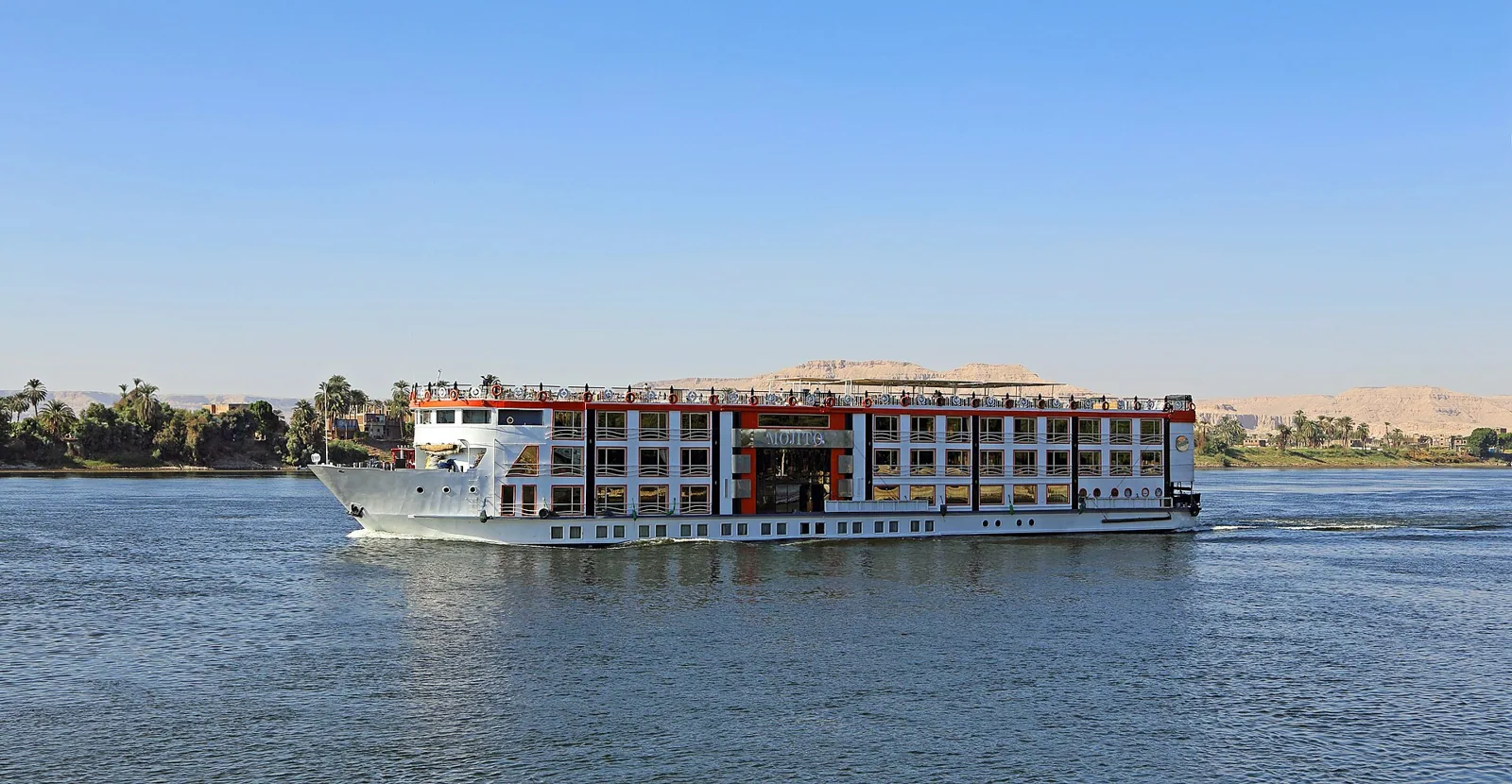
Hour by hour
| Time | What happens |
|---|---|
| 6:30–7:00 | Early start on temple days — tea/coffee, then off to the site before the heat |
| 7:00–10:00 | Guided temple visit with your Egyptologist (e.g. Edfu, Kom Ombo, the Valley of the Kings) |
| 10:00–11:00 | Back on board for a full breakfast as the boat sets sail |
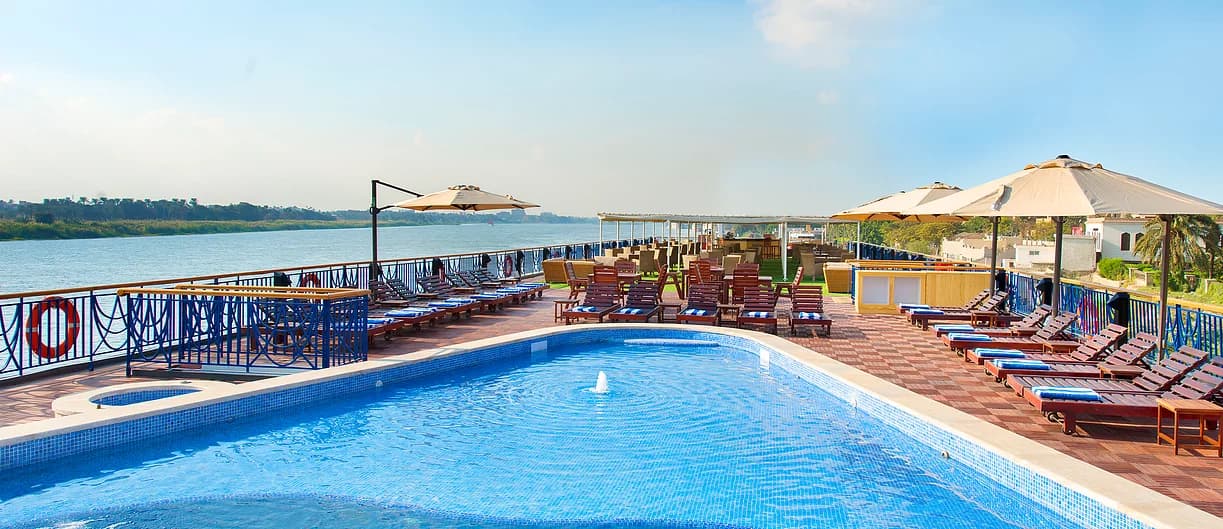
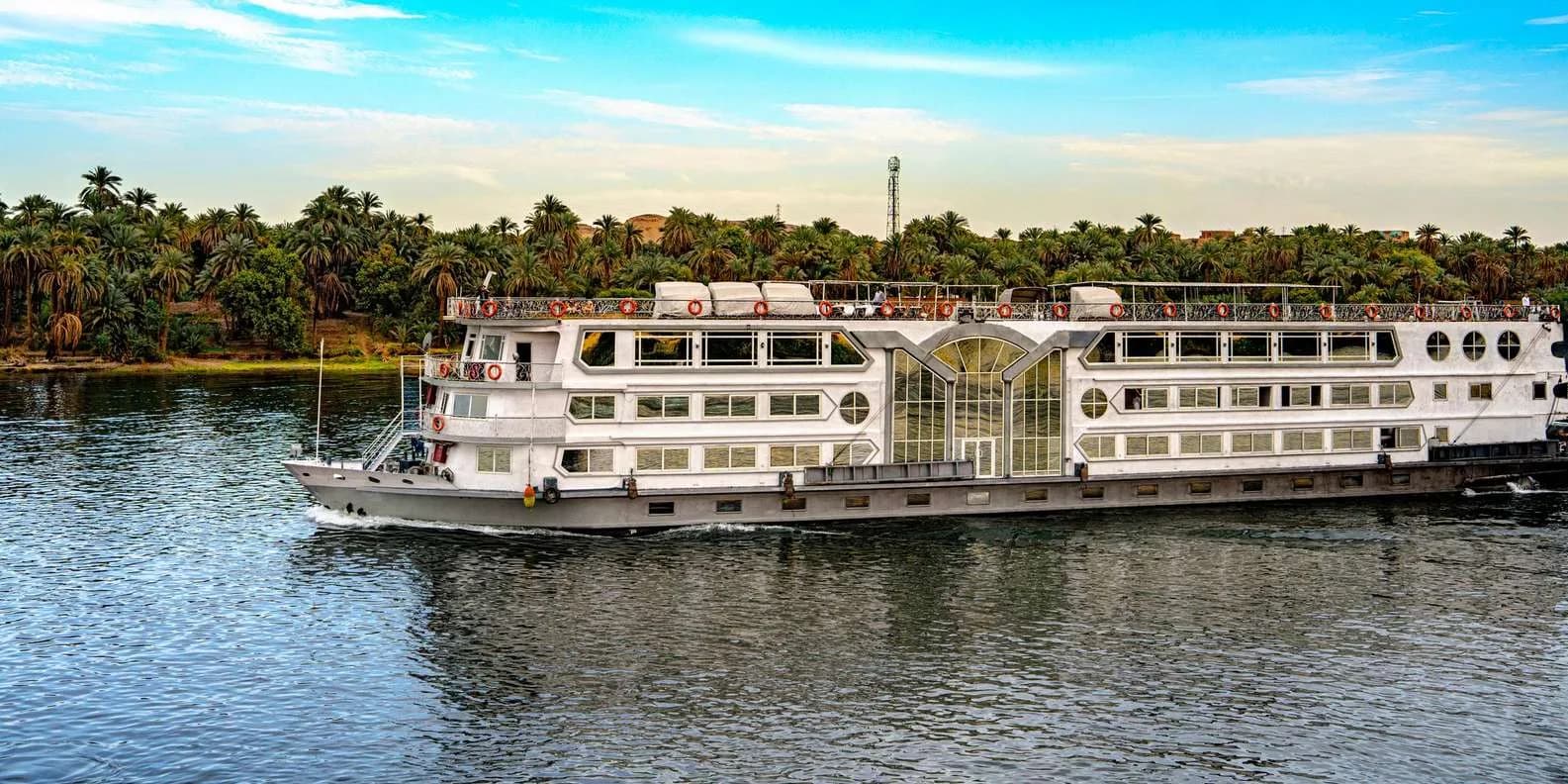
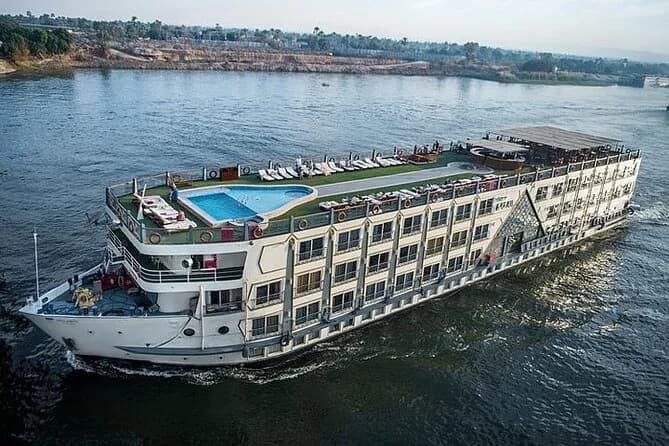
| 11:00–13:00 | Sailing — the best part: the sun deck, the pool, the riverbank drifting by |
| 13:00–14:30 | Lunch on board, usually a buffet |
| 14:30–16:30 | More sailing, or a second afternoon temple; pool time, a nap, a book |
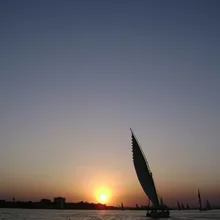
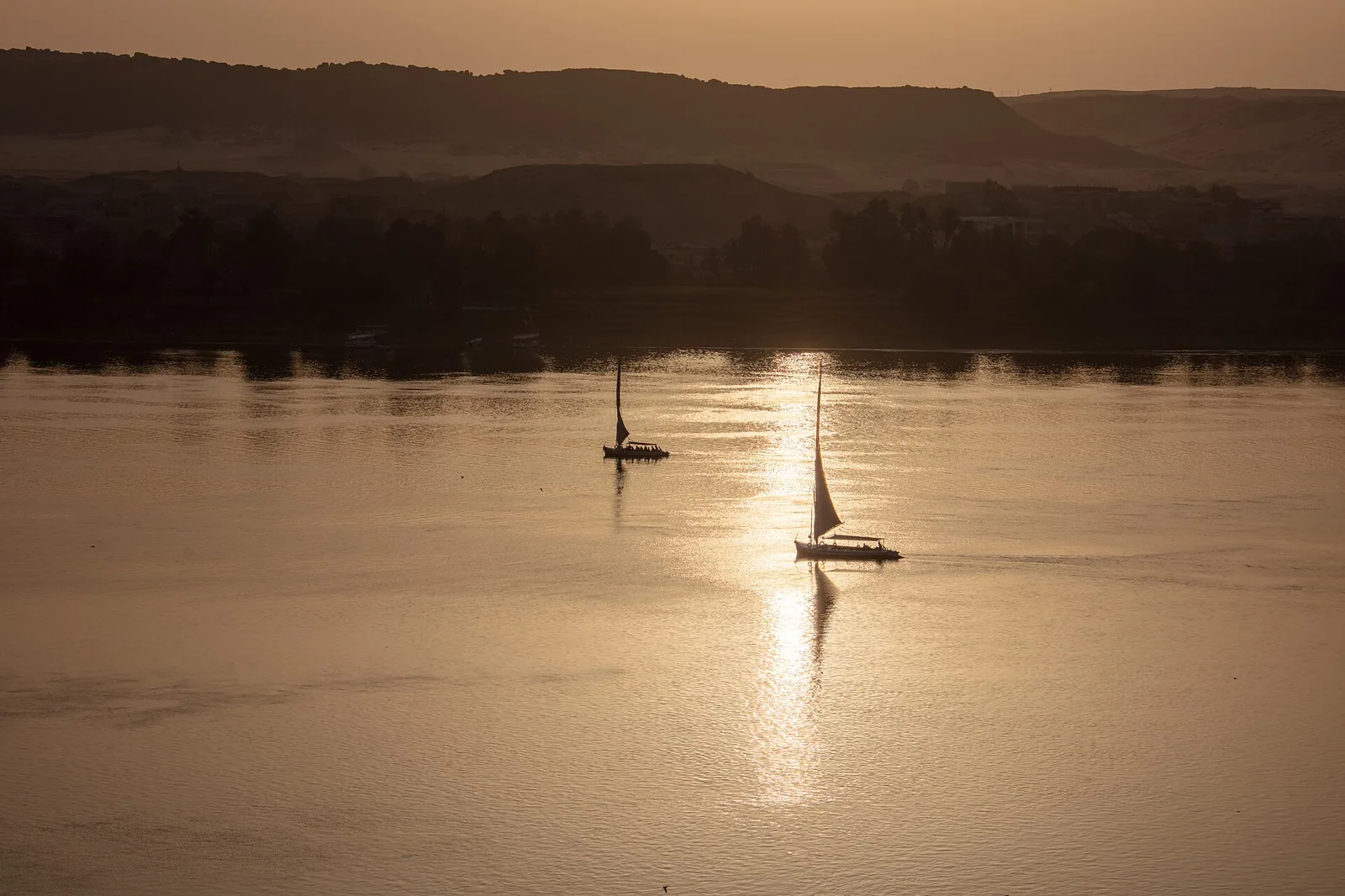
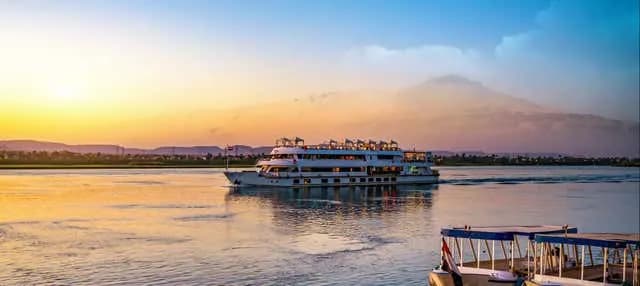
| 16:30–18:00 | Tea on deck; the golden-hour light on the water |
| 19:30–21:00 | Dinner — buffet or, on nicer boats, a set-menu or themed night |
| 21:00 onward | Light entertainment — a Nubian show, a galabeya party, or a quiet drink on deck |
The mornings: temples before the heat
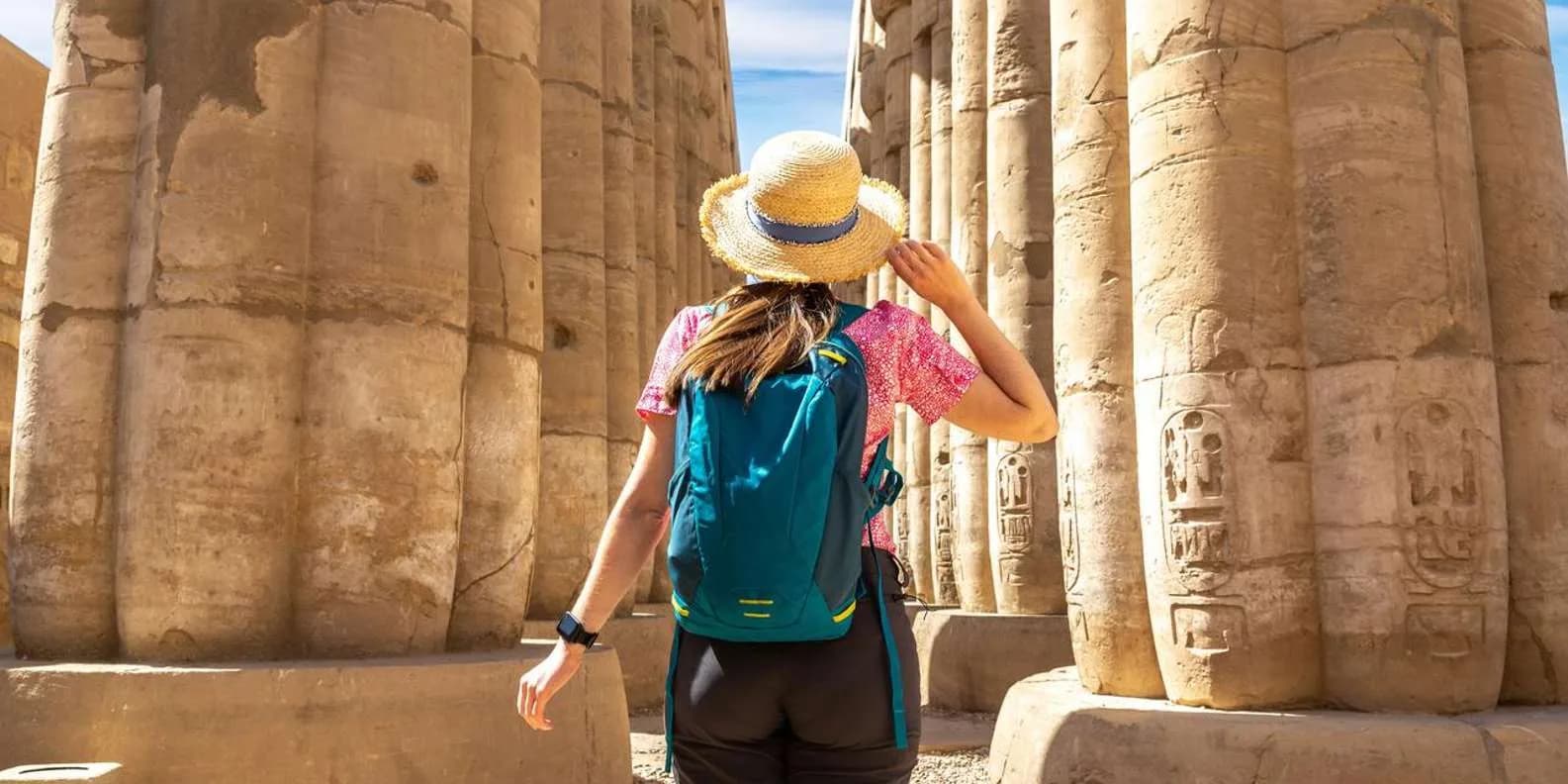
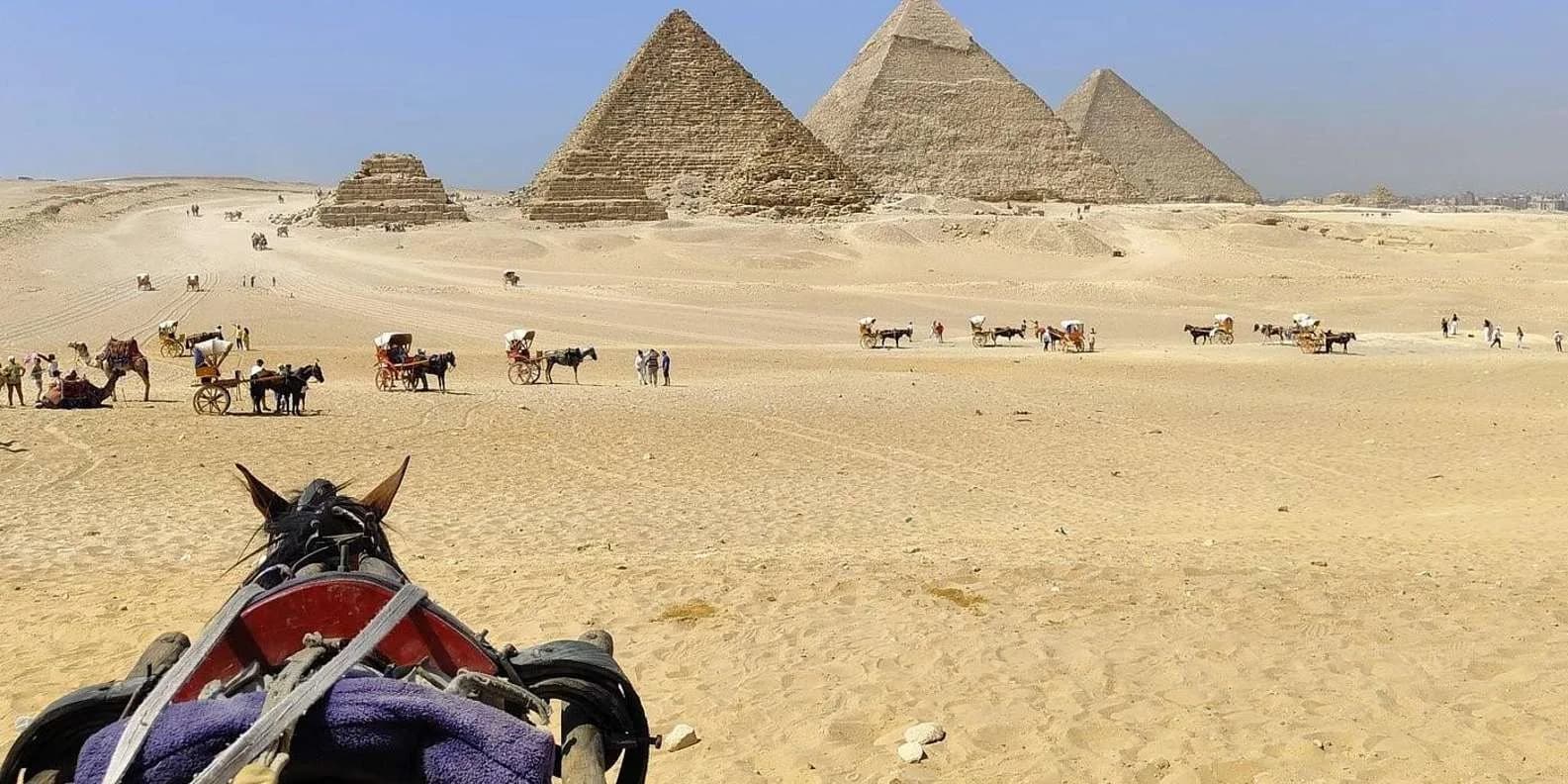
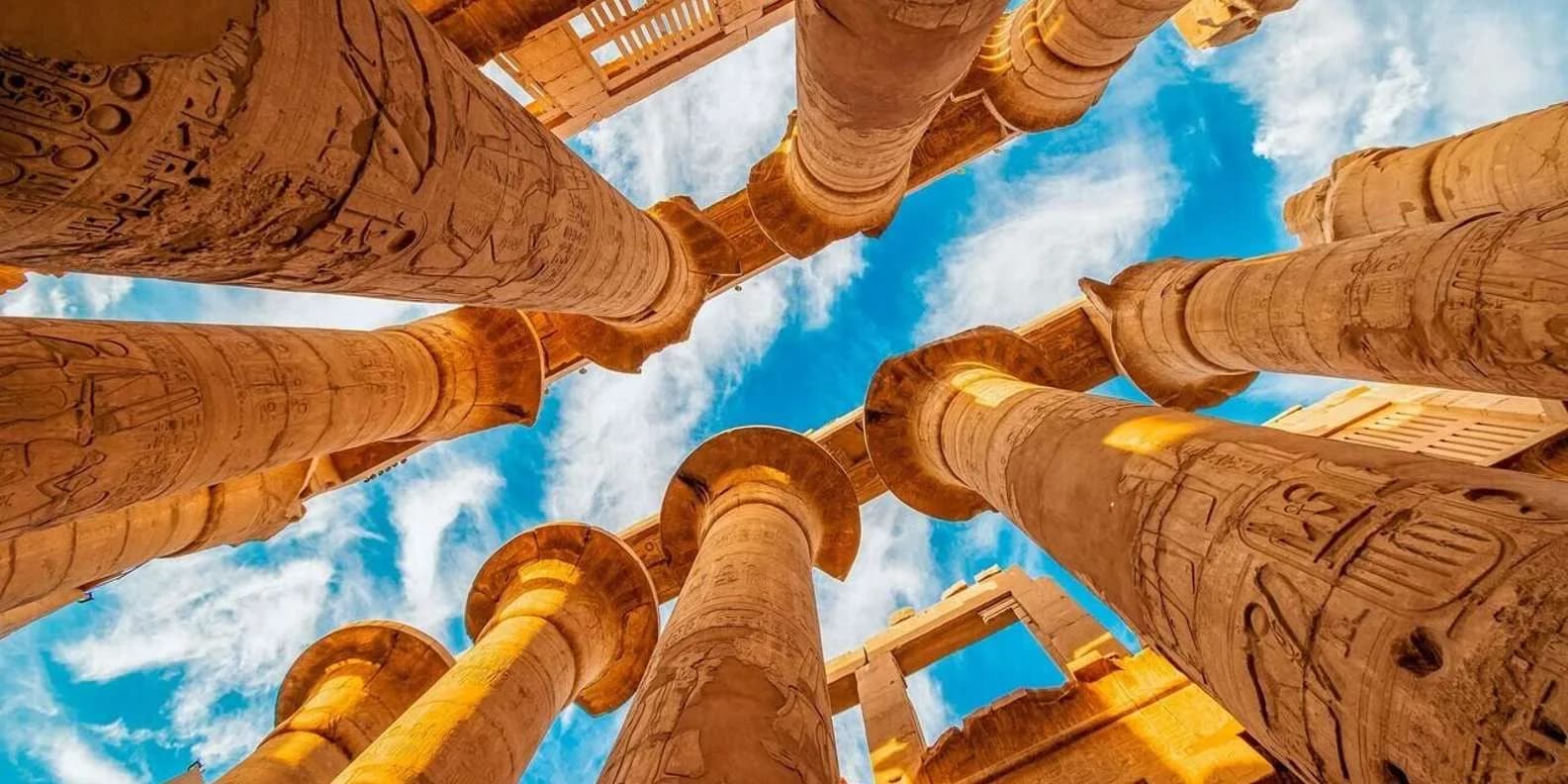
The temple visits are front-loaded into the cool early morning, both to beat the 30–40°C midday sun and to reach the sites before the crowds. Your Egyptologist guide leads the whole boat through each temple — Karnak and the Valley of the Kings at the Luxor end, Edfu (reached by a short horse-carriage ride) and Kom Ombo along the way, Philae at Aswan. You're usually back on board by mid-morning for breakfast, which is when the sailing begins.
The middle: the sailing you came for
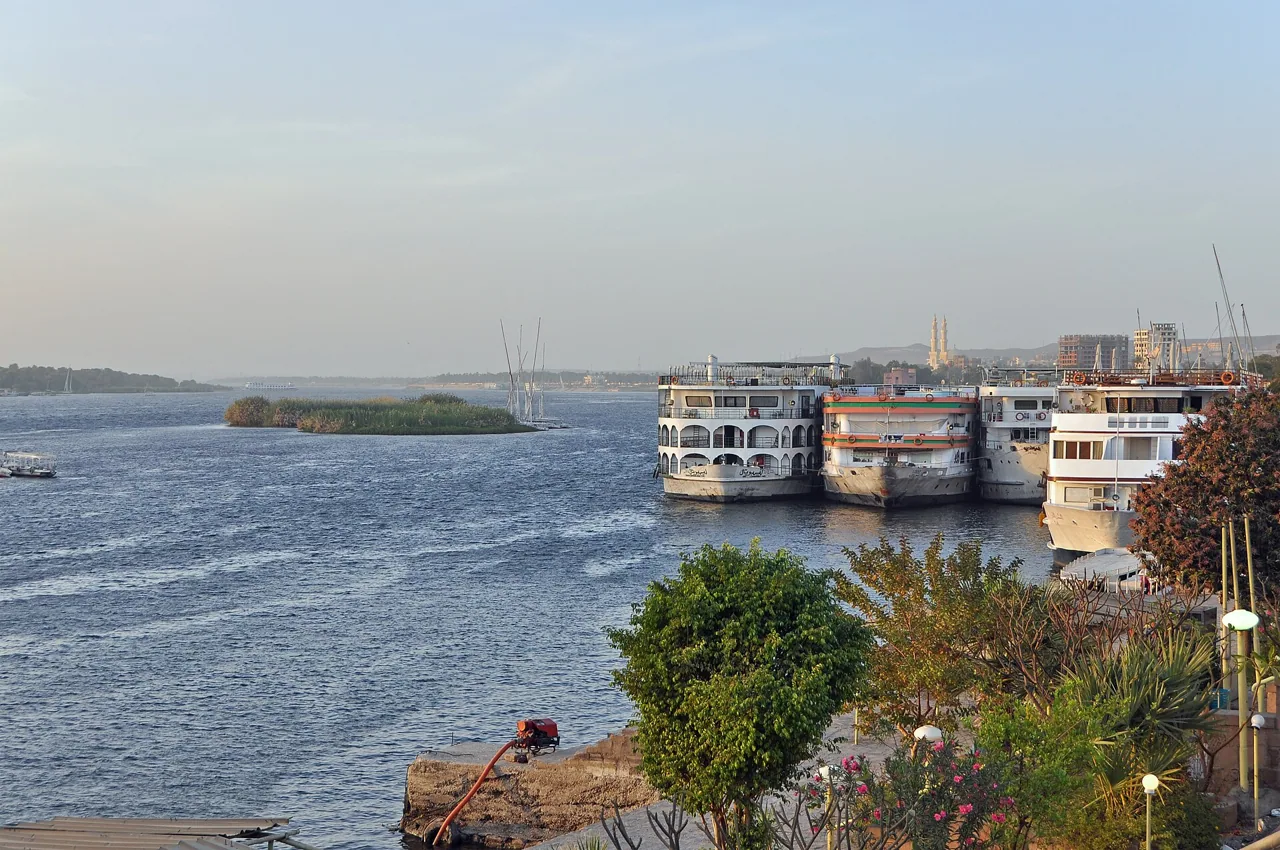
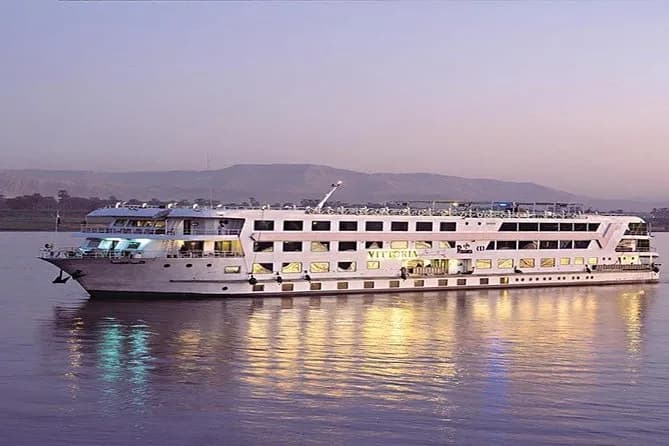
Between the temples, the boat simply sails, and this is what people remember. You're on the sun deck or by the pool with a drink, watching a riverbank of farmland, water buffalo, fishermen and villages that has looked much the same for millennia. There's no schedule to keep and nowhere to be — just the water, the light and the slow reveal of the next stop. On a dahabiya this stretch is even quieter, under sail, mooring at empty sandbanks for a swim.
The evenings: dinner and a gentle wind-down
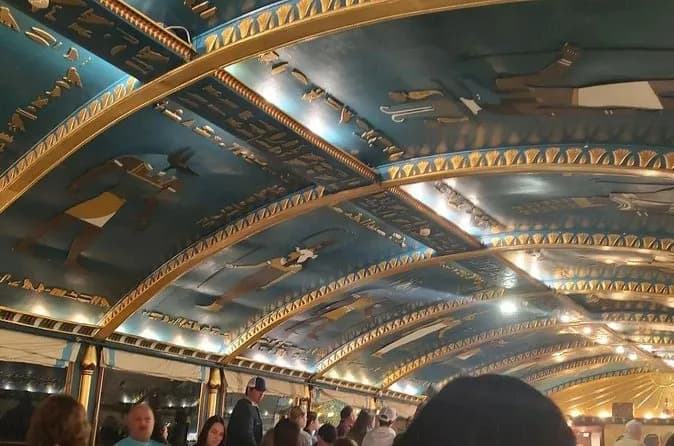
Dinner is on board — a generous buffet on most boats, with à-la-carte or themed nights on the five-star ones. Afterwards there's usually low-key entertainment: a Nubian music-and-dance show, a "galabeya party" where guests wear traditional dress, or simply a nightcap on deck under the stars. Nights are early — you'll often have a temple to reach the next morning — and that early-to-bed, early-to-rise rhythm is part of the trip's easy charm.
The first and last days are different
The rhythm above is a "full" sailing day; the embarkation and disembarkation days break the pattern. On the first day you typically board around lunchtime after a morning temple visit or a flight in, settle into your cabin, and have an afternoon and evening on board before the sailing proper begins the next morning. On the last day you're usually up early for a final temple, then disembark mid-morning for your onward flight or hotel — so the cruise "days" are really full days in the middle, book-ended by two half-days. It's worth knowing when you count nights: a "4-night" cruise gives you roughly three full sightseeing days, not four.
How a dahabiya day differs
On a sailing dahabiya the shape is the same but the texture is quieter. There's no pool, bar or evening show; the "entertainment" is the sailing itself, a swim off a sandbank, and dinner under the stars at a mooring with no other boat in sight. Meals are cooked fresh for a dozen guests rather than served from a buffet for a hundred, and the crew learn your name by day two. If the cruise-ship day sounds too busy, the dahabiya day is its calm opposite.
How the days differ by boat and length
A 3-night cruise is temple-dense and brisk; a 7-night round trip has more pure sailing days and downtime. A big cruise ship gives you a pool, bars and a nightly programme; a dahabiya trades those for silence and sandbank moorings. But the basic shape — cool-morning temples, midday sailing, evening on board — holds across almost every Nile cruise.
Start by comparing boats and dates — Nile cruise ships and sailing dahabiyas — or ask us anything on WhatsApp; a person helps you choose.
A real team available 24/7 to assist you — free
Seif and the team reply on WhatsApp 24/7 — trip questions, custom plans and booking help.
Ask Seif on WhatsAppCommon questions
What is a typical day on a Nile cruise like?
Early-morning guided temple visits before the heat, back on board for breakfast as the boat sails, then hours of gentle sailing with pool and sun-deck time, lunch, sometimes an afternoon temple, and an evening of dinner and light entertainment. The boat is your hotel and transport, so you unpack once and wake somewhere new.
What time do Nile cruise temple visits start?
Usually early — often a 6:30–7:00 start on temple days — to beat both the midday heat and the crowds. You're typically back on board by mid-morning for breakfast, after which the boat sets sail toward the next stop.
Is there free time on a Nile cruise?
Plenty. The temple visits are guided and front-loaded into the mornings, but the long midday sailing stretches are yours — for the pool, the sun deck, reading, a nap or simply watching the riverbank. It's a relaxed trip, not a packed one.
What happens in the evenings on a Nile cruise?
Dinner on board (buffet, or set-menu and themed nights on nicer boats), followed by low-key entertainment — a Nubian music show, a galabeya (traditional dress) party, or a quiet drink on deck. Nights are early because there's often a temple to reach the next morning.
Do you sail at night on a Nile cruise?
Some, but most sailing happens by day so you can enjoy the scenery, with boats often mooring overnight at Luxor, Aswan or a town along the route. Dahabiyas in particular moor at quiet sandbanks for the night rather than sailing in the dark.
How much of a Nile cruise is sightseeing vs relaxing?
Roughly a balance, weighted toward relaxing. Temple visits fill the cool mornings; the rest of the day is gentle sailing and downtime. Shorter 3-night cruises feel more temple-dense, while 7-night sailings have more pure relaxation and sailing time.
Book it on This is Egypt
Turn this guide into a trip



Egypt's bestsellers
The experiences travelers book most, across the country





Plan your Nile cruise
Popular Nile cruise ships
Free downloads
Take the Nile home with you
Two illustrated PDFs, no email required: our 12-page introduction to choosing between a cruise ship and a dahabiya, and the classic 4-night Luxor to Aswan itinerary, day by day.
Keep reading
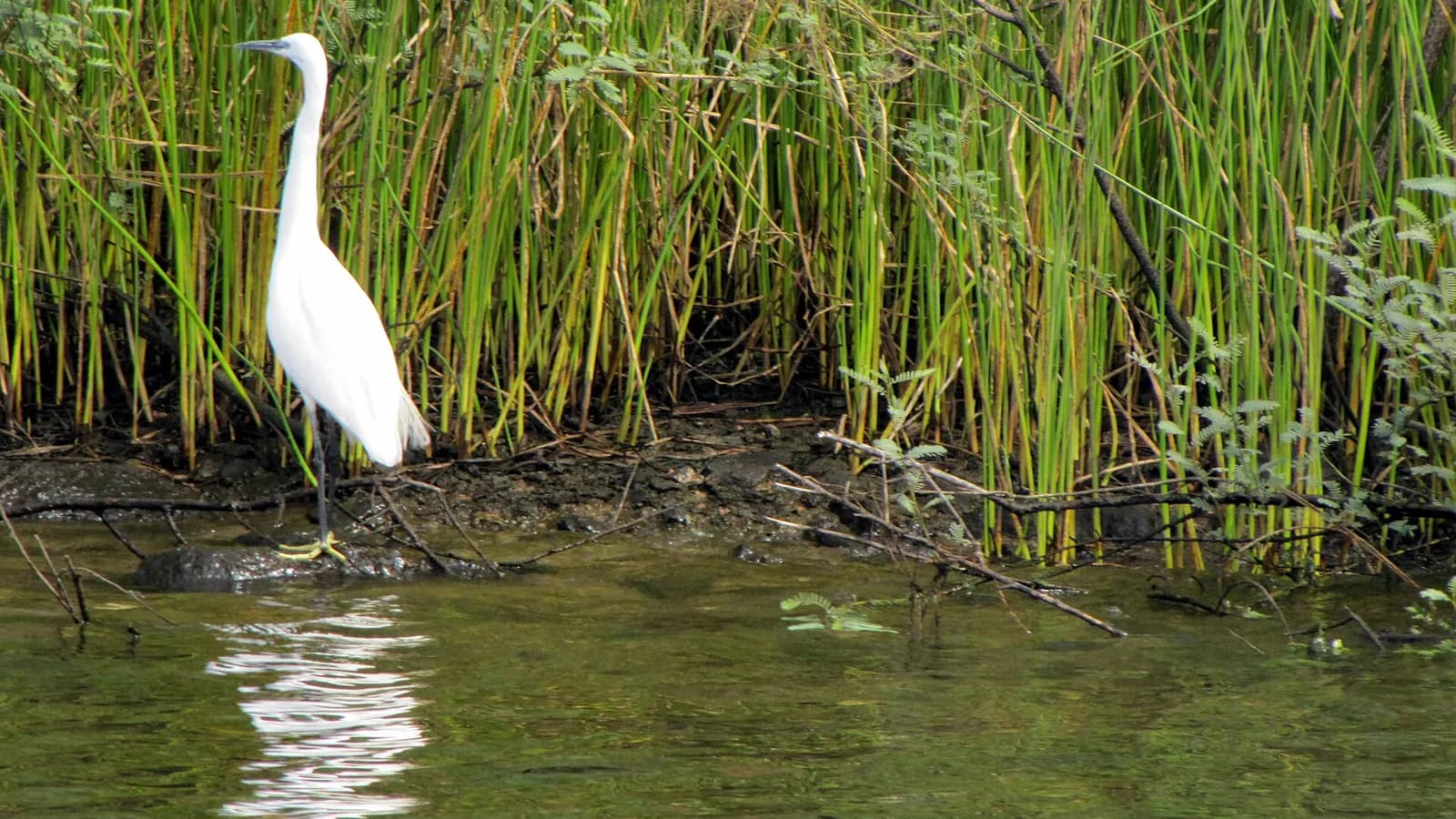
Nile Cruise from Aswan to Luxor (or Luxor to Aswan): 2026 Guide
A 3 or 4 night cruise between Aswan and Luxor is the classic way to see Egypt's temples. The stops, real prices, why direction and boat choice matter, and how to avoid a bad one.
By TiE Editors9 min read
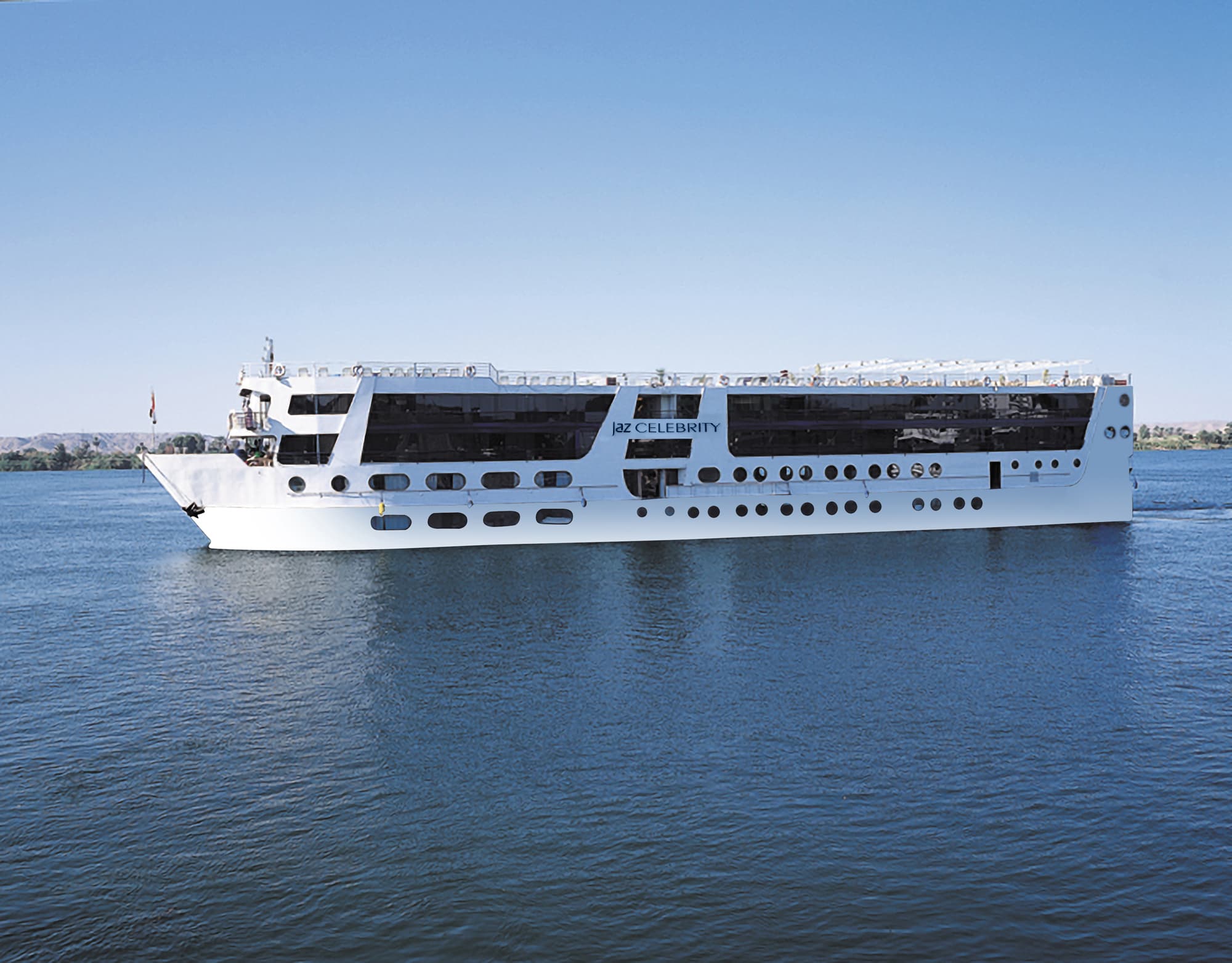
Jaz Nile Cruises (2026): Fleet, Routes & How to Book
Jaz is the Nile cruise arm of JAZ Voyages, part of Travco Group, and runs the largest fleet in our directory: twelve ships on the Luxor–Aswan route plus three Farouz El Nil dahabiyas.
By TiE Editors6 min read
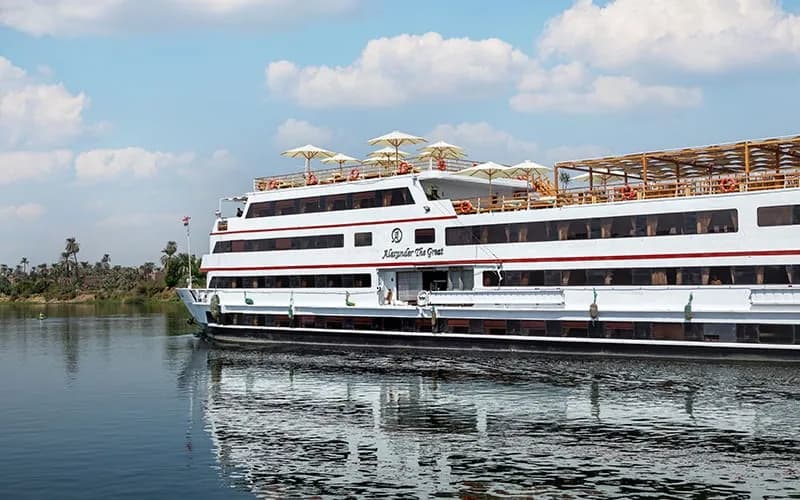
Nile Cruise for the 2027 Solar Eclipse (Aug 2): Sail Egypt's Totality
On 2 August 2027 a total solar eclipse passes over Luxor with 6+ minutes of totality. A Nile cruise is the best way to see it — in the path, accommodation solved. How eclipse sailings work and why to book early.
By TiE Editors5 min read