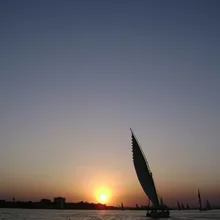
 Photo by Marc Ryckaert, via Wikimedia Commons, CC BY 3.0
Naama Bay, Sharm el-Sheikh: Where to Stay & What to Do
Naama Bay is Sharm el-Sheikh's main tourist hub, packed with hotels, a beach promenade, bars, bazaars and easy reef access. Here's who it suits, where to stay, and how it compares to the quieter bays.
Quick answer: Naama Bay is the part of Sharm el-Sheikh most first-time visitors picture when they think of the resort. It's a natural bay on the Gulf of Aqaba, within the city of Sharm el-Sheikh in South Sinai, and it works as the main hub for tourists, with cafes, restaurants, hotels and bazaars packed along one curving stretch of coast. Wikivoyage calls it the center of nightlife and dining in Sharm, and it sits roughly midway between Sharm el-Sheikh Airport and the Old City, about a 10-minute drive from each. If you want everything within walking distance and don't mind a lively, tourist-focused atmosphere, this is the obvious base. If you're after quiet, it isn't.
What Naama Bay is, and how it grew
Naama Bay (also spelled Na'ama Bay) developed as a resort area from around 1982 onward, after which the Egyptian government encouraged building and development here. That history detail comes from a single tour-operator source, so treat the exact timeline as approximate, but the result is clear enough on the ground: a purpose-built resort strip rather than an old town. One guide describes it as the "unofficial capital of Sharm El Sheikh," which captures how central it feels. The older harbor district, Sharm el-Maya (the Old Market area), lies to the south and is a separate place with a different, more local feel.
The promenade and the bazaars
The heart of Naama Bay is its beachfront promenade, Sharia al-Shatea, a flat pedestrian path that runs the full length of the beach. It's lined with hotel entrances, open-air restaurants, souvenir stalls and dive-shop signs in several languages, and it becomes almost entirely pedestrianised after dark, when the Bedouin-style and modern restaurants light up. Shopping is a mix of bazaar stalls and fixed-price retail. Sources name bazaars such as Zeus, Alaa El Din and Soho Square, along with malls including Il Mercato, Naama Center and Genena City, selling handicrafts, spices and international brands. If you'd rather not haggle, there's a Carrefour Express with fixed prices for staples. One guide rates the Old Market, roughly 6 km south, as better value and more authentic than the promenade souvenir stalls, so it's worth a trip if shopping matters to you.
Bars, nightlife and casinos
Naama Bay has historically been Sharm's nightlife center. Venues named across sources include Hard Rock Cafe, Pacha, Little Buddha, TGI Fridays and Ministry of Sound Red Sea, plus rooftop bars that stay open until 2am or later. Be honest with your expectations, though: a more recent account notes the nightlife has contracted noticeably over the past several years, so it's quieter than its peak reputation suggests. Alcohol is available, but taxes now apply on drinks at non-hotel venues, and a 10-15% service charge is typically added to bills. Two casinos operate here. The Sinai Grand Casino bills itself as the biggest in Sharm, open 24/7 with roulette, blackjack, around 85 slot machines and a poker room; it requires a valid passport for entry, and Egyptian nationals and under-18s aren't permitted. Casino Royale is also on the promenade.
The beach and snorkeling
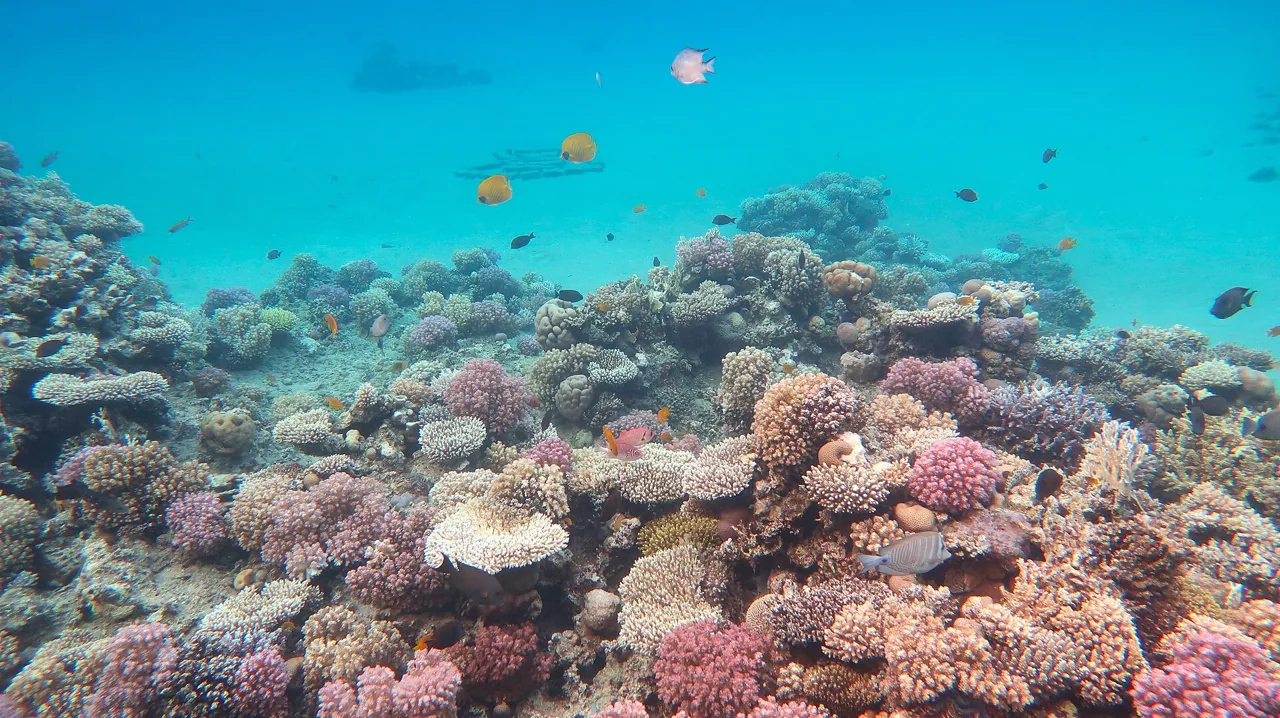 Naama Bay's beach is a broad curve of sand. It's public in theory, but in practice hotels manage the sections in front of them, and public access is limited to a fairly narrow strip. The northern part of the bay has a shallow, sandy-bottomed swimming area that suits families. For snorkeling straight off the shore, the bay starts sandy and gradually deepens, reaching shallow coral pinnacles further out (around 5 m) and deeper coral and seagrass at 12-18 m. One account rates the reef drop-off at the southern tip of the bay as one of the most accessible shore dives in Sharm, with coral within about 30 m of the waterline; confirm that with a dive shop before relying on it. One caveat worth flagging: a visitor review notes the water directly off the public beach can be less clean than nearby areas because of boat traffic. That's one opinion rather than a measurement, but it points to why the best reefs are just outside the bay.
Day trips for better reefs
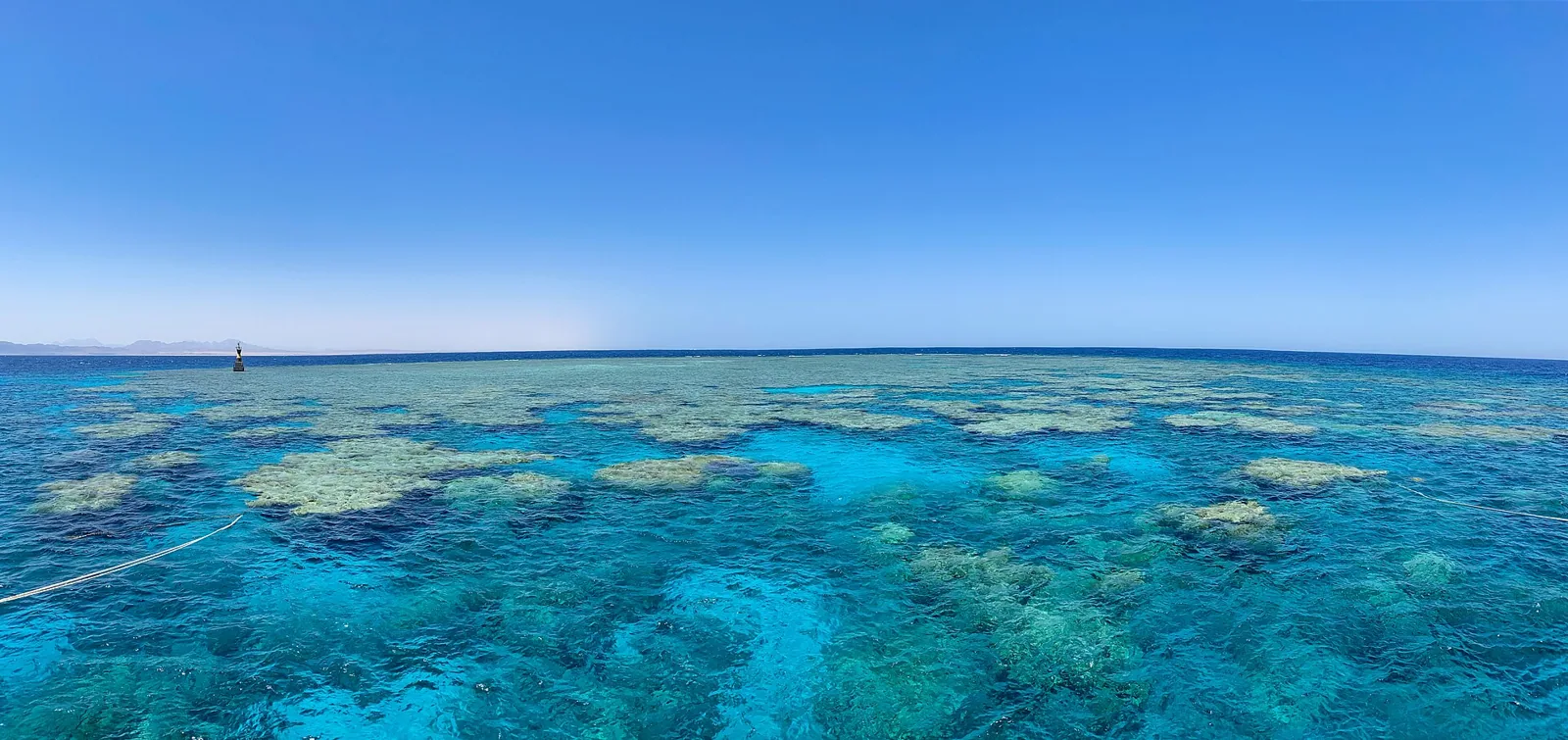 The richer snorkeling sites sit north and south of Naama Bay. Just north are Near Garden, Middle Garden and Far Garden ("Garden Bay"), a roughly mile-long fringing reef reached by resort pontoon or boat, with hard corals, butterflyfish, parrotfish and occasional Napoleon wrasse; coral condition is better in the deeper, less-trafficked sections. Ras Um Sid to the south is a favorite with coral-reef enthusiasts, and Ras Nasrani, about 10 km north, is reachable by land. For the marquee day trips, Ras Mohammed National Park at the southern tip of Sinai and the reefs of the Straits of Tiran are both reachable by boat within about two hours and rank among the best diving anywhere; Tiran can get crowded, with up to 20 boats on one reef. Land excursions include St Catherine's Monastery and Mount Sinai, the Colored Canyon, and Dahab with its Blue Hole, about an hour north.
Where to stay, and who it suits
Accommodation runs from small independent dive hotels to large all-inclusive resorts rated 3 to 6 stars, most geared toward package tourists. A neighborhood guide splits the bay into three zones: a quieter northern end (naming the Marriott and Coral Beach Rotana), a central action hub near the busiest promenade stretch (Iberotel Palace, Hilton Fayrouz), and more budget-friendly properties toward the southern end near Old Sharm. The Mövenpick Resort Sharm El Sheikh carries a Naama Bay branding. Note that some marketing lists flagship names like the Four Seasons as being "in" Naama Bay, but booking sources place the Four Seasons in the separate Ras Nasrani area to the north, so verify the exact location per property. Naama Bay suits first-timers, nightlife-minded travelers and families who want the shallow northern beach and everything walkable. If you want calm, better house reefs or a resort-bubble feel, the quieter bays are a better fit: Sharks Bay and Nabq to the north, or Ras Um Sid and the Old Market bays which are among the least windy in winter.
Getting there and around
From Sharm el-Sheikh Airport, Naama Bay is a short taxi ride of roughly 10-15 minutes; you'll need a cab or a pre-booked transfer since there's no practical alternative. Fare quotes vary a lot between sources, from around 50-100 EGP for a local taxi up to LE150-400 in one listing, with private pre-booked transfers quoted from about $8-15 USD. Those figures conflict, so agree the fare before you set off and verify current pricing at booking. Within Naama Bay itself, the promenade and most hotels, bars and shops are walkable, which is a big part of the appeal. For the Old Market (about 6 km south) or reef sites outside the bay, you'll take a taxi or a boat.
Best time to go and practical notes
Sharm is a year-round beach destination, but the sweet spot for swimming and diving is April and mid-October to mid-November, when heat and sea temperatures are comfortable. Sea temperature ranges from about 21°C in late winter to about 28°C in late summer. Winter (roughly December to February) is milder, around 14-24°C, still fine for sunbathing but cooler, and it's a peak season for many European and Russian visitors. Mid-May through September brings warm seas but intense daytime heat, with highs pushing toward 38-40°C. On costs, budget for the 10-15% service charge on food and drink and for alcohol taxes outside hotels; treat every price here as a range and verify at booking. On safety, both UK and US travel guidance single out Sharm el-Sheikh and the southern Red Sea coast as treated more permissively than northern and middle Sinai, but wording changes often, so always check the live gov.uk and travel.state.gov pages before you book.

A real team available 24/7 to assist you — free
Seif and the team reply on WhatsApp 24/7 — trip questions, custom plans and booking help.
Ask Seif on WhatsAppCommon questions
Is Naama Bay good for families?
Yes, with caveats. The northern part of the bay has a shallow, sandy-bottomed swimming area that suits children, and everything (restaurants, shops, hotels) is walkable along the promenade. The trade-off is that it's touristy and lively, with nightlife and bazaar stalls, so families wanting a calmer, resort-bubble feel often prefer the quieter bays like Nabq or Sharks Bay.
Is Naama Bay walkable?
Very. The beachfront promenade (Sharia al-Shatea) is a flat pedestrian path running the full length of the beach, lined with hotel entrances, restaurants, cafes, bars and shops, and it becomes almost entirely pedestrianised after dark. Being able to reach most things on foot is one of the main reasons people choose Naama Bay over the more spread-out bays.
What's the best area to stay in Sharm el-Sheikh?
It depends on what you want. Naama Bay is best for first-timers, nightlife and walkable convenience. For quieter stays, better house reefs or a self-contained resort feel, look at Sharks Bay and Nabq to the north, or Ras Um Sid and the Old Market (Sharm el-Maya) bays, which are also among the least windy in winter. Naama Bay itself splits into a quieter north end, a busy central hub, and more budget-friendly properties toward the south.
What is the nightlife like in Naama Bay?
Naama Bay has historically been Sharm's nightlife center, with venues such as Hard Rock Cafe, Pacha and Little Buddha, plus rooftop bars open until 2am or later, and two casinos (Sinai Grand Casino and Casino Royale). Be realistic, though: sources note the nightlife has contracted noticeably in recent years, so it's quieter than its old reputation. Expect a 10-15% service charge on bills and taxes on alcohol at non-hotel venues.
Can you snorkel directly from Naama Bay beach?
You can, but it's modest. The bay starts sandy and gradually deepens to shallow coral pinnacles further out, and the drop-off at the southern tip is one of the more accessible shore dives in Sharm. For richer reefs, head just outside the bay to the Gardens (Near, Middle and Far Garden) by boat or resort pontoon, or take a day trip to Ras Mohammed or the Straits of Tiran. Note that water off the public beach can be affected by boat traffic.
How far is Naama Bay from Sharm el-Sheikh Airport?
About a 10-15 minute drive. You'll need a taxi or a pre-booked transfer, as there's no practical alternative. Fare quotes vary widely between sources, from roughly 50-100 EGP for a local taxi up to LE150-400 in some listings, and around $8-15 USD for private pre-booked transfers. Agree the fare before setting off and verify current pricing at booking.
When is the best time to visit Naama Bay?
April and mid-October to mid-November are ideal for swimming and diving, with comfortable heat and sea temperatures (the sea ranges from about 21°C in late winter to 28°C in late summer). Winter (December to February) is milder at around 14-24°C, good for sunbathing but cooler, and busy with European and Russian visitors. Mid-May through September has warm seas but intense heat, with highs near 38-40°C.
Book it on This is Egypt
Turn this guide into a trip


Egypt's bestsellers
The experiences travelers book most, across the country



Keep reading

Hurghada Diving (2026): Best Sites, Packages & Prices
Diving in Hurghada — the best reefs (Giftun, Careless Reef, Dolphin House) and Abu Nuhas wrecks, Discover Scuba vs PADI courses, season and water temps, and real 2026 prices.
By TiE Editors7 min read

Hurghada Snorkeling Trips (2026): Best Reefs, Prices & How to Choose
Where to snorkel from Hurghada in 2026 — Orange Bay, Giftun, Mahmya, Utopia and Dolphin House — with boat types, marine life, month-by-month sea temperatures, family tips and real prices from 1,000+ bookable trips.
By TiE Editors7 min read

Egypt Tour Prices by Activity (2026): What Each Type Really Costs
What every type of Egypt experience costs — half day, full day or overnight — as a median and a mid-half range in US dollars, from 12,370 live bookable listings.
By TiE Editors6 min read