

Egypt Travel Logistics 2026: Visa, eSIM & Getting Around
Egypt's 2026 logistics decoded: e-visa steps and the new Cairo digital VOA, eSIM vs airport SIM prices, sleeper trains, domestic flights, buses, and safety.
The hard part of an Egypt trip isn't deciding to go — it's the logistics that bracket the temples: getting the visa right, staying connected, moving between Cairo, Luxor, Aswan, and the Red Sea, and knowing which regions the advisories flag. This guide walks through all four, official sources first. Visa rules, prices, and travel advisories change often, so anything marked "as of 2026 — verify at source" should be re-checked at the official link before you rely on it. A few items are time-sensitive and flagged as such.
The e-visa: one official portal, step by step
There is exactly one official site: https://visa2egypt.gov.eg. Plenty of lookalike commercial sites charge a markup for the same government document, so check the .gov.eg domain before you type in a passport number. The process, as described on the portal:
- Create an account on visa2egypt.gov.eg.
- Choose your visa type — tourist, single or multiple entry.
- Enter your passport and travel details.
- Pay by card.
- Receive the approved e-visa by email as a PDF. Print it and carry the printout.
A single-entry tourist e-visa was historically USD 25; multiple sources report a fee increase applied on 27 April 2026 (a reported rise of about USD 5, toward ~USD 30), so treat the exact current fee as verify-at-source. It's valid 3 months from the issue date and allows a stay of up to 30 days. Because validity counts from issue, not arrival, don't apply too far ahead. A multiple-entry e-visa costs USD 60 and is valid 6 months. Processing is officially up to 7 business days, though most approvals come through in 3–5 days — apply at least a week out.
E-visa, visa-on-arrival, or exempt: which are you?
The authoritative call on your category is made by Egypt's Ministry of Foreign Affairs and shown on the portal, so check visa2egypt.gov.eg before you travel — nationality lists change.
- E-visa eligible: Egypt expanded the tourist e-visa system to 74 nationalities, officially announced by the State Information Service. The list includes the USA, UK, Canada, Australia, New Zealand, Japan, South Korea, and EU/Schengen nations, among others. The single canonical list lives on the portal — third-party pages don't reliably reproduce all 74, so pull it from the source.
- Visa-on-arrival (VOA): citizens of a broad set of countries (reported as 40–70+, including the US, UK, all EU states, Canada, Australia, New Zealand, Japan, and South Korea) can buy a visa sticker on arrival instead. Most VOA-eligible travelers can also use the e-visa and may choose either.
- Prior security clearance required: several nationalities (reported to include Afghanistan, Bangladesh, Iraq, Lebanon, Morocco, Pakistan, Somalia, Syria, Tunisia, and Yemen, among others) need advance clearance or a consulate-issued visa rather than VOA or e-visa. The list changes — confirm with an Egyptian embassy.
- Exemptions and Sinai-only: some GCC and other nationalities are visa-exempt, and there's a free "Sinai Only" entry permit for Sharm El-Sheikh and Red Sea resort stays that don't leave South Sinai. Confirm current rules on the portal or with an embassy.
Visa on arrival, including the new Cairo digital VOA
If you're VOA-eligible, you can buy a single-entry 30-day tourist visa sticker at Egyptian airports for USD 25 (multiple-entry USD 60). The key mechanic: pay at a bank kiosk in the arrivals hall BEFORE passport control, then take the sticker to immigration. Pay in cash — US dollars are widely accepted, so carry small, exact bills — and expect a wait of roughly 15–45 minutes. One secondary source quoted the VOA at USD 30, so treat the exact figure as verify-at-source.
Time-sensitive: the sticker system is being modernized. If you'd rather not queue at a kiosk on landing, the safest bet remains applying for the e-visa online in advance, which arrives as a printable PDF and skips the arrivals-hall bank counter entirely. Whichever route you pick, confirm the current on-arrival process on visa2egypt.gov.eg shortly before you fly, since the arrival procedure is exactly the kind of detail that shifts without much notice.
Staying connected: eSIM options and prices
If your phone supports eSIM, it's the least-friction option — you activate by QR code before you even land. Egypt is covered by the major travel-eSIM providers (Airalo, Holafly, Nomad, Saily and others), most running on Orange Egypt's network, with solid 4G/LTE across Cairo, Giza, Alexandria, Luxor, Aswan, and the Red Sea resorts, and 5G in the big cities.
- Airalo (rough prices): unlimited-data plans around USD 20.50 / 3 days, USD 29.50 / 5 days, USD 36.50 / 7 days, USD 38 / 10 days, with a 3 GB/day high-speed fair-use cap; LTE-only on Orange.
- Holafly (rough prices): "unlimited" (throttled) plans from about USD 6/day, on Orange with instant delivery; tethering capped near 500 MB/day.
In 2026 comparisons Airalo came out slightly cheaper and more transparent than Holafly for comparable unlimited Egypt plans. Both are verify-at-source on current pricing.
Buying a local SIM at Cairo Airport
Prefer a physical SIM? All four operators — Vodafone, Orange, WE, and e& (Etisalat) — run official kiosks at Cairo International near the baggage belts, generally open 24 hours. Bring your passport (some kiosks also want your entry visa/stamp); staff photograph or copy it to register the SIM, which is mandatory. Tourist prepaid packs range from roughly EGP 100 (~USD 2) up to EGP 2,800 (~USD 60) by data and validity, and a commonly cited deal is around 30 GB plus 200 local and 30 international minutes for ~EGP 505 (~USD 10). Prices vary and are somewhat negotiable by kiosk. Vodafone is cited as the widest-coverage all-rounder; Orange is better value but slightly less consistent in rural areas.
Getting around: sleeper trains
The overnight sleeper between Cairo and Luxor/Aswan is run by Abela Trains (which took over from the old "Watania" service in 2023 — you'll still hear the old name), official site abelatrains.com. Foreigners use the dedicated Abela sleeping-cars, with fares charged in USD. Prices vary widely by source: commonly around USD 120–130 per person in a double cabin and USD 100–210 for a single, with dinner, breakfast, and bedding included. Some guides quote single $130 / double $180, others single $210 / double $300 — verify at abelatrains.com. The ride is roughly 10–12 hours to Luxor and up to 13–14 hours to Aswan. Book via the official site or agents Bookaway.com / 12Go.com; booking opens months ahead, and there's a refurbished "Elite" class for 2025–2026.
Day trains, flights, and buses
Day trains (Egyptian National Railways): tourists are allowed on the daytime express trains — Talgo, VIP Express, and standard air-conditioned Express — between Cairo, Luxor, and Aswan, according to the specialist reference Seat61 (one secondary source claimed foreigners are restricted to overnight trains, so verify locally). The catch is booking: the ENR website and app sell only to Egyptian nationals at local prices. Foreigners buy either at the foreigners' ticket office at Cairo Ramses station (upper floor, paying in USD/EUR/EGP at the window) or through Bookaway.com / 12Go.com; booking typically opens 2–17 days before departure.
Domestic flights: EgyptAir is the main carrier, with frequent daily flights linking Cairo to Luxor (~1h), Aswan (~1h20), Sharm El-Sheikh (~1h), and Hurghada (~1h); Air Cairo and others compete. Frequency is high — around 10 Cairo–Luxor flights a day were reported in August 2026. Fares vary; promo/resident fares from ~EGP 950 exist, but tourist fares differ, so verify current prices on egyptair.com or an aggregator.
Intercity buses: Blue Bus is the premium operator (A/C, Wi-Fi, restrooms on all classes), serving Cairo, Alexandria, the North Coast, Hurghada, Sharm, Dahab, and Luxor — sample 2026 fares include Hurghada–Cairo ~USD 21 (Business, ~7h) and Cairo–Sharm ~USD 19 (~8h). Go Bus has a larger network with Wi-Fi on most rides — Hurghada–Cairo ~USD 17 (Economy, ~6h50), Sharm–Cairo ~USD 28 (~7h). Book via gobus.com.eg, bluebus.com.eg, or aggregators like Bookaway and CheckMyBus.
Safety and travel advisories
Advisories are time-sensitive and change without notice, so check your own government's page immediately before travel. As of 2026 the picture is consistent: both the UK and US keep mainstream Egypt open while ring-fencing specific regions.
The UK FCDO advises against all travel to North Sinai Governorate and to within 20km of the Egypt–Libya border (except El Salloum), and against all but essential travel to the northern part of South Sinai, Ismailia east of the Suez Canal, parts of the Western Desert (with exceptions for Luxor, Aswan, Siwa, main roads, and oasis towns), and the Hala'ib Triangle. It considers Cairo, Alexandria, Luxor, Aswan, Sharm El-Sheikh, and Hurghada fine for tourism.
The US State Department rates Egypt Level 2: Exercise Increased Caution, with "Do Not Travel" guidance for the Sinai Peninsula (except Sharm El-Sheikh and the South Sinai resort coast reached by air) and the Western Desert and border areas; the Western Desert should only be visited with a licensed operator. The main attractions — Cairo, Luxor, Aswan, Alexandria, Hurghada, Sharm El-Sheikh — operate normally. The advisory level and regional lines can shift after any security incident, so re-check before booking and again before you fly.
Scams worth knowing before you go
Most trouble is nuisance-level and easy to sidestep once you know the pattern:
- Baksheesh pressure: unsolicited "help" — directions, taking your photo, "opening" a room — followed by an aggressive tip demand. You're not obliged to pay for help you didn't ask for; carry small notes for service you actually want.
- "The site is closed" trick: a stranger posing as a guard or guide says the attraction is shut (prayer time, holiday, renovation) and offers an "alternative" that routes you to commission shops for papyrus or perfume. Walk to the official entrance and check with uniformed staff.
- Camel or horse ride price switch: you agree a price for a "full tour," then get stopped halfway and pressured to pay far more to continue or return. Agree the total price and route clearly before mounting, and check the animal's condition.
- Other classics: "free" gifts or bracelets that then demand payment, "broken" taxi meters (agree the fare first or use a ride-hailing app), and overpriced shop detours arranged by a friendly stranger.
Get the visa sorted a week ahead, land with an eSIM already active or head straight to an airport kiosk, book intercity travel a few days out, and keep small notes handy — and Egypt's logistics stop being the hard part.
Chat with a real person — free
Seif and the team reply on WhatsApp 24/7 — trip questions, custom plans and booking help.
Ask Seif on WhatsAppCommon questions
What is the official Egypt e-visa website?
The only official portal is https://visa2egypt.gov.eg. Many lookalike commercial sites charge a markup for the same government document, so always confirm the .gov.eg domain before entering passport details. You apply online, pay by card, and receive the approved e-visa as a PDF by email to print and carry.
How much does an Egypt tourist visa cost in 2026?
The single-entry tourist e-visa was historically USD 25, with a fee increase reportedly applied on 27 April 2026 pushing it toward ~USD 30 — verify the exact figure on the portal. A multiple-entry e-visa is USD 60. On arrival, VOA-eligible travelers can buy a 30-day single-entry sticker for USD 25 (multiple-entry USD 60), paid in cash before passport control.
How long is the Egypt tourist e-visa valid?
A single-entry tourist e-visa is valid 3 months from the issue date and permits a stay of up to 30 days. A multiple-entry e-visa is valid 6 months. Validity counts from the issue date, not your arrival, so don't apply too far in advance — a week or so before travel is ideal, given 3–7 business days of processing.
Is an eSIM or a local SIM better for Egypt?
An eSIM (Airalo, Holafly, Nomad, Saily) is the least friction — activate by QR code before you land, mostly on Orange's network. Airalo unlimited plans run about USD 20.50/3 days to USD 38/10 days. A physical SIM from a Cairo Airport kiosk (Vodafone, Orange, WE, e&) can be cheaper — around EGP 505 (~USD 10) for a generous tourist pack — but requires your passport to register.
Can tourists take the train in Egypt?
Yes. Foreigners use the Abela overnight sleeper (about USD 100–210 per cabin, meals included) between Cairo and Luxor/Aswan, and per the specialist reference Seat61 can also ride daytime express trains. The catch is booking: the national railway's site sells only to Egyptians, so foreigners book at the Ramses station foreigners' office or via Bookaway/12Go.
Is Egypt safe to visit in 2026?
Mainstream tourist areas — Cairo, Alexandria, Luxor, Aswan, Sharm El-Sheikh, and Hurghada — are considered fine by both the UK FCDO and US State Department (which rates Egypt Level 2: Exercise Increased Caution). Both advise against travel to North Sinai, border zones, and parts of the Western Desert. Advisories change after incidents, so check your government's page just before travel.
What are the most common tourist scams in Egypt?
The frequent ones are baksheesh pressure after unsolicited 'help,' the 'this site is closed' trick that reroutes you to commission shops, and the camel or horse ride price switch where the agreed fare jumps mid-tour. Also watch for 'free' gifts that demand payment and 'broken' taxi meters. Agree prices clearly in advance and use ride-hailing apps where possible.
Book it on This is Egypt
Turn this guide into a trip





Egypt's bestsellers
The experiences travelers book most, across the country







Keep reading
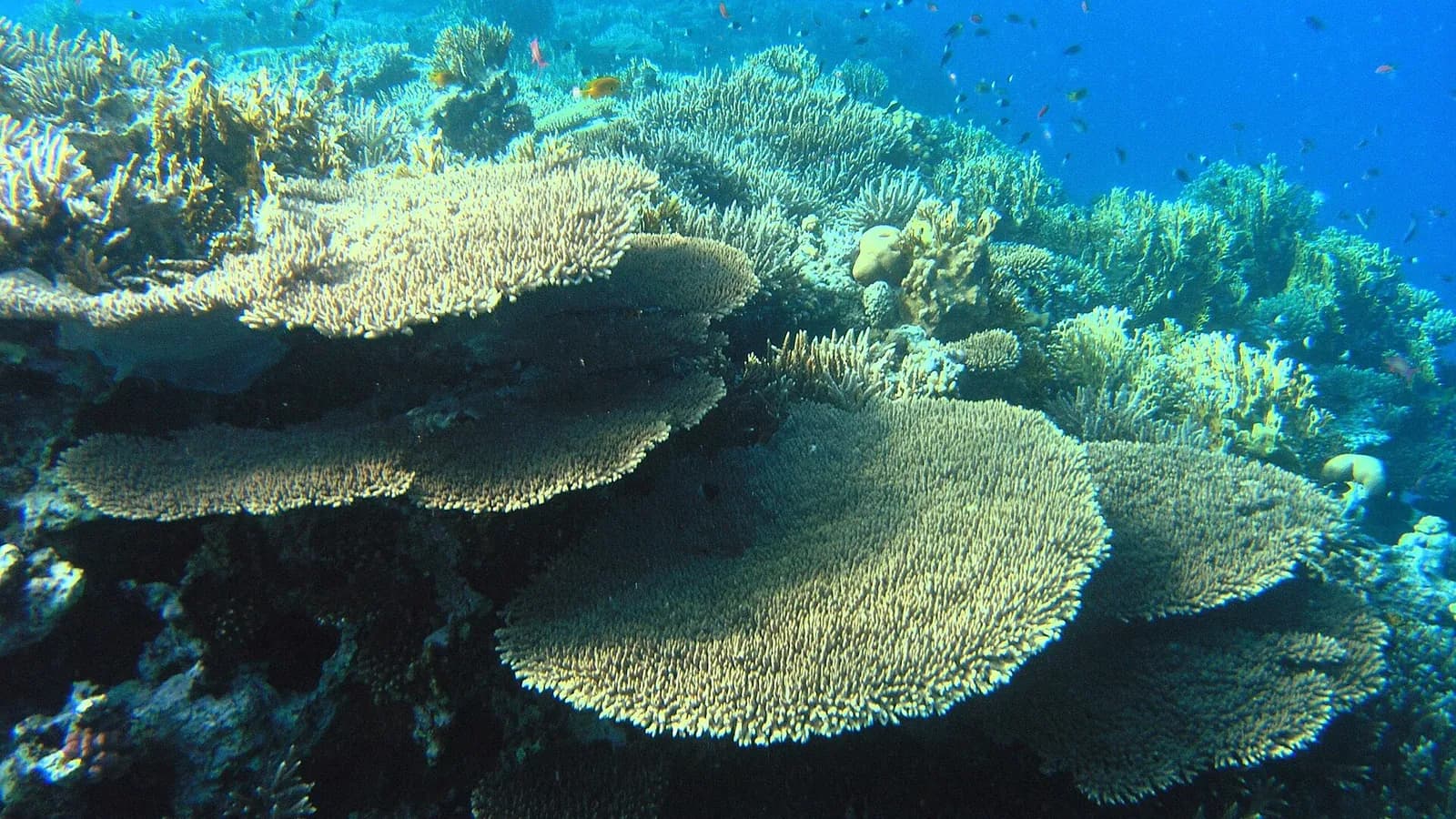
Hurghada Diving (2026): Best Sites, Packages & Prices
Diving in Hurghada — the best reefs (Giftun, Careless Reef, Dolphin House) and Abu Nuhas wrecks, Discover Scuba vs PADI courses, season and water temps, and real 2026 prices.
By TiE Editors7 min read
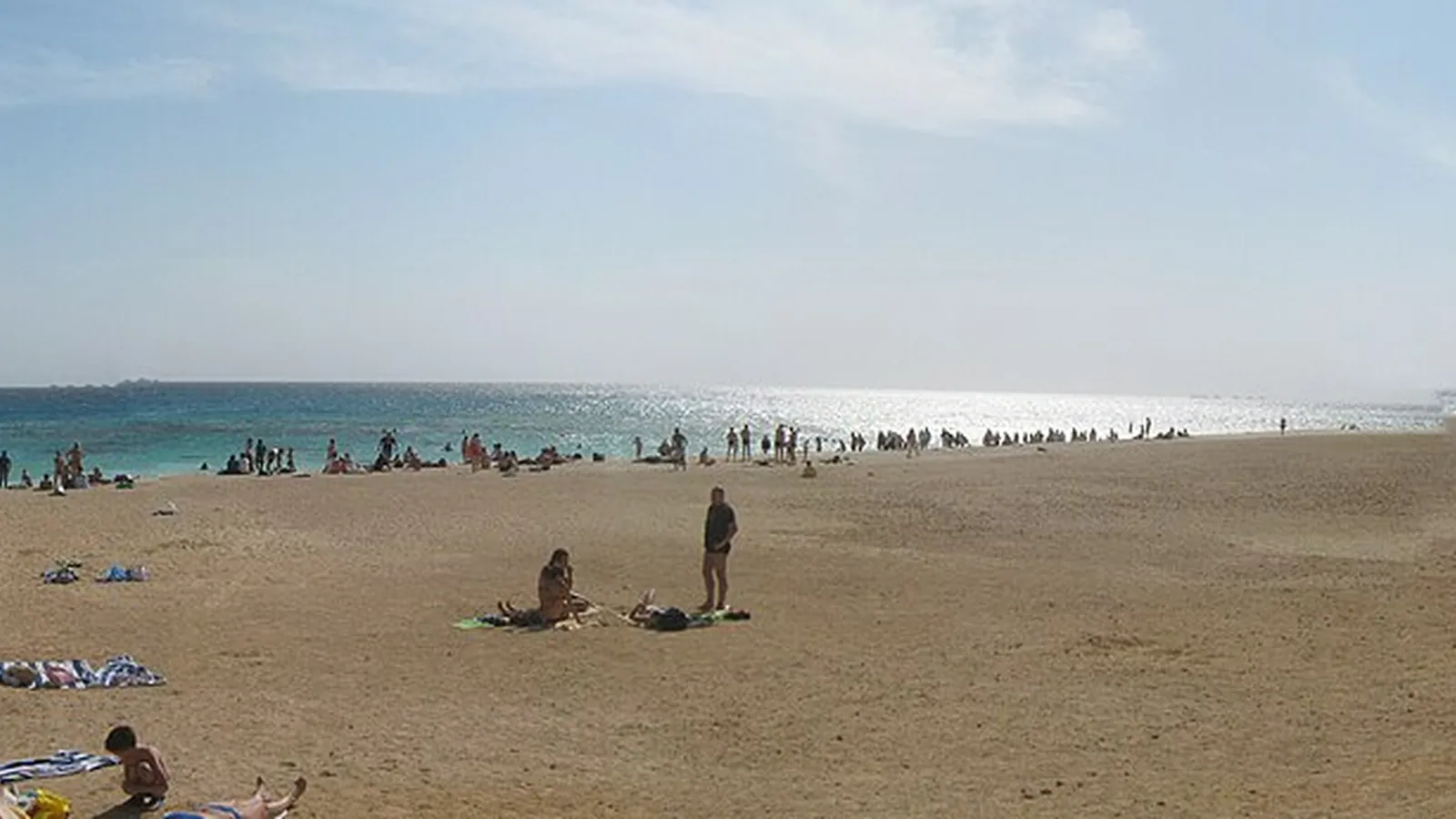
Hurghada Snorkeling Trips (2026): Best Reefs, Prices & How to Choose
Where to snorkel from Hurghada in 2026 — Orange Bay, Giftun, Mahmya, Utopia and Dolphin House — with boat types, marine life, month-by-month sea temperatures, family tips and real prices from 1,000+ bookable trips.
By TiE Editors7 min read
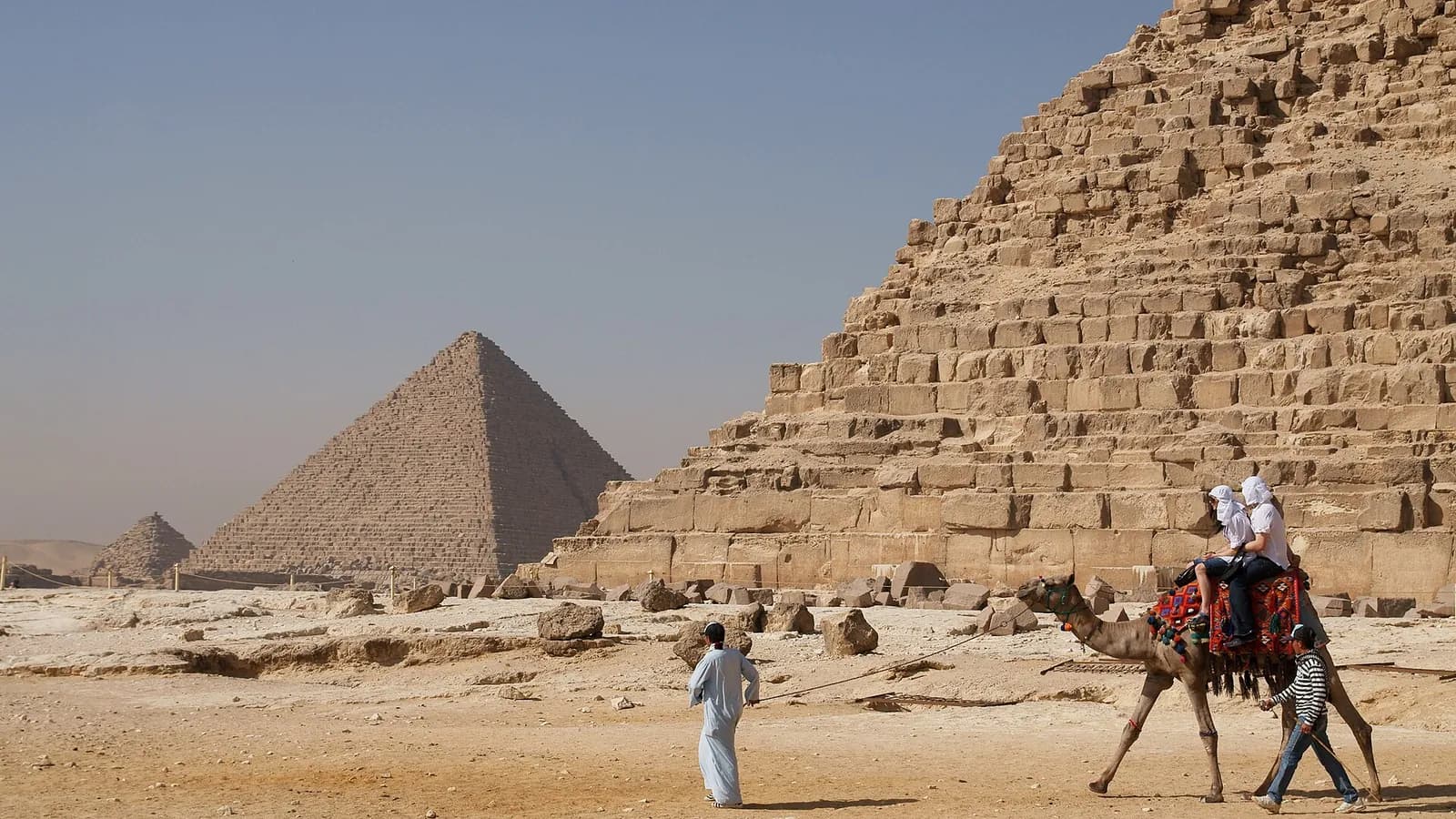
Egypt Tour Prices by Activity (2026): What Each Type Really Costs
What every type of Egypt experience actually costs — from a 1,700 EGP camel ride to a 48,500 EGP Nile cruise — based on 29,710 real bookable tours across seven platforms.
By TiE Editors6 min read