

Egypt SIM Card & eSIM Guide (2026): Getting Data the Moment You Land
Local SIM or eSIM in Egypt? Real 2026 prices for Vodafone, Orange, WE and Airalo, where to buy, how registration works, and where coverage drops.
Quick answer: For data in Egypt, buy a local prepaid SIM from Vodafone, Orange, WE or e& — about 200–500 EGP (~US$4–10) for 20 GB — at the airport arrivals hall or any provider shop; bring your passport to register. If your phone supports eSIM, an app plan like Airalo or Holafly works the moment you land, at a small premium. Vodafone has the widest coverage.
Egypt SIM vs eSIM at a glance
| Local SIM | ~200–500 EGP for 20 GB; buy at the airport or provider shops; passport needed |
| eSIM | Airalo, Holafly — set up before you fly, works on landing, costs a bit more |
| Best coverage | Vodafone, then Orange; WE and e& also good in cities |
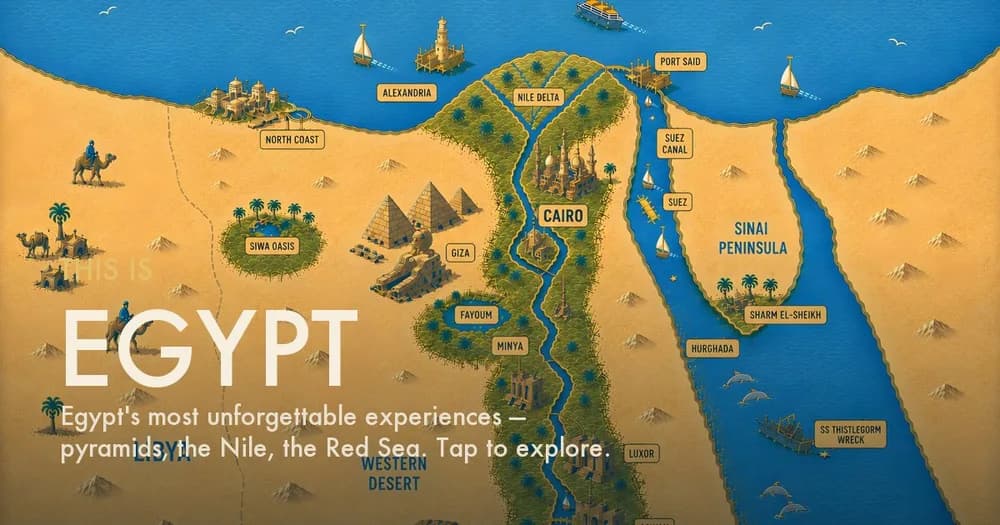
| Where it drops | Remote desert, some Western Desert oases, the Sinai interior |
| Registration | Passport required for a physical SIM; eSIM is app-only |
| Tip | Buy at official airport counters, not street resellers |
Getting online in Egypt is cheap and takes about ten minutes. A local prepaid SIM from Vodafone, Orange, WE or e& (Etisalat) with 20 GB of data runs roughly 200-500 EGP (about US$4-10), and you can buy one at the airport arrivals hall or any provider shop in town. If your phone supports eSIM, an app-based plan like Airalo or Holafly gets you connected before you even clear passport control, for a bit more money. Bring your passport either way, because Egypt requires SIMs to be registered.
Below is the practical version: which network to pick, exactly where to buy, what the bundles actually cost in 2026, and where the signal disappears.

Local SIM or eSIM: which one for you?
The honest answer depends on your phone and how much friction you'll tolerate.
A local physical SIM is the cheapest option by a wide margin, gives you a local Egyptian number (handy for ride-hailing apps, restaurant bookings and calling your hotel), and comes with the biggest data allowances. The trade-off is that you have to physically get one, show your passport, and swap cards. If you land late or arrive somewhere with no shop, you're offline until you sort it.
An eSIM is a data plan you install from an app. Nothing to swap, no shop to find, no passport photocopying at a kiosk. You buy it before you fly, scan a QR code, and it activates when you land. The catches: your phone must support eSIM (most iPhones from XS onward, Pixel 3 and later, recent Samsung Galaxy S and Note models do; many budget Androids don't), most tourist eSIMs are data-only with no local number, and per-gigabyte they cost more than a local SIM.
| Option | Rough 2026 cost | Local number? | Where to get it | Best for |
|---|---|---|---|---|
| Local SIM (Vodafone/Orange) | 200-500 EGP for ~20 GB | Yes | Airport kiosk or town shop | Longer trips, want a local number, lowest cost |
| eSIM (Airalo/Holafly) | US$8-35 for 5-20 GB | Usually no | App, before you fly | Short trips, hate faff, land connected |
| International roaming | Your home carrier's rate | Keeps your number | Nothing to do | Very short stays if your plan has a cheap day pass |
My rule of thumb: staying a week or more, or relying heavily on Uber and maps? Get a local SIM. Popping in for three or four days and you value zero hassle over a few dollars? Buy an eSIM.
The local networks: Vodafone, Orange, WE and e&
Egypt has four mobile networks, and for a traveler the practical choice is between the first two.
Vodafone Egypt has the broadest, most reliable coverage, especially outside the big cities and along the Nile tourist corridor. If you're doing a Cairo-Luxor-Aswan trip or heading to the Red Sea, it's the safe default. A typical tourist bundle is around 20 GB plus some local and international minutes for roughly 495 EGP valid for 28 days.
Orange Egypt is the value pick. Its "Orange Holidays" style tourist packs are often cheaper for the same data, sometimes 20 GB for around 200 EGP, with a higher tier giving 40-plus GB for around 450 EGP. Coverage is very good in cities and resorts but a shade less consistent in remote areas than Vodafone.
WE (Telecom Egypt) and e& (formerly Etisalat) are perfectly usable and often have kiosks at the airport too, but Vodafone and Orange have the strongest tourist-facing packages and the most walk-in shops, so most visitors default to one of them.
What data actually costs
Prices shift with promotions, but as a 2026 guideline: a starter tourist SIM with around 20 GB and a month's validity sits in the 200-500 EGP band (US$4-10). Larger 40-50 GB packs run 450-600 EGP. That is genuinely cheap by international standards; you will not run out of data doing normal travel things.
Where and how to buy at Cairo Airport
All four networks run official kiosks in the arrivals area at Cairo International, and you'll also find them at Hurghada, Sharm El Sheikh and Luxor airports. At Cairo Terminal 1, look for the Vodafone and Orange desks just past passport control and around the baggage-claim area.
The process is quick:
- Have your passport ready; registration is a legal requirement, and the staff will scan or photograph it.
- Pick a bundle. Tell them roughly how many days you're staying and how much data you want; they'll suggest a pack.
- Pay in cash (EGP is easiest) or by card. Airport prices are often a little higher than in-town shops, but the convenience is usually worth it.
- They'll insert and activate the SIM, and test that data works before you walk away. Confirm it's live before leaving the desk.
If you prefer to buy in town, official-brand stores (not random street stalls) will do the same registration and often at a slightly better price. Keep the receipt.
Coverage: where the signal is strong and where it drops
Coverage across Egypt's populated areas is genuinely good. Expect solid 4G/LTE, and increasingly 5G, in Cairo, Giza, Alexandria, Luxor, Aswan and the Red Sea resorts of Hurghada, Sharm El Sheikh, Marsa Alam and Dahab. On a standard Nile cruise you'll have signal for most of the route, dropping in and out between towns.
Where it gets patchy: the deep desert. On a Western Desert trip to the White Desert or Siwa Oasis, on remote stretches of the Sinai interior, and out at desert camps, expect little to no signal. That's part of the appeal, but plan for it: download offline maps, share your itinerary before you go dark, and don't rely on being reachable. Our White Desert guide and Siwa Oasis guide cover what to expect out there.
Wi-Fi in Egypt
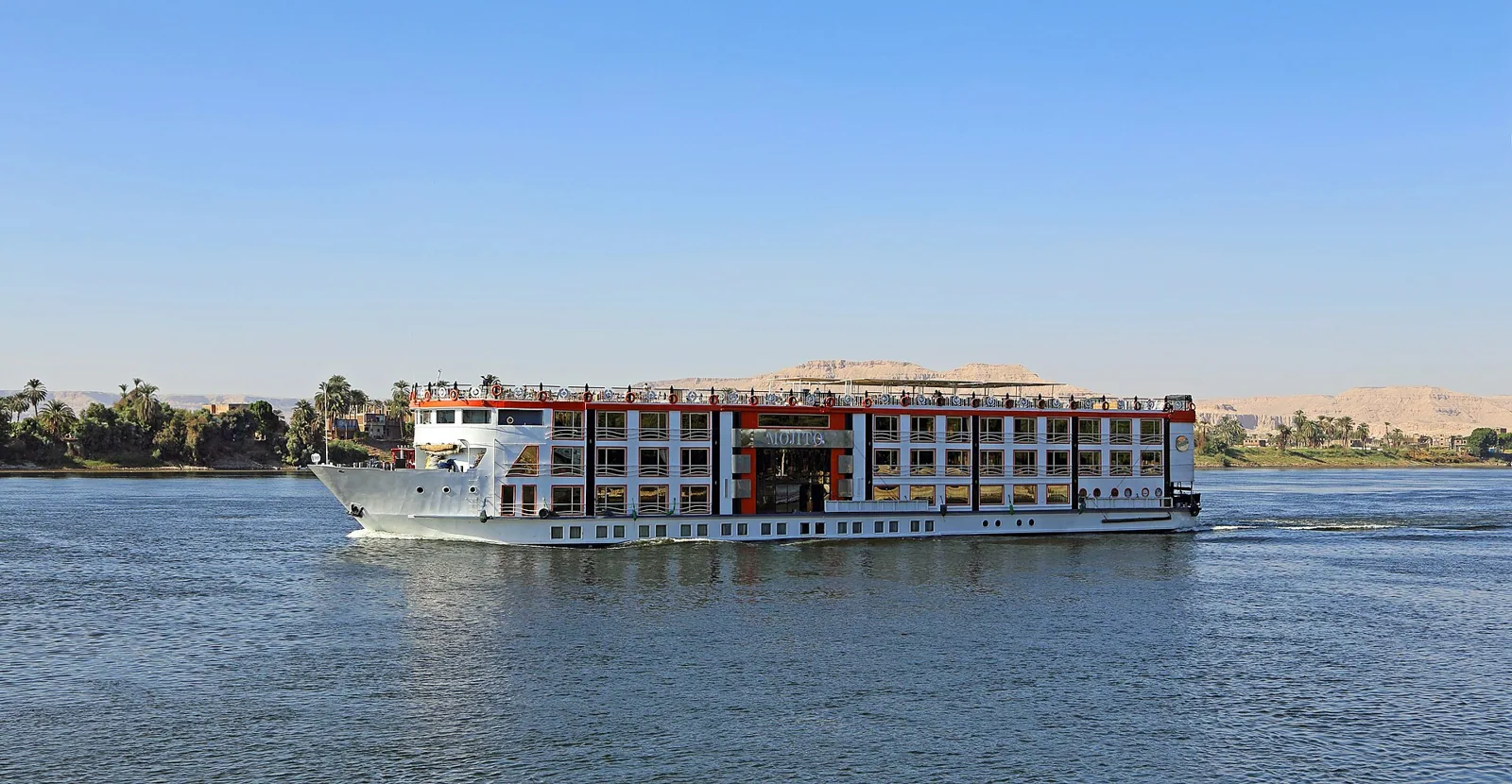
Wi-Fi is everywhere you'd expect it: hotels, resorts, cafes, many restaurants and most Nile cruise boats. The quality is the problem. Hotel Wi-Fi is often slow, shared across a full house, and unreliable for video calls or uploading photos. Cruise-boat Wi-Fi can be genuinely painful. Treat Wi-Fi as a bonus, not your primary connection; a local SIM or eSIM will nearly always be faster and more dependable for maps, WhatsApp and booking your next thing. For everything else you'll want sorted before you fly, see our Egypt travel tips and the broader Egypt travel guide.
WhatsApp is the default messaging app across Egypt for both locals and businesses, including many tour operators and drivers, so make sure it's set up before you arrive. Note that some VoIP calling (WhatsApp voice/video, FaceTime) can be throttled or blocked on Egyptian networks at times; it usually works but don't be surprised by the occasional dropped call.
Quick pre-trip checklist
- Check your phone is unlocked (for a physical SIM) or eSIM-capable (for an eSIM). A carrier-locked handset can't take a local SIM.
- Decide SIM vs eSIM using the table above.
- If eSIM: buy and install the profile before you fly, but wait to activate until you land (many plans start their clock on activation).
- If physical SIM: keep your passport accessible for registration.
- Download offline Google Maps for your cities and any desert areas before you go.
- Have some cash EGP for the airport kiosk.
Once you're connected, everything else about Egypt gets easier: hailing a ride, splitting bills, finding the next temple entrance, and booking the experiences you actually came for. Browse Egypt experiences to line up your days before you land.
A real team available 24/7 to assist you — free
Seif and the team reply on WhatsApp 24/7 — trip questions, custom plans and booking help.
Ask Seif on WhatsAppCommon questions
Can I buy an Egyptian SIM card at Cairo Airport?
Yes. Vodafone, Orange, WE and e& all run official kiosks in the arrivals area at Cairo International, and at Hurghada, Sharm El Sheikh and Luxor airports too. Bring your passport for registration, expect to pay roughly 200-500 EGP for a ~20 GB tourist bundle, and confirm data works before you leave the desk. Airport prices are slightly higher than in-town shops.
Do I need my passport to buy a SIM in Egypt?
Yes. Egyptian law requires SIM cards to be registered to an ID, so the shop or kiosk will scan or photograph your passport. It only takes a minute. eSIMs bought from apps like Airalo don't require in-person passport registration.
Is an eSIM better than a local SIM in Egypt?
It depends on your trip. An eSIM (Airalo, Holafly and similar) is the low-hassle choice: install before you fly and land connected, no shop or card-swapping. A local Vodafone or Orange SIM is cheaper per gigabyte, gives you a local number, and offers bigger data allowances, which is better for longer stays. Your phone must support eSIM to use one.
Which network has the best coverage in Egypt?
Vodafone Egypt has the broadest and most reliable coverage, especially outside the major cities and along the Nile tourist route. Orange is a close second and often cheaper, with excellent coverage in cities and resorts but slightly less consistency in remote areas.
How much does mobile data cost in Egypt?
Cheap. A tourist SIM with around 20 GB and a month's validity costs roughly 200-500 EGP (about US$4-10), and 40-50 GB packs run 450-600 EGP. eSIMs cost more per gigabyte, typically US$8-35 for 5-20 GB depending on the provider and length.
Will I have phone signal in the Egyptian desert and on a Nile cruise?
On a Nile cruise you'll have signal for most of the route, cutting in and out between towns. In the deep desert, such as the White Desert, Siwa Oasis or remote Sinai, expect little to no signal. Download offline maps and share your plans before heading into desert areas.
Can I use WhatsApp in Egypt?
Yes, WhatsApp is the default messaging app for locals, businesses and many tour operators, so set it up before you arrive. Note that VoIP voice and video calls (WhatsApp calling, FaceTime) are sometimes throttled or blocked on Egyptian networks, so calls may occasionally drop.
Is hotel Wi-Fi good enough in Egypt?
It's widely available but often slow and unreliable, especially on Nile cruise boats and in busy hotels. It's fine for basic browsing but frustrating for video calls or uploading photos. A local SIM or eSIM is nearly always faster, so treat Wi-Fi as a backup rather than your main connection.
Egypt's bestsellers
The experiences travelers book most, across the country








Keep reading
Hurghada Diving (2026): Best Sites, Packages & Prices
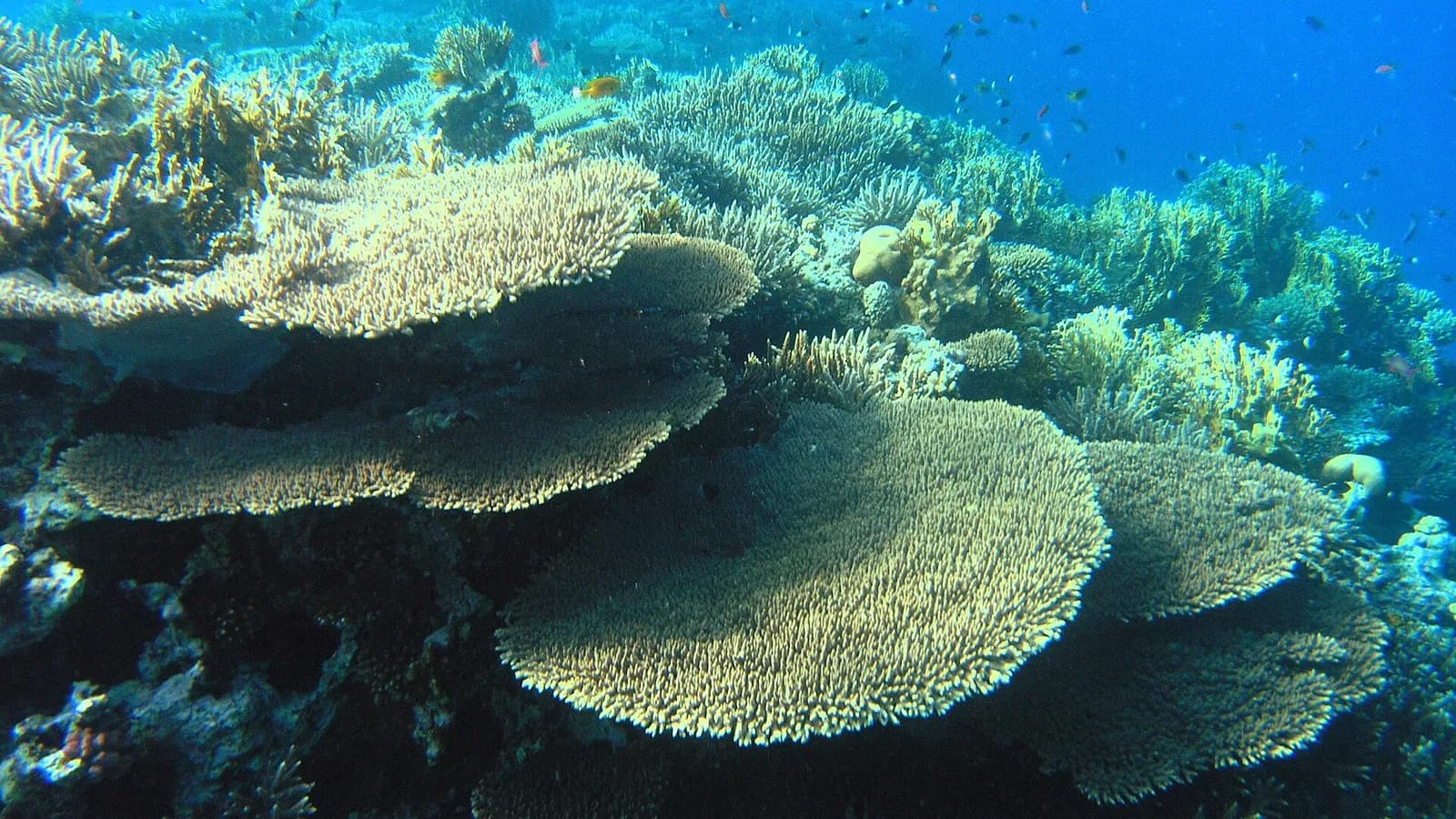
Diving in Hurghada — the best reefs (Giftun, Careless Reef, Dolphin House) and Abu Nuhas wrecks, Discover Scuba vs PADI courses, season and water temps, and real 2026 prices.
By TiE Editors7 min read
Hurghada Snorkeling Trips (2026): Best Reefs, Prices & How to Choose
Where to snorkel from Hurghada in 2026 — Orange Bay, Giftun, Mahmya, Utopia and Dolphin House — with boat types, marine life, month-by-month sea temperatures, family tips and real prices from 1,000+ bookable trips.
By TiE Editors7 min read
Egypt Tour Prices by Activity (2026): What Each Type Really Costs
What every type of Egypt experience costs — half day, full day or overnight — as a median and a mid-half range in US dollars, from 12,370 live bookable listings.
By TiE Editors6 min read