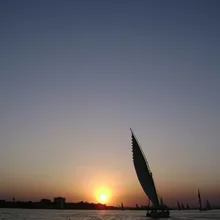
 Photo by ولاء, public domain, via Wikimedia Commons
Siwa Oasis: Egypt's Remote Desert Dream (2026)
Far off the tourist trail near the Libyan border: salt lakes you float in, the oracle Alexander the Great consulted, palm groves and a Berber culture all its own. How to reach Siwa and what to do there.
Book it on This is Egypt
Turn this guide into a trip
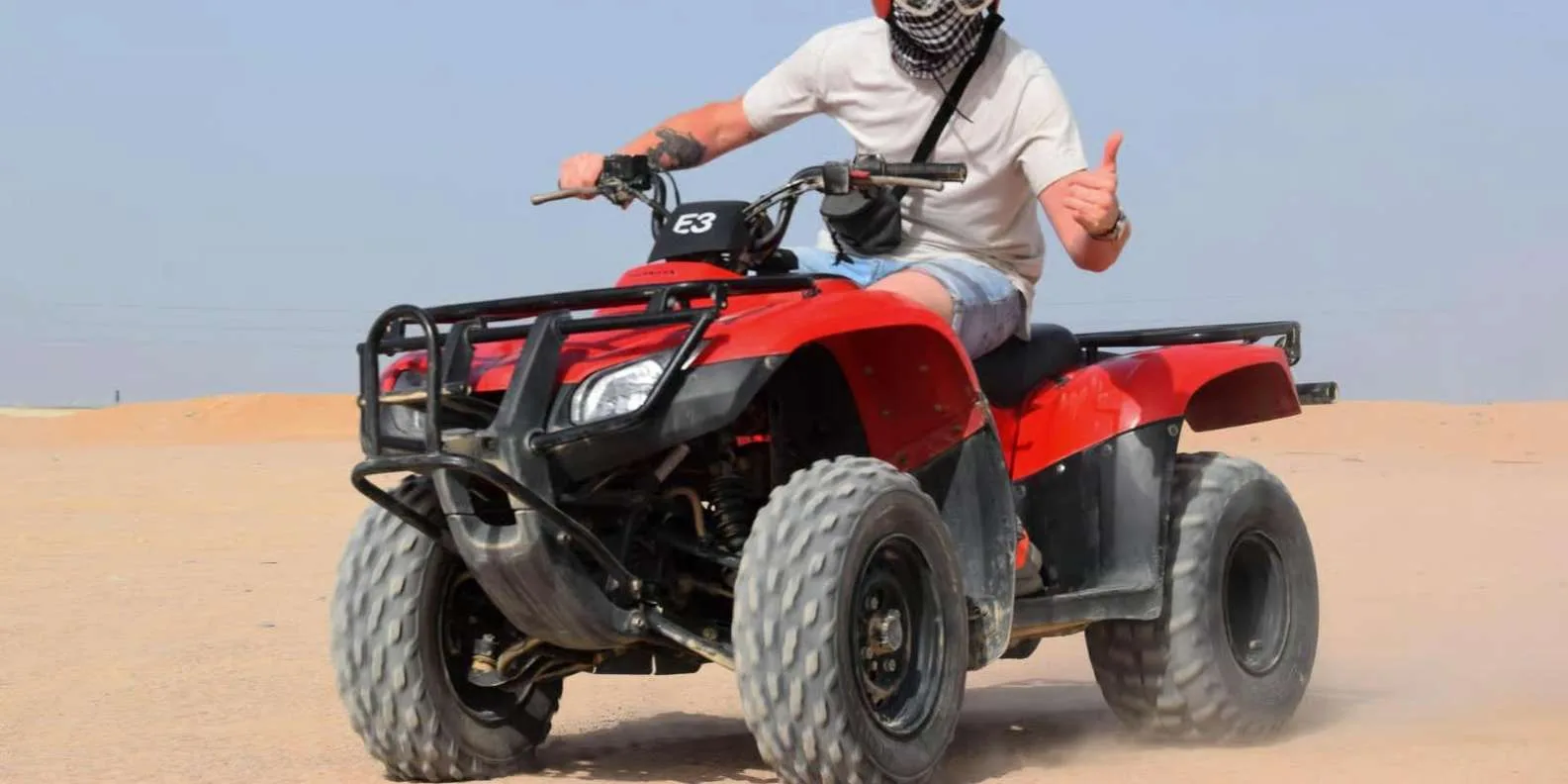
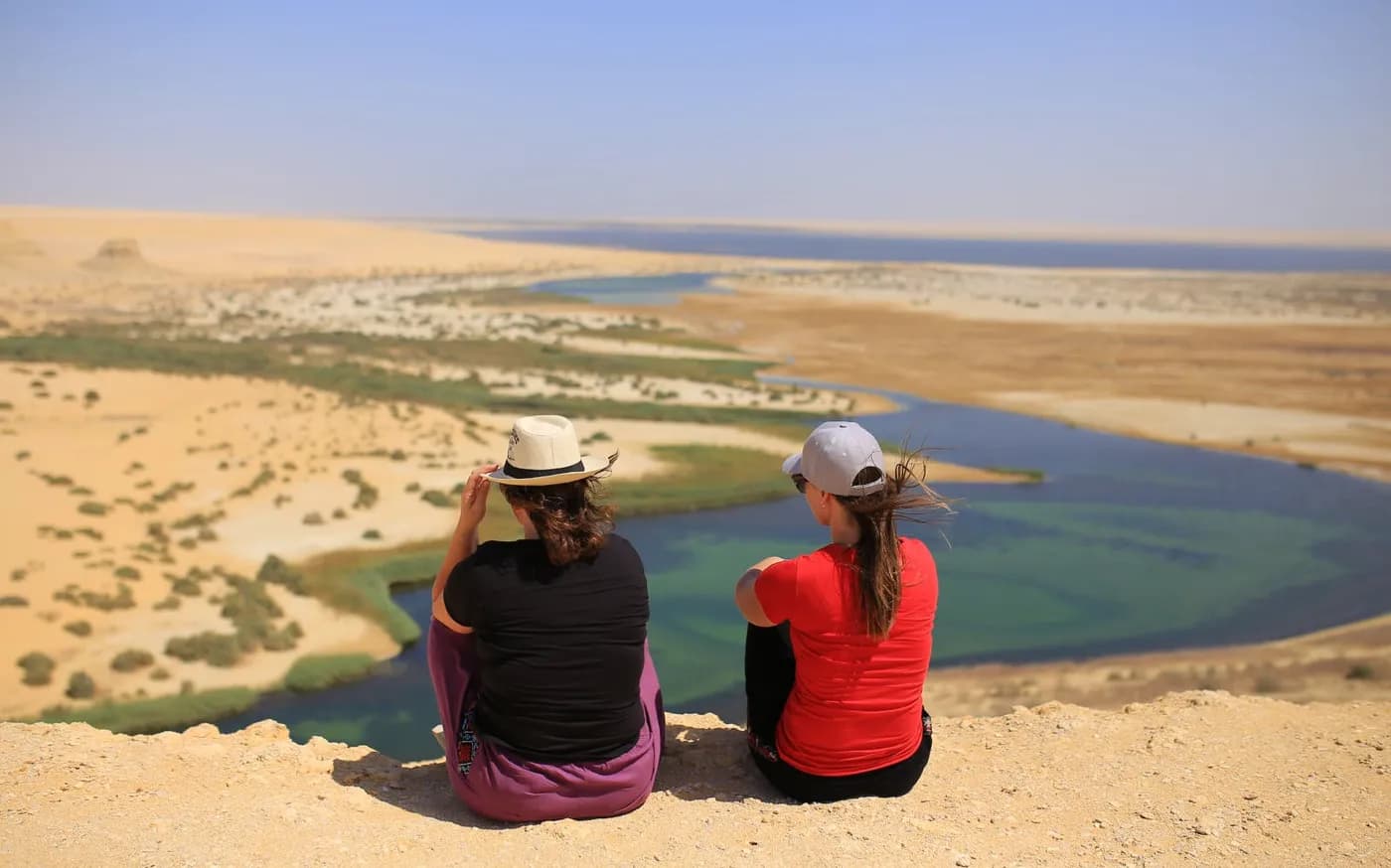

Quick answer: Siwa is the Egypt almost nobody reaches. It sits in a deep depression of the Western Desert near the Libyan border — roughly 750km and 8 to 10 hours from Cairo, with no airport — and that long haul is exactly the filter that keeps it quiet. Come for salt lakes so dense you float without trying, the oracle Alexander the Great crossed the desert to consult, the melting mud-brick Shali fortress, and a Berber (Amazigh) culture with its own language and rhythm. Give it two or three nights and go between October and April.
At a glance: the Oracle Temple of Amun, hyper-saline salt lakes you bob in like a cork, Cleopatra's Spring, Fatnas Island sunsets, the crumbling Shali fortress, and 4x4 safaris into the Great Sand Sea. Reach it by road only, via Marsa Matruh. Cash is essential.
Getting there and when to go
There is no airport, so Siwa is a road trip. From Cairo it's about 8 to 10 hours, usually via the Mediterranean coast at Marsa Matruh, from where it's a 3 to 4 hour desert drive south; from Alexandria the coast leg is shorter. West & Mid Delta buses run to Siwa (typically an overnight departure from Cairo that saves a night's accommodation), and hourly-ish services connect Marsa Matruh and Siwa in around four hours. A private car and driver is far more comfortable if the budget allows, and lets you break the trip on the coast. Go between October and April — summer heat in the Western Desert is brutal and best avoided. Once there, tuk-tuks and rented bicycles are how you get around the oasis.
| Route | Time | How |
|---|---|---|
| Cairo → Siwa (direct) | 8–10 hrs | Overnight West & Mid Delta bus, or private car |
| Cairo → Marsa Matruh | ~6 hrs | Go Bus / West & Mid Delta |
| Alexandria → Marsa Matruh | ~4 hrs | West & Mid Delta |
| Marsa Matruh → Siwa | ~4 hrs | West & Mid Delta bus or shared minivan |
Because the journey is the cost of entry, don't day-trip Siwa — two or three nights is the minimum that makes the drive worthwhile.
The Oracle Temple and Alexander the Great
Siwa's history is as strange as its geology. On a rocky outcrop at Aghurmi stand the ruins of the Temple of the Oracle of Amun, where in 331 BC Alexander the Great crossed hundreds of kilometres of open desert to ask whether he was the son of a god. The priests answered him privately, and he never publicly repeated what they said — but he was treated as a living deity from that point on. Nearby lie the ruins of the Temple of Amun (Umm Ubayda) and the rock-cut tombs of the Mountain of the Dead (Gebel al-Mawta), which sheltered locals during Second World War bombing. A guide brings the layered history to life.
Shali fortress and the old town
Above the modern town rises Shali, the medieval fortress-town built from kershef — a salt-and-mud brick that slowly dissolves in the rare desert rains, which is what gives the ruins their dripped, sculptural look. It was largely abandoned after three days of freak rain in 1926, and today you climb its lanes for the view over an ocean of palms. Siwa's groves grow some of the best dates and olives in Egypt, pressed into oil and sold everywhere; both are worth buying and taking home.
Salt lakes and Cleopatra's Spring
The salt lakes are the surprise that converts people. Siwa sits on hyper-saline pools so dense you float effortlessly, ringed by blinding white salt crusts, the water an electric turquoise against the gold of the desert. Float for half an hour as the sun drops and the long drive suddenly makes sense. A word of warning: the brine stings any cut or shaved skin and you'll come out crusted in salt, so bring fresh water to rinse and don't shave that morning. Add Cleopatra's Spring (also called the Sun Spring), a stone-rimmed natural pool fed by a bubbling source where you can swim, and Fatnas Island — reached by a causeway across a salt lake — for palm-fringed sunsets that are among the best in Egypt. These are the easy, no-guide-needed pleasures of an afternoon in the oasis, and a rented bicycle or tuk-tuk links most of them.
A rough two-night plan
Two nights is the sweet spot, and the sights divide neatly. Spend the first afternoon easing in with Shali fortress and a sunset float on a salt lake or from Fatnas Island. Give the full middle day to history in the morning — the Oracle Temple at Aghurmi, Umm Ubayda and the Mountain of the Dead, ideally with a guide — then a swim at Cleopatra's Spring, and cap it with a Great Sand Sea 4x4 safari from late afternoon into sunset, with sandboarding and a soak at Bir Wahed. That leaves the second morning for the market, buying dates, olive oil and Siwi crafts, before the drive back to the coast. Add a third night if you want an overnight desert camp under the stars, which is the trip's quiet highlight.
The Great Sand Sea
The big adventure is a 4x4 safari into the Great Sand Sea, one of the largest dune fields on earth, which runs west from Siwa toward Libya and stretches roughly 650km north to south. Trips take in dune-bashing over enormous slopes, sandboarding, fossil-hunting in an ancient seabed studded with shells and coral from when this was ocean floor, and a soak in a desert hot spring such as Bir Wahed, which pairs a hot pool with a cold freshwater lake in the dunes. Most safaris run late afternoon into sunset and can extend to an overnight camp under the stars. Go with a licensed local driver — this is genuine remote desert, and the nearest settlement to the west lies across the Libyan border. Siwa's scale and remoteness make it a natural add-on for anyone building an off-the-trail leg around the best things to do in Egypt, and it pairs well conceptually with the White Desert for desert-focused travellers.
Where to stay and eat
Siwa runs from simple guesthouses around the market square to a handful of eco-lodges built from the same kershef mud-brick as Shali — some deliberately off-grid, lit by candle and lantern, set among the salt lakes and palm groves at the oasis edge. The town has a cluster of cafés serving Siwi cooking — grilled meat, tagines, dates — and the pace is unhurried. Cash is essential: card acceptance is thin and ATMs are few, so bring enough for the whole stay. Pack a torch, sun protection and warm layers, because desert nights turn cold even in the mild season.
The culture and what to buy
Siwa is Amazigh (Berber), with its own tongue (Siwi), its own silver jewellery and embroidery, and customs distinct from the rest of Egypt. It's conservative, so dress modestly and ask before photographing people, especially women. Buy the local dates, olives and olive oil, and the hand-embroidered textiles and silver, which are genuinely made here rather than imported — a rare souvenir with real provenance. For the practicalities of getting here and the wider trip, see the best time to visit Egypt and the Egypt trip cost guide, or browse desert experiences.
Is Siwa right for your trip?
Siwa isn't for a first, seven-day, sights-focused visit — the drive alone eats most of two days. It's for a second trip, or a longer one, when you've done the Nile and want the Egypt that feels like nowhere else: slow, remote, Berber, and built of salt. If that's the trip you're after, few places in the country reward the effort more.
Siwa is also Egypt's natural-wellness capital — see our spa & wellness in Egypt guide for salt-lake floating and the Dakrour hot-sand baths.

A real team available 24/7 to assist you — free
Seif and the team reply on WhatsApp 24/7 — trip questions, custom plans and booking help.
Ask Seif on WhatsAppCommon questions
Is Siwa Oasis worth visiting?
For travellers who want the Egypt few see, yes. Siwa has the Oracle Temple of Amun that Alexander the Great consulted, salt lakes you float in, the melting Shali fortress, Cleopatra's Spring, palm groves and a distinct Amazigh culture. It's remote and unlike anywhere else in the country — but the long drive means it suits a second trip more than a first.
How do you get to Siwa Oasis?
By road only — there's no airport. It's about 8 to 10 hours (roughly 750km) from Cairo, usually via Marsa Matruh on the Mediterranean coast, from where it's a 3 to 4 hour desert drive south. West & Mid Delta buses run there (often overnight from Cairo), or hire a private car and driver for comfort. Alexandria is a shorter coast leg.
How many days do you need in Siwa?
Two or three nights justifies the long drive and lets you settle into the oasis pace, with time for the Oracle Temple, Shali fortress, the salt lakes, Cleopatra's Spring, Fatnas Island and a 4x4 safari into the Great Sand Sea. Don't try to day-trip it — the journey alone is most of two days.
What did Alexander the Great do at Siwa?
In 331 BC Alexander the Great crossed the Western Desert to consult the Oracle of Amun at Aghurmi, asking whether he was the son of a god. The priests answered him in private and he never publicly repeated the reply, but he was treated as a living deity afterwards. The temple ruins still stand on the outcrop.
When is the best time to visit Siwa?
Between October and April, when temperatures are comfortable. Summer in the Western Desert is brutally hot and best avoided. Aim for the cooler months so you can enjoy the salt lakes, the fortress and the Great Sand Sea without the heat — and pack warm layers, because desert nights turn cold even in the mild season.
Do I need cash in Siwa Oasis?
Yes, and plenty of it. Card acceptance is thin and ATMs are few and unreliable, so bring enough Egyptian pounds for your whole stay — accommodation, meals, the Great Sand Sea safari, tuk-tuks and souvenirs. Withdraw before you leave the coast at Marsa Matruh rather than counting on Siwa's machines.
What can you buy in Siwa?
Siwa's genuine local products: dates, olives and cold-pressed olive oil from the palm groves, plus Amazigh (Berber) hand-embroidered textiles and traditional silver jewellery. Unlike much bazaar stock elsewhere, these are actually made in the oasis, so they carry real provenance and are worth the space in your bag.
Is Siwa safe to visit given it's near the Libyan border?
The oasis itself and the standard tourist activities are calm and welcoming, and Siwa town sits well inside Egypt. The Great Sand Sea to the west runs toward the Libyan border, so only go into the dunes with a licensed local driver who knows the route. Check current travel advice before booking, as border-region guidance can change.
Book it on This is Egypt
Turn this guide into a trip



Egypt's bestsellers
The experiences travelers book most, across the country

Keep reading

Hurghada Diving (2026): Best Sites, Packages & Prices
Diving in Hurghada — the best reefs (Giftun, Careless Reef, Dolphin House) and Abu Nuhas wrecks, Discover Scuba vs PADI courses, season and water temps, and real 2026 prices.
By TiE Editors7 min read

Hurghada Snorkeling Trips (2026): Best Reefs, Prices & How to Choose
Where to snorkel from Hurghada in 2026 — Orange Bay, Giftun, Mahmya, Utopia and Dolphin House — with boat types, marine life, month-by-month sea temperatures, family tips and real prices from 1,000+ bookable trips.
By TiE Editors7 min read

Egypt Tour Prices by Activity (2026): What Each Type Really Costs
What every type of Egypt experience actually costs — from a 1,700 EGP camel ride to a 48,500 EGP Nile cruise — based on 29,710 real bookable tours across seven platforms.
By TiE Editors6 min read