 Photo by Diego Delso (delso.photo), via Wikimedia Commons, CC BY-SA 4.0
أبو سمبل: كيف تزور معبدَي رمسيس الثاني العظيمين (2026)
نحت رمسيس الثاني معبدين في جرف نوبي في القرن الثالث عشر قبل الميلاد. إليك كيف تزورهما من أسوان، ومتى تضيء الشمس قدس الأقداس، وكيف نُقلا 65 متراً في الستينيات.
احجزها على This is Egypt
أسوان · حوّل هذا الدليل إلى رحلة
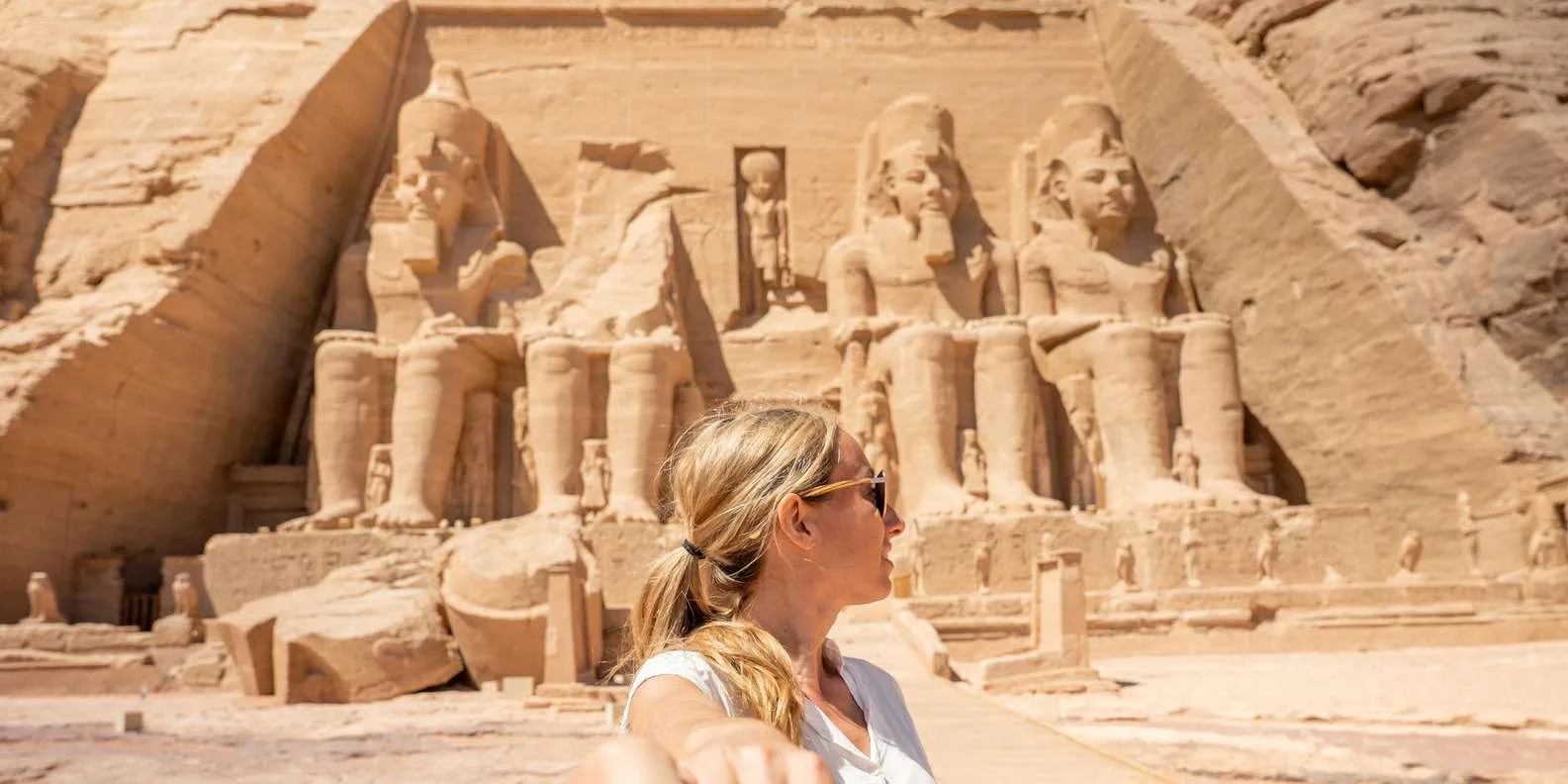
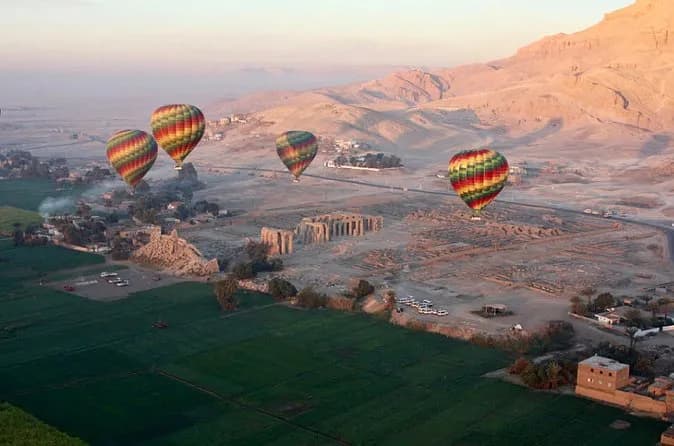
تقع أبو سمبل على بعد 280 كم جنوب أسوان، قرب الحدود السودانية، على الشاطئ الغربي لبحيرة ناصر. أمر رمسيس الثاني بنحت معبديها مباشرة في جرف من الحجر الرملي في القرن الثالث عشر قبل الميلاد، حوالي 1264 إلى 1244 قبل الميلاد، ليعلّم الحدود الجنوبية لمصر ويبهر النوبة. تحمل واجهة المعبد الكبير أربعة تماثيل جالسة عملاقة لرمسيس، كل منها بارتفاع 20 متراً تقريباً، تحدق شرقاً عبر الماء. هذا أحد المواقع القديمة القليلة التي لا تزال رؤيتها الأولى شخصياً تتفوق على كل صورة.
نظرة سريعة: معبدان منحوتان في الصخر بناهما رمسيس الثاني حوالي 1264 قبل الميلاد، على بعد 280 كم جنوب أسوان؛ للمعبد الكبير أربعة تماثيل عملاقة بارتفاع 20 متراً ومحاذاة شمسية في 22 فبراير و22 أكتوبر؛ قُطع المجمع بالكامل إلى أكثر من 1,000 كتلة ونُقل 65 متراً إلى أعلى في الستينيات. اصل إليه برحلة طيران مدتها 45 دقيقة أو قافلة برية مدتها 3 ساعات؛ خصص ساعتين في الموقع.
إنجازان هندسيان، بينهما 3,000 عام
الإنجاز القديم هو المحاذاة. يمتد المعبد الكبير حوالي 60 متراً إلى داخل الجرف، وفي صباحين من العام تسير الشمس المشرقة على طول المحور بالكامل لتضيء ثلاثة من الآلهة الأربعة الجالسة في قدس الأقداس الداخلي. يبقى بتاح، إله مرتبط بالعالم السفلي، في الظل عن قصد. يقرأ علماء المصريات التاريخين على أنهما يشيران إلى عيد ميلاد الملك وتتويجه.
الإنجاز الحديث ضاهاه. حين بدأت مياه السد العالي بأسوان تملأ بحيرة ناصر في الستينيات، كان مقدراً للماء المرتفع أن يغرق كلا المعبدين. نشر فريق من المهندسين بقيادة اليونسكو من عدة دول المجمع بأكمله إلى أكثر من 1,000 كتلة يزن كل منها حتى 30 طناً، ورفعوها، وأعادوا بناء كل شيء 65 متراً إلى أعلى وحوالي 200 متر إلى الخلف من الشاطئ القديم بين عامي 1964 و1968. كما أقاموا جبلاً خرسانياً مقبباً خلف المعبد الكبير لحمل الثقل وإعادة تكوين الجرف. الوصلات تكاد تكون غير مرئية في الموقع اليوم.
ما الذي ستراه
يهيمن المعبد الكبير لرمسيس الثاني. فقد أحد التماثيل العملاقة الأربعة رأسه وجذعه في زلزال قديم، ولا تزال القطع الساقطة ملقاة عند قدميه حيث سقطت. في الداخل، تقود قاعة من ثمانية أعمدة أوزيرية نحو قدس الأقداس، وتحمل الجدران رواية رمسيس لمعركة قادش ضد الحيثيين، الحملة الدعائية التي أنتجت لاحقاً أول معاهدة سلام باقية في التاريخ.
يكرّم معبد حتحور، المنحوت في الجرف نفسه على بعد نزهة قصيرة شمالاً، الملكة الرئيسية لرمسيس، نفرتاري. واجهته غير معتادة: تماثيل نفرتاري الواقفة تطابق الملك في الارتفاع، نحو 10 أمتار، وهو مقام يكاد لا يُمنح لملكة مصرية أبداً. تبقى النقوش الملونة في الداخل زاهية لأن الصخر يحميها من عوامل الطقس.
عيد الشمس
حوالي 22 فبراير و22 أكتوبر تضيء محاذاة الفجر قدس الأقداس، وتمتلئ البلدة بعيد الشمس بالموسيقى وأكشاك الطعام والحشود التي تصل قبل شروق الشمس. إذا تطابقت تواريخك فهو صباح لا يُنسى، رغم أن الموقع مزدحم وعرض الضوء يدوم حوالي 20 دقيقة فقط. يفضل كثير من الزائرين صباحاً هادئاً عادياً بدلاً من ذلك.
كيف تزور من أسوان
لديك ثلاثة مسارات. تستغرق رحلة الطيران من أسوان حوالي 45 دقيقة في كل اتجاه وتمنحك ساعتين في الموقع قبل رحلة العودة؛ وهي الخيار الأسرع والأقل إرهاقاً. تقطع القافلة البرية الـ 280 كم في نحو ثلاث ساعات في كل اتجاه، مغادرة أسوان مبكراً جداً، وتسير كرحلة يوم طويلة. تقترب رحلة بحيرة ناصر من الماء، وهو وصول أندر يمر أيضاً بآثار نوبية أخرى أُنقذت مثل وادي السبوع. رحلة اليوم البرية مغطاة بالتفصيل في دليل رحلة يوم إلى أبو سمبل من أسوان.
قراءة الجدران في الداخل
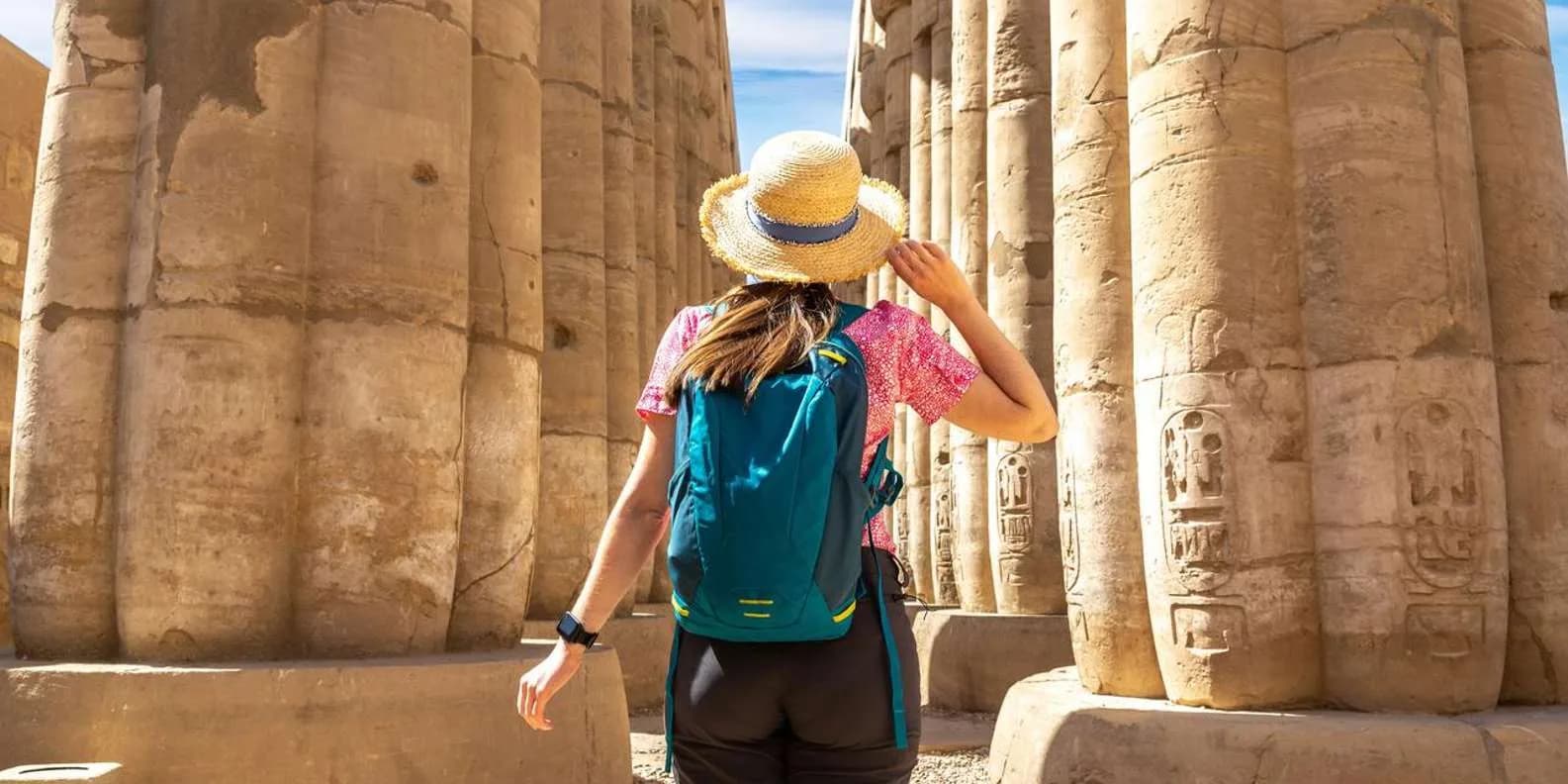
يستعجل معظم الزائرين الأجزاء الداخلية، لكنها تحمل جوهر المعبد. في القاعة الأولى للمعبد الكبير تُظهر الأعمدة الأوزيرية الثمانية رمسيس في وضعية إله الموتى، ما يميزه كإله وهو حي بعد. يحمل الجدار الشمالي مشاهد معركة قادش، حيث يُصوَّر الملك وحده في عربته يبدد الجيش الحيثي، وهي رواية أعظم بكثير من التعادل الفعلي الذي أنتجته المعركة. في العمق، يجلس في قدس الأقداس أربعة آلهة منحوتة من الصخر الحي: بتاح، وآمون رع، ورمسيس المؤله نفسه، ورع حوراختي. في معبد حتحور المجاور تُظهر النقوش نفرتاري وهي تُتوَّج على يد الإلهتين حتحور وإيزيس، وهو شرف نادر يشير إلى مدى المكانة التي حظيت بها الملكة.
نصائح عملية
اذهب مبكراً قدر الإمكان. تتجمع وصولات الطيران والقافلة في منتصف الصباح، لذا تمنحك الساعة الأولى بعد الفتح ضوءاً ألين والتماثيل العملاقة لك وحدك تقريباً. أحضر جواز سفرك، إذ إن هذه منطقة حدودية بها نقاط تفتيش، إضافة إلى الماء وغطاء للشمس ونقود لشراء التذكرة. التصوير الخارجي مجاني، لكن الصور الداخلية تحتاج تذكرة منفصلة، فقرر قبل الدخول. ساعتان تكفيان لكلا المعبدين بوتيرة مسترخية، ومركز الزوار الصغير به معرض عن إنقاذ الستينيات يستحق عشر دقائق. أبو سمبل هي النهاية الجنوبية الطبيعية لـرحلة أسوان ومعلم ثابت في خط سير مصر في 10 أيام. يصل كثير من المسافرين إلى أسوان بالمركب أولاً؛ راجع دليل الرحلة النيلية من أسوان إلى الأقصر لتلك المرحلة.
ما يحدث في مصر
الفعاليات في Abu Simbel Temples
مهرجان تعامد الشمس على أبو سمبل
معابد أبو سمبل
مهرجان تعامد الشمس على أبو سمبل
معابد أبو سمبل
تحدّث مع شخص حقيقي — مجاناً
سيف والفريق يردّون على واتساب على مدار الساعة — أسئلة الرحلة، خطط مخصّصة والمساعدة في الحجز.
اسأل سيف على واتسابأسئلة شائعة
كيف تصل إلى أبو سمبل من أسوان؟
برحلة طيران مدتها 45 دقيقة (الأسرع، حوالي ساعتين في الموقع)، أو قافلة برية في الصباح الباكر مدتها نحو ثلاث ساعات في كل اتجاه كرحلة يوم طويلة، أو رحلة بحيرة ناصر التي تصل إلى المعبدين من الماء. تبعد أبو سمبل 280 كم جنوب أسوان.
كم عمر معبدَي أبو سمبل؟
نحتهما رمسيس الثاني في القرن الثالث عشر قبل الميلاد، حوالي 1264 إلى 1244 قبل الميلاد. يحمل المعبد الكبير أربعة تماثيل جالسة عملاقة للملك بارتفاع 20 متراً تقريباً؛ ويكرّم المعبد الأصغر الملكة نفرتاري.
ما هو عيد الشمس بأبو سمبل؟
حوالي 22 فبراير و22 أكتوبر، يسير ضوء الفجر على طول محور المعبد الكبير البالغ 60 متراً ليضيء ثلاثة من الآلهة الأربعة في قدس الأقداس، تاركاً بتاح في الظل. يجذب الحدث الحشود والاحتفال ويدوم حوالي 20 دقيقة.
هل نُقل معبدا أبو سمبل حقاً؟
نعم. بين عامي 1964 و1968 قطع فريق بقيادة اليونسكو المجمع إلى أكثر من 1,000 كتلة يصل وزنها إلى 30 طناً وأعاد بناءه 65 متراً إلى أعلى وحوالي 200 متر إلى الخلف للنجاة من مياه بحيرة ناصر المرتفعة، مضيفاً قبة خرسانية خلف المعبد الكبير.
كم من الوقت تحتاج في أبو سمبل؟
نحو ساعتين تغطيان كلاً من المعبد الكبير ومعبد حتحور بوتيرة مسترخية. اصل عند الفتح لضوء ألين وزحام أخف قبل وصول رحلات الطيران والقوافل في منتصف الصباح.
احجزها على This is Egypt
حوّل هذا الدليل إلى رحلة
الأكثر مبيعًا في مصر
التجارب الأكثر حجزًا من المسافرين في كل أنحاء البلاد


تابع القراءة

رحلة يوم إلى أبو سمبل من أسوان (2026): معبدا رمسيس الثاني العظيمان
المعبدان الصخريان التوأمان لرمسيس الثاني ونفرتاري، اللذان نُقلا حجرًا حجرًا للنجاة من بحيرة ناصر. كيف تزورهما من أسوان، والأسعار الحقيقية، والطريق، ومهرجان الشمس.
بقلم TiE Editors8 د قراءة

Is Abu Simbel Worth It? (2026): The Honest Answer
Yes — the colossi of Ramesses II and Nefertari, and the astonishing story of moving the temples to escape Lake Nasser, make Abu Simbel a highlight. The catch is the distance. How to make the trip work.
بقلم TiE Editors4 د قراءة

مهرجان الشمس في أبو سمبل: المواعيد وكيفية الزيارة (2026)
في 22 فبراير و22 أكتوبر تتسلل شمس الشروق لتضيء قدس الأقداس داخل المعبد الكبير لرمسيس الثاني. إليك ما يحدث، ولماذا تغيرت المواعيد، وكيف تكون هناك انطلاقًا من أسوان.
بقلم TiE Editors10 د قراءة