Valley of the Queens: Nefertari & the Tombs Worth Seeing (2026)
The Valley of the Queens holds Nefertari's tomb — the most beautiful in Egypt — plus the glowing tombs of the sons of Ramesses III on a cheaper ticket. What to see and how it compares to the Kings.
Book it on This is Egypt
Turn this guide into a trip

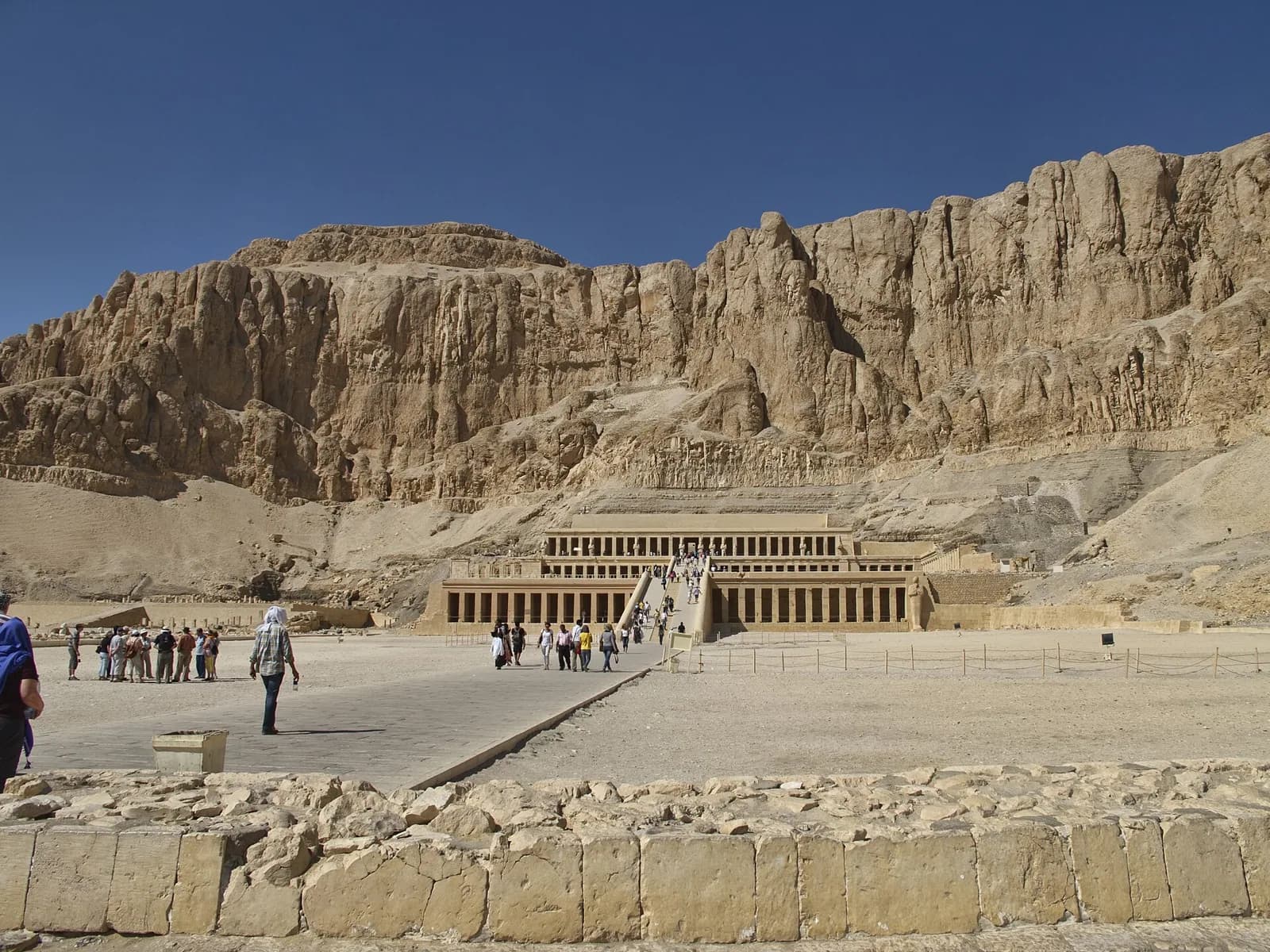
Quick answer: The Valley of the Queens is the burial ground of Egypt's queens and royal children, on Luxor's west bank near the Valley of the Kings. Its crown jewel is the tomb of Nefertari (QV66), widely called the most beautiful tomb in Egypt, which needs a premium extra ticket. A cheaper general ticket admits you to several other tombs, including the touching, brightly painted tombs of the young sons of Ramesses III. It's a shorter, quieter visit than the Valley of the Kings and pairs perfectly with it in one west-bank morning. (Ticket prices are set by the Ministry and change — confirm.)
Everyone knows the Valley of the Kings, but a short drive away lies a quieter valley with one of the greatest treasures in Egypt. Here is what the Valley of the Queens holds and how to visit it.
What the Valley of the Queens is
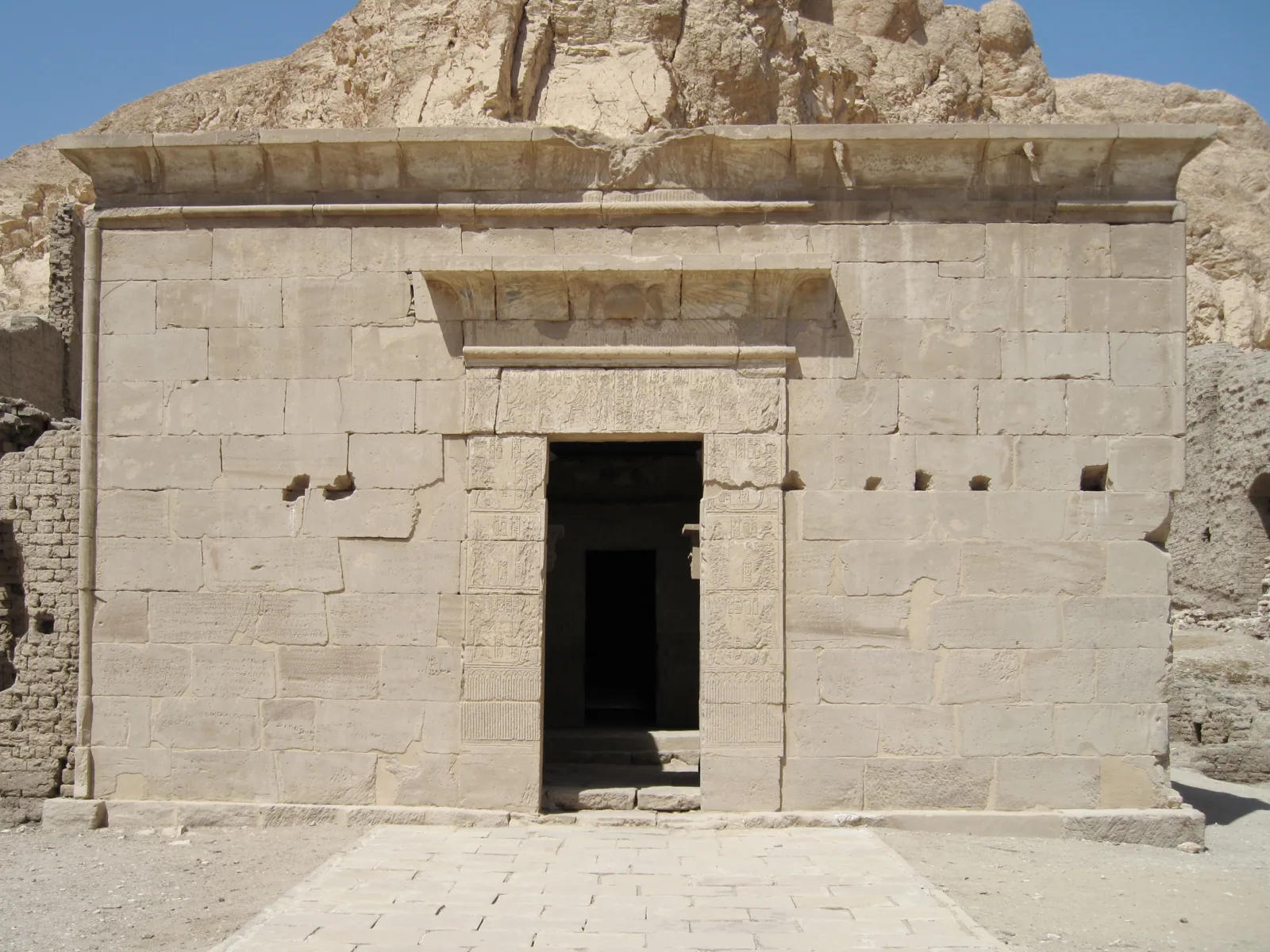
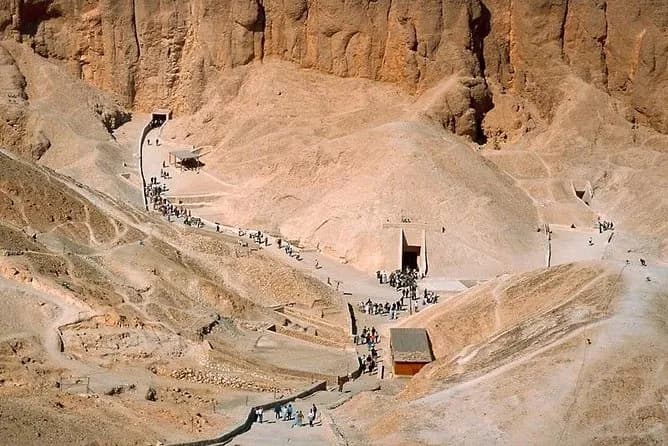
Where the pharaohs were buried among the Kings, their queens and many royal children were laid to rest here, in a separate desert valley the ancient Egyptians called the "Place of Beauty". It holds dozens of tombs, though only a handful are open at any time. It is smaller and less crowded than its famous neighbour, and the tombs are generally more intimate — but one of them is extraordinary.
The star: Nefertari's tomb (QV66)
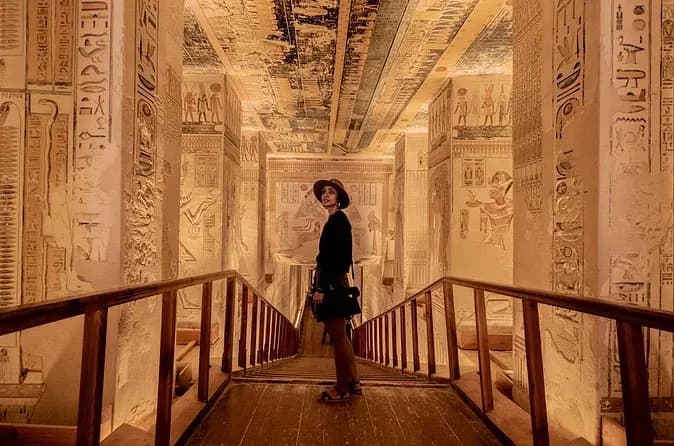
The reason most people come is Nefertari's tomb (QV66), built by Ramesses II for his favourite queen and often called the most beautiful painted tomb in the world. It sits on its own premium ticket, with a short, timed visit and capped numbers to protect the fragile paintings. If you care about ancient art, it is one of Egypt's essential sights — read the dedicated guide for what to expect and whether it's worth the price.
The other tombs — on the general ticket
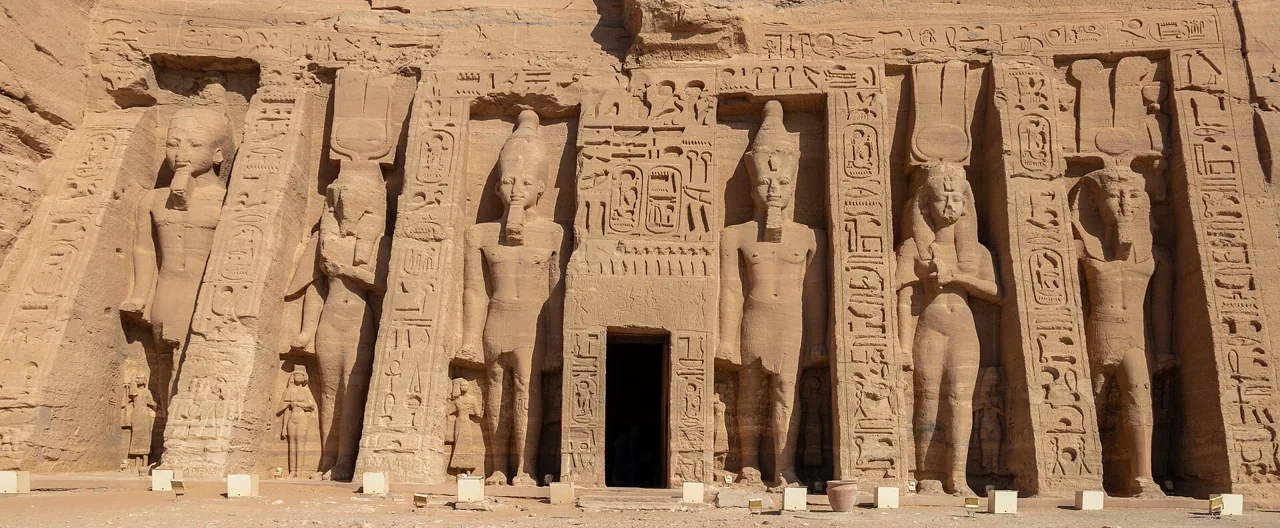
Beyond Nefertari, a cheaper general ticket admits you to several other tombs, and the standouts are the resting places of the young sons of Ramesses III — Amunherkhepshef and Khaemwaset. Their walls, painted in fresh, glowing colour, show the boys being led by their father through the afterlife, and they are among the most moving and beautiful things on the west bank, without the premium price. For many visitors these alone justify the trip.
Valley of the Queens vs Valley of the Kings
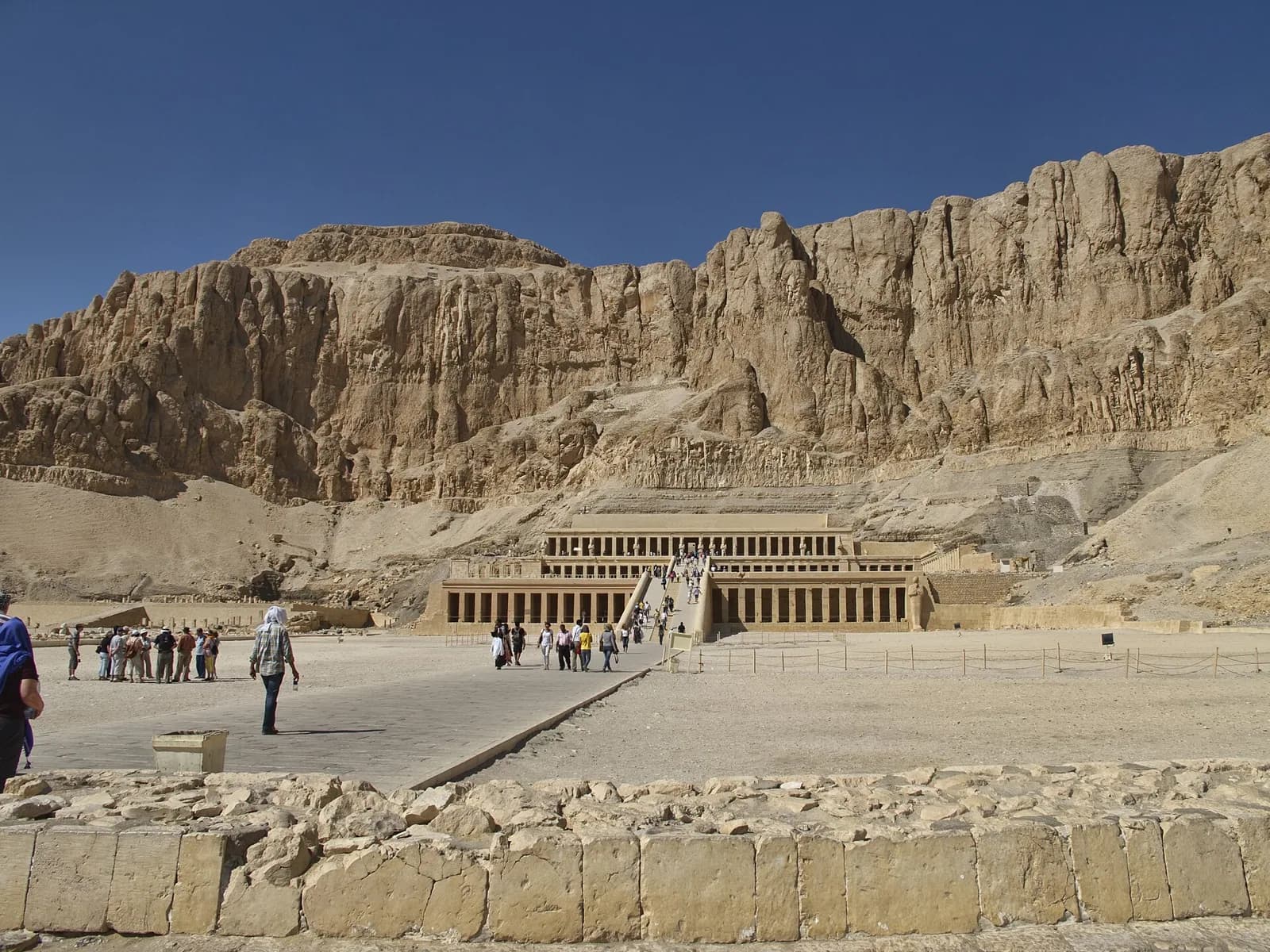
The two are different sites with separate tickets. The Kings holds the grand, deep tombs of the pharaohs; the Queens is smaller, quieter and — with Nefertari — home to the finest painting. Most visitors do both in a single early-morning outing, along with Hatshepsut's temple and the Colossi of Memnon. See which Valley of the Kings tombs are included to plan that side.
Practical tips
The valley is on Luxor's west bank; start early to beat the August-strength heat and the crowds, and buy tickets — the general ticket and, separately, the Nefertari ticket — at the west-bank ticket office or the site. Confirm current prices, which tombs are open, and photo rules on the day, as all change.
Deir el-Medina, next door
The Valley of the Queens is best understood alongside Deir el-Medina, the walled village just over the hill where the artisans who cut and painted these tombs actually lived. For generations the same skilled community of draughtsmen, sculptors and painters worked on the royal tombs by day and, remarkably, decorated their own small tombs with the same brilliance at night — several of which are open and dazzling. Visiting the village and its workers' tombs turns the abstract wonder of the royal tombs into something human: you meet the people who made them. It's a short drive from the Valley of the Queens and combines naturally into the same west-bank morning.
Getting there and visiting
The tombs are on Luxor's west bank, reached in a few minutes by taxi across the bridge, by the local ferry and a short ride, or by bike if you're energetic — and, on a Nile cruise, as an organised morning excursion. Buy your tickets at the visitor centre at the valley entrance (the general ticket and any extra-tomb tickets), then take the little electric train or walk the last stretch to the tombs. Go as early as you can: the west bank is fiercely hot by late morning and the tombs fill with tour groups, so the first hour after opening is by far the best. Combine the visit with the neighbouring sites — Hatshepsut's temple, the Colossi of Memnon and, across the ridge, the Valley of the Queens — for a full west-bank morning. Allow around two hours for three tombs, more if you add the extra-ticket ones. Wear sturdy shoes for the ramps and steps, carry water, and confirm current prices, which tombs are open and the photography rules on the day, as all of these change.
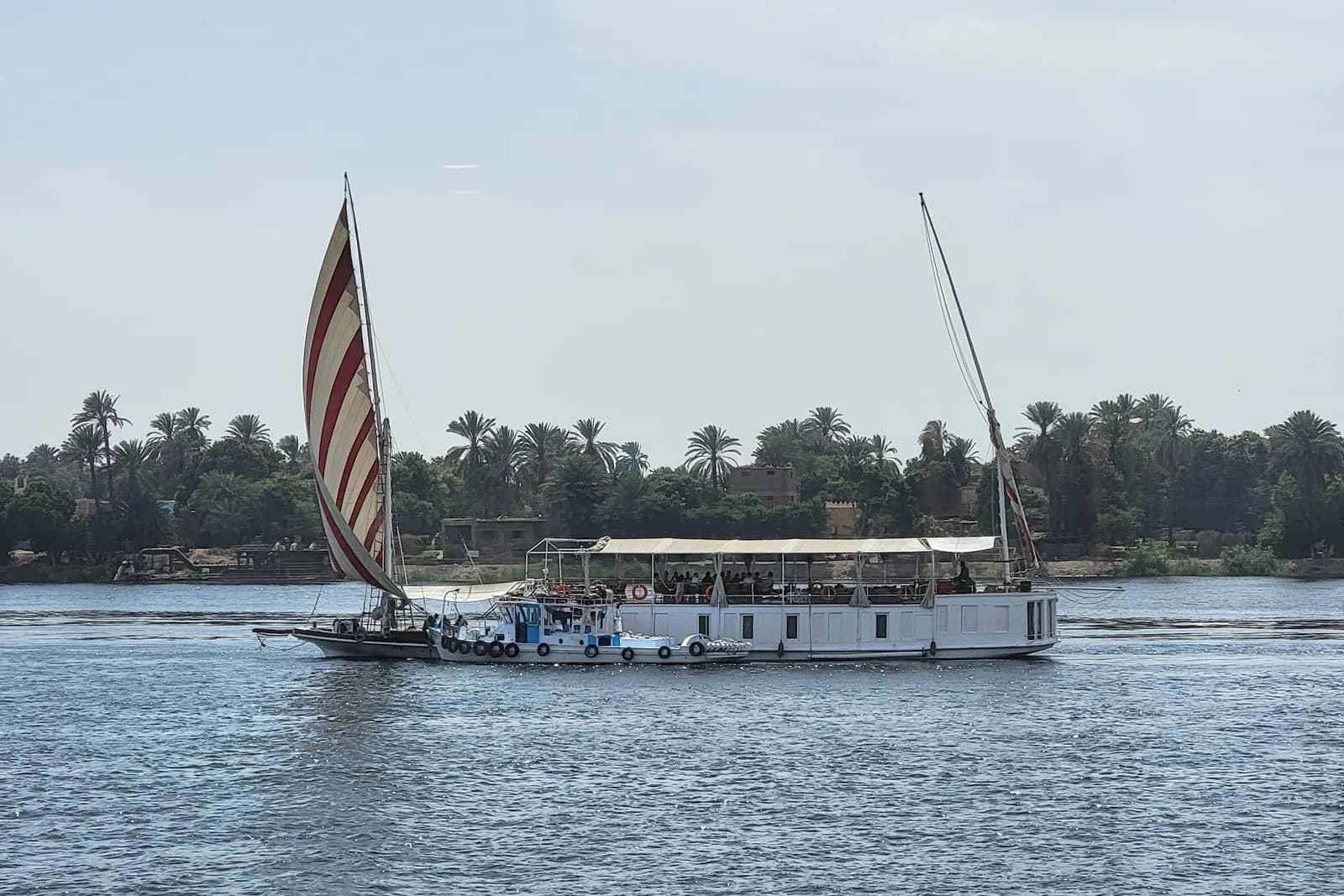
See it on a Nile cruise. The Valley of the Kings is a highlight of every Luxor–Aswan Nile cruise — you visit the tombs on the west-bank shore excursion from Luxor. Compare Nile cruise ships and dahabiyas, or read the Nile cruise guide.
A short history of the valley
The Valley of the Queens was in use across the 18th to 20th Dynasties, and archaeologists have recorded getting on for ninety tombs cut into its slopes — for queens, princes, princesses and some high officials. The ancient name, Ta-Set-Neferu, means roughly the "Place of Beauty" or "Place of the Royal Children", and the valley was chosen, like the Valley of the Kings across the ridge, for its seclusion and the pyramid-shaped peak that rises above the whole west bank. Many of its tombs were reused and robbed over the centuries, and some later served humbler purposes, so only a fraction are decorated and open today. The valley's greatest treasure came to light in 1904, when the Italian Egyptologist Ernesto Schiaparelli discovered the tomb of Nefertari — its paintings so fresh and fine that they reset expectations of what a tomb could be. That discovery, more than anything, is why the Valley of the Queens is on the map for visitors at all, and why conservation has been taken so seriously here. Knowing the valley's long, layered history — royal children laid to rest over three dynasties, treasures found and lost and found again — turns a quiet stop into one of the more resonant corners of the Theban necropolis. Read Nefertari's tomb (QV66), the Valley of the Kings guide, and things to do in Luxor.
A real team available 24/7 to assist you — free
Seif and the team reply on WhatsApp 24/7 — trip questions, custom plans and booking help.
Ask Seif on WhatsAppCommon questions
What is the Valley of the Queens?
The burial ground of Egypt's queens and royal children, on Luxor's west bank near the Valley of the Kings. The ancient Egyptians called it the 'Place of Beauty'. Its most famous tomb is Nefertari's (QV66).
Is the Valley of the Queens worth visiting?
Yes — especially for Nefertari's tomb (the finest painted tomb in Egypt) and the beautifully coloured tombs of the sons of Ramesses III, which are included on a cheaper general ticket. It's quieter than the Valley of the Kings and pairs well with it.
Is Nefertari's tomb included in the Valley of the Queens ticket?
No — Nefertari (QV66) needs its own premium extra ticket, separate from the general Valley of the Queens ticket. The general ticket admits you to several other tombs, including the sons of Ramesses III.
What's the difference between the Valley of the Kings and the Valley of the Queens?
The Kings holds the deep, grand tombs of the pharaohs; the Queens is a smaller, quieter valley for queens and royal children, and home to Nefertari's tomb, the finest painting on the west bank. They are separate sites with separate tickets; most visitors do both.
Which tombs can you visit in the Valley of the Queens?
A handful are open at any time. On the general ticket the standouts are the tombs of the sons of Ramesses III (Amunherkhepshef and Khaemwaset); Nefertari's tomb is open separately on a premium ticket. Which are open changes — confirm on the day.
How do I visit the Valley of the Queens?
It's on Luxor's west bank; go early to beat the heat and crowds, and combine it with the Valley of the Kings, Hatshepsut's temple and the Colossi of Memnon. Buy tickets at the west-bank ticket office or the site, and confirm current prices and open tombs.
Should I combine the Valley of the Queens with Deir el-Medina?
Yes — Deir el-Medina, the walled village of the artisans who cut and painted the royal tombs, is just over the hill. Several of the workers' own small tombs are open and beautifully decorated, and visiting turns the royal tombs from abstract wonders into the work of real, known people. It's a short drive and fits the same west-bank morning.
How do you visit the Valley of the Queens?
It's on Luxor's west bank, a short trip from town or an excursion from a Nile cruise. Buy the general ticket and, separately, the Nefertari ticket at the west-bank office or site; go early, and confirm current prices and which tombs are open.
Book it on This is Egypt
Turn this guide into a trip

Egypt's bestsellers
The experiences travelers book most, across the country





Keep reading
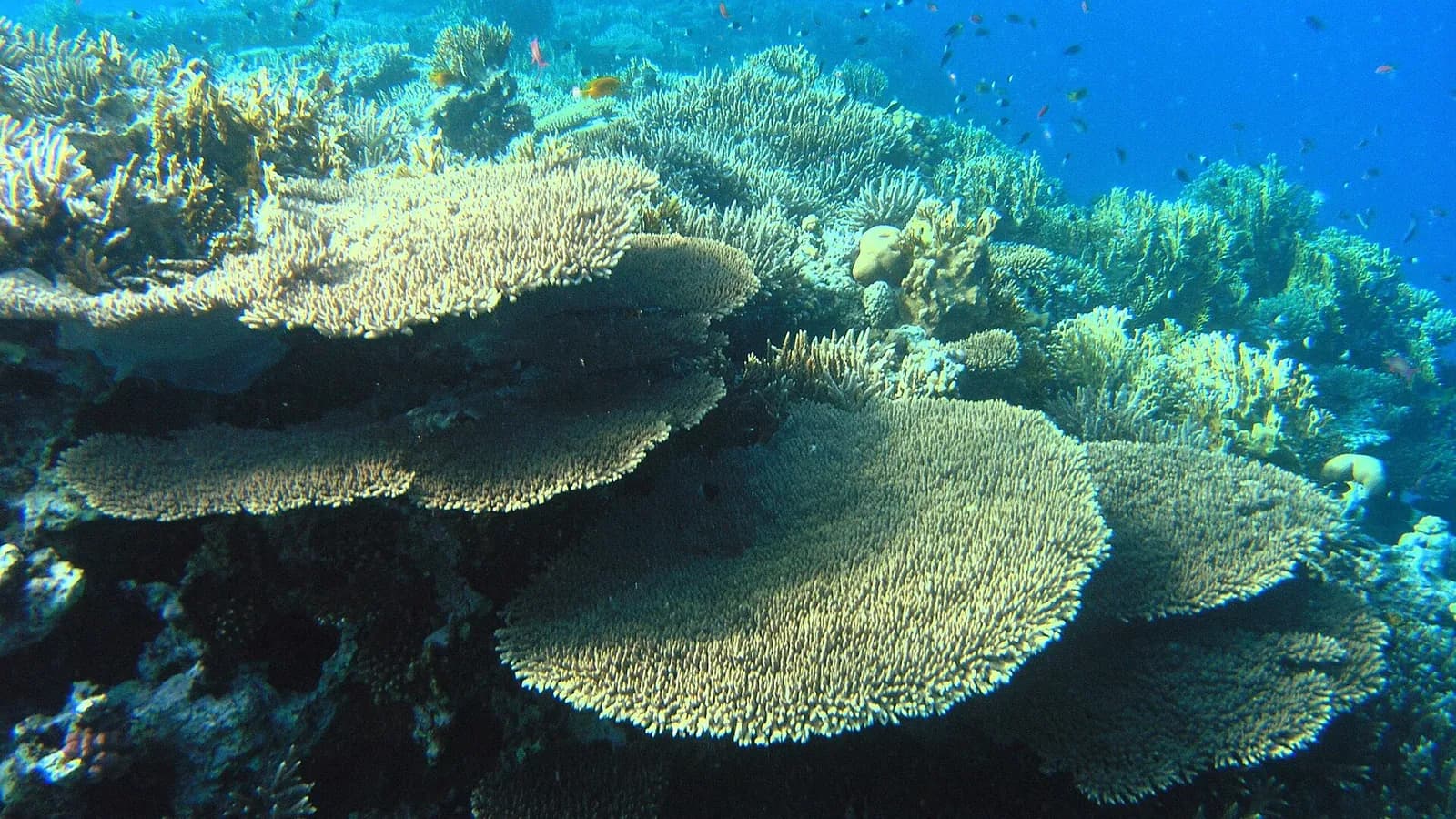
Hurghada Diving (2026): Best Sites, Packages & Prices
Diving in Hurghada — the best reefs (Giftun, Careless Reef, Dolphin House) and Abu Nuhas wrecks, Discover Scuba vs PADI courses, season and water temps, and real 2026 prices.
By TiE Editors7 min read
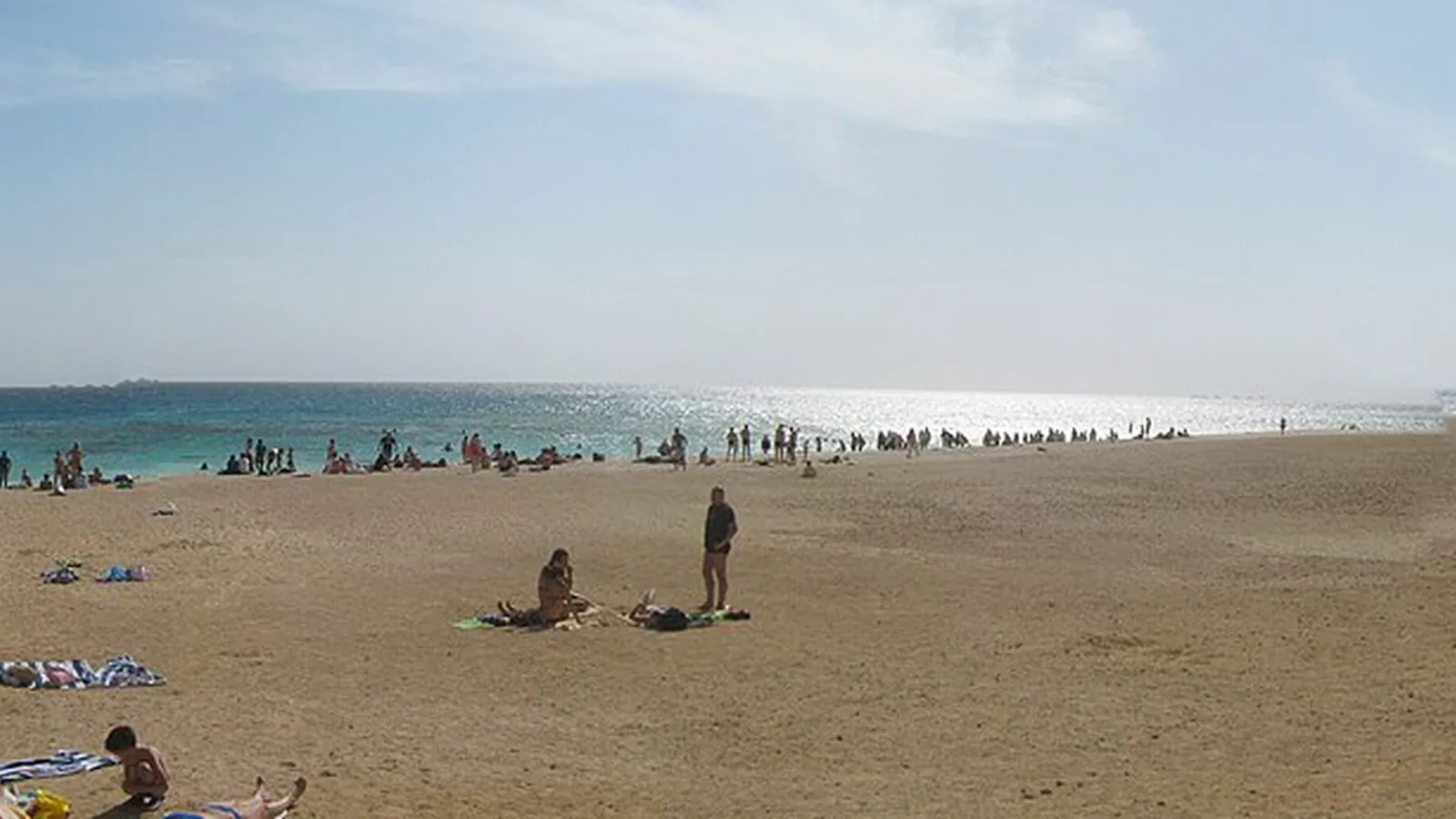
Hurghada Snorkeling Trips (2026): Best Reefs, Prices & How to Choose
Where to snorkel from Hurghada in 2026 — Orange Bay, Giftun, Mahmya, Utopia and Dolphin House — with boat types, marine life, month-by-month sea temperatures, family tips and real prices from 1,000+ bookable trips.
By TiE Editors7 min read
Egypt Tour Prices by Activity (2026): What Each Type Really Costs
What every type of Egypt experience actually costs — from a 1,700 EGP camel ride to a 48,500 EGP Nile cruise — based on 29,710 real bookable tours across seven platforms.
By TiE Editors6 min read