 Photo by Diego Delso, via Wikimedia Commons, CC BY-SA 4.0
Hurghada vs Sharm vs Marsa Alam: Which Red Sea Resort?
All three deliver warm, clear diving water. Hurghada wins on flights, value and nightlife; Sharm on iconic reefs and family bays; Marsa Alam on quiet shore reefs.
Quick answer: Egypt's three big Red Sea resorts — Hurghada, Sharm el-Sheikh and Marsa Alam — all sit on the same warm, clear, coral-rich water, so the honest starting point is that there's no single "best." There's a best-for-you. Hurghada is the all-round hub: the widest flight choice, the strongest value and the liveliest evenings. Sharm el-Sheikh is the diving and family heavyweight, with iconic reefs and sheltered bays that stay calm and warm even in winter. Marsa Alam is the quiet, nature-led escape, all pristine shore reefs and desert silence. This guide breaks them down by diving access, flights, nightlife, families, price and season — including the famous dive sites each resort unlocks and the history behind Sharm's UK flight access — so you can match the resort to your trip rather than chasing a label.
Quick framing: who each suits
Hurghada is the best all-round base for value, flight choice and convenience — the largest hub, with the biggest airport, the most flights and the widest range of trip types (this is a broad summary claim worth verifying against live options). Sharm el-Sheikh is strongest for headline coral-reef diving and snorkelling infrastructure and for sheltered bays; the Sinai mountains shield those bays from harsh winter winds, keeping the water calmer and warmer in the cold months. Marsa Alam is the pick for quiet shore reefs and nature-first trips — a place that's "entirely about the sea, your resort, and the silence of the desert."
Diving and snorkelling quality
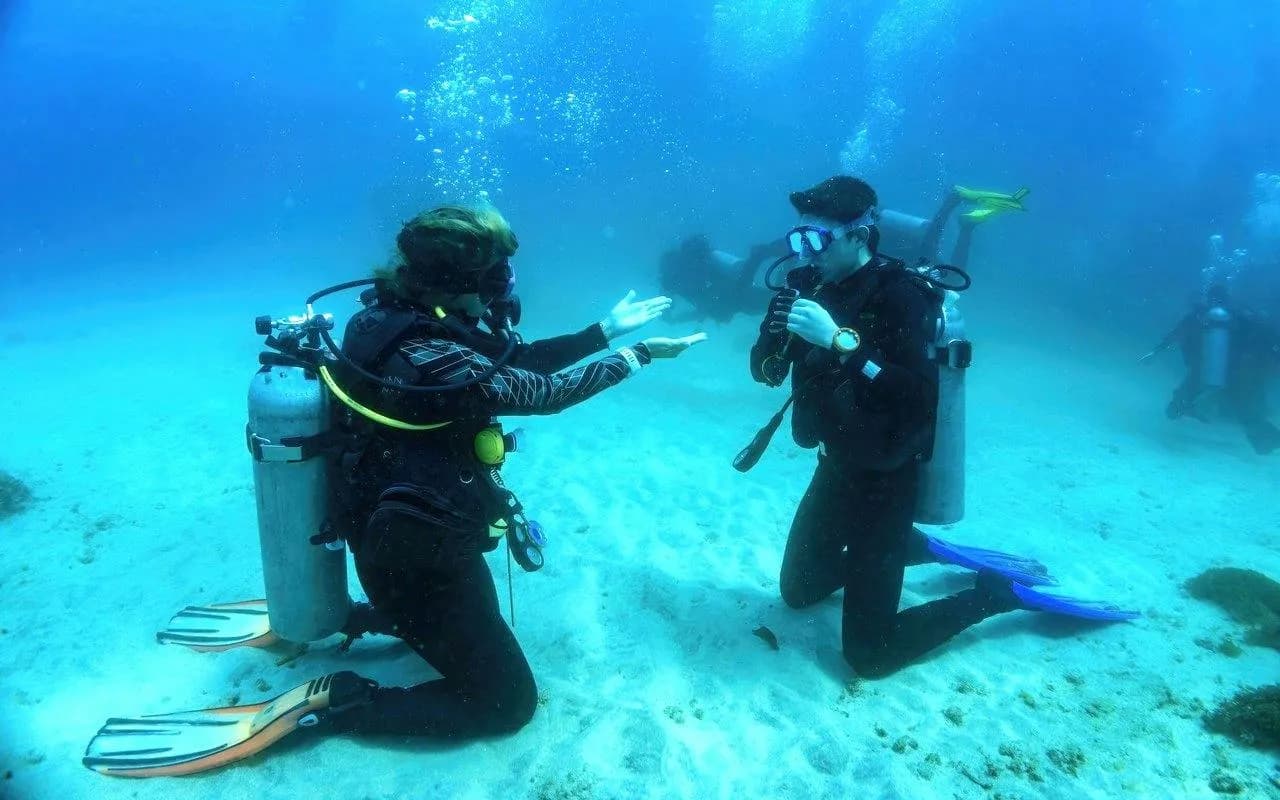
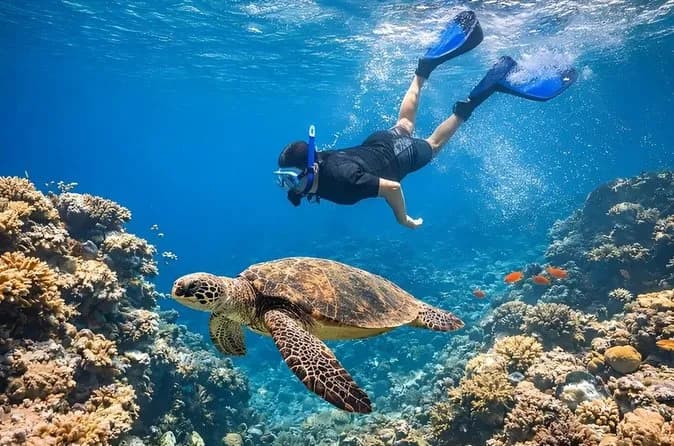
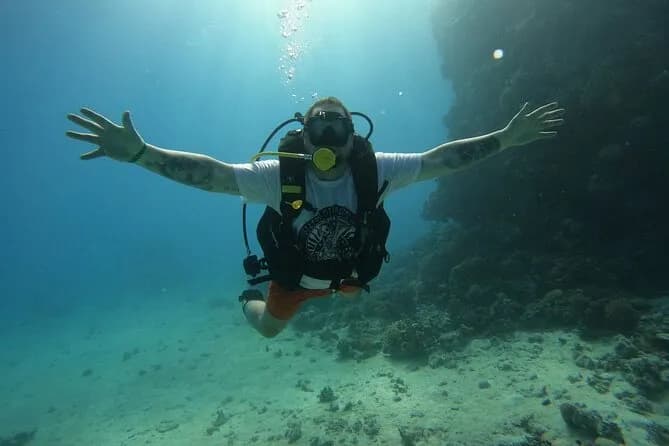
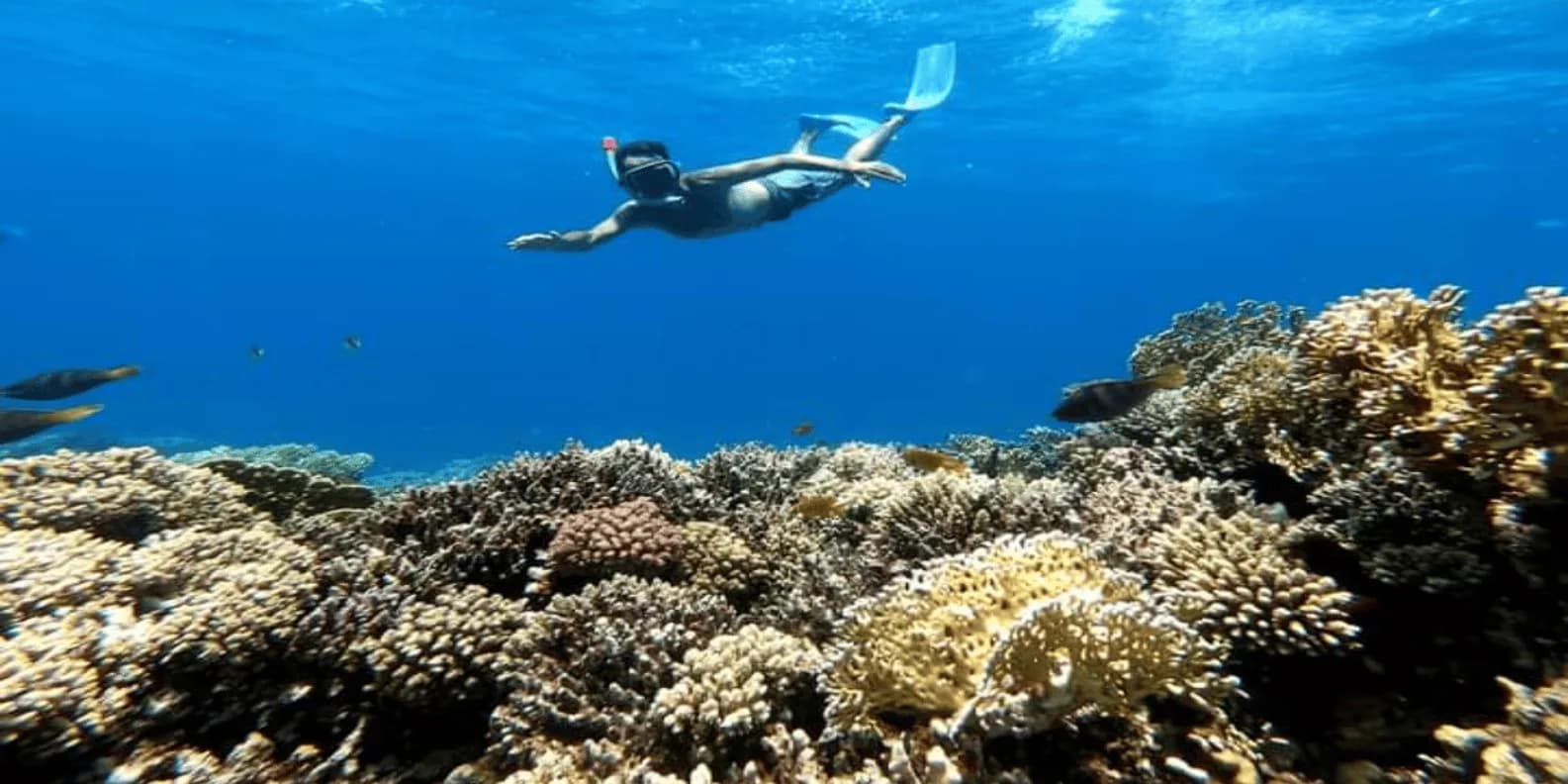
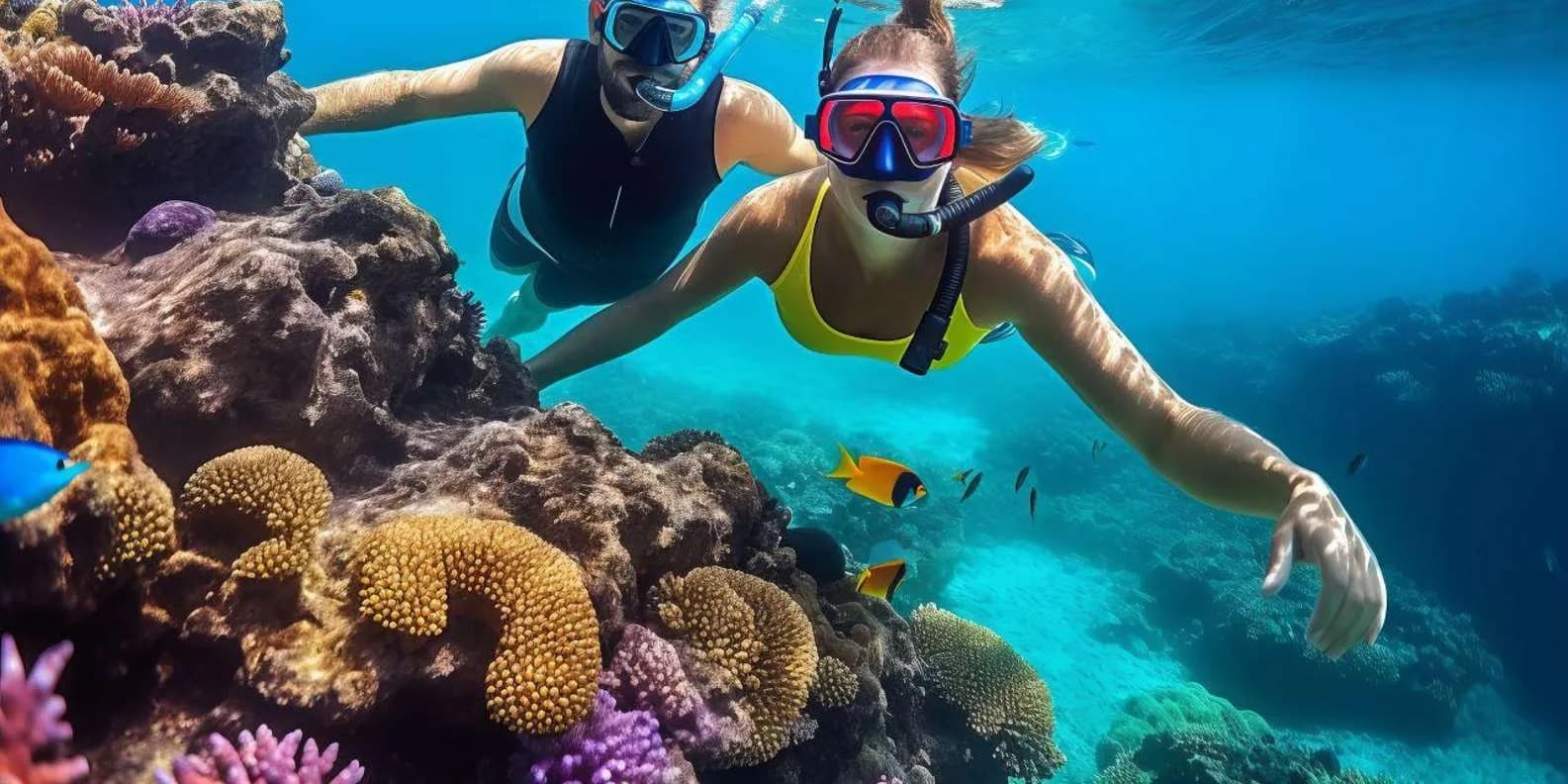
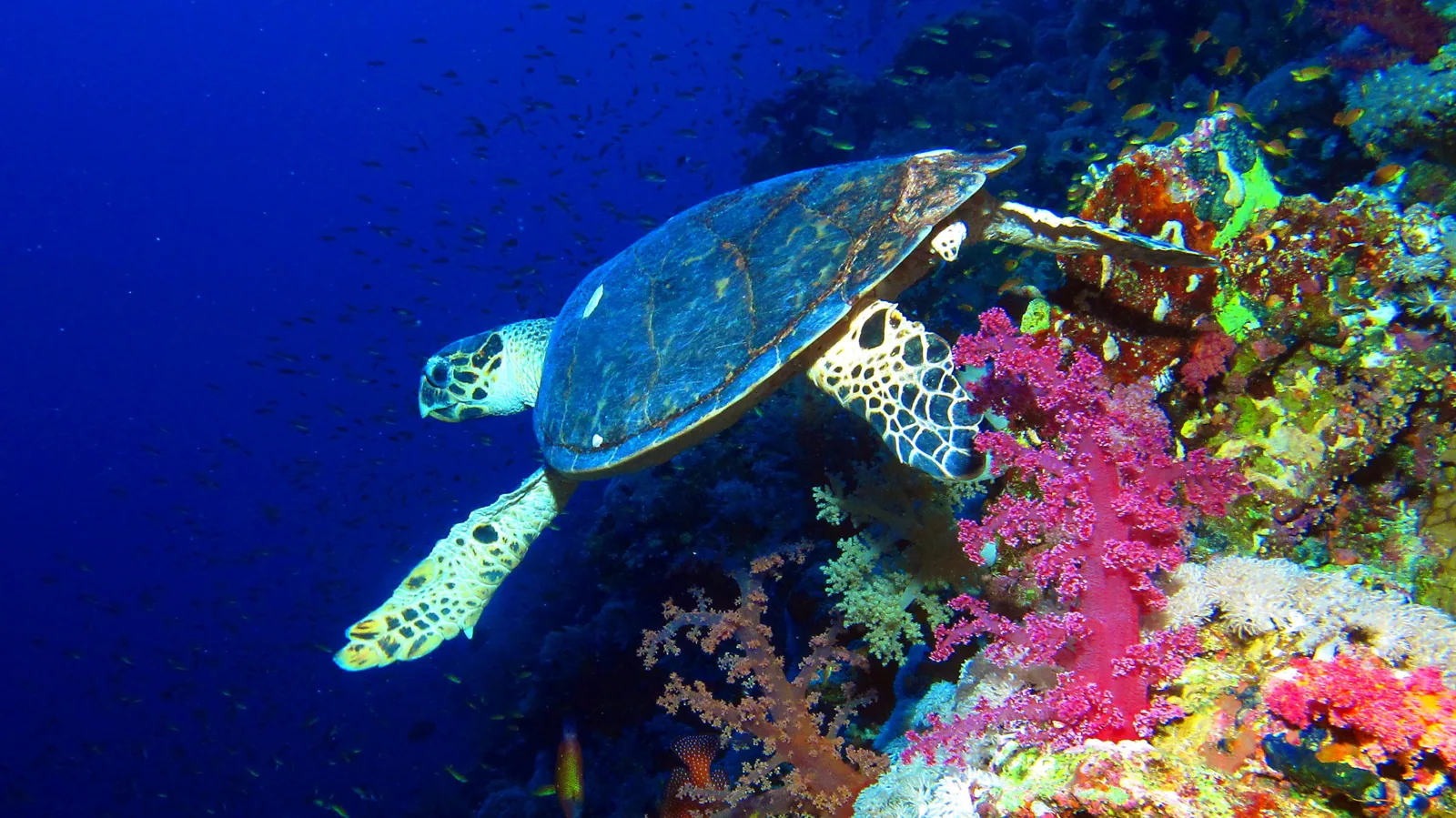 All three are excellent underwater, but they specialise. Hurghada has more hotels with house reefs, which makes it strong for shore snorkelling, and it's often described as the largest snorkelling hub on the Red Sea. Sharm offers the most diverse diving — wrecks, reefs, gentle-to-fast currents, shallow reefs and steep walls all within reach. Marsa Alam gives you the highest probability of encountering larger marine animals like sharks and dugongs, thanks to its less-disturbed reefs, plus world-class shore snorkelling at Marsa Abu Dabbab, where dugongs graze over seagrass beds in the early morning. One practical note across all three: winter water temperatures typically sit around 21–23°C, so a 5mm (or 7mm) wetsuit is the sensible choice in that season (as of 2026 — verify).
Access to the famous dive sites
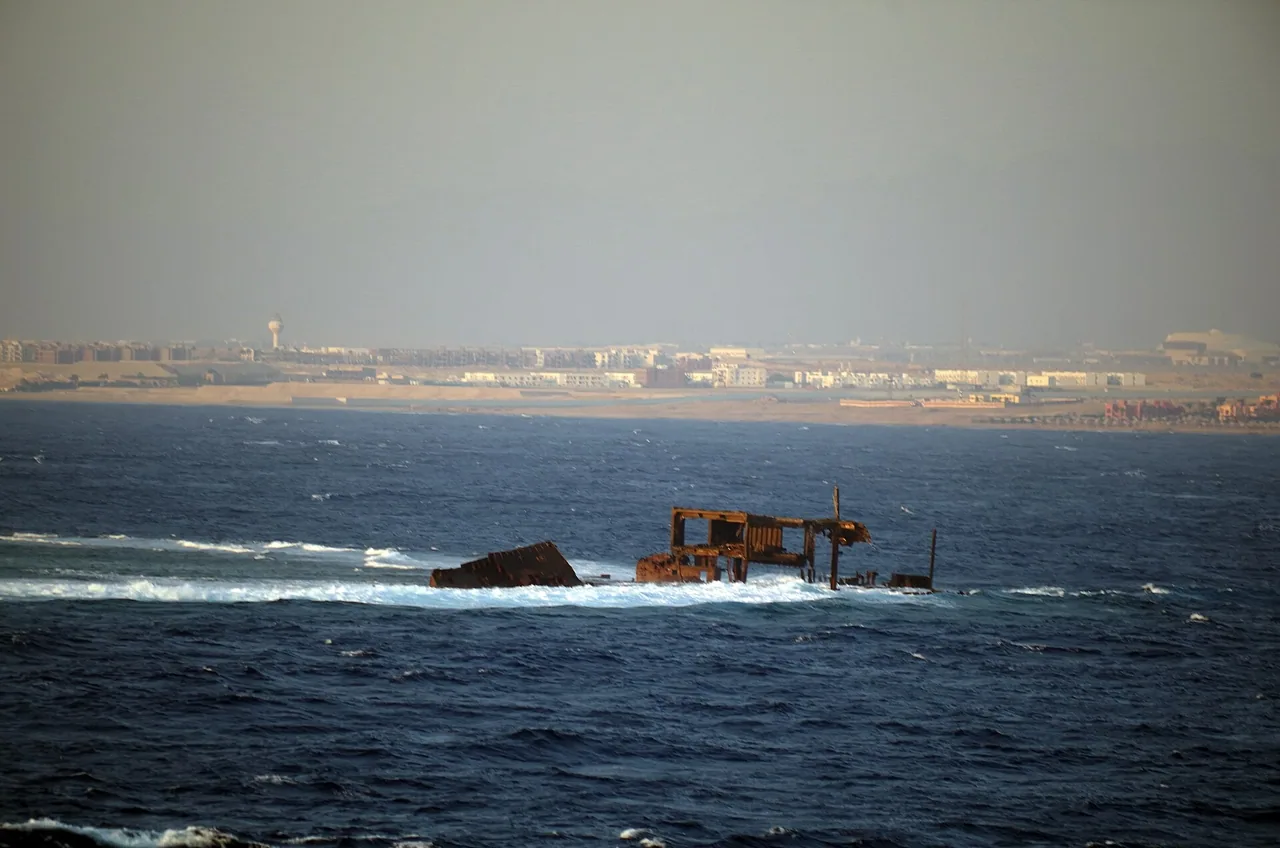 This is where the choice often gets decided, because each resort is the natural gateway to different marquee sites. Ras Mohammed National Park sits about 20 km south of Sharm el-Sheikh, making Sharm the obvious base for it, for the Straits of Tiran, and for day trips to the Thistlegorm wreck. The Giftun Islands are reached from Hurghada, which is the most versatile base for them and for southbound liveaboards. Elphinstone Reef, off Marsa Alam, is an advanced/technical site — day boats can reach it from Marsa Alam, though many of the far-offshore southern sites are better served by liveaboards. If Elphinstone is your goal, October–December is when oceanic whitetip sharks are most reliably present (as of 2026 — verify). In short: Ras Mohammed and Tiran point you to Sharm, Giftun to Hurghada, Elphinstone to Marsa Alam.
Airport access and flights
Flight convenience is one of the biggest practical differences. Hurghada (HRG) has year-round international flights from the UK and Europe and is Egypt's most popular Red Sea resort, with 500-plus hotels spread along roughly 40 km of coastline (as of 2026 — verify). Marsa Alam International (RMF) handles domestic flights from Cairo plus international flights from various European cities, but it has fewer direct European connections than either Hurghada or Sharm. From the UK, both Hurghada and Marsa Alam are roughly 5–6 hours by direct flight (as of 2026 — verify). If you want the widest choice of routes and the shortest booking headaches, Hurghada leads.
Sharm el-Sheikh's flight-access history
Sharm's flight situation carries some important recent history that's worth understanding. All UK flights to Sharm el-Sheikh were banned in November 2015 after the bombing of Russian Metrojet Flight 9268, which killed all 224 people on board. The UK government lifted those restrictions on 22 October 2019, citing improved airport security procedures and close UK–Egypt aviation-security cooperation. Since then UK flights have resumed — reporting indicates TUI and easyJet operate direct UK–Sharm services (for example year-round from Birmingham and Bristol, with some seasonal routes), so as of 2026 UK access to Sharm is re-established, not banned (verify exact routes and airports before booking). On top of that, Jet2 has announced it will launch UK flights to both Sharm and Hurghada from 2027 — its first Red Sea service in over a decade, planned at up to seven weekly flights to each — a future addition rather than a replacement for existing carriers (as of 2026 — verify).
Nightlife versus quiet
The evening character of the three is very different. Hurghada has the most vibrant nightlife, being the biggest and busiest resort. Sharm has more nightlife, restaurants and entertainment than Marsa Alam, so it's lively without being quite Hurghada. Marsa Alam sits at the far quiet end — its resort strip is sparse with limited evening entertainment, trading nightlife for pristine house reefs, dugongs and dolphins. If buzzing bars and variety matter, lean Hurghada or Sharm; if you want the desert-and-sea hush, Marsa Alam is the point.
Family-friendliness
For families, the top two are the easy calls. Hurghada offers plenty to keep families busy — water parks, bowling and other entertainment — alongside shopping and nightlife. Sharm is often described as a polished, family-friendly resort with calm, sheltered bays that suit younger swimmers. Marsa Alam is quieter and more nature-focused, better suited to divers, snorkellers and couples seeking calm than to families wanting entertainment (as of 2026 — verify). So families chasing activities usually land on Hurghada or Sharm, while Marsa Alam rewards families specifically after nature and quiet.
Price
The general consensus in guides is that Hurghada offers the best overall value, given its sheer scale of hotels, flights and operators; Sharm and Marsa Alam can run higher for comparable quality, though prices swing widely by hotel and season. Specific nightly rates weren't confirmed by a primary source in this research, so treat any figure as indicative and check live prices for your exact dates and property (unverified). As a rule of thumb, if squeezing the most out of your budget is the priority, Hurghada is the safest bet.
Best season
Across the whole Red Sea, March–May and September–November give the best balance of comfortable air temperature, good sea state and marine life (as of 2026 — verify). Winter, roughly December–February, still works well — and Sharm in particular stays calmer and warmer because the Sinai mountains shelter its bays from winter winds. That winter resilience is a genuine reason to favour Sharm if you're travelling in the colder months.
How to decide
Match the resort to the trip. Want the widest flight choice, the best value and lively evenings? Hurghada. Want iconic reefs like Ras Mohammed and Tiran, strong dive infrastructure, calm family bays and reliable winter conditions? Sharm el-Sheikh. Want pristine, uncrowded shore reefs, dugongs and dolphins, and quiet over nightlife — and you don't mind fewer direct flights? Marsa Alam. None of the three is a wrong choice on the water; the difference is everything around it.

A real team available 24/7 to assist you — free
Seif and the team reply on WhatsApp 24/7 — trip questions, custom plans and booking help.
Ask Seif on WhatsAppCommon questions
Which Red Sea resort has the best diving?
It depends what you want. Sharm el-Sheikh has the most diverse diving (wrecks, reefs, walls, varied currents) and is the base for Ras Mohammed and the Straits of Tiran. Hurghada is the biggest snorkelling hub with many house reefs and access to the Giftun Islands. Marsa Alam offers the best odds of big marine life like sharks and dugongs, plus Elphinstone Reef for advanced divers.
Which resort is the gateway to Ras Mohammed, Giftun and Elphinstone?
Ras Mohammed National Park is about 20 km south of Sharm el-Sheikh, so Sharm is the base for it and the Straits of Tiran. The Giftun Islands are reached from Hurghada. Elphinstone Reef is off Marsa Alam and can be reached by day boat, though it's an advanced/technical site and many far-offshore southern reefs are better served by liveaboards.
Which resort has the best flight access?
Hurghada (HRG) has the widest year-round international flights from the UK and Europe and is Egypt's most popular Red Sea resort. Marsa Alam (RMF) takes Cairo domestic flights and some European routes but has fewer direct connections. Both are roughly 5–6 hours direct from the UK (as of 2026 — verify).
Were UK flights to Sharm el-Sheikh banned, and can I fly there now?
UK flights to Sharm were banned in November 2015 after the Metrojet Flight 9268 bombing, which killed all 224 aboard. The UK lifted those restrictions on 22 October 2019, and flights have since resumed — reporting indicates TUI and easyJet run direct UK–Sharm services. So as of 2026 UK access is re-established, not banned (verify exact routes before booking).
Which resort is best for nightlife versus a quiet trip?
Hurghada has the most vibrant nightlife as the biggest, busiest resort. Sharm has more nightlife, restaurants and entertainment than Marsa Alam. Marsa Alam is the quiet end — a sparse resort strip with limited evening entertainment, trading nightlife for pristine house reefs, dugongs and dolphins.
Which Red Sea resort is best for families?
Hurghada offers water parks, bowling and other entertainment alongside shopping and nightlife. Sharm is a polished, family-friendly resort with calm sheltered bays that suit younger swimmers. Marsa Alam is quieter and nature-focused, better for divers, snorkellers and couples seeking calm than for families wanting activities (as of 2026 — verify).
When is the best time to visit the Red Sea?
March–May and September–November give the best balance of comfortable air temperature, sea state and marine life. Winter (December–February) still works, and Sharm in particular stays calmer and warmer because the Sinai mountains shelter its bays from winter winds. Winter water is around 21–23°C, so pack a 5mm or 7mm wetsuit (as of 2026 — verify).
Book it on This is Egypt
Turn this guide into a trip

Egypt's bestsellers
The experiences travelers book most, across the country


Keep reading

5-Star vs 4-Star Nile Cruise (2026): What the Rating Really Means
On the Nile, star ratings are issued locally and generously — almost every boat calls itself 5-star. Here is what actually separates the tiers, and how to read past the label to the real price and quality.
By TiE Editors4 min read

Nile Cruise vs Lake Nasser Cruise (2026): Which Should You Choose?
A Nile cruise sails the temple-lined Luxor–Aswan corridor with dozens of boats to choose from; a Lake Nasser cruise is a remote, uncrowded sail to Abu Simbel and the Nubian temples. Here is the honest comparison.
By TiE Editors4 min read

Liveaboard vs Day-Boat Diving in the Red Sea (2026): Which to Choose
A liveaboard reaches the remote reefs and wrecks day boats can't — the Brothers, Daedalus, deep-south Egypt — but a day boat is cheaper, flexible and beginner-friendly. Here's the honest choice.
By TiE Editors4 min read