
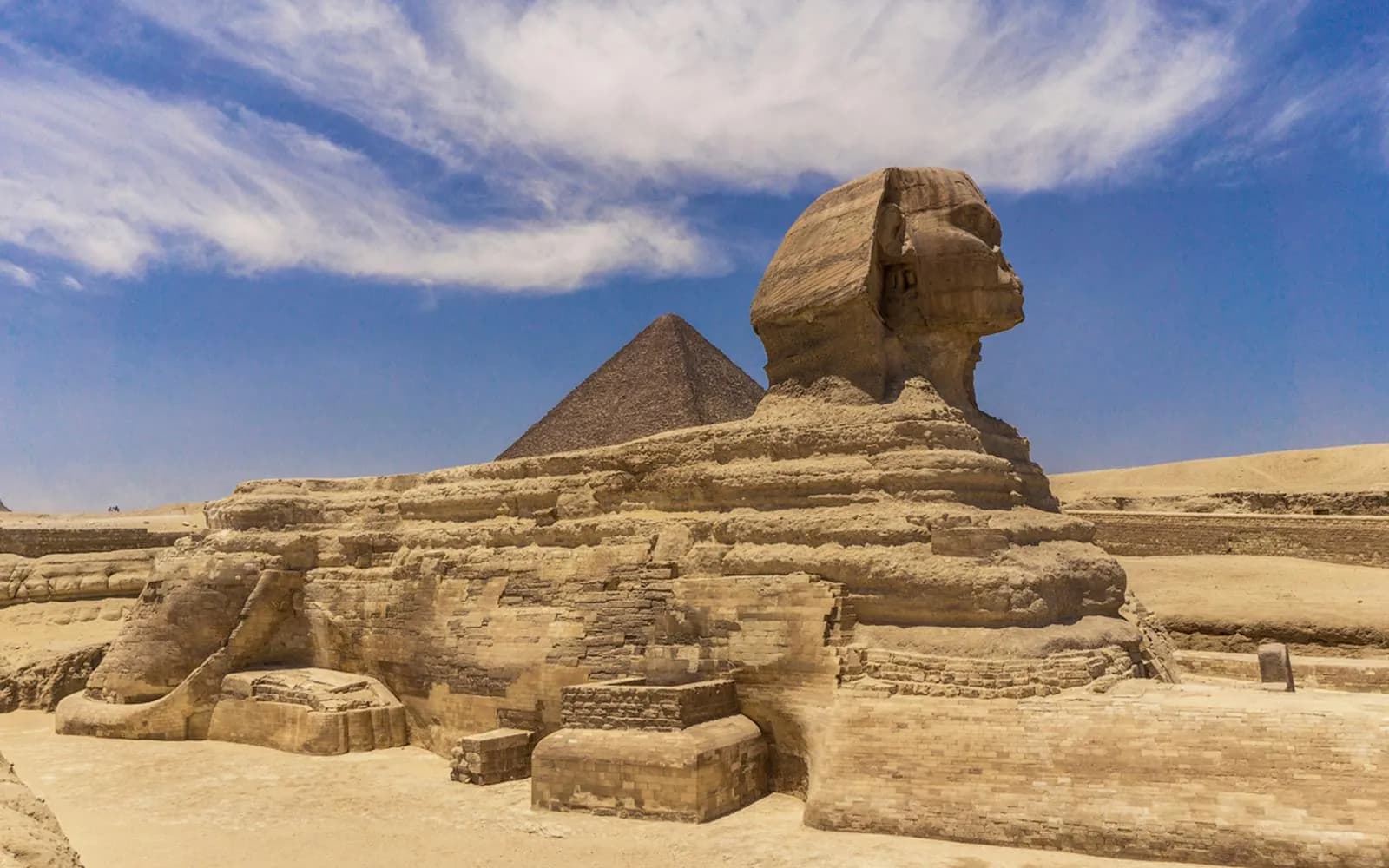
How the Pyramids Were Built: The Real Answer
How the ancient Egyptians raised the Great Pyramid — 2.3 million blocks, no wheels or iron. The paid workforce, wet-sand sledges, Nile barges, ramps, and star-aligned precision.
Quick answer: How did the ancient Egyptians build the Great Pyramid — 2.3 million stone blocks, some weighing as much as an elephant, stacked 146 metres high with astonishing precision, 4,500 years ago and without iron tools, wheels or pulleys? The short answer: with a huge, well-organised, paid workforce, brilliant logistics, and simple technology used with genius. The long answer is one of history's great detective stories, and this guide lays out what we actually know — and what's still debated.
For visiting the pyramids themselves, see our complete Pyramids of Giza guide.
The challenge, in numbers
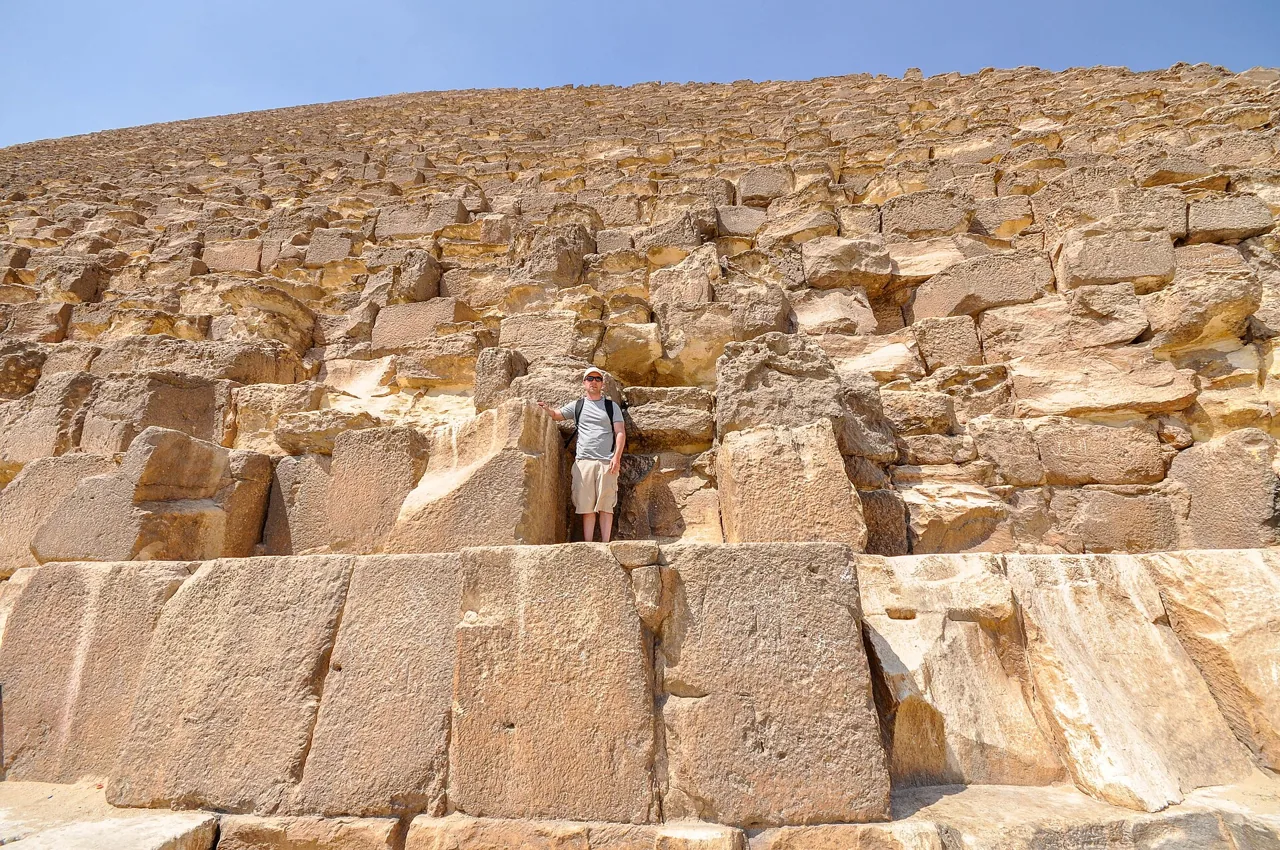 The Great Pyramid of Khufu was built around 2560 BC and held the record as the tallest structure on Earth for nearly 4,000 years.
| Feature | Figure |
|---|---|
| Original height | ~146.6 m (now ~138.8 m) |
| Base length | ~230 m per side |
| Number of blocks | ~2.3 million |
| Average block weight | ~2.5 tonnes (granite blocks up to 25–80 tonnes) |
| Build time | roughly 20–27 years |
| Base level | flat to within a couple of centimetres |
| Alignment | to true north within a fraction of a degree |
Getting a base that size that flat, and aligning a 6-million-tonne monument almost perfectly to the cardinal points, is arguably more impressive than the height itself.
Who actually built the pyramids?
Not slaves. That myth goes back to Greek writers and Hollywood, but the archaeology says otherwise. Excavations beside the plateau uncovered a workers' town — bakeries, breweries, storerooms and dormitories — and nearby workers' cemeteries where labourers were buried with honour close to the king they served, something no slave would receive.
The evidence points to a skilled, paid, rotating workforce: perhaps a few thousand permanent craftsmen supplemented by tens of thousands of seasonal labourers who came during the Nile flood, when the fields were underwater and farm work stopped. They were housed, fed on rations of bread, beer, fish and meat, and even received medical care — several skeletons show healed fractures set by physicians. Pyramid-building was a vast state project, closer to a national mobilisation than an act of cruelty.
Quarrying the stone
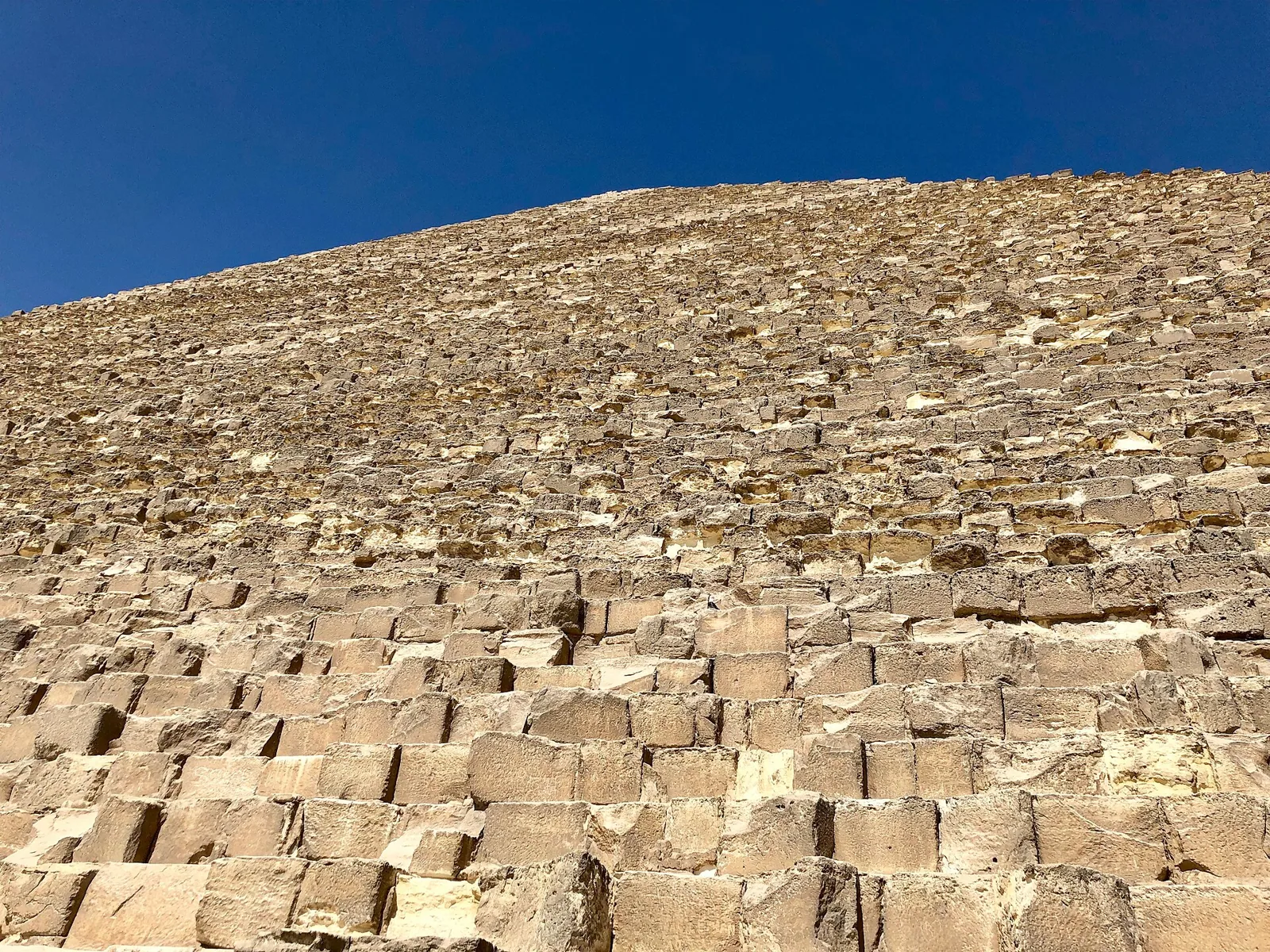 Most of the bulk — the core blocks — was cut from local limestone right on the plateau, which is why quarry scars still scar the site. Two finer materials were brought in:
- Fine white Tura limestone for the smooth outer casing, ferried across the Nile from quarries on the east bank.
- Granite for the King's Chamber and its relieving chambers, hauled some 900 km down the Nile from Aswan — blocks weighing up to 80 tonnes.
Workers cut softer stone with copper chisels and saws; for hard granite they used dolerite pounders (balls of an even harder stone) and abrasive sand, plus wooden wedges soaked to split the rock. It was slow, patient, brutally physical work.
Moving millions of blocks
This is where the ingenuity shows. Blocks were levered onto wooden sledges and dragged — and a wall painting in the tomb of Djehutihotep shows exactly the trick: a worker at the front of a sledge pouring water onto the sand. In 2014, physicists confirmed that wetting the sand roughly halves the friction, so far fewer haulers are needed. Simple, and quietly brilliant.
For the long-distance hauls, the answer was the river. The Diary of Merer — the world's oldest known papyri, found at the Red Sea port of Wadi al-Jarf and dating to Khufu's reign — records a work-gang shipping Tura limestone by boat to Giza, tying up the logistics we'd long guessed at with an eyewitness logbook.
Raising the blocks: the ramp debate
Everyone agrees ramps were used; how is the field's liveliest argument. The leading ideas:
- A single straight ramp — simple, but it would have to be impossibly long and huge by the top.
- A zig-zagging ramp up one face — shorter footprint, but awkward for turning heavy sledges.
- A ramp spiralling around the outside — efficient, but it would obscure the corners builders needed to check alignment.
- An internal spiral ramp inside the pyramid — a bolder theory that would explain some anomalies but lacks direct proof.
The likely truth is a combination that changed as the pyramid rose. New evidence keeps arriving: a well-preserved ramp system with post-holes, found at an alabaster quarry, shows sledges being hauled up steep slopes with the help of wooden posts as levers.
Precision without instruments
Perhaps the deepest mystery is the accuracy. The builders probably levelled the base using water-filled trenches as a giant spirit level, and aligned the whole structure to true north by sighting on the stars — likely circumpolar stars that never set. They achieved with rope, water and patient observation what we'd struggle to match without lasers.
Why build them at all?
A pyramid was a tomb and a resurrection machine — a colossal stairway or ray of stone to launch the dead pharaoh into the afterlife among the stars, and to declare his power for eternity. Understanding that purpose is the key to the whole thing; our ancient Egypt history overview sets the pyramids in the wider story, and Saqqara and Dahshur show the earlier experiments — including the Step Pyramid and the first true pyramids — that made Giza possible.
See it for yourself
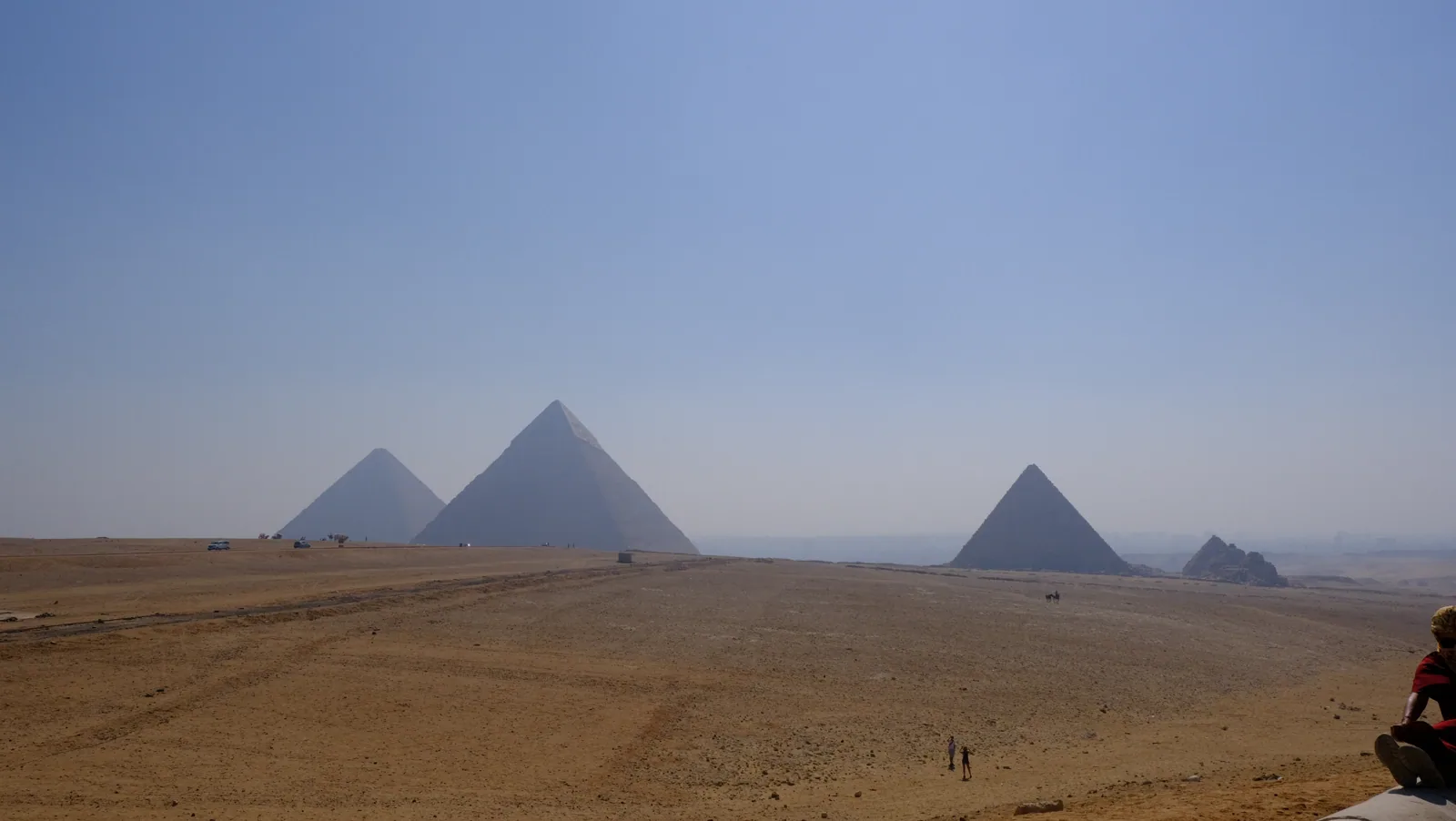 Standing at the foot of the Great Pyramid, the numbers stop being abstract. Read our Pyramids of Giza guide to plan your visit, see the Great Sphinx beside it, and pair it with the treasures — including the tools and models of the people who built it — in the Grand Egyptian Museum. To go inside with an Egyptologist who can explain the engineering, browse Giza pyramids tours and tickets.
What's On in Egypt
Events in Giza

90’S Comedy Show
Cairo Jazz Club 610 · Sheikh Zayed & 6 October

Impulse: Halloween Edition – Mont Rouge
Cairo Jazz Club 610 · Sheikh Zayed & 6 October

Fatma Said
Grand Egyptian Museum · Giza & the Pyramids
A real team available 24/7 to assist you — free
Seif and the team reply on WhatsApp 24/7 — trip questions, custom plans and booking help.
Ask Seif on WhatsAppCommon questions
How were the pyramids of Giza built?
With a large, organised, paid workforce using simple but clever technology: stone quarried on site and shipped by Nile, dragged on wooden sledges over sand wetted to cut friction, and raised on ramps. The base was levelled with water and aligned to true north by the stars.
Did slaves build the pyramids?
No. Archaeology found a workers' town with bakeries and breweries and honoured workers' tombs beside the pyramids. The builders were skilled paid craftsmen and tens of thousands of seasonal labourers, housed, fed and even given medical care — not slaves.
How long did it take to build the Great Pyramid?
Roughly 20 to 27 years, during the reign of Pharaoh Khufu around 2560 BC. It used about 2.3 million blocks averaging 2.5 tonnes and remained the tallest structure on Earth for nearly 4,000 years.
How did they move the heavy stones?
Blocks were levered onto wooden sledges and dragged by teams of workers, who poured water on the sand ahead to roughly halve the friction — a technique shown in an ancient tomb painting and confirmed by modern physics. Long hauls, like Aswan granite, went by boat down the Nile.
How did they raise blocks to the top?
Using ramps — though the exact design is debated. Options include a long straight ramp, a zig-zag ramp up one face, a ramp spiralling around the outside, or a combination that changed as the pyramid grew. Recent finds show steep ramps with wooden posts used as levers.
What tools did the pyramid builders use?
Copper chisels and saws for softer limestone, and for hard granite, dolerite pounding stones with abrasive sand and water-soaked wooden wedges. They had no iron tools, wheels or pulleys — the work relied on manpower, ramps, levers and sledges.
How are the pyramids so precisely aligned?
The builders levelled the base with water-filled trenches as a giant level and aligned the structure to true north by sighting on the stars, likely circumpolar stars that never set. The base is flat to a few centimetres and aligned within a fraction of a degree.
What is the Diary of Merer?
The world's oldest known papyri, found at the Red Sea port of Wadi al-Jarf and dating to Khufu's reign. It's a work-gang logbook recording the shipping of fine Tura limestone by boat to Giza — direct written evidence of how the pyramid was supplied.
Book it on This is Egypt
Turn this guide into a trip



Egypt's bestsellers
The experiences travelers book most, across the country





Keep reading
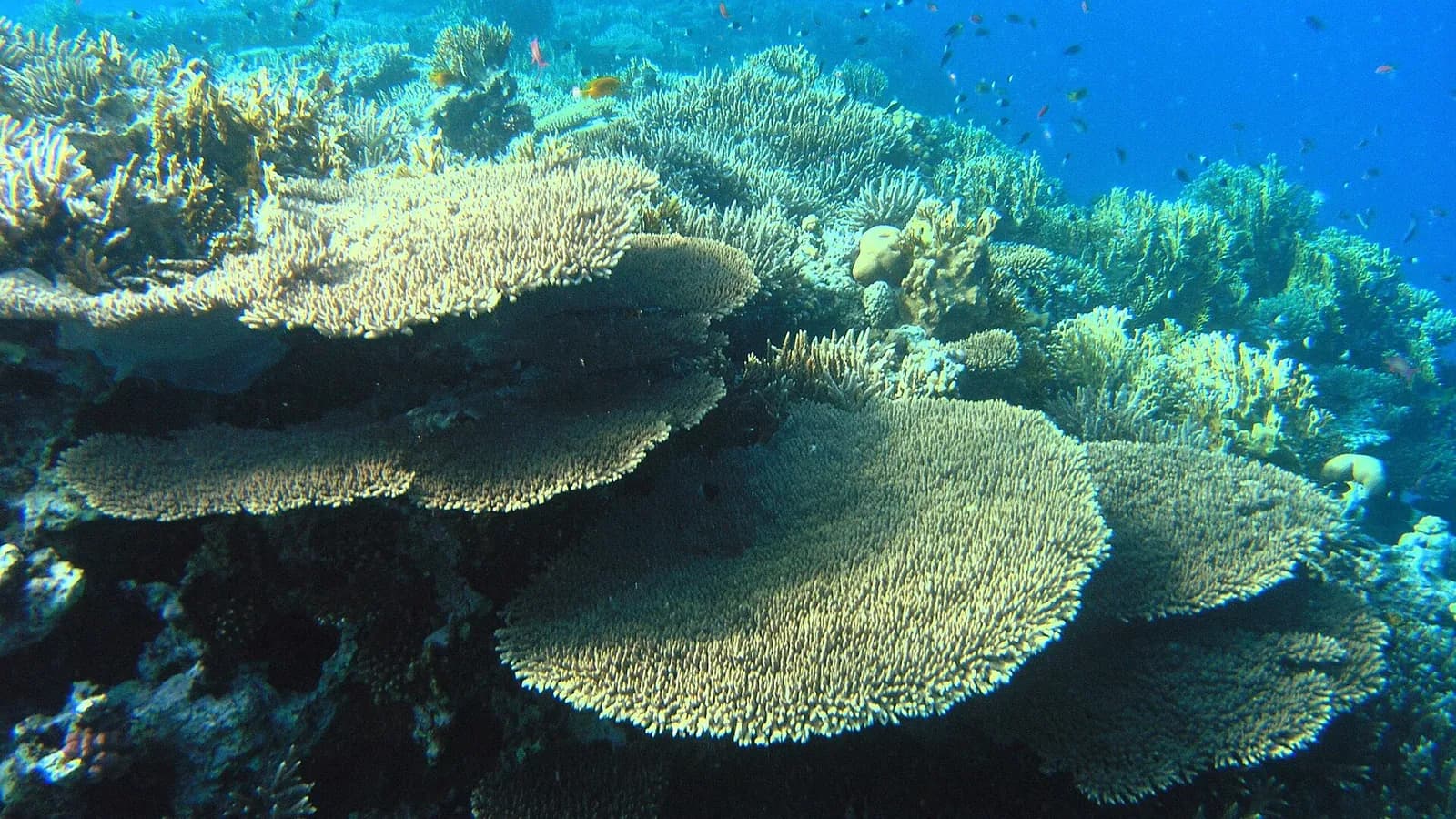
Hurghada Diving (2026): Best Sites, Packages & Prices
Diving in Hurghada — the best reefs (Giftun, Careless Reef, Dolphin House) and Abu Nuhas wrecks, Discover Scuba vs PADI courses, season and water temps, and real 2026 prices.
By TiE Editors7 min read
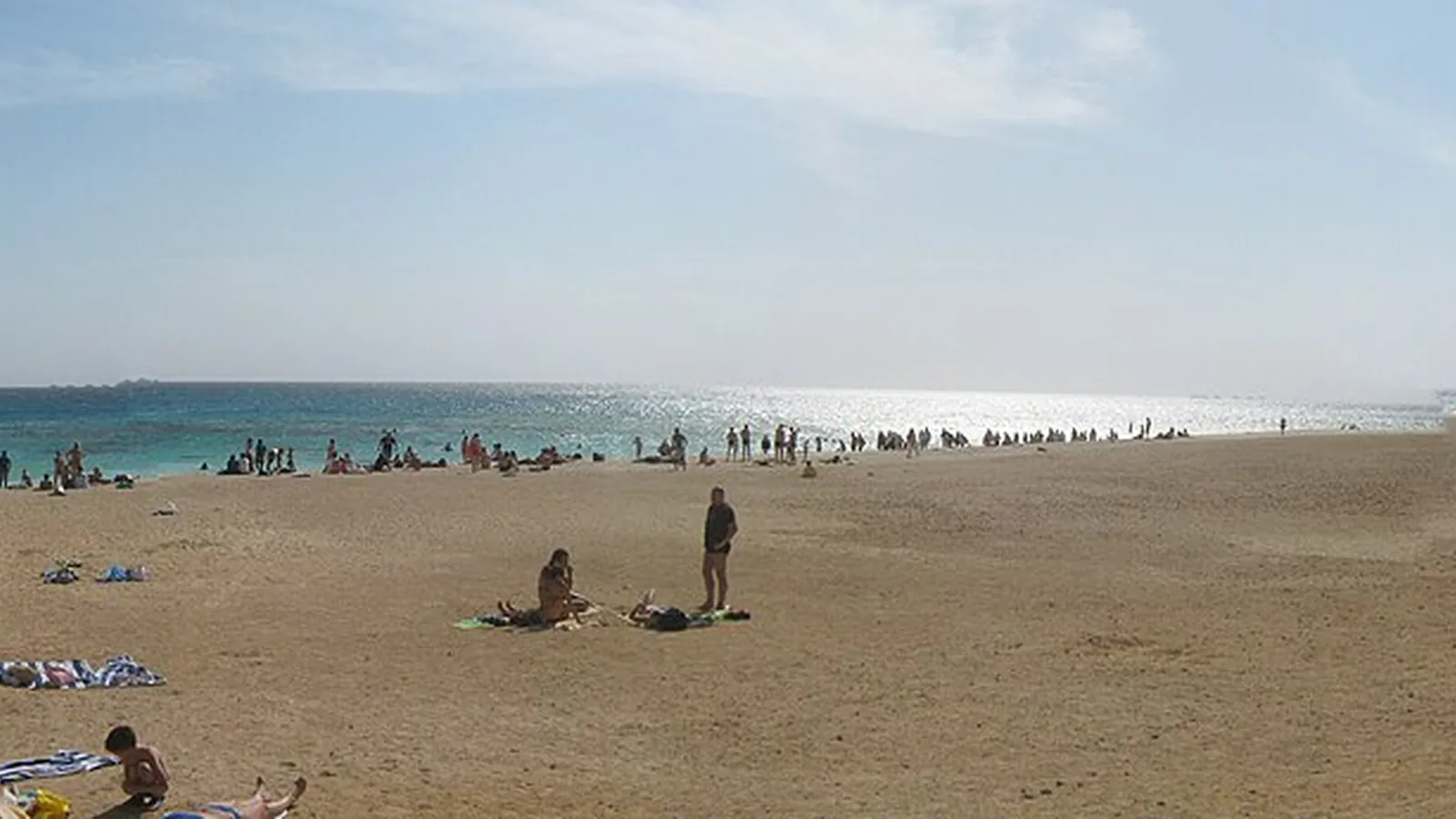
Hurghada Snorkeling Trips (2026): Best Reefs, Prices & How to Choose
Where to snorkel from Hurghada in 2026 — Orange Bay, Giftun, Mahmya, Utopia and Dolphin House — with boat types, marine life, month-by-month sea temperatures, family tips and real prices from 1,000+ bookable trips.
By TiE Editors7 min read
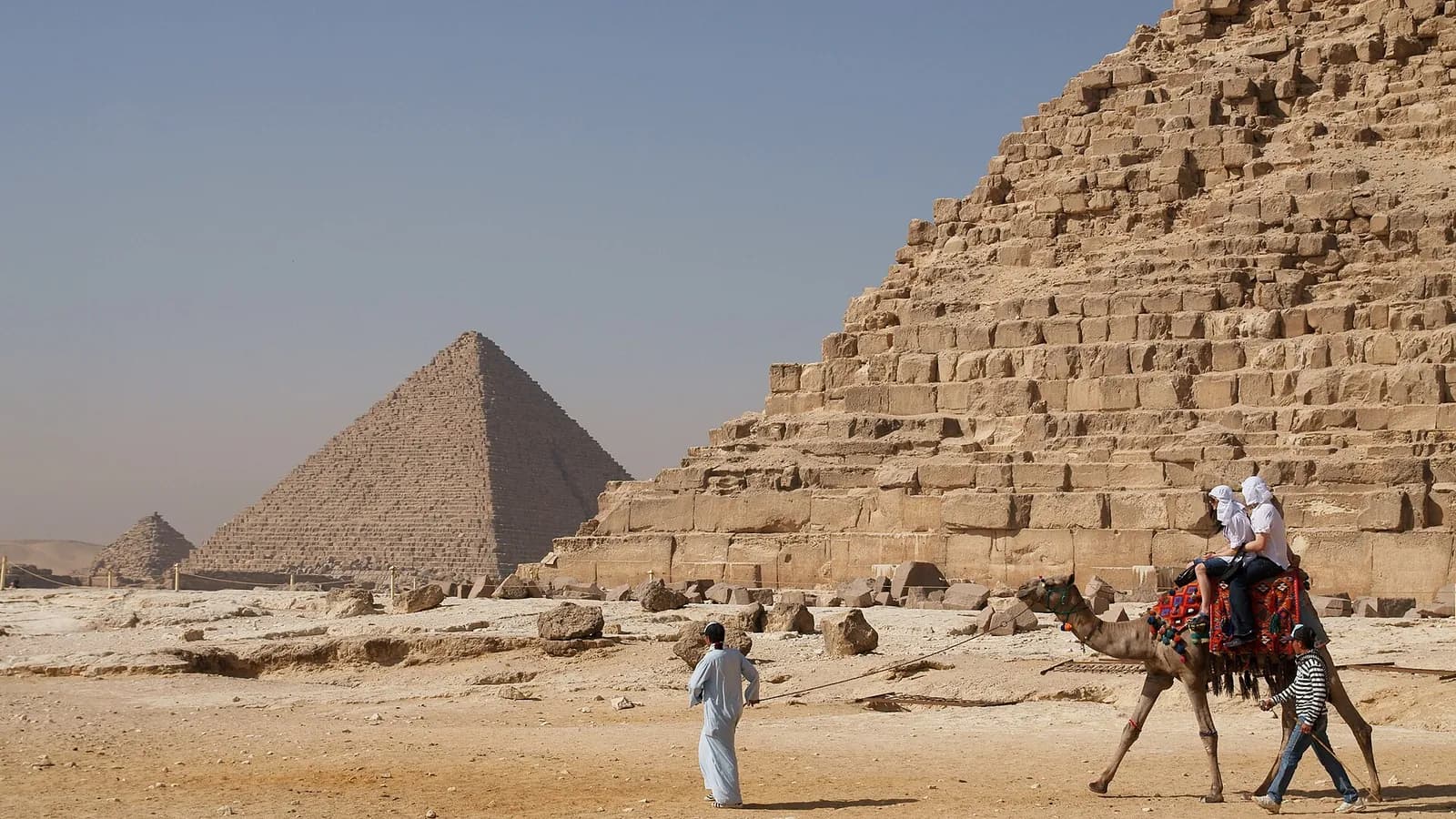
Egypt Tour Prices by Activity (2026): What Each Type Really Costs
What every type of Egypt experience costs — half day, full day or overnight — as a median and a mid-half range in US dollars, from 12,370 live bookable listings.
By TiE Editors6 min read