Saqqara & Dahshur: The Pyramids Beyond Giza (2026)
Skip the Giza crowds. A practical guide to Saqqara's Step Pyramid, Dahshur's Bent and Red Pyramids you can climb inside, and Memphis — as a day trip from Cairo.
Quick answer: South of Cairo sit the pyramids most visitors skip, and they are extraordinary. Saqqara holds the Step Pyramid of Djoser — the world's oldest large stone building and the ancestor of everything at Giza. Dahshur has Sneferu's Bent and Red Pyramids, two you can walk right into with almost nobody else around. And Memphis, the ancient capital, is now an open-air museum guarding a fallen colossus of Ramesses II. Together they make a rewarding, crowd-free half or full day from Cairo — often the most memorable pyramid experience on a whole trip.
This is the dedicated field guide to all three sites: what to see, what it costs, how to string them together, and why they beat Giza alone for many travellers. If you want the wider picture of every ancient site around the capital, read our companion guide to the pyramids beyond Giza. For Giza itself, see the Pyramids of Giza guide.
Why go beyond Giza at all?
Giza is unmissable — but it is also busy, hawker-heavy and, once you have your photo of the Great Pyramid, quickly done. Saqqara and Dahshur give you the same sense of scale and antiquity with a fraction of the crowds and a much deeper story. This is where the idea of the pyramid was invented, refined and perfected across a single century of trial and error.
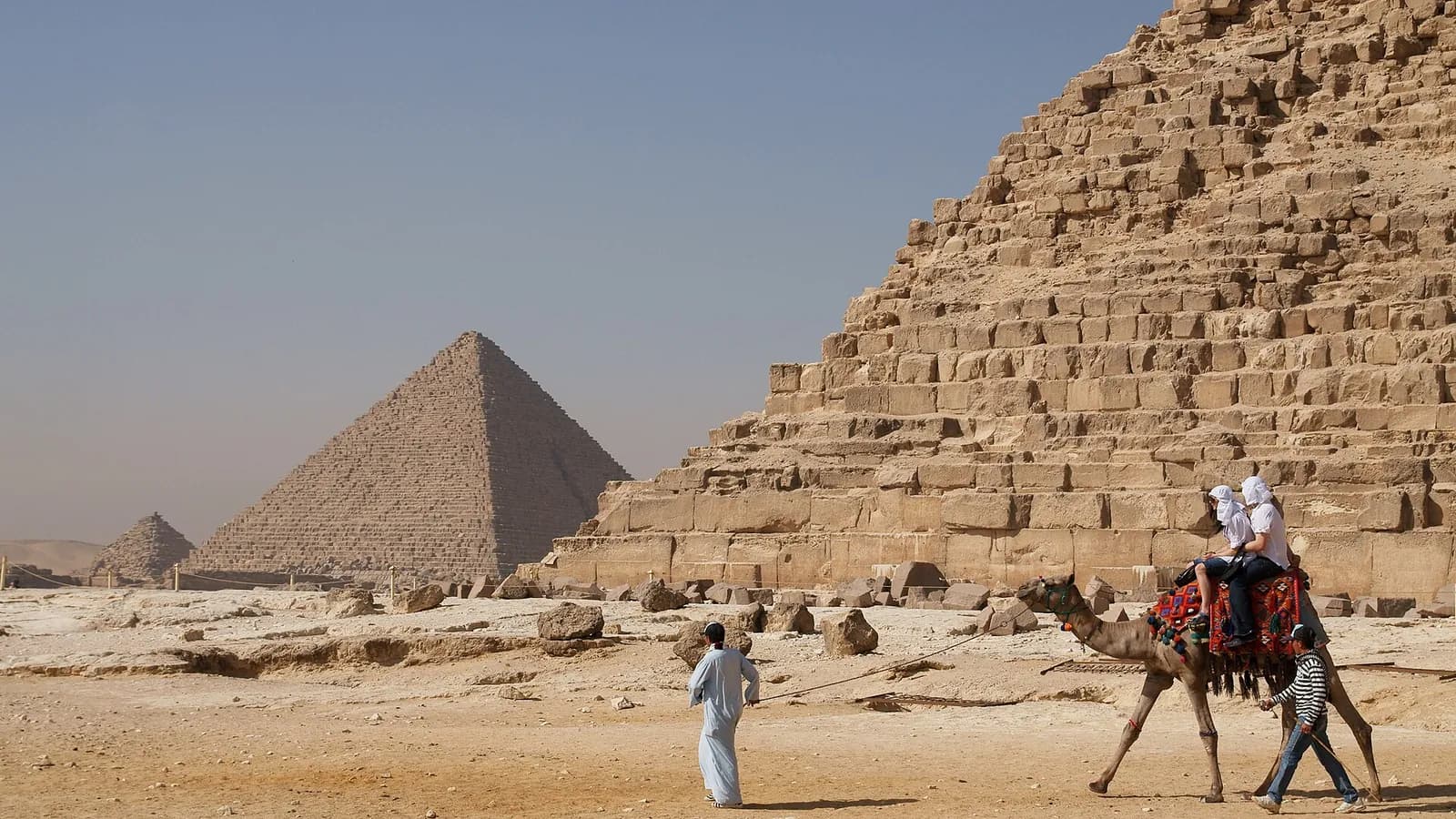
Walk it in order and you watch Egyptian architecture grow up in front of you: from the stacked stone "steps" of Djoser, to Sneferu's misjudged Bent Pyramid, to his corrected Red Pyramid — the first true smooth-sided pyramid ever built, and the direct blueprint for the Great Pyramid his son Khufu would raise at Giza a generation later. Seeing Giza after this makes it click in a way it never does on its own.
Saqqara: where the pyramid was born
Saqqara is a vast necropolis — roughly six kilometres of desert plateau that served Memphis as its cemetery for more than 3,000 years. You could spend a full day here alone.
The Step Pyramid of Djoser
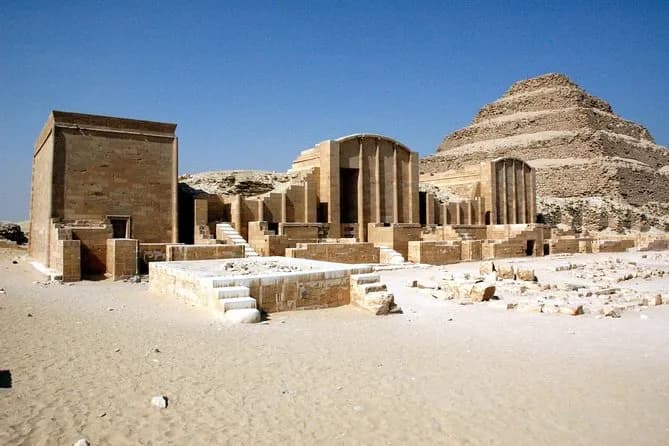
Built around 2650 BC for the pharaoh Djoser and credited to his architect Imhotep, this is the oldest monumental stone structure on Earth. Six great mastabas (flat-topped tombs) stacked one on the next rise about 60 metres from the sand. Before it, kings were buried under low mud-brick mounds; Imhotep's leap to dressed limestone, stacked skyward, changed architecture forever. He was later deified — one of very few non-royals ever worshipped as a god.
The surrounding funerary complex was restored and reopened in 2020 after a long project, and you can now walk the reconstructed entrance colonnade and courtyard. The small Imhotep Museum at the site entrance is a smart first stop for context and holds finds from across the necropolis.
The Pyramid of Unas and the Pyramid Texts
A short walk away, the modest Pyramid of Unas (last king of the 5th Dynasty) hides a treasure: its inner chambers are carved floor-to-ceiling with the Pyramid Texts, the oldest religious writings in the world — spells to guide the king into the afterlife, cut into the stone around 2350 BC.
The Serapeum
Northwest of the Step Pyramid, an unremarkable doorway leads down into one of Egypt's strangest monuments. The Serapeum is a network of underground galleries built to bury the sacred Apis bulls, mummified and entombed in colossal granite sarcophagi — some weighing up to 70 tonnes. It was uncovered by the French archaeologist Auguste Mariette in 1851. Walking the cool, dim tunnel past two dozen of these black boxes, each big enough to park a car in, is genuinely eerie. It needs a small separate ticket and is worth every pound.
The Tombs of the Nobles — the real highlight
Saqqara's mastaba tombs contain some of the finest wall reliefs in all of Egypt, and because they get a trickle of visitors, you often have them to yourself.
- Mastaba of Ti — the standout. A 5th-Dynasty official, Ti is shown supervising his estate in scene after vivid scene: cattle fording a canal, boat-builders at work, harvesters, fishing in the marshes. The detail of daily Egyptian life is unmatched.
- Tomb of Mereruka — the largest noble's tomb at Saqqara, with 33 chambers and lively reliefs of hunting, dancing and craftsmen.
- Tomb of Kagemni — a vizier's tomb famous for its scenes of animals, birds and food offerings, the carving crisp and deep.
The ongoing discoveries
Saqqara is Egypt's most productive dig of the last decade. Since 2018, missions have unearthed hundreds of sealed, brightly painted coffins — more than 450 in one cluster alone — many still holding well-preserved mummies around 2,500 years old, along with animal mummies, gilded masks and even intact mummification workshops with the tools and oils still in place. New Late-Period and Ptolemaic tombs have been opened to visitors in recent seasons. What is remarkable is the colour: pigments look almost fresh after millennia under the sand.
"Saqqara... one of the most ancient necropoli of Egypt," as Egypt's official tourism guide puts it — and it is still giving up its secrets.
Dahshur: the pyramids you can climb inside
A short drive south of Saqqara, Dahshur is quieter still — usually just a handful of people and a wide, silent desert. Two pyramids of the pharaoh Sneferu stand here, and you can go inside both.
The Bent Pyramid
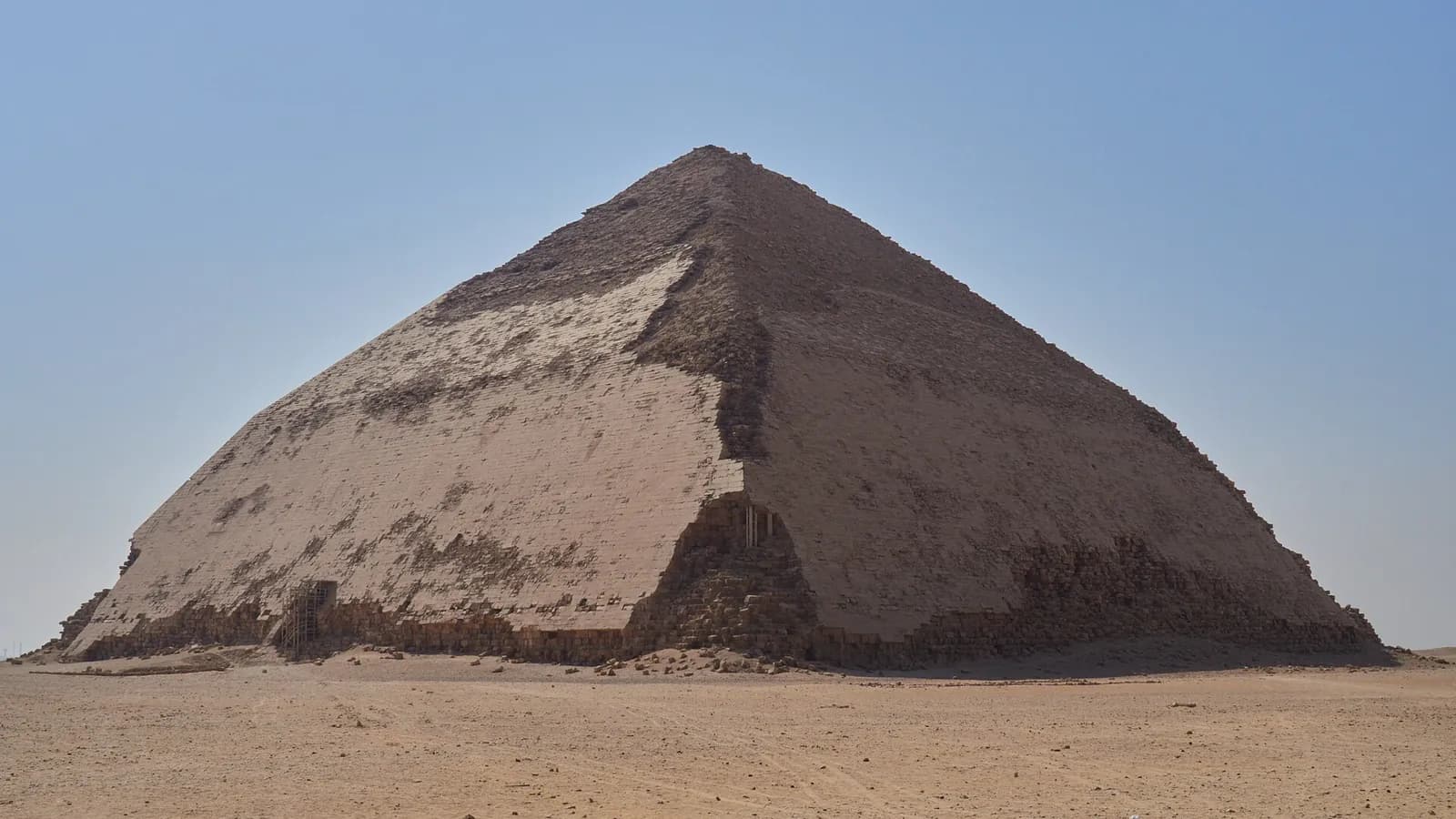
Sneferu's first attempt at a true smooth-sided pyramid. Halfway up, the builders lost their nerve — the angle was too steep and cracks were appearing — so they eased it off, leaving the distinctive "bent" profile you can see from a kilometre away. It still wears much of its original polished limestone casing, which almost nothing else does. You can crawl down a narrow 80-metre passage from the northern entrance into its chambers; it is tight and steep, but a small thrill.
The Red Pyramid
Sneferu learned his lesson and built again a little to the north. The Red Pyramid — named for the reddish limestone that shows now the casing is gone — is the world's first successfully completed true pyramid, and the third-largest in Egypt. Climb the external staircase to the entrance, then descend a long, low passage (you will be bent double in places) into two soaring corbelled antechambers with 12-metre ceilings, and finally the burial chamber. There is often no queue at all. Bring a torch and be ready for the smell of ammonia in the deepest chamber.
Memphis: the fallen capital
Between Saqqara and the river lies Memphis (modern Mit Rahina), Egypt's first capital, founded around 3100 BC and for centuries the greatest city in the ancient world. Little stands above ground now — but the open-air museum here is a quick, rewarding stop. Its centrepiece is a giant fallen colossus of Ramesses II, carved from limestone, some 13 metres long and around 120 tonnes, displayed lying down in its own pavilion so you can look it in the eye. Nearby stands a graceful alabaster sphinx of the 18th Dynasty, plus scattered statuary and stelae. Thirty minutes is plenty.
Tickets, hours and how it all fits together
Sites open roughly 8am to 4–5pm daily (later in summer). Tickets are sold at each gate; Egypt is moving toward card-only payment at major sites, so carry a card and some cash. Prices below are 2026 figures for foreign adults and change periodically — confirm on the day or via egymonuments.com.
| Site / ticket | Approx. price (EGP) | Approx. USD | What it covers |
|---|---|---|---|
| Saqqara general | ~650 | ~$13 | Step Pyramid complex, Pyramid of Unas, Imhotep Museum, several noble tombs |
| Serapeum | ~240 | ~$5 | Underground Apis-bull galleries (separate ticket) |
| Enter Djoser's burial chamber | ~200 extra | ~$4 | Descent inside the Step Pyramid |
| Dahshur | ~150 | ~$3 | Both Bent and Red Pyramids, inside access |
| Memphis open-air museum | ~150 | ~$3 | Ramesses II colossus, alabaster sphinx |
Students with an ISIC card get roughly half price at government sites. Budget around 1,200–1,400 EGP in entry fees to do all three properly with the Serapeum.
Half day or full day?
- Half day (4–5 hrs): Saqqara highlights plus Memphis. Enough for the Step Pyramid, the Serapeum, one or two noble tombs and the Ramesses colossus.
- Full day (7–8 hrs): add Dahshur, and go inside the Red Pyramid. This is the version we recommend — it is the full architectural story and the day you will remember.
Many people also combine Saqqara + Dahshur + Memphis with Giza in one long day, since all four cluster on the same side of the city. It is doable, but a lot; splitting Giza onto its own morning gives each its due.
Getting there from Cairo or Giza
Saqqara is about 30 km southwest of central Cairo — roughly an hour by road, less from Giza. The three sites are spread out with no public transport linking them, so a private car or driver for the day is by far the easiest option. You can DIY on a budget via the Metro to El Monib, then a microbus and tuk-tuk toward Badrasheen, but you will spend the day negotiating rides and it is impractical for reaching Dahshur.
Mornings are best: cooler for the pyramid interiors and softer light for the desert. Wear closed shoes, bring water and a torch, and pack small cash for the tomb guardians who will offer to unlock or light a chamber (a 20–50 EGP tip is normal, and optional).
Is it better than Giza?
Not better — different, and for many travellers more rewarding. Giza gives you the single most iconic silhouette on Earth. Saqqara and Dahshur give you the story of how it came to be, painted tombs you can study in near-solitude, and pyramids you can actually go inside without a scrum. Do both if you can. If you only have one pyramid day and you have seen Giza before, go south.
When you are back in the city, our guide to the best things to do in Cairo covers the museums, markets and river to round out your trip.
Ready to see it with someone who knows the reliefs and the shortcuts? This is Egypt runs private, Egyptologist-guided day trips that fold Saqqara, Dahshur and Memphis into one smooth, crowd-free day — browse Cairo-area tours.
What's On in Egypt
Events in Cairo

Multimediality in Medieval Iranian Architecture: Stuccos, Wall Paintings and Tiles
Tahrir Cultural Center (AUC) · Downtown (Wust El Balad)

Talents Development Center Concert
Cairo Opera House · Zamalek

Ali El Haggar Concert
Cairo Opera House · Zamalek
A real team available 24/7 to assist you — free
Seif and the team reply on WhatsApp 24/7 — trip questions, custom plans and booking help.
Ask Seif on WhatsAppCommon questions
Can you go inside the pyramids at Saqqara and Dahshur?
Yes. At Dahshur you can walk into both the Red Pyramid and the Bent Pyramid via narrow, steep passages (you'll crouch or crawl in places). At Saqqara you can descend into the Step Pyramid's burial chamber for a small extra ticket, and enter several painted noble tombs. Interiors are usually far less crowded than Giza's.
How much does it cost to visit Saqqara, Dahshur and Memphis?
As of 2026, Saqqara's general ticket is about 650 EGP, the Serapeum adds ~240 EGP, and entering Djoser's chamber costs ~200 EGP more. Dahshur and Memphis are about 150 EGP each. Budget roughly 1,200–1,400 EGP (~$25–30) in entry fees to do all three with the Serapeum. Prices change — confirm at the gate.
What are the opening hours?
All three sites open daily around 8am and close about 4pm in winter and 5pm in summer. Go early — it's cooler inside the pyramids and the light is best on the desert. Ticket offices stop selling before closing time.
How do you get to Saqqara and Dahshur from Cairo?
It's about 30 km (an hour) southwest of central Cairo. A private car or driver for the day is by far the easiest way, since the sites are spread out with no transport linking them. Budget DIY via Metro to El Monib plus microbus and tuk-tuk is possible for Saqqara but impractical for Dahshur.
Can you do Saqqara, Dahshur and Memphis in one day?
Yes — a full day of 7–8 hours covers all three comfortably, including going inside the Red Pyramid. A half day of 4–5 hours does Saqqara's highlights plus Memphis. Some tours also add Giza to the same day, but that makes for a very long outing.
What is the oldest pyramid in Egypt?
The Step Pyramid of Djoser at Saqqara, built around 2650 BC by the architect Imhotep. It's the world's oldest large-scale stone monument and the prototype for every pyramid that followed, including those at Giza.
What are the new discoveries at Saqqara?
Since 2018, archaeologists have unearthed hundreds of sealed, brightly painted coffins (more than 450 in one area), many still holding well-preserved mummies about 2,500 years old, plus animal mummies, gilded masks and intact mummification workshops. New Late-Period and Ptolemaic tombs have opened to visitors in recent seasons.
Is Saqqara worth visiting instead of Giza?
It's worth visiting alongside Giza, and for repeat travellers, instead of it. Saqqara and Dahshur offer painted tombs you can study in near-solitude, pyramids you can enter without crowds, and the full story of how the pyramid form evolved. If you've already seen Giza, going south is the more rewarding day.
What is the Serapeum at Saqqara?
An underground network of galleries built to bury the sacred Apis bulls, entombed in huge granite sarcophagi weighing up to 70 tonnes. Rediscovered by Auguste Mariette in 1851, it's one of Egypt's most atmospheric monuments and needs a small separate ticket.
Book it on This is Egypt
Turn this guide into a trip




Egypt's bestsellers
The experiences travelers book most, across the country





Keep reading
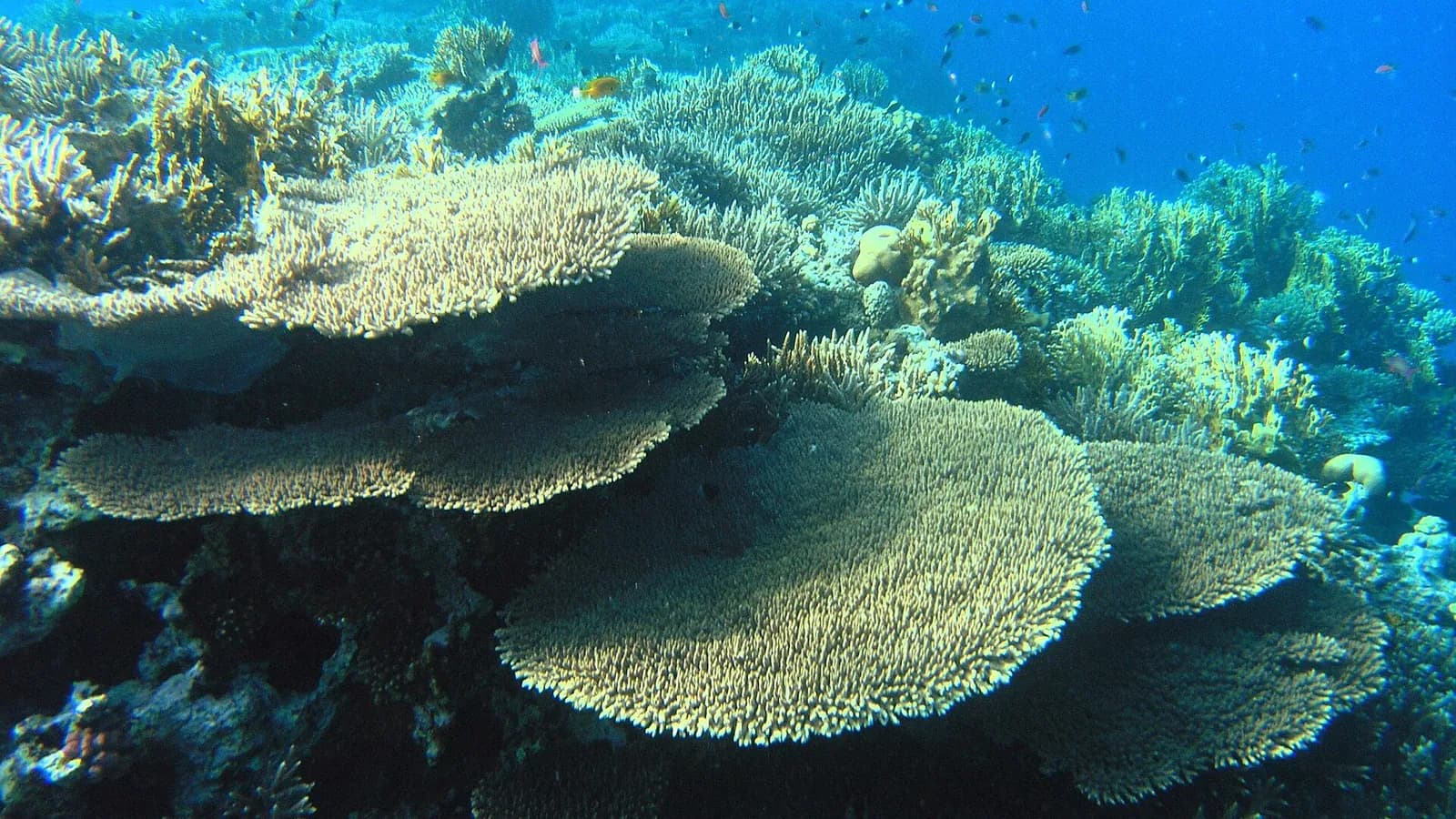
Hurghada Diving (2026): Best Sites, Packages & Prices
Diving in Hurghada — the best reefs (Giftun, Careless Reef, Dolphin House) and Abu Nuhas wrecks, Discover Scuba vs PADI courses, season and water temps, and real 2026 prices.
By TiE Editors7 min read
Hurghada Snorkeling Trips (2026): Best Reefs, Prices & How to Choose
Where to snorkel from Hurghada in 2026 — Orange Bay, Giftun, Mahmya, Utopia and Dolphin House — with boat types, marine life, month-by-month sea temperatures, family tips and real prices from 1,000+ bookable trips.
By TiE Editors7 min read
Egypt Tour Prices by Activity (2026): What Each Type Really Costs
What every type of Egypt experience costs — half day, full day or overnight — as a median and a mid-half range in US dollars, from 12,370 live bookable listings.
By TiE Editors6 min read