 Photo by Diego Delso, via Wikimedia Commons, CC BY-SA 4.0
Egypt vs Tunisia: Which Is Better for You?
Egypt is the bucket-list Pharaonic heavyweight; Tunisia is the quieter, cheaper, easier Roman-ruins-and-Mediterranean-beach alternative. Here's how to pick.
Quick answer: Egypt and Tunisia get compared a lot, and it's easy to see why: both are North African, both are budget-friendly, and both stack ancient ruins, desert and coast into one trip. But treating Tunisia as a discount Egypt misreads what it actually is. Egypt is the bucket-list Pharaonic heavyweight — the Pyramids, Luxor, the Nile — with genuinely no substitute. Tunisia is a different ancient story altogether: Carthaginian and Roman ruins, real Sahara access, and Mediterranean beach resorts, all packed into a smaller, quieter, easier-to-navigate country for less money. This guide makes the honest case for each, compares the costs and logistics, and helps you decide which fits your trip.
The case for Egypt
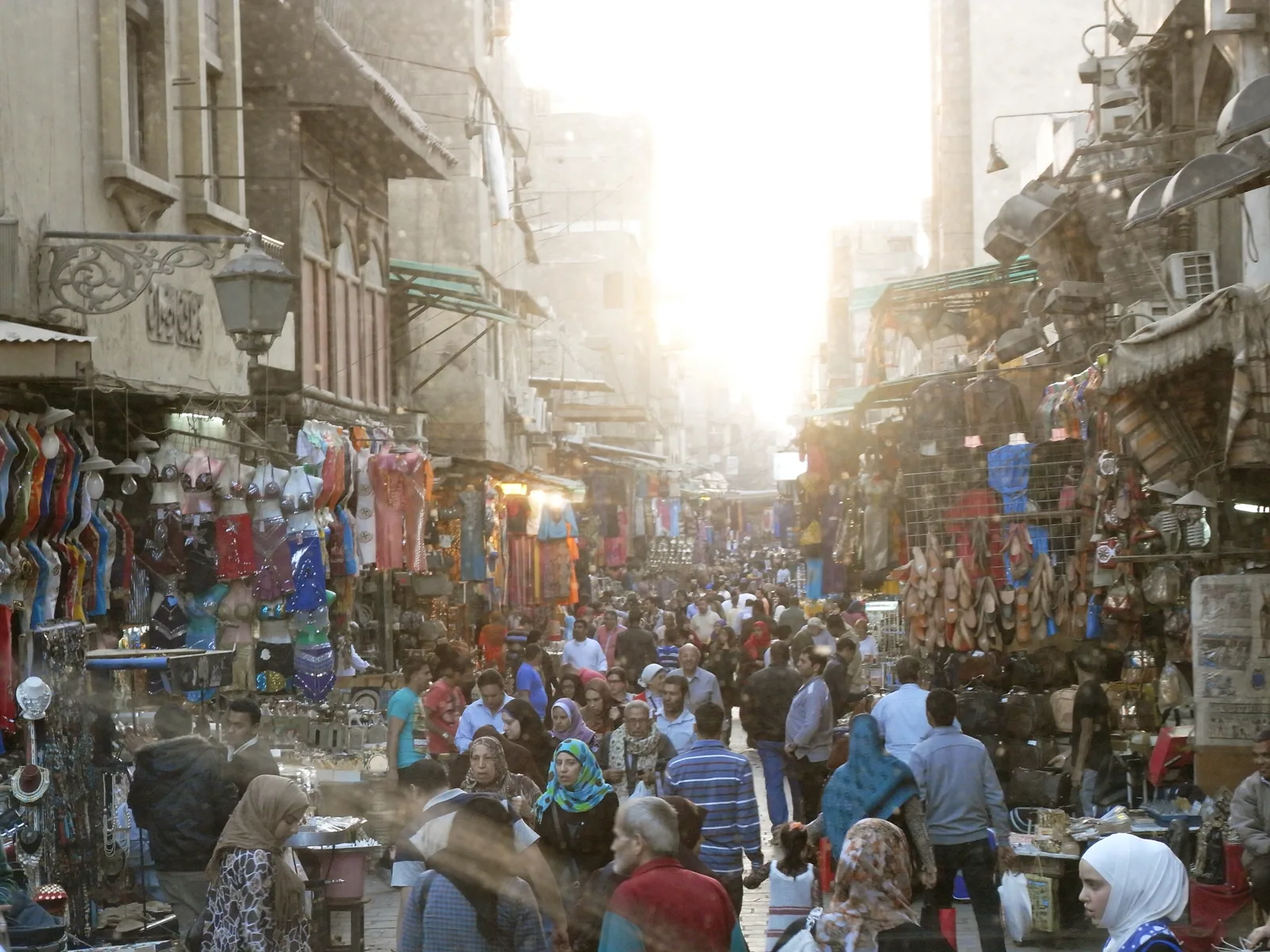
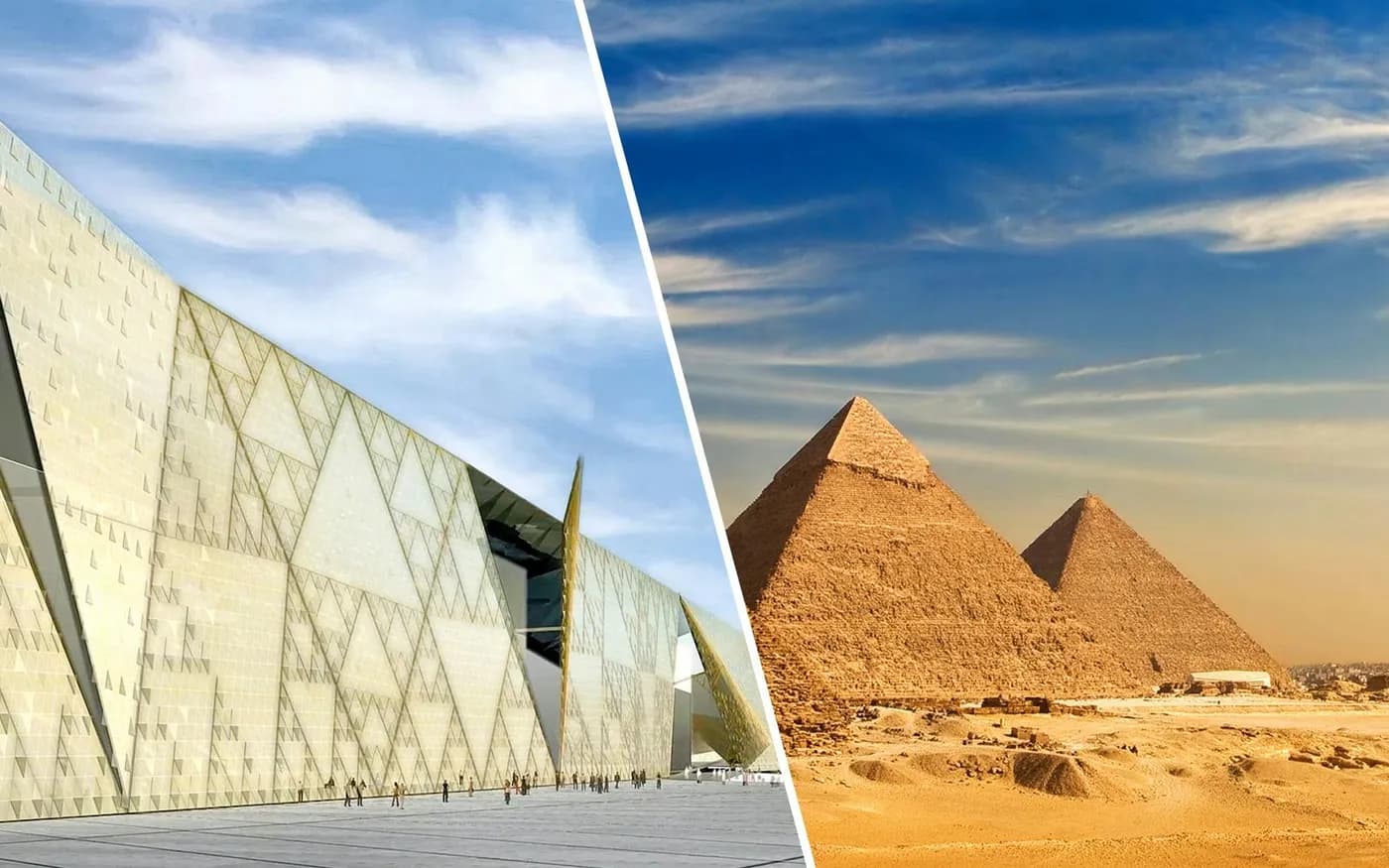
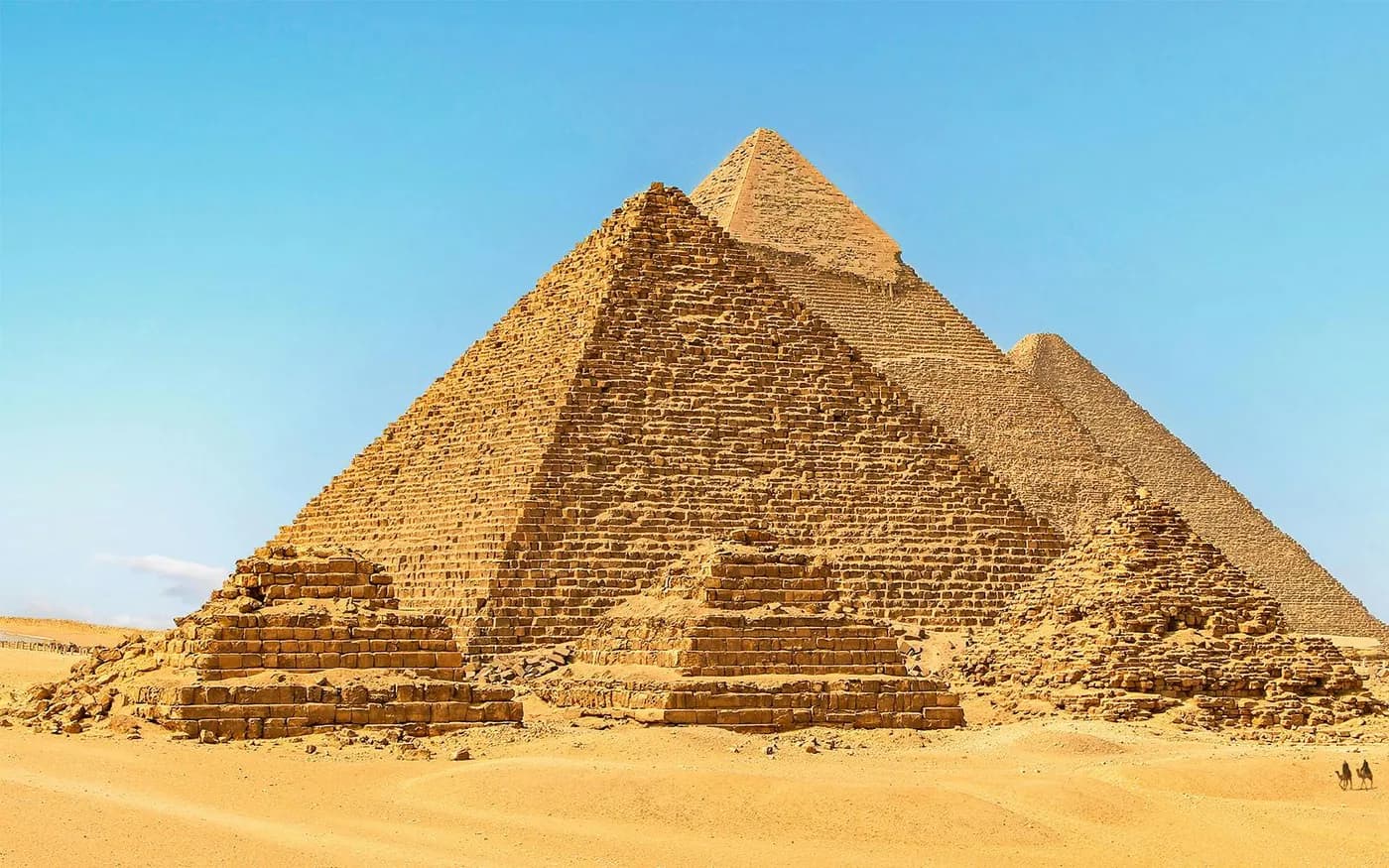
Egypt's headline draws — the Pyramids of Giza, Luxor, Aswan and the Nile — are global bucket-list icons with no real equivalent anywhere. That's the core reason to go, and it's a strong one. The Grand Egyptian Museum fully opened on 1 November 2025 as the world's largest single-civilization museum, holding more than 100,000 artefacts, adding a major new sight beside the pyramids. Beyond the monuments, Egypt also offers Red Sea diving and a full Saharan/desert dimension, so the country layers several trip types on top of its Pharaonic core. The trade-off is that these icons draw heavy tourist volume and usually reward a more structured, guided approach.
The case for Tunisia
Tunisia's appeal is a compact mix of ruins, desert and beach with far less hassle. Its ancient sites are Phoenician and Roman — Carthage dates back to the 9th century BC — and the star attraction is the El Djem amphitheatre, which held around 35,000 spectators and is the third-largest of the entire Roman Empire, after Rome's Colosseum and Capua. Add Sahara gateways like Douz and a string of Mediterranean beach resorts, and you have a full-spectrum trip in a country small enough to cross on short overland hops. It's also cheap: good local meals run about $5–10, budget rooms $20–30, and mid-range hotels roughly $50–70 (as of 2026 — verify).
What a trip actually costs
Both countries are budget-friendly, but Tunisia often edges lower on the ground. Tunisia averages around $137 a day, ranging roughly $82–246 depending on travel style (as of 2026 — verify). Egypt's mid-range sits around $90–180 a day. The headline daily figures are close, but Tunisia's food and lodging tend to be cheaper day to day, which adds up over a longer stay. Neither will break the bank compared with Europe, so cost alone rarely settles the decision — it's more about which kind of ancient world you want to see.
The one unmissable site
Each country has a defining monument. Egypt's is the Pyramids of Giza — the single most recognisable ancient structure on the planet. Tunisia's is the El Djem amphitheatre, built around 238 CE with a capacity near 35,000. El Djem is genuinely spectacular and, arguably, less crowded than anything comparable in Egypt, but it's far less globally famous — which is exactly the point. Egypt sells you world-fame; Tunisia sells you a high-quality site you can often experience with room to breathe.
Different ancient stories
It's worth being clear that these are not the same civilization at different price points. Egypt is Pharaonic. Tunisia is Phoenician/Carthaginian and Roman — a wholly different chapter of the ancient Mediterranean. Choosing Tunisia isn't choosing "less Egypt"; it's choosing Carthage and Rome in Africa instead of the pharaohs. If your dream is specifically pyramids, mummies and hieroglyphs, only Egypt delivers that. If Roman amphitheatres and Phoenician ports excite you just as much, Tunisia is a serious destination in its own right.
Crowds and atmosphere
Egypt's marquee sites draw heavy tourist volume, and you feel it at the big-name monuments. Tunisia is quieter and less touristed overall — even though it hit a record of roughly 10 million arrivals in 2025, most of those are beach and regional visitors, so the major ruins themselves tend to feel calmer. If crowd fatigue is a real concern for you, Tunisia has a clear edge at its headline sites.
Logistics and effort
Egypt typically rewards a guided or Nile-cruise structure to connect Cairo, Luxor and Aswan, and monument areas come with touts and haggling. Tunisia is more compact and comparatively easy — Carthage, El Djem, Douz and the beach resorts are reachable on shorter overland hops, which makes independent travel far more feasible. On visas: Egypt uses an e-visa ($25 single / $60 multi) or visa on arrival ($30 as of 1 March 2026). Tunisia is visa-free for many nationalities (for example, US citizens need no tourist visa for short stays up to 90 days), with a passport valid six-plus months — but verify the rules for your own nationality before you travel.
Safety
Both are generally safe for tourists in 2026 in their core areas. Tunisia has tourist police patrolling resorts and cities, though multiple advisories urge caution near border areas — especially the Libya border — and remote desert regions. Egypt is likewise broadly safe in the core tourist areas that host millions every year, with caution generally reserved for specific remote regions. For both, check your government's current advisory before booking, since the caveats are about particular zones rather than the main sights.
Best season
The two line up well seasonally. Tunisia is at its best in April–June and September–November — warm, dry and uncrowded — while November–March is the cheapest window (prices down 40–60%) with mild sun around 18–23°C; avoid July–August inland, when heat tops 38°C. Egypt's cooler, prime sightseeing window is October–April, with hot but cheaper summers. The spring and autumn shoulder seasons work nicely for either country, so if you're flexible, aim there.
Choose Egypt if… choose Tunisia if…
Choose Egypt if you want the once-in-a-lifetime Pharaonic monuments and a Nile cruise, and you accept bigger crowds and more guided logistics as the price of seeing icons with no substitute. Choose Tunisia if you want impressive Roman ruins, genuine Sahara access and Mediterranean beaches for less money, in a quieter, easier-to-navigate country you can largely handle independently. In short: Egypt for the world-famous wonders, Tunisia for high-quality antiquity with elbow room and lower bills.
Can you combine them?
You can, but it's less natural than pairings like Egypt-plus-Greece or Egypt-plus-Dubai. The two are marketed as alternatives more than as a pair, and there's no short, iconic direct-tour circuit linking them the way there is for the other combinations (unverified — no established combined-tour route turned up in research). They're both North African but not adjacent, so a combined trip means a separate flight, often routed via a hub, rather than an overland or short-hop connection (verify current direct-flight options before planning). If time is tight, it's cleaner to treat them as an either/or decision rather than forcing a two-in-one.
Common misconceptions
A few myths worth correcting. "Tunisia is just a cheaper Egypt" — it's a different ancient civilization (Carthaginian and Roman, not Pharaonic) with its own distinct sites, not a discount version of the same thing. "Tunisia has no world-class ruins" — El Djem is the third-largest Roman amphitheatre anywhere and Carthage is a UNESCO-caliber site; the quality is high, only the fame is lower. "Tunisia is dangerous" — it's generally safe with policed tourist zones, and the real caveat is border and remote-desert areas rather than the main sites. And "Egypt is unsafe" — its core tourist areas host millions every year, with caution reserved for specific remote regions.
What's On in Egypt
Events in Cairo

Egypt Press Photo Exhibition
Tahrir Cultural Center (AUC) · Downtown (Wust El Balad)

Exhibition Open Call
Tahrir Cultural Center (AUC) · Downtown (Wust El Balad)

She Arts Festival 2026: Voices of Peace – A Global Symphony
Tahrir Cultural Center (AUC) · Downtown (Wust El Balad)
A real team available 24/7 to assist you — free
Seif and the team reply on WhatsApp 24/7 — trip questions, custom plans and booking help.
Ask Seif on WhatsAppCommon questions
Is Tunisia just a cheaper version of Egypt?
No. Tunisia showcases a different ancient civilization — Phoenician/Carthaginian and Roman, not Pharaonic — with its own distinct sites like Carthage and the El Djem amphitheatre. It's genuinely cheaper day to day, but it's a different ancient story, not a discount rerun of Egypt.
Which is cheaper, Egypt or Tunisia?
Both are budget-friendly, but Tunisia often edges lower on the ground. Tunisia averages around $137 a day (roughly $82–246 by style), with meals about $5–10 and mid-range hotels $50–70, while Egypt's mid-range runs about $90–180 a day. Tunisia's food and lodging tend to be cheaper day to day (as of 2026 — verify).
What is Tunisia's single most impressive ancient site?
The El Djem amphitheatre, built around 238 CE with a capacity near 35,000 — the third-largest of the entire Roman Empire after Rome's Colosseum and Capua. It's genuinely spectacular and usually far less crowded than Egypt's marquee monuments, just much less globally famous.
Which country is easier to travel independently?
Tunisia. It's compact, and Carthage, El Djem, Douz and the beach resorts are reachable on shorter overland hops, which makes independent travel feasible. Egypt is spread across the country and typically rewards a guided or Nile-cruise structure, with touts and haggling around the monuments.
Are Egypt and Tunisia safe for tourists?
Both are generally safe in their core tourist areas in 2026. Tunisia has tourist police in resorts and cities, with caution urged near border areas (especially the Libya border) and remote desert. Egypt is broadly safe where the millions of annual visitors go, with caution reserved for specific remote regions. Check your government's advisory before booking.
When is the best time to visit Tunisia versus Egypt?
Tunisia is best in April–June and September–November, with November–March cheapest (prices down 40–60%, mild 18–23°C) and July–August too hot inland. Egypt's cooler peak window is October–April, with hot but cheaper summers. Spring and autumn shoulder seasons suit both.
Can I combine Egypt and Tunisia in one trip?
It's possible but less common than Egypt-plus-Greece or Egypt-plus-Dubai. The two are marketed as alternatives, there's no short iconic combined-tour circuit linking them, and since they're not adjacent a combined trip means a separate flight, often via a hub. If time is tight, treat them as an either/or (verify flight options before planning).
Book it on This is Egypt
Turn this guide into a trip
Egypt's bestsellers
The experiences travelers book most, across the country




Keep reading

5-Star vs 4-Star Nile Cruise (2026): What the Rating Really Means
On the Nile, star ratings are issued locally and generously — almost every boat calls itself 5-star. Here is what actually separates the tiers, and how to read past the label to the real price and quality.
By TiE Editors4 min read

Nile Cruise vs Lake Nasser Cruise (2026): Which Should You Choose?
A Nile cruise sails the temple-lined Luxor–Aswan corridor with dozens of boats to choose from; a Lake Nasser cruise is a remote, uncrowded sail to Abu Simbel and the Nubian temples. Here is the honest comparison.
By TiE Editors4 min read

Liveaboard vs Day-Boat Diving in the Red Sea (2026): Which to Choose
A liveaboard reaches the remote reefs and wrecks day boats can't — the Brothers, Daedalus, deep-south Egypt — but a day boat is cheaper, flexible and beginner-friendly. Here's the honest choice.
By TiE Editors4 min read