 Photo by Andrew A. Shenouda from Cairo, Egypt, via Wikimedia Commons, CC BY 2.0
Egipto vs Dubái: cómo elegir
Egipto ofrece 5000 años de monumentos a un coste diario bajo; Dubái ofrece brillo moderno y una logística sencilla para familias. Dos viajes muy distintos que combinan sorprendentemente bien.
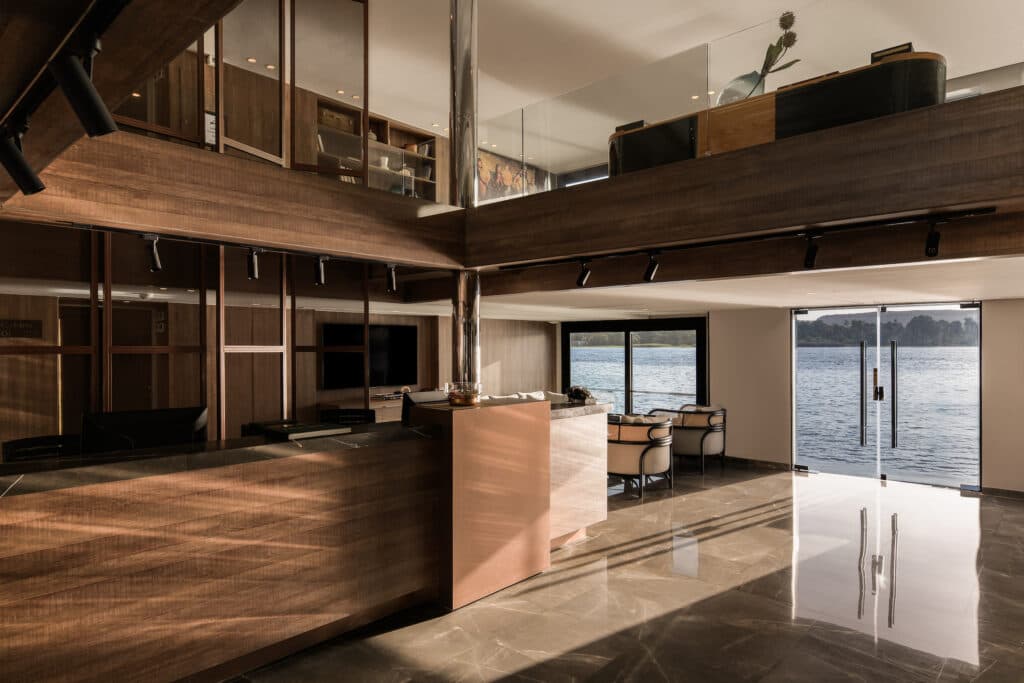
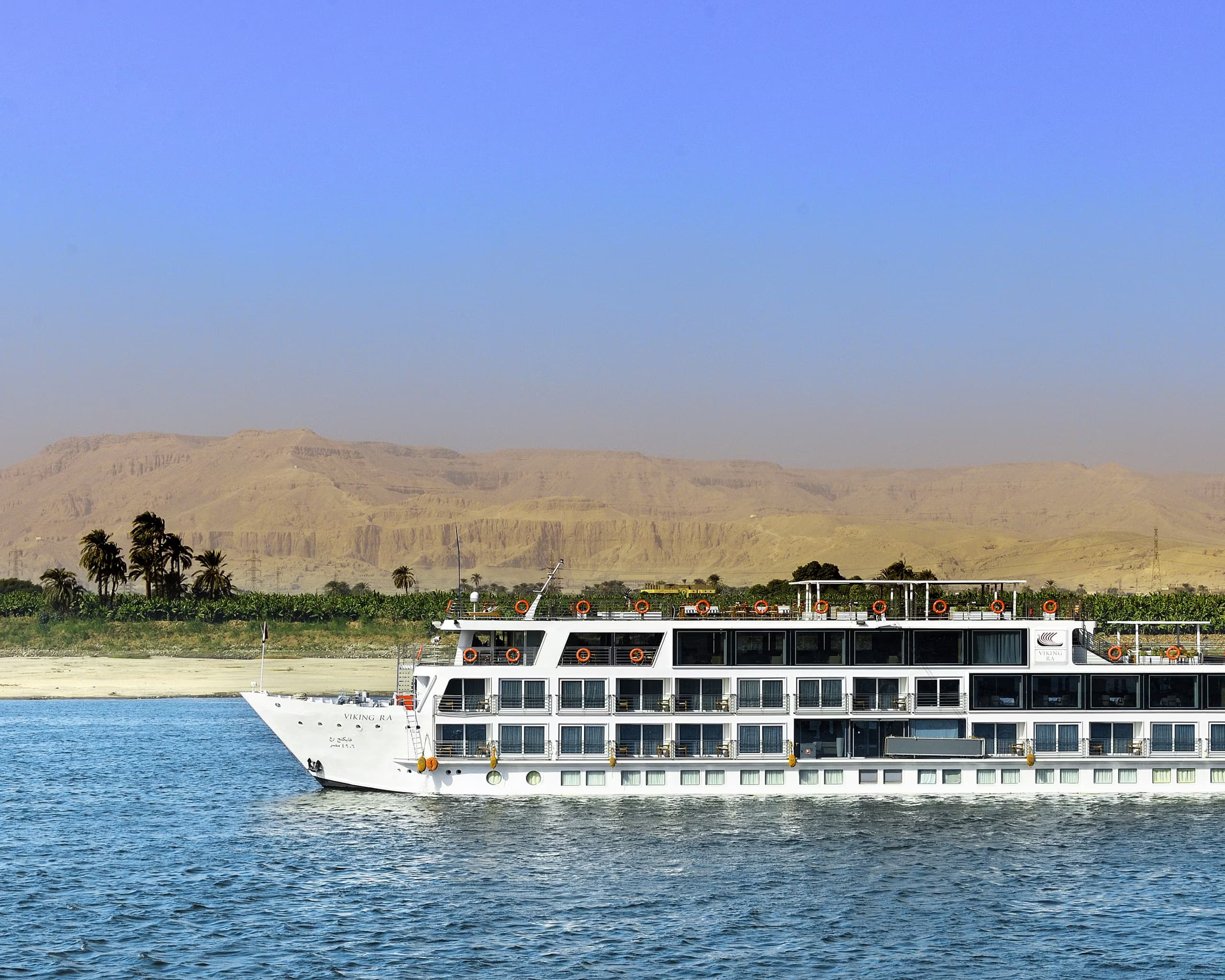
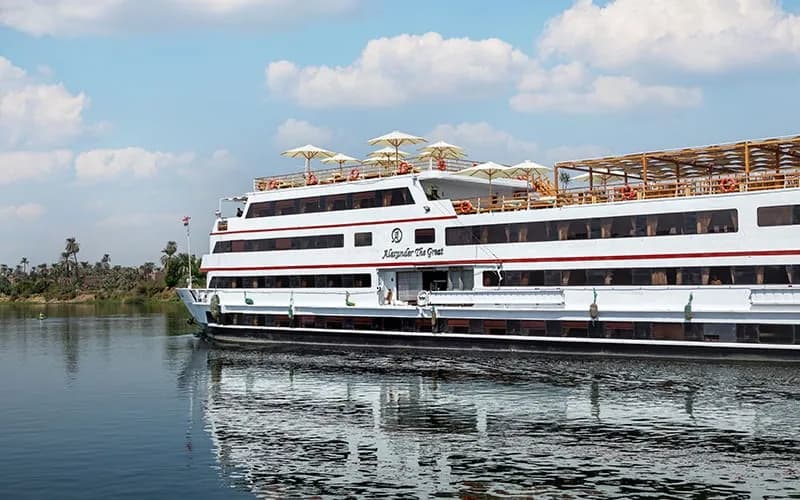
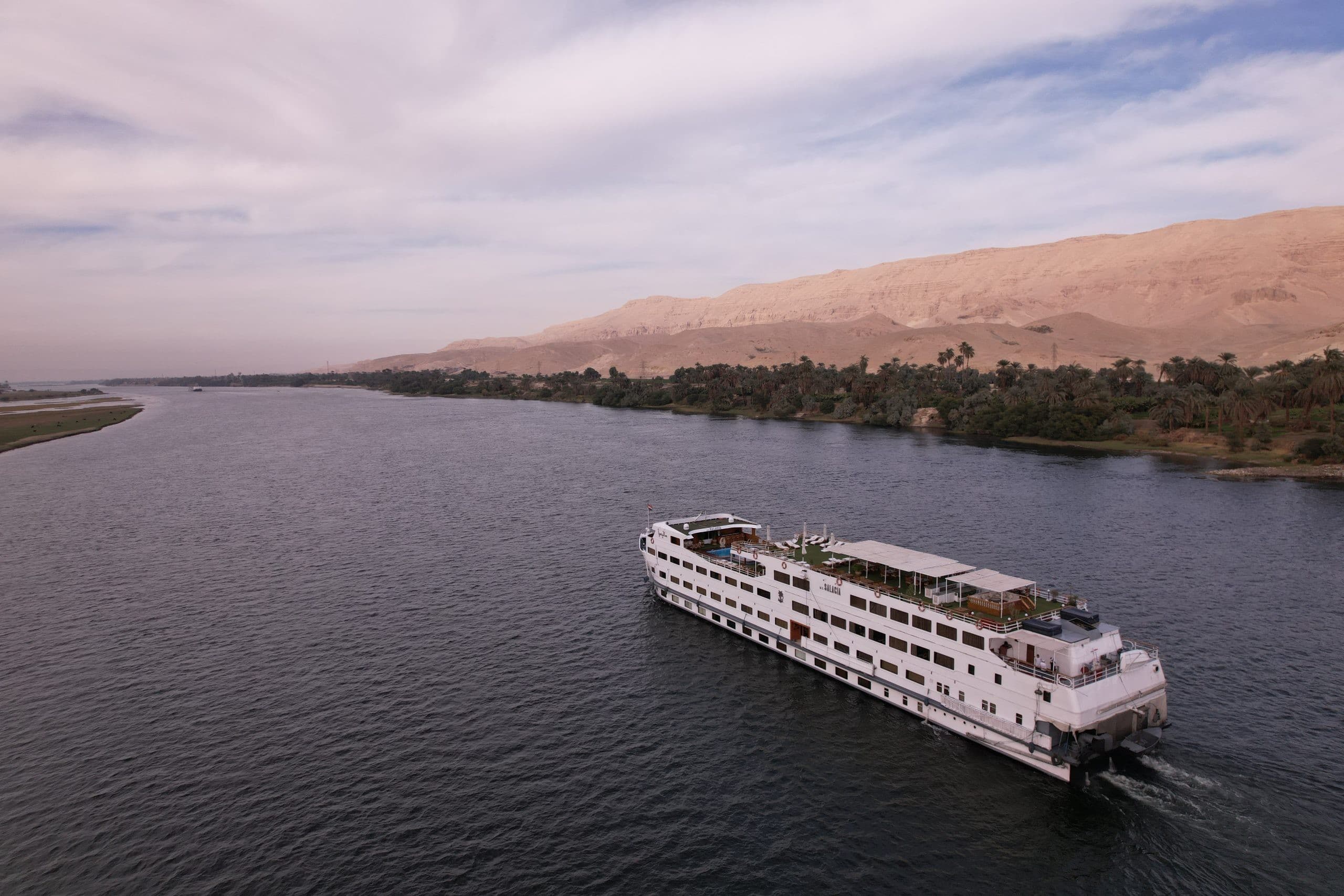
Cruceros por el Nilo y dahabiyas
Convierte esta guía en un viaje
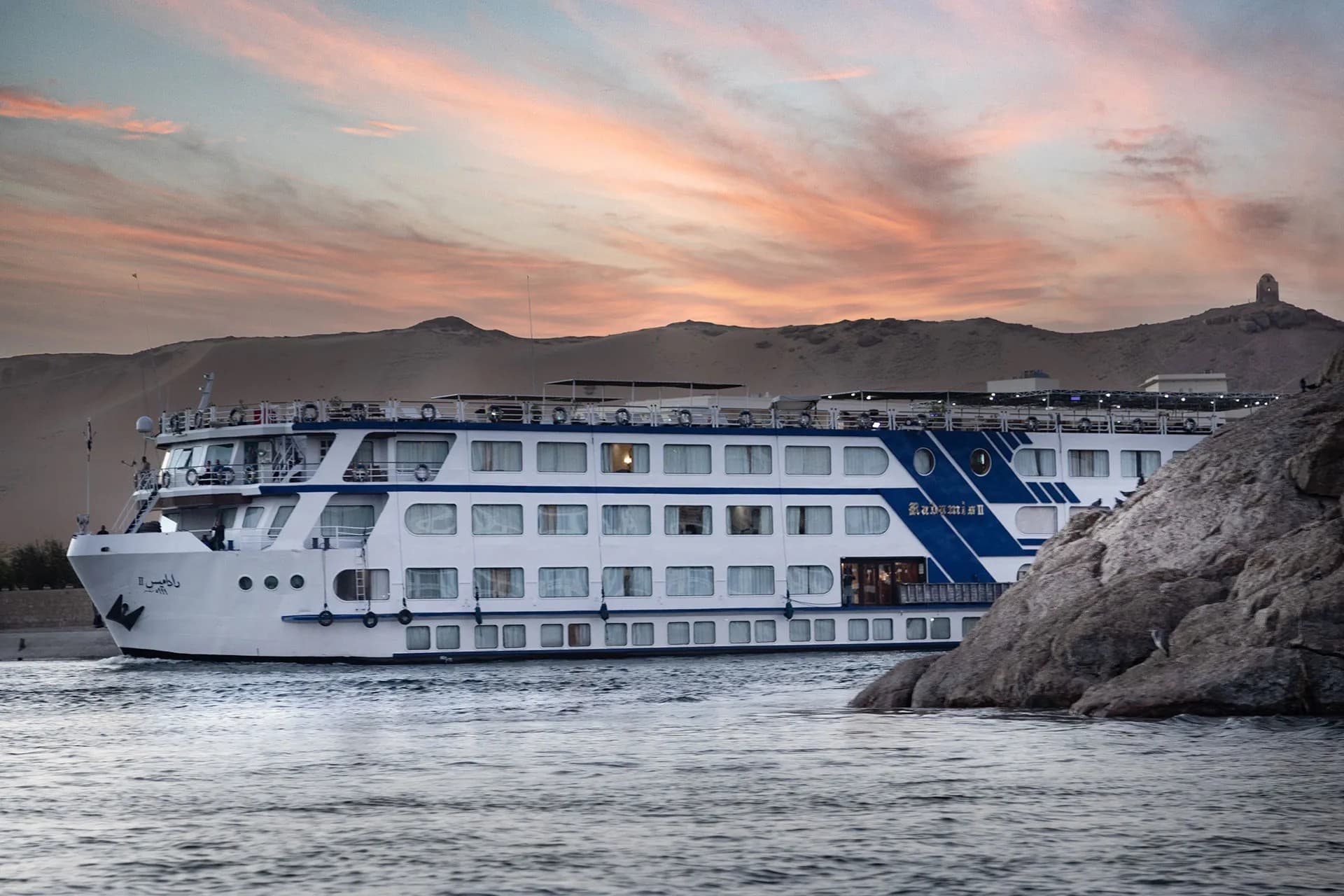
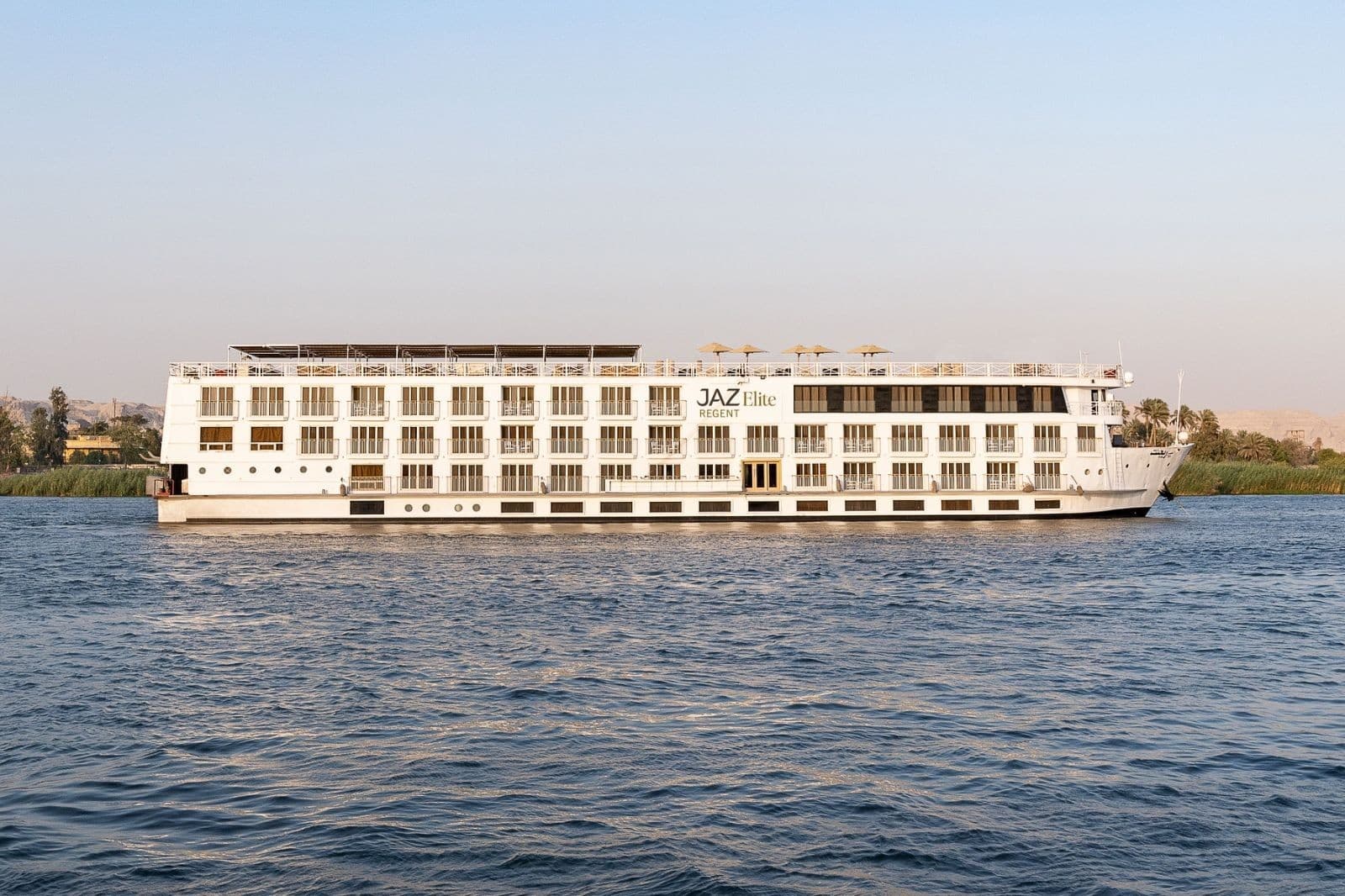
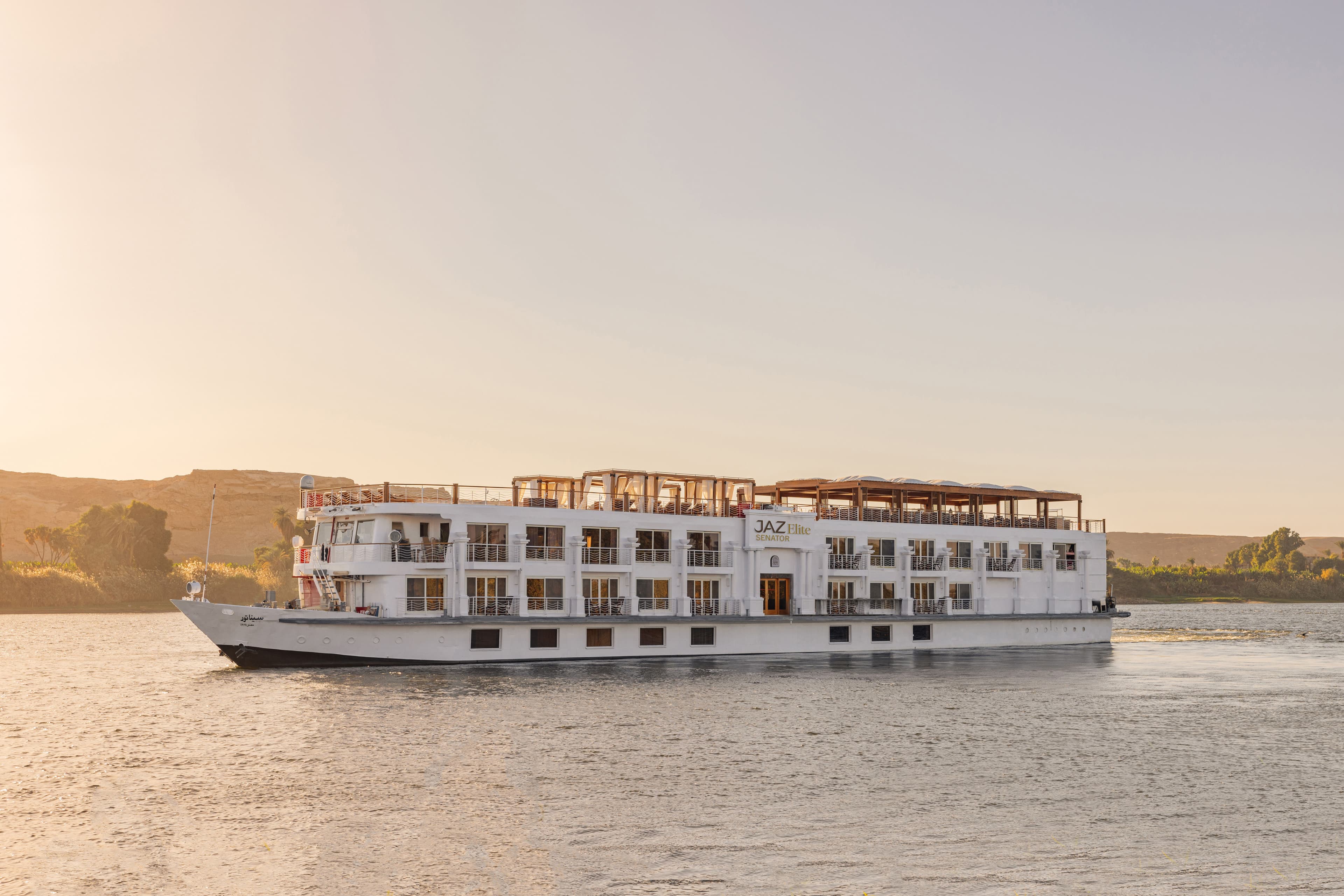
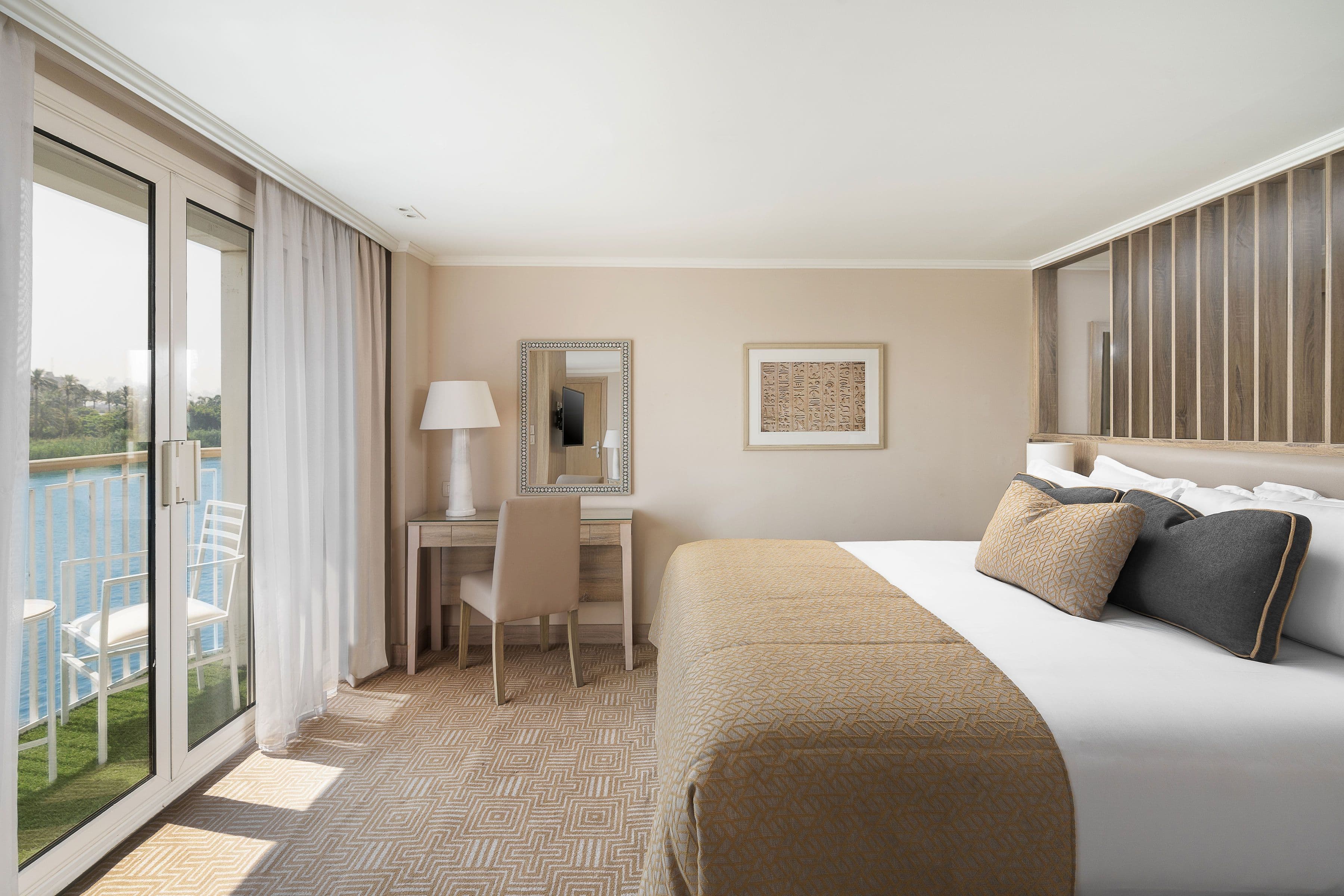
Egipto y Dubái están en los extremos opuestos de la misma región y ofrecen vacaciones casi opuestas. Egipto se basa en la profundidad de la historia antigua a un coste diario bajo: las Pirámides, el Nilo, templos que son anteriores a casi todo lo demás ante lo que te pondrás jamás. Dubái se basa en el brillo moderno, las compras, el espectáculo y una logística sin fricciones, con iconos que apenas tienen una década. Ninguno intenta ser el otro, y precisamente por eso combinan tan bien: están separados por un vuelo de apenas 3,5 horas, y sus temporadas altas se solapan. Esta guía expone el caso honesto de cada uno para que puedas elegir, o planear ambos. Los precios son rangos de 2026 que conviene verificar antes de reservar.
El caso honesto de cada uno
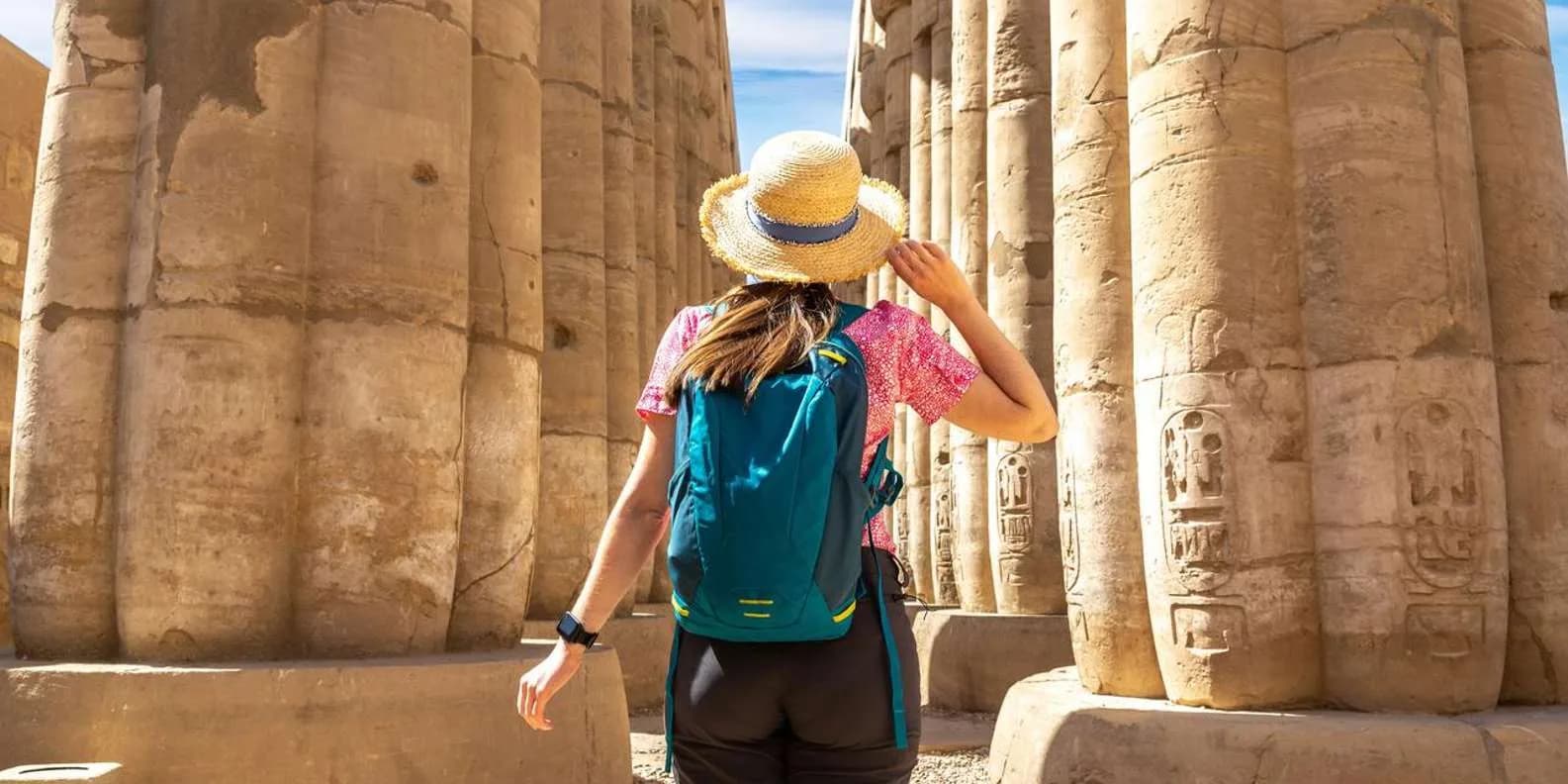
Egipto te conviene si quieres monumentos antiguos, el Nilo y un presupuesto diario bajo. El atractivo principal son 5000 años de historia: las Pirámides de Guiza, el nuevo Gran Museo Egipcio, los templos de Luxor y Asuán, y un crucero por el Nilo que los conecta. También hay costa en el mar Rojo — Hurghada y Sharm el-Sheij — así que puedes combinar cultura con buceo y playa en un mismo país.
Dubái te conviene si quieres confort moderno, compras y un viaje sencillo para familias, sin complicaciones. Sus grandes atractivos son artificiales y recientes: el Burj Khalifa (el edificio más alto del mundo), el Dubai Mall (uno de los más grandes del mundo por superficie total), el Museo del Futuro y los safaris por el desierto. Está pensada para familias y para quienes viajan al extranjero por primera vez, con acuarios, una pista de hielo, parques temáticos y una infraestructura segura, con buena señalización y en inglés. Las dos ciudades son un contraste deliberado entre lo antiguo y lo nuevo.
Coste
Egipto resulta genuinamente barato por día: presupuesto ajustado de unos 35–65 $/persona/día, gama media 90–180 $, y lujo 200–400 $+ (datos de 2026, a verificar). Dubái es viable cerca de los 100 $/día si vas con cuidado, pero sus atracciones y su restauración de lujo tienen precios de Londres o Nueva York, así que el techo es mucho más alto (datos de 2026, a verificar).
Las experiencias distintivas muestran bien la brecha. Un crucero por el Nilo de 3 a 5 noches cuesta aproximadamente 430–650 $/persona en nivel estándar, hasta 960–1620 $ en una dahabiya de lujo (datos de 2026, a verificar). Un safari por el desierto en Dubái con dune bashing y cena barbacoa cuesta unos 150–300 AED (~41–82 $). Dubái también ofrece un espectáculo genuinamente gratuito: el show coreografiado de la Fuente de Dubái se representa cada media hora desde las 18:00 a los pies del Burj Khalifa sin coste alguno, y puedes combinarlo con comidas económicas en el rango de 30–60 AED si quieres mantener barato un día. El patrón es que la relación cultura-precio de Egipto es muy alta —pagas cantidades modestas por estar dentro de maravillas genuinamente antiguas— mientras que la factura de Dubái depende casi por completo de cuántas atracciones y hoteles premium elijas. Dos viajeros pueden gastar cantidades muy distintas en Dubái según suban o no al mirador del Burj Khalifa y coman en restaurantes de renombre, o se limiten al metro, el centro comercial y la fuente gratuita.
Atracciones y experiencias destacadas
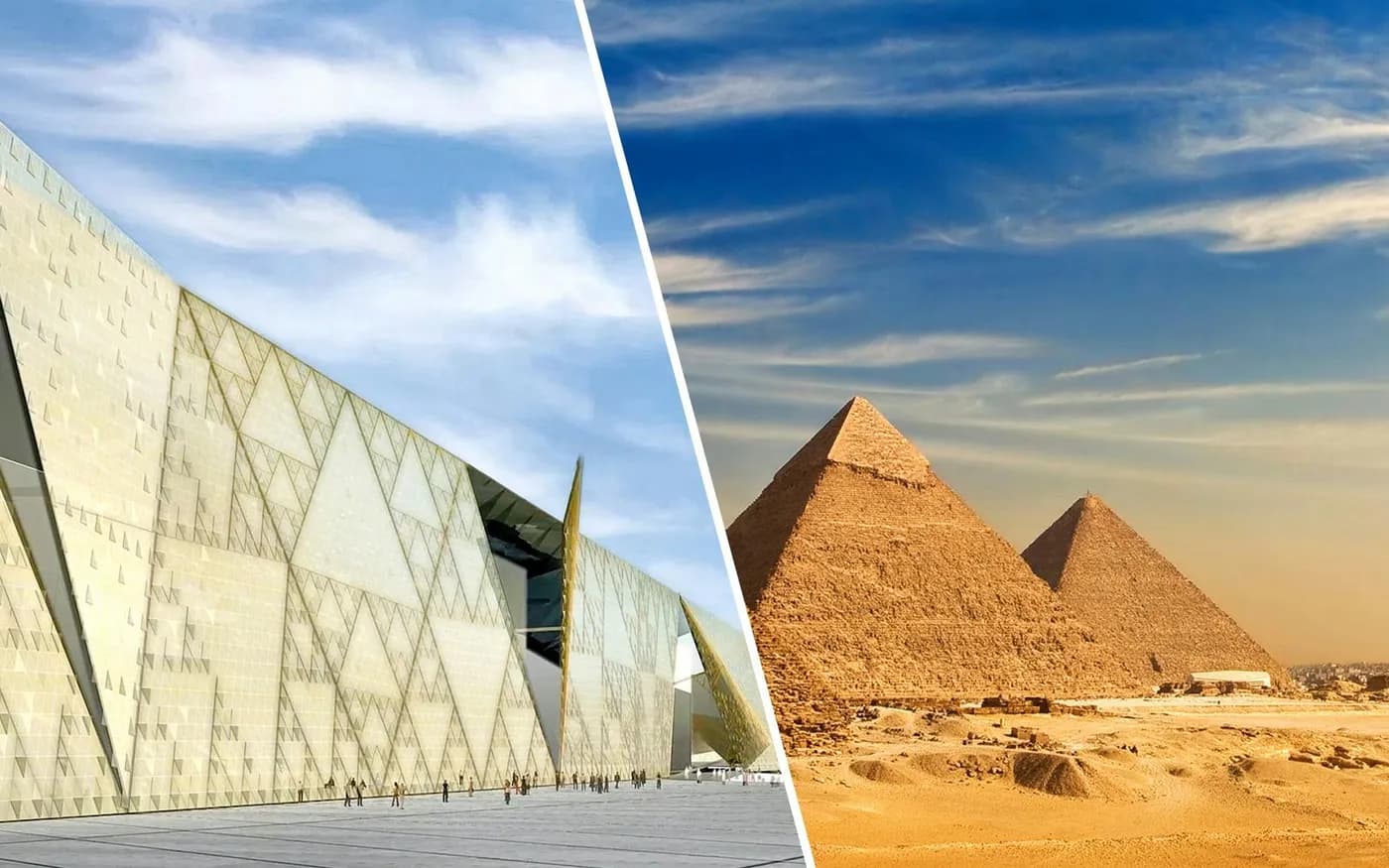
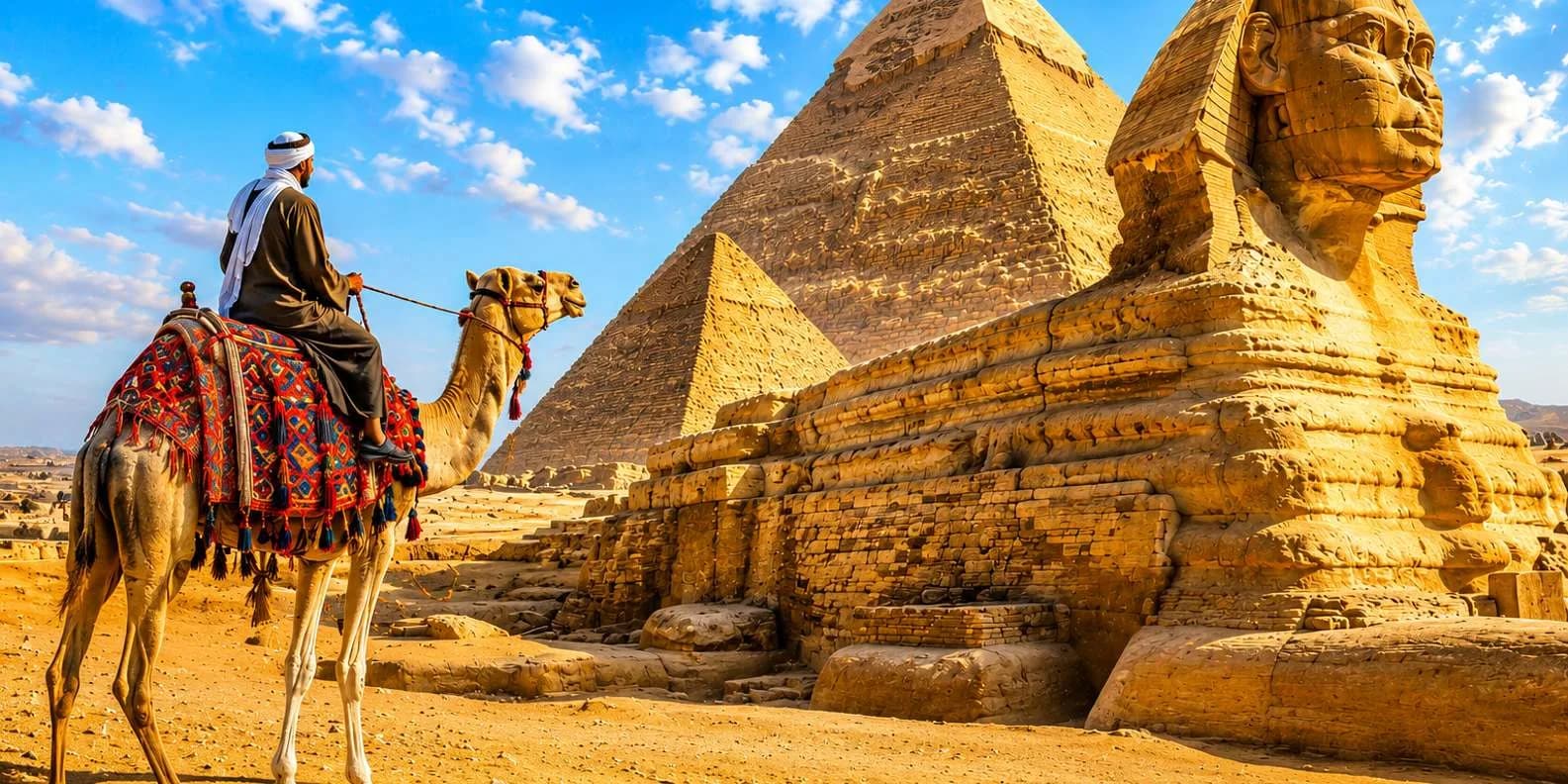
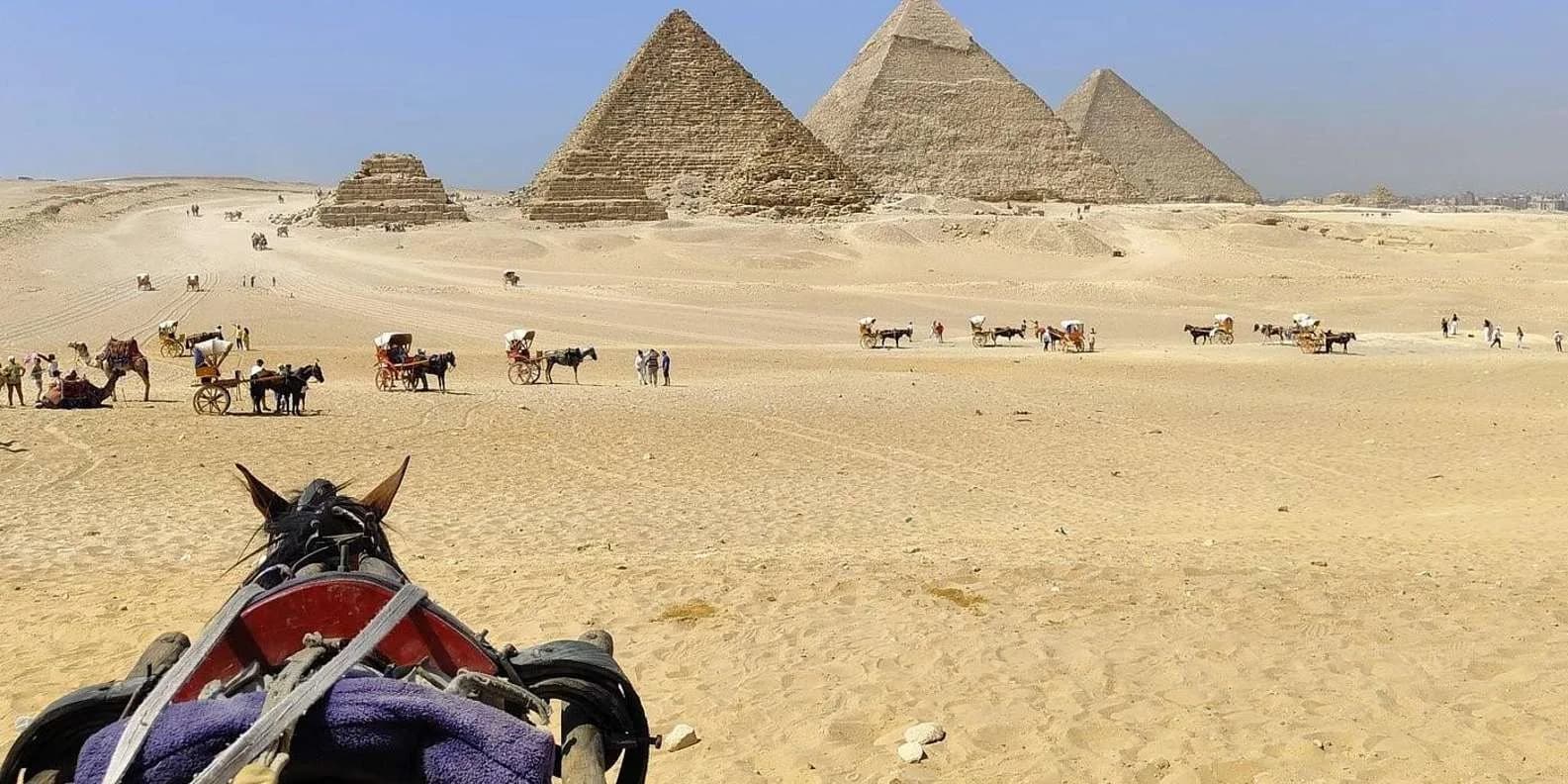
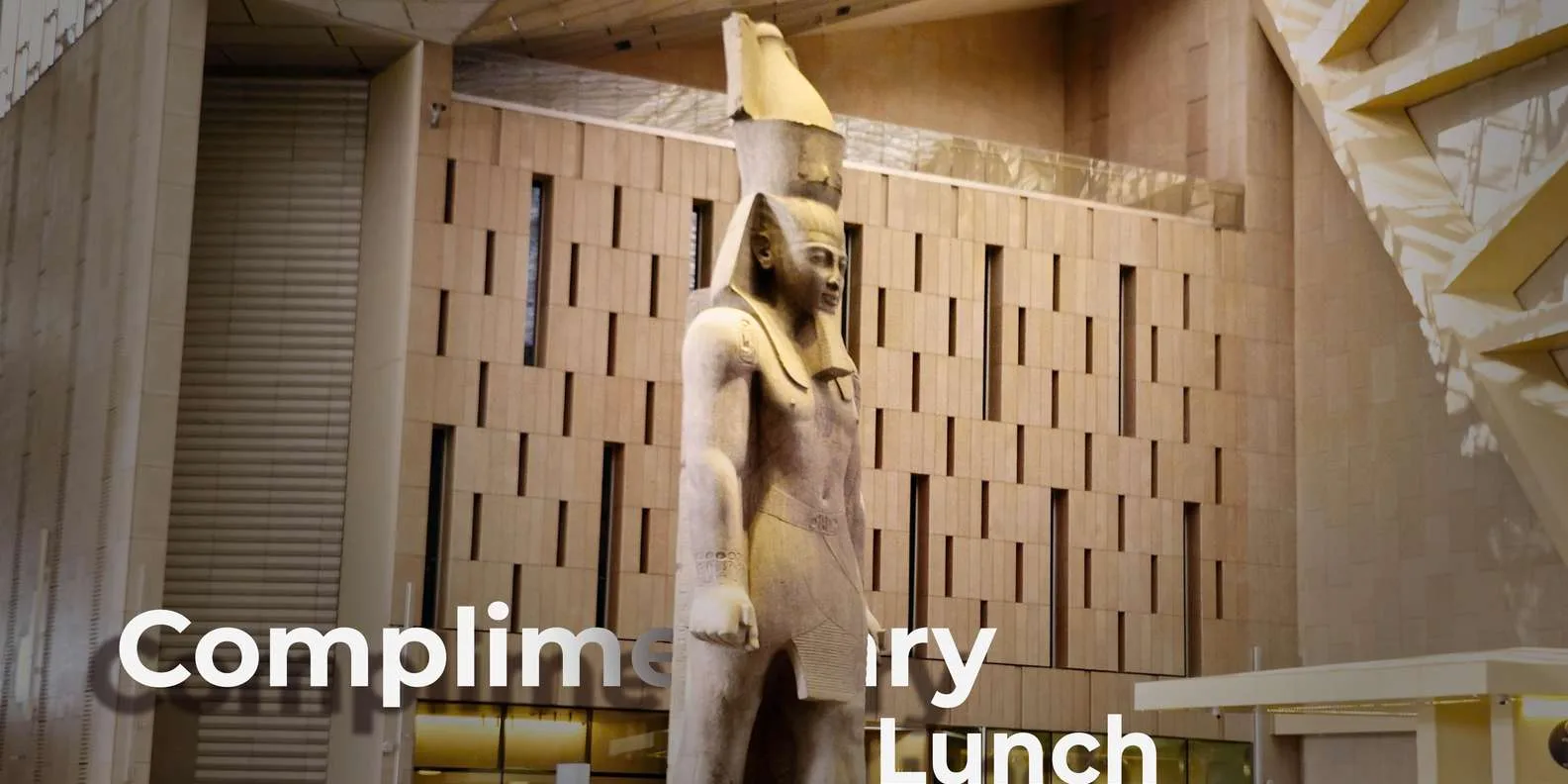
Los iconos de Egipto tienen unos 4500 años. El Gran Museo Egipcio, cerca de Guiza, abrió por completo el 1 de noviembre de 2025 y ahora es el museo más grande del mundo dedicado a una sola civilización, con más de 100 000 piezas — un motivo genuinamente nuevo para ir, incluso para quienes ya han estado antes. Suma las Pirámides y la Esfinge, los templos de Luxor y Asuán, un crucero por el Nilo y el buceo en el mar Rojo, y el viaje se construye en torno a la maravilla a gran escala y con el peso de los siglos.
El asombro de Dubái es moderno y cuidado: el Burj Khalifa se inauguró en 2010, el Dubai Mall es el eje de las compras y el entretenimiento, el Museo del Futuro añade espectáculo de diseño, y los safaris por el desierto aportan el gran momento al aire libre. Es una ciudad que diseña sus atracciones en lugar de heredarlas, y lo hace con verdadera pulcritud.
Esfuerzo y logística
Egipto premia a quien contrata un guía o un tour. Los lugares están repartidos entre El Cairo, Luxor y Asuán, con vuelos internos o el crucero por el Nilo como tejido conector, y los vendedores insistentes y el regateo en los monumentos añaden fricción. Es un viaje más rico en proporción al esfuerzo, pero sigue siendo esfuerzo, y la mayoría de quienes viajan por primera vez prefieren dejar la ruta y el regateo en manos de un operador antes que improvisar por su cuenta. Dubái es esencialmente un viaje que uno mismo gestiona en metro: compacta, ordenada y de bajo esfuerzo, con un metro limpio (3–8 AED por trayecto), taxis abundantes y un gran aeropuerto internacional que la hace fácil de alcanzar y de añadir al itinerario. Es el viaje más sencillo de hacer por libre, sobre todo con niños, y rara vez se necesita un guía para entenderla.
En cuanto a visados, Egipto ofrece un e-visado (25 $ de entrada única / 60 $ múltiple) o visado a la llegada, que subió a 30 $ desde el 1 de marzo de 2026. Los Emiratos Árabes Unidos conceden sellos de visado a la llegada gratuitos y válidos 30 días a titulares de pasaporte de más de 80 países. Comprueba ambos según tu nacionalidad antes de viajar.
Seguridad
Ambos destinos se consideran seguros para el turismo convencional. Egipto recibe millones de visitantes al año, aunque algunos gobiernos señalan precaución cerca de regiones fronterizas y desérticas remotas, no en el itinerario habitual — consulta la recomendación actual de tu propio gobierno. Dubái está ampliamente considerada una de las grandes ciudades turísticas con menor criminalidad. Lo principal que hay que interiorizar allí es que las leyes locales sobre alcohol, vestimenta y conducta pública son más estrictas que muchas normas occidentales; trátalo como una cuestión de etiqueta a respetar y no como un peligro de seguridad, y confirma las normas de conducta vigentes en los EAU antes de viajar.
Mejor época
Las dos encajan bien. Egipto está en su mejor momento de octubre a abril, la ventana más fresca y cara para hacer turismo, con veranos calurosos pero más baratos. La ventana agradable de Dubái va aproximadamente de noviembre a marzo, con una primavera (marzo-mayo) de unos 24–32 °C de media y un verano extremadamente caluroso. Como ambas temporadas altas caen aproximadamente entre noviembre y marzo, combinarlas en un único viaje de invierno resulta sencillo — uno de los argumentos prácticos más sólidos para hacer ambos en lugar de elegir.
Elige Egipto si… / Elige Dubái si…
Elige Egipto si te importa la historia antigua y los monumentos, quieres una relación cultura-precio muy alta, y no te importa algo de esfuerzo logístico y regateo por el camino. Es el viaje de la sustancia y la escala por encima de la comodidad.
Elige Dubái si quieres un viaje pulido, apto para familias y de bajo esfuerzo, construido en torno a las compras, la gastronomía, los parques temáticos y el espectáculo moderno — y no te importa pagar más por las atracciones. Es el viaje de la facilidad y el brillo por encima de la profundidad.
¿Se pueden combinar?
Sí, y es una combinación habitual en paquetes. De El Cairo a Dubái hay un salto corto, aproximadamente un vuelo directo de 3,5 horas. Una estructura natural es El Cairo más un crucero por el Nilo primero para la cultura, y después Dubái para relajarse con comodidad — y como sus temporadas altas coinciden, un solo viaje de invierno cubre ambos sin luchar contra el clima en ninguno de los dos.
Ideas equivocadas comunes
«Egipto no es seguro.» Las zonas turísticas habituales reciben millones de visitantes al año; la precaución suele referirse a regiones remotas concretas, no al itinerario principal. Consulta la recomendación de tu propio gobierno.
«Dubái es solo para superricos.» El metro, las comidas económicas (30–60 AED) y atracciones gratuitas como la Fuente de Dubái hacen posible un viaje moderado; son las atracciones y hoteles premium los que disparan la factura.
«Dubái no tiene cultura ni historia real.» Sí tiene barrios con patrimonio y museos, pero su atractivo es abrumadoramente moderno y cuidado — fija expectativas de espectáculo más que de profundidad antigua, y no la reserves esperando el tipo de historia que ofrece Egipto. Si lo que buscas es la antigüedad, esa es la señal más clara para inclinar el viaje hacia Egipto, o para hacer ambos.
Qué hacer en Egipto
Eventos en Cairo

Egypt Press Photo Exhibition
Tahrir Cultural Center (AUC) · Downtown (Wust El Balad)

Exhibition Open Call
Tahrir Cultural Center (AUC) · Downtown (Wust El Balad)

Mental Health Week 2026
Tahrir Cultural Center (AUC) · Downtown (Wust El Balad)

Habla con una persona real — gratis
Seif y el equipo responden por WhatsApp 24/7 — dudas del viaje, planes a medida y ayuda con la reserva.
Pregunta a Seif por WhatsAppPreguntas frecuentes
¿Es más barato Egipto o Dubái?
Egipto es más barato por día: presupuesto ajustado de unos 35–65 $/persona/día, gama media 90–180 $, lujo 200–400 $+ (datos de 2026, a verificar). Dubái es viable cerca de los 100 $/día si vas con cuidado, pero sus atracciones y su restauración de lujo tienen precios de Londres o Nueva York, así que el techo es mucho más alto.
¿Cuál es mejor para familias y para quienes viajan por primera vez?
Dubái. Está pensada para familias y para quienes viajan al extranjero por primera vez, con acuarios, una pista de hielo, parques temáticos y una infraestructura segura, con buena señalización y en inglés. Es compacta, ordenada y fácil de recorrer en metro, lo que la convierte en el viaje más sencillo de hacer por libre.
¿Cuál es la experiencia distintiva de cada destino?
En Egipto es el crucero por el Nilo, unos 430–650 $/persona por 3 a 5 noches en nivel estándar, hasta 960–1620 $ por una dahabiya de lujo. En Dubái es el safari por el desierto con dune bashing y cena barbacoa, unos 150–300 AED (~41–82 $). Dubái también ofrece gratis el show de la Fuente de Dubái cada media hora desde las 18:00 (todo a fecha de 2026, a verificar).
¿Qué antigüedad tienen las principales atracciones de cada destino?
Los iconos de Egipto tienen unos 4500 años, y el Gran Museo Egipcio, cerca de Guiza, abrió por completo el 1 de noviembre de 2025 como el museo más grande del mundo dedicado a una sola civilización. El Burj Khalifa de Dubái se inauguró en 2010 — un contraste deliberado entre monumentos antiguos heredados y espectáculo moderno diseñado.
¿Necesito visado para Egipto o para Dubái?
Egipto ofrece un e-visado (25 $ de entrada única / 60 $ múltiple) o visado a la llegada, que subió a 30 $ desde el 1 de marzo de 2026. Los Emiratos Árabes Unidos conceden sellos de visado a la llegada gratuitos y válidos 30 días a titulares de pasaporte de más de 80 países. Comprueba los requisitos para tu nacionalidad antes de viajar.
¿Cuándo es la mejor época para visitarlos?
Las dos se solapan. Egipto está en su mejor momento de octubre a abril, más fresco para hacer turismo y más caro, con veranos calurosos pero más baratos. La ventana agradable de Dubái va aproximadamente de noviembre a marzo, y el verano es extremadamente caluroso. Como ambas temporadas altas caen en invierno, combinarlas en un solo viaje resulta sencillo.
¿Puedo combinar Egipto y Dubái en un solo viaje?
Sí, y es una combinación habitual en paquetes. De El Cairo a Dubái hay aproximadamente un vuelo directo de 3,5 horas. Una estructura natural es El Cairo más un crucero por el Nilo primero para la cultura, y después Dubái para relajarse con comodidad, con las temporadas altas de invierno alineadas, lo que facilita planear un solo viaje.
Resérvalo en This is Egypt
Convierte esta guía en un viaje





Los más vendidos de Egipto
Las experiencias más reservadas en todo el país





Sigue leyendo

Crucero por el Nilo de 5 o 4 estrellas (2026): qué significa realmente la categoría
En el Nilo las estrellas se conceden a nivel local y con generosidad: casi todos los barcos se anuncian como 5 estrellas. Le explicamos qué diferencia de verdad cada categoría y cómo mirar más allá de la etiqueta para ver el precio y la calidad reales.
Por TiE Editors4 min de lectura

Crucero por el Nilo o por el lago Nasser (2026): ¿cuál elegir?
Un crucero por el Nilo recorre el tramo Luxor–Asuán, jalonado de templos, con decenas de barcos entre los que elegir; un crucero por el lago Nasser es una navegación remota y sin aglomeraciones hasta Abu Simbel y los templos nubios. Aquí tiene una comparación honesta.
Por TiE Editors4 min de lectura

Liveaboard vs Day-Boat Diving in the Red Sea (2026): Which to Choose
A liveaboard reaches the remote reefs and wrecks day boats can't — the Brothers, Daedalus, deep-south Egypt — but a day boat is cheaper, flexible and beginner-friendly. Here's the honest choice.
Por TiE Editors4 min de lectura