قواعد التصوير والطائرات بدون طيار في مصر (2026): ما المسموح به فعلاً
رسوم الكاميرا في المقابر، وحظر الحوامل ثلاثية الأرجل، ولماذا تُعدّ الطائرات بدون طيار ممنوعة عملياً ويتم مصادرتها في الجمارك، إضافةً إلى تصوير الناس والمناطق العسكرية المحظورة، وأين تلتقط أفضل اللقطات.
التصوير في مصر سهل ومُجزٍ في معظمه: الهواتف والكاميرات المحمولة باليد مسموح بها في كل موقع تقريباً. لكن هناك أمرين يوقعان المسافرين في الحيرة. أولاً، كثير من المقابر والمتاحف تفرض تصريح تصوير منفصلاً أو تمنع الكاميرات في الداخل لحماية الفن الهش، فإما أن تشتري التصريح أو تُبعد الكاميرا. ثانياً، الطائرات بدون طيار ممنوعة فعلياً على السياح، إذ تُصادَر روتينياً في المطار عند الوصول، وتحليقها دون تصاريح يكاد يكون الحصول عليها مستحيلاً يعرّضك لعقوبات جسيمة. اترك الطائرة بدون طيار في بيتك.
إليك بالضبط كيف يسير الأمر حتى لا تخسر لقطة أو كاميرا أو ما هو أسوأ.
رسوم الكاميرا والتصوير في المواقع
عبر المواقع المصرية، النمط في 2026 ثابت: التصوير بالهاتف مجاني بوجه عام، لكن الكاميرا الاحترافية (DSLR/mirrorless) كثيراً ما تحتاج إلى تصريح تصوير مدفوع، وبعض الأماكن الداخلية تمنع التصوير تماماً.
| الحالة | القاعدة المعتادة في 2026 |
|---|---|
| صور الهاتف في المواقع المفتوحة (الأهرامات، الكرنك، المعابد) | مجانية غالباً |
| كاميرا "احترافية" DSLR/mirrorless | كثيراً ما تحتاج تصريح تصوير مدفوع |
| داخل مقابر وادي الملوك | التصوير بالهاتف مسموح في معظم المقابر المفتوحة؛ كاميرا DSLR تحتاج تصريح تصوير بنحو 300 EGP (لمقابر محدودة)؛ تصوير مقبرة الملك توت منفصل/مقيّد |
| داخل المتحف المصري والمتحف المصري الكبير (GEM) | قد تُطبَّق تذكرة تصوير أو رسوم كاميرا؛ بعض القاعات تمنع التصوير |
| مقابر بعينها ذات ألوان هشة (مثل نفرتاري) | التصوير غالباً ممنوع أو مقيّد بشدة حتى مع وجود تصريح |
نقاط عملية أساسية:
- اشترِ تصريح التصوير عند المدخل حين تشتري تذكرتك العادية. عادةً لا يمكنك شراؤه بعد دخولك.
- التمييز عادةً يكون بين الهاتف والكاميرا "الاحترافية" (DSLR/mirrorless بعدسة كبيرة). قد يسمح الحراس بمرور الهاتف لكنهم يوقفون الكاميرا الكبيرة دون تصريح.
الفلاش والحوامل ثلاثية الأرجل والتطبيق
هناك بضع قواعد تنطبق في كل مكان تقريباً، وارتكاب الخطأ فيها قد يكلّفك كاميرتك لبقية اليوم:
- الفلاش ممنوع في الداخل دائماً تقريباً؛ فالضوء يُتلف الأصباغ القديمة. أطفئه قبل الدخول.
- الحوامل ثلاثية الأرجل ممنوعة على نطاق واسع في المواقع المزدحمة، بما فيها وادي الملوك، جزئياً لحماية الفن وجزئياً لإبقاء الزحام متحركاً. افترض أنه لا حامل ثلاثي إلا إن رتّبت تصريحاً. الحامل أحادي الأرجل أو وسادة صغيرة (beanbag) خيار أفضل، لكن حتى هذه قد تُرفض.
- القواعد والأسعار تتغيّر والتطبيق يتفاوت بين حارس وآخر. إن كنت في شك، اسأل في مكتب التذاكر واشترِ التصريح؛ فالضبط أثناء التصوير دون تصريح قد يعني مصادرة كاميرتك وحجزها في كشك التصوير بالموقع حتى مغادرتك.
بالنسبة لأبرز المواقع، يغطي دليل أهرامات الجيزة ودليل وادي الملوك التذاكر وما بالداخل، حتى تخطط للقطاتك وفق القواعد.
الطائرات بدون طيار: ممنوعة عملياً، وتُصادَر في الجمارك
هذه هي المسألة الكبرى. لا تُحضر طائرة بدون طيار إلى مصر كسائح.
مصر تقيّد الطائرات بدون طيار بشدة. تحليقها بشكل قانوني يتطلب إذناً مسبقاً من الهيئة العامة للطيران المدني المصري ووزارة الدفاع معاً، وهي موافقات يكاد يستحيل عملياً على الزائر الحصول عليها. تعامل مصر الطائرات بدون طيار كأداة أمنية، وخلافاً لدول كثيرة يكون فيها التحليق غير المصرّح به وحده جريمة، تُجرّم مصر الاستيراد والحيازة أيضاً.
ما يحدث فعلاً على أرض الواقع:
- تصادر الجمارك الطائرات بدون طيار روتينياً عند الوصول في مطارات القاهرة والغردقة وشرم الشيخ، سواء صرّحت بها أم لا. عادةً يصدر الموظفون إيصالاً، ويخزّنون الطائرة، ويعيدونها عند مغادرتك البلاد (أحياناً برسم تخزين بسيط).
- محاولة تهريب واحدة والضبط بها، أو تحليقها فعلاً دون تصريح، يعرّضك لما هو أسوأ بكثير: تتراوح العقوبات — بحسب التقارير — إلى سنوات سجن وغرامات كبيرة (آلاف إلى عشرات آلاف EGP).
- لن تحلّق طائرة بدون طيار فوق الأهرامات أو المعابد. اللقطات الجوية التي تراها تُصنع بتصاريح خاصة من قِبل أطقم إنتاج، لا سياح.
أبسط خطة وأكثرها أماناً: اترك الطائرة بدون طيار في بيتك. وإن كانت لقطة جوية ضرورية لمشروع احترافي، فهذا يجب ترتيبه عبر منسّق محلي مرخّص مع تأمين التصاريح مسبقاً بوقت كافٍ، لا محاولته على تأشيرة سياحية.
تصوير الناس
استأذن دائماً قبل تصوير شخص عن قرب — صاحب متجر، مراكبي، شخص بزيّ تقليدي. كثيرون سيوافقون بسرور؛ وبعضهم قد يطلب بقشيشاً بسيطاً في المقابل، وهذا أمر معتاد، فاتفق على المبلغ أولاً أو امضِ بأدب. كن محترماً بوجه خاص عند تصوير النساء، ولا تصوّر داخل المساجد أثناء الصلاة دون إذن. يغطي دليل الثقافة والعادات المصرية آداب السلوك كاملةً.
المنشآت العسكرية والبنية التحتية: قائمة المحظورات الصارمة
هذا الأمر حسّاس حقاً ويستحق أخذه على محمل الجد. لا تصوّر المنشآت العسكرية أو الجنود أو الشرطة أو نقاط التفتيش أو أكشاك الأمن الكثيرة على الطرق أو الجسور أو السدود أو الموانئ أو المطارات أو المباني الحكومية ومباني الاتصالات. تصوير هذه قد يوقفك ويعرّضك للاستجواب أو إجبارك على حذف الصور، أو ما هو أسوأ. إن كنت في شك، أنزل الكاميرا. منطقة قناة السويس ومناطق الحدود وسيناء حسّاسة بشكل خاص.
أين تلتقط أفضل اللقطات
الخبر السار بعد كل هذه القواعد: مصر من أكثر بلاد الأرض جمالاً للتصوير، والغالبية الساحقة منها متاحة لك لتصوّرها بحرية.
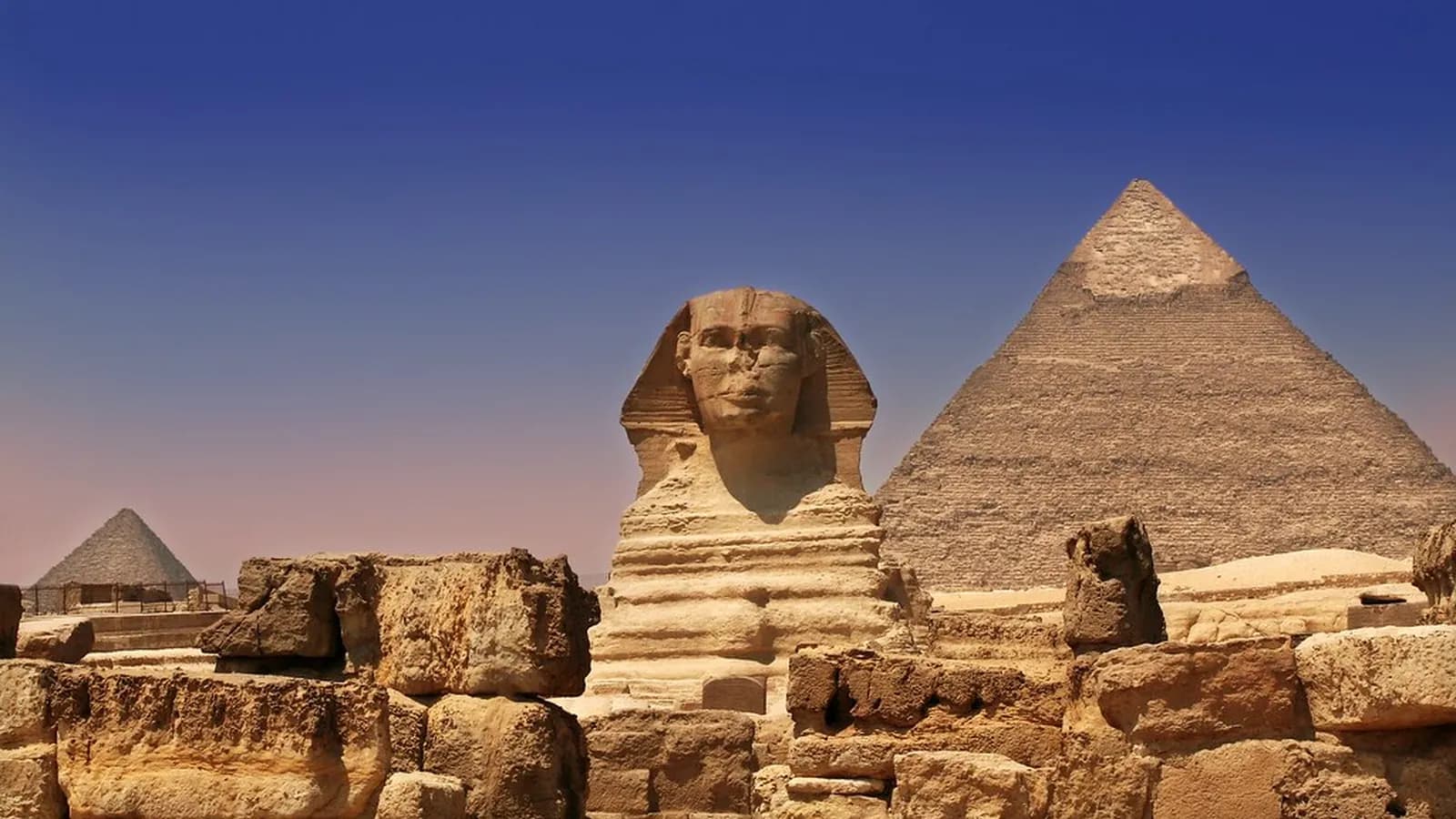
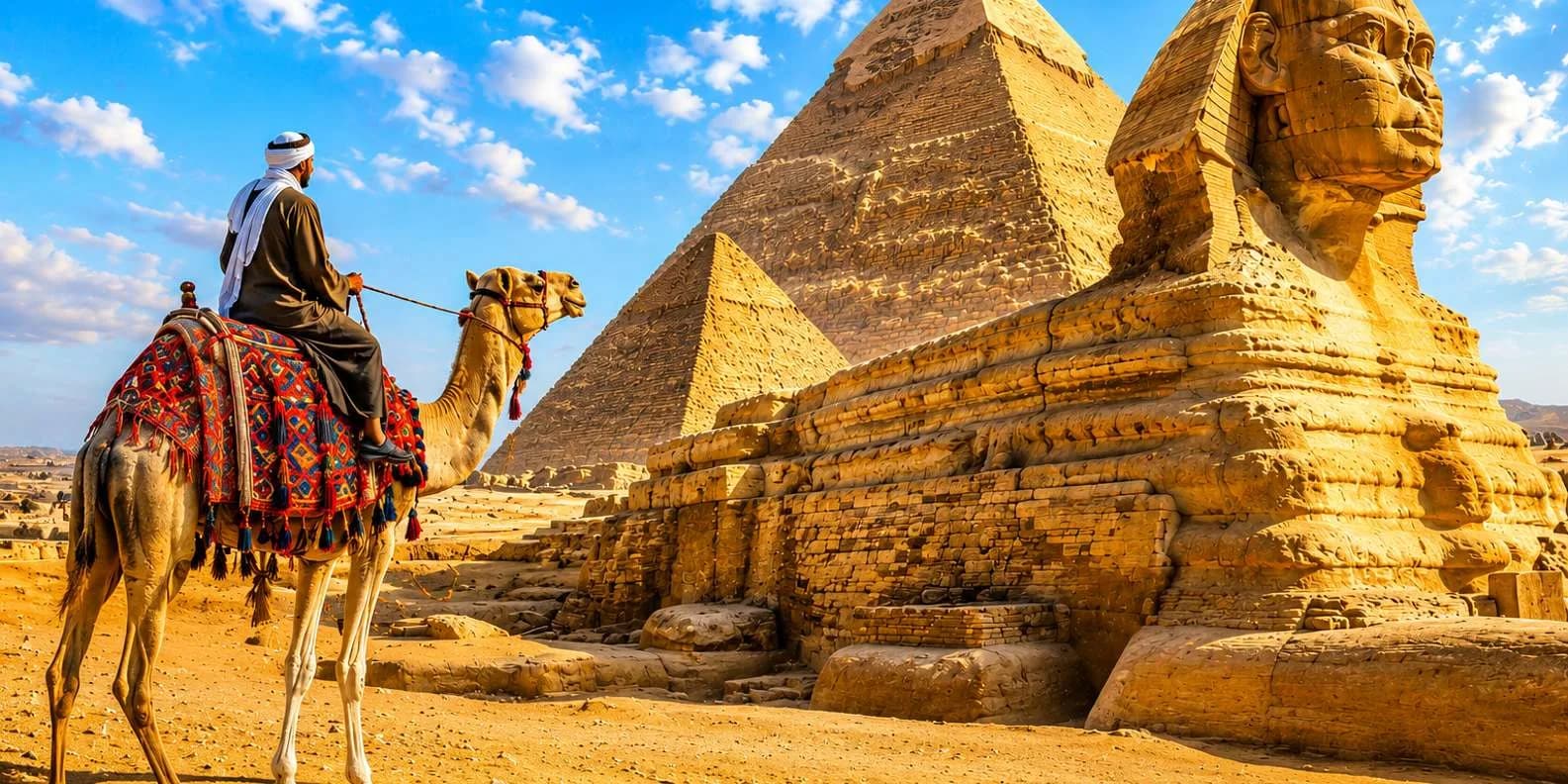
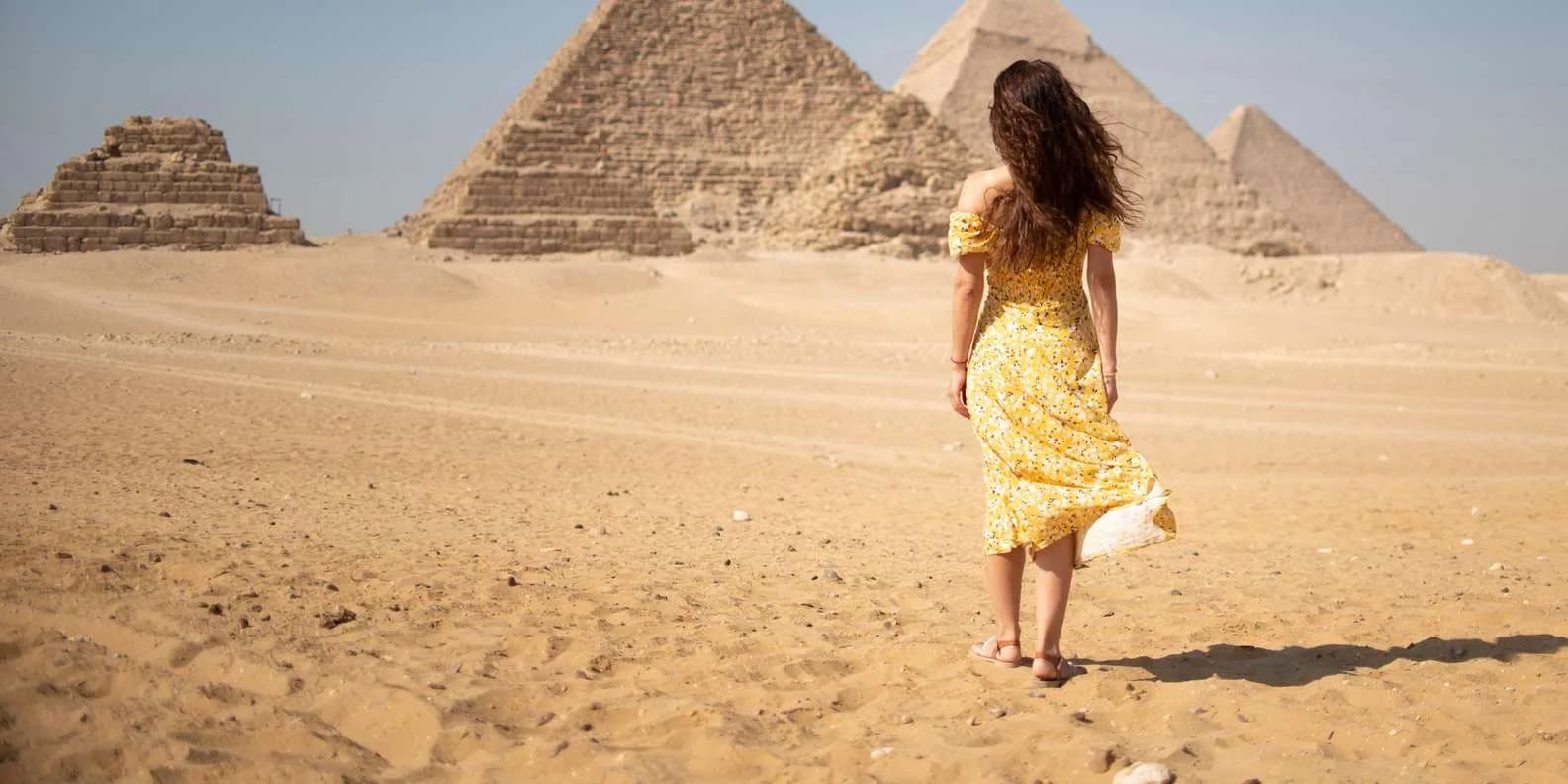
- أهرامات الجيزة وأبو الهول، في أفضل حالاتها في ضوء الصباح الباكر أو أصيل النهار؛ نقطة البانوراما في الصحراء تمنحك اصطفاف الأهرامات الثلاثة الكلاسيكي. انظر دليل أبو الهول العظيم.
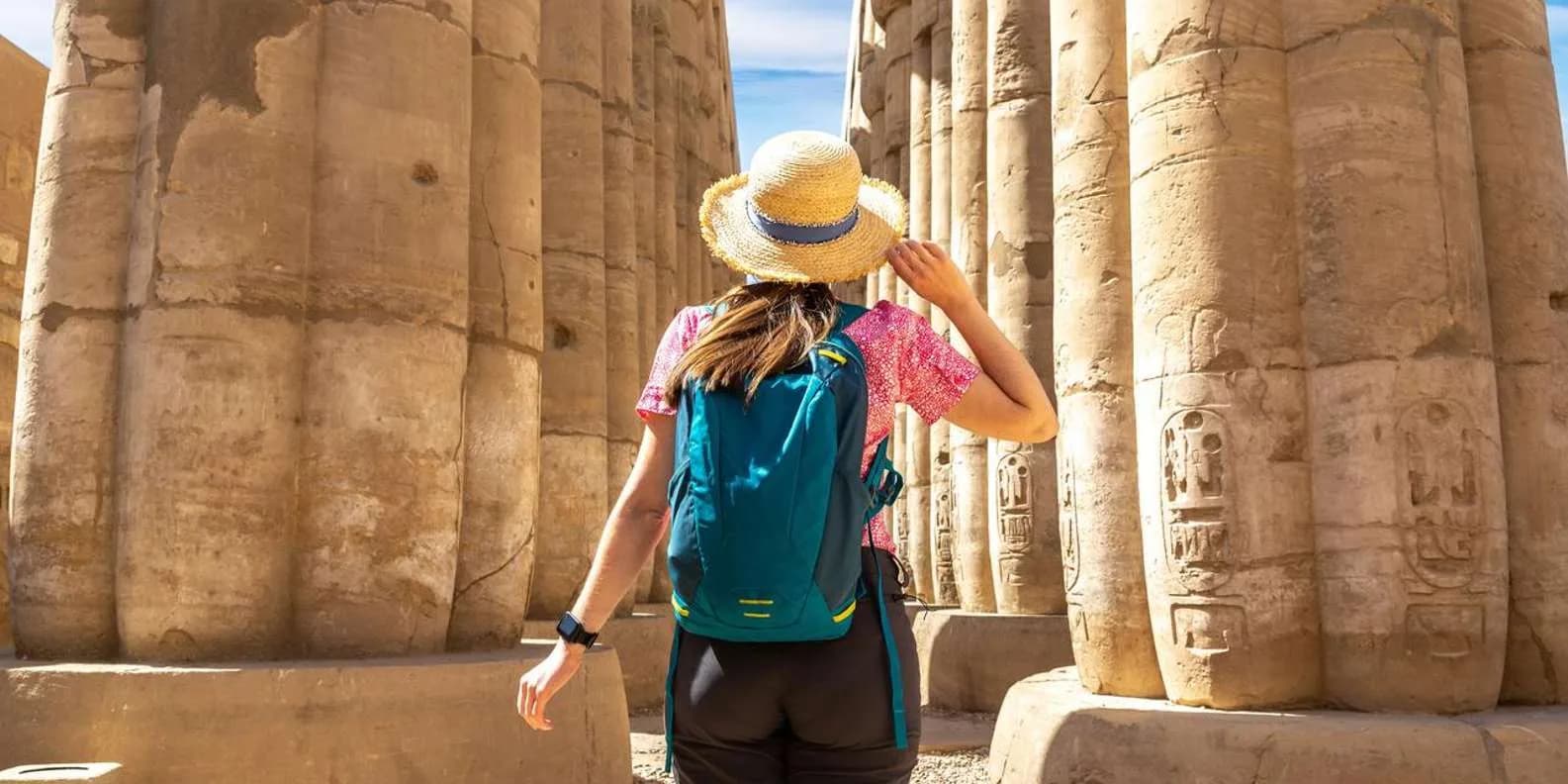
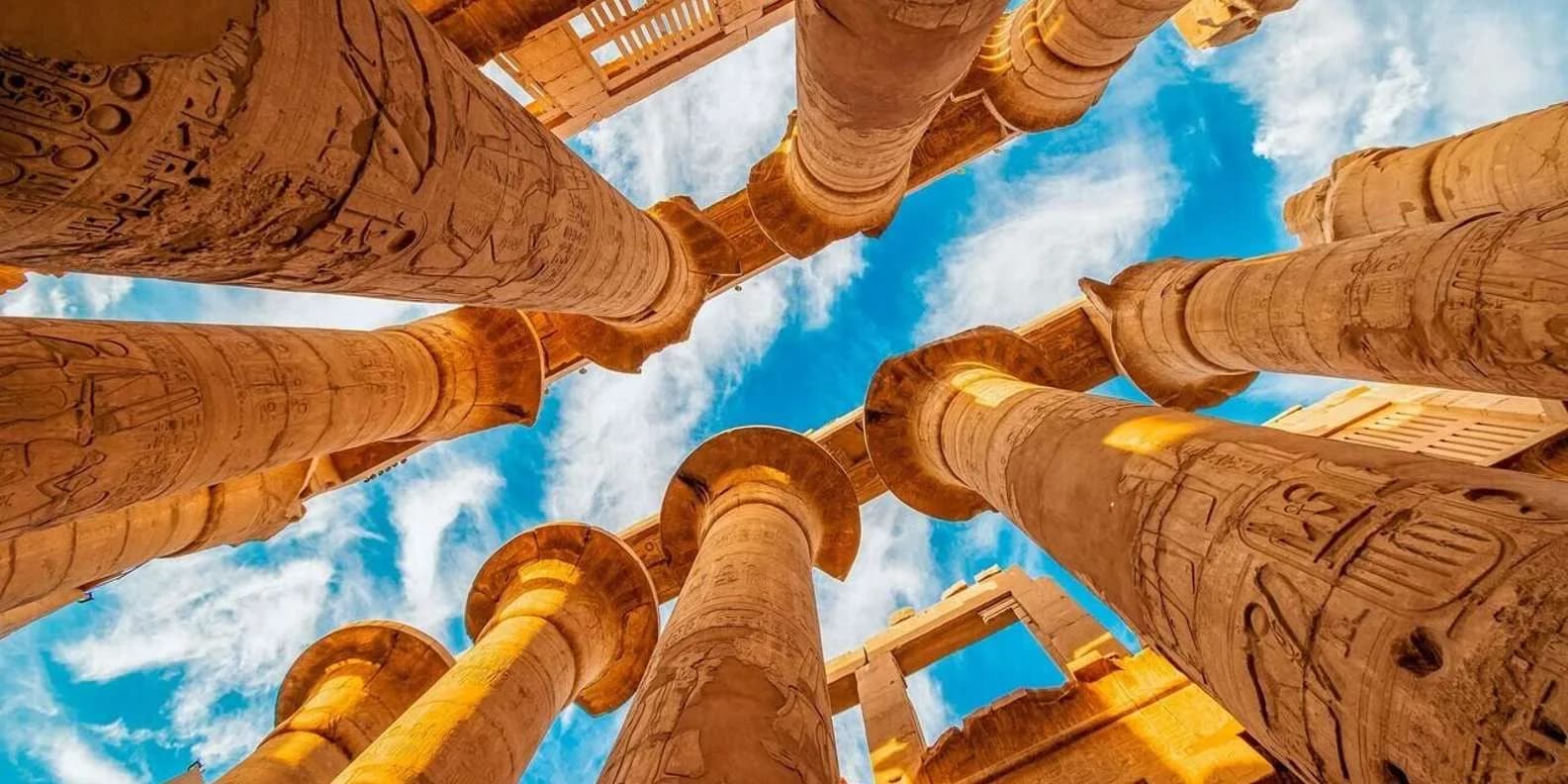
- معبدا الكرنك والأقصر، الفجر في الكرنك قبل الزحام، ومعبد الأقصر مضاءً بعد حلول الظلام.
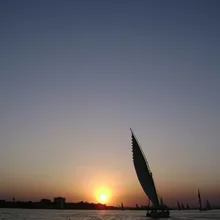
- النيل في أسوان، الفلوكة في الساعة الذهبية، والمنظر من شرفة على ضفة النيل، ومعبد فيلة على جزيرته.
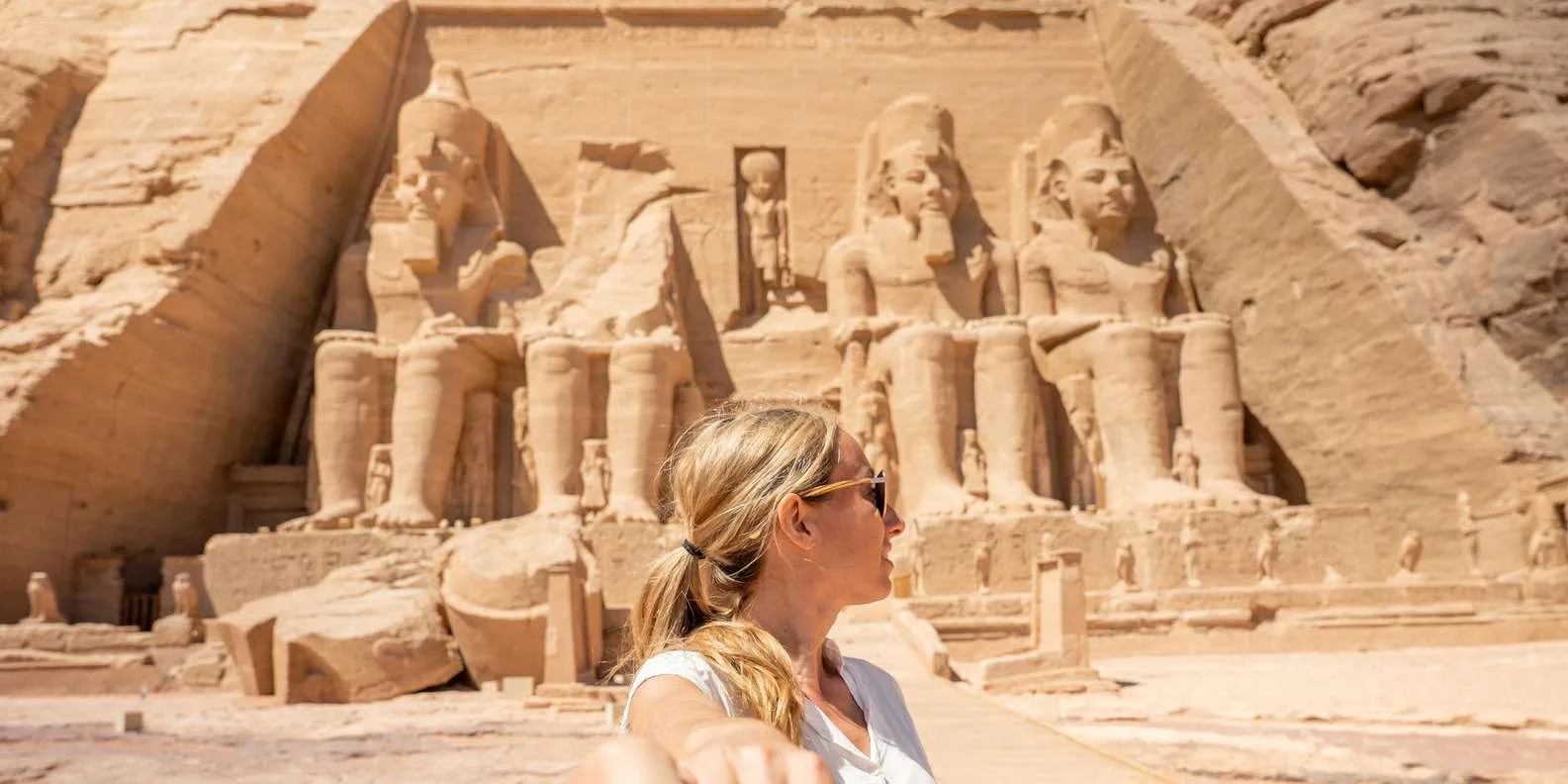
- أبو سمبل عند الافتتاح، حين تمسح الشمس المنخفضة وجوه التماثيل العملاقة.
- القاهرة الإسلامية، الأسطح والمآذن حول خان الخليلي والقلعة؛ انظر دليل القاهرة الإسلامية وخان الخليلي.
- الصحراء البيضاء وسيوة، تشكيلات طباشيرية سوريالية وسماء تعجّ بالنجوم (لا حاجة لطائرة بدون طيار لتبدو وكأنها من عالم آخر).
نصائح عامة: صوّر مبكراً ومتأخراً لتتجنب الزحام وضوء الظهيرة القاسي معاً؛ أحضر مرشّح استقطاب (polarising filter) للشمس الحادة والسماء الزرقاء؛ احمل بطاريات وبطاقات ذاكرة إضافية (وذلك الباور بانك)، فالحرارة تستنزف البطاريات؛ وأبقِ معداتك محكمة الإغلاق ضد غبار الصحراء الناعم. ولكل ما يستحق معرفته قبل السفر، انظر نصائح السفر إلى مصر. ثم ابدأ في تخطيط الرحلة نفسها وتصفّح تجارب مصر.
تحدّث مع شخص حقيقي — مجاناً
سيف والفريق يردّون على واتساب على مدار الساعة — أسئلة الرحلة، خطط مخصّصة والمساعدة في الحجز.
اسأل سيف على واتسابأسئلة شائعة
هل يمكنني تحليق طائرة بدون طيار في مصر كسائح؟
عملياً لا. يتطلب التحليق القانوني إذناً مسبقاً من الهيئة العامة للطيران المدني المصري ووزارة الدفاع معاً، وهو أمر يكاد يستحيل على السياح الحصول عليه. تُجرّم مصر استيراد وحيازة الطائرات بدون طيار كما تُجرّم تحليقها، وتصادر الجمارك الطائرات روتينياً عند الوصول في مطارات القاهرة والغردقة وشرم الشيخ. اتركها في بيتك.
ماذا يحدث إن أحضرت طائرة بدون طيار إلى مصر؟
من المرجّح جداً أن تصادرها الجمارك عند الوصول، سواء صرّحت بها أم لا، وعادةً تصدر إيصالاً وتعيدها عند مغادرتك البلاد (أحياناً برسم تخزين). أما محاولة إخفاء واحدة والضبط بها، أو التحليق دون تصريح، فيعرّضك لعقوبات أشد بكثير، تصل بحسب التقارير إلى سنوات سجن وغرامات كبيرة.
هل عليّ دفع رسوم لالتقاط الصور في المواقع المصرية؟
غالباً، إن كانت كاميرا احترافية. التصوير بالهاتف مجاني بوجه عام في معظم المواقع المفتوحة، لكن كاميرات DSLR وmirrorless كثيراً ما تحتاج تصريح تصوير مدفوعاً (مثلاً نحو 300 EGP في وادي الملوك، يغطي مقابر محدودة). اشترِ التصريح عند المدخل مع تذكرتك، إذ لا يمكنك عادةً شراؤه في الداخل.
هل الحوامل ثلاثية الأرجل مسموح بها في المواقع المصرية؟
عادةً لا في المواقع المزدحمة، بما فيها وادي الملوك، لحماية الفن ولإبقاء الزحام متحركاً معاً. افترض أن الحوامل ثلاثية الأرجل ممنوعة إلا إن رتّبت تصريحاً خاصاً. الحامل أحادي الأرجل أو وسادة صغيرة (beanbag) خيار أفضل، وإن كان الحراس قد يرفضونها أيضاً.
هل يمكنني التصوير داخل المقابر والمتاحف؟
يختلف الأمر. صور الهاتف مسموح بها في معظم المقابر المفتوحة في وادي الملوك، وكاميرا DSLR تحتاج تصريح تصوير، وبعض الأماكن الداخلية تمنع التصوير تماماً لحماية الألوان الهشة (مثل مقبرة نفرتاري، ومقبرة الملك توت مقيّدة). الفلاش ممنوع في الداخل دائماً تقريباً. اسأل في مكتب التذاكر واشترِ أي تصريح مطلوب.
هل من المقبول تصوير الناس في مصر؟
استأذن أولاً عند تصوير شخص عن قرب. كثيرون سعداء بأن يُصوَّروا، وإن كان بعضهم قد يطلب بقشيشاً بسيطاً في المقابل، وهذا أمر معتاد. كن محترماً بوجه خاص مع النساء وداخل المساجد، وتجنّب التصوير أثناء الصلاة دون إذن.
ما الذي يجب ألا أصوّره أبداً في مصر؟
لا تصوّر المنشآت العسكرية أو الجنود أو الشرطة أو نقاط التفتيش أو أكشاك الأمن على الطرق أو الجسور أو السدود أو الموانئ أو المطارات أو المباني الحكومية ومباني الاتصالات. يُعامَل هذا كمسألة أمنية حقيقية وقد يوقفك ويعرّضك للاستجواب أو إجبارك على حذف الصور. منطقة قناة السويس ومناطق سيناء والحدود حسّاسة بشكل خاص؛ إن كنت في شك، أبعد الكاميرا.
ما أفضل الأماكن للتصوير في مصر؟
أهرامات الجيزة وأبو الهول في ضوء الصباح الباكر أو أصيل النهار، ومعبدا الكرنك والأقصر (الأقصر خلّاب مضاءً في الليل)، والفلوكة ومعبد فيلة في أسوان في الساعة الذهبية، وأبو سمبل عند الافتتاح، ومآذن القاهرة الإسلامية، والتشكيلات السوريالية وسماء الليل في الصحراء البيضاء وسيوة. صوّر مبكراً ومتأخراً لتتجنب الزحام وشمس الظهيرة القاسية.
الأكثر مبيعًا في مصر
التجارب الأكثر حجزًا من المسافرين في كل أنحاء البلاد
تابع القراءة
الغوص في الغردقة (2026): أفضل المواقع والباقات والأسعار
الغوص في الغردقة — أجمل الشعاب (جفتون، كيرلس ريف، بيت الدلافين)، الغطسات التعريفية مقابل دورات PADI، أسعار حقيقية لعام 2026 من أكثر من 160 رحلة، وأعلى أيام الغوص تقييمًا.
بقلم TiE Editors7 د قراءة
رحلات الغطس (السنوركل) في الغردقة (2026): أفضل الشعاب والأسعار وكيفية الاختيار
أفضل الشعاب والجزر للغطس انطلاقًا من الغردقة — Orange Bay وجزيرة الجفتون وبيت الدلافين — مع أسعار حقيقية لعام 2026 مستمدة من أكثر من 880 رحلة قابلة للحجز، إضافة إلى الموسم والحياة البحرية والنصائح التي تحتاجها.
بقلم TiE Editors7 د قراءة
Egypt Tour Prices by Activity (2026): What Each Type Really Costs
What every type of Egypt experience costs — half day, full day or overnight — as a median and a mid-half range in US dollars, from 12,370 live bookable listings.
بقلم TiE Editors6 د قراءة