Egypt in January: The Coolest Month, Peak Season, and Clear Blue Skies
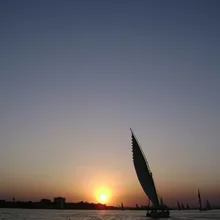
January is Egypt's coolest, brightest month - and its busiest. Expect crisp 19C days in Cairo, cold desert nights, warm sun over the temples, and peak-season prices that ease as the month goes on.
Book it on This is Egypt
Turn this guide into a trip

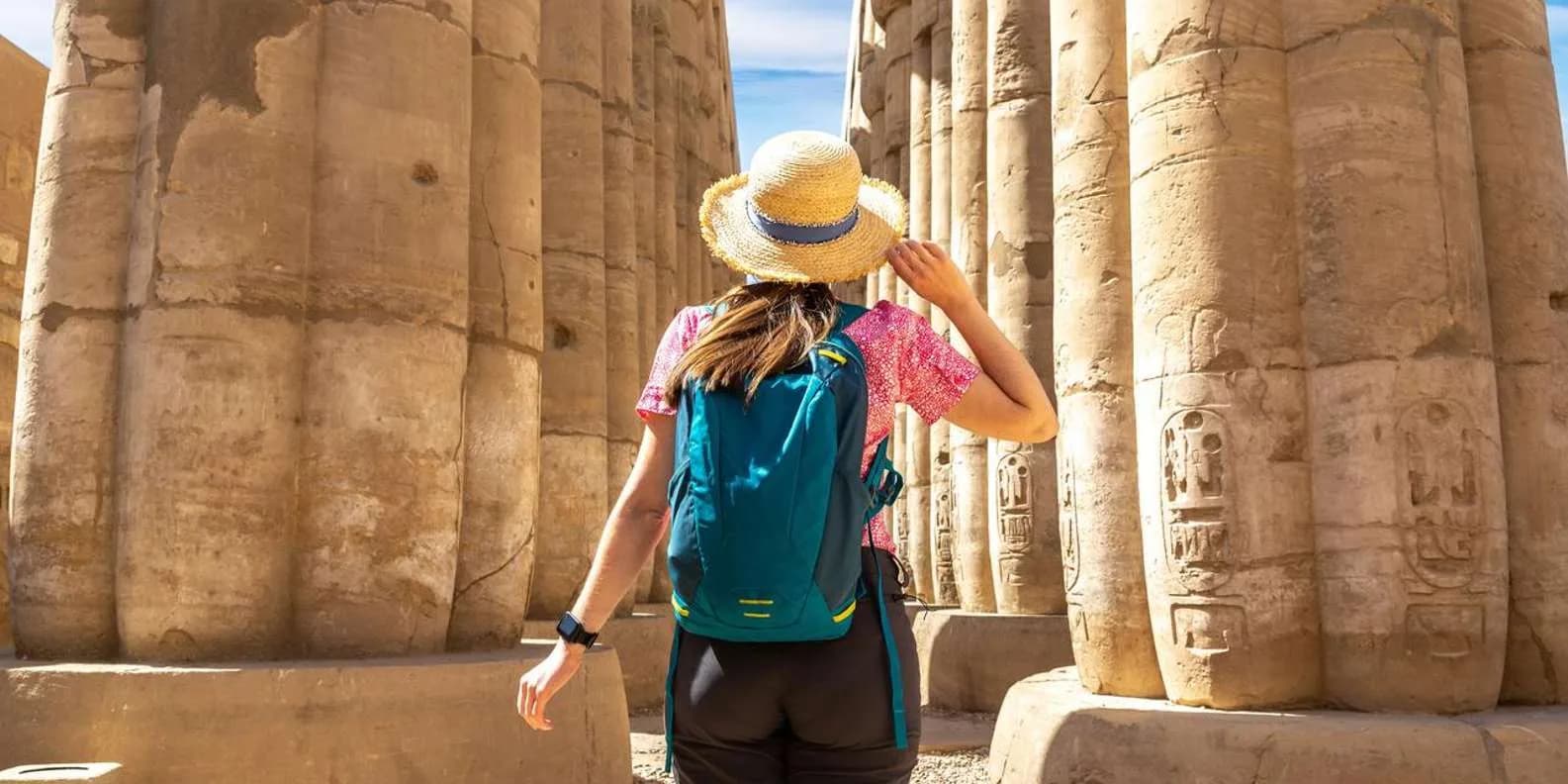
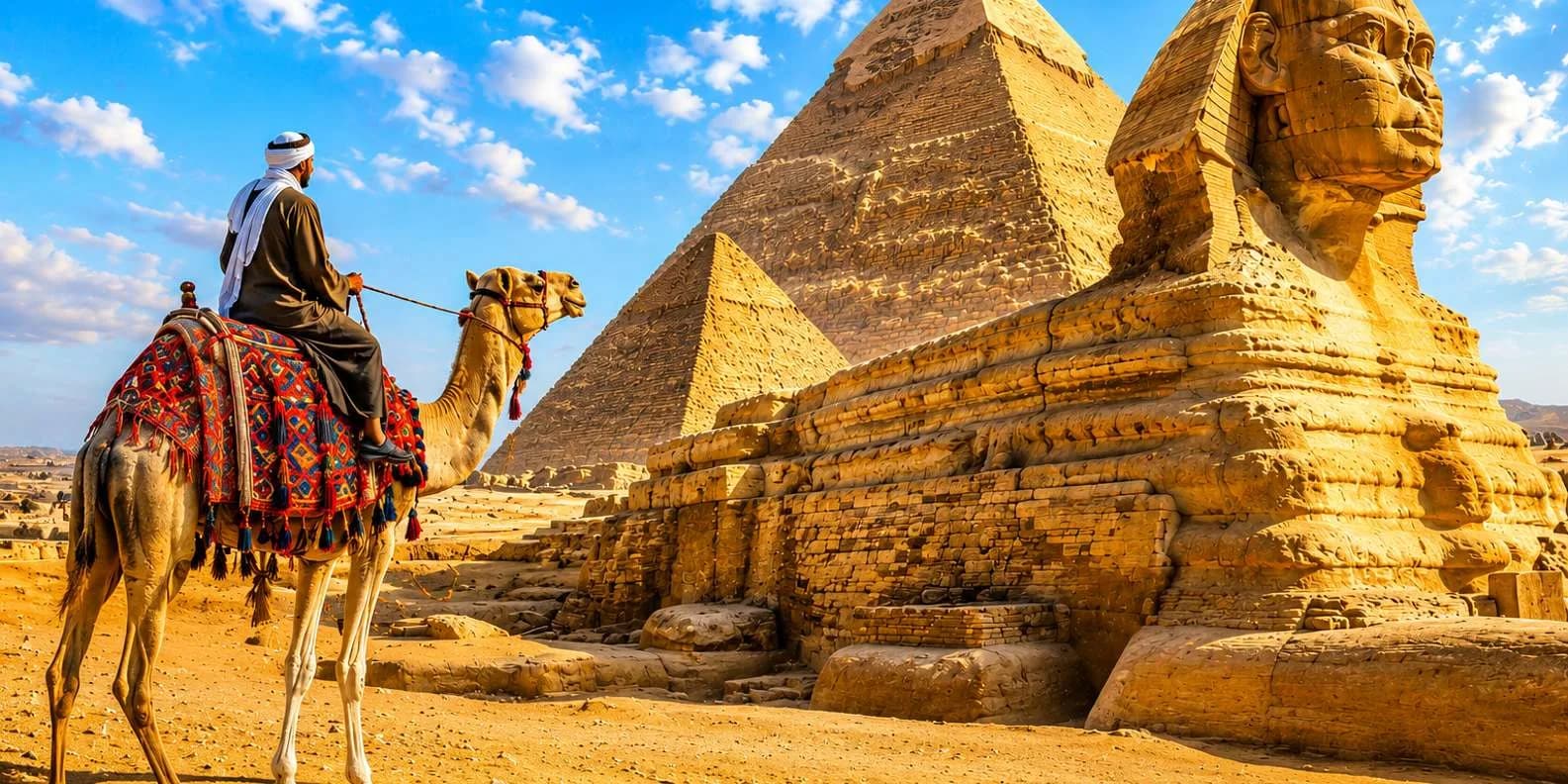

Quick answer: January is Egypt at its most comfortable to walk around in - and its most crowded. This is the coolest month of the year, which is exactly why it sits at the heart of the winter peak season. Days are bright, dry and sunny; the fierce heat that makes summer sightseeing a slog is completely gone; and the low winter sun throws beautiful long light across the Pyramids, Karnak and the Valley of the Kings. The trade-off is company: everyone else has worked out that January is glorious too. Plan around the crowds and the cold nights, and it's one of the best months of the year to see the country.
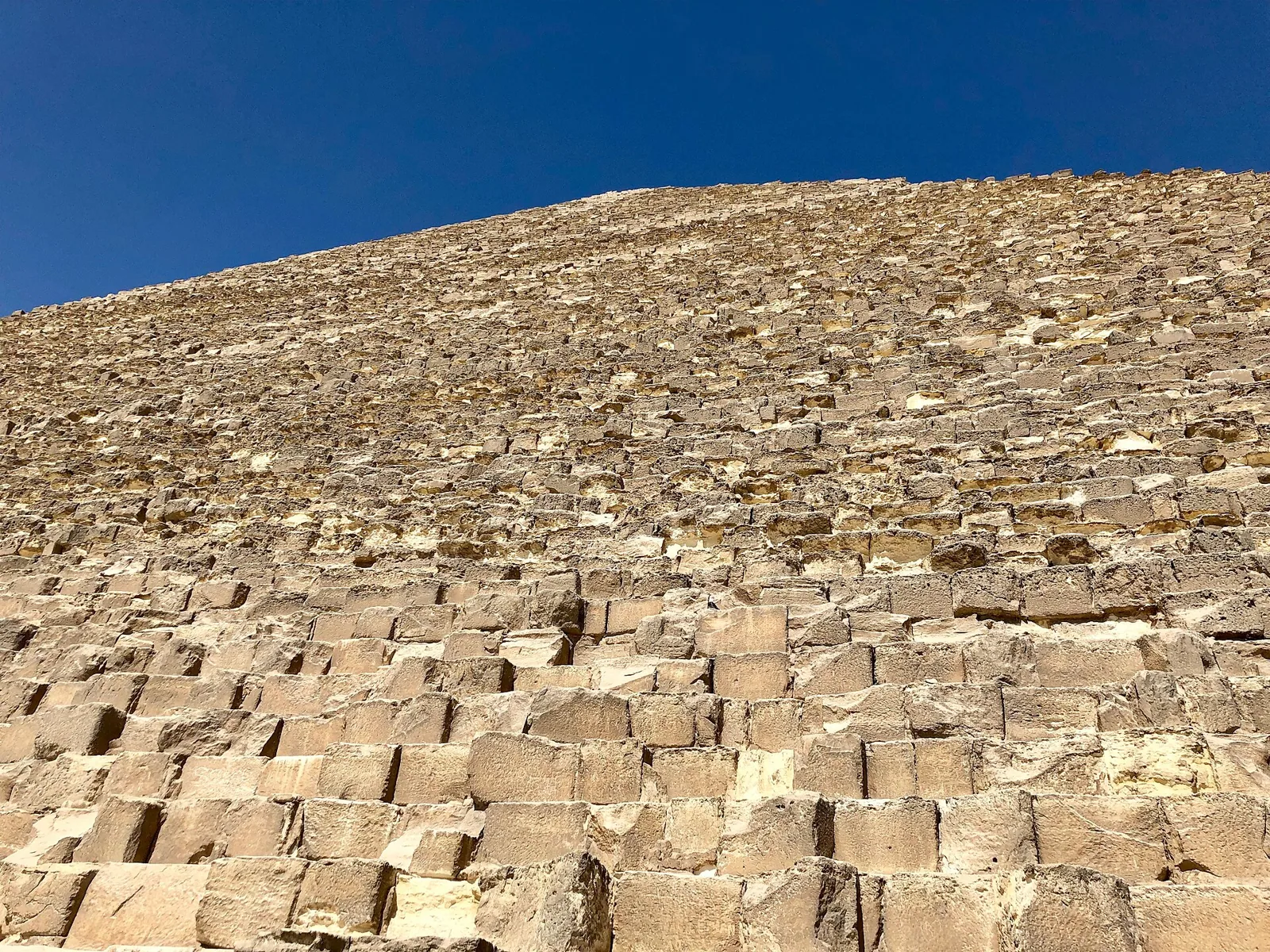
January weather: cool, dry and full of sun
January is the coldest month in Egypt, but "cold" here means mild, sunny afternoons rather than anything harsh. Cairo averages around 19C (66F) by day and dips to about 9C (48F) at night. Luxor and Aswan in the south run a few degrees warmer in the afternoon - often 23C (73F) - which is why so many Nile cruises fill up now. The catch is the swing between day and night: clear winter skies that give you warm middays also let the heat escape fast after sunset, so desert and Nile evenings turn genuinely cold.
| Region | Daytime high | Nighttime low |
|---|---|---|
| Cairo | 19C (66F) | 9C (48F) |
| Luxor / Aswan | 23C (73F) | 6C (43F) |
| Red Sea (Hurghada/Sharm) | 22C (72F) | 13C (55F) |
| Alexandria | 18C (64F) | 10C (50F) |
| Western Desert | 20C (68F) | 3C (37F) |
Rain is minimal across the Nile Valley - Cairo might see a shower or two, while Luxor and Aswan stay essentially dry. Alexandria and the north coast are the exception, catching most of Egypt's modest winter rainfall. Expect around eight hours of sunshine a day almost everywhere. See how it stacks up across the year in our Egypt weather by month guide.
Crowds and prices: peak season, easing after New Year
January is the height of Egypt's winter peak season, so plan for it. The first week is the busiest stretch of the whole travel calendar: New Year holidaymakers overlap with Coptic Christmas around 7 January, and the big sites, cruise boats and desert camps run close to full. Queues at Giza and the Egyptian Museum are longest now, and hotel and cruise rates sit at their annual high.
The good news is that things ease noticeably from mid-January onward. Once the New Year crowd flies home, availability opens up and you can often find better cruise and hotel deals in the last two weeks than in the first. If your dates are flexible, aim for the second half of the month. Whenever you go, book flagship experiences - Abu Simbel, a Nile cruise, a Western Desert overnight - well ahead, because winter is when they sell out. For the bigger picture on timing, see our guide to the best time to visit Egypt.
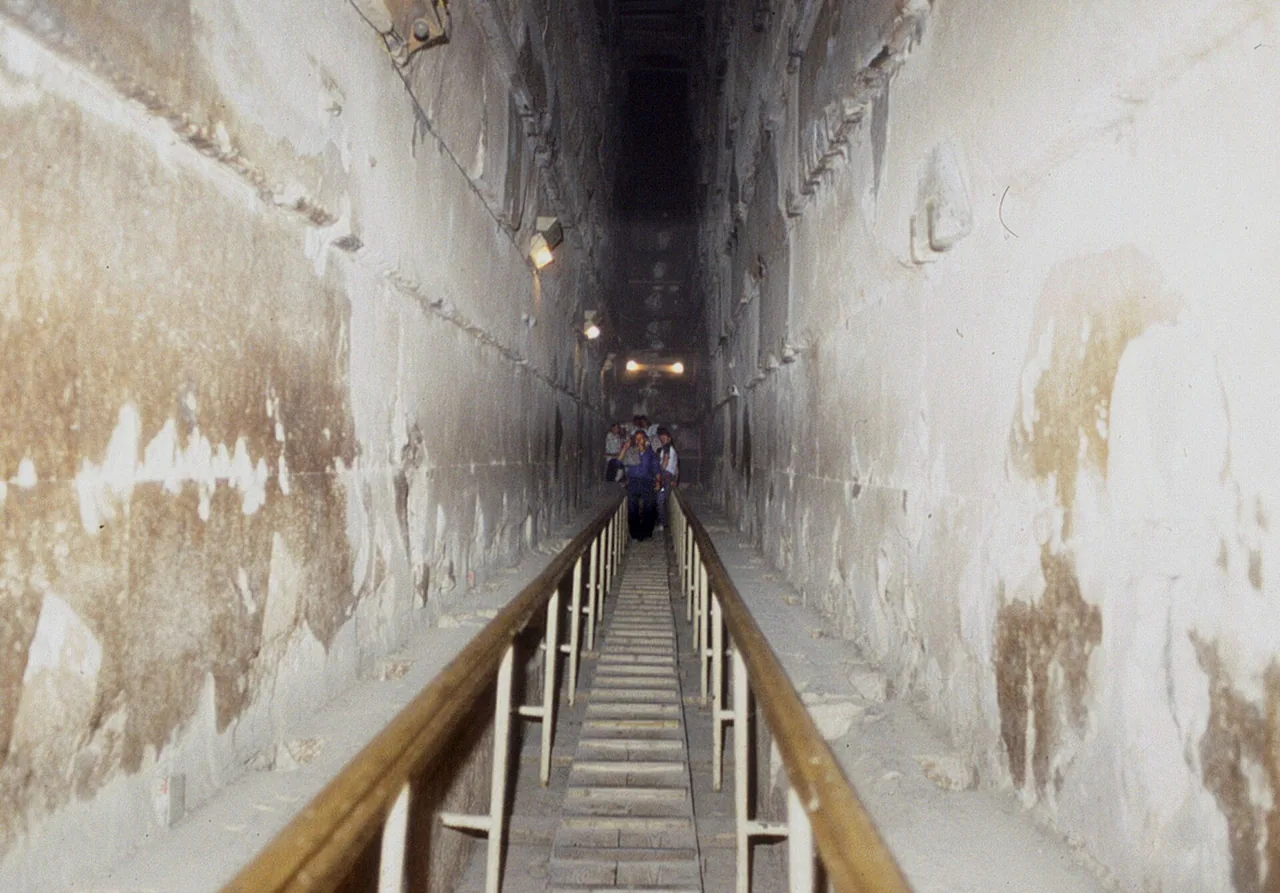
Events: Coptic Christmas and the Cairo book fair
The headline event is Coptic Orthodox Christmas on 7 January, an official public holiday in Egypt. Egypt's Christian community marks it with midnight Mass on the 6th and family feasts the next day; churches in Cairo, Alexandria and Upper Egypt are at their most festive, and the atmosphere in Coptic neighborhoods is worth experiencing. Because it lands right after New Year, the first week of January is the single busiest, most celebratory window of the year.
Later in the month, the Cairo International Book Fair - one of the largest literary events in the Arab world - draws big local crowds to the exhibition grounds, a good rainy-day option and a very Egyptian slice of city life.
What to do in January
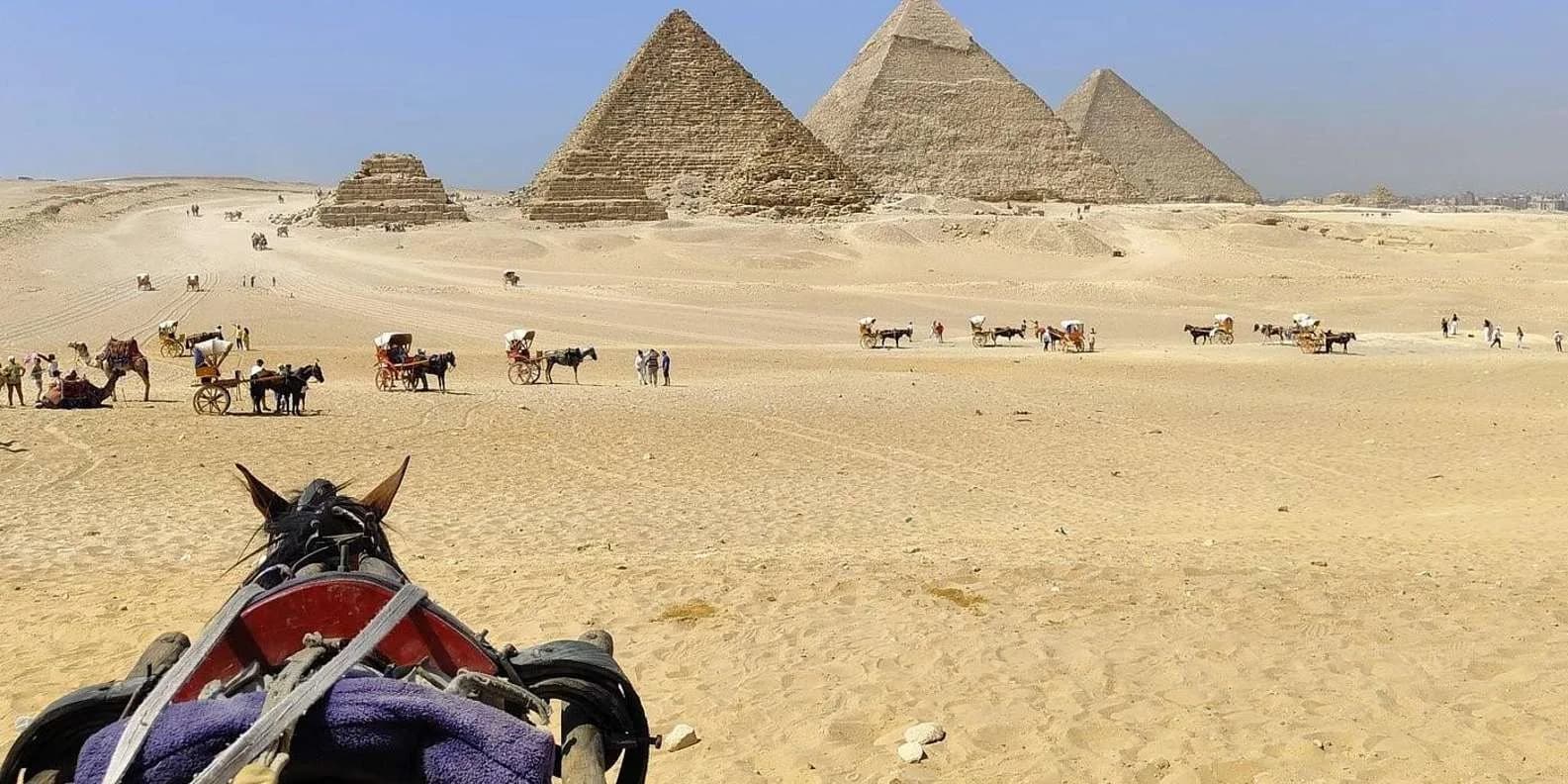
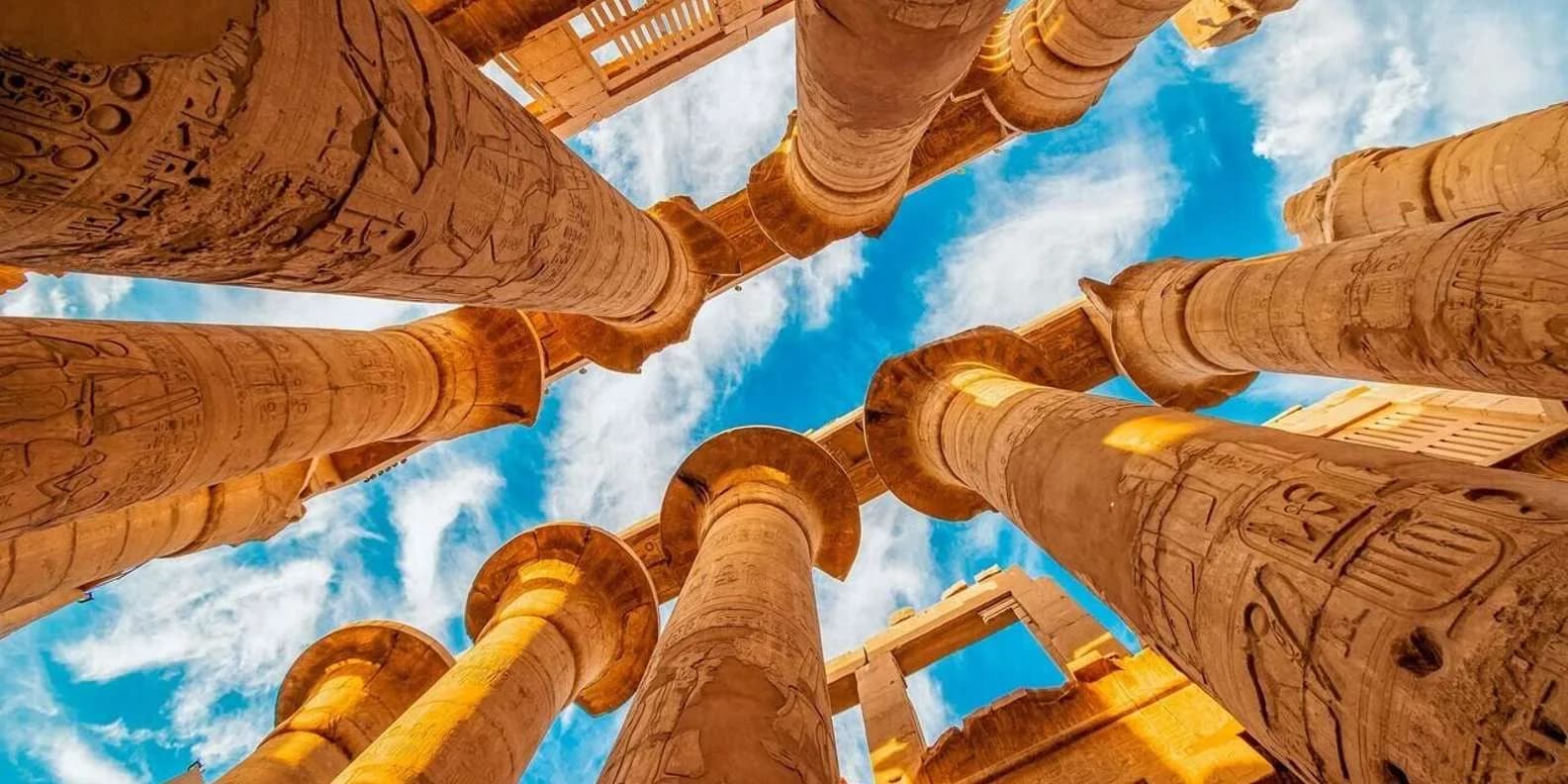
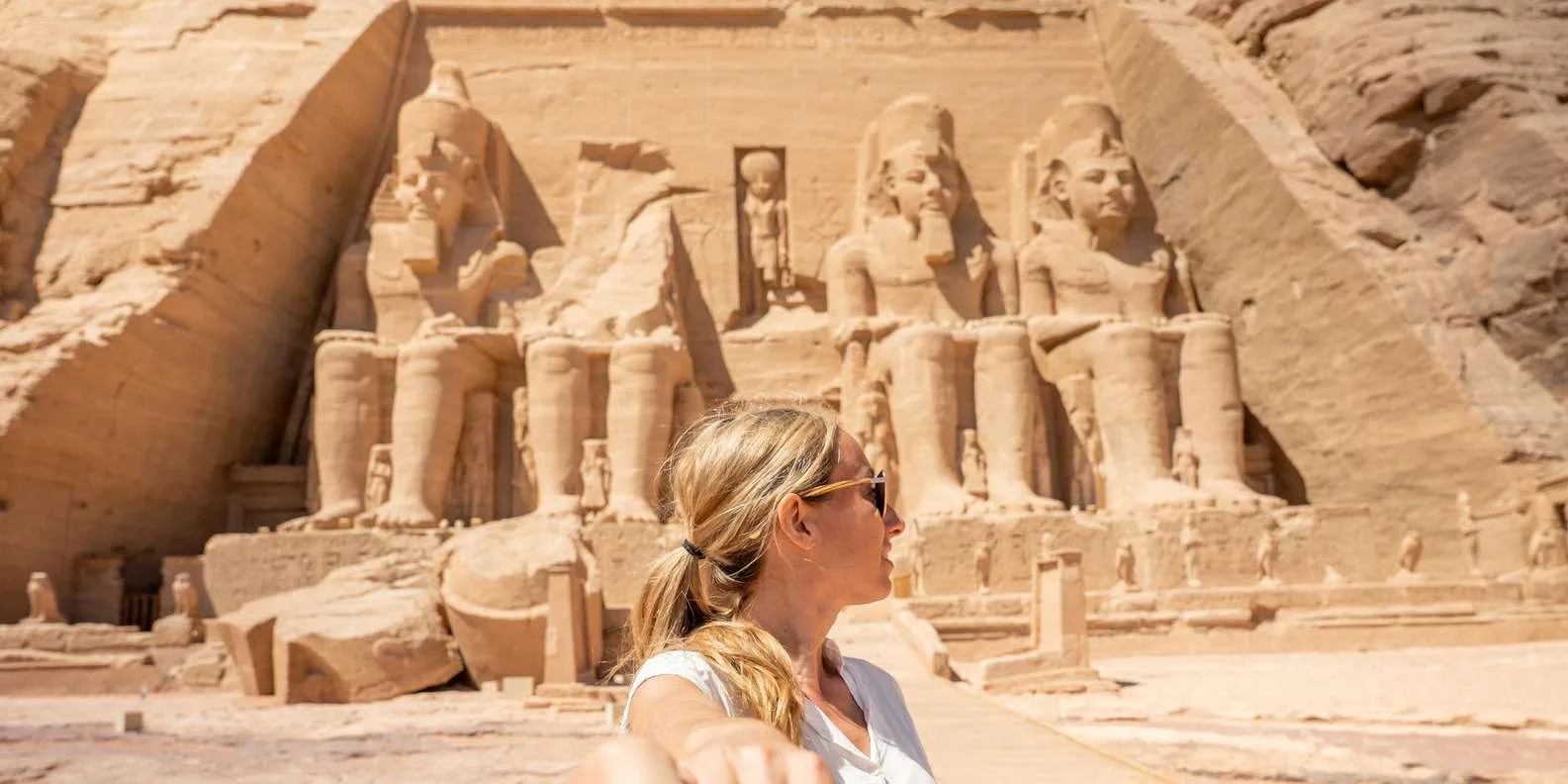
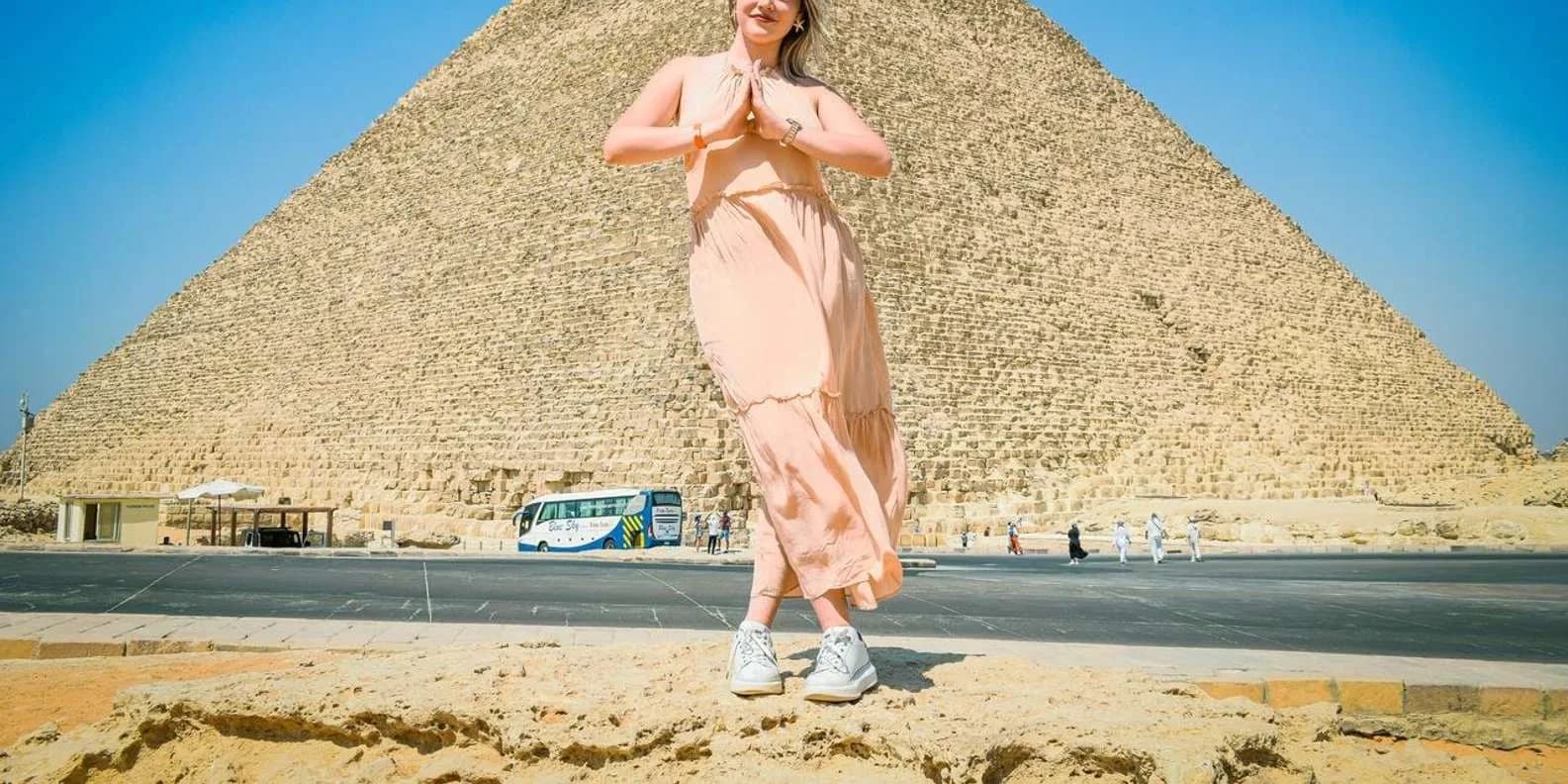
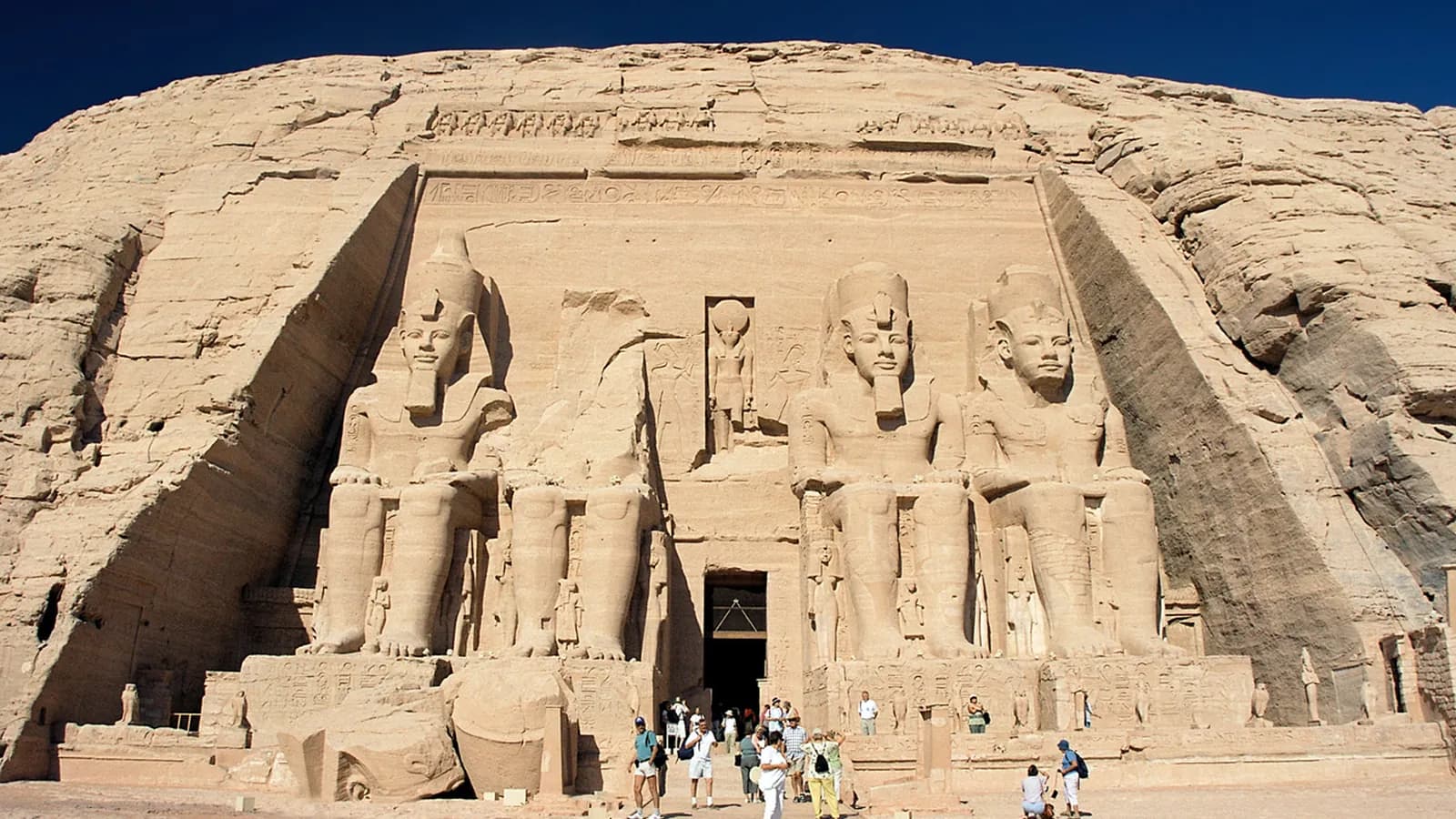
This is prime sightseeing weather, so lean into the outdoor classics while the sun is kind. Full days at Giza, Saqqara, Karnak, the Valley of the Kings and Abu Simbel are a pleasure now rather than an endurance test - you can be out for hours without wilting. A Nile cruise between Luxor and Aswan is arguably at its best in January: warm decks by day, dramatic light on the temples, and clear skies for photos.
Cairo itself is comfortable for long walks through Islamic Cairo, the Khan el-Khalili bazaar and the museums. And because the low sun sits at a flattering angle all day, January is one of the best months of the year for photography at the monuments.
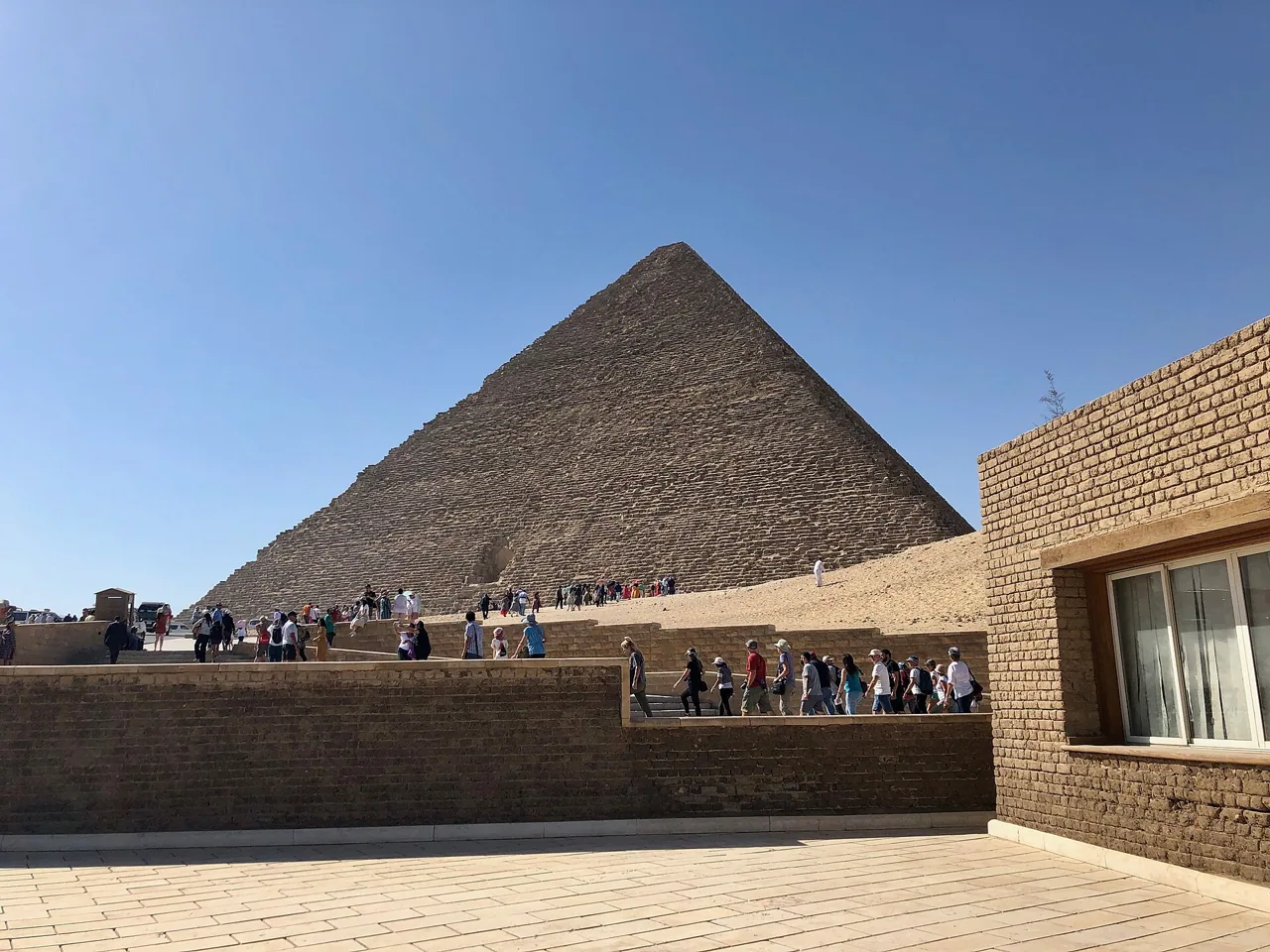
The desert and Red Sea in winter
The Western Desert - the White Desert, Bahariya, Siwa - is spectacular in January, with cool, clear days ideal for driving and dune-walking. Just come prepared for the cold: desert nights can fall to freezing, and camp temperatures near 0C are normal. Overnight trips are still very much on; you simply need proper warm layers and a good sleeping bag.
On the Red Sea, the air is warm and sunny at Hurghada and Sharm el-Sheikh - fine for lounging in the sun - but the sea has cooled to around 22C (72F). It's swimmable for the hardy and perfectly good for snorkeling in the midday sun, but most divers will want a wetsuit in January, and a 5mm is the comfortable choice for repeat dives. Visibility, meanwhile, is superb.
What to pack: layers for cold nights
The golden rule for January is layers. Daytime calls for light clothing - a T-shirt and comfortable trousers are plenty in the sun - but the moment it sets, temperatures drop fast, especially on Nile cruise decks, in the desert and in the south.
Pack a warm fleece or jacket, a scarf or hat, and long trousers for the evenings; if the desert or a cruise is on your itinerary, bring a heavier layer than you'd expect for "Egypt." Add sunscreen and sunglasses for the strong midday sun, sturdy walking shoes for the sites, modest clothing for mosques and churches, and swimwear plus a wetsuit if you're diving the Red Sea. Our full what to pack for Egypt checklist has the details.
January vs December vs February
All three winter months share the same appeal - cool, sunny, dry weather - and the same peak-season crowds and prices, so the differences are ones of degree.
December feels much like January but ends with the Christmas-New Year surge; the front half of the month can be a touch quieter and cheaper before the holiday rush. See our Egypt in December guide for that window.
January is the coldest month overall, with the sharpest day-night swing and the busiest opening week, easing after the New Year crowd departs.
February is a near-twin of January - still cool, still peak - but afternoons creep slightly warmer and the desert nights soften a little, making it a hair more comfortable while remaining firmly in high season.
Across all three, the formula holds: brilliant weather, big crowds, and higher prices. January simply gives you the coolest, clearest days of the year - as long as you pack for the nights.

A real team available 24/7 to assist you — free
Seif and the team reply on WhatsApp 24/7 — trip questions, custom plans and booking help.
Ask Seif on WhatsAppCommon questions
Is January a good time to visit Egypt?
Yes - it's one of the best months for weather. January is the coolest, sunniest and driest month, ideal for sightseeing at the Pyramids, Luxor and Aswan without the summer heat. The main trade-offs are peak-season crowds and prices, and cold nights, so book ahead and pack layers.
How cold does Egypt get in January?
Days are mild - around 19C (66F) in Cairo and 23C (73F) in Luxor and Aswan - but nights get cold. Cairo drops to about 9C (48F), the south can hit 6C, and Western Desert nights can approach freezing. The day-to-night swing is the biggest surprise for most visitors.
Can you swim or dive in the Red Sea in January?
You can, but it's cooler. The air is warm and sunny at Hurghada and Sharm, while the water sits around 22C (72F). Snorkeling in the midday sun is fine, and diving is excellent for visibility - just wear a wetsuit, ideally a 5mm for repeat dives.
What is Coptic Christmas and when is it?
Coptic Orthodox Christmas falls on 7 January and is an official public holiday in Egypt. Egypt's Christian community celebrates with midnight Mass on the 6th and family feasts on the 7th. It lands just after New Year, making the first week of January especially festive and busy.
Is January peak season in Egypt?
Yes, January is the height of the winter peak season. The first week - overlapping New Year and Coptic Christmas - is the busiest of the year, with the highest hotel and cruise prices. Crowds and rates ease noticeably from mid-January once the holiday travelers leave.
What should I pack for Egypt in January?
Pack layers. Bring light clothing for warm, sunny days plus a warm fleece or jacket, scarf and long trousers for cold evenings - especially for the desert and Nile cruises. Add sunscreen, sunglasses, walking shoes, modest clothing for religious sites, and a wetsuit if you plan to dive.
Is January better than December or February in Egypt?
They're very similar - all three are cool, sunny and peak season. January is the coldest with the sharpest day-night swing and busiest opening week. December is comparable but builds to the holiday rush, while February runs slightly warmer in the afternoons. Pick based on your dates and crowd tolerance.
Book it on This is Egypt
Turn this guide into a trip
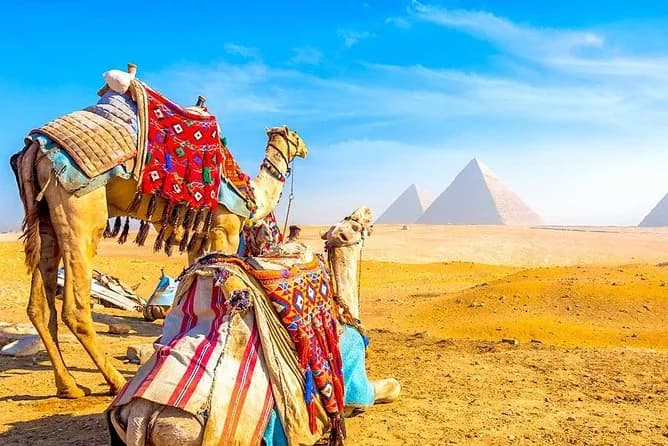


Egypt's bestsellers
The experiences travelers book most, across the country


Keep reading
Egypt in August (2026): Weather, Crowds, Prices & Where to Go
August is the height of summer: the Nile Valley at its emptiest and cheapest, the Red Sea warm and busy with European holidaymakers, and Wafaa El-Nil marking the flooding of the Nile mid-month. Here's the honest region-by-region weather, where the value is, and how to plan around the heat.
By TiE Editors4 min read
Egypt in September (2026): Weather, Crowds, Prices & Where to Go
September is the turn of the season: the heat starts easing, the Red Sea hits its warmest of the year, and late in the month the Nile Valley's crowds and prices begin their climb back up. Here's the honest region-by-region weather, and why late September is a smart-value window.
By TiE Editors4 min read
Egypt in June (2026): Weather, Crowds, Prices & Where to Go
June splits Egypt in two: the Nile Valley is quiet, cheap and very hot, while the Red Sea is warm, breezy and buzzing. Here's the real weather region by region, why prices swing so hard, where to go, and how to plan a June trip around the sun.
By TiE Editors5 min read