For photographers
Photographing the White Desert
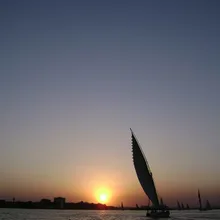
The White Desert is at its best in the hour before sunset and the hour after sunrise, when the low sun turns the chalk gold, pink and orange and throws long shadows; at midday it is flat and glaring. So the overnight trip is essential for photography. Bring a wide lens, a small tripod for the stars and spare batteries, change lenses inside the car, and leave the drone at home unless you have an Egyptian permit.
Timing
When the light is right
Sunset comes around 5 pm in December and January and nearer 6 pm in October and March, Egypt time. Ask the team to reach the Old White Desert at least an hour before, and to set camp close to the formations so you can shoot again at dawn. A full moon lights the rocks for night landscapes; a new moon is better for stars.
Where
Shots not to miss
- 1The Mushroom and the Chicken. The famous pair in the Old White Desert; shoot them against the sunset sky.
- 2Fields of pinnacles. Low sun turns them into long rows of shadows; get low for depth.
- 3The New White Desert towers. Scale them with a person in the frame.
- 4Agabat from above. The view down into the valley of dunes and white cliffs.
- 5The Black Desert. Dark hills against the orange sand, best in the afternoon light.
- 6Camp at night. The fire, the 4x4 and the stars over the chalk.
Kit
Gear and settings
A wide zoom covers most of it, with a short telephoto for details and compressing formations. For the stars: widest aperture, ISO 1600 to 3200, 15 to 25 seconds, manual focus on a bright star. Cold drains batteries, so keep spares in an inner pocket. A recent phone in night mode on a mini tripod does well too. See stargazing in the White Desert.
Protect your kit
Sand, dust and drones
Fine sand gets everywhere: change lenses inside the car, keep the camera in a closed bag between stops and bring a blower. Drones need a permit in Egypt and are usually confiscated at the airport without one, and flying in a national park needs separate permission, so it is best to leave yours at home.
A photographer's trip
Planning a photography trip
Three days and two nights gives two sunsets and two sunrises in the desert, which is what photographers need. A private trip lets you set the timetable. See how many days to allow and every stop on the way.
Asked often
Photography, answered
- When is the best light in the White Desert?
- The hour before sunset and the hour after sunrise. Midday light is flat and glaring.
- Can I fly a drone in the White Desert?
- Only with permits: drones need one to enter Egypt and are usually confiscated at the airport without it, and the national park needs separate permission.
- What lens should I bring?
- A wide zoom for the formations and stars, plus a short telephoto for details.
- How do I protect my camera from sand?
- Change lenses inside the car, keep it bagged between stops and bring a blower.
- How many nights for photography?
- Two nights, for two sunsets and two sunrises in the desert.