 Photo by Ahmed abd elkader mohamed, via Wikimedia Commons, CC BY-SA 4.0
Stargazing in Egypt (2026): Where to See the Milky Way in the White Desert
Egypt's Western Desert delivers some of the clearest night skies on earth. Where to go, the best months, and how to catch the Milky Way over the White Desert.
Quick answer: Egypt is 95% desert, and that emptiness pays off spectacularly after dark. Drive a few hours from the Nile and the light pollution simply vanishes, leaving a sky so black and star-choked that the Milky Way casts a faint shadow and first-time visitors go quiet. The White Desert near Bahariya is the classic place to see it — you camp among glowing chalk formations and watch the stars come out in overwhelming numbers — but Sinai's mountains and the deep Western Desert are every bit as good. Here's where, when and how to do it well.
Why Egypt's deserts are so dark
Three things line up. First, there's almost no light pollution: the Western Desert is one of the least populated regions on earth, and the nearest town might be a hundred kilometres away. Second, the air is bone-dry — desert humidity is low, which means fewer particles to scatter and blur starlight, so the sky looks crisp rather than milky. Third, at elevation and away from coastal haze, atmospheric "seeing" is excellent. The result is a night sky the way humans saw it for most of history and almost no one sees now. An official desert guide sums up the appeal of a night out there: see the incredible night sky, sit by the fire, and next morning watch the sun rise in all its glory.
Best places to stargaze in Egypt
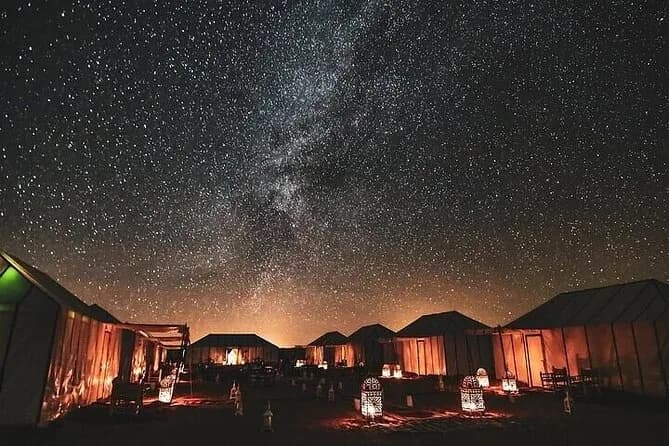
The White Desert (Sahara el Beida). The signature spot. Camping overnight among the wind-carved chalk towers, you get a 360-degree horizon and formations that glow pale under starlight and moonlight. It's reached on a desert safari from Bahariya Oasis, four hours southwest of Cairo, and the overnight camp is built around exactly this experience — campfire, dinner in the sand, and the sky.
The Great Sand Sea & Siwa. Further west, around Siwa Oasis and the dunes of the Great Sand Sea, you get the same pristine darkness with towering dunes as a foreground. Remote, quiet, and superb, though it takes a longer trip to reach.
Sinai's mountains. Around St Catherine and on the climb up Mount Sinai, altitude and dry mountain air give razor-sharp skies. The pre-dawn summit climb is partly a stargazing walk in disguise.
Fayoum. The closest dark sky to Cairo — around Wadi el-Rayan and Magic Lake, roughly two hours from the capital. Not as pristine as the deep Western Desert, but a genuine dark-sky night within easy reach for a short trip.
The best months (and why the moon matters)
Aim for October to March. That's when the desert is comfortable to camp in, the air is at its crispest, and skies are clearest — December through February in particular give exceptional clarity as the cooler air steadies. Summer works too for darkness, but daytime desert heat makes camping punishing, so the cool half of the year is the sweet spot.
The single biggest factor, though, isn't the month — it's the moon. A bright full moon washes out the fainter stars and hides the Milky Way almost entirely (though it does light up the White Desert's formations beautifully, a different kind of magic). For the darkest skies and the full glittering band of the Milky Way, go within a few days of the new moon. Check a lunar calendar before you book and, if the Milky Way is your goal, plan the camp night around it.
| Priority | Aim for | Why |
|---|---|---|
| Clearest, coldest, sharpest skies | Dec–Feb | Crisp dry air, best clarity |
| Comfortable camping + great skies | Oct–Nov, Mar | Mild nights, still dark |
| Milky Way in full | Within ~5 days of new moon | Moonlight drowns faint stars |
| Glowing moonlit desert | Near full moon | Formations lit, fewer stars |
What you'll actually see
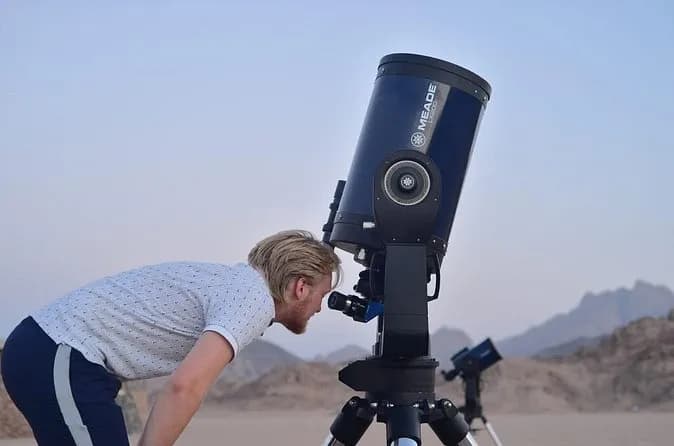
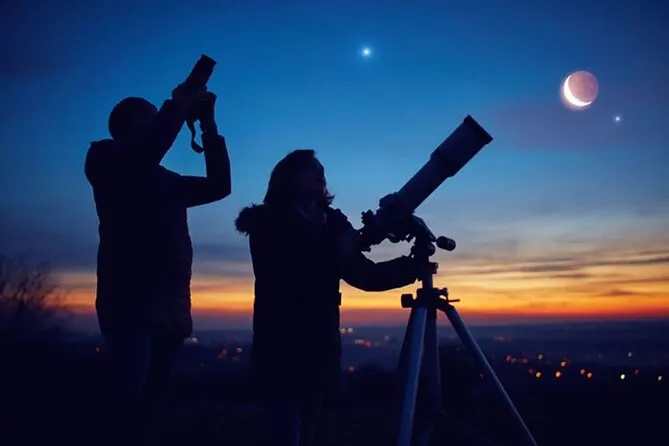
With the naked eye on a moonless night you'll see the Milky Way as a bright, structured band arcing overhead, thousands of individual stars, the odd satellite tracking across, and — if you're patient — shooting stars, especially during the Perseids (August) or Geminids (December) meteor showers. The major planets are easy to spot, and constellations that are faint smudges at home stand out sharply. Bring binoculars and you'll pick out star clusters and the moons of Jupiter; a few desert operators now run camps with a telescope and a guide who'll walk you through it.
The ancient Egyptians read this same sky obsessively — aligning temples and pyramids to the stars and timing the year by the pre-dawn rising of Sirius, which heralded the Nile flood. Lying in the sand under it, that connection feels a lot less abstract.
Guided camps vs going it alone
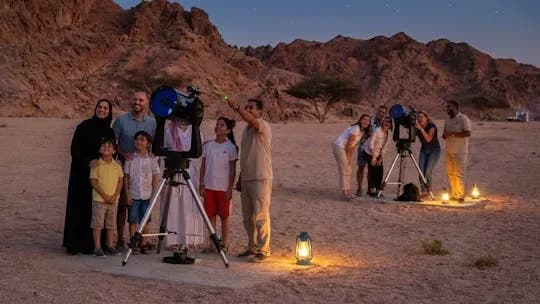
You can't (and shouldn't) drive into the White Desert yourself — it's off-road, remote and requires a licensed guide — so a stargazing night here means booking an overnight safari, which is the easy, well-run default. What varies is the camp. Basic Bedouin overnights give you a fire, food, blankets and the sky, which for most people is all you need. A handful of operators run "astro" camps with a telescope, a knowledgeable guide and sometimes a photographer who'll help with long exposures. If seeing planets and clusters up close matters to you, ask whether a telescope is provided before booking; otherwise the naked-eye experience on a moonless night is already the main event.
How to do it well: practical tips
- Pick a new-moon date if the Milky Way is the goal. This matters more than anything else.
- Pack for cold. This is the number-one mistake. Desert nights from November to February drop close to freezing. Bring a warm layer, a hat and a sleeping bag rated for it, even though the day was hot.
- Bring a red-light torch. White light kills your night vision for 20–30 minutes; red preserves it. Set your phone screen to red/dim too.
- Let your eyes adapt. Give it a full 20–30 minutes away from any bright light before you judge the sky. It keeps getting better.
- Skip the phone photos, or plan them. Casual snaps capture nothing. If you want astrophotography, you'll need a tripod and a long exposure — otherwise just look up.
- Go on an overnight, not a day-trip. The magic is the night. A White Desert camp is the standard, well-run way to do it.
A night under Egypt's desert sky is, for a lot of travellers, the surprise highlight of the whole trip — the thing they didn't plan for and can't stop describing. Browse desert safari and camping experiences to find an overnight trip that puts you under it.
A real team available 24/7 to assist you — free
Seif and the team reply on WhatsApp 24/7 — trip questions, custom plans and booking help.
Ask Seif on WhatsAppCommon questions
Where is the best stargazing in Egypt?
The White Desert near Bahariya Oasis is the classic spot — you camp among glowing chalk formations under an intensely dark sky. Siwa and the Great Sand Sea, the mountains around St Catherine in Sinai, and Fayoum (the closest to Cairo) are all excellent alternatives with minimal light pollution.
When is the best time for stargazing in Egypt?
October to March, when the desert is comfortable to camp in and the air is at its clearest, with December to February giving the sharpest skies. Just as important, go within a few days of the new moon — moonlight washes out the Milky Way and fainter stars.
Can you see the Milky Way in Egypt?
Yes, spectacularly. In the Western Desert on a moonless night the Milky Way appears as a bright, structured band across the whole sky. The lack of light pollution and dry desert air make it one of the finest places on earth to see it.
Why does the moon phase matter for stargazing?
A bright full moon lights up the sky and drowns out fainter stars and the Milky Way. For the darkest skies and the full band of the Milky Way, plan your desert camp within about five days of the new moon. A full moon does beautifully illuminate the White Desert's formations, though — just with fewer stars.
What will I see in the Egyptian night sky?
The Milky Way, thousands of stars, planets, passing satellites and shooting stars — especially during the Perseid (August) and Geminid (December) meteor showers. With binoculars you'll spot star clusters and Jupiter's moons; some desert camps provide a telescope and a guide.
Is it cold stargazing in the Egyptian desert?
Yes, surprisingly so. Even after a hot day, desert nights from November to February can drop close to freezing. Pack a warm layer, hat and a proper sleeping bag — under-dressing for the cold is the most common mistake people make on desert camps.
How do I go stargazing in the White Desert?
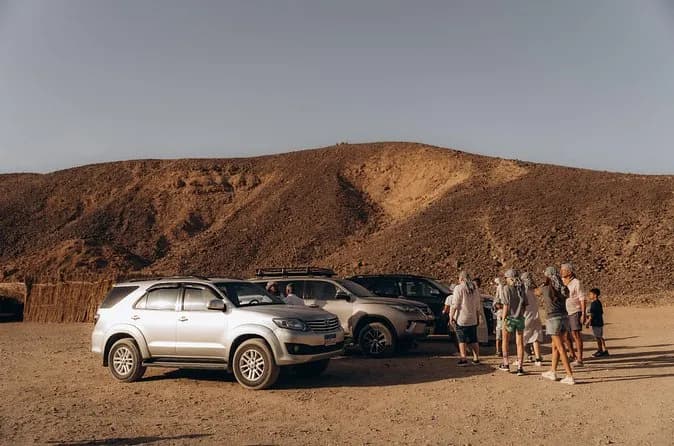
Book an overnight desert safari from Bahariya Oasis (about four hours from Cairo). A 4x4 takes you into the White Desert, where you camp with a Bedouin guide, a campfire dinner and the stars. It's almost always done as a guided 2–3 day trip, not a day-visit.
Do I need any equipment to stargaze in Egypt?
No — the naked eye alone is stunning on a dark night. But a red-light torch preserves your night vision, binoculars reveal more, and a tripod plus long exposure is essential if you want astrophotography. Give your eyes 20–30 minutes to adapt for the best view.
Book it on This is Egypt
Turn this guide into a trip





Egypt's bestsellers
The experiences travelers book most, across the country

Keep reading
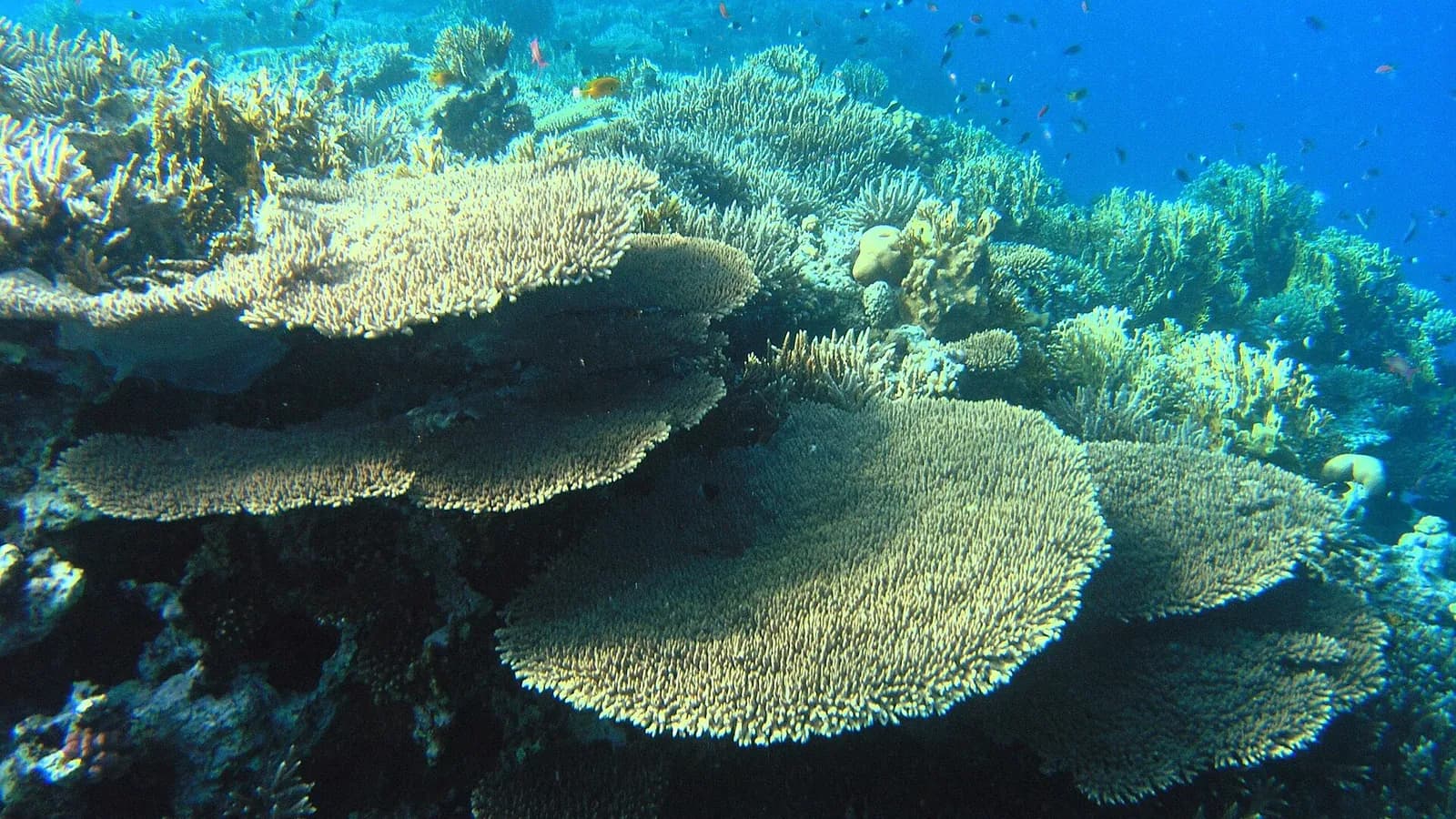
Hurghada Diving (2026): Best Sites, Packages & Prices
Diving in Hurghada — the best reefs (Giftun, Careless Reef, Dolphin House) and Abu Nuhas wrecks, Discover Scuba vs PADI courses, season and water temps, and real 2026 prices.
By TiE Editors7 min read
Hurghada Snorkeling Trips (2026): Best Reefs, Prices & How to Choose
Where to snorkel from Hurghada in 2026 — Orange Bay, Giftun, Mahmya, Utopia and Dolphin House — with boat types, marine life, month-by-month sea temperatures, family tips and real prices from 1,000+ bookable trips.
By TiE Editors7 min read
Egypt Tour Prices by Activity (2026): What Each Type Really Costs
What every type of Egypt experience costs — half day, full day or overnight — as a median and a mid-half range in US dollars, from 12,370 live bookable listings.
By TiE Editors6 min read