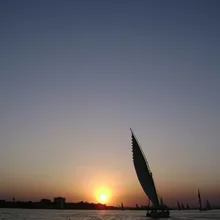
 Photo by Marc Ryckaert (MJJR), via Wikimedia Commons, CC BY 3.0
دليل السفر إلى الأقصر: المعابد والمقابر والنيل (2026)
أعظم متحف مفتوح في العالم، حيث قسّمت طيبة القديمة حياتها على ضفتَي النيل: معابد للأحياء على الضفة الشرقية، ومقابر للأموات على الغربية. دليل كامل لمعالم الأقصر، ورحلة منطاد عند الشروق، وأين تقيم، وكم من الوقت تمنحها.
احجزها على This is Egypt
الأقصر · حوّل هذا الدليل إلى رحلة

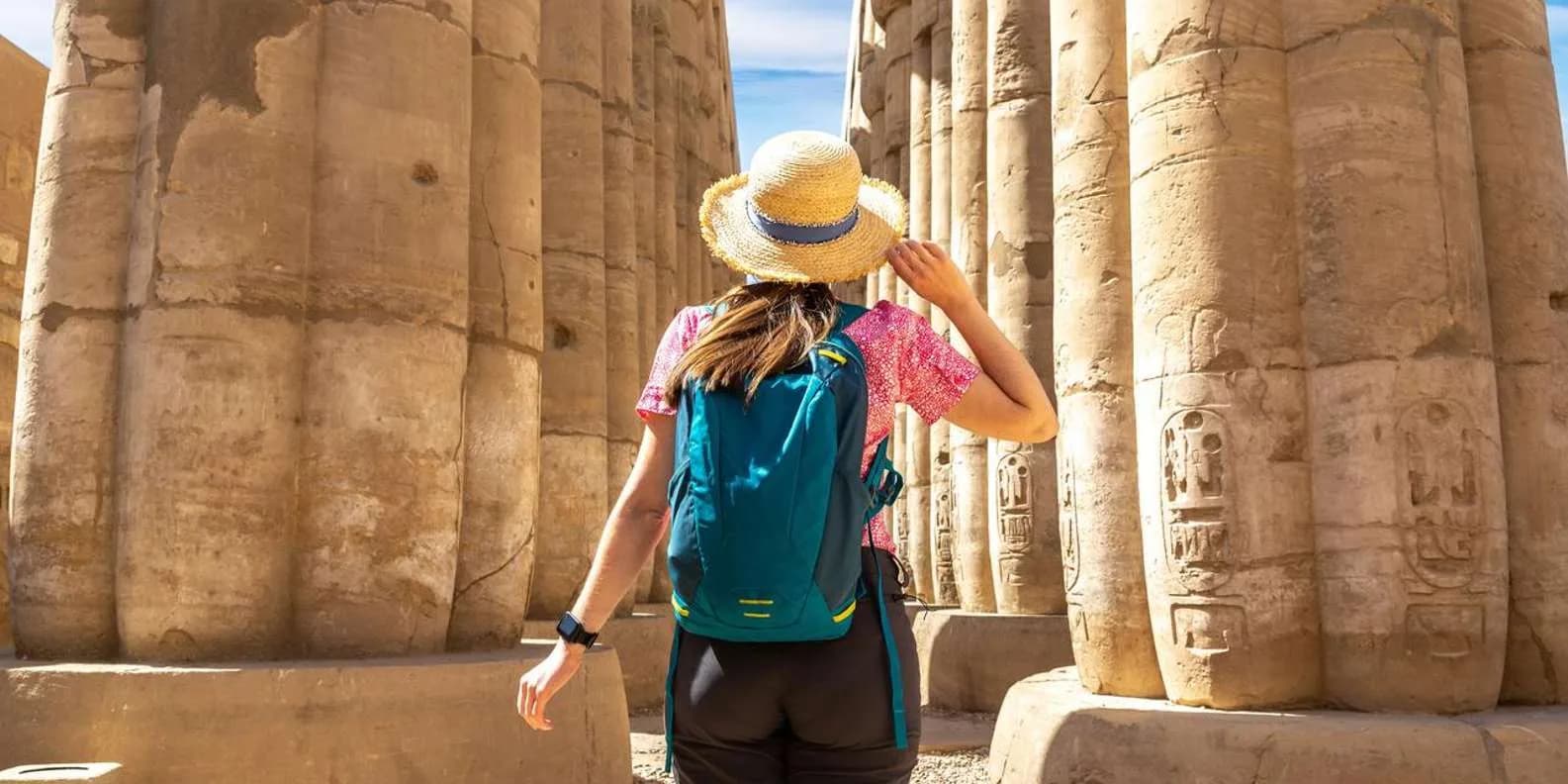
إذا كانت القاهرة هي حاضر مصر، فالأقصر ماضيها ماثلًا للعيان. بُنيت فوق طيبة القديمة، عاصمة مصر في أوج قوتها، وهي تضم من الآثار القائمة أكثر من أي مكان على وجه الأرض، وتقسم هذا الثراء بدقة على ضفتَي النهر: معابد للأحياء على الضفة الشرقية، ومقابر للأموات على الغربية. ويومان مخطط لهما جيدًا يتيحان لك أن تشعر بها دون أن تختلط عليك. كل موقع أدناه يقع على الخريطة التفاعلية؛ تتبّع مجرى النهر وشاهد الضفتين تتقابلان.
الضفة الشرقية: معابد الأحياء
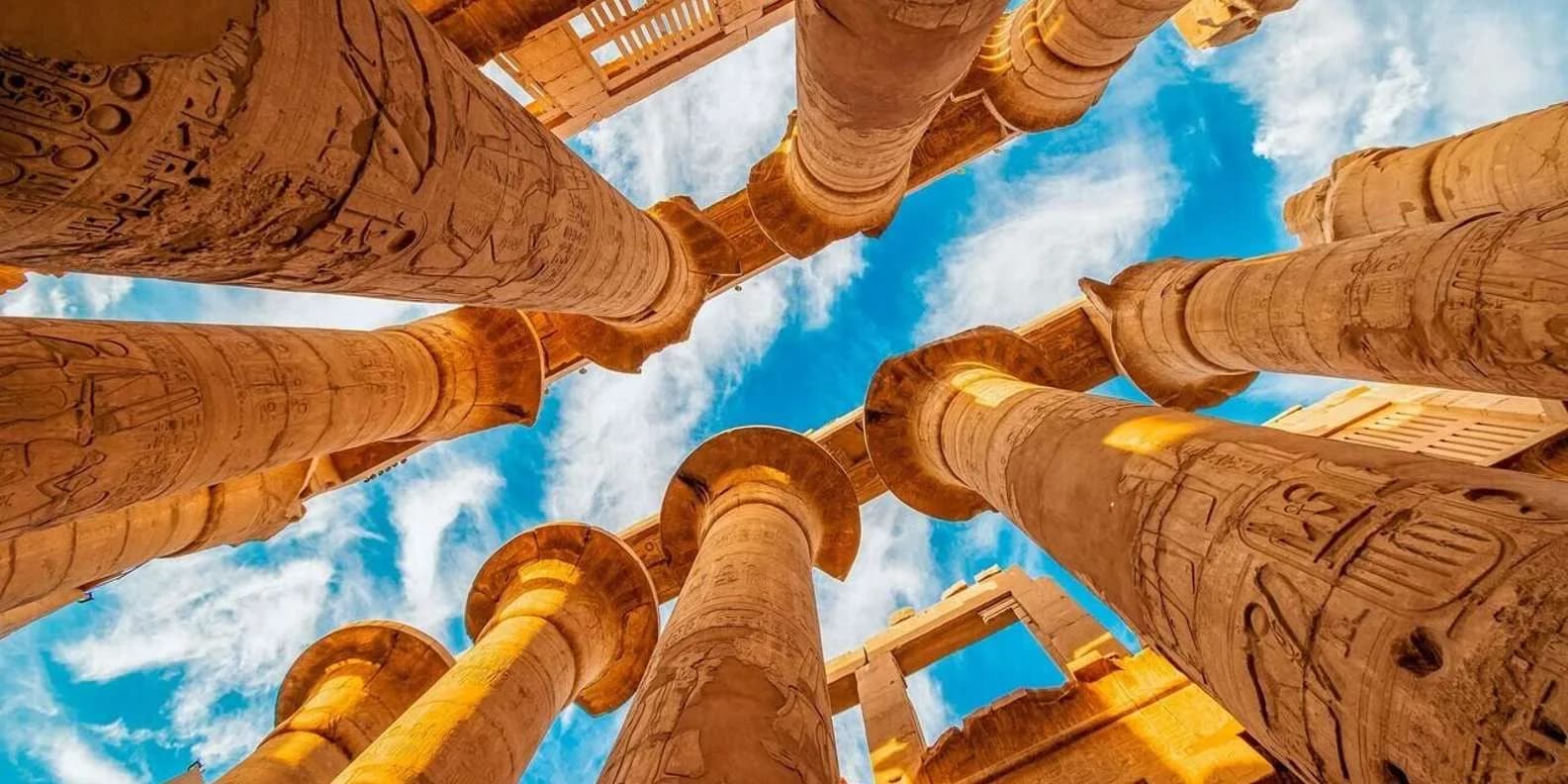
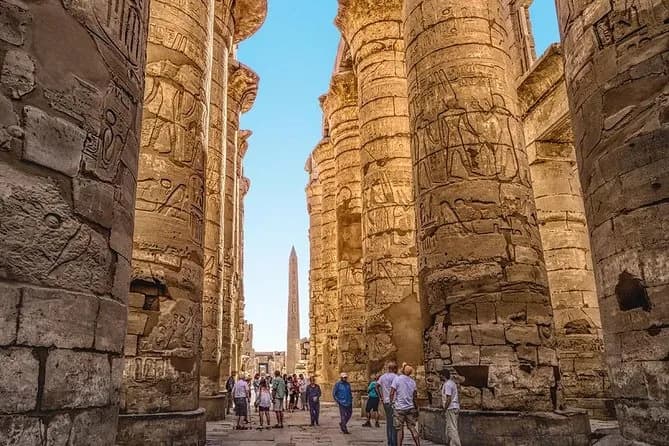
معبد الكرنك هو العنوان الأبرز، وهو هائل الحجم. ليس معبدًا واحدًا بل مجمّعًا نما على مدى نحو ألفَي عام إذ حاول كل فرعون أن يتفوق في البناء على سابقه، ويبلغ ذروته في قاعة الأعمدة الكبرى، حيث تقف 134 عمودًا من الحجر الرملي، أطولها يتجاوز 20 مترًا، متقاربة بحيث يصمت الزوار وهم يسيرون بينها. ابحث عن مسلة حتشبسوت، والبحيرة المقدسة، وطريق الكباش الذي كان يمتد في الماضي حتى معبد الأقصر وأُعيد افتتاحه في عام 2021. اذهب مبكرًا، قبل الحرارة والحافلات.
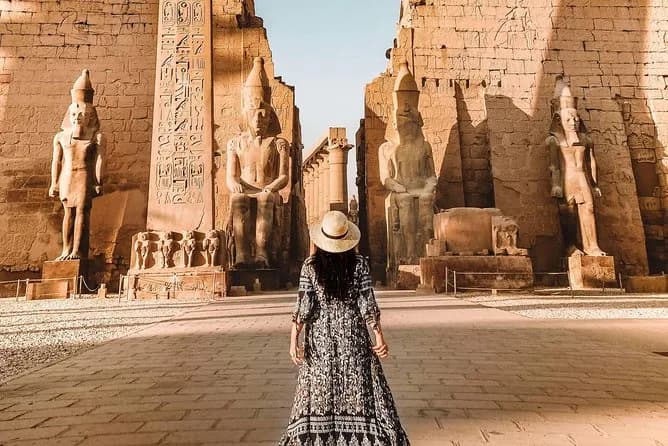
على مسافة قصيرة جنوبًا، يقع معبد الأقصر الأصغر والأكثر رشاقة، ومن الأفضل تأجيله إلى المساء، حين يكون مضاءً، وتتوهج الأروقة بلون ذهبي وقد زالت الحرارة. إنها أفضل أمسية تستحق قيمتها في صعيد مصر. ويتناول دليل معبدَي الكرنك والأقصر كليهما بتفصيل أعمق.
الضفة الغربية: مملكة الأموات
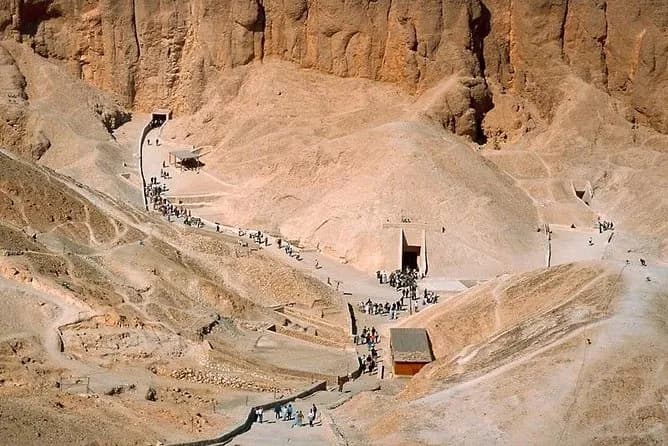
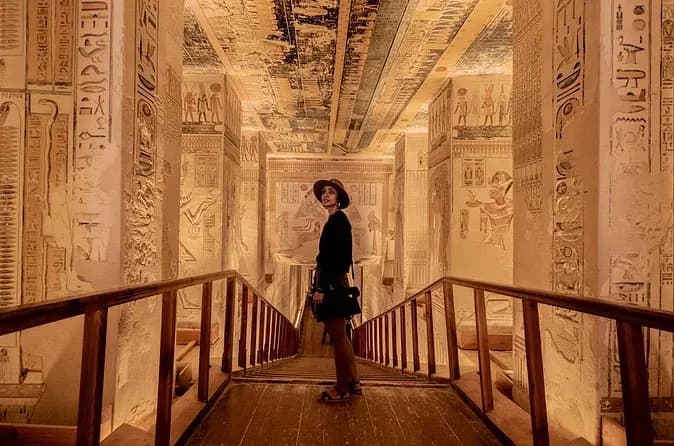
اعبر النهر إلى الجبانة. يخفي وادي الملوك المقابر المنحوتة في الصخر لفراعنة الدولة الحديثة، بأسقفها المرسومة ونقوشها الهيروغليفية التي لا تزال زاهية بعد ثلاثة آلاف عام. تغطي التذكرة القياسية ثلاث مقابر من مجموعة متبدّلة، مع رسوم منفصلة لمقابر سيتي الأول وتوت عنخ آمون ورمسيس السادس؛ ويوضح دليل وادي الملوك أيها يستحق التكلفة الإضافية. وقريبًا يرتفع معبد حتشبسوت المدرّج، المنحوت في منحدر صخري كأنه عمارة تحاكي الجيولوجيا، وقرية الحرفيين في دير المدينة، ومعبد مدينة هابو الجنائزي بألوانه التي لا تزال عالقة بجدرانه، وتمثالا ممنون المنفردان يحرسان السهل الفيضي. وخلف التلة، يضم وادي الملكات مقبرة نفرتاري، التي كثيرًا ما تُوصف بأنها أجمل مقبرة مرسومة في مصر.
حلّق فوقها عند الشروق
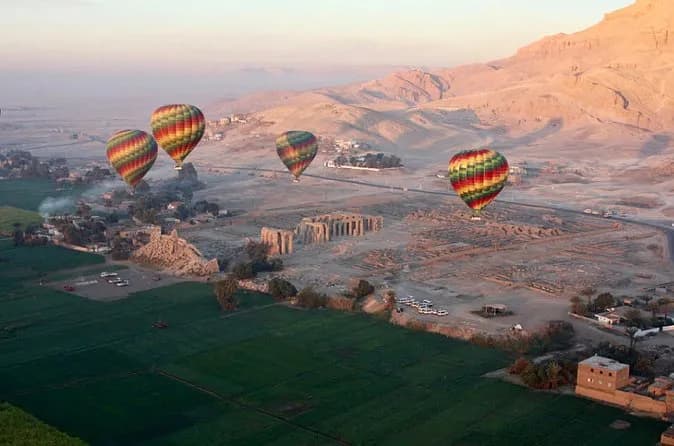
التجربة التي ترقى إلى مستوى صورها: منطاد هواء ساخن يقلع في ظلمة الفجر الباردة بينما تصعد الشمس فوق تلال طيبة، فيتكشّف تحتك وادي الملوك والرامسيوم وشريط النيل الأخضر. احجز أول موعد لأهدأ الأجواء وأفضل الإضاءة، وتعود في الوقت المناسب لتناول الإفطار.
بوابة النيل
الأقصر هي الطرف الشمالي للرحلة النيلية الكلاسيكية إلى أسوان، إذ تتوقف عند معابد يصعب الوصول إليها بأي وسيلة أخرى: إسنا، وإدفو بمعبد حورس المحفوظ ببراعة، ومعبد كوم أمبو المزدوج على ضفة النهر. ولاختيار المركب والاتجاه، اقرأ دليل الرحلات النيلية.
أين تقيم وأين تأكل
تضعك الضفة الشرقية قرب الكورنيش والمعابد والمطاعم؛ أما الضفة الغربية فهي أهدأ وأكثر ريفية وأقرب إلى المقابر، وبها فنادق صغيرة ساحرة بين حقول قصب السكر. وللفخامة، يجلب فندق Sofitel Winter Palace طراز البيل إيبوك من ثمانينيات القرن التاسع عشر إلى الضفة الشرقية، حيث أعلن هوارد كارتر اكتشاف مقبرة توت عنخ آمون. تناوَل الحمام المشوي والطواجن في المطاعم المحلية، أو تناوَل العشاء على شرفة فندق تطل على النيل.
كم من الوقت، وكيف تصل، ومتى
يومان يوفّيان الضفتين الشرقية والغربية حقهما؛ أضِف صباحًا للمنطاد. ثم يبحر كثير من المسافرين إلى أسوان. تصل إلى الأقصر برحلة طيران قصيرة مدتها ساعة واحدة من القاهرة، أو بقطار النوم الليلي، أو ضمن رحلة نيلية. زُر بين أكتوبر وأبريل للتمتع بأيام معابد لطيفة؛ وفي الصيف، ابدأ مبكرًا جدًا لتفادي حرارة تتجاوز بانتظام 40 درجة مئوية. اجمع الأقصر مع أسوان لتنال المشهد الكامل لصعيد مصر، وانظر أين تندرج ضمن رحلة أولى في دليل السفر إلى مصر 2026.
تحدّث مع شخص حقيقي — مجاناً
سيف والفريق يردّون على واتساب على مدار الساعة — أسئلة الرحلة، خطط مخصّصة والمساعدة في الحجز.
اسأل سيف على واتسابأسئلة شائعة
كم يومًا تحتاج في الأقصر؟
يومان يتيحان لك زيارة الضفة الشرقية (معبدا الكرنك والأقصر) والضفة الغربية (وادي الملوك، وحتشبسوت، وتمثالا ممنون) دون تعجّل، إضافة إلى رحلة منطاد في الصباح الباكر. وهي أيضًا نقطة انطلاق معظم الرحلات النيلية إلى أسوان.
هل الأقصر أفضل من أسوان؟
يكمّل كل منهما الآخر. الأقصر بها تركيز أكبر من الآثار؛ وأسوان أرق وأكثر جمالًا في مناظرها. والرحلة الكلاسيكية تشمل الاثنتين، متصلتين برحلة نيلية بينهما.
هل منطاد الأقصر يستحق التجربة؟
بالنسبة لمعظم المسافرين، نعم؛ فرحلة عند الشروق فوق آثار الضفة الغربية والنيل تجربة تستحق أن تكون على قائمة أمنيات العمر، وهي بأسعار معقولة على نحو مفاجئ. احجز أول موعد لأهدأ الأجواء وأفضل الإضاءة.
كيف تصل من القاهرة إلى الأقصر؟
تستغرق رحلة الطيران الداخلية نحو ساعة؛ وقطار النوم الليلي هو البديل الجميل الذي يوفّر ليلة فندق. ومن الأقصر، يُستمتع بالمرحلة التالية إلى أسوان في أفضل صورها كرحلة نيلية.
احجزها على This is Egypt
حوّل هذا الدليل إلى رحلة



الأكثر مبيعًا في مصر
التجارب الأكثر حجزًا من المسافرين في كل أنحاء البلاد





تابع القراءة
الغوص في الغردقة (2026): أفضل المواقع والباقات والأسعار
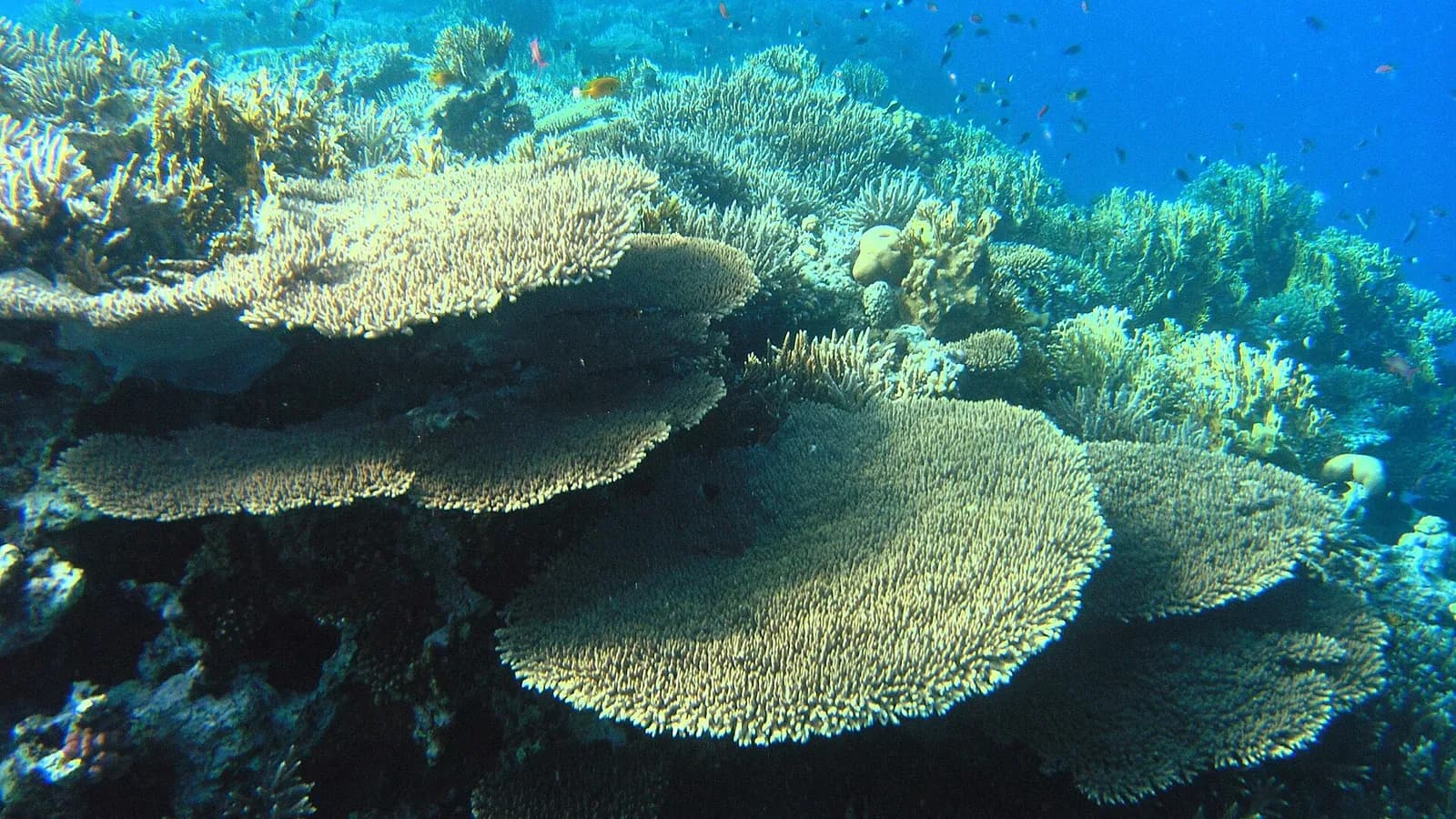
الغوص في الغردقة — أجمل الشعاب (جفتون، كيرلس ريف، بيت الدلافين)، الغطسات التعريفية مقابل دورات PADI، أسعار حقيقية لعام 2026 من أكثر من 160 رحلة، وأعلى أيام الغوص تقييمًا.
بقلم TiE Editors7 د قراءة

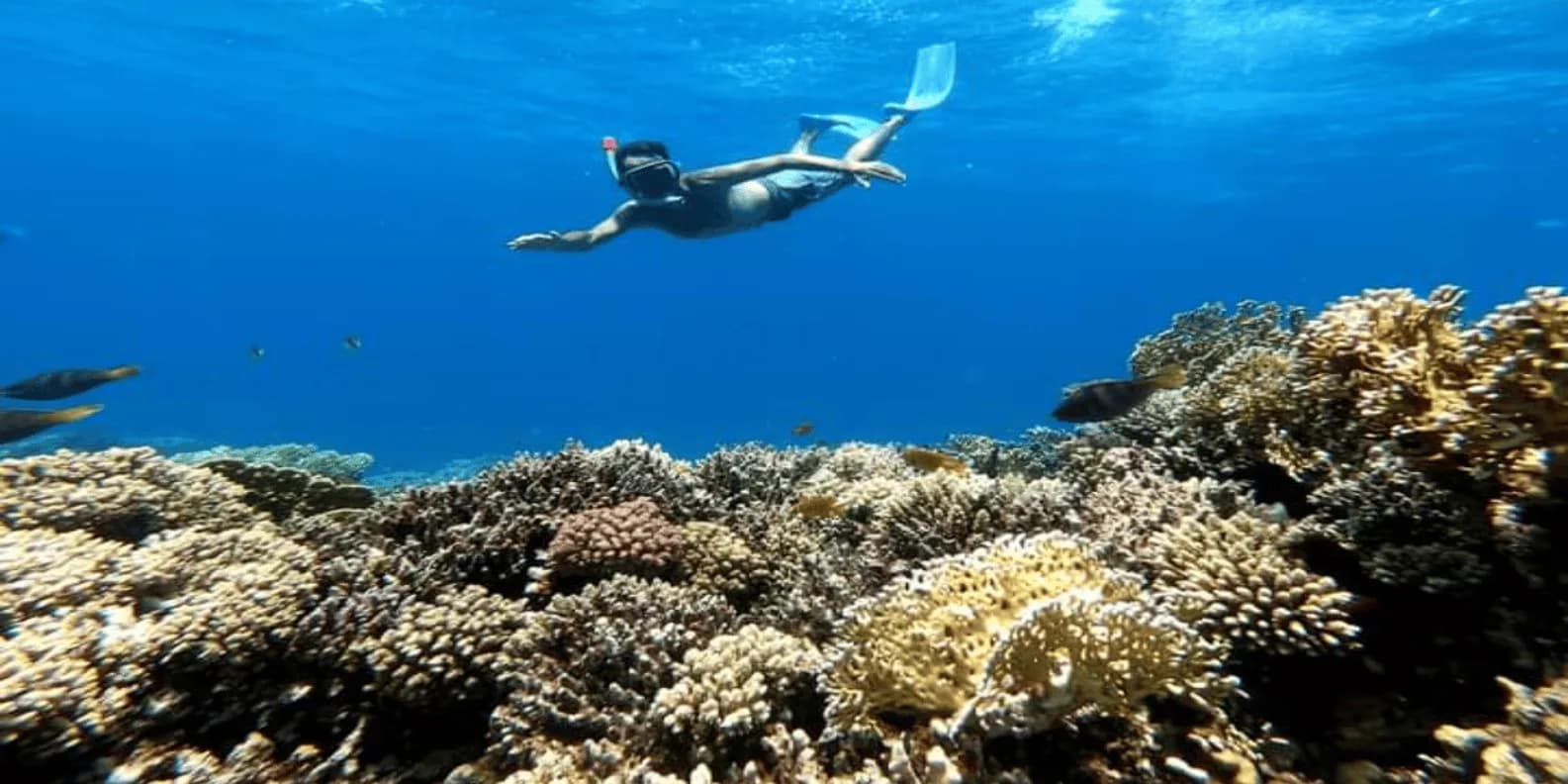
رحلات الغطس (السنوركل) في الغردقة (2026): أفضل الشعاب والأسعار وكيفية الاختيار
أفضل الشعاب والجزر للغطس انطلاقًا من الغردقة — Orange Bay وجزيرة الجفتون وبيت الدلافين — مع أسعار حقيقية لعام 2026 مستمدة من أكثر من 880 رحلة قابلة للحجز، إضافة إلى الموسم والحياة البحرية والنصائح التي تحتاجها.
بقلم TiE Editors7 د قراءة

أسعار الرحلات في مصر حسب النشاط (2026): كم يكلفك كل نوع فعليًا
كم يكلفك فعليًا كل نوع من تجارب مصر — من ركوب الجمل بـ 1,700 جنيه إلى رحلة نيلية بـ 48,500 جنيه — استنادًا إلى 29,710 رحلة حقيقية قابلة للحجز عبر سبع منصات.
بقلم TiE Editors6 د قراءة