Egyptian Festivals & Moulids: A Year-Round Guide (2026)
From ancient Sham El-Nessim to the saint-day moulids and Coptic feasts, here are Egypt's main festivals, when they fall, and how to experience them respectfully.
Egypt's calendar is layered like its history — Pharaonic, Coptic Christian and Islamic festivals all still celebrated, sometimes in the same week. From the ancient spring picnic of Sham El-Nessim to the swirling saint-day carnivals called moulids, timing a visit around a festival is one of the best ways to see the country at its most alive. This guide runs through the main celebrations, when they fall, and how to experience them respectfully.
Because Islamic and Coptic dates follow lunar and Coptic calendars, many festivals shift each year — always check the current year's dates before you plan.
Sham El-Nessim — the world's oldest spring festival
Sham El-Nessim ("smelling the breeze") is a genuinely ancient Egyptian holiday, with roots in the Pharaonic Shemu harvest festival some 4,500 years ago, and it's still celebrated by all Egyptians regardless of religion. It falls on the Monday after Coptic Easter (usually April or early May). Families pour into every green space and along the Nile for a day-long picnic, traditionally eating feseekh (fermented salted mullet), spring onions, lettuce and coloured eggs — the eggs a symbol of renewal that predates the Christian tradition. It's Egypt's great secular spring party.
Moulids — the saint-day carnivals
A moulid is a festival marking the birthday of a saint or holy figure, and they are among the most vivid, chaotic and joyful events in the country — part religious observance, part street carnival, with Sufi processions, drumming, chanting (dhikr), sweets stalls, lights and huge crowds. Major ones include:
- Moulid of Sayeda Zeinab and Moulid of Al-Hussein in Cairo — vast, multi-day celebrations around the great shrine-mosques.
- Moulid of Abu El-Haggag in Luxor — a remarkable survival in which boats are paraded through the streets around Luxor Temple, echoing the ancient Opet Festival that once ran on the same spot.
- Moulid El-Nabi — the Prophet Muhammad's birthday, a national holiday marked with special sweets (halawet el-moulid) sold everywhere in the run-up.
Moulids are welcoming but intense and crowded; go with a local, keep valuables secure, and dress modestly.
The Islamic calendar: Ramadan and the two Eids
Ramadan, the holy month of fasting, transforms Egypt: quieter days, then streets that come alive after sunset with lanterns (fanous), special foods and a warm communal buzz late into the night. It's a fascinating — and very atmospheric — time to visit, with some adjusted hours; we cover it in depth in our Egypt during Ramadan guide. Ramadan is followed by Eid al-Fitr, and about two months later comes Eid al-Adha; both are major family holidays when many businesses close and travel peaks.
Coptic Christian feasts
Egypt's Coptic Orthodox community keeps some of the oldest Christian festivals on earth. Coptic Christmas (7 January) and Coptic Easter are the biggest, best experienced around the historic churches of Coptic Cairo or on the Holy Family Trail. The Feast of the Entry of the Holy Family into Egypt (1 June) is a distinctively Egyptian celebration.
Other dates worth knowing
- Abu Simbel Sun Festival (~22 Feb & 22 Oct) — the dawn solar alignment deep in Ramesses II's temple; see our Abu Simbel Sun Festival guide.
- Wafaa El-Nil — a season celebrating the Nile flood, with cultural events, an echo of the ancient festivals that thanked the river for Egypt's very existence.
- National holidays — Revolution Day (23 July), Armed Forces Day (6 October) and others bring parades and closures.
Nayrouz and more seasonal celebrations
Beyond the headline events, Egypt's year is dotted with smaller but atmospheric occasions. Nayrouz is the Coptic New Year (usually 11 September), opening the ancient Egyptian calendar that the Coptic Church still keeps; it commemorates the early Christian martyrs and is marked with red dates and the fruit of the season. Ramadan practicalities are worth planning for: during the fasting month many restaurants close by day and reopen spectacularly after sunset for iftar, museum and site hours may shorten, and the pre-dawn suhoor meal keeps cities buzzing till nearly dawn — magical, but pack patience for altered schedules. Across the country you'll also stumble on countless local moulids for regional saints, each a village's biggest party of the year. And if your trip lands near a big football match, you'll discover Egyptians treat that as a festival too — the coffeehouses overflow.
Festival calendar at a glance
| Festival | When | What it is |
|---|---|---|
| Coptic Christmas | 7 January | Orthodox Christmas |
| Sham El-Nessim | Mon after Coptic Easter (Apr/May) | Ancient spring picnic; all Egyptians |
| Abu Simbel Sun Festival | ~22 Feb & 22 Oct | Dawn solar alignment |
| Moulid El-Nabi | Islamic calendar (shifts) | Prophet's birthday + sweets |
| Ramadan & Eid al-Fitr | Islamic calendar (shifts) | Fasting month + feast |
| Feast of the Holy Family | 1 June | Coptic; Holy Family's entry to Egypt |
| Moulid of Abu El-Haggag | Islamic calendar, Luxor | Boat procession by Luxor Temple |
Planning around a festival
Two rules: check the current year's dates (most shift with lunar/Coptic calendars), and book early — Egyptians travel for the big holidays, so trains, flights and hotels fill up, and some sites keep reduced hours around Ramadan and the Eids. Approach religious events as a respectful guest: dress modestly, ask before photographing people, and follow the crowd's lead. For broader etiquette, see Egyptian culture and customs and time your trip with the best time to visit Egypt.
Want to catch Egypt mid-celebration? Line your dates up with a festival and browse experiences on This is Egypt to build the rest of the trip around it.
Common questions
What are the main festivals in Egypt?
A mix of Pharaonic, Coptic Christian and Islamic celebrations: Sham El-Nessim (ancient spring festival), the saint-day moulids, Ramadan and the two Eids, Coptic Christmas and Easter, and the Abu Simbel Sun Festival, among others.
What is Sham El-Nessim?
An ancient Egyptian spring festival with roots ~4,500 years old, still celebrated by all Egyptians on the Monday after Coptic Easter. Families picnic outdoors and traditionally eat feseekh (salted fish), spring onions and coloured eggs.
What is a moulid?
A moulid is a festival marking a saint's or holy figure's birthday — a lively mix of religious devotion and street carnival, with Sufi processions, drumming, chanting, sweets and big crowds. Famous ones include Sayeda Zeinab and Al-Hussein in Cairo and Abu El-Haggag in Luxor.
Is it a good idea to visit Egypt during Ramadan?
Yes, if you don't mind adjusted hours — days are quieter, but evenings are wonderfully atmospheric with lanterns, special foods and late-night life. Be respectful of those fasting during daylight. See our dedicated Egypt during Ramadan guide.
When is Coptic Christmas in Egypt?
7 January. It's best experienced around the historic churches of Coptic Cairo. Coptic Easter and the 1 June Feast of the Entry of the Holy Family into Egypt are other major Coptic celebrations.
Do Egyptian festival dates change each year?
Many do. Islamic festivals follow the lunar calendar and Coptic feasts the Coptic calendar, so dates shift annually. Always check the current year's dates before planning, and book early because Egyptians travel for the big holidays.
What is the Moulid of Abu El-Haggag?
A Luxor festival in which decorated boats are paraded through the streets around Luxor Temple — a living echo of the ancient Opet Festival once celebrated on the very same site thousands of years earlier.
How should I behave at religious festivals?
As a respectful guest: dress modestly, keep noise down during prayers or processions, ask before photographing people, and follow the crowd's lead. Moulids are welcoming but crowded, so keep valuables secure and consider going with a local.
Book it on This is Egypt
Turn this guide into a trip
Luxor Day Trip from Hurghada Small Group & Tutankhamun Tomb

Hurghada: 3 Islands, Dolphins & Snorkel Yacht Trip w/ Lunch
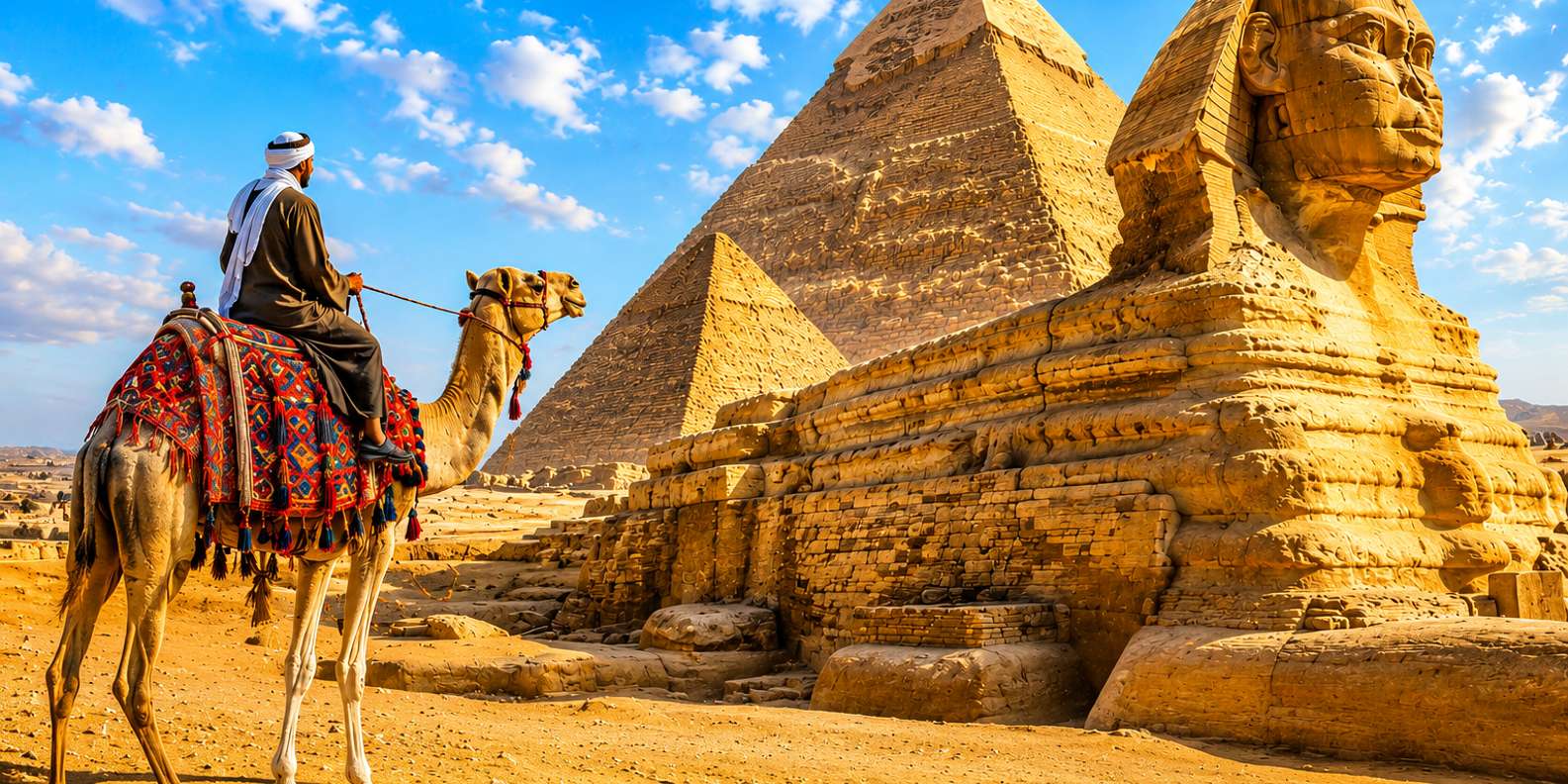
Cairo: Pyramids & Great Sphinx Private Tour with Camel Ride
Keep reading
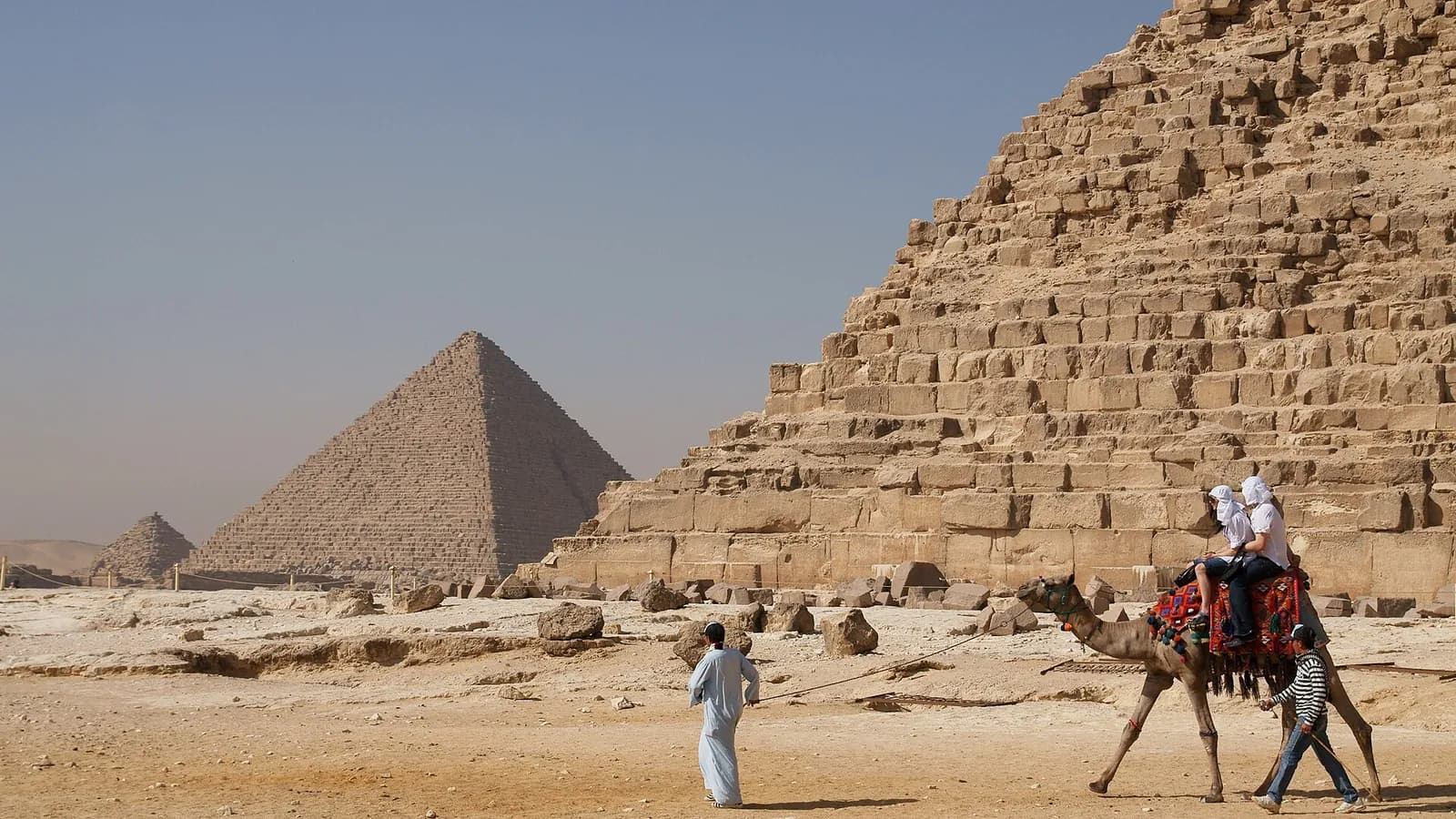
Egypt Tour Prices by Activity (2026): What Each Type Really Costs
What every type of Egypt experience actually costs — from a 1,700 EGP camel ride to a 48,500 EGP Nile cruise — based on 29,710 real bookable tours across seven platforms.
By TiE Editors6 min read
Egypt Travel Guide: Everything You Need to Plan the Trip of a Lifetime
The complete Egypt travel guide — when to go, how long to stay, what it costs, safety, what to pack, and the must-see sights, from the Pyramids to the Nile.
By TiE Editors9 min read
Egypt Tour Prices by City (2026): Where Experiences Cost Most and Least
Tour prices vary hugely by city, from Hurghada's cheap Red Sea days to Aswan's pricier Nile trips. Real median prices from nearly 23,000 listings, city by city.
By TiE Editors8 min read