
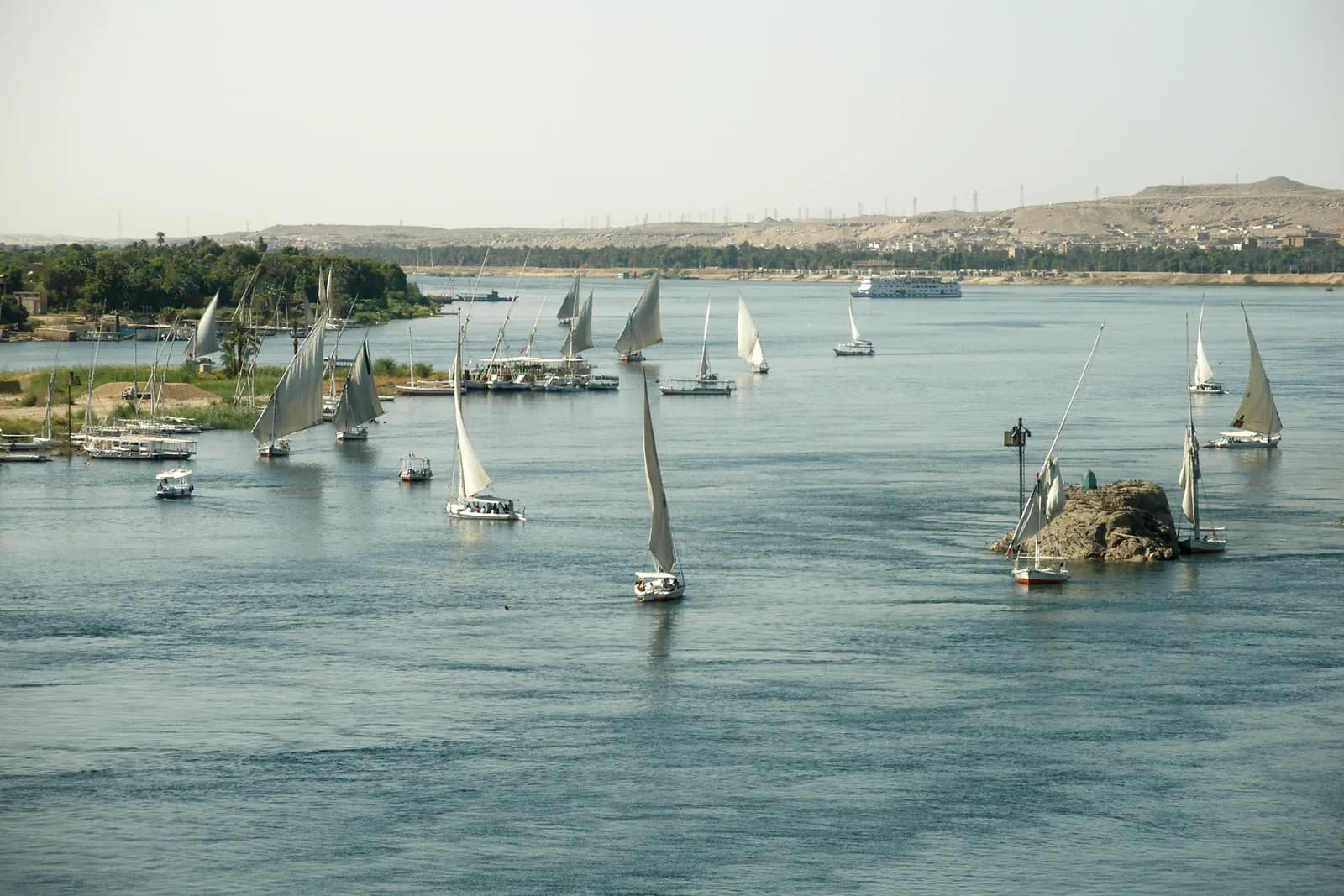
Egypt in March: Shoulder Season, Warm Days & Ramadan (2026)
March is one of Egypt's best-value months - warm, mostly sunny days as the winter peak eases, thinner crowds and softer prices, with the khamsin winds and Ramadan 2026 both to plan around.
Book it on This is Egypt
Turn this guide into a trip

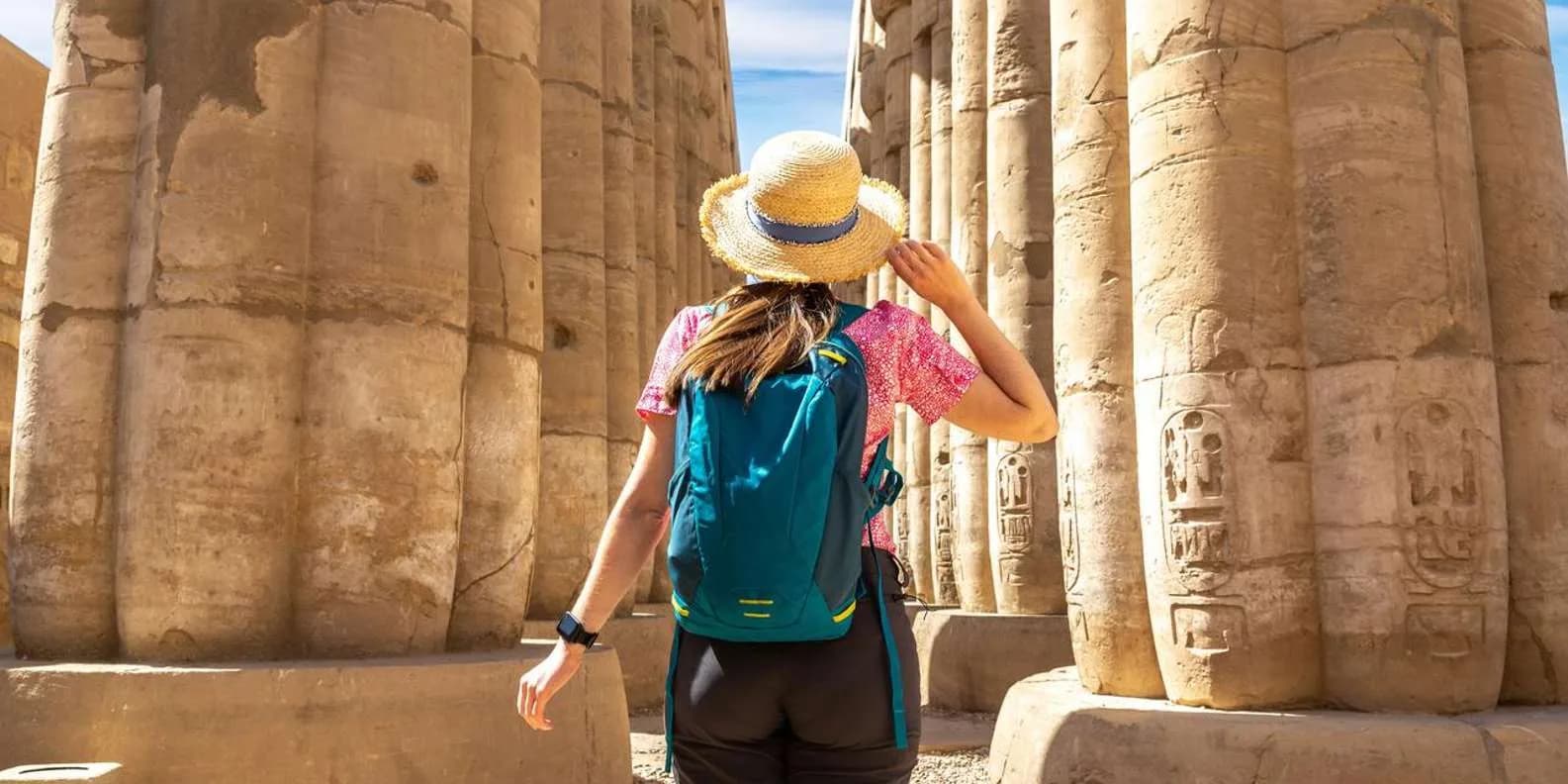
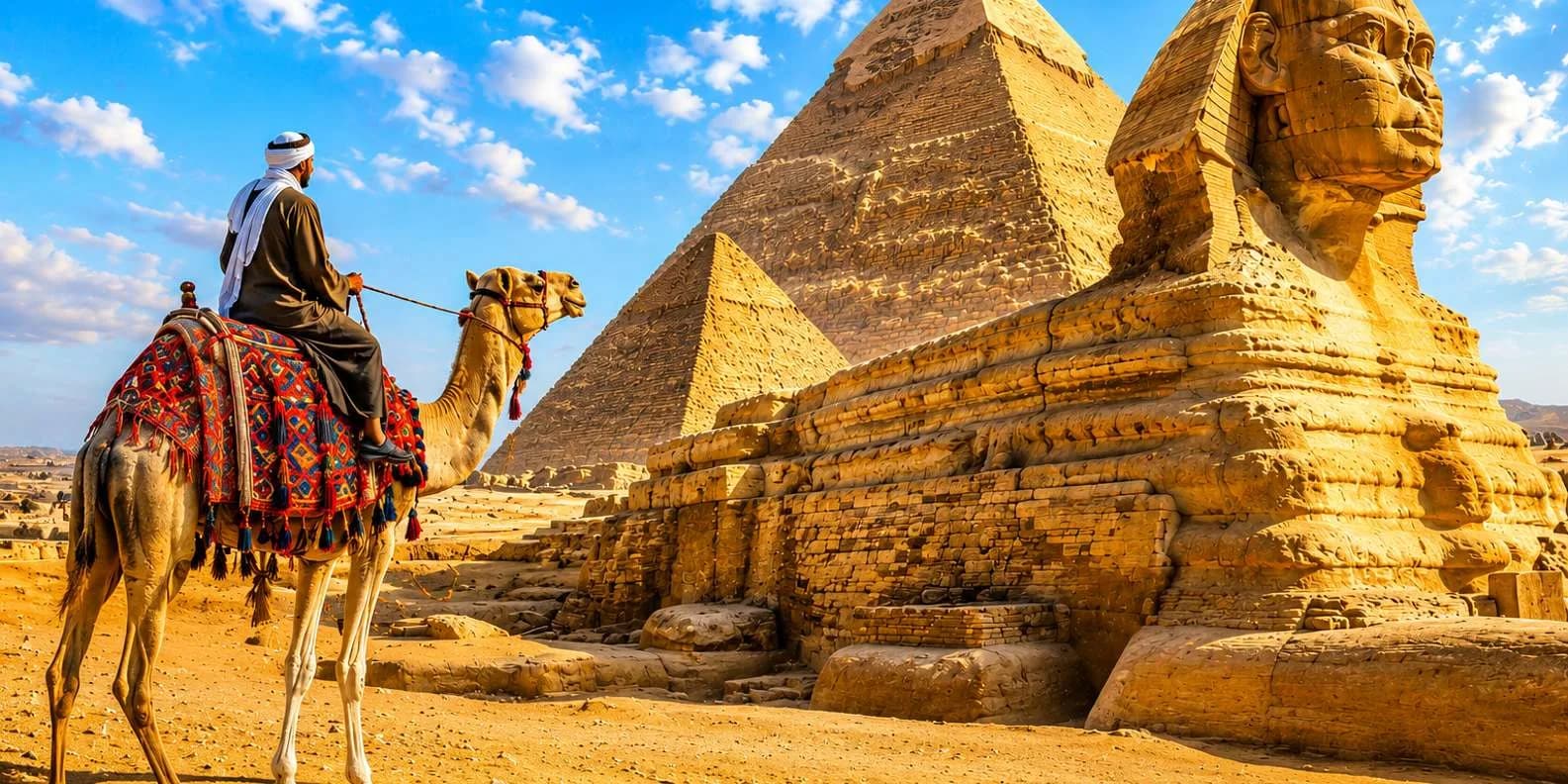

Quick answer: March is the month Egypt tips from winter into warmth. Days turn reliably warm and sunny, the deep-peak crowds of December through February start to thin, and prices soften just enough to make a difference - all before the real summer heat arrives. It's a genuine shoulder-season window, and in 2026 it comes with two things worth planning around: the khamsin, Egypt's hot desert winds that can begin late in the month, and Ramadan, which runs almost entirely through March. Get the timing right and it's one of the most rewarding months of the year to travel.
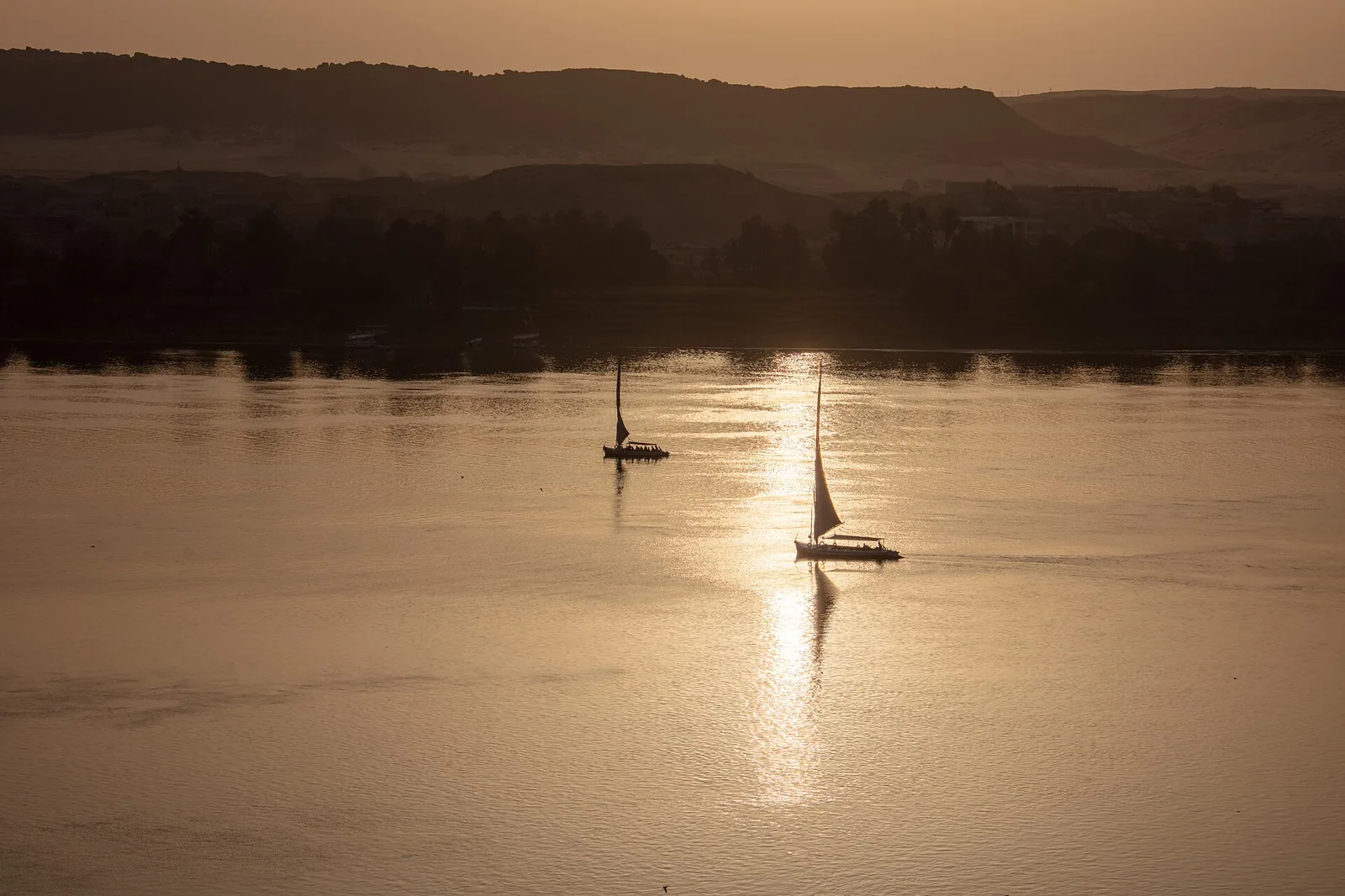
March weather: warm, dry and mostly sunny
March is comfortably warm rather than hot. Cairo sits in the mid-twenties by day, Upper Egypt is a notch warmer, and the whole country enjoys long stretches of clear sun with negligible rain. Early March still carries a little winter cool in the evenings; by late March, days are firmly warm and the first genuinely hot afternoons appear inland.
| Region | Typical March high | March low |
|---|---|---|
| Cairo | 24°C (75°F) | 12°C (54°F) |
| Luxor / Aswan | 29°C (84°F) | 14°C (57°F) |
| Red Sea (Hurghada/Sharm) | 26°C (79°F) | 16°C (61°F) |
| Alexandria | 20°C (68°F) | 12°C (54°F) |
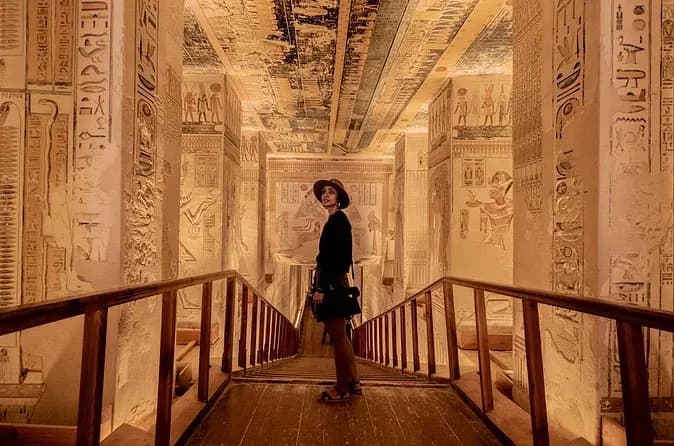
This is close to ideal touring weather. Mornings are cool enough to walk Karnak or the Valley of the Kings in comfort, afternoons are warm without wilting you, and evenings need only a light layer. The Red Sea is warming back up after its winter dip - pleasant for snorkelling and diving, if not yet bath-warm. Rain is essentially nil across the Nile Valley, and Upper Egypt stays reliably clear. See how it fits the full year in our Egypt weather by month guide.
Crowds and prices: the shoulder-season advantage
March is where the value returns. The winter peak - December to February - is when hotels, cruises and flights hit their highest prices, driven by Europeans escaping the cold and the near-perfect winter climate. By March that wave is receding: sites are busy but no longer shoulder-to-shoulder, cruise cabins and good hotels are easier to secure, and rates ease back from the holiday highs.
You still get near-peak weather, but without paying the full peak premium. Experience prices sit in their usual bands - a Cairo cultural tour around 4,600 EGP, a Nile cruise around 14,000 EGP - but availability is far easier and you avoid the December-January crush. For the best weather-to-value ratio, March and April are among the strongest of the year, as we set out in the best time to visit Egypt guide.
The khamsin: Egypt's hot sand winds
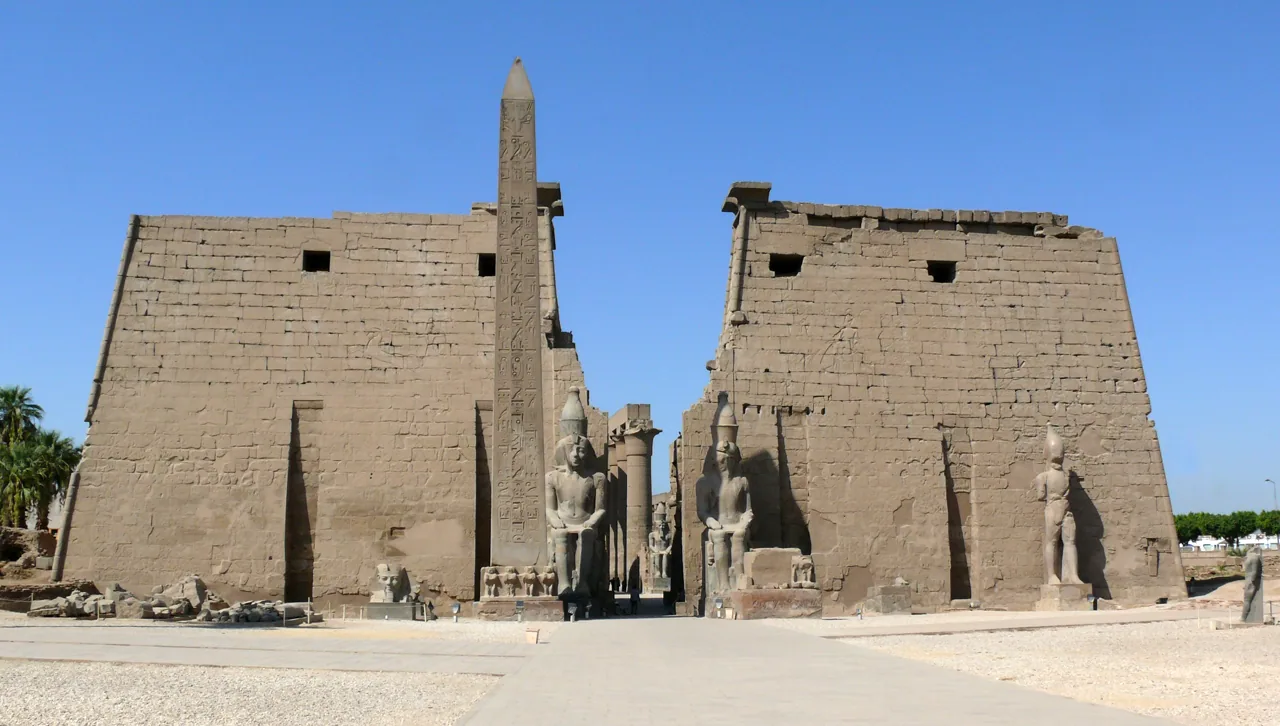
March introduces one distinctly Egyptian weather feature: the khamsin. These are hot, dry, dust-laden winds that blow up from the Sahara, and they can begin late in the month before becoming more frequent in April and May. When a khamsin arrives, temperatures can spike 15°C or more in a day, the sky turns a hazy ochre, and fine sand gets into everything.
They rarely last long - typically a day or two at a time - and most March trips see none at all, since they're more of an April phenomenon. But it's worth being ready: keep sunglasses and a scarf handy to shield your eyes and face, don't schedule your one balloon flight or desert overnight on a razor-thin margin, and build a little flexibility into outdoor plans late in the month. Photographers actually prize the eerie light a khamsin haze throws over the temples.
Ramadan in March 2026
In 2026, Ramadan runs from roughly 19 February to 20 March, so it covers almost the entire month of March. Travelling during Ramadan is perfectly doable and can be atmospheric - streets come alive after sunset with lanterns, family gatherings and the communal iftar meal - but a few things change. Some restaurants and cafes keep reduced daytime hours, service can slow in the fasting hours before sunset, and it's respectful not to eat, drink or smoke conspicuously in public during the day. Major sites, museums and tourist restaurants stay open and hotels operate normally.
Eid al-Fitr, the festival that ends Ramadan, falls around 21 March 2026. It's a joyful national holiday, but also a peak domestic-travel window: expect busy roads, packed trains and fuller resorts for a few days, so book ahead if your trip overlaps. For the full picture, see our Egypt during Ramadan guide.
What to do in Egypt in March
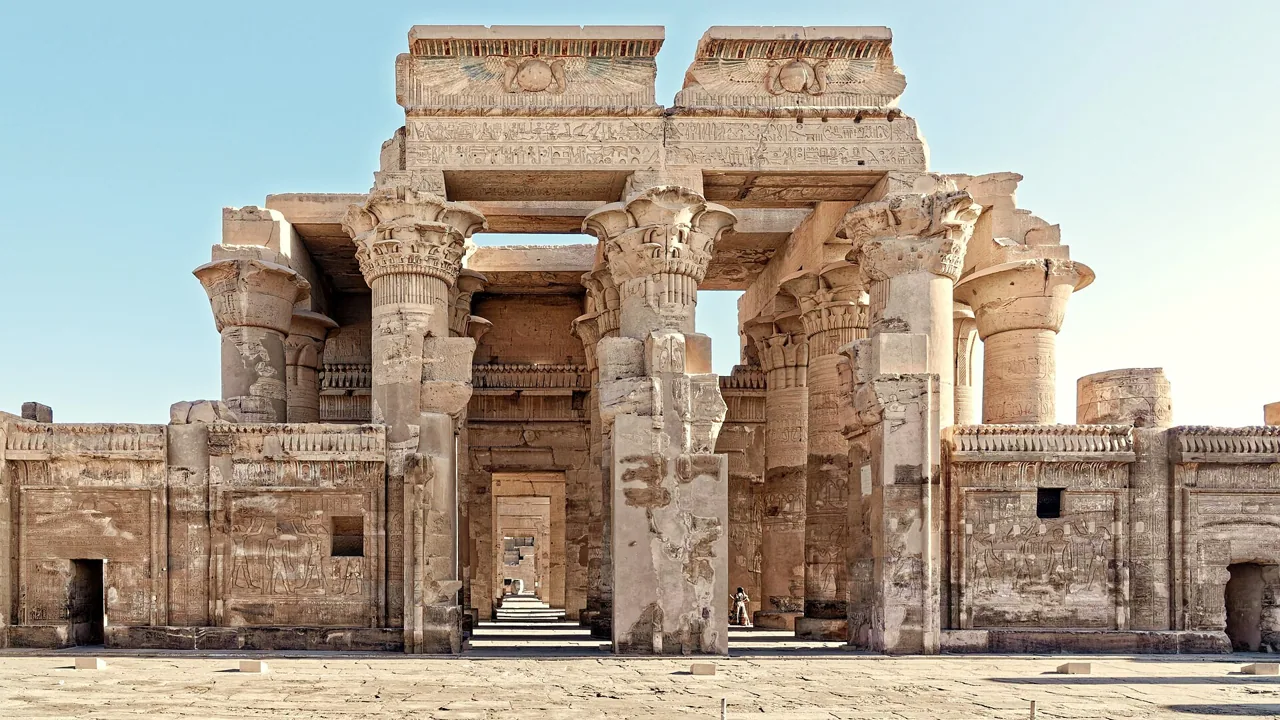
March's warm, dry weather suits just about everything the country does well:
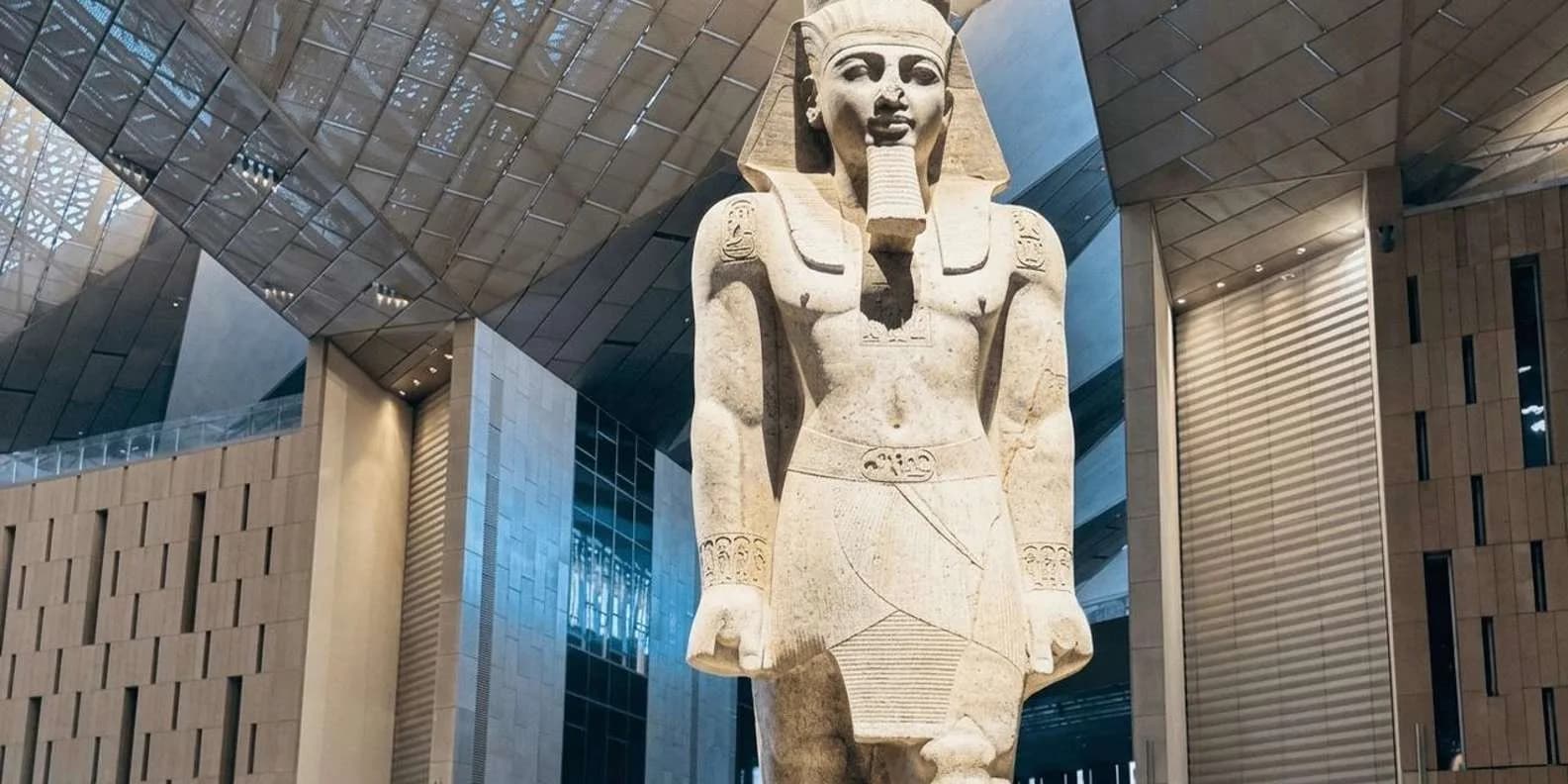
- Cairo and the Grand Egyptian Museum - comfortable to explore all day now, without summer's heat.
- Nile cruises between Luxor and Aswan, in the sweet spot of warm days and mild evenings.
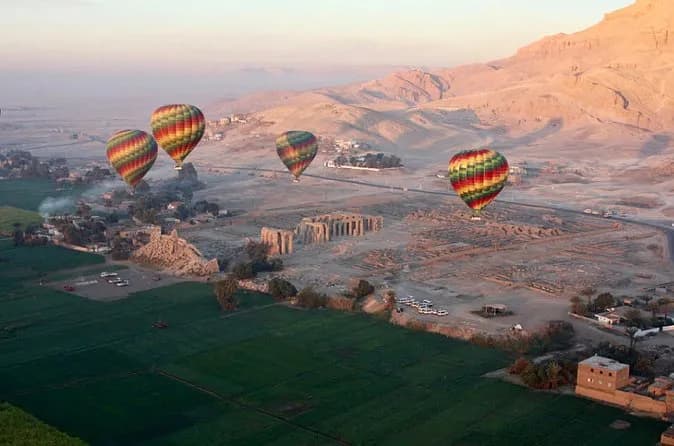
- Luxor's west bank at dawn - the Valley of the Kings and a hot-air balloon flight are both at their best in the cool early hours.
- Red Sea diving and snorkelling - water warming back up, with excellent visibility around Hurghada, Sharm and Marsa Alam.
- Desert trips to the White Desert or Siwa, ideally earlier in the month before the khamsin season builds.
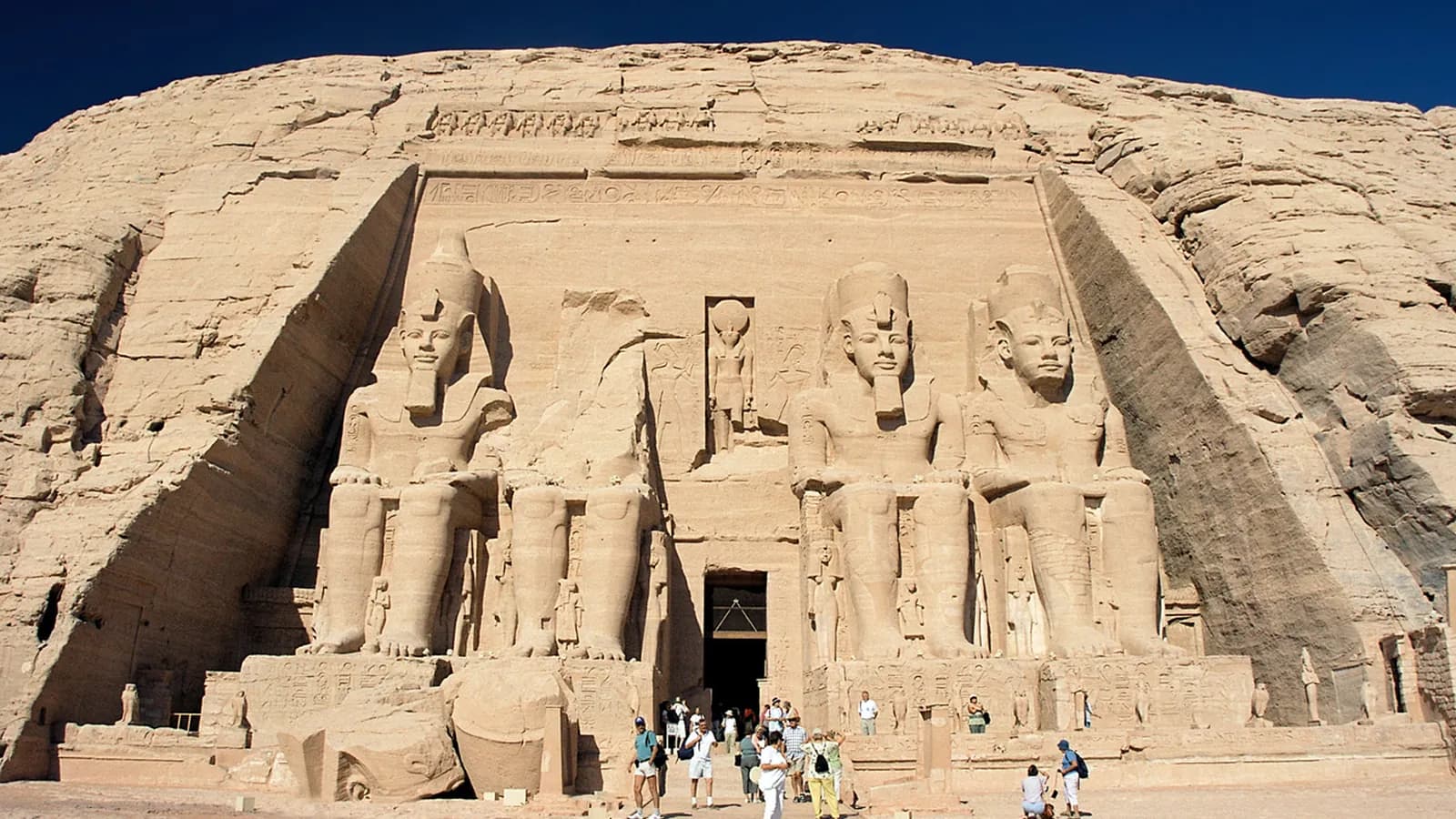
- The Abu Simbel Sun Festival on 22 February just misses March, but late-February travellers can pair it with an early-March trip.
What to pack for March
March packing spans warm days and cooler evenings, with a nod to the wind:
- Light, breathable daytime clothes, loose and covering for sun and site etiquette
- A light jacket, fleece or shawl for evenings, cruise decks and cool mornings
- Sun hat, sunglasses and high-SPF sunscreen - the sun is strong even at mild temperatures
- A scarf or buff to shield your face if a khamsin blows through
- Comfortable closed shoes for dusty sites, plus swimwear for the Red Sea
For the complete list, see what to pack for Egypt.
March vs February
February is the tail of the winter peak: slightly cooler, very reliable, but busier and pricier, with the Abu Simbel Sun Festival on the 22nd as its headline event. March keeps almost all of February's touring comfort while easing the crowds and softening prices, and it adds a touch more warmth for the Red Sea. The trade-off is the arrival of khamsin risk late in the month and, in 2026, Ramadan. If you want the calmest, best-value version of Egypt's excellent cool-season weather, March edges it.
March vs April
April continues the shoulder season but runs warmer and windier - khamsin events become more common, and Upper Egypt starts pushing toward genuine heat. March is the cooler, gentler half of this shoulder pair, better for long days of temple touring, while April can be better value again as demand slides toward the summer low. We compare the later month in Egypt in April. For most travellers chasing warm-but-comfortable weather with good value, March is the safer pick of the two.

A real team available 24/7 to assist you — free
Seif and the team reply on WhatsApp 24/7 — trip questions, custom plans and booking help.
Ask Seif on WhatsAppCommon questions
Is March a good time to visit Egypt?
Yes - it's one of the best-value months. Days are warm and mostly sunny, the deep-winter peak crowds are thinning, and prices soften before summer. The main things to plan around are the occasional khamsin wind late in the month and, in 2026, Ramadan, which runs through most of March.
What is the weather like in Egypt in March?
Warm, dry and mostly sunny. Cairo averages around 24°C by day, Luxor and Aswan near 29°C, and the Red Sea about 26°C. Evenings are cooler and need a light layer, especially early in the month. Rain is essentially nil across the Nile Valley.
What is the khamsin wind in Egypt?
The khamsin is a hot, dry, dust-laden wind blowing up from the Sahara. It can begin late in March before becoming more frequent in April and May. Episodes usually last a day or two, can spike temperatures sharply and haze the sky with sand. Keep sunglasses and a scarf handy.
Does Ramadan fall in March 2026?
Yes - in 2026 Ramadan runs from roughly 19 February to 20 March, so it covers almost all of March. Eid al-Fitr follows around 21 March. Travel is straightforward, but expect reduced daytime hours at some cafes and a busy domestic-travel window around Eid.
Is March or February better for visiting Egypt?
March keeps most of February's comfortable touring weather but with thinner crowds and softer prices, plus slightly warmer Red Sea water. February is more reliable and hosts the Abu Simbel Sun Festival. If value and lighter crowds matter most, March edges it.
Is it too hot to visit Luxor in March?
No. Luxor and Aswan average around 29°C by day in March - warm but very manageable. Start temple visits early, carry water and a hat, and you can comfortably do full days on both the east and west banks. Real heat doesn't set in until later in spring.
Are prices lower in Egypt in March?
Generally yes, relative to the December-February peak. As the winter high season recedes, flights, cruise cabins and hotels ease back and become easier to book, while experience prices stay in their usual bands. March and April offer some of the best weather-to-value of the year.
Book it on This is Egypt
Turn this guide into a trip


Egypt's bestsellers
The experiences travelers book most, across the country


Keep reading
Egypt in August (2026): Weather, Crowds, Prices & Where to Go
August is the height of summer: the Nile Valley at its emptiest and cheapest, the Red Sea warm and busy with European holidaymakers, and Wafaa El-Nil marking the flooding of the Nile mid-month. Here's the honest region-by-region weather, where the value is, and how to plan around the heat.
By TiE Editors4 min read
Egypt in September (2026): Weather, Crowds, Prices & Where to Go
September is the turn of the season: the heat starts easing, the Red Sea hits its warmest of the year, and late in the month the Nile Valley's crowds and prices begin their climb back up. Here's the honest region-by-region weather, and why late September is a smart-value window.
By TiE Editors4 min read
Egypt in June (2026): Weather, Crowds, Prices & Where to Go
June splits Egypt in two: the Nile Valley is quiet, cheap and very hot, while the Red Sea is warm, breezy and buzzing. Here's the real weather region by region, why prices swing so hard, where to go, and how to plan a June trip around the sun.
By TiE Editors5 min read