
The Dendera Zodiac & Temple of Hathor: What to Know (2026)
The Dendera zodiac is the only map of the ancient Egyptian sky — the original is in the Louvre, a replica at Dendera. Why the temple, with its restored painted ceilings, is worth the trip from Luxor.
Book it on This is Egypt
Turn this guide into a trip



Quick answer: The Dendera zodiac is a famous circular star-map ceiling from the Temple of Hathor at Dendera, north of Luxor — a unique depiction of the ancient Egyptian sky, with the constellations and planets. The original was cut from the ceiling and taken to Paris in the 1820s and is now in the Louvre; a replica fills its place at Dendera. The temple itself is one of the best-preserved in Egypt, its recently cleaned ceilings blazing with restored colour. Dendera is a rewarding day trip from Luxor and an increasingly popular Nile cruise extension. (Confirm opening hours and any extra roof-access fee.)
Among all the wonders of the Temple of Hathor, one ceiling made it world-famous. Here is the story of the Dendera zodiac and why the temple is worth the trip.
What the Dendera zodiac is
The zodiac is a circular relief that once formed part of the ceiling of a small rooftop chapel at Dendera. It is the only known map of the entire ancient Egyptian sky in this form — the familiar signs we call the zodiac blended with Egyptian constellations, the planets shown as gods, and the whole disc held up by figures of the sky. Scholars have used it to date the temple and to understand how the Egyptians pictured the heavens. It is a genuinely unique object, which is part of why it caused such a stir when Europeans first saw it.
The original is in the Louvre
In 1821 the zodiac was cut out of the ceiling with saws and gunpowder and shipped to France; since the 1920s it has hung in the Louvre in Paris. What you see at Dendera today is a faithful replica set into the original spot. It's a reminder of the era when antiquities were carried off wholesale — but the temple that held it remains, and it is magnificent.
Why the Temple of Hathor is worth the trip
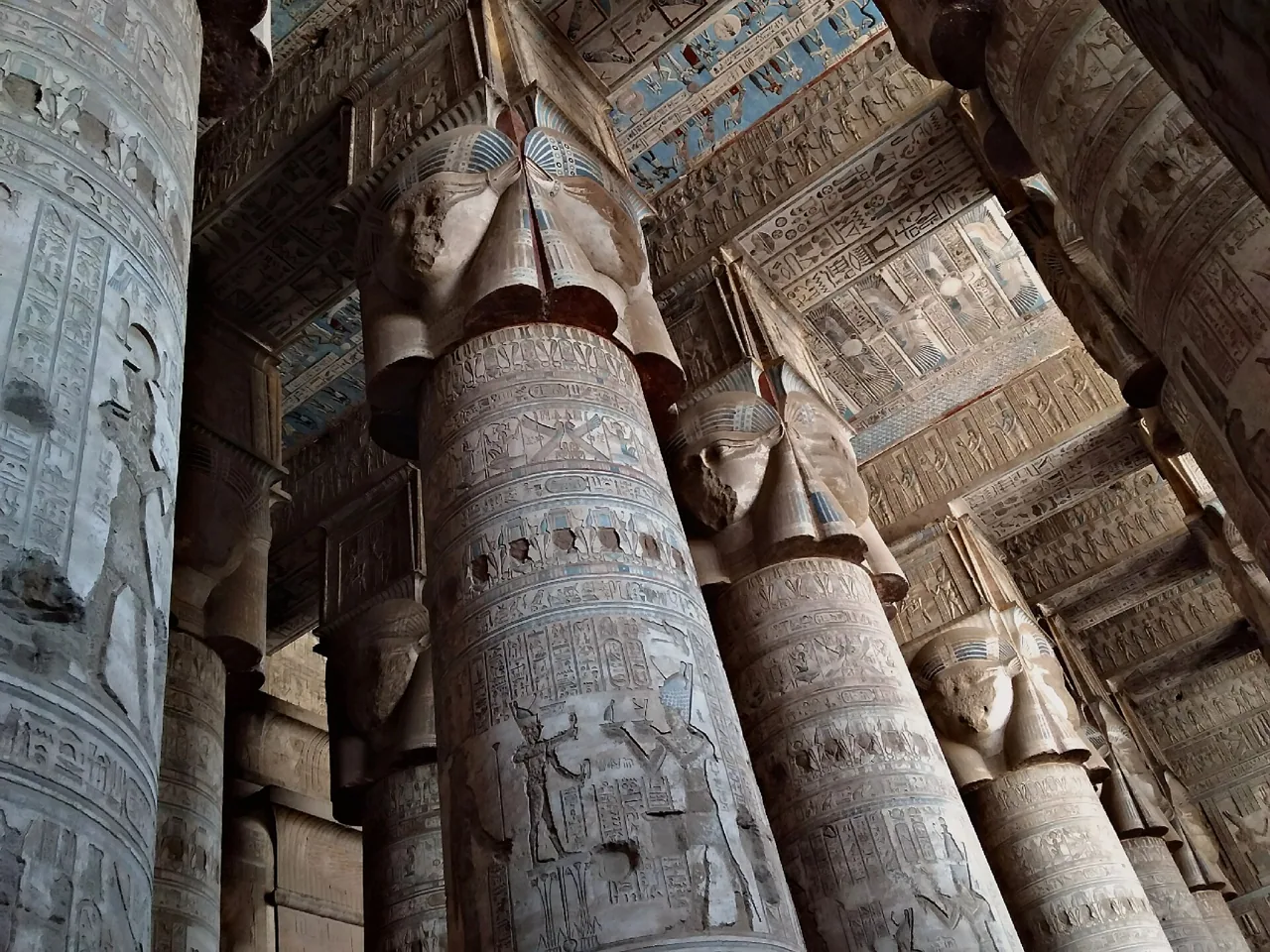
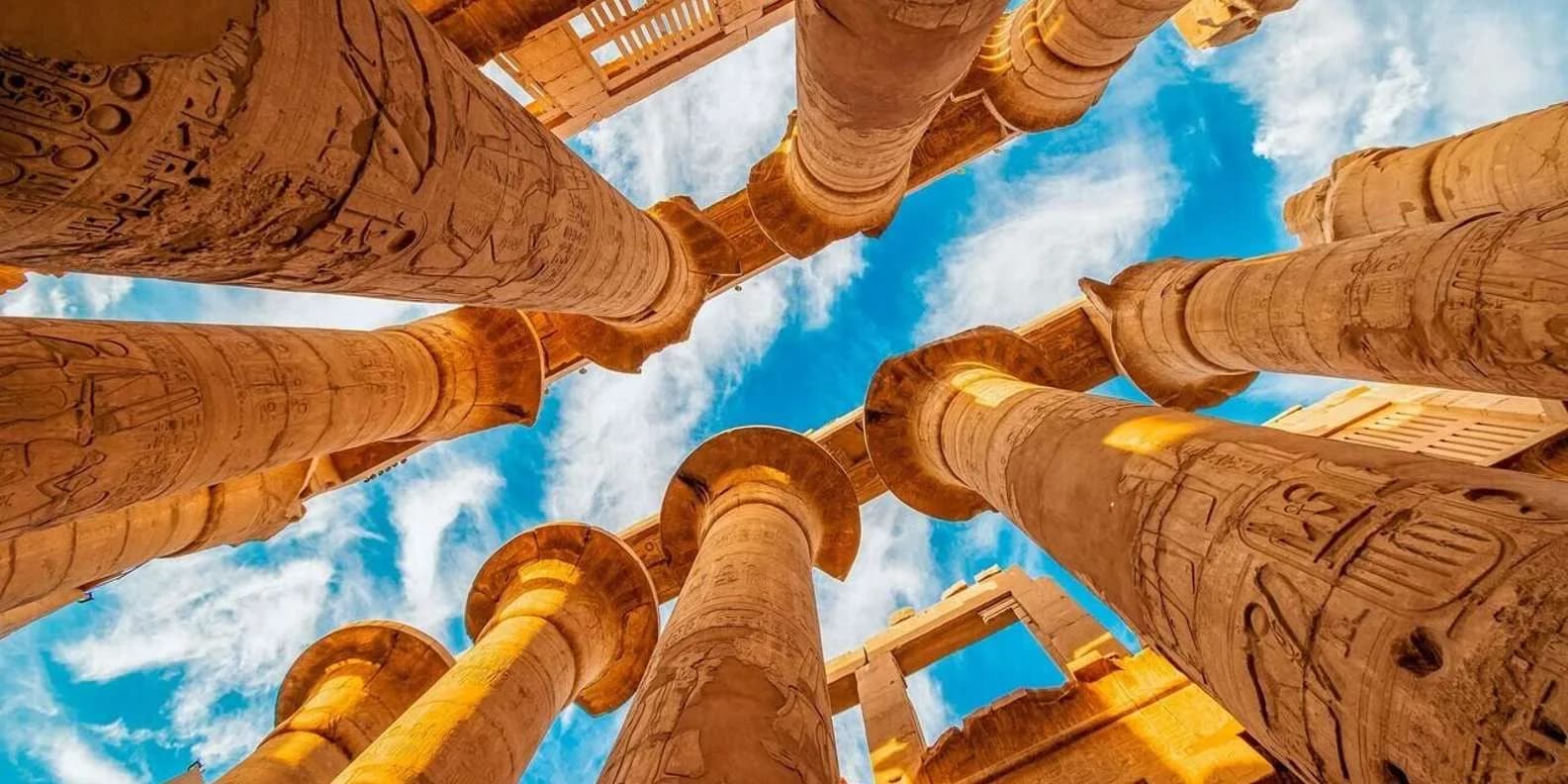
Even without the original zodiac, Dendera is one of the best-preserved temples in Egypt. Its great hypostyle hall is intact, its Hathor-headed columns still standing, and — most strikingly — a long programme of cleaning has stripped centuries of soot from the ceilings to reveal their original paint: deep blues, golden stars, the sky-goddess Nut swallowing the sun. The colour is a revelation, and the crypts and rooftop chapels reward the curious.
Visiting Dendera from Luxor and by cruise
Dendera lies about an hour and a half north of Luxor and is usually visited as a half-day trip, often paired with the temple of Abydos further north — see Abydos and Dendera temples. It is also an increasingly popular add-on to a Nile cruise: some sailings and dahabiyas extend north of Luxor to include it, and it is a natural extension of the classic route. Confirm opening hours and whether roof access (for the chapels) carries an extra fee when you go.
Beyond the zodiac: the Temple of Hathor
The zodiac is the headline, but give the whole temple time. Dendera is remarkably complete: you can climb to the rooftop chapels where the rituals of the sun were staged, descend into the crypts with their finely cut reliefs, and walk the sacred lake and the birth house in the grounds. Outside stood a sanatorium, where pilgrims came to be healed, and the great hypostyle hall inside is a forest of Hathor-headed columns beneath the newly cleaned, star-strewn ceiling. It is one of the last great temples the ancient Egyptians built — largely Greco-Roman in date — which is why it survives so intact. Between the zodiac, the colour and the completeness, Dendera repays a couple of unhurried hours.
Getting there and visiting
Dendera lies about an hour and a half north of Luxor, usually visited as a half-day trip, very often paired with the temple of Abydos further north — see Abydos and Dendera temples. It's also an increasingly popular extension on some Nile cruises and dahabiyas that sail north of Luxor. Go earlier in the day for cooler air and softer light, and check whether roof access (for the chapels) carries an extra fee. Confirm current opening hours before you set out.
Add it to a Nile cruise. Dendera sits north of Luxor, just off the classic cruise route, and some Nile cruises and dahabiyas include it as an extension. Compare Nile cruise ships and dahabiyas, or read the Nile cruise guide.
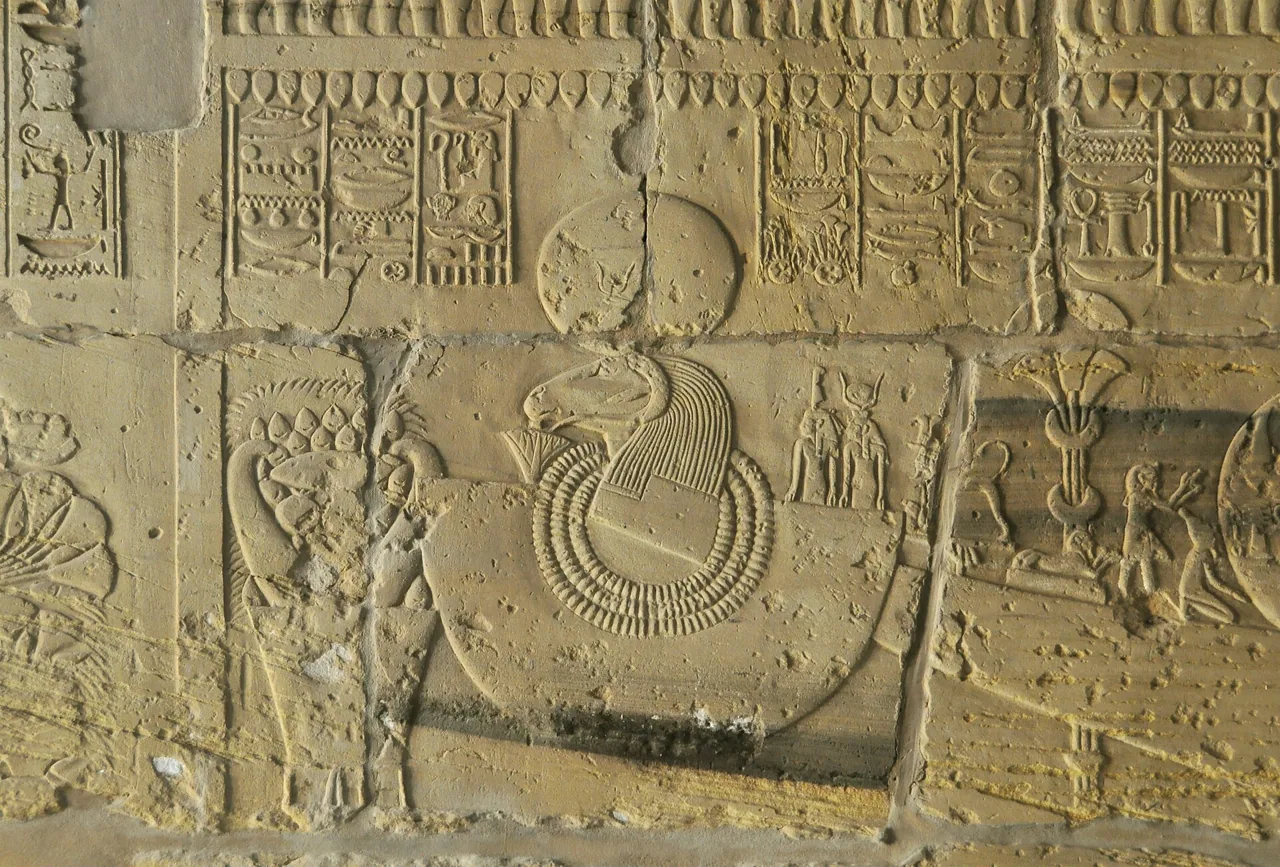
What the zodiac actually shows
Look closely at the disc and you can pick out a surprising amount. Arranged around it are the twelve signs of the zodiac — Ram, Bull, Scorpion and the rest — several of which came into Egypt from Babylonia, which is one reason scholars date the ceiling to the late, Greco-Roman period (around the first century BCE) rather than to pharaonic times. Between and among them are the traditional Egyptian decans (star-groups the Egyptians used to tell the time at night) and the five planets known to the ancients, each shown as a god in its position in the sky. The whole disc is held aloft by figures of the goddesses of the sky and by falcon-headed spirits. Egyptologists have even identified depictions of a solar and a lunar eclipse worked into the design. All of this makes the Dendera zodiac not just decoration but a genuine astronomical and astrological document — a snapshot of how the sky was understood at a hinge point between Egyptian and classical learning. That richness is exactly why it caused such excitement in nineteenth-century Europe, and why, even as a replica in its original spot, it remains one of the most intriguing ceilings you can stand beneath in Egypt. And the zodiac is far from the only reason to look up and around at Dendera: the temple's crypts hide finely carved reliefs, the rooftop chapels stage the rituals of the sun, and on the exterior rear wall is a large relief of Cleopatra VII and her son Caesarion — one of the few near-contemporary depictions of Egypt's most famous queen. Give yourself time to explore beyond the main hall; the details reward it. Read Abydos and Dendera temples, the Luxor travel guide, and things to do in Luxor.

A real team available 24/7 to assist you — free
Seif and the team reply on WhatsApp 24/7 — trip questions, custom plans and booking help.
Ask Seif on WhatsAppCommon questions
What is the Dendera zodiac?
A famous circular star-map relief from the ceiling of a rooftop chapel at the Temple of Hathor in Dendera — the only known map of the entire ancient Egyptian sky, blending the zodiac signs with Egyptian constellations and showing the planets as gods.
Is the Dendera zodiac still at Dendera?
No — the original was cut from the ceiling and taken to France in 1821 and now hangs in the Louvre in Paris. A faithful replica fills the original spot at Dendera today.
Is the Temple of Hathor at Dendera worth visiting?
Very much so — it's one of the best-preserved temples in Egypt, and a major cleaning programme has revealed the original paint on its ceilings, with deep-blue skies and golden stars. The crypts and rooftop chapels are highlights.
How do you visit Dendera?
It's about ninety minutes north of Luxor, usually as a half-day trip, often paired with Abydos. It's also an increasingly popular extension on some Nile cruises and dahabiyas that sail north of Luxor. Confirm opening hours and any roof-access fee.
Can you see the Dendera zodiac on a Nile cruise?
Some Nile cruises and dahabiyas extend north of Luxor to include Dendera. You'll see the temple and the zodiac's replica in place; the original is in the Louvre. Check whether a given sailing includes the Dendera extension.
Why was the Dendera zodiac taken to the Louvre?
In the early nineteenth century, when antiquities were carried off wholesale, it was cut out of the ceiling in 1821 with saws and gunpowder and shipped to France. It has hung in the Louvre since the 1920s.
What else is there to see at Dendera besides the zodiac?
A great deal — Dendera is one of the most complete temples in Egypt. Climb to the rooftop chapels, descend into the crypts, walk the sacred lake and birth house, and take in the Hathor-headed hypostyle hall beneath its cleaned, star-strewn ceiling. There's also a famous relief of Cleopatra VII on the exterior rear wall.
How long do you need at Dendera?
Give it a couple of unhurried hours to take in the hall, the crypts and the rooftop. It's about ninety minutes north of Luxor, usually a half-day trip often paired with Abydos, and an extension on some Nile cruises.
Book it on This is Egypt
Turn this guide into a trip


Egypt's bestsellers
The experiences travelers book most, across the country





Keep reading

Hurghada Diving (2026): Best Sites, Packages & Prices
Diving in Hurghada — the best reefs (Giftun, Careless Reef, Dolphin House) and Abu Nuhas wrecks, Discover Scuba vs PADI courses, season and water temps, and real 2026 prices.
By TiE Editors7 min read
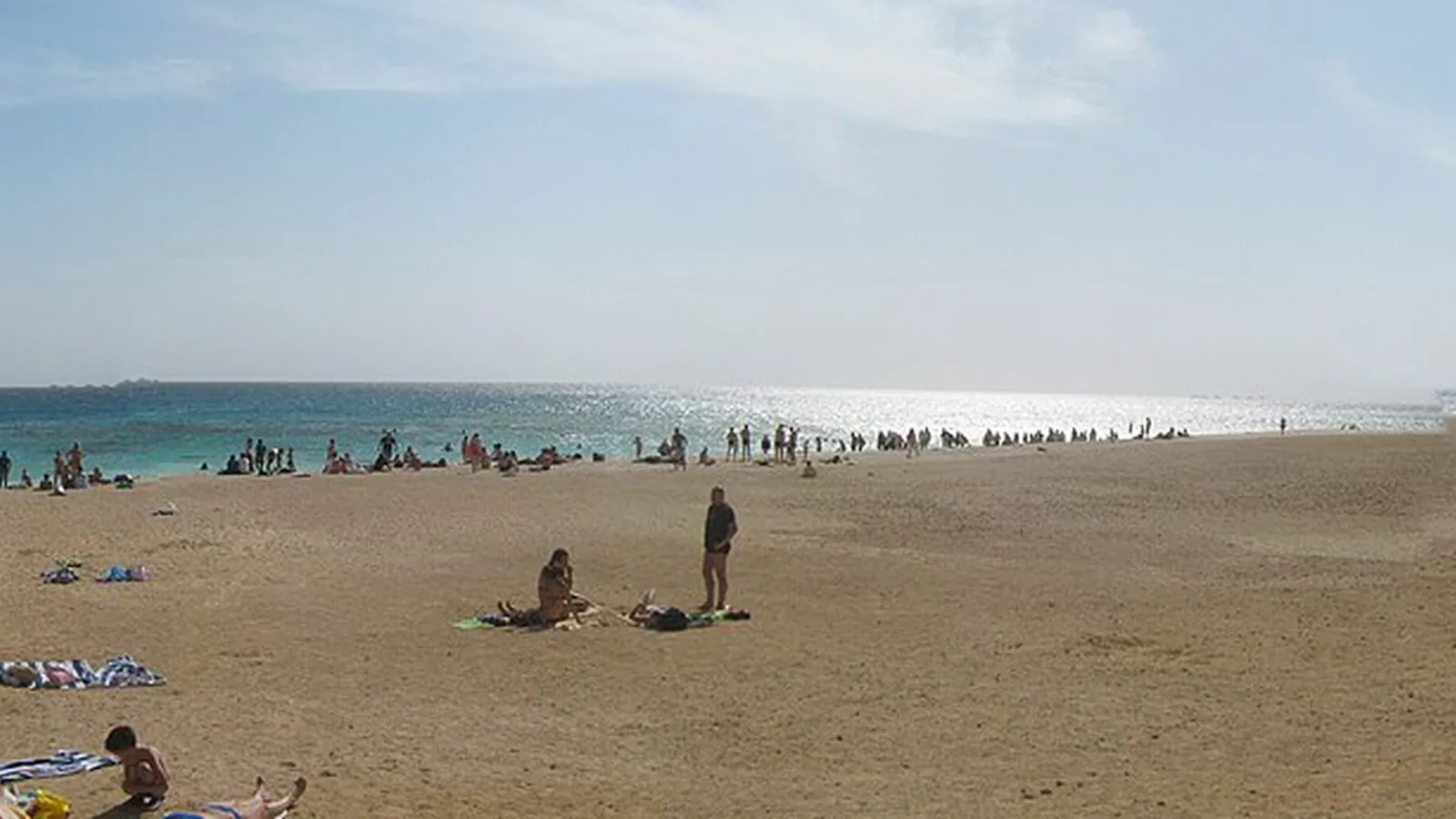
Hurghada Snorkeling Trips (2026): Best Reefs, Prices & How to Choose
Where to snorkel from Hurghada in 2026 — Orange Bay, Giftun, Mahmya, Utopia and Dolphin House — with boat types, marine life, month-by-month sea temperatures, family tips and real prices from 1,000+ bookable trips.
By TiE Editors7 min read
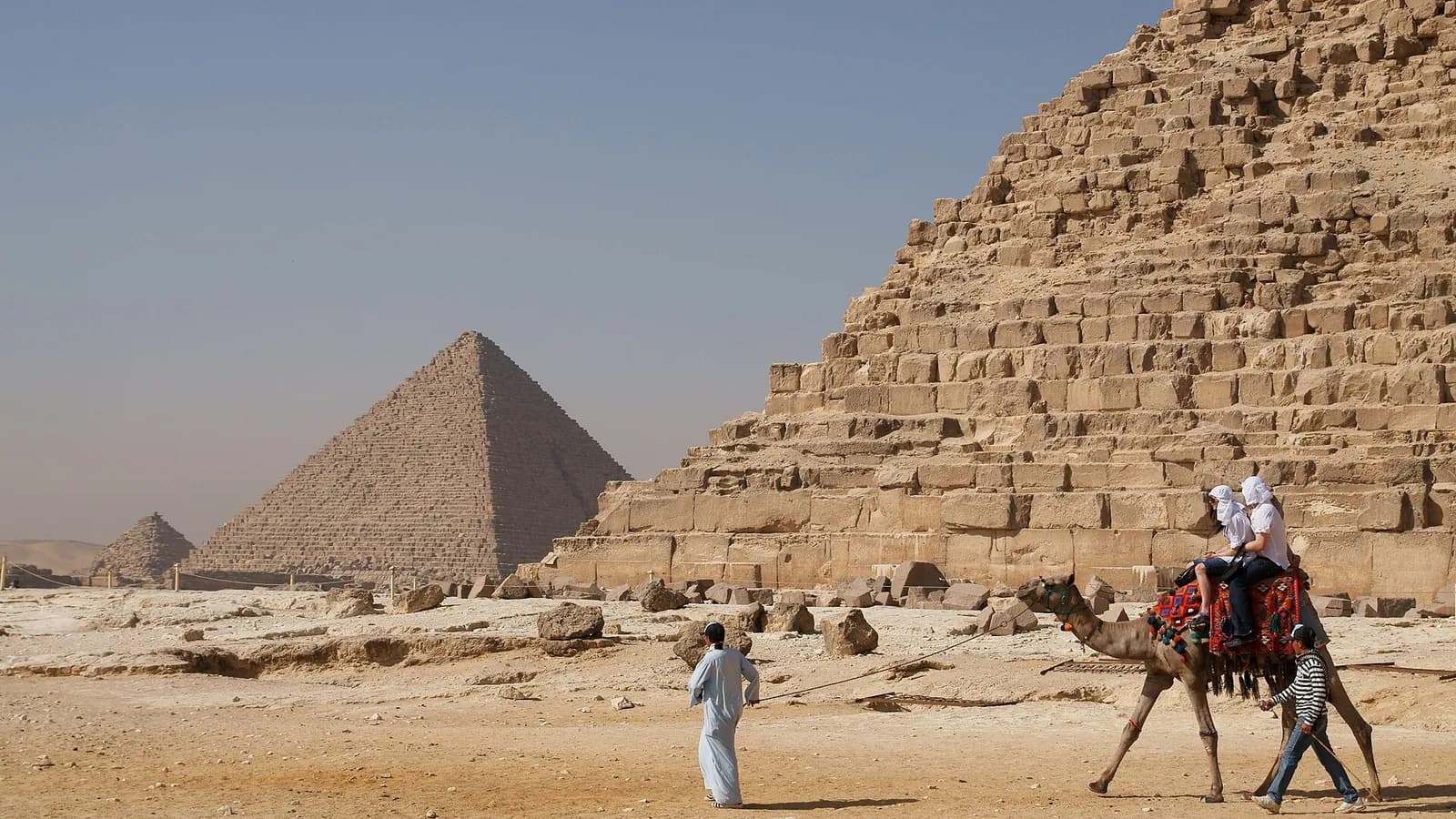
Egypt Tour Prices by Activity (2026): What Each Type Really Costs
What every type of Egypt experience actually costs — from a 1,700 EGP camel ride to a 48,500 EGP Nile cruise — based on 29,710 real bookable tours across seven platforms.
By TiE Editors6 min read