Camel Riding in Egypt (2026): Where to Do It, Real Prices & How to Avoid the Scam
Where to ride a camel in Egypt, what a fair price actually is, the classic get-off scam to dodge, and the animal-welfare things worth checking first.
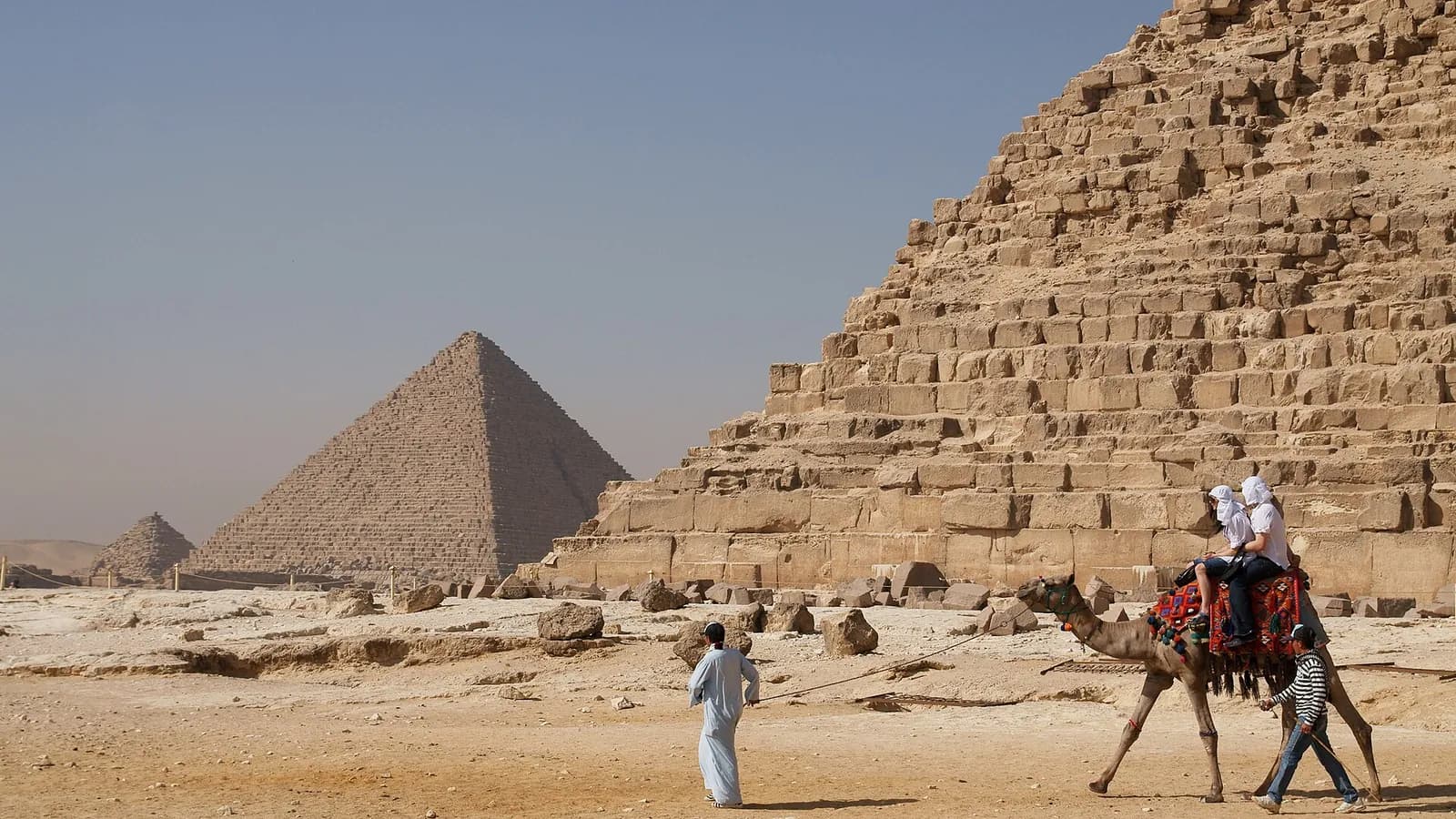
Quick answer: A camel ride is one of those Egypt experiences that sounds like a cliche until you're actually up on the saddle at the edge of the Giza plateau with the pyramids filling the sky. Yes, it's touristy. It's also genuinely good fun, and the view from camel height across the sand is worth the mild indignity of the stand-up lurch. The catch is money: camel touts run one of the most reliable scams in Egypt, and knowing the fair price before you go turns a stressful haggle into a five-minute pleasure. Here's where to ride, what it should cost, and how to do it without getting fleeced.
Where to ride a camel in Egypt
Almost every tourist hub offers a camel, but the settings vary enormously.
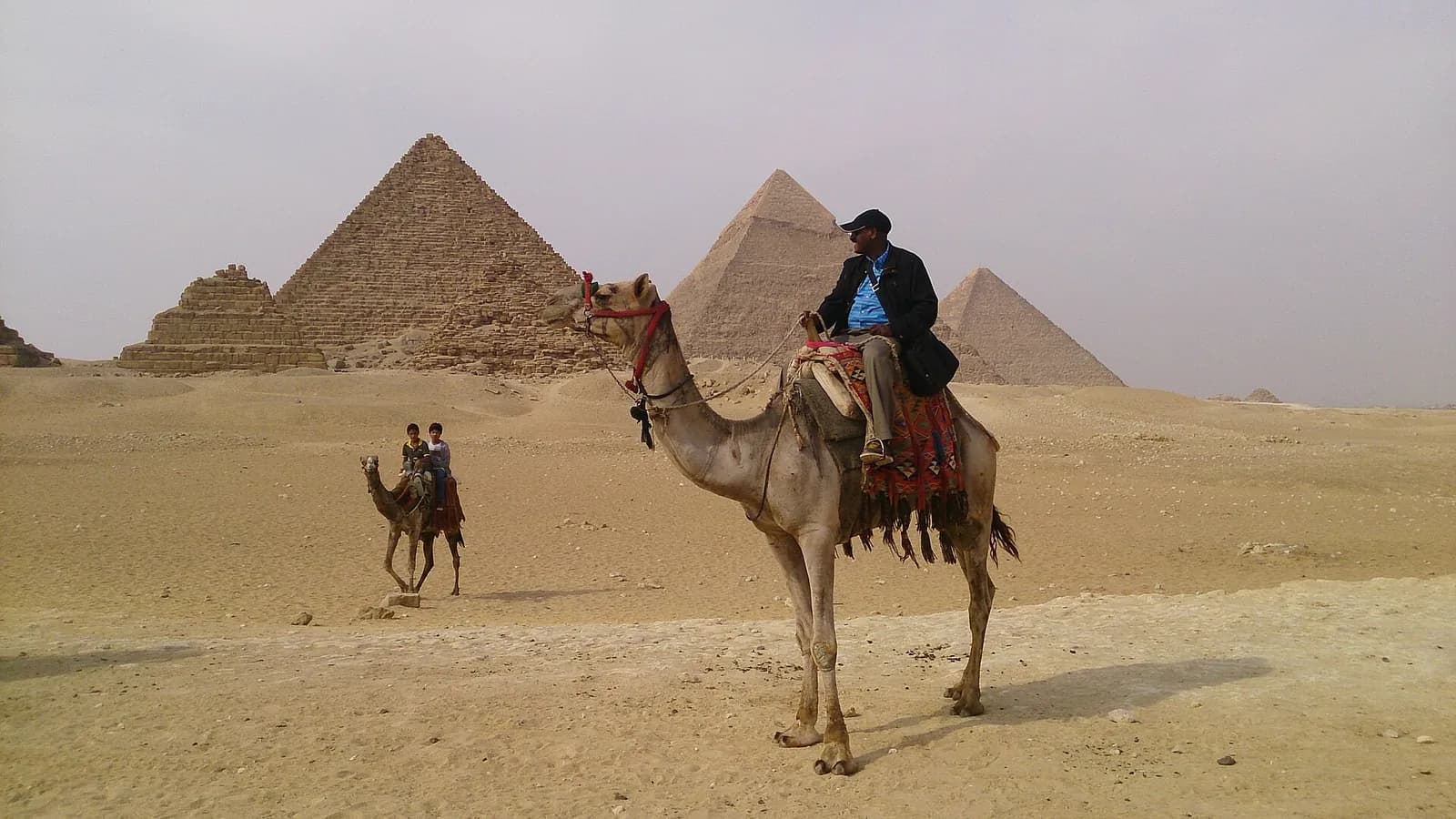
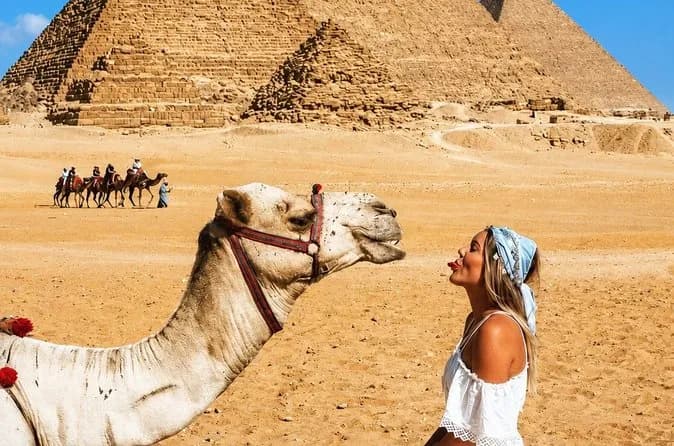
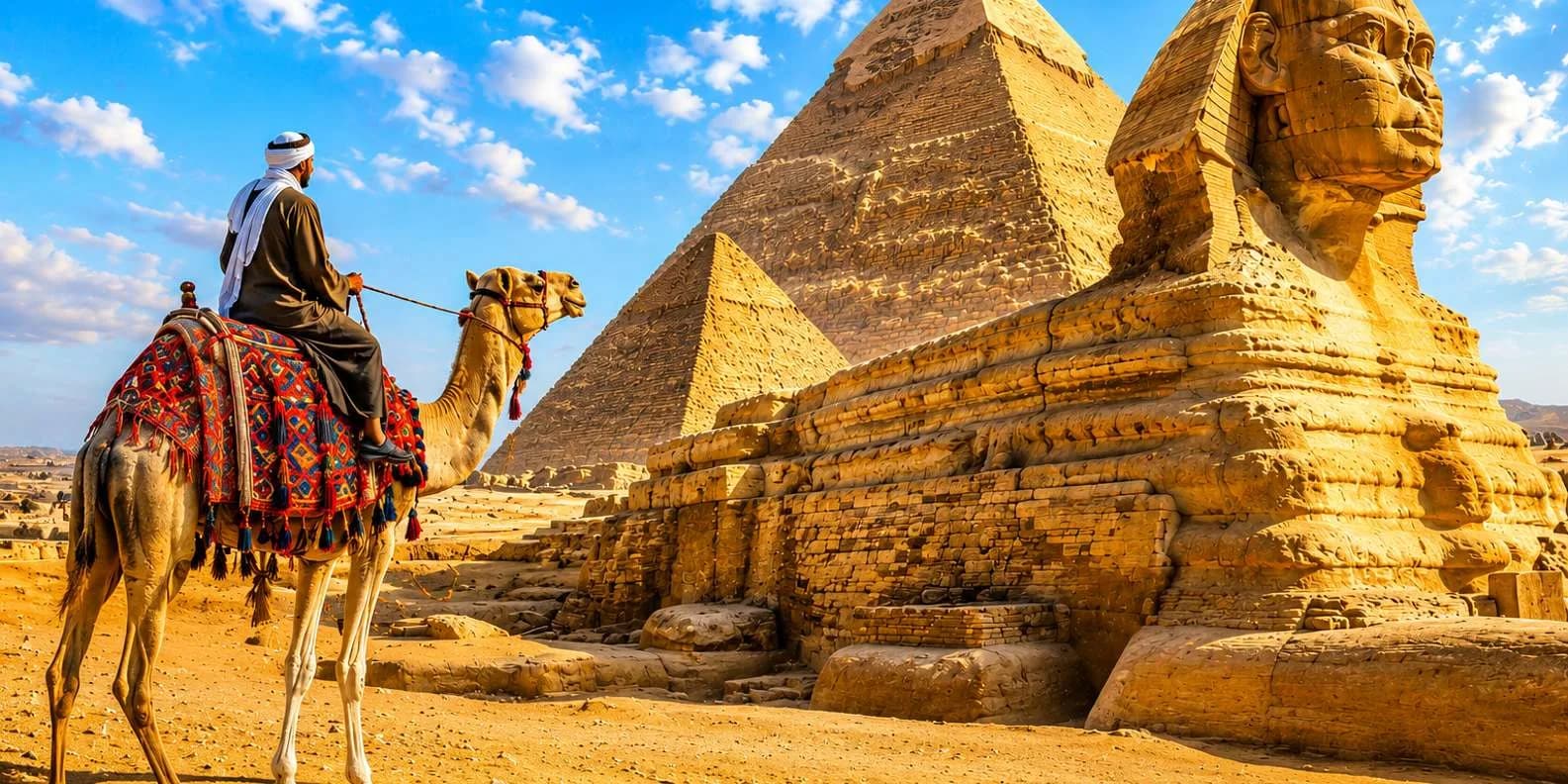
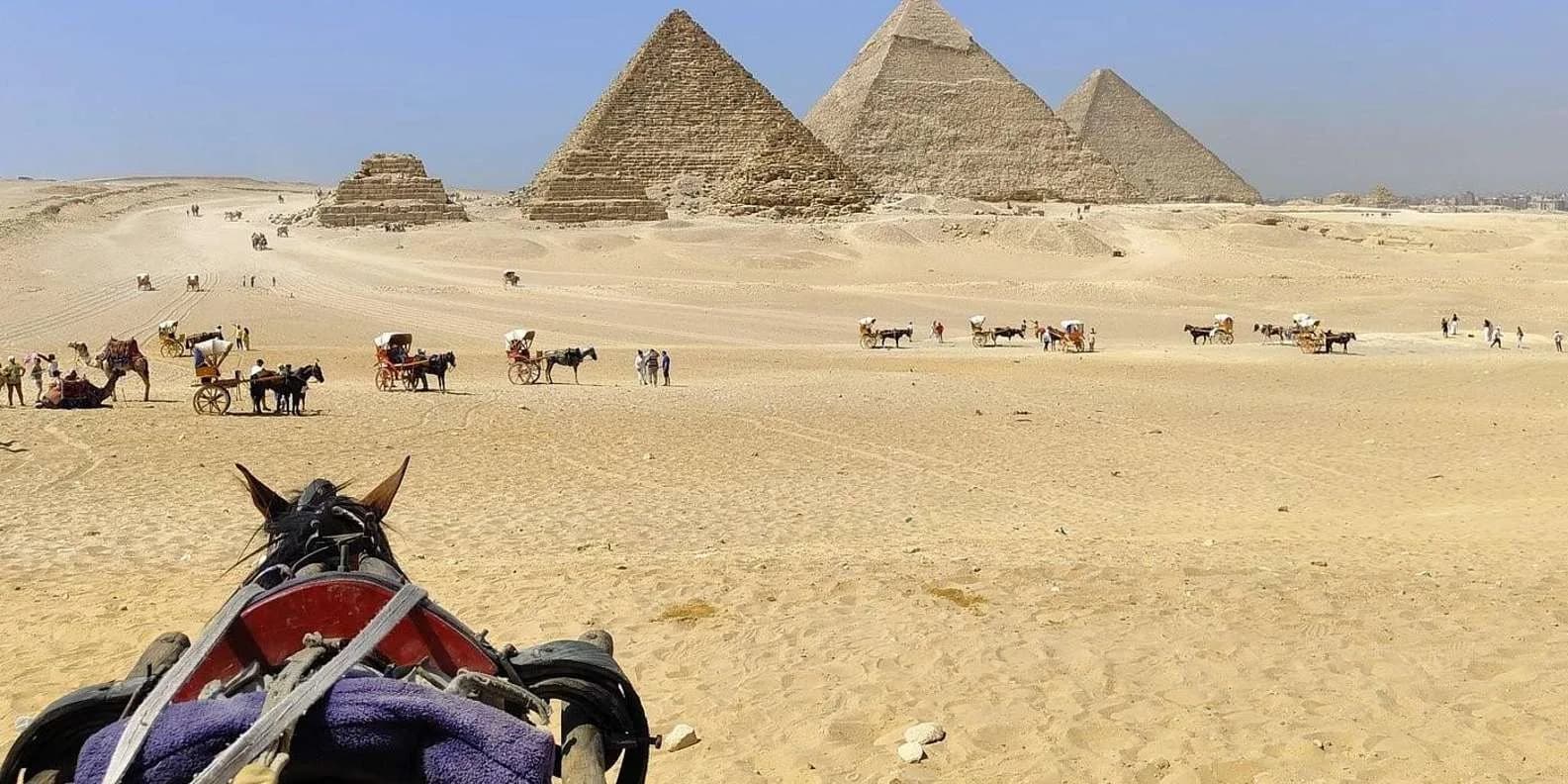
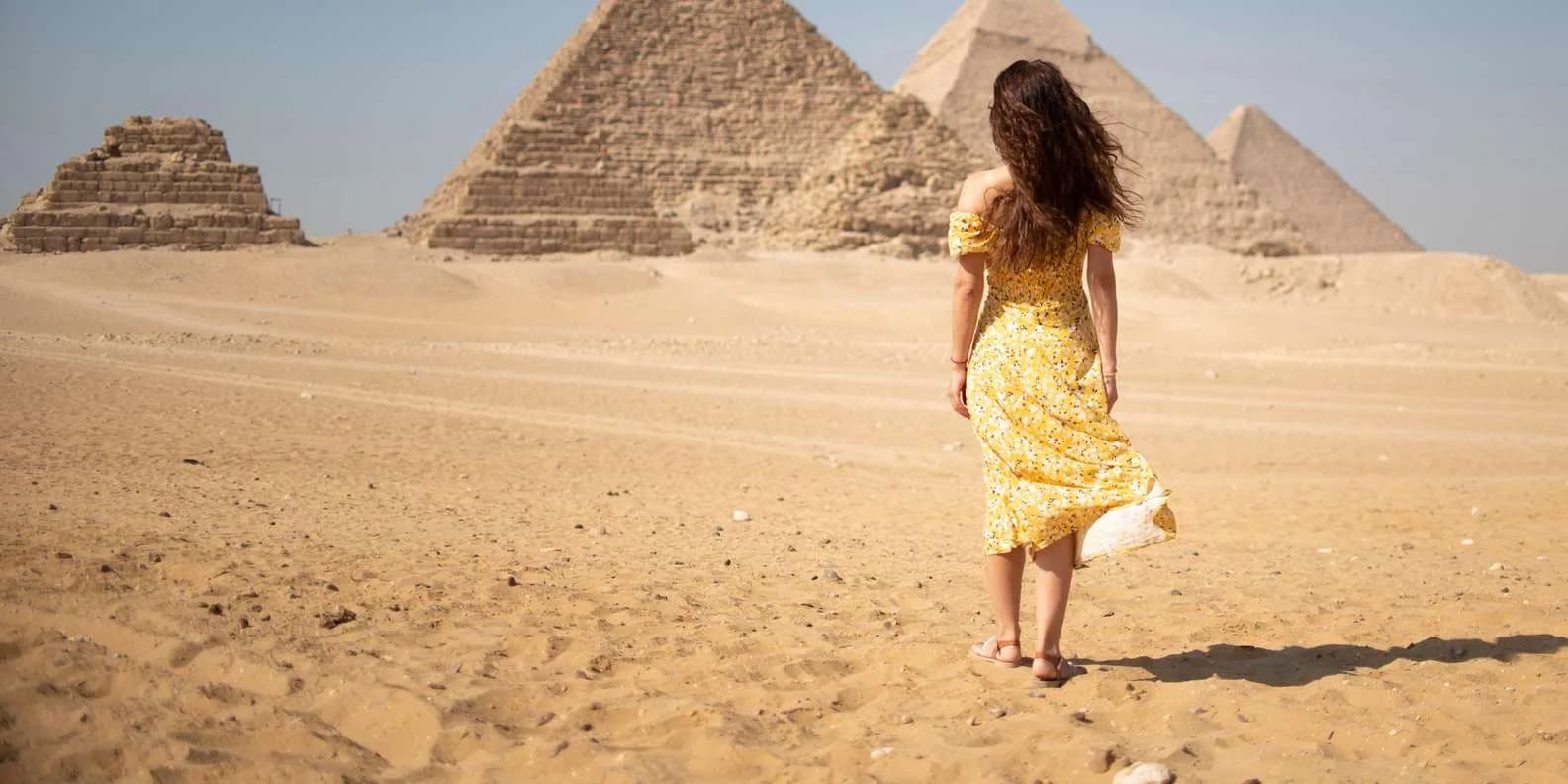
Giza pyramids. The headliner. A short ride across the desert plateau on the western (back) side of the complex lines the pyramids up behind you for the classic photo, especially at sunset. It's short, it's scenic, and it's scam central, so read the pricing section carefully. For the site itself, see our Pyramids of Giza guide.
Luxor's west bank. Quieter and, to many people, nicer. You can ride through farmland and up toward the Theban hills near the Valley of the Kings, with fewer touts and a more rural feel. Often bundled into west-bank tours.
Desert safaris. On a proper desert safari, a Bedouin-led camel trek is the real thing, not a photo lap: an hour or a full day plodding between dunes at a walking pace of about 4.5 km/h. Camels genuinely suit the terrain, tread lightly on the sand and, as one old desert hand put it, smooth out the bumps better than any 4x4.
Sinai and Nuweiba. Bedouin communities around Nuweiba, Dahab and St Catherine run camel treks into the mountains, sometimes overnight to a camp. This is camel-riding as transport and culture rather than a tourist prop, and it's the most rewarding version of all.
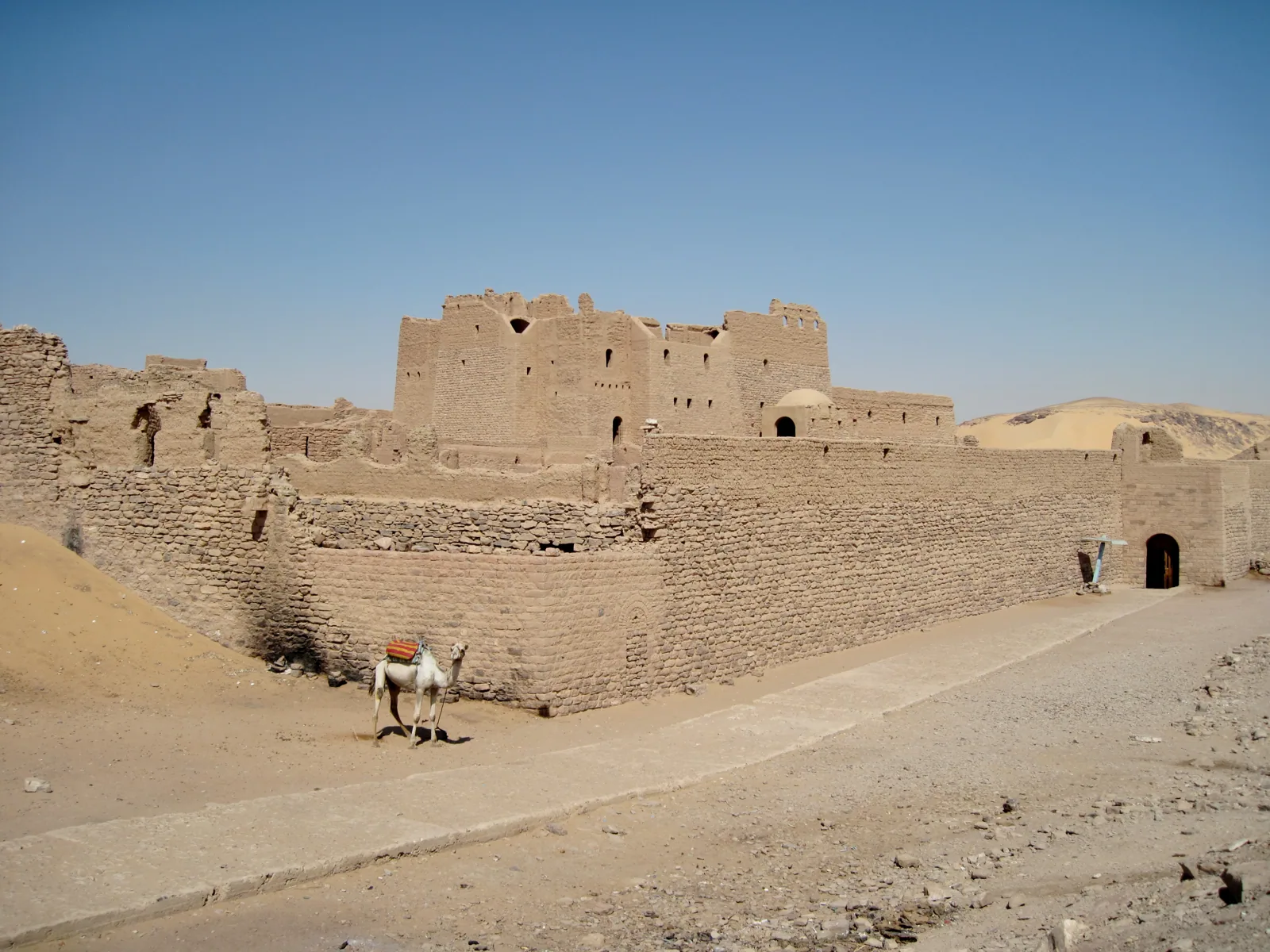
Aswan and the Nubian desert. Short rides up to the Monastery of St Simeon on the Nile's west bank, or through Nubian villages, are common add-ons.
What a camel ride actually costs
There is an "official" rate and there is the price you'll actually be quoted, and they are rarely the same number. At Giza the authorised rate is around 100 EGP per 30 minutes per animal, but touts routinely open at ten times that. A fair, negotiated price at the pyramids in 2026 sits at roughly 200–400 EGP for a 30–60 minute ride, and you should expect to haggle to get there. Book it as part of a private tour and the ride is often folded into the price, which removes the argument entirely.
| Where | Typical fair price (2026) | About in US dollars | Notes |
|---|---|---|---|
| Giza pyramids, short ride | ~200–400 EGP / 30–60 min | about $4 to $8 | Agree total up front; tip on top |
| Giza, longer plateau loop | ~500–800 EGP / hour | about $10 to $15 an hour | Negotiate hard; book via tour to skip the haggle |
| Luxor west bank | ~200–350 EGP / 30–60 min | about $4 to $7 | Fewer touts, easier prices |
| Desert safari trek (half day) | Usually included in tour | Not priced separately | Part of a Bedouin-guided package |
| Sinai / Nuweiba trek | Priced per trip, agreed with camp | Agreed per trip | Often overnight; set it in advance |
| Camel ride inside a private Giza tour, if rides are operating on your date | From 2,828 EGP per person | From about $54 per person | Private Egyptologist guide, car with hotel pickup and plateau entry, plus a 10 or 30 minute camel ride depending on the option; entry inside a pyramid and lunch are extra. 4.9 from 7,889 traveller reviews. Ask us on WhatsApp |
Prices are per camel, not per person, and a "guide" leading the camel will expect a tip (20–50 EGP is plenty for a short ride). Agree whether that's included when you set the price. For the wider picture on cash, small notes and tipping, see Money & Tipping in Egypt.
Dollar figures in the table use about 52.4 EGP to the US dollar, and the private tour price was checked on 11 October 2026. That last row is priced per person, with the guide, car, plateau entry and camel ride already included. For a whole private day at the pyramids, see our guide to private Giza pyramids tours and access.
The classic camel scam, and how to beat it
The scam is simple and almost universal at Giza. A friendly man offers you a cheap ride, helps you up, walks you out into the sand, and then, when you want to get down, suddenly the agreed price was "just to get on" and getting off costs far more. Some refuse to bring you back until you pay. It works because you're stranded, on top of a large animal, out of easy reach of the gate.
Beat it with three rules:
- Agree the full price and duration before you mount — the total, in EGP, covering the ride there and back, plus whether the tip is included. Say the number back to them. If they're vague, walk away.
- Buy inside the complex, not from touts at the gate. The men who approach you in the car park or outside the ticket office are the worst offenders. There are authorised camels inside.
- Keep small notes. Handing over an exact, pre-agreed amount ends the conversation; flashing a big note invites a demand for "change" that never comes.
Booking through your hotel or a reputable operator sidesteps the whole thing. Our guide to common Egypt scams covers the camel routine and its cousins in detail.
Animal welfare: how to choose well
Not every camel at the pyramids is well kept, and where you spend your money is a small vote for better treatment. Before you pick a handler, take thirty seconds to look:
- The camel's body. Ribs and hip bones shouldn't be sharply visible. The coat should look reasonably clean, not matted or covered in sores, especially under the saddle and around the girth.
- The gear. Padding under the saddle, no raw rub-marks, no nose peg being yanked.
- The handler's manner. Calm handlers who don't hit or shout at the animal are the ones to reward. Overloaded camels carrying two adults in the midday heat are the ones to skip.
If a camel looks thin, lame or distressed, walk to the next one. You lose nothing and you're not funding neglect. Some travellers prefer to skip camels entirely and take a horse-drawn caleche or just walk; that's a perfectly good choice.
How to actually ride one
Camels sit to let you mount, then stand back legs first, which pitches you violently forward, then front legs, which snaps you back. Both movements are abrupt. Grab the front saddle horn, lean back as they rise at the front and forward as they rise at the back, and you won't come off. The sitting-down at the end is the same lurch in reverse.
The walk itself is a slow, rolling sway, side to side, not the trot of a horse. It's easy and oddly soothing once you settle into it. Wear long trousers (the saddle and stirrups chafe bare legs), closed shoes, a hat and sunglasses, and clip your phone to something or keep it zipped away, because plenty have been dropped in the sand at the exact moment of the stand-up.
When to go and what to combine it with
October to April is camel weather across Egypt; summer middays at Giza are brutal, so ride early morning or at sunset. Sunset at the pyramids is the money slot, but it's also busiest and the touts are sharpest, so lock your price in daylight. If you're building a Cairo itinerary, a camel photo-ride pairs naturally with a half-day at Giza and the Grand Egyptian Museum. In Luxor, tack it onto a west-bank morning. On a desert trip, let the camel be part of the safari rather than a bolt-on.
Ready to book a ride or a wider desert trip that includes one? Browse experiences and filter by city to compare operators and prices before you go.
A real team available 24/7 to assist you — free
Seif and the team reply on WhatsApp 24/7 — trip questions, custom plans and booking help.
Get a private Giza tour quote on WhatsAppCommon questions
How much does a camel ride at the pyramids cost in 2026?
The authorised rate at Giza is around 100 EGP per 30 minutes per camel, but you'll be quoted far more. A fair negotiated price is roughly 200–400 EGP for a 30–60 minute ride. Agree the full total in EGP before you get on, and expect the guide to want a small tip on top.
What is the camel scam in Egypt?
The classic version: a tout offers a cheap ride, helps you up and walks you into the desert, then demands a much larger sum to let you get down or bring you back. Avoid it by agreeing the total price and duration up front (there and back), buying inside the complex rather than from gate touts, and carrying exact small notes.
Where is the best place to ride a camel in Egypt?
The Giza pyramids give the iconic photo, but Luxor's west bank is quieter and cheaper, and a Bedouin-led trek on a desert safari or in Sinai (around Nuweiba or St Catherine) is the most authentic and rewarding version.
Is camel riding in Egypt ethical?
It can be, if you choose carefully. Look for camels that aren't visibly underweight, have clean coats without saddle sores, and handlers who are calm and don't hit the animal. Skip any camel that looks thin, lame or overloaded, and don't feel obliged to ride if none look well cared for.
How long should a camel ride be?
For a photo experience at the pyramids, 20–30 minutes is plenty and easier on both you and the animal. A desert-safari trek can run an hour to a full day at a gentle walking pace. Longer isn't necessarily better on a hot day.
What should I wear to ride a camel?
Long trousers to stop the saddle chafing, closed shoes, a hat and sunglasses for the sun and blowing sand, and keep your phone secured. Mornings and evenings are far more comfortable than midday, especially in summer.
Should I tip the camel handler?
Yes, a small tip is customary on top of the ride price, around 20–50 EGP for a short ride. Agree in advance whether the tip is included in the quoted price so there's no dispute at the end.
Is it better to book a camel ride in advance or at the gate?
Booking through your hotel or a reputable tour operator removes the haggle and the scam risk, since the ride is priced in with everything else. If you arrange it on the spot, do it from an authorised handler inside the complex, never from a tout in the car park.
Book it on This is Egypt
Turn this guide into a trip


Egypt's bestsellers
The experiences travelers book most, across the country

Keep reading
Hurghada Diving (2026): Best Sites, Packages & Prices
Diving in Hurghada — the best reefs (Giftun, Careless Reef, Dolphin House) and Abu Nuhas wrecks, Discover Scuba vs PADI courses, season and water temps, and real 2026 prices.
By TiE Editors7 min read
Hurghada Snorkeling Trips (2026): Best Reefs, Prices & How to Choose
Where to snorkel from Hurghada in 2026 — Orange Bay, Giftun, Mahmya, Utopia and Dolphin House — with boat types, marine life, month-by-month sea temperatures, family tips and real prices from 1,000+ bookable trips.
By TiE Editors7 min read
Egypt Tour Prices by Activity (2026): What Each Type Really Costs
What every type of Egypt experience costs — half day, full day or overnight — as a median and a mid-half range in US dollars, from 12,370 live bookable listings.
By TiE Editors6 min read