
Unfinished Obelisk Tours & Tickets
Browse 26 the largest known ancient Egyptian obelisk in Assuan, starting from 2,083 EGP (about 43 USD), with an average rating of 4.7 out of 5. Real prices compared across booking platforms and updated for 2026.
Assuan-Staudamm, Philae-Tempel und der unvollendete Obelisk

Private Tagestour von Luxor nach Assuan: Staudamm, unvollendeter Obelisk & Philae

Private Half Day Aswan Tour Temple of Philae High Dam Obelisk

Day Tour Aswan : High Dam-Unfinished Obelisk-Philae Temple

High Dam, Unfinished Obelisk, & Philae Private Tour

Private Tour: High Dam and Unfinished Obelisk

Aswan Private Tour: Philae Temple by boat,High Dam,The Obelisk
Exclusive Aswan Day Tour:Philae Temple and the Unfinished Obelisk
Assuan: Private Tour zu unvollendetem Obelisken, Hochdamm und Philae-Tempel mit dem Boot

Private Transfer from Aswan to Philae Temple, High Dam, Obelisk

Private Tour Luxor to Aswan High Dam, Unfinished Obelisk, Philae
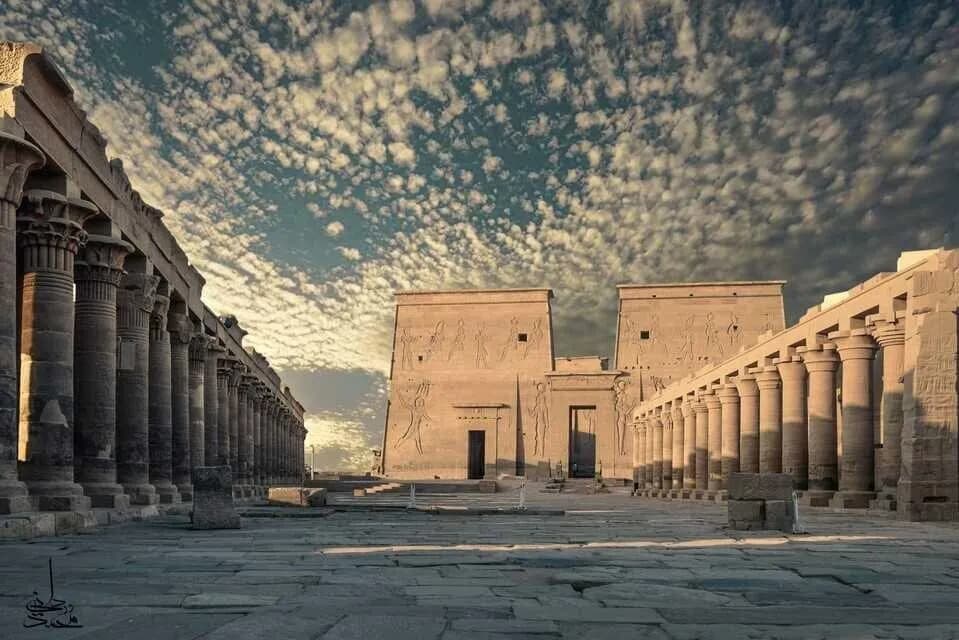
Ganztägiger Philae-Tempel, unvollendeter Obelisk und Hochdamm in Assuan

Assuan-Ganztagestour Phile-Tempel unvollendete Obelisk-Hochverdammung

Aswan Highlights Day Tour Philae High Dam Nubian Museum Obelisk

Private Guided Tour to Aswan High Dam and Unfinished Obelisk
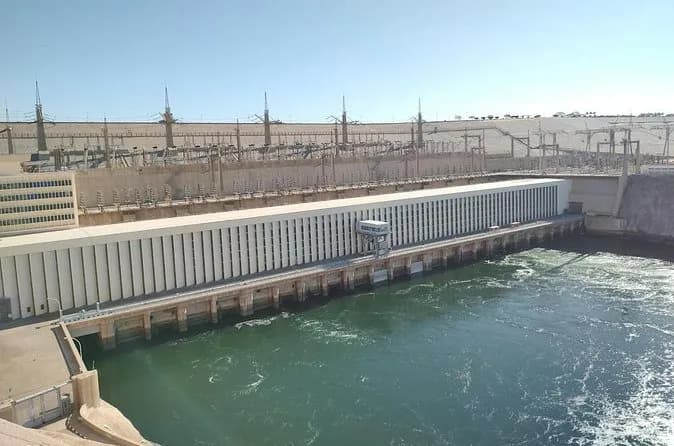
Aswan Engineering Marvels Private High Dam & Obelisk Tour
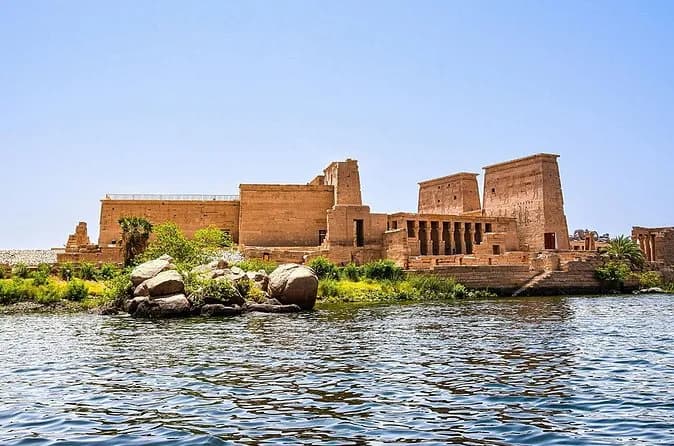
Philae Temple High Dam and Obelisk Tour from Luxor

Private Guided Tour to Aswan High Dam and the Unfinished Obelisk

Assuan: Tagestour, Philae-Tempel, unvollendeter Obelisk und Staudamm
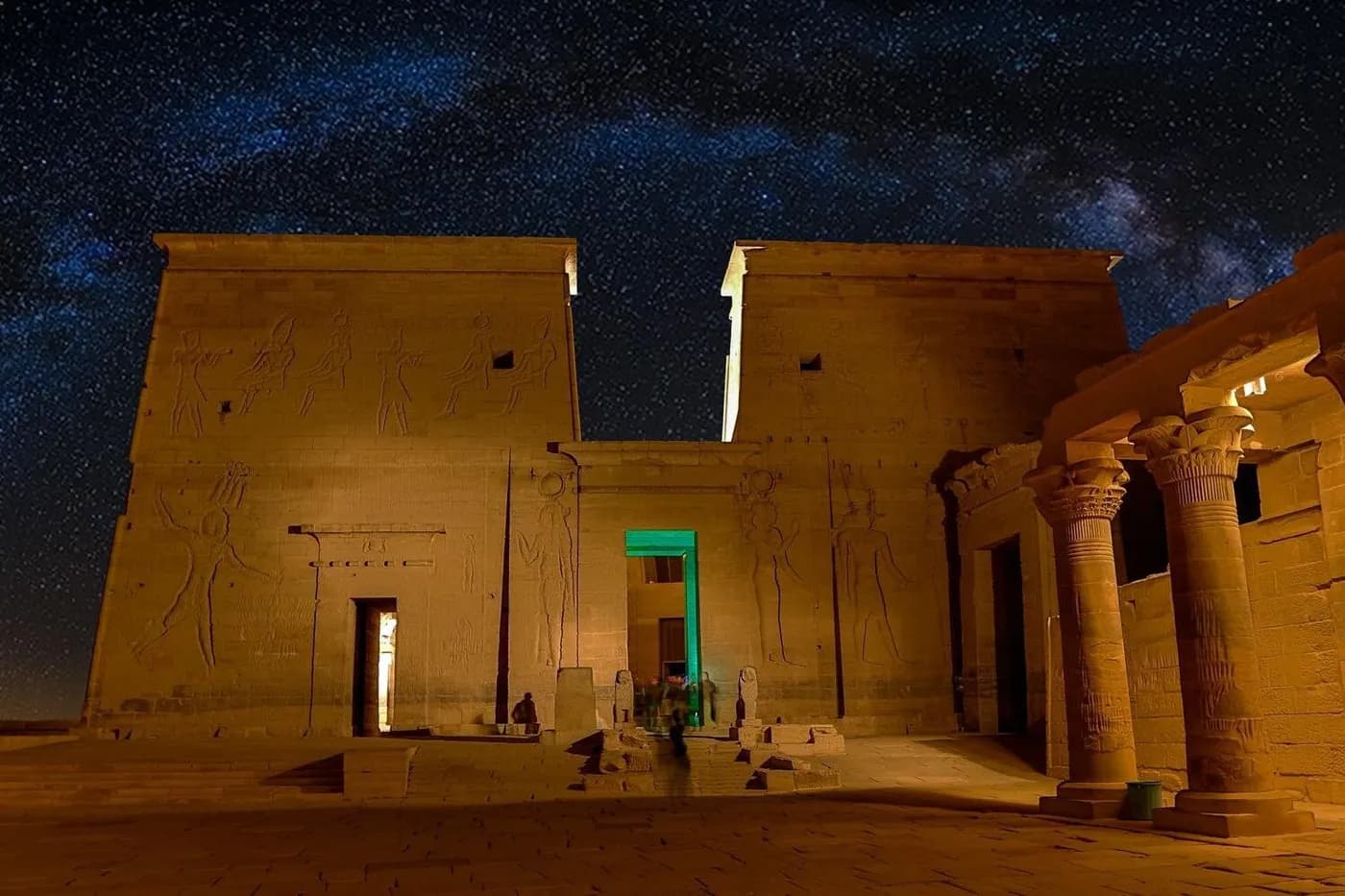
Assuan-Tagestour zum Philae-Tempel, zum unvollendeten Obelisken und zum Staudamm
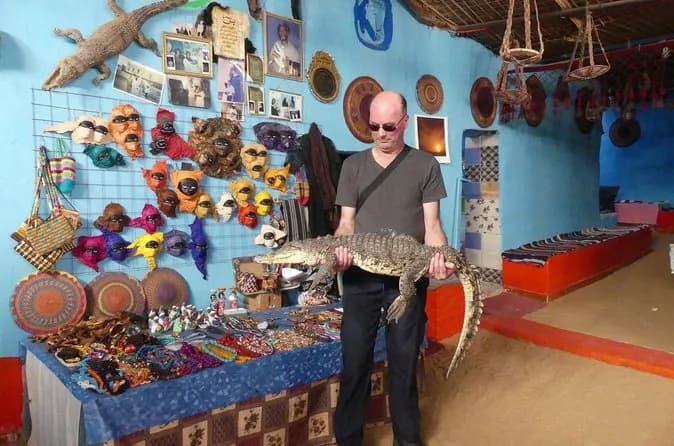
Aswan Day Tour High Dam Unfinished Oblisk and Nubian Village Tour
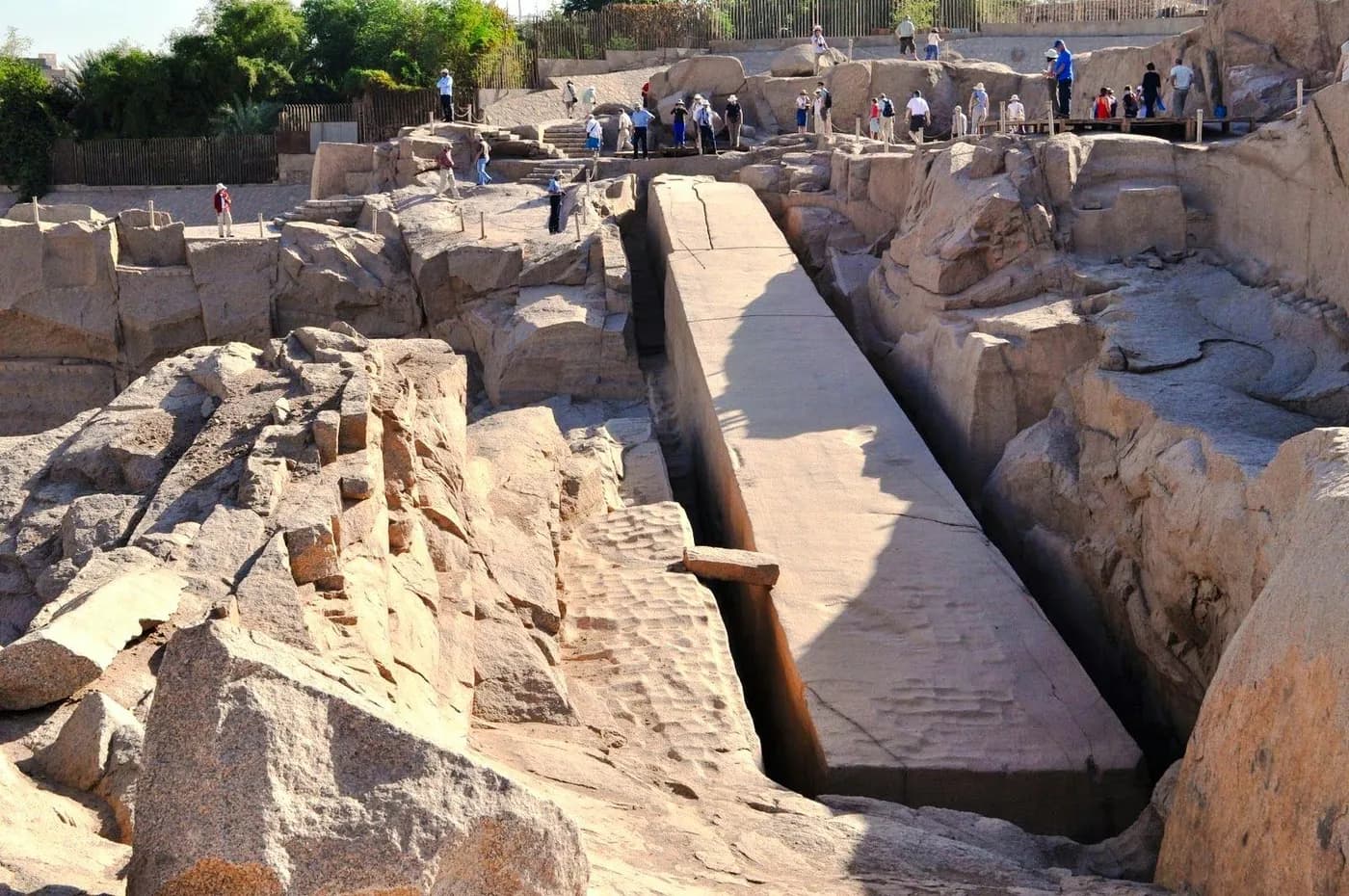
Aswan Private Guided Tour of Philae Temple, Unfinished Obelisk and High Dam
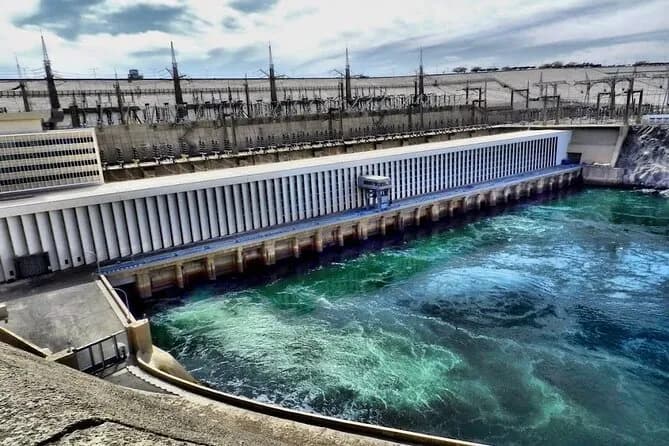
Aswan Private Tour: Philae, High Dam & Obelisk

Assuan Day Tour Besuch des Philae Tempels, des unvollendeten Obelisken und des Staudamms in Assuan
Visiting Unfinished Obelisk: what to know
Updated 26 September 2026The Unfinished Obelisk is the most useful ruin in Egypt, and it is not a ruin at all. It is a building site, abandoned mid-job around three and a half thousand years ago and left exactly as it was when the workers walked away. Everywhere else in Egypt you see the finished product and have to guess at the method. Here you see the method and never get the product.
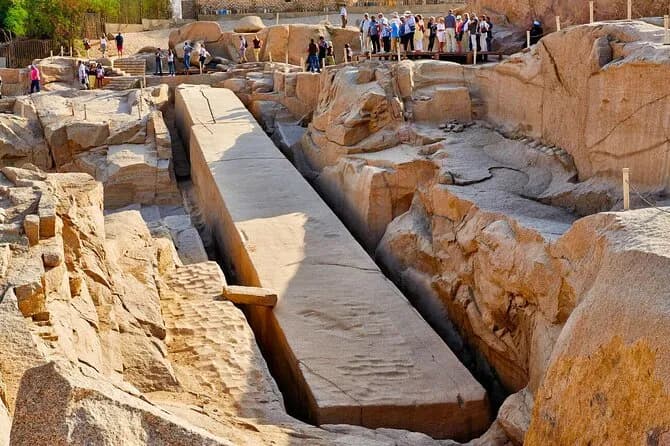
It lies in the northern granite quarries on the edge of Aswan, still attached to the bedrock along its underside, three sides cut free and the fourth still joined to the parent rock. Had it been raised it would have stood around forty-two metres and weighed somewhere near eleven hundred tonnes, which would have made it comfortably the largest obelisk ever erected.
It was never raised because it cracked.
Why it was abandoned
Run your eye along the shaft and you will see the fissure. Granite is not uniform, and somewhere during the cutting a flaw opened across the stone. A cracked obelisk cannot be raised safely and cannot carry inscriptions across the break, so the entire investment of labour was written off and the quarry moved on. There are smaller trial cuts nearby where the masons appear to have started testing the rock elsewhere.
The obelisk is usually attributed to Hatshepsut, which would place it in the fifteenth century BC, and one theory is that it was intended as a companion to an obelisk of hers that now stands in Rome.
How they actually did it
This is the reason to come. Because the work stopped, the technique is visible in a way it is nowhere else.
The masons worked by pounding, not cutting. Granite is too hard for copper and bronze tools, so they used balls of dolerite, a harder stone, held in the hand or mounted on rammers, and crushed the granite away a little at a time. You can see the trenches they pounded around the shaft, roughly three quarters of a metre wide, just enough for a worker to crouch in. The floor of those trenches still carries the rounded pounding marks, and dolerite balls have been found on site.
There are no chisel lines, because there were no chisels that could do this. That single observation reorganises how most visitors think about Egyptian construction, and you can only make it by standing here.
What to expect on the ground
The site is an open quarry with walkways over and around the obelisk, some shade structures and an interpretation area. It is hot and bright and there is very little shelter, so this is not a midday stop if you can avoid it.
Allow thirty to forty-five minutes. Most Aswan itineraries bundle it with the High Dam and Philae in a single morning, and that grouping works well: the quarry shows you how the stone was got, the temple shows you what was done with it, and the dam explains why the temple had to be moved.
Is the Unfinished Obelisk worth visiting?
If you are interested in how anything is made, it is one of the most rewarding stops in Egypt and takes under an hour. If you are looking for beauty, it is a large piece of pink granite in a hot hole in the ground and you will be finished in ten minutes.
The honest test: at Karnak you will stand under a standing obelisk and wonder how they did it. Here is the answer. Whether you want the answer before or after is up to you, but having both in the same trip is the point.
Other Egypt attractions
Frequently asked questions
How much does it cost to visit Unfinished Obelisk?
Tours and tickets start from 2,083 EGP (about 43 USD), with a median price of about 3,634 EGP per person.
How many Unfinished Obelisk tours are available?
There are 26 bookable tours and tickets for Unfinished Obelisk.
What is the best Unfinished Obelisk tour?
A top-rated pick is "Assuan-Staudamm, Philae-Tempel und der unvollendete Obelisk".
Why is the Unfinished Obelisk unfinished?
A crack opened in the granite during cutting. A fractured obelisk cannot be raised safely or inscribed across the break, so the work was abandoned with the shaft still attached to the bedrock along its underside.
Is the Unfinished Obelisk worth visiting?
If you are interested in how things were made, yes, and it takes under an hour. Because work stopped mid-job it is the only place in Egypt where the quarrying method is plainly visible: pounding trenches cut with dolerite balls rather than chisels, because no metal tool of the period could cut granite.
How big would the Unfinished Obelisk have been?
Around forty-two metres tall and in the region of eleven hundred tonnes, which would have made it the largest obelisk ever raised in Egypt.
How did the Egyptians cut granite?
By pounding it away with balls of dolerite, a harder stone, worked by hand or on rammers. The trenches around the Unfinished Obelisk still carry the rounded pounding marks, and there are no chisel lines anywhere on it.
How long do you need at the Unfinished Obelisk?
Thirty to forty-five minutes. It is usually combined with the Aswan High Dam and Philae in one morning, which works well as a sequence: how the stone was quarried, what was built with it, and why it had to be moved.