Pyramids of Giza Tours & Tickets
Browse 2521 tours of the Great Pyramid, Khafre and Menkaure in Gizeh, starting from 78 EGP (about 2 USD), with an average rating of 4.8 out of 5. Real prices compared across booking platforms and updated for 2026.
Pyramids of Giza tickets & opening hours (2026)
| Plateau entry (incl. Sphinx) | 700 EGP |
| Great Pyramid (Khufu) interior | 1,000 EGP |
| Khafre / Menkaure interior | 280 EGP |
| Sound & Light show | ≈ $20 |
The plateau ticket covers the grounds and the Sphinx. Pyramid interiors are separate; Khufu's Solar Boat is now at the Grand Egyptian Museum.
Prices are site entry fees for foreign adults, updated 2026-07. Many tours below include tickets and skip-the-line entry.
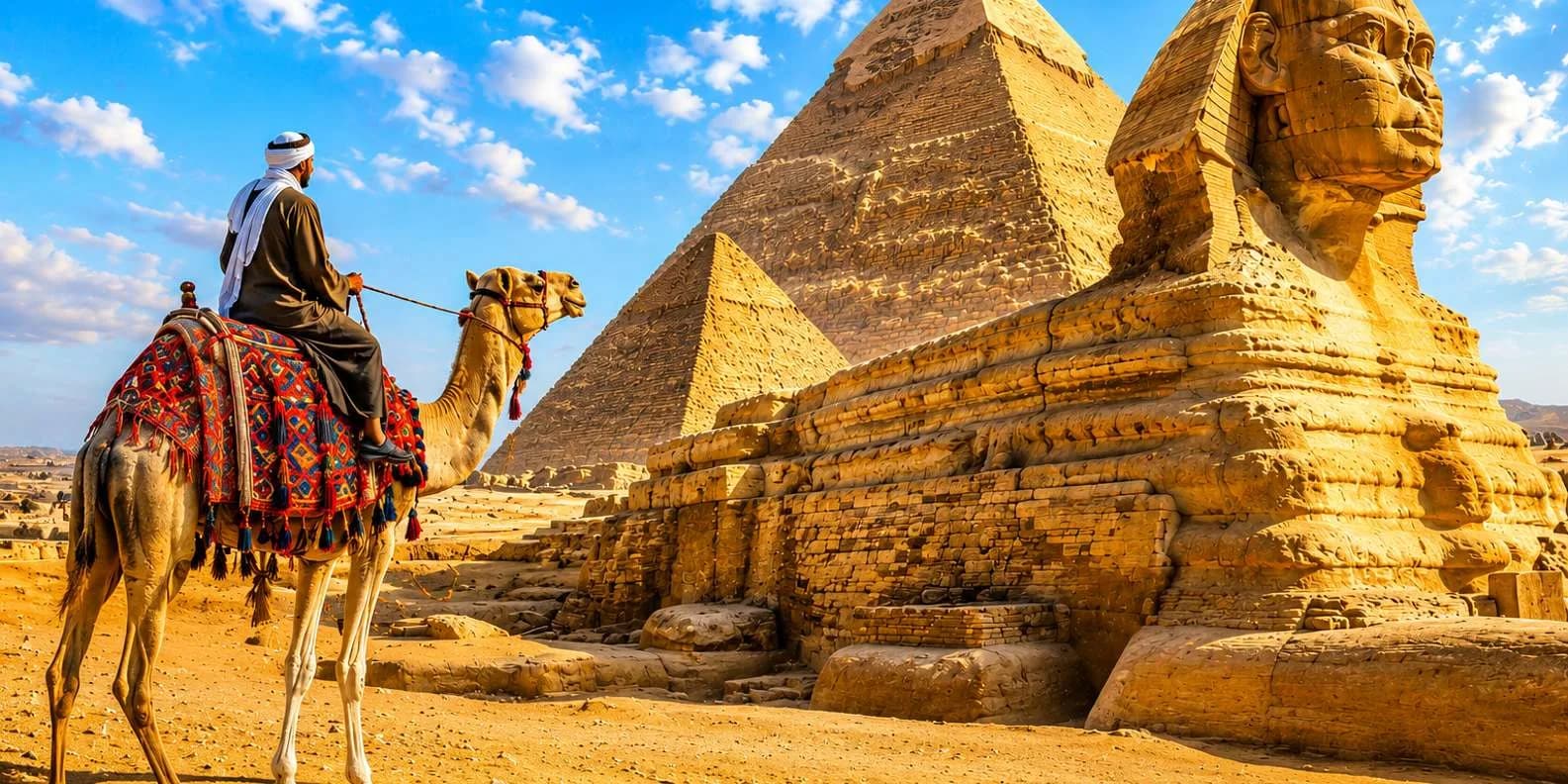
Kairo: Pyramiden & Große Sphinx Private Tour mit Kamelritt
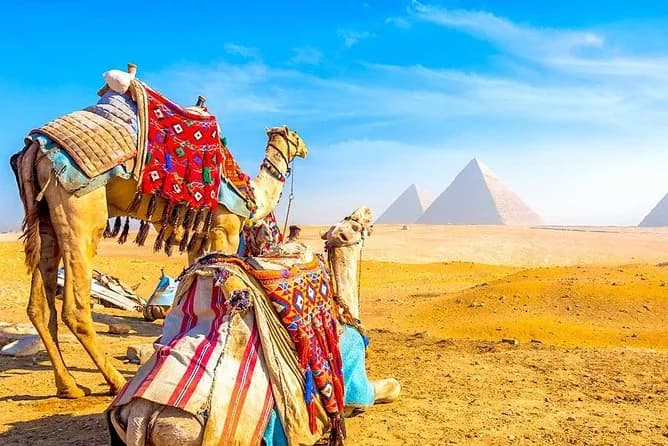
Tour zu Pyramiden und dem Großen Ägyptischen Museum
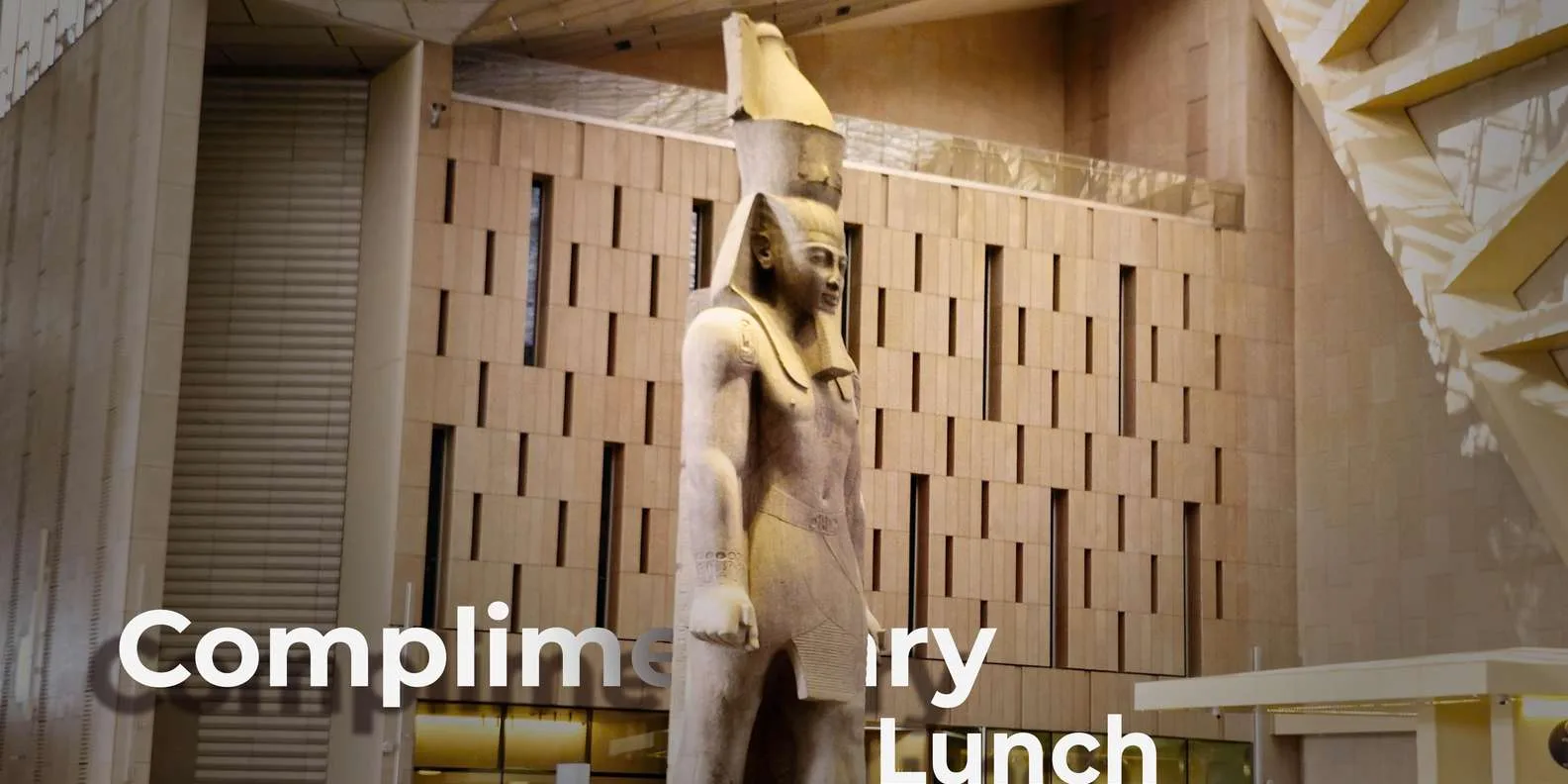
Kairo: Großes Ägyptisches Museum, Pyramiden, Sphinx Tour & Mittagessen
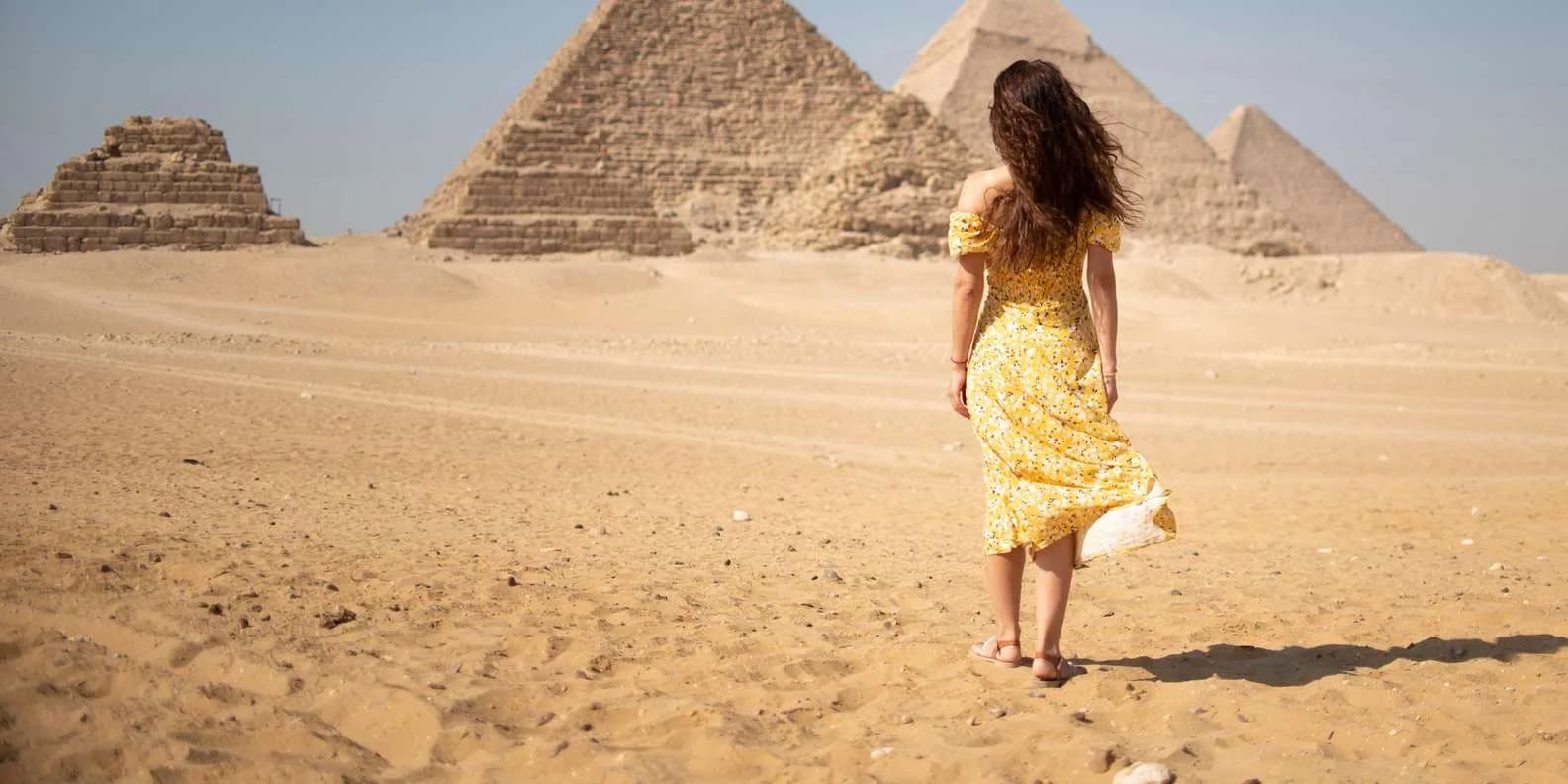
Ab Kairo: Halbtagestour zu den Pyramiden von Gizeh und dem Sphinx
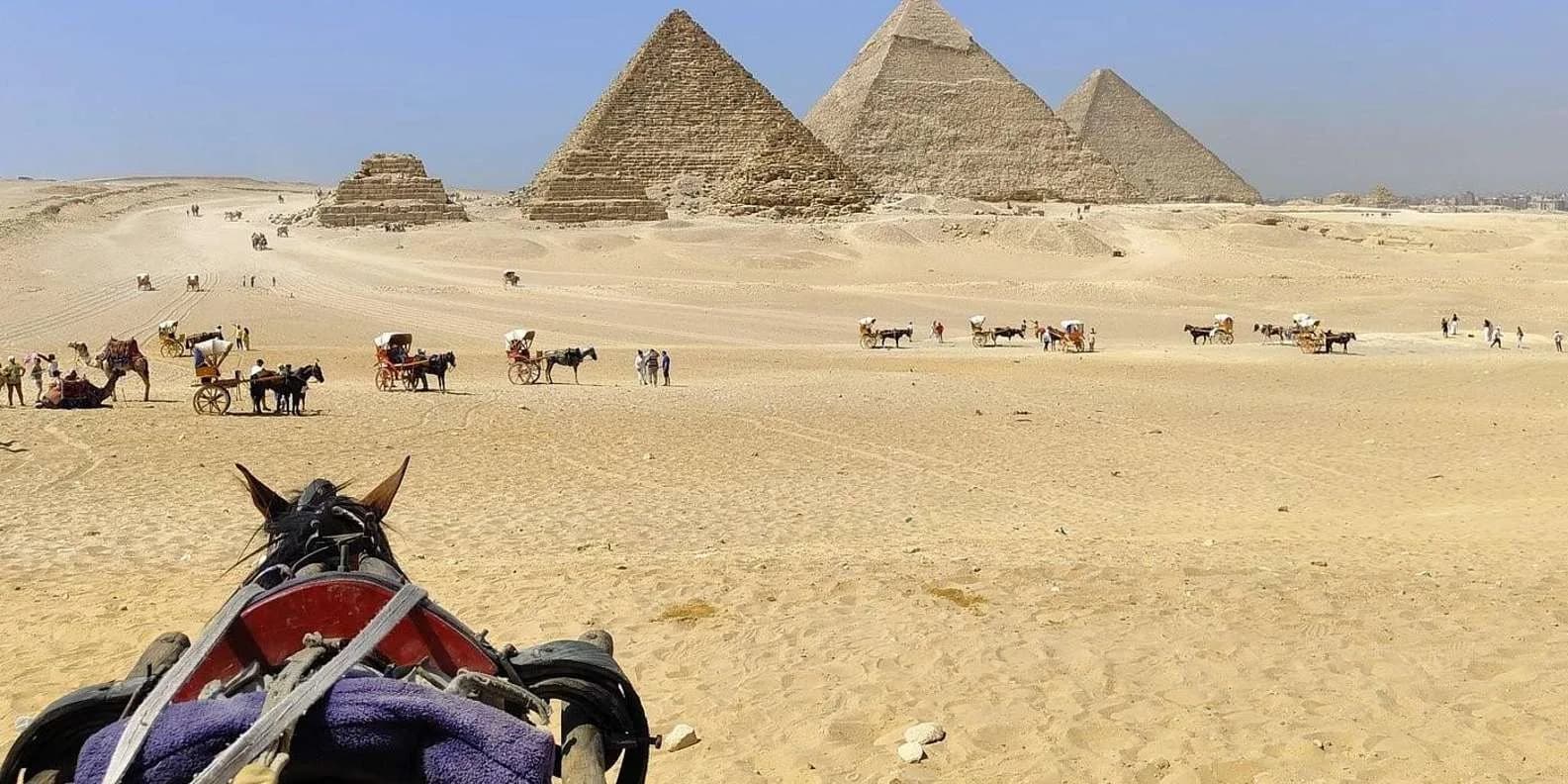
Ab Hurghada: Tagestour nach Kairo mit Flug, Pyramiden, Sphinx & Museum
Kairo: 8-stündige private Tour zu den Pyramiden und dem Großen Ägyptischen Museum
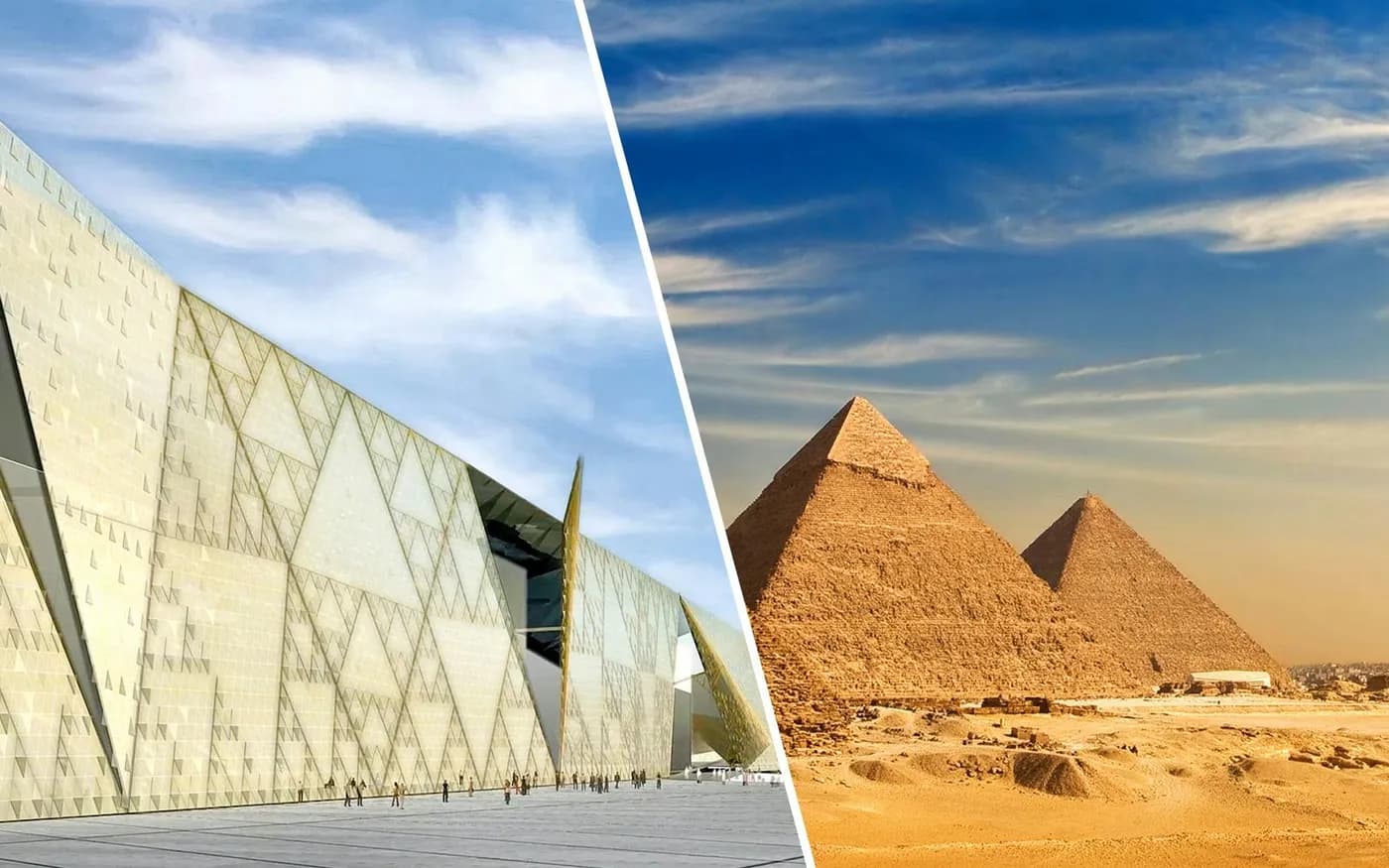
Kombi (8 % sparen): Skip-the-Line-Eintritt zum Gizeh-Komplex + Skip-the-Line-Tickets für das Große Ägyptische Museum
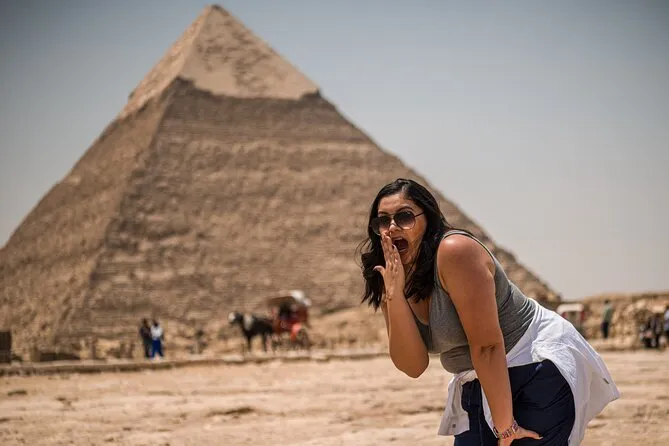
Halbtagestour Gizeh Pyramiden & Große Sphinx mit privatem Reiseleiter
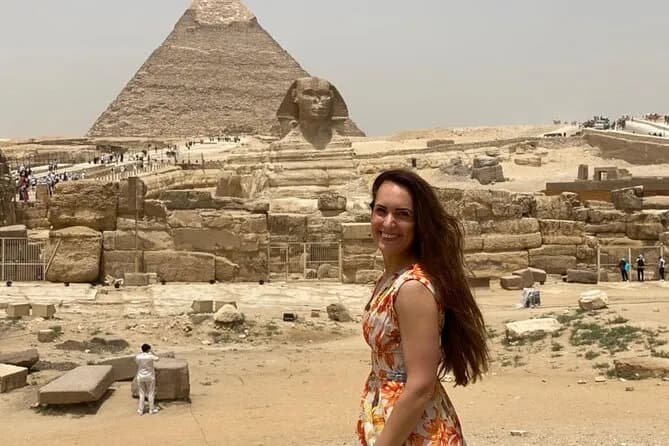
Halbtagestour zu den Pyramiden von Gizeh und dem Großen Sphinx mit privatem Reiseleiter
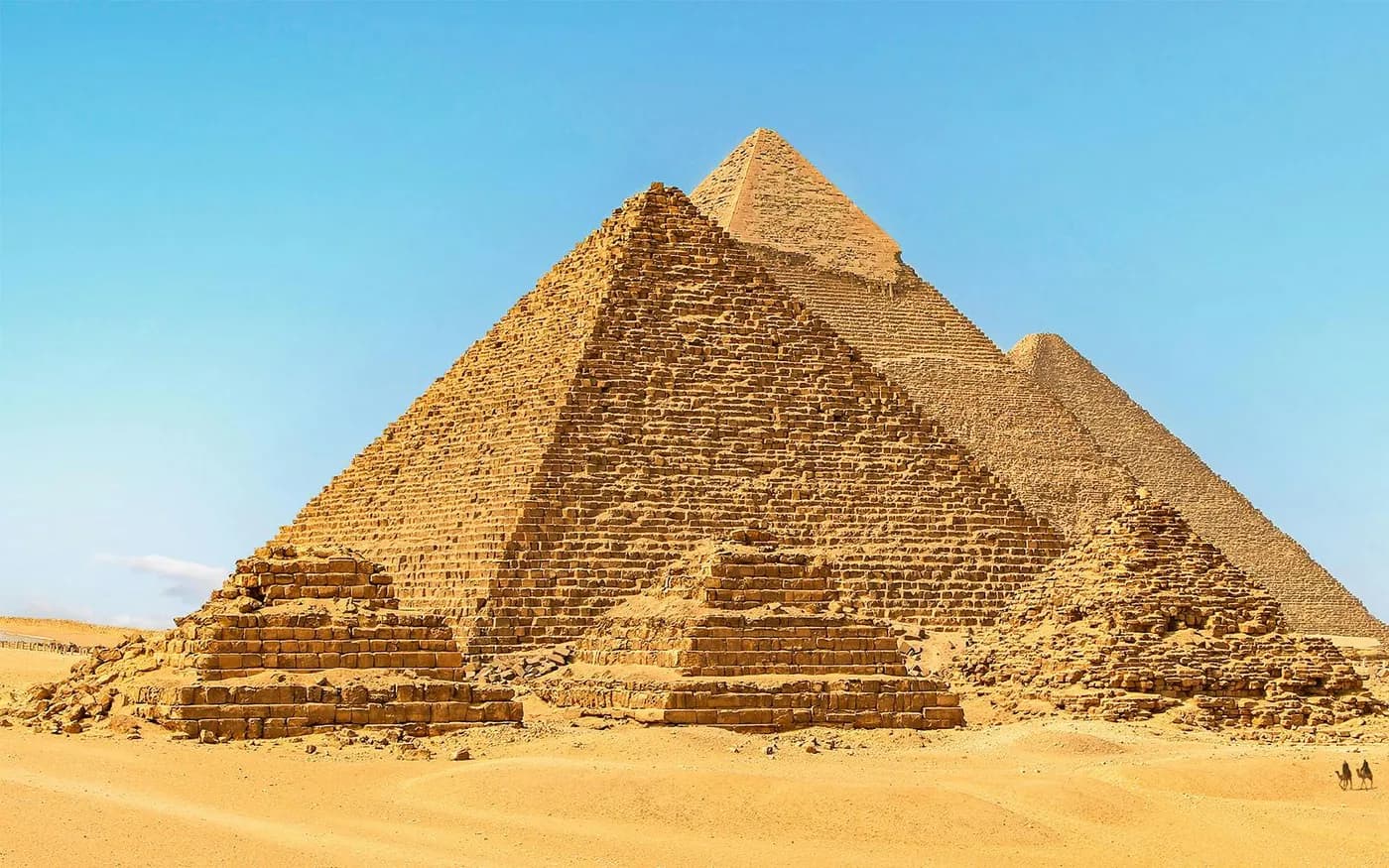
Skip-the-Line-Tickets für den Gizeh-Komplex
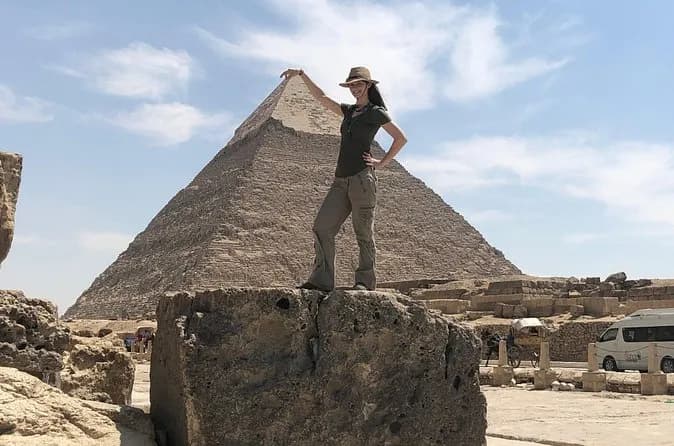
Das Beste von Kairo Private Gizeh Pyramiden, Sphinx und Grand Museum Tour
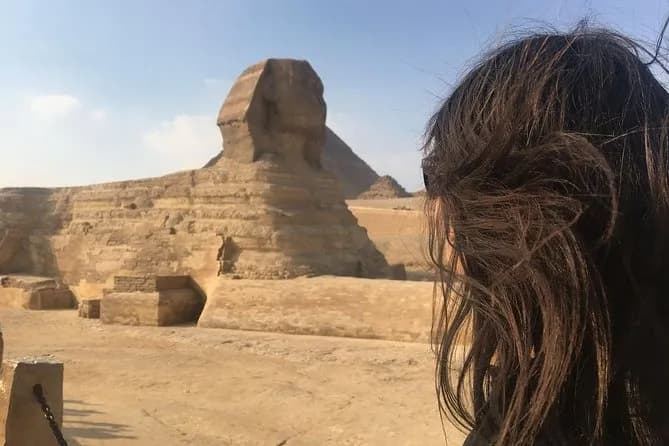
Hurghada: Kairo Ausflug mit Flug, Pyramiden-GEM oder Altes Museum
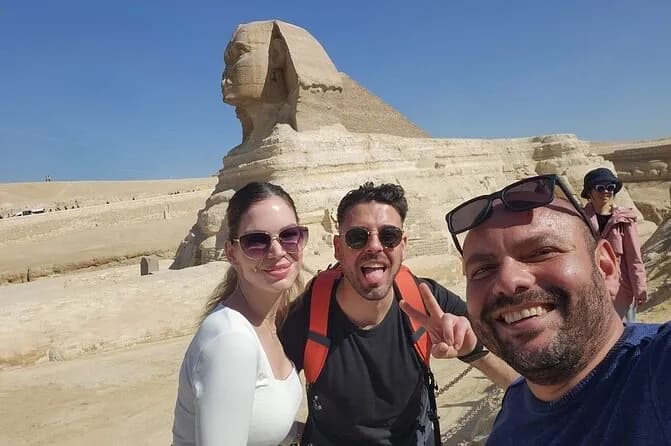
Top bewertet: Pyramiden von Gizeh, Sphinx, Kamelritt, Mittagessen und Zugang ins Innere der Pyramiden
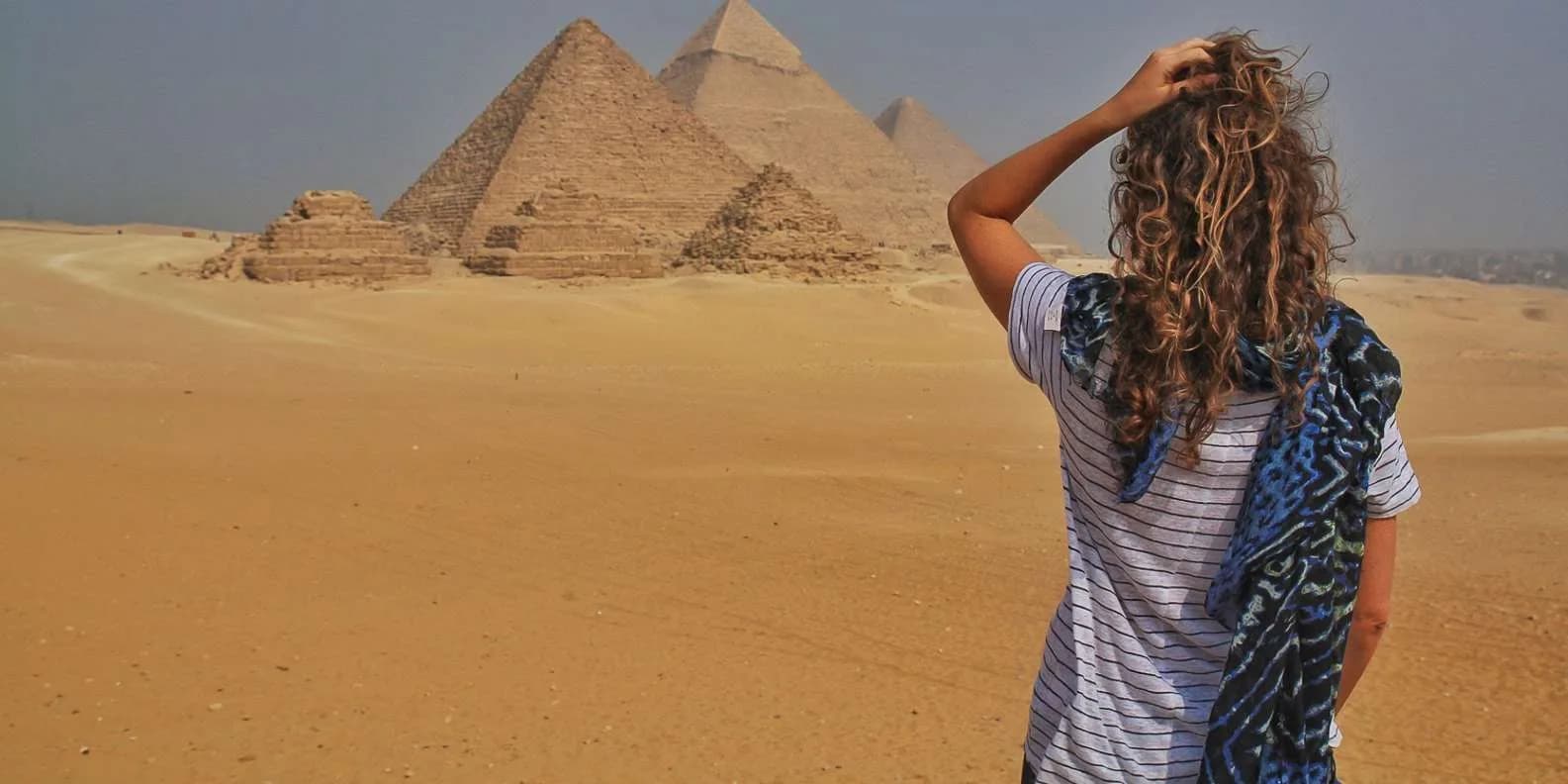
Gizeh Pyramiden und Sphinx: Halbtagestour privat oder in der Gruppe
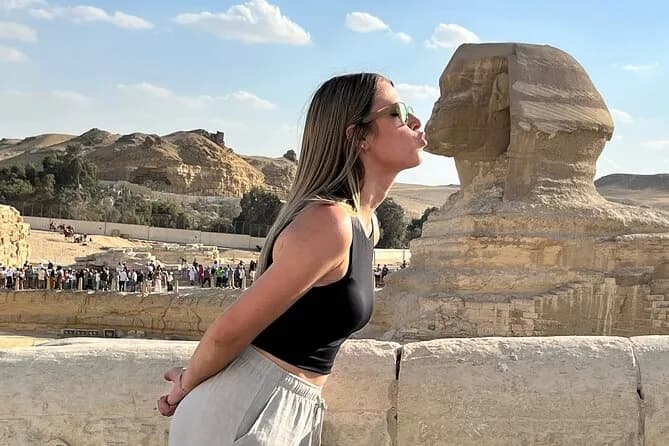
Gizeh Pyramiden all inklusive, Sphinx, Mittagessen, Kamel, Innenpyramide
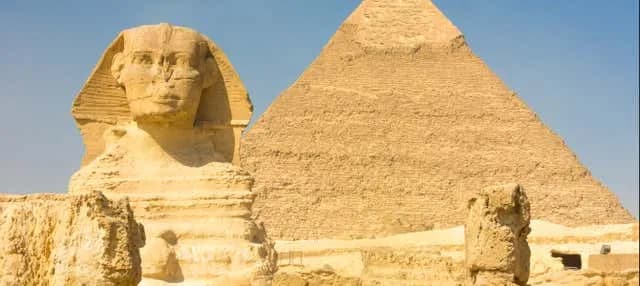
Pyramiden von Gizeh, Memphis und Saqqara
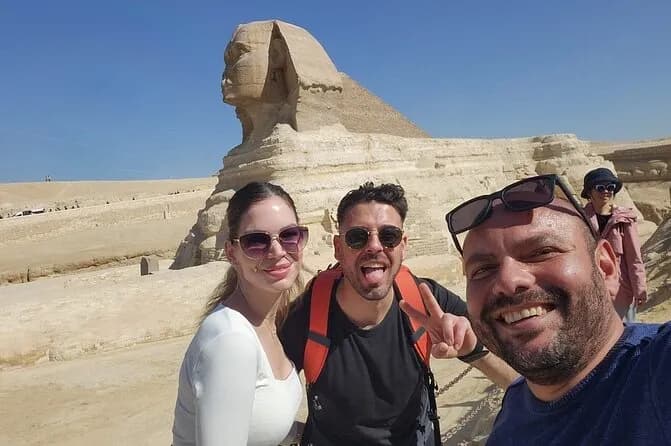
Top bewertet Gizeh Pyramiden, Sphinx, Kamelfahrt, Mittagessen & Innenpyramiden
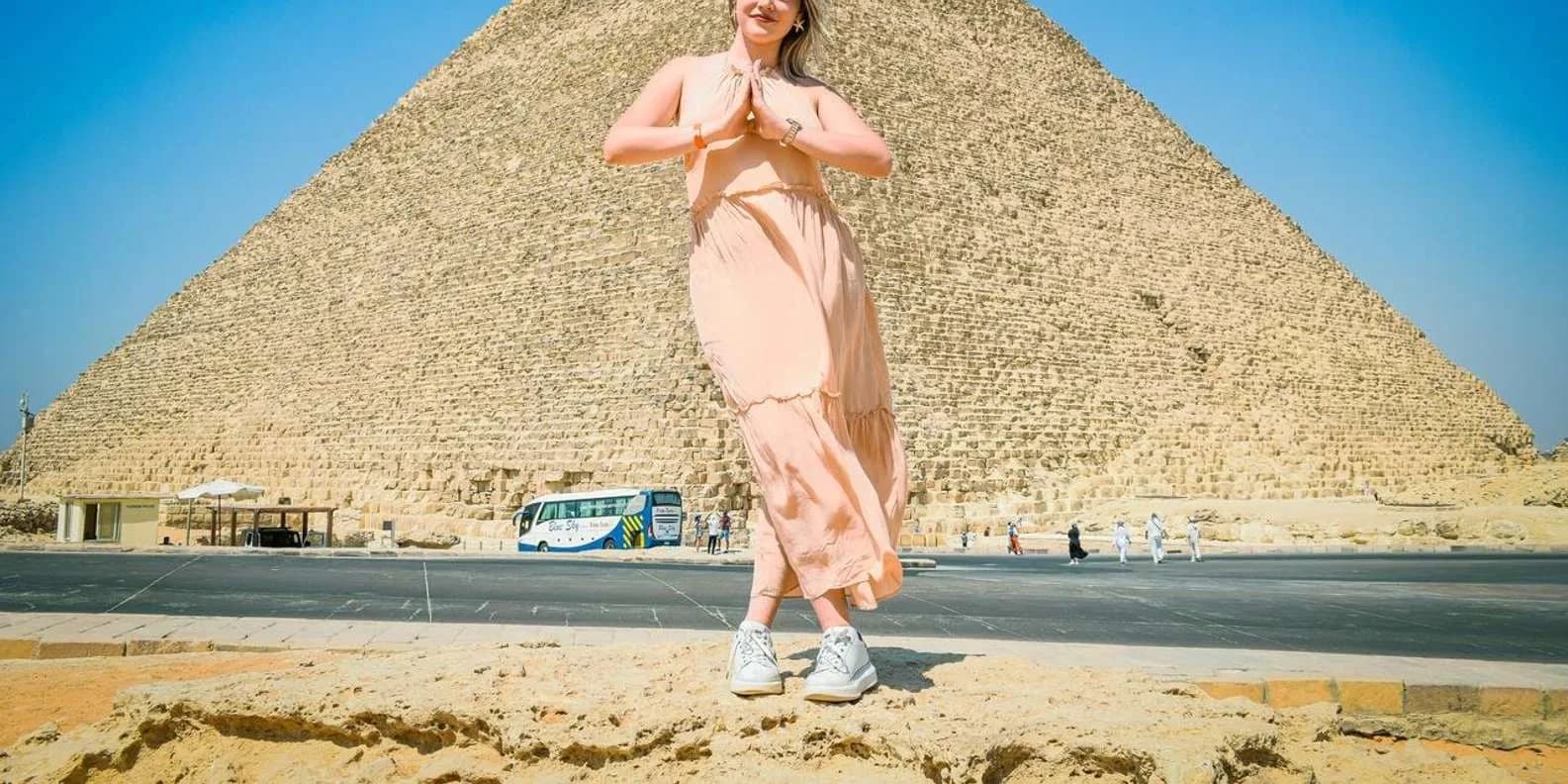
Von Hurghada nach Kairo: Pyramiden & Museum für Erstbesucher

Ab Kairo: geführte Ganztagestour zu den Pyramiden von Gizeh, Sphinx, Saqqara und Memphis mit Eintrittskarten, Mittagessen und Hoteltransfers

Pyramiden Sphinx Kamel ATV Bike Shopping und Nil Abendessen Kreuzfahrt
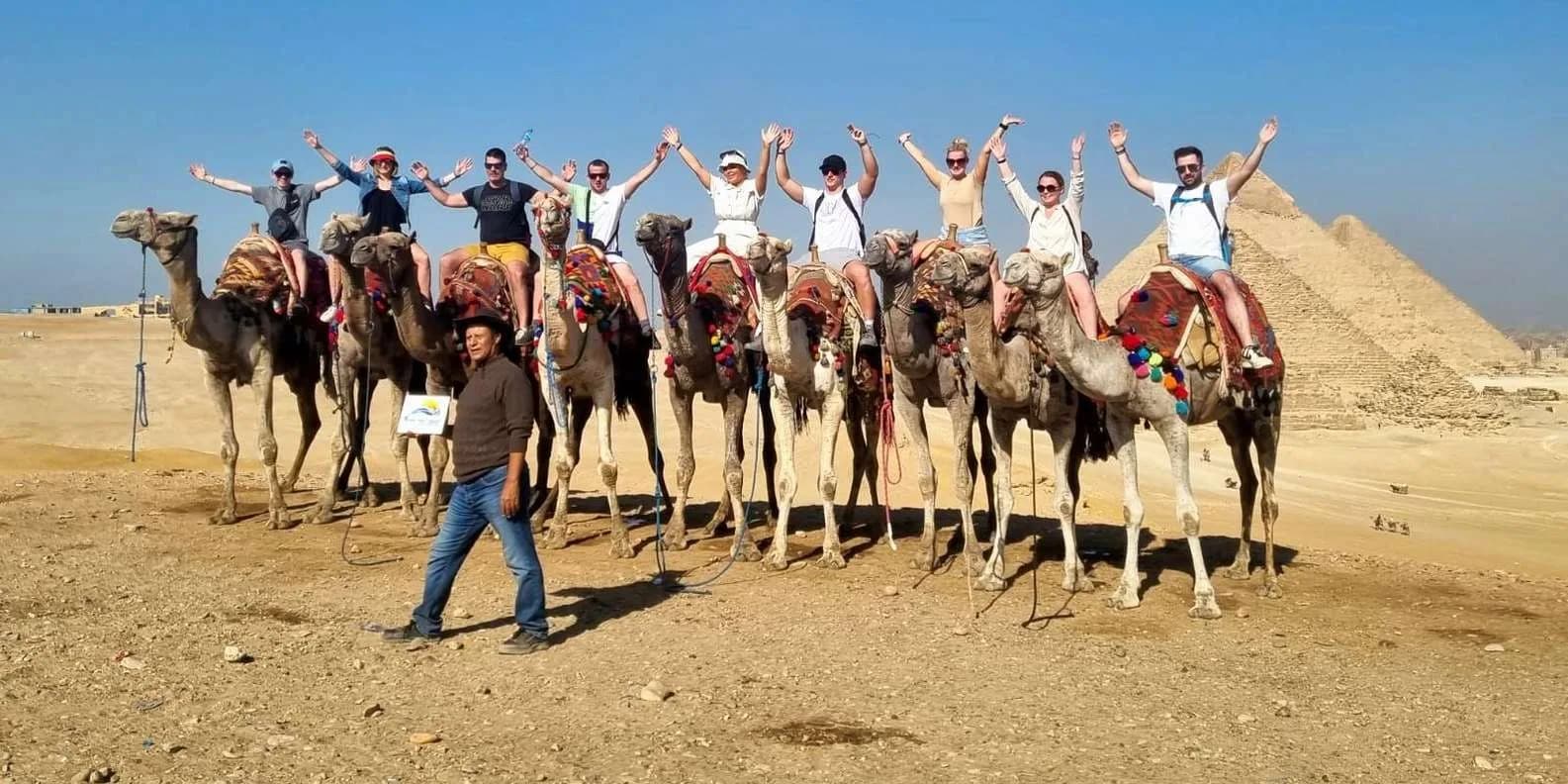
Sharm El Sheikh: Day Trip to Cairo, Pyramids, Sphinx & GEM Museum by Bus
Pyramiden von Gizeh: Quad-Wüstensafari mit optionalem Kamelritt
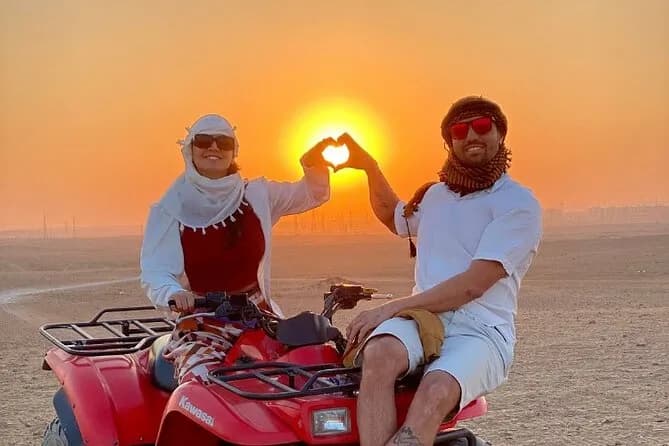
Gizeh Pyramiden, Sphinx, Kamelfahrt, ATV Fahrrad, Einkaufen, Abendessen Kreuzfahrt

Erlebnis im Inneren der Pyramide: Skip-the-Line-Tickets für den Gizeh-Komplex + Zugang ins Innere der Großen Pyramide
Visiting Pyramids of Giza: what to know
Updated 3 September 2026The Pyramids of Giza are the last of the Seven Wonders of the Ancient World still standing, and the one sight in Egypt almost nobody skips. Three royal tombs of the 4th Dynasty rise from a desert shelf on the western edge of Cairo: the Great Pyramid of Khufu, still close to 140 metres tall after four and a half thousand years, the pyramid of his son Khafre just behind it, and the smaller pyramid of Menkaure, flanked by a row of queens' pyramids, streets of courtiers' tombs, the Valley Temple and the Great Sphinx holding the eastern edge. Nothing else from the ancient world lets you do what Giza lets you do: walk up to the blocks, put a hand on them, climb into a burial chamber, and stand where the horizon is nothing but pyramid.
Two things surprise first timers. The first is how close the city comes. The plateau rises straight out of the streets of Giza, the Grand Egyptian Museum sits about 20 minutes away with the pyramids on its horizon, and downtown Cairo is roughly 40 minutes beyond that. The second is how big the site is once you are inside. From the Sphinx entrance at the bottom to the panorama viewpoint in the desert behind the pyramids is a couple of kilometres of sand and stone, which is why nearly everyone covers the ground with a vehicle, the internal shuttle, or a camel or horse rather than entirely on foot.
The visit itself is easier than the plateau's reputation suggests. One ticket covers the grounds, the three pyramids from the outside and the Sphinx; the pyramid interiors are ticketed separately; and the headline monuments fit comfortably into half a day. The rest is strategy: knowing what the extras actually buy, when the crowds arrive, and how to handle the hustle at the gate. That is what this page is for.
How the pyramids were built
Giza is the climax of a very fast century. The Egyptians had only been building pyramids for about a hundred years when work began here: Djoser's architect Imhotep started the tradition at Saqqara by stacking stone mastabas into the Step Pyramid, the world's first pyramid and the oldest large stone building on earth. A generation before Giza, at Dahshur, the builders of the Bent Pyramid changed its angle mid construction, then got the geometry right with the Red Pyramid next door, the first true smooth sided pyramid. Khufu inherited that hard won engineering and pushed it to its limit.
His Great Pyramid, begun around 2560 BC, remained the tallest structure on earth for close to four thousand years. What you see today is the core masonry: the smooth casing of white Tura limestone that once made the faces gleam was stripped over the centuries to build medieval Cairo, leaving the stepped profile we now think of as the pyramid look. Only the cap of original casing on Khafre's peak survives to hint at the finish all three once carried. The scale still refuses to translate in photographs. The average building block weighs about two tonnes, and there is nothing at the base to give it human proportion until the person standing next to it is you.
How the blocks went up is genuinely unsettled. Most of the core stone was quarried on the plateau itself, the fine casing was ferried across the river from the Tura quarries, and the granite that lines Khufu's burial chamber came from Aswan, far up the Nile. No contemporary account of the lifting method survives, and the ramp question (straight, wrapping, internal) is still argued. What archaeology has settled is who did the work. Excavations south of the Sphinx uncovered the town that housed the builders, complete with bakeries, breweries and the workers' own tombs: the pyramids were raised by organised gangs of rotating Egyptian labourers, fed and paid by the state, not by the slave armies of legend.
Khafre, Khufu's son, built the second pyramid on higher ground, which is why it looks taller from most of the plateau even though it is not. Menkaure closed the royal sequence with a pyramid a fraction of the size, and around all three grew ordered streets of flat topped mastaba tombs for the officials and family who ran the Old Kingdom. The complex worked as a machine for eternity: each pyramid had a mortuary temple against its east face, a causeway running downhill, and a valley temple at the edge of the floodplain where the funeral procession arrived from the river. Khafre's valley temple still stands beside the Sphinx, and it is the best preserved building of its age on the plateau.
Everything portable vanished long ago. The burial chambers were emptied by robbers in antiquity, which is why going inside today reveals bare, precise architecture rather than treasure. The great exception was found beside the Great Pyramid rather than inside it: a full size cedar ship, buried in pieces in a sealed pit at the pyramid's foot, rediscovered in the 20th century and painstakingly reassembled. Khufu's Solar Boat is now displayed at the Grand Egyptian Museum, so do not go looking for it on the plateau.
Giza is also not the whole story. The Step Pyramid at Saqqara, the Bent and Red Pyramids at Dahshur and the ruins of Memphis, the Old Kingdom capital, all sit within an hour to the south, and seeing them together with Giza in one day shows the entire arc of how pyramids evolved. That fuller loop is laid out in Beyond Giza.
What to see
The plateau has two gates: the main entrance uphill near the Great Pyramid and the Sphinx entrance at the bottom of the hill beside the Valley Temple. Most visits start at the top and work downhill, which is the sensible order: pyramids first while the light is soft and the crowds thin, the panorama in the middle, the Sphinx as the finale.
Start at the Great Pyramid and give it time at close range. Walk a full side of it, watch the blocks scale up as you approach, and notice how the corner lines hold straight over a structure this size. Then decide about the interiors. Going inside the Great Pyramid means a long crouch up a low, steep, airless passage to a bare granite chamber; there is no decoration and no treasure, only precision stonework and the weight of a mountain overhead. Some visitors count it among the best things they have done in Egypt, others emerge sweaty and underwhelmed. Only 300 people a day are admitted, with tickets released in a morning batch and an early afternoon batch, and they sell out. If the interior matters to you, buy that ticket the moment you arrive. If you mainly want to know what the inside of a pyramid feels like, the interiors of Khafre or Menkaure deliver a very similar experience for a fraction of the cost, usually with no queue at all.
Between the giants, do not walk past the smaller stuff. The row of ruined queens' pyramids along the Great Pyramid's flank shows the complex as a family affair, and the grid of mastaba tombs around the pyramids held the administrators of the Old Kingdom. Look up at Khafre's peak for the surviving casing cap, then carry on to Menkaure, where the crowds are always thinnest.
Out in the desert behind the pyramids is the panorama viewpoint, the spot where all three line up for the classic photograph. It is a couple of kilometres from the monuments, which is exactly why the classic 30 minute camel or horse loop exists; a taxi or the shuttle does the same job with less negotiating.
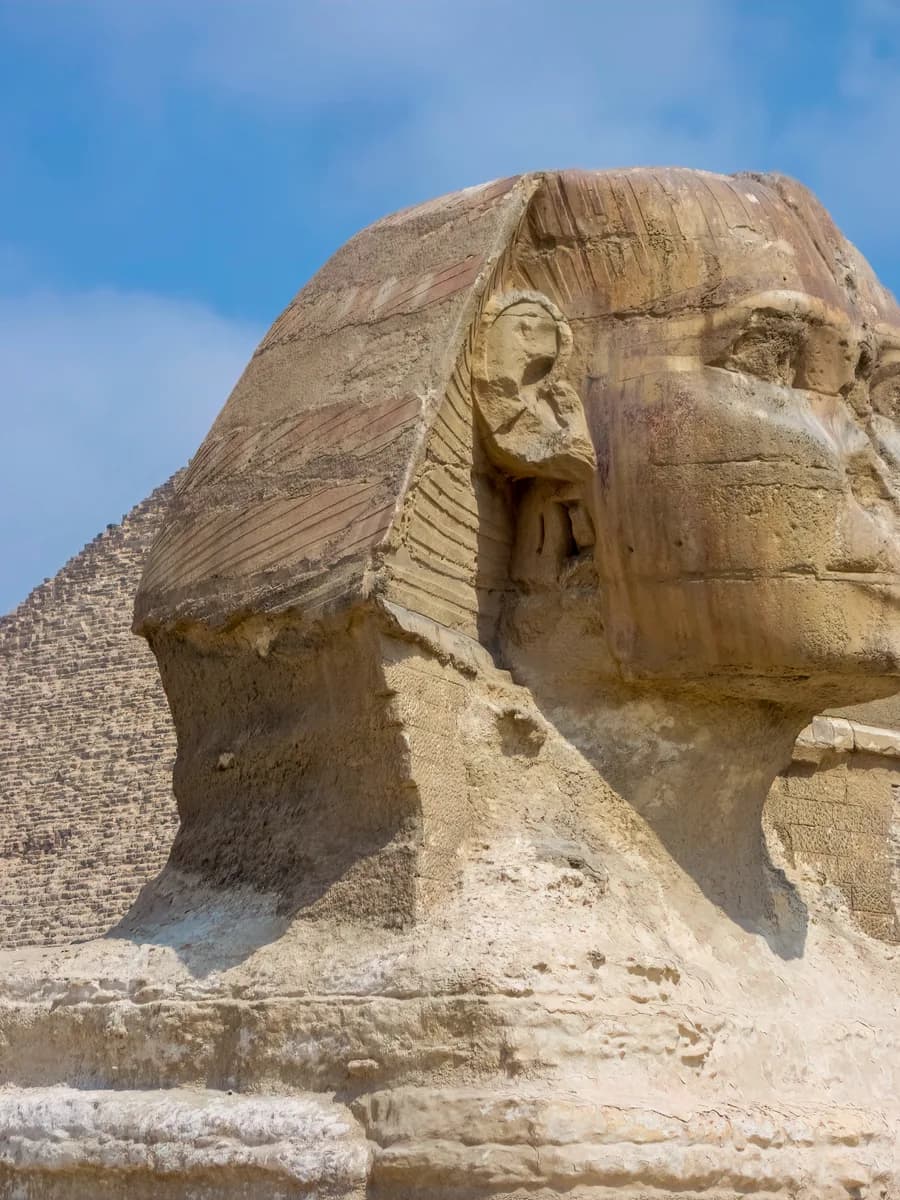
Finish at the bottom of the site. The Great Sphinx crouches in its quarried hollow beside Khafre's valley temple and is viewed from a raised terrace roughly level with its paws, with the temple's hall of massive granite blocks on the way through. The Sphinx rewards more attention than the drive by glance most groups give it: the carving, the lost nose and the stele between its paws are a story of their own, and it makes a better ending than a beginning.
What first timers miss, in rough order: the cheaper pyramid interiors, the casing cap on Khafre, the granite hall of the Valley Temple, and the quiet of the site in its first hour, which is gone by mid morning.
Getting there
Giza is a district of Greater Cairo, not a desert expedition. From downtown Cairo the drive is about 40 minutes in reasonable traffic; from the Grand Egyptian Museum it is about 20; from Cairo International Airport on the far side of the city, allow 45 to 75 minutes each way and more in the evening crush. Traffic, not distance, is the variable that wrecks plans, so pad every estimate.
Ride hailing apps work well in Cairo and are the cheapest independent option. Have the driver drop you at whichever gate suits your route (the main gate for a top down circuit, the Sphinx gate if you want the statue first), and agree a pickup point in advance, because the streets around both entrances are a scrum of coaches, carriages and salesmen. Ticket windows at the gates take cards only.
The organised tour earns its keep here more than almost anywhere in Egypt, and not because of the entry ticket you could buy yourself. A tour bundles the vehicle that moves you across a site spread over kilometres of desert, an Egyptologist who turns three big triangles into a story, and a camel ride at a fixed rate with the haggling already done, and it puts a person between you and the gate hustle so your first hour is not a negotiation. Since the Grand Egyptian Museum opened fully in November 2025, the default first timer day has become plateau in the morning and museum after lunch; the Grand Egyptian Museum guide covers how to time the pairing.
Best time of day
Arrive when the gates open. The first hour has cool air, long shadows, soft light and a fraction of the day's visitors, and it is when the morning batch of Great Pyramid interior tickets goes on sale. Anyone visiting between May and September should treat the early start as non negotiable.
From mid morning the rhythm changes: coach groups and day trippers from the Red Sea resorts arrive in waves, the interior queue grows, and the terrace in front of the Sphinx fills. Midday is the low point, with hard flat light, heat that punishes from late spring to early autumn, and almost no shade anywhere on the site.
Late afternoon is the second good window. The light warms again and the crowds thin as groups leave for the museum or the airport, but the window is tighter than it looks because the site closes in the late afternoon and staff begin steering visitors toward the gates before that. After dark the plateau switches to the Sound and Light show, a separate evening ticket that floodlights the monuments while a recorded narration walks through their history. It is unapologetically touristy, and a reasonable use of an evening you were not going to spend touring anyway.
Tips for your visit
- Wear closed shoes. The ground is sand, gravel and loose stone from gate to gate.
- Carry water, a hat and sunscreen; shade is close to nonexistent on the plateau.
- Ticket windows take cards only, but bring small cash for tips, restrooms and camel rides.
- If you want the Great Pyramid interior, buy it at opening; the daily allocation sells out, and the afternoon batch goes almost as fast.
- Manage expectations inside: it is a steep, hot, crouched climb to an empty chamber. Claustrophobes should skip it without guilt.
- Agree any camel or horse price before you mount: the total, whether it is per person or per group, and the exact route. Photograph the agreed number and pay only when you are back on your feet.
- Treat anything handed to you as a sale. The free headscarf, the free hat and the offer to take your photo all end in a demand for cash; a firm no thank you and steady walking is all it takes.
- Climbing the outside of the pyramids is forbidden; the ticketed interiors are the legal way to get close to the stonework.
- Give Giza three to four hours on its own, or a full day if you add Saqqara, Dahshur and Memphis.
- Do not hunt for the Solar Boat on the plateau; the ship now lives at the Grand Egyptian Museum next door.
Other Egypt attractions
Frequently asked questions
How much does it cost to visit Pyramids of Giza?
Tours and tickets start from 78 EGP (about 2 USD), with a median price of about 2,605 EGP per person.
How many Pyramids of Giza tours are available?
There are 2521 bookable tours and tickets for Pyramids of Giza.
What is the best Pyramids of Giza tour?
A top-rated pick is "Kairo: Pyramiden & Große Sphinx Private Tour mit Kamelritt".
How long do you need at the Pyramids of Giza?
Three to four hours covers the plateau properly: the three pyramids up close, one interior, the panorama viewpoint and the Sphinx. Add Saqqara, Dahshur and Memphis to the south and it becomes a full day. On a tight airport stopover, a focused two hours on the plateau still covers the essentials, provided you budget hard for Cairo traffic.
Can you go inside the pyramids?
Yes, on separate tickets, though not always all three at once, since openings rotate for conservation. The Great Pyramid is the famous interior, limited to 300 people a day, and the climb is a low, steep, airless passage ending in a bare granite chamber. Khafre and Menkaure offer a very similar experience for far less money and usually no queue, which many visitors find the smarter buy.
Can you combine the pyramids and the Grand Egyptian Museum in one day?
Yes, and it has become the standard first timer plan since the museum opened fully in November 2025. Do the plateau at opening while it is cool and quiet, break for lunch, then spend the afternoon at the museum, which sits about 20 minutes away. That order keeps the heat hours indoors and ends the day with Tutankhamun.