

The Egyptian Museum Tours & Tickets
Browse 961 tours of the historic Tahrir collection in Kairo, starting from 104 EGP (about 2 USD), with an average rating of 4.8 out of 5. Real prices compared across booking platforms and updated for 2026.
The Egyptian Museum tickets & opening hours (2026)
| Adult | 550 EGP |
| Student | 275 EGP |
| Audio guide | 75 EGP |
The royal mummies are now at the National Museum of Egyptian Civilization (NMEC) in Fustat — not here and not at the GEM.
Prices are site entry fees for foreign adults, updated 2026-07. Many tours below include tickets and skip-the-line entry.
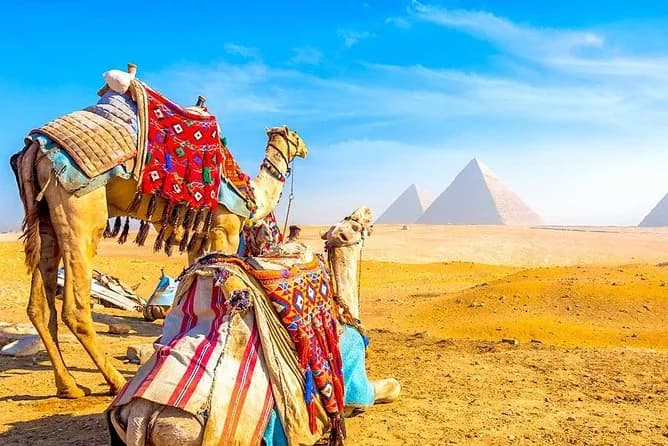
Tour zu Pyramiden und dem Großen Ägyptischen Museum
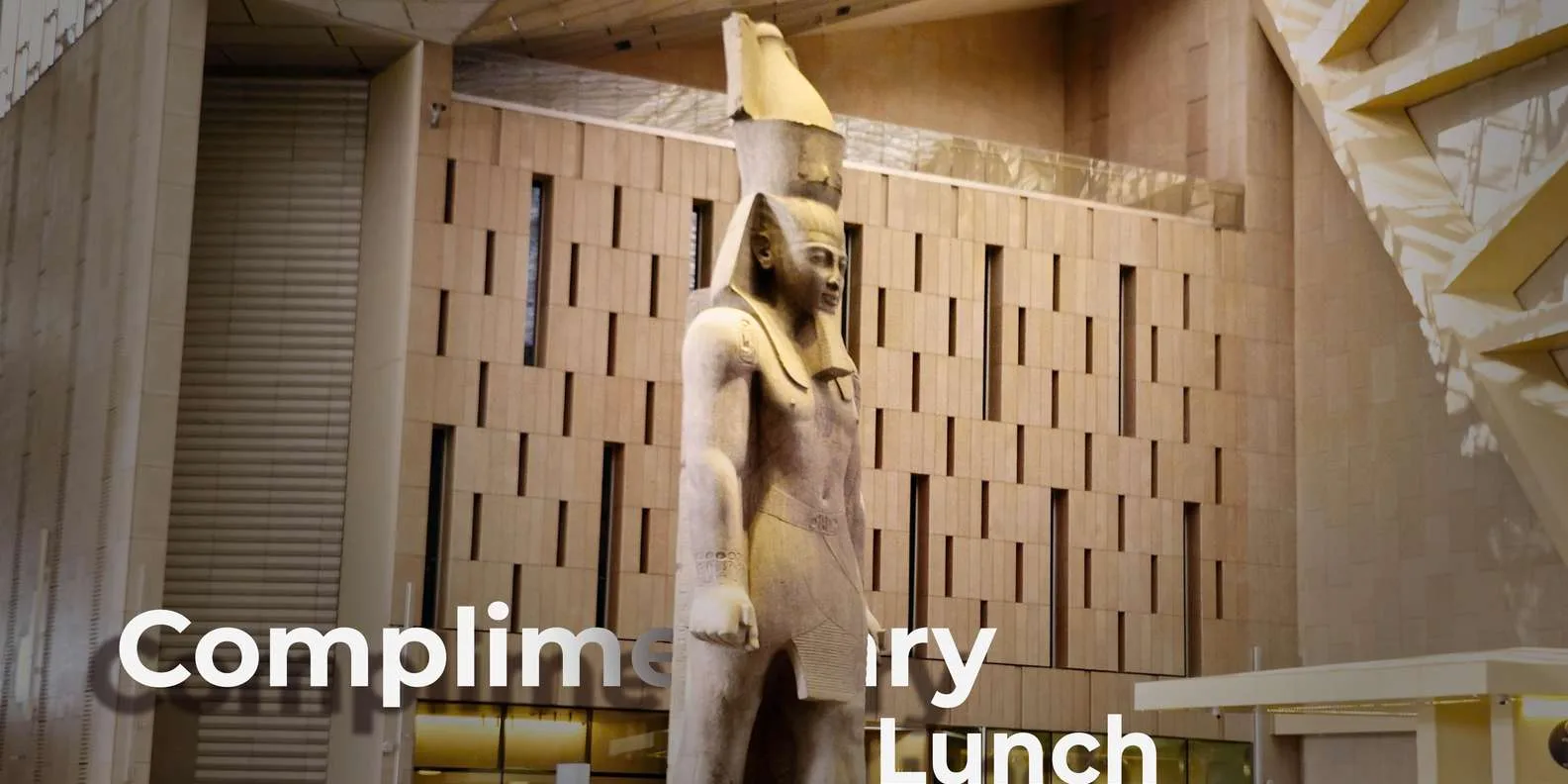
Kairo: Großes Ägyptisches Museum, Pyramiden, Sphinx Tour & Mittagessen
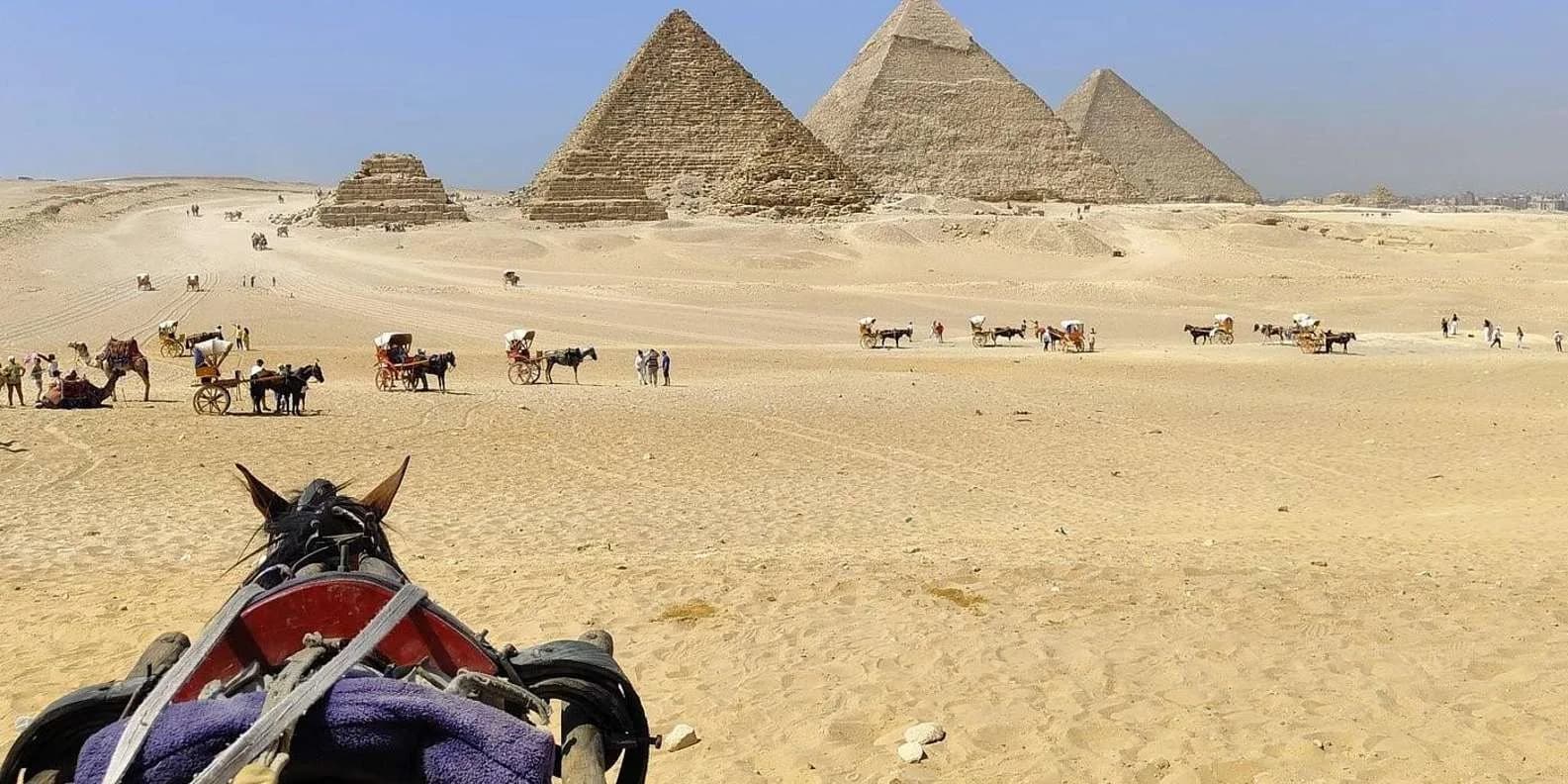
Ab Hurghada: Tagestour nach Kairo mit Flug, Pyramiden, Sphinx & Museum
Kairo: 8-stündige private Tour zu den Pyramiden und dem Großen Ägyptischen Museum
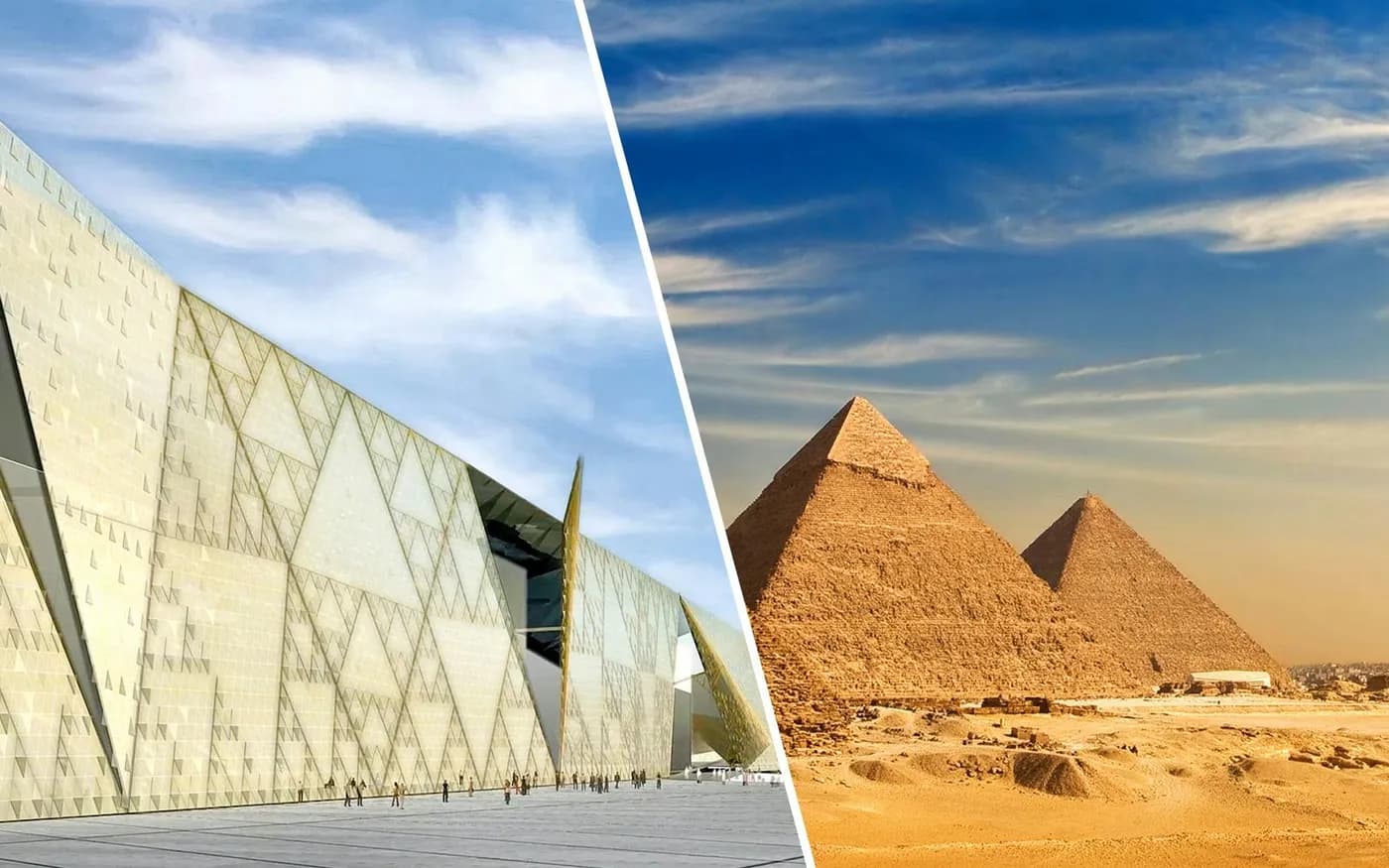
Kombi (8 % sparen): Skip-the-Line-Eintritt zum Gizeh-Komplex + Skip-the-Line-Tickets für das Große Ägyptische Museum
Das Beste von Kairo Private Gizeh Pyramiden, Sphinx und Grand Museum Tour
Hurghada: Kairo Ausflug mit Flug, Pyramiden-GEM oder Altes Museum
Von Hurghada nach Kairo: Pyramiden & Museum für Erstbesucher

Skip-the-Line-Tickets für das Große Ägyptische Museum

Kombi (10 % sparen): Skip-the-Line-Tickets für das Große Ägyptische Museum + Nil-Dinner-Bootsfahrt

Kombi (2 % sparen): Skip-the-Line-Tickets für das Große Ägyptische Museum + Ägyptisches Museum
Kairo: Ägyptisches Museum, Zitadelle und Altstadt von Kairo – Führung
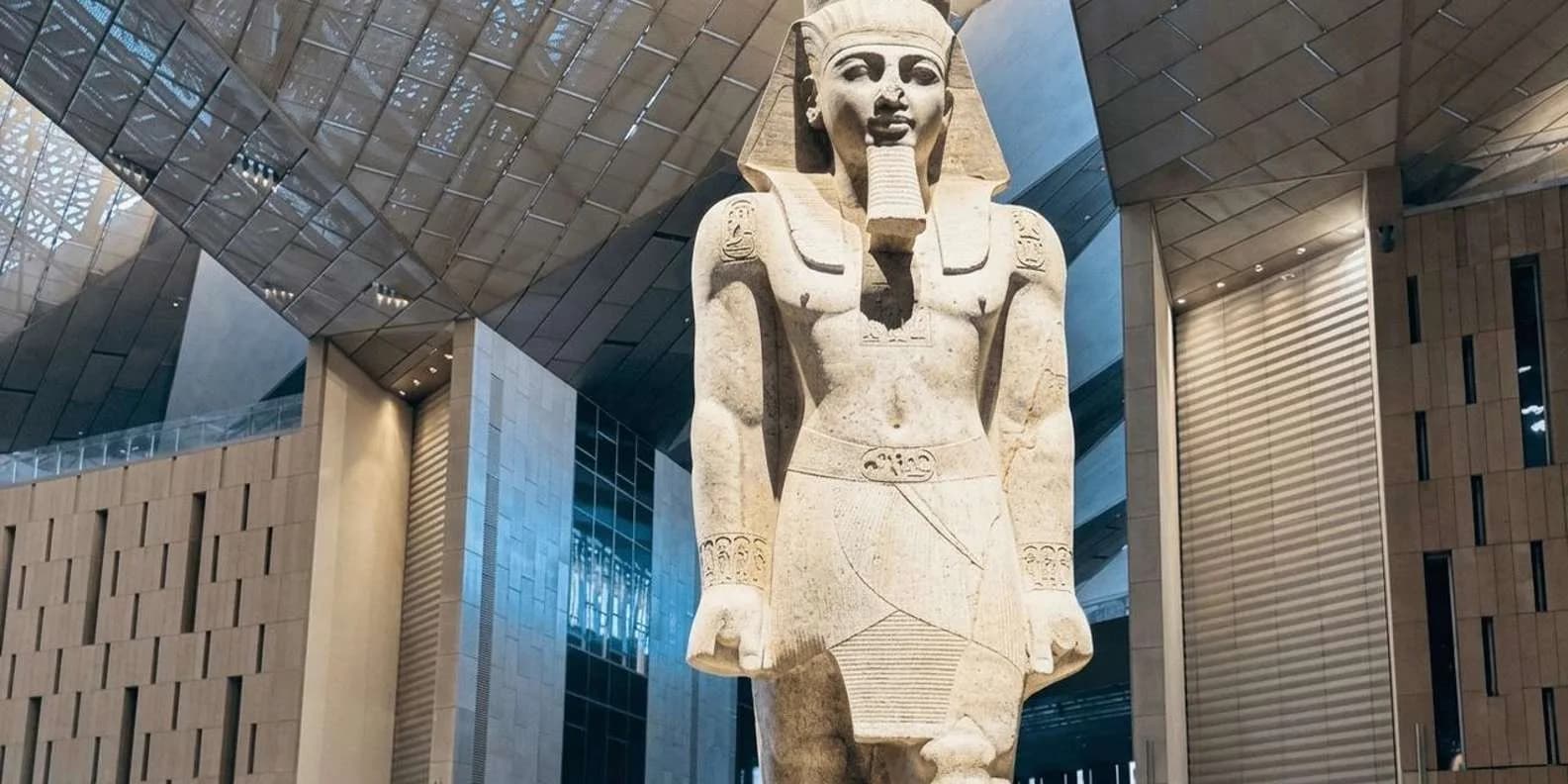
Von Hurghada nach Kairo: Pyramiden & Grand Egyptian Museum mit dem Bus
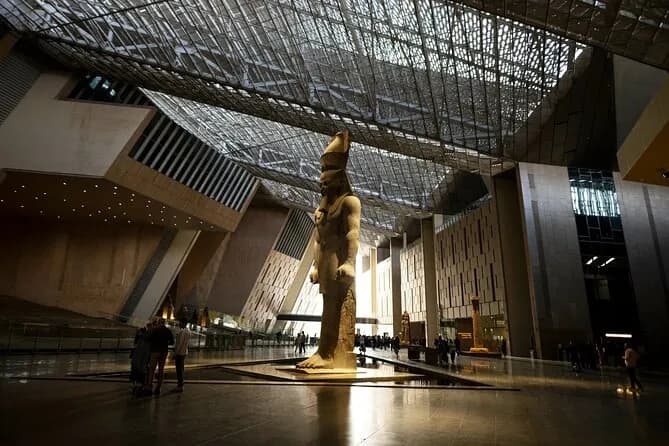
Pyramiden, Sphinx und Großes Ägyptisches Museum, Nil-Feluke ODER Basar

Tagesausflug zum Kairoer alten ägyptischen Museum & Pyramiden mit Mittagessen

Kairo Mit dem Big Bus ganztägig ab Hurghada (Pyramiden-Sphinx-Ägyptisches Museum-Mittagessen)

Pyramiden von Gizeh, Sphinx & Grand Egyptian Museum Tour Vollständige Erfahrung

Von Hurghada Legacy Trip–Entdecken Sie Kairos Pyramiden & Grand Museum
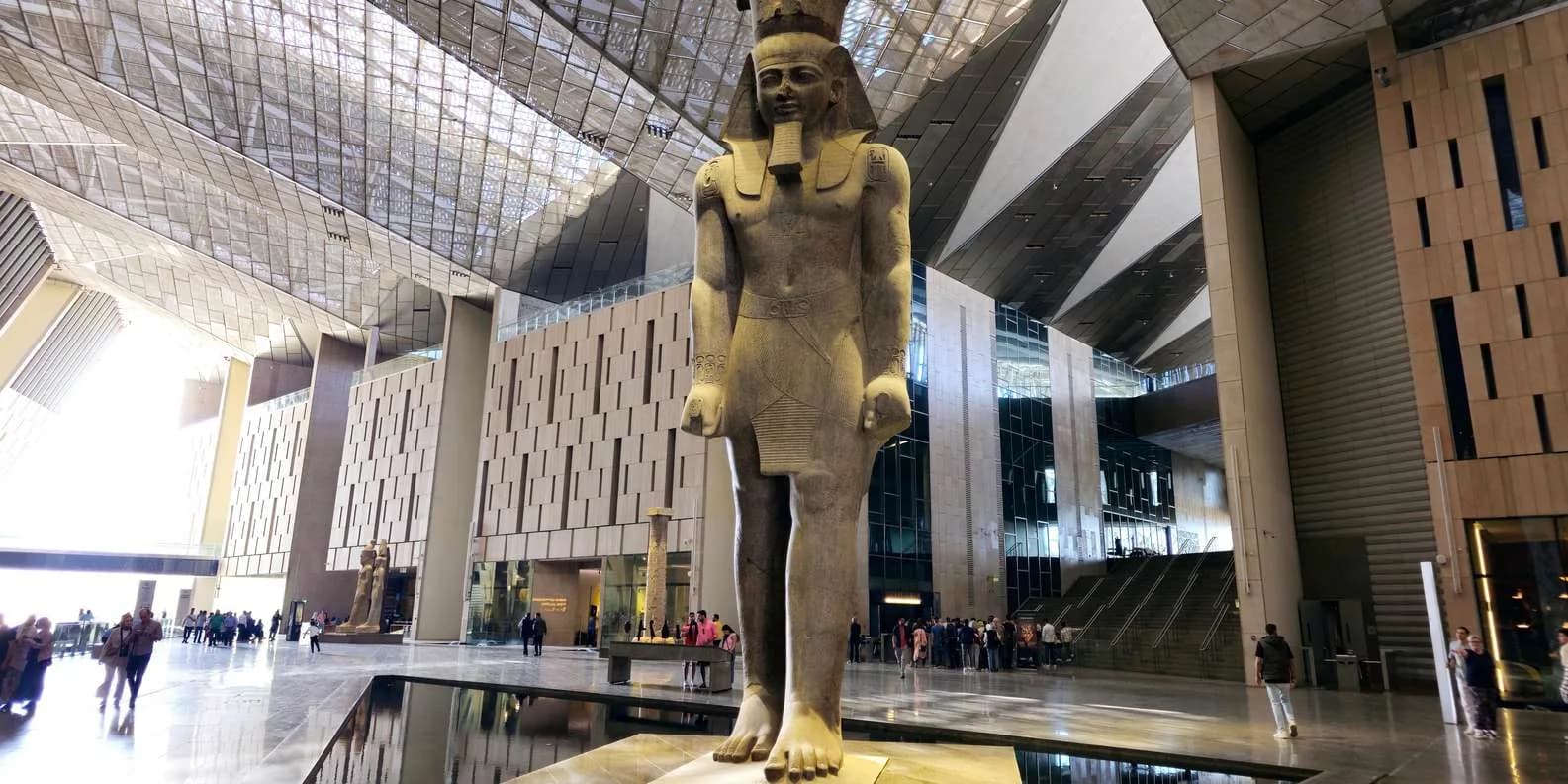
Von Hurghada aus: Großes Ägyptisches Museum Pyramiden Kairo Tagesausflug

Von Hurghada nach Kairo: Pyramiden und Museum für Erstbesucher

Tour zum Großen Ägyptischen Museum — Tickets und Hoteltransfer

Alles in einem: Pyramiden von Gizeh, Sphinx, Großes Ägyptisches Museum & Tutanchamun

Sharm El Sheikh: Tour zu den großen Pyramiden, Sphinx und Museum mit dem Bus

Tagesausflug von Hurghada nach Kairo mit dem Flugzeug und Großes Ägyptisches Museum
Visiting The Egyptian Museum: what to know
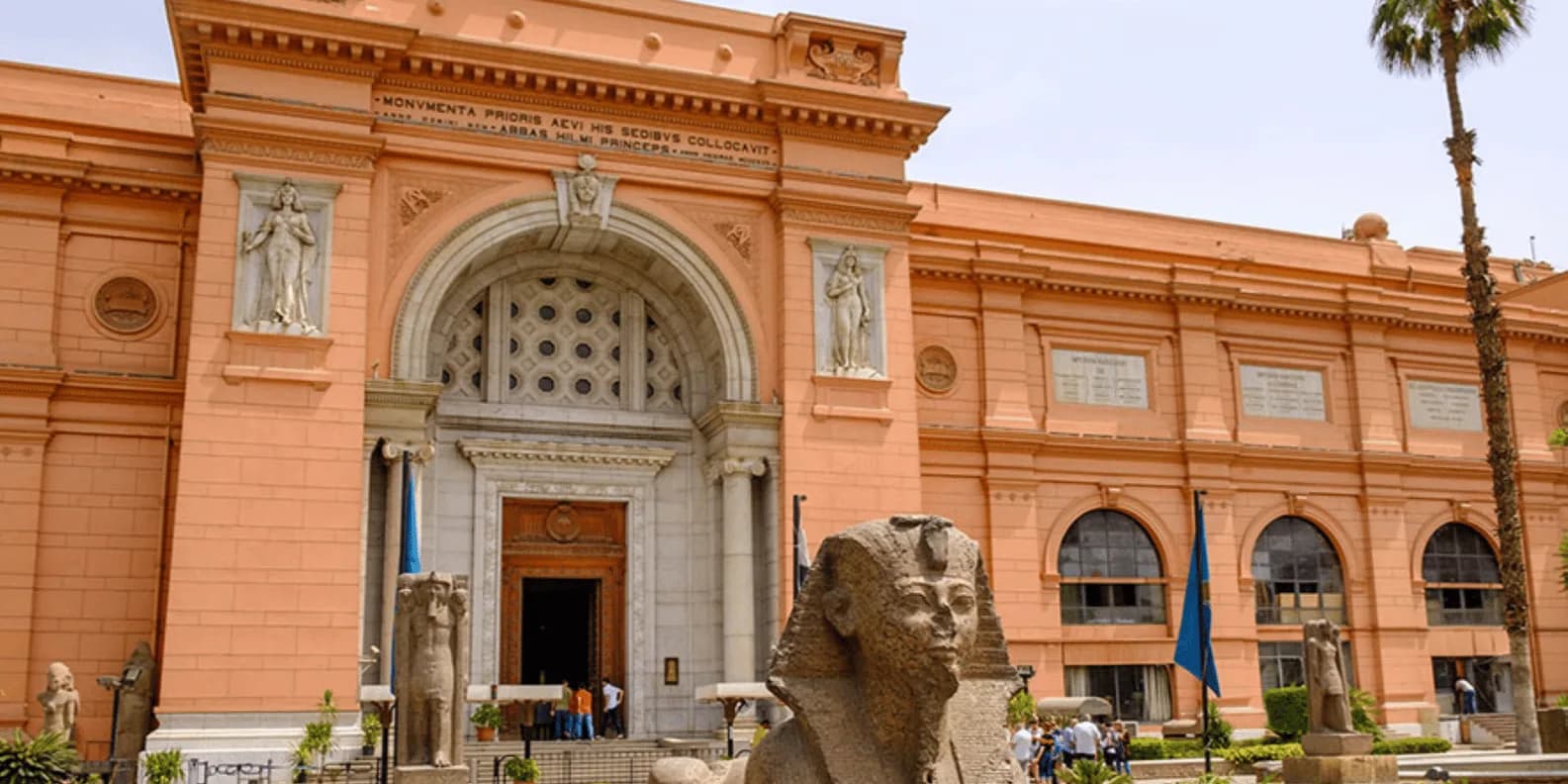
Updated 3 September 2026The Egyptian Museum on Tahrir Square is the grand old museum of Egyptology: a rose-coloured, purpose-built palace of antiquities that has stood on the square since 1902 and has never been anything other than what it was built to be. For most of a century, if you wanted to see Tutankhamun's gold or look into the faces of the pharaohs, you came here. Those two headline acts have moved on, the Tutankhamun treasures to the Grand Egyptian Museum at Giza and the royal mummies to the National Museum of Egyptian Civilization (NMEC) in Fustat, and plenty of travellers now quietly assume the old building must be a shell. It is nothing of the sort.
What remains on Tahrir is one of the densest collections of ancient Egyptian objects anywhere: statues, sarcophagi, jewellery, papyri and everyday tools from every era of the civilisation, packed into wooden vitrines under a century of accumulated grandeur. The Grand Egyptian Museum shows you masterpieces with space, light and modern labelling. Tahrir shows you abundance. You turn a corner and find a 4,000-year-old masterpiece with nobody else in the room, labelled in faded ink, displayed much as it was generations ago. No new museum can copy that atmosphere, because it took a hundred years to accumulate.
It is also the easiest major sight in Cairo to reach: on the central square, beside a metro station, walkable from most downtown hotels, and comfortably done in two to three hours. If your plans touch downtown Cairo at all, the museum fits in without reshuffling anything else.
Mariette, Bulaq and the palace on the square
The museum exists because one man got angry about where Egypt's antiquities were going. Auguste Mariette arrived from France in 1850 on an errand to buy Coptic manuscripts, went off-script, and instead uncovered the Serapeum at Saqqara, the vast underground burial of the sacred Apis bulls. He then watched shipload after shipload of statues and coffins leave for the museums of Europe and decided the drain had to stop. In 1858 Egypt's ruler appointed him to run a new Antiquities Service, and in 1863 he opened a national museum at Bulaq, on the bank of the Nile, built on a then-radical idea: that things dug out of Egyptian ground should stay in Egypt, in public ownership, on display to everyone.
The Bulaq museum was damaged by the Nile flood of 1878, and the growing collection squeezed into a former palace annexe at Giza in 1891 while the government held an international competition for a proper home. The French architect Marcel Dourgnon won it, and in 1902 the collection moved into the neoclassical building you see today: purpose-built for antiquities, top-lit through a glass roof, and in continuous service ever since, which makes it one of the oldest buildings in the world still doing the museum job it was designed for. Mariette never saw it. He died in 1881, and his remains moved with his collection; he lies today in a marble sarcophagus in the front garden beneath a bronze statue, ringed by busts of the great Egyptologists. Almost everyone walks past without noticing.
The building has since witnessed more history than many of the people who filled it. It has stood through world wars and revolutions, and when the 2011 uprising filled the square below its windows, Cairenes linked arms around its railings to protect what was inside.
Be clear about what has changed in the past few years. The complete Tutankhamun collection now lives at the Grand Egyptian Museum, shown across two dedicated galleries. The 22 royal mummies, Ramesses II, Seti I and Hatshepsut among them, left in 2021, carried across the city to the NMEC in the televised Pharaohs' Golden Parade. What stayed is nearly everything else, and it is a staggering amount: two packed floors spanning every period from before the pyramids to the Roman era. The museum's new headline act is the royal treasure of Tanis, the silver coffins, gold masks and jewellery of kings found intact in the Nile Delta by Pierre Montet in 1939 and 1940, a discovery that would rival Tutankhamun's in fame had the Second World War not buried the news. Renovation has been rolling quietly through the halls in recent years, brightening galleries without stripping out the character. If you want the two museums weighed against each other before you decide how to split your time, the GEM vs the Egyptian Museum guide does exactly that. The short version: they now do different jobs, and this one still does its job superbly.
What to see
Start in the central atrium, the great top-lit hall that runs the length of the building, where the heaviest pieces live: colossal statues, monumental sarcophagi and carved stelae too large to move upstairs. It sets the scale of the place and it is the easiest spot to get your bearings, since the ground floor wraps around it in a broadly chronological circuit. Walk it clockwise and you pass from the Old Kingdom through the Middle and New Kingdoms to the Late and Graeco-Roman periods: hall after hall of hard stone, seated kings, false doors, painted reliefs and coffin lids. Move faster than feels respectful. The ground floor rewards a brisk sweep, because the museum's real treasure chest is upstairs.
The upper floor holds the grave goods, and grave goods are where ancient Egypt stops being stone and becomes human: painted wooden models of brewers, bakers, weavers, herdsmen and boat crews made to serve their owners in the next life; coffins by the corridor-load; jewellery, amulets, sandals, board games, chairs and chests. This floor deserves the majority of your time, and it is where the crowds thin out.
Two upstairs rooms are worth seeking out by name. The Tanis gold room holds the silver coffin and gold funerary mask of Psusennes I along with the rest of the Delta treasure, and a surprising number of visitors, still on autopilot from the era when Tutankhamun lived here, walk straight past its doorway. Do not: it is the finest royal treasure on display anywhere in central Cairo. The animal mummies room, with its cats, crocodiles, ibises and falcons, is the other stop first-timers miss, and reliably the room children talk about afterwards.
Save ten minutes for the building itself: the iron-and-glass roof, the balconied upper galleries looking down into the atrium, the century-old display cases that are now period pieces in their own right. Then finish in the garden by Mariette's tomb. If you want structure, an audio guide is available at the entrance, and a couple of hours with a good Egyptologist is money well spent here, because the historic labelling tells you what things are but rarely why they matter.
Getting there
No major sight in Egypt is easier to reach. Sadat metro station opens directly onto Tahrir Square, so the museum is a few stops from almost anywhere central, and it is a short walk from downtown, Garden City and the hotels along the Nile Corniche. From Zamalek it is a few minutes by taxi across the bridge. Uber and Careem both work well in Cairo and spare you any fare negotiation; a ride from the Giza side of the city can take up to 45 minutes in traffic, so allow for that if you are staying near the pyramids.
The museum also anchors a natural downtown day. The NMEC, where the royal mummies now rest, is about 20 minutes away by taxi in Fustat, and the two pair logically since they sit on the same eastern side of the city; Coptic Cairo is on the same metro line as Sadat, a short ride south to Mar Girgis station. Organised tours usually bundle the Tahrir museum with Islamic Cairo, Coptic Cairo or the NMEC, which is worth it if your time is tight or you want a guide's commentary, but this is one sight where independent travel is genuinely effortless: the metro plus a couple of short taxi hops covers the same ground for very little. Let the Grand Egyptian Museum anchor your Giza day and this museum anchor your downtown day, rather than criss-crossing the city; the Cairo travel guide shows how the pieces fit together.
Best time of day
Come at opening. The doors open at 9am, and the first hour is the museum at its best: cool, quiet and mostly yours, with the atrium filling with morning light. Ticket queues build from mid-morning as the coach groups arrive, and the peak crush runs from roughly 11am into early afternoon, concentrated on the ground-floor highlights while the upper floor stays workable. If mornings are impossible, late afternoon is the second-best window: the groups have moved on, and the final two hours are enough for a focused visit, though they leave no slack for wandering.
Light genuinely matters here, because the halls are lit largely by the glass roof and tall windows rather than by spotlighting. The atrium looks its best in strong late-morning sun, and on winter afternoons the upper galleries turn pleasantly golden. In summer the building warms up steadily through the day, one more argument for the early start.
Season shapes the rhythm too. Winter, November to March, is Cairo's high season, and museum mornings are at their busiest then; summer brings heat outside but a noticeably calmer museum. The Egyptian weekend runs Friday and Saturday, which adds local families to the mix, particularly on Friday afternoons. None of it ever approaches the crowding you get at the pyramids or at the new museum at Giza. The quiet pleasure of Tahrir is that even on a busy day, whole rooms are left to you.
Tips for your visit
- Tickets are sold at the door as well as online. On winter mornings booking ahead saves you the main queue; either way, carry some cash as a fallback.
- Take the audio guide from the entrance if you are visiting without a guide. The historic labels are brief, and context transforms the visit.
- Plan two to three hours: a brisk ground-floor circuit, then a slow upper floor. Enthusiasts can fill half a day without trying.
- Do not come expecting Tutankhamun's mask or the royal mummies. The Tutankhamun collection is at the Grand Egyptian Museum and the mummies are at the NMEC in Fustat, about 20 minutes away by taxi, so treat each as its own outing.
- Find the Tanis gold room upstairs before your energy runs out. It is the collection's current crown and the most commonly skipped great thing in the building.
- Photography is generally allowed without flash; tripods are restricted, and the occasional gallery may limit cameras.
- Expect an airport-style bag scan at the gate, as at most Egyptian museums, and travel light: two dense floors are more tiring than they look.
- Visit Mariette's tomb in the front garden before you leave. The founder of the museum lies a few steps from his life's work, and nearly everyone misses him.
- Pair the museum with the neighbourhood: downtown's cafes and koshary houses are on foot, the Nile Corniche is around the corner, and the NMEC makes a natural second museum of the day.
Other Egypt attractions
Frequently asked questions
How much does it cost to visit The Egyptian Museum?
Tours and tickets start from 104 EGP (about 2 USD), with a median price of about 3,066 EGP per person.
How many The Egyptian Museum tours are available?
There are 961 bookable tours and tickets for The Egyptian Museum.
What is the best The Egyptian Museum tour?
A top-rated pick is "Tour zu Pyramiden und dem Großen Ägyptischen Museum".
How long do you need at the Egyptian Museum?
Two to three hours covers it for most visitors: a brisk circuit of the ground floor and a slower pass of the upper floor, where the grave goods and the Tanis treasure are. Enthusiasts can happily fill half a day, since the museum is compact in footprint but extremely dense. It pairs well with the NMEC or Islamic Cairo in the same day.
If I only have time for one museum in Cairo, should it be this or the Grand Egyptian Museum?
Pick the Grand Egyptian Museum: the complete Tutankhamun collection and the scale make it the headline act, and it pairs naturally with the pyramids. Come to Tahrir as well if you love old museums, want the density of the general collection, or have a second day downtown. They do different jobs now, so seeing both is the ideal.
Do you need a guide for the Egyptian Museum?
Not strictly, but a guide helps more here than at most museums. Much of the labelling is old and brief, so an Egyptologist or the audio guide available at the entrance turns rooms of unlabelled stone into a story. If you go without either, read up on a handful of highlights beforehand and hunt those down first.