
Colossi of Memnon Tours & Tickets
Browse 18 the twin colossal statues on the West Bank in Luxor, starting from 680 EGP (about 14 USD), with an average rating of 4.6 out of 5. Real prices compared across booking platforms and updated for 2026.

Private Half Day West Bank Tour to Valley of the Kings Queen Hatshepsut Temple and Colossi of Memnon
Amazing Luxor: Valley of the Kings – Hatshepsut Temple – Colossi of Memnon
![[private] valley of the kings hatshepsut temple memnon colossi](/_next/image?url=https%3A%2F%2Frykdfeyxw08gsipa.public.blob.vercel-storage.com%2Fexperiences%2Fprivate-valley-of-the-kings-hatshepsut-temple-me-2ynqkl%2F0.webp&w=3840&q=75)
[private] valley of the kings hatshepsut temple memnon colossi
Luxor West Bank Group Tour: Valley of the Kings–Hatshepsut Temple–Memnon Colossi
Luxor West bank Tour Valley of The Kings, Hatshepsut Temple & Colossi of Memnon
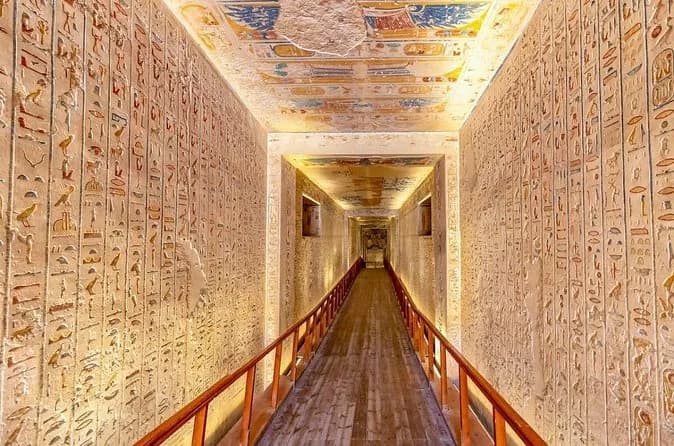
Private tour kings valley, Hatshepsut temple & colossi of Memnon
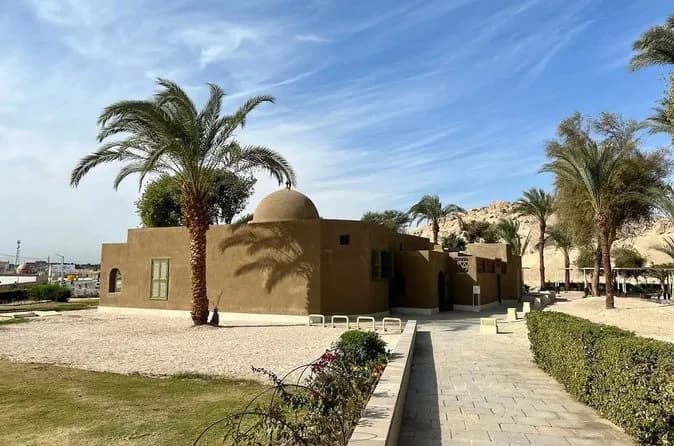
Valley of the Kings, Carter House & Memnon Colossi
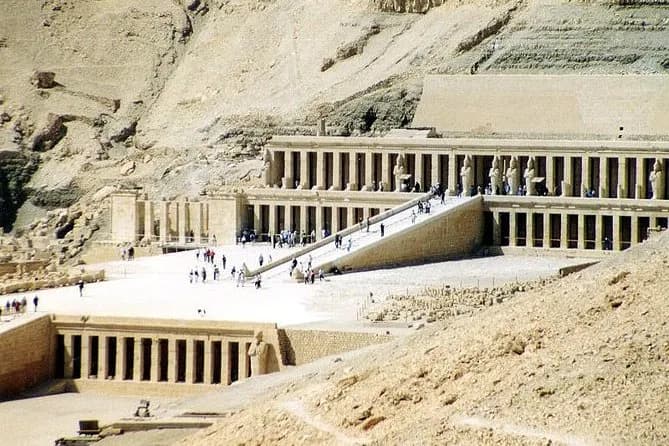
Luxor Valley of the kings, Temple Hatshepsut, colossi of Memnon
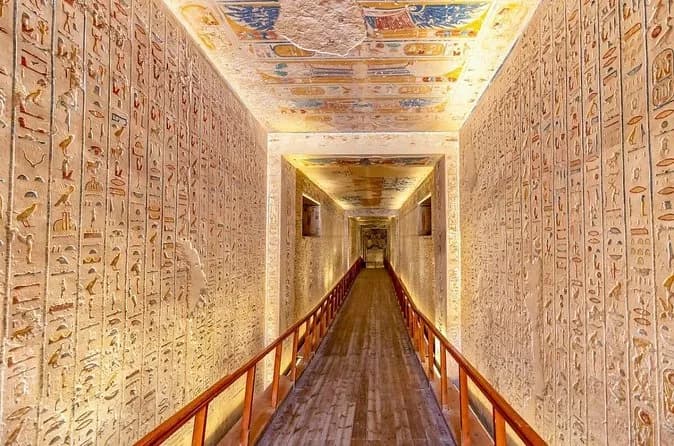
Private tour kings valley, Hatshepsut temple & colossi of Memnon
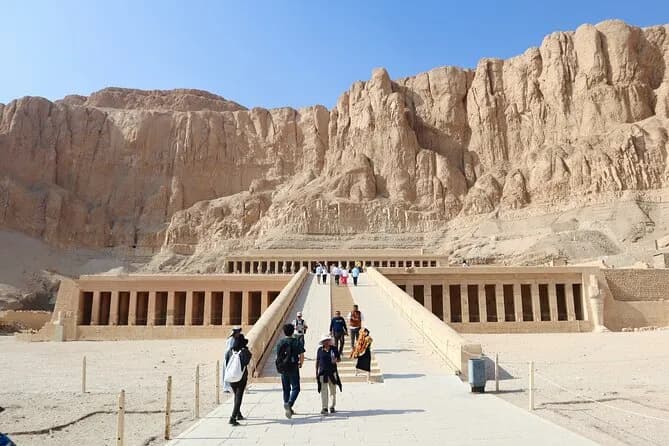
Half Day Tour Valley of the Kings Hatshepsut and Colossi Memnon
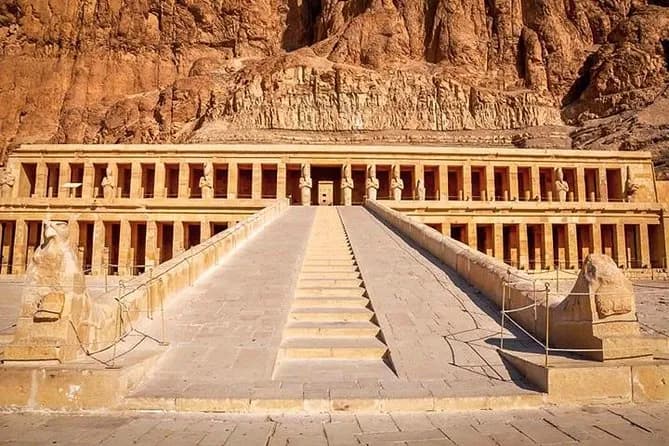
Valley of the kings & Hatshepsut temple & Colossi of Memnon Tour in Luxor
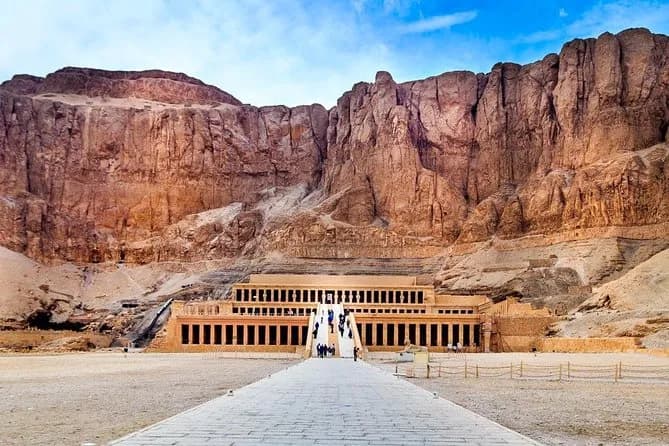
Valley Of The Kings, Hatshepsut Temple,Colossi of Memnon of Luxor
Valley of the kings & Hatshepsut temple & Colossi of Memnon Tour in Luxor
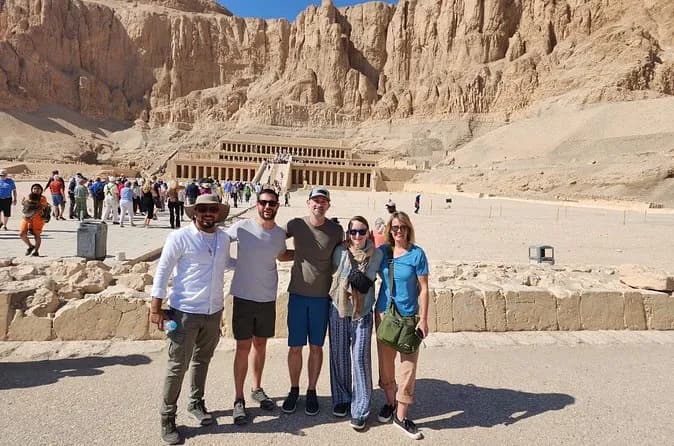
Valley of the Kings, Hatshepsut Temple and Colossi of Memnon
Private Half-Day West Bank Tour in Queens, Hatshepsut and Colossi
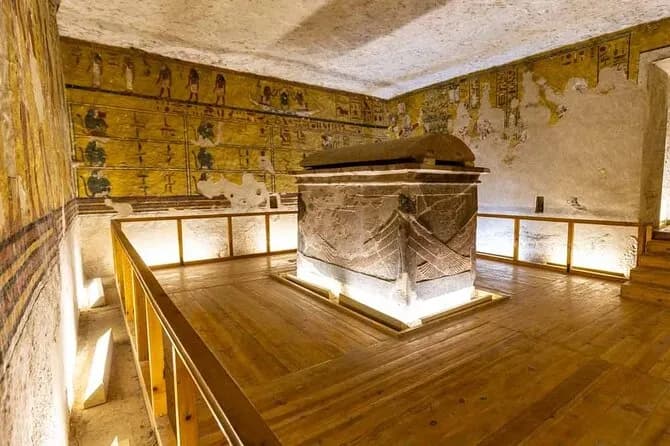
Colossi of Memnon, Queen Hatshepsut Private Day Tour
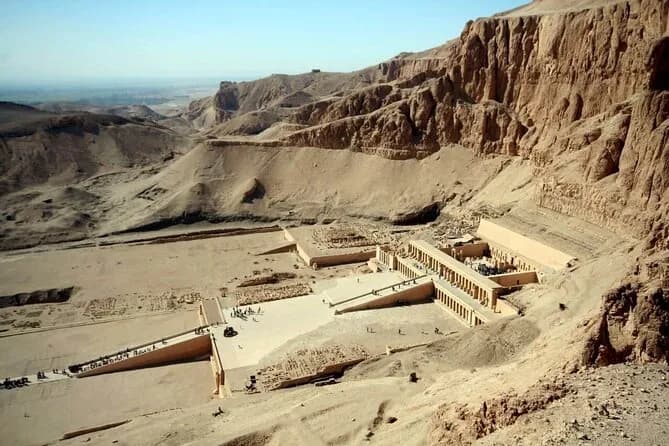
Valley of The Kings, Hatshepsut Temple & Colossi of Memnon - Day Tour From Luxor
Budget Luxor Trip To West Bank Visit kings valley,Colossi of memnon& Hatshepsut
Visiting Colossi of Memnon: what to know
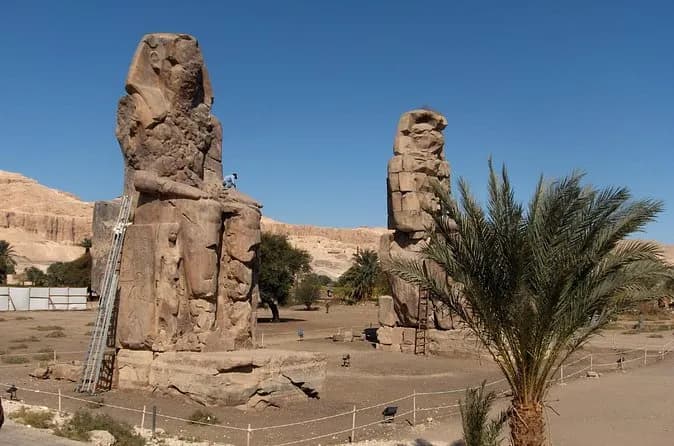
Updated 26 September 2026Everyone stops at the Colossi of Memnon and almost nobody is told why they matter. Two enormous seated figures stand beside the road on the Luxor west bank, roughly eighteen metres high, weathered almost featureless, and the standard visit is a ten-minute photo stop between the ferry and the Valley of the Kings. That is a fair use of the time. It is also a shame, because the story attached to these two statues is one of the strangest in Egyptian archaeology.
They are Amenhotep III, and they were never meant to stand alone. They flanked the entrance to his mortuary temple, which was the largest temple ever built in Egypt, larger than Karnak. It is gone. Built too close to the floodplain, it was undermined by the annual inundation, shaken by earthquake and then systematically quarried by later kings for building stone. The colossi survived because they were too big to move and too hard to break up.
The statue that sang
In 27 BC an earthquake cracked the northern colossus. Afterwards, at dawn, it began to make a sound. Ancient visitors describe it variously as a lyre string breaking, a faint whistle or a human voice, and it seems to have happened around sunrise as the temperature changed, most likely as dew evaporated out of the cracked stone.
The Greeks and Romans had a ready explanation. They identified the figure as Memnon, a hero killed by Achilles at Troy and son of Eos, goddess of the dawn, and understood the sound as the son greeting his mother every morning. That was enough to turn the west bank into a tourist destination fifteen hundred years before Thomas Cook. Visitors came upriver specifically to hear it, and many of them scratched their names and verses onto the statue's legs and feet.
Those graffiti are still there and you can see them. They include the emperor Hadrian and his wife Sabina, who visited in 130 AD and, according to the inscriptions left by their party, had to wait for the sound.
The singing stopped around 199 AD, after the emperor Septimius Severus had the statue repaired as an act of piety. The repair closed the cracks and silenced it permanently, which is either an irony or a moral depending on your temperament.
What is happening behind them
For years the colossi stood in front of an empty field. That has changed. An excavation and restoration project on the site of the mortuary temple has been running for two decades and has re-erected further colossal statues behind the original pair, along with sphinxes and standing figures of the king.
The result is that the site is slowly becoming a temple again rather than a roadside curiosity. If you have visited Luxor before, this is one of the few places where the view has measurably changed.
How long to give it
Ten to fifteen minutes is genuinely enough, and it is free to stop. Walk close enough to look at the sides of the thrones, which carry Nile gods binding the papyrus and lotus of Upper and Lower Egypt, and at the smaller figures of the king's wife and mother beside his legs. Then look for the Greek and Latin graffiti on the northern statue's lower legs.
Go early or late. There is no shade whatsoever.
Is it worth visiting?
It is not a destination, it is a stop, and that is the right expectation. But it is on the road you will already be travelling, it costs nothing, and once you know about the singing and the Roman tourists it becomes a much better ten minutes than a photograph of two damaged statues.
Other Egypt attractions
Frequently asked questions
How much does it cost to visit Colossi of Memnon?
Tours and tickets start from 680 EGP (about 14 USD), with a median price of about 3,661 EGP per person.
How many Colossi of Memnon tours are available?
There are 18 bookable tours and tickets for Colossi of Memnon.
What is the best Colossi of Memnon tour?
A top-rated pick is "Private Half Day West Bank Tour to Valley of the Kings Queen Hatshepsut Temple and Colossi of Memnon".
Why are the Colossi of Memnon important?
They are the only substantial survivors of the mortuary temple of Amenhotep III, which was the largest temple ever built in Egypt and has otherwise vanished, undermined by flooding and quarried by later kings. They are also the subject of one of antiquity's best-documented tourist phenomena, the sound the northern statue made at dawn.
Do the Colossi of Memnon still sing?
No. The northern statue began producing a sound at dawn after an earthquake cracked it in 27 BC, most likely as moisture evaporated from the fractured stone. It stopped around 199 AD after the emperor Septimius Severus had the statue repaired, closing the cracks.
Is the Colossi of Memnon worth visiting?
As a stop rather than a destination, yes. It is free, it sits on the road you will already take to the Valley of the Kings, and ten to fifteen minutes covers it. The ancient Greek and Latin graffiti on the northern statue's legs, left by Roman tourists who came to hear it sing, are the detail most people miss.
Who do the Colossi of Memnon depict?
Amenhotep III. The name Memnon is Greek: visitors identified the figure with a hero of the Trojan War, son of the dawn goddess, because of the sound it made at sunrise.