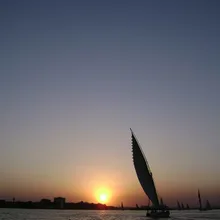
Photographing the Nile
Photography on a Nile cruise
The best Nile photographs are made at the edges of the day: sunrise over the East Bank, and the hour before sunset when the West Bank hills and the sails turn gold. At the temples, phones and cameras are generally allowed without flash, but tripods, drones and professional filming need permits, and a few tombs restrict photography. Bring a wide lens for temple halls, a zoom for the riverbank and birds, and spare batteries, because the boat is your only charging point between stops.
Do not miss
The shots not to miss
- 1Sunrise from the sun deck. Mist on the water, fishermen in small boats and the light coming over the palms.
- 2Karnak's Hypostyle Hall. Early, before the groups, when side light rakes across the columns.
- 3Luxor Temple after dark. Lit up in the evening, a short walk from the moorings.
- 4Hot air balloons over the West Bank. From a balloon, or from the ground as they rise at dawn.
- 5Kom Ombo at sunset. The temple sits right on the river and glows as the boats moor.
- 6Feluccas at Aswan. White sails among the granite islands in late afternoon.
- 7Philae from the water. The approach by boat gives the classic view of the temple on its island.
At the sites
Photo rules at the temples and tombs
Photography with a phone or camera is generally allowed at the temples and in many tombs, but never with flash, which damages the paint. Tripods, drones and professional or commercial filming need permits arranged in advance. A few special tombs and museum rooms restrict photography, and the rules change from time to time, so check at the ticket office. Ask before photographing people, especially women and children in the villages.
See photography and drone rules in Egypt for the detail.
What to pack
What to bring
- 1A wide lens. For temple halls, tombs and the sun deck.
- 2A zoom. For riverbank life, birds and the balloons.
- 3Spare batteries and cards. Long days ashore, and charging only on board.
- 4A lens cloth and a bag. Fine sand gets everywhere at the West Bank sites and in the desert.
- 5A polariser. Cuts glare on the water and deepens the sky.
The best platform
Choosing a boat for photography
A cabin with a balcony or panoramic window gives you sunrise from bed, and a private guide lets you reach sites at the best light rather than on the group timetable. A dahabiya sails slowly and moors at quiet islands, ideal for unhurried shooting. Nile cruise ships run about US$120 to US$1,500 per person per night and dahabiyas about US$140 to US$1,500. See Nile cruise cabins, the Luxor hot air balloon and birdwatching on the Nile.
Asked often
Photography on the Nile, answered
- Can you take photos inside Egyptian temples and tombs?
- Generally yes, with a phone or camera and without flash. Tripods, drones and professional filming need permits, and a few special tombs restrict photography, so check at the ticket office.
- Can I fly a drone on a Nile cruise?
- Not without a permit arranged in advance. Drones are restricted in Egypt and may be held at customs, so leave it at home unless you have permission.
- What is the best time of day for photos on the Nile?
- Sunrise and the hour before sunset. Midday light is harsh, so use it for tombs and temple interiors.
- Which cabin is best for photography on a Nile cruise?
- A cabin or suite with a balcony or panoramic window on an upper deck, ideally on the side that faces the riverbank while moored.