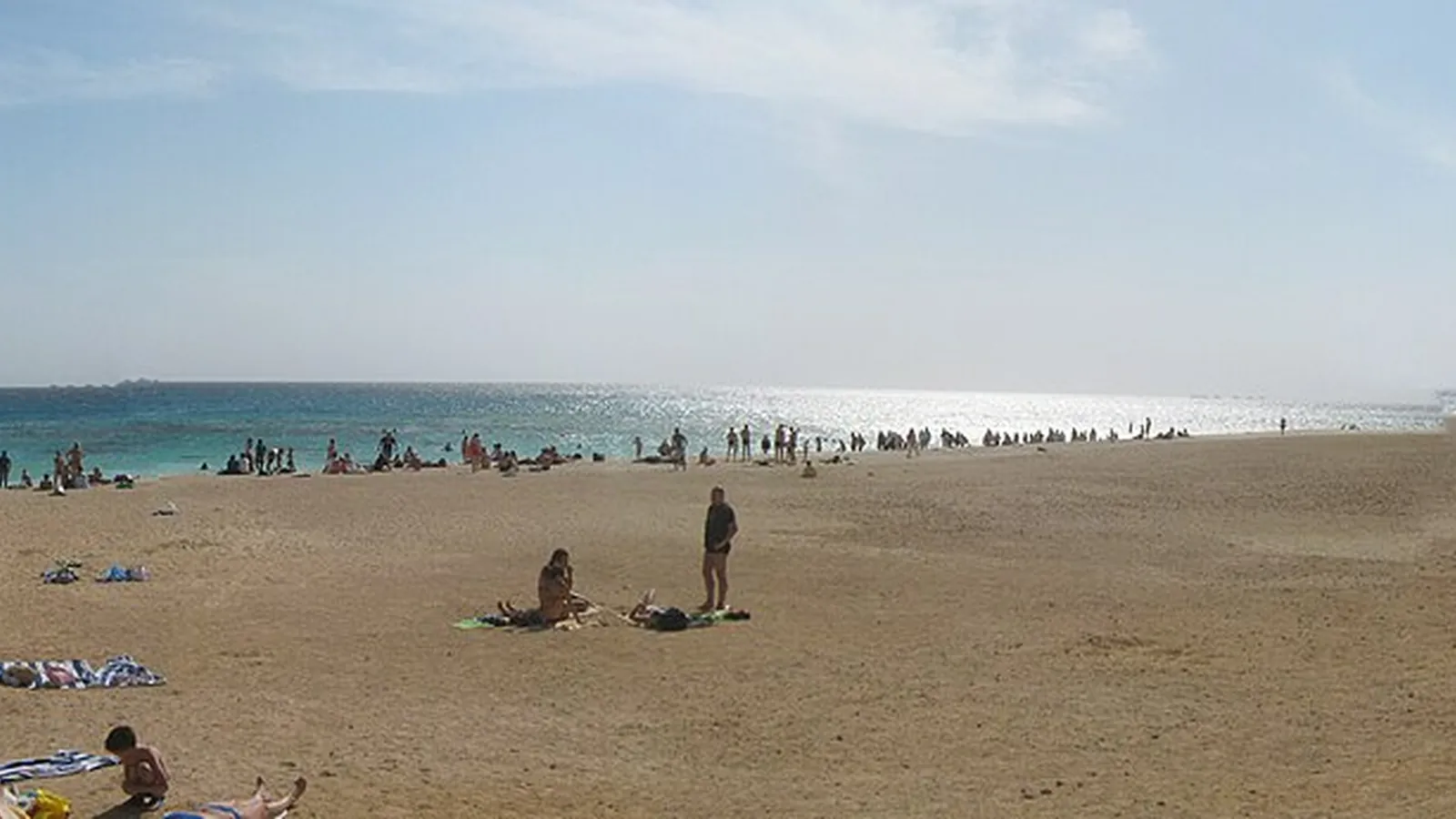
 Photo by Ventus, via Wikimedia Commons, CC BY-SA 3.0
Do You Need Travel Insurance for Egypt? What to Cover (2026)
Yes, get insured for Egypt. Here's what actually matters: medical and evacuation limits, diving cover for the Red Sea, desert activities, theft and cancellation, plus rough 2026 costs.
Quick answer: Travel insurance for Egypt isn't legally required for most visitors, but you should absolutely have it. Egypt is safe and welcoming, but it's also a place where a diving mishap, a bad stomach bug, a road accident on a long transfer, or a cruise cancelled at short notice can turn expensive fast. Local medical care outside the top private hospitals in Cairo falls below what many travelers expect, so the real value of a policy is emergency treatment and, if it comes to it, evacuation home. A decent Egypt policy typically costs around 4-7% of your trip cost, and the peace of mind is worth far more than that.
Here's what to actually look for, where standard policies quietly let you down, and roughly what you'll pay.
Do you really need it? Short answer: yes
Three reasons Egypt travelers regret going uninsured:
- Medical care can be costly and uneven. The best private hospitals in Cairo are good, but bills for a serious problem run into thousands of dollars, and quality drops sharply in rural areas and the south. You want a policy that pays for private care and, crucially, can move you to a better facility or fly you home.
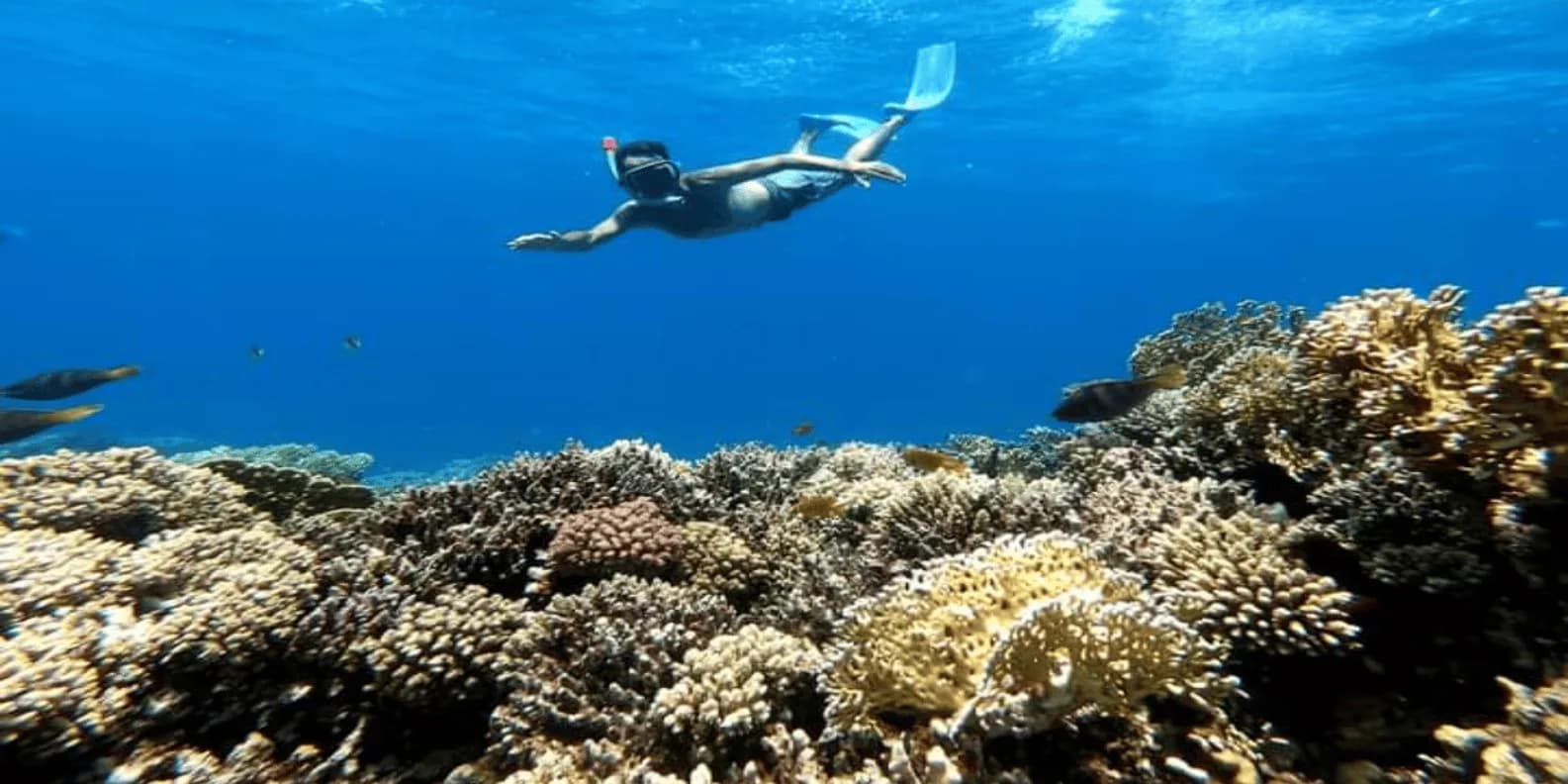
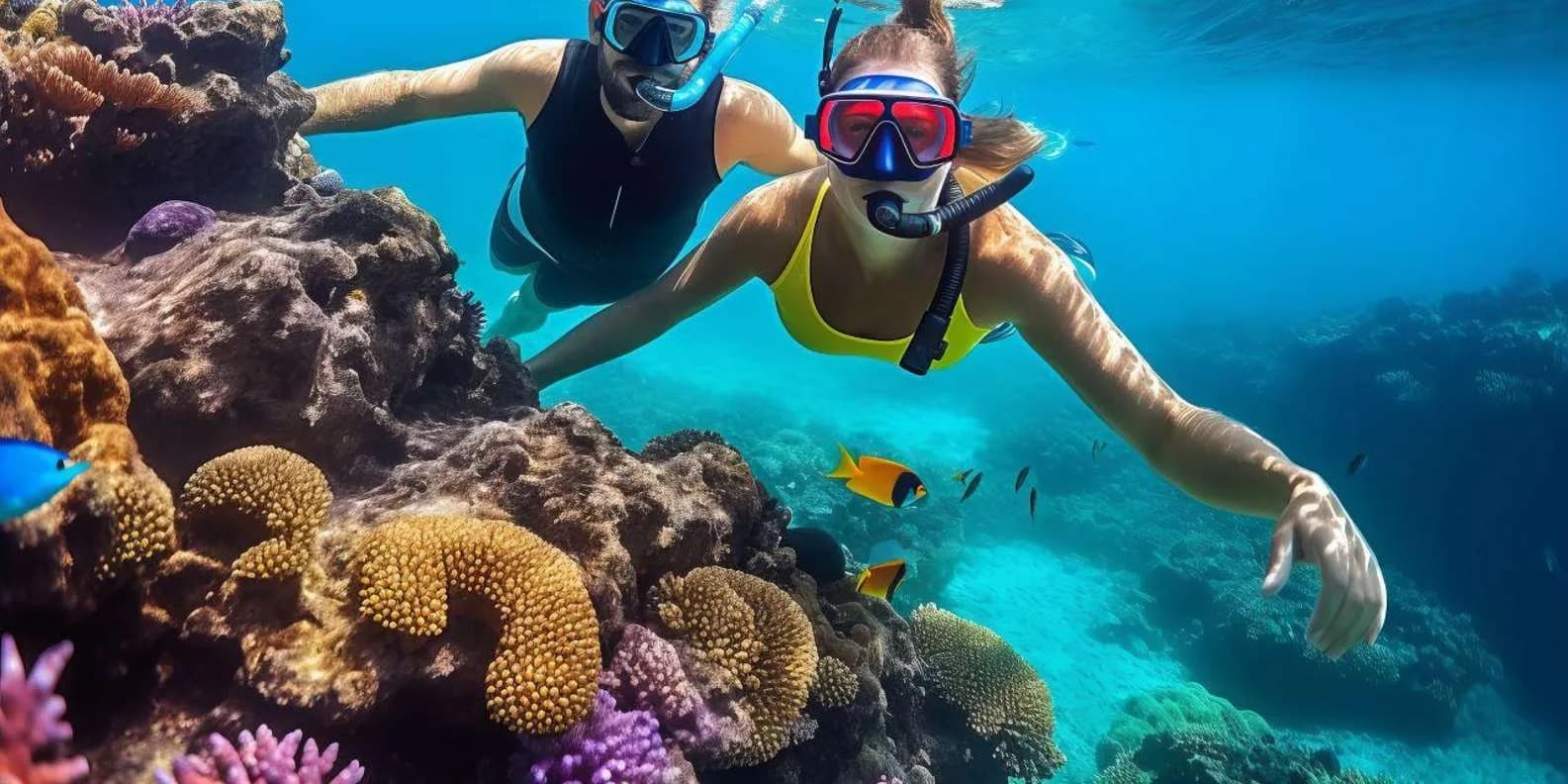
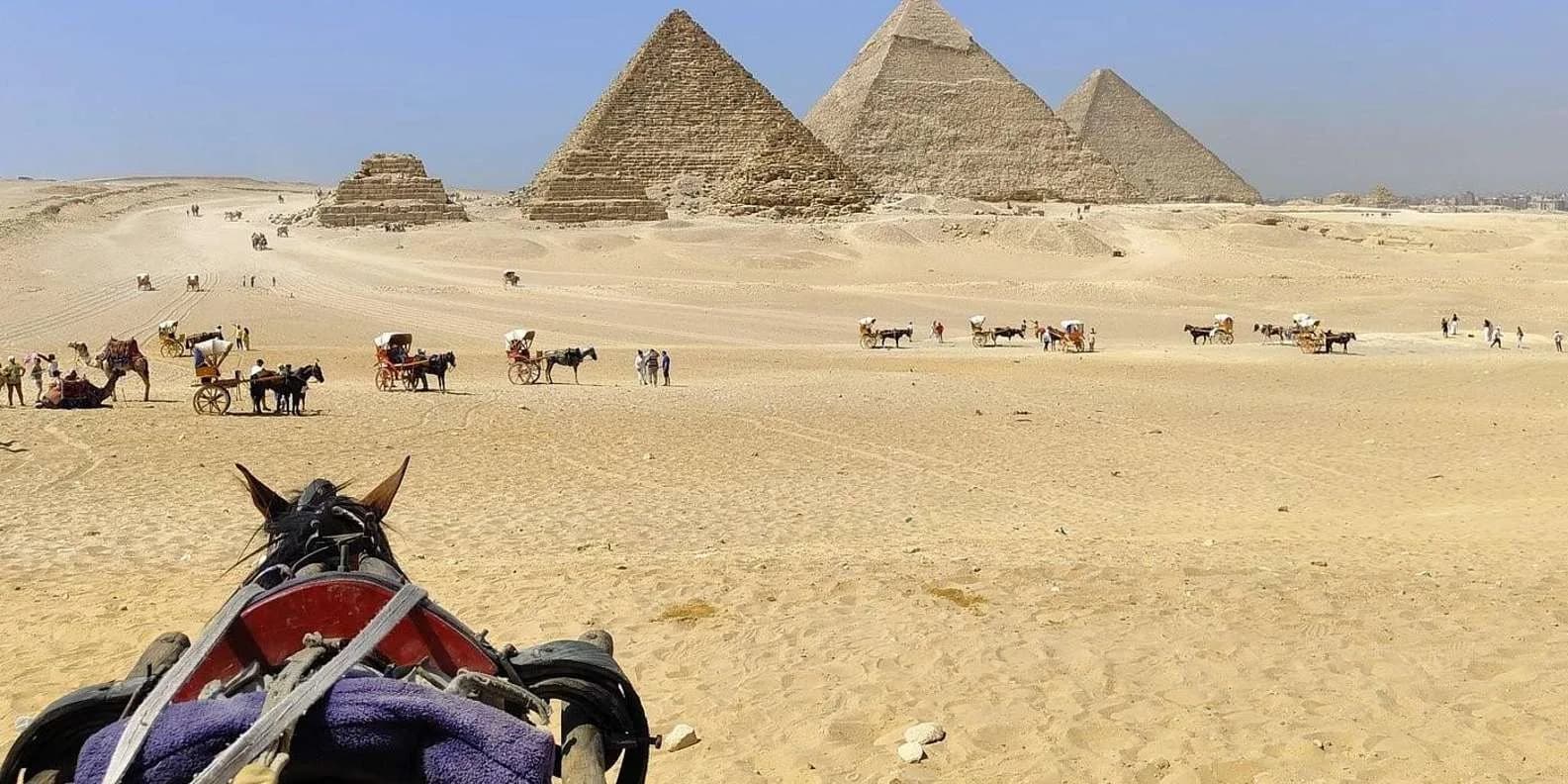
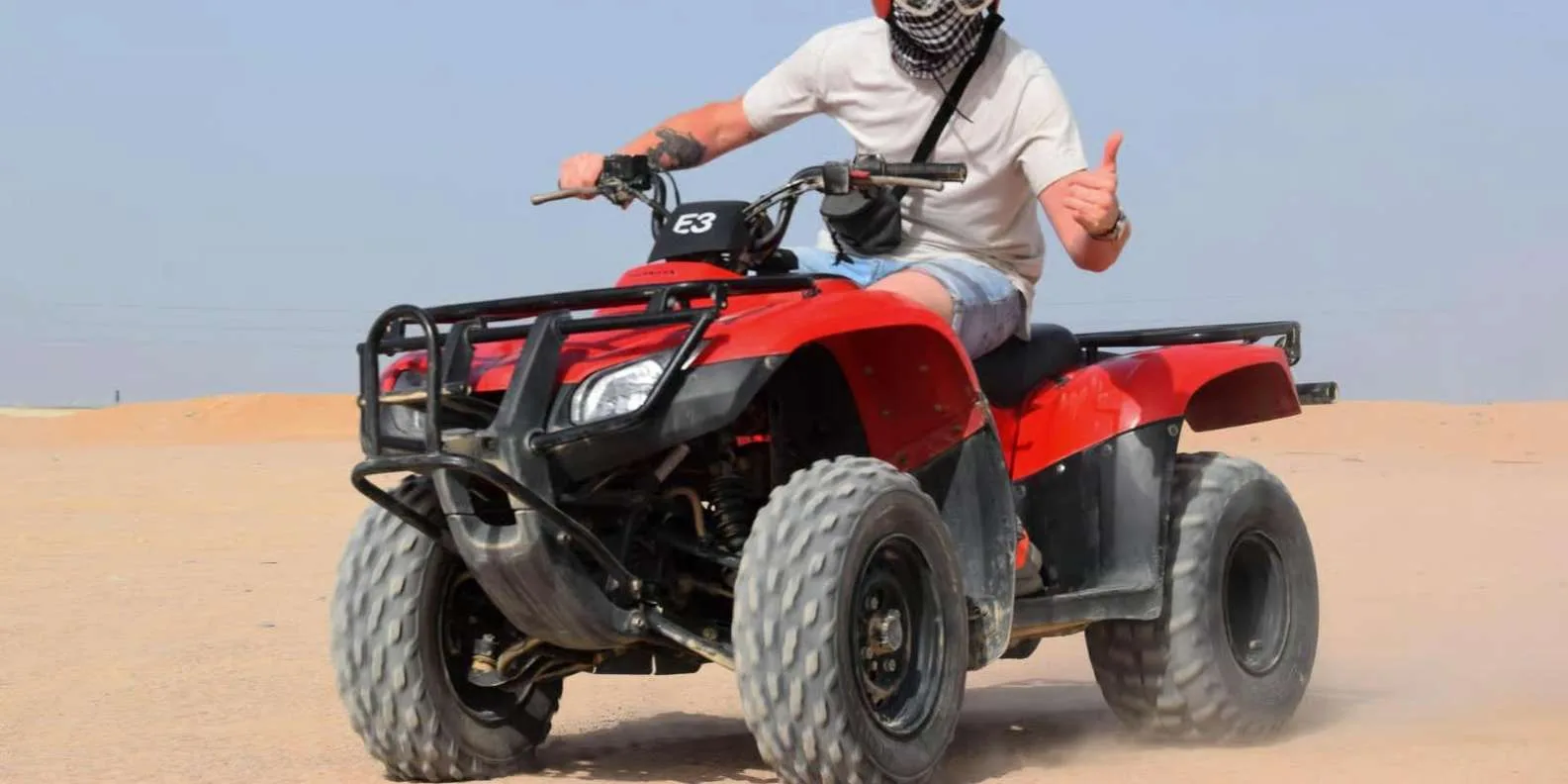
- The activities are the whole point. Scuba diving, quad biking, camel and horse rides, hot-air ballooning over Luxor, desert 4x4 trips, snorkelling from boats. These are exactly the things budget policies exclude or cap.
- You book far ahead. Nile cruises, private tours and internal flights are often paid for weeks or months in advance and are hard to refund. Cancellation cover protects that outlay if illness, a family emergency or a strike derails your plans.
Is travel insurance mandatory to enter Egypt in 2026?
Here's the careful version. For years, travel insurance has not been required simply to enter Egypt for the vast majority of travellers. What changed for 2026 is the noise, not necessarily the law.
Several travel and insurance websites now state that from 1 February 2026, Egypt requires arriving tourists to hold insurance covering medical evacuation to a minimum of US$100,000. We could not confirm this on any authoritative source. The UK Foreign Office entry-requirements page for Egypt does not list insurance as a condition of entry. Australia's Smartraveller and the US State Department both recommend insurance strongly but describe it as advisable, not compulsory. Separately, Egypt's parliament has floated a proposal to make tourist insurance mandatory — but a proposal under discussion is not the same as an enforced entry rule.
So where does that leave you?
The safe read for 2026: Assume insurance is not a guaranteed entry requirement, but do buy a policy with strong medical and evacuation cover — because the reasons you'd want it in Egypt have nothing to do with a passport stamp. Then verify the current rule on visa2egypt.gov.eg and your national travel advisory shortly before departure, since this is exactly the kind of policy that can change quietly.
One more practical point: even if the border never asks, your tour operator, cruise line, or dive centre very well might. Requiring proof of insurance is standard practice for adventure and water-based activities, and it's their rule to set. If you're unsure whether your trip is safe to book at all, our guide on whether Egypt is safe for tourists walks through the current picture region by region.
The cover that actually matters for Egypt
Don't buy on price alone. Check these specific things.
Emergency medical and evacuation
This is the core of the policy. Aim for a healthy emergency medical limit and a large medical evacuation / repatriation limit, because getting flown out of a remote area or back to your home country is the genuinely ruinous cost. As a rough baseline for Egypt, look for at least US$50,000-100,000 in emergency medical and US$100,000-250,000 in evacuation. If you're doing a Red Sea liveaboard or remote desert routes far from a hospital, err toward the higher evacuation limits.
Scuba diving cover (read the small print)
The Red Sea is one of the best dive destinations on earth, and diving is the single most-missed exclusion. Many standard travel policies exclude scuba entirely, or only cover it to a shallow depth (often 18-30 m) and only with an instructor. Confirm three things:
- Diving is explicitly covered to the depth you'll actually dive.
- It covers emergency hyperbaric (decompression) chamber treatment. A single chamber session at a Red Sea centre can run well into the thousands of pounds/dollars.
- Whether you need to hold a recognised certification (PADI/SSI/CMAS) for cover to apply.
Serious or technical divers often add a specialist policy such as DAN (Divers Alert Network) on top of general travel insurance, precisely because it's built around dive emergencies and chamber treatment. If diving is central to your trip, it's worth pricing. Our Red Sea diving guide covers what the diving actually involves.
Other activities: quad bikes, camels, balloons, desert 4x4s
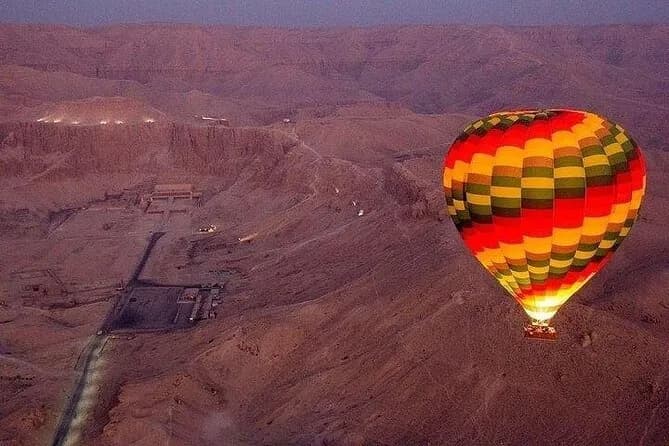
Adventure add-ons are commonly excluded from base policies. If you plan a desert safari and quad biking, a Luxor hot-air balloon flight, a camel ride, or off-road desert trips, look for a policy with an "adventure" or "activity pack" and check the listed activities include yours. Hot-air ballooning in particular is sometimes treated as a separate hazardous activity.
Theft, loss and gadgets
Pickpocketing and opportunistic theft happen in crowded markets and transport hubs, as anywhere. Check the single-item limit and total baggage limit, because that's what caps a stolen phone or camera claim, and see whether valuables like a laptop or camera need to be listed separately. Keep it in perspective: violent crime against tourists is rare (see our honest take in Is Egypt safe?), but phones and cameras do go missing.
Trip cancellation and interruption
Given how far ahead Egypt trips are booked, cancellation cover that reimburses non-refundable cruises, tours and flights if you can't travel is genuinely useful. Read the list of covered reasons, and if you have any pre-existing medical conditions, declare them, because an undeclared condition is the classic reason a big claim gets denied.
The exclusions that catch Egypt travelers out
If you remember nothing else, remember the four things budget policies quietly leave out: scuba diving (or only to a shallow depth, with no chamber cover), adventure activities like quad biking and ballooning, adequate evacuation limits for remote areas, and claims voided by undeclared pre-existing conditions. Every one of those is a genuinely expensive scenario in Egypt, and every one is avoidable by reading the policy wording rather than the price. Cheap-and-thin is worse than no plan, because it lulls you into thinking you're covered.
Rough 2026 costs
Prices vary by age, trip length, cover level and where you buy, but as a 2026 guideline:
| Policy type | Rough cost (per person, ~10-day trip) | Good for |
|---|---|---|
| Basic single-trip | US$30-70 / £30-60 | Sightseeing only, no adventure activities |
| Comprehensive + activity pack | US$70-150 / £60-120 | Diving to depth, quad biking, ballooning, higher medical limits |
| Annual multi-trip | US$100-250+ | Frequent travelers taking several trips a year |
| Specialist dive add-on (e.g. DAN) | US$40-100/year on top | Serious or deep/technical divers |
A common rule of thumb is that decent travel insurance costs around 4-7% of your total trip cost. If a policy is dramatically cheaper than that, check what it's leaving out, usually adequate medical/evacuation limits or your specific activities.
How to choose without overpaying
- Start from your activities, not the price. List everything you'll do (diving depth, ballooning, quad biking, camel rides) and only consider policies that cover all of them.
- Prioritise medical and evacuation limits over small perks. A high baggage limit is nice; a high evacuation limit is what actually protects you.
- Match the trip dates exactly, including travel days, and buy soon after booking so cancellation cover is in force before anything goes wrong.
- Declare pre-existing conditions. It's tedious but it's the difference between a paid and a rejected claim.
- Compare with a broker or comparison site (Squaremouth and similar aggregate multiple insurers), then read the actual policy wording for the exclusions, not just the marketing summary.
Before and during your trip
- Carry both a paper copy and a digital copy of your policy and the insurer's 24-hour emergency assistance number. Save the number in your phone.
- Note that many insurers want you to call the assistance line before major treatment or evacuation so they can authorise and coordinate; do this where you can.
- Keep receipts and a police report for any theft claim; Egyptian tourist police can issue reports for insurance purposes.
- Bring your dive certification card if diving; insurers (and dive centres) may ask for it.
Stay healthy and you'll likely never touch the policy, which is the goal. For the health side, our Egypt health and vaccinations guide covers staying well, and what to pack for Egypt rounds out your prep. When you're ready to plan the fun part, browse Egypt experiences and book with cover already in place.
A real team available 24/7 to assist you — free
Seif and the team reply on WhatsApp 24/7 — trip questions, custom plans and booking help.
Ask Seif on WhatsAppCommon questions
Is travel insurance mandatory to enter Egypt in 2026?
There's no confirmed rule requiring it for most visitors. A widely-shared claim that medical-evacuation cover became mandatory on 1 February 2026 is reported but not confirmed on official channels — the UK FCDO, Australia's Smartraveller and the US State Department all recommend insurance rather than require it, and Egypt's parliament has only floated a proposal. Check visa2egypt.gov.eg and your government's travel advisory shortly before you travel, and note some tour operators, cruises and dive centres require proof of insurance regardless.
Do I need travel insurance to enter Egypt?
For most nationalities, travel insurance is not a legal entry requirement for Egypt. But it's strongly recommended: medical care outside top private hospitals can be costly and uneven, and the activities most people come for (diving, ballooning, desert trips) can lead to expensive emergencies. Treat it as essential rather than optional.
Does standard travel insurance cover scuba diving in the Red Sea?
Often not, or only partially. Many standard policies exclude scuba diving entirely or cap it at a shallow depth and only when accompanied by an instructor. Confirm your policy explicitly covers diving to your planned depth and includes emergency hyperbaric chamber treatment. Serious divers often add a specialist policy like DAN on top.
How much does travel insurance for Egypt cost in 2026?
As a guideline, a basic single-trip policy for a 10-day trip runs about US$30-70, while a comprehensive plan with an activity pack and higher medical limits runs about US$70-150 per person. A common rule of thumb is 4-7% of your total trip cost. If a quote is far cheaper, check what medical, evacuation and activity cover it's leaving out.
What medical and evacuation limits should I look for?
As a rough baseline for Egypt, aim for at least US$50,000-100,000 in emergency medical cover and US$100,000-250,000 in medical evacuation and repatriation. Lean toward the higher evacuation limits if you're doing a Red Sea liveaboard or remote desert routes far from a good hospital.
Are quad biking, camel rides and hot-air ballooning covered?
Not by default on most basic policies. These are commonly excluded as adventure or hazardous activities. Look for a policy with an activity or adventure pack and check that the specific list includes your plans, including hot-air ballooning, which is sometimes treated separately.
Does travel insurance cover theft of my phone or camera in Egypt?
Usually yes, up to a single-item limit and an overall baggage limit that varies by policy. Check those caps, because they're what determine your payout, and note that valuables like cameras or laptops may need to be listed separately. Keep receipts and get a police report from the tourist police for any claim.
Should I get trip cancellation cover for an Egypt trip?
It's worth it for Egypt because cruises, private tours and internal flights are often booked and paid for well in advance and are hard to refund. Cancellation cover reimburses non-refundable costs if illness, a family emergency or other covered reasons stop you traveling. Read the list of covered reasons and declare any pre-existing conditions.
What documents should I carry for my insurance in Egypt?
Carry both a paper and a digital copy of your policy plus the insurer's 24-hour emergency assistance number saved in your phone. Many insurers require you to call that line before major treatment or evacuation so they can authorise it. Bring your dive certification card if you're diving.
Book it on This is Egypt
Turn this guide into a trip




Egypt's bestsellers
The experiences travelers book most, across the country



Keep reading
Hurghada Diving (2026): Best Sites, Packages & Prices
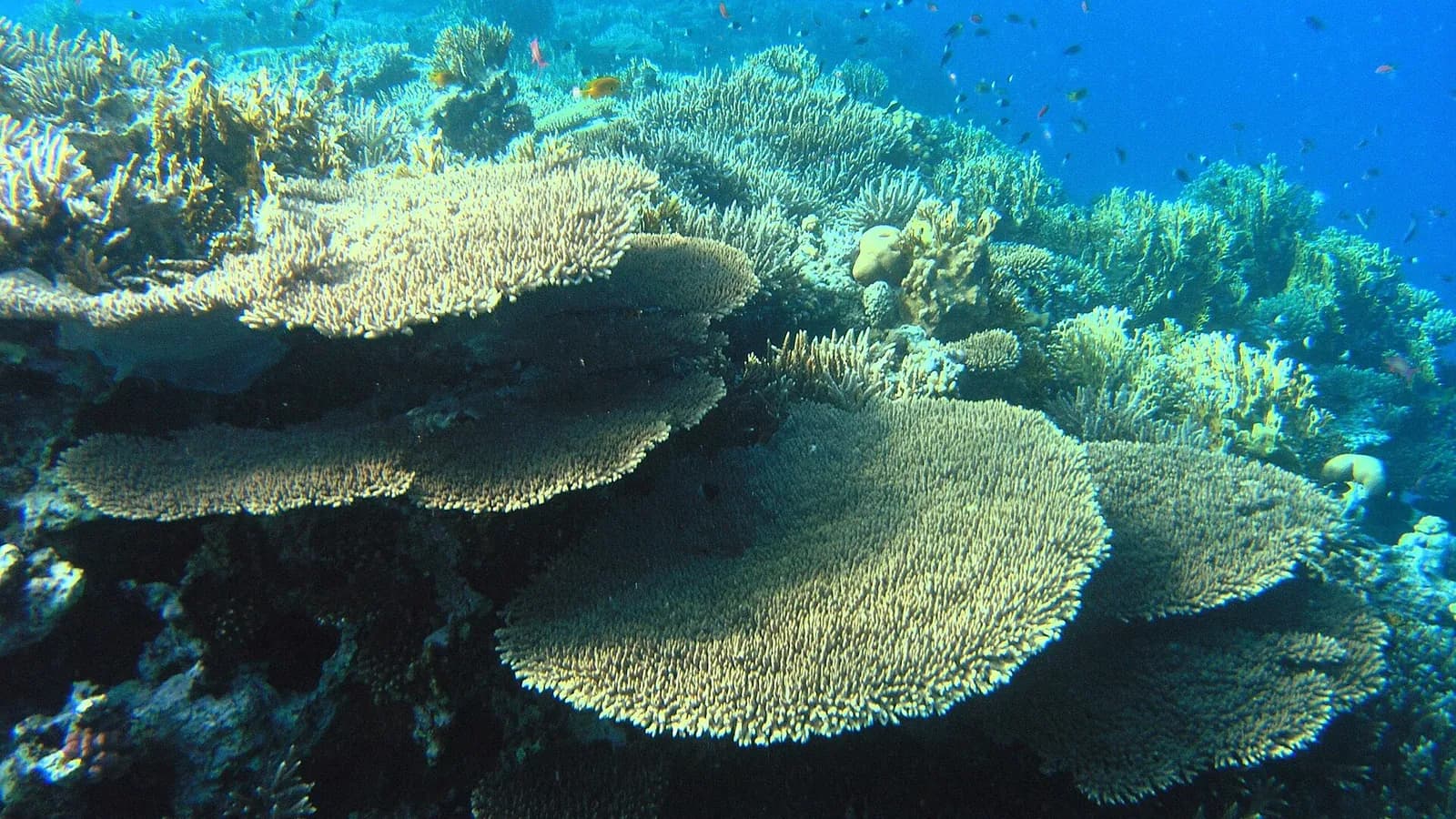
Diving in Hurghada — the best reefs (Giftun, Careless Reef, Dolphin House) and Abu Nuhas wrecks, Discover Scuba vs PADI courses, season and water temps, and real 2026 prices.
By TiE Editors7 min read
Hurghada Snorkeling Trips (2026): Best Reefs, Prices & How to Choose
Where to snorkel from Hurghada in 2026 — Orange Bay, Giftun, Mahmya, Utopia and Dolphin House — with boat types, marine life, month-by-month sea temperatures, family tips and real prices from 1,000+ bookable trips.
By TiE Editors7 min read
Egypt Tour Prices by Activity (2026): What Each Type Really Costs
What every type of Egypt experience costs — half day, full day or overnight — as a median and a mid-half range in US dollars, from 12,370 live bookable listings.
By TiE Editors6 min read