Egypt Travel Health & Vaccinations (2026): Staying Well on Your Trip
CDC and WHO-based vaccine guidance, the yellow-fever entry rule, Egypt's malaria-free status, bilharzia, avoiding 'Egypt tummy', and sun and heat. Practical prep, not medical advice, so confirm with a travel clinic, the CDC or WHO before you go.
Quick answer: Most people travel Egypt and come home with nothing worse than a day of dodgy digestion. A little preparation makes even that unlikely. Two things matter most: arrange a travel-health consultation before you go so a professional can tailor vaccines to your plans, and be sensible about food, water and fresh-water contact on the ground. Add sun and heat protection, and you have covered the realistic risks.
One important note up front: this is general travel information, not personalised medical advice. What is right for you depends on your health history, age, medications and exact itinerary, and guidance changes. NaTHNaC suggests arranging a travel-health consultation ideally four to six weeks before travel, and the UK Foreign Office (FCDO) advises at least eight weeks. Always confirm current guidance with the CDC's Egypt page, the WHO, or a qualified travel-health clinic before you travel.
Routine vaccines
Whatever your destination, the CDC advises that routine vaccinations be up to date before you leave. For Egypt that specifically means MMR, DTaP/Tdap, polio, varicella (chickenpox), shingles, hepatitis B and seasonal influenza. NaTHNaC also flags measles risk in Egypt, so confirming your MMR cover is worthwhile, and recommends a tetanus booster if your last dose was more than ten years ago and you are travelling where medical care may be limited.
CDC-recommended vaccines for Egypt
In addition to routine vaccines, the CDC recommends four vaccines for travellers to Egypt: hepatitis A, hepatitis B, typhoid and COVID-19.
| Vaccine | Why it is suggested for Egypt | Notes |
|---|---|---|
| Hepatitis A | Risk is high, spread by contaminated food and water | CDC and NaTHNaC advise it for all previously unvaccinated travellers; the vaccine is well tolerated and gives long-lasting protection |
| Typhoid | Known or presumed to occur in Egypt, spread via food and water | NaTHNaC suggests it for higher-risk activities (visiting friends and relatives, frequent or long stays in poor-sanitation areas, lab staff); oral and injectable forms exist |
| Hepatitis B | Prevalence is intermediate-to-high; spreads via blood and body fluids | Can be considered for all travellers and is advised for higher-risk situations (medical or dental procedures, tattoos, unprotected sex, long stays, contact sports) |
| COVID-19 | Recommended by the CDC for Egypt | Keep up to date per current guidance |
Hepatitis A tops the list because the risk in Egypt is genuinely high and the illness can be prolonged. Typhoid and hepatitis B rise in importance the longer you stay, the more rural or off-the-beaten-track you go, and the more you rely on local food and water outside the main tourist circuit. Your clinic will weigh these against your itinerary.
Yellow fever: no risk here, but an entry rule to know
There is no risk of yellow fever in Egypt, so you do not need the vaccine to protect yourself while in the country. The catch is an entry requirement, not a health one. Egypt requires proof of yellow fever vaccination for travellers aged nine months or older arriving from, or who transited for more than 12 hours through an airport of, a country with a risk of yellow fever transmission, mainly parts of sub-Saharan Africa and tropical South America. This follows the International Health Regulations.
Since 11 July 2016 the yellow fever certificate is valid for the life of the holder and cannot be rejected as expired, nor can a booster be demanded. If you are coming directly from Europe, North America, Australia or similar low-risk regions, this does not apply to you. If you are arriving from a risk country without the required certificate, note that a traveller may be quarantined for up to six days after leaving an at-risk area, so carry your certificate if the rule applies to you.
Malaria: Egypt is now certified malaria-free
Good news that has changed the picture: the WHO certified Egypt malaria-free on 20 October 2024, making it the 44th country to earn that status. Certification is granted only after a country interrupts indigenous transmission nationwide for at least three consecutive years. There is no risk of malaria in Egypt, the last isolated local transmission was in Aswan Governorate in 2014, and the CDC does not recommend antimalarial prophylaxis for Egypt.
That does not mean mosquitoes are irrelevant. Basic bite precautions still apply, because other mosquito-borne illnesses are present. Dengue is increasingly reported in Egypt, with rising traveller cases, and is spread by daytime-biting mosquitoes. NaTHNaC also notes some-area risk of Crimean-Congo haemorrhagic fever, leishmaniasis, Rift Valley fever and West Nile virus. No vaccine or tablets prevent these, so the defence is the same: cover up, use repellent, and avoid bites, including during the day.
Rabies
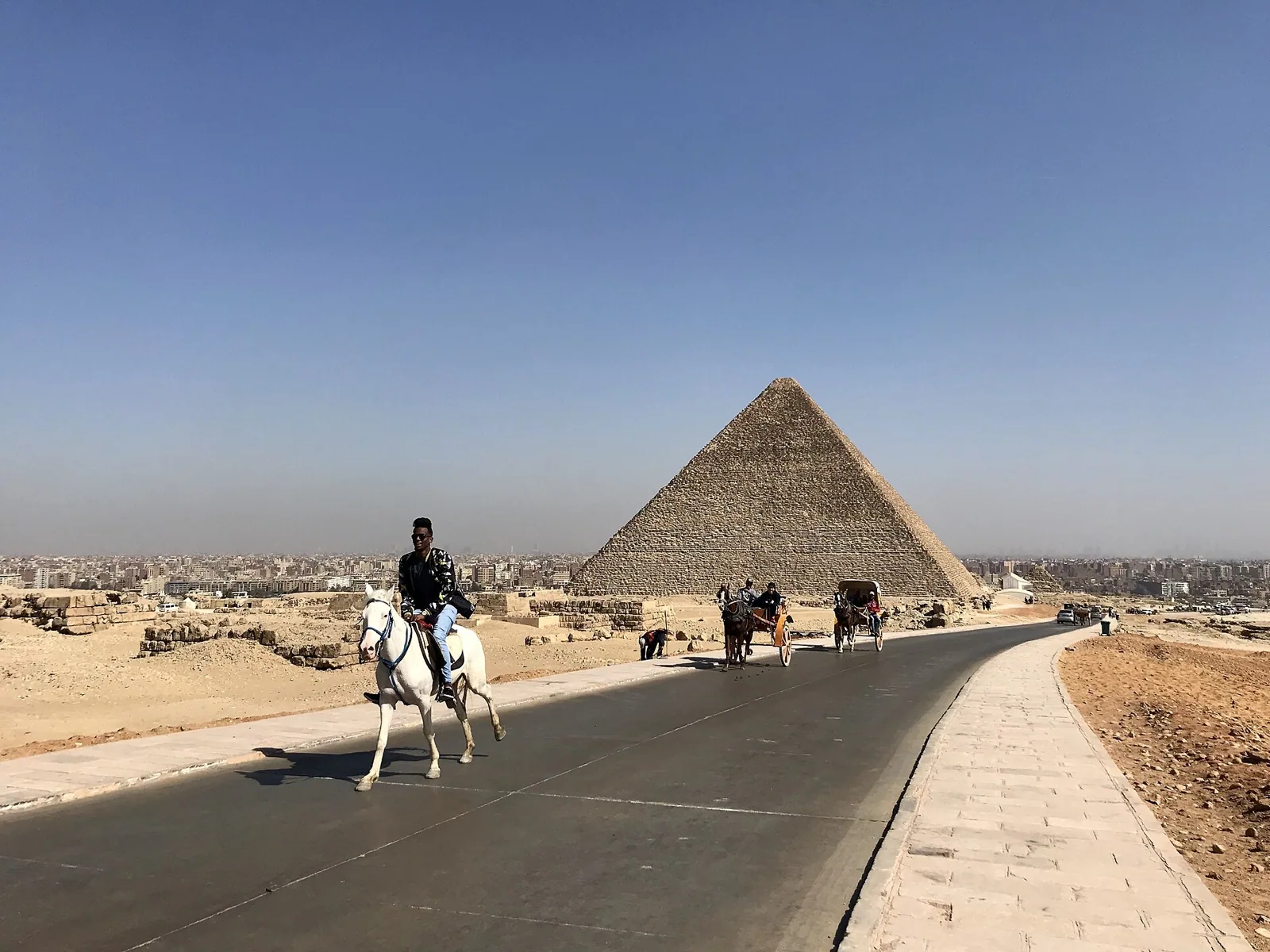
Rabies is endemic throughout Egypt, with many stray dogs and cats in urban and tourist areas, so avoid contact with all animals. NaTHNaC recommends the pre-exposure rabies vaccine for higher-risk travellers, including those doing animal, lab or health work, staying somewhere with limited local post-exposure care, running or cycling, or staying longer than a month; children are considered at higher risk because they are more likely to approach animals and less likely to report a bite.
If you are bitten, scratched or licked by any animal, immediately and thoroughly clean the wound and seek urgent local medical assessment, even if the injury looks trivial. Rabies is almost always fatal once symptoms appear. Rabies vaccine for pre- and post-exposure use is available in Egypt, but human rabies immune globulin may be limited to facilities in large cities, another reason to seek care without delay.
Schistosomiasis (bilharzia): stay out of fresh water
Schistosomiasis, or bilharzia, is present in Egypt, so do not wade, swim or paddle in fresh water, including the Nile and irrigation canals. There is good news for most itineraries: there is no schistosomiasis risk from adequately chlorinated swimming pools, saltwater oasis pools, the Mediterranean or the Red Sea, so hotel pools and Red Sea diving are fine. No vaccine or preventive tablets exist. If you have had possible fresh-water exposure, arrange a post-travel health check or test after you return.
Traveller's diarrhoea and food & water safety
This is the health issue you are most likely to actually meet: the risk of traveller's diarrhoea in Egypt is high. The good news is that a few habits cut the risk sharply, and most cases are manageable.
Water and drinks. Tap water is not safe to drink outside large international tourist hotels, so stick to bottled water, which such hotels generally provide. Check the seal is intact. Hot tea and coffee and sealed canned or bottled soft drinks are safe bets.
Food. Thoroughly cooked meat and vegetables served hot in tourist hotels, on Nile cruise ships and in tourist restaurants are generally safe. Avoid raw or undercooked meat and shellfish, and be wary of uncooked salads and vegetables. Peeling fruit yourself is a low-risk habit. Street food is a big part of the experience; ease into it and see our Egypt street food guide for what is worth trying.
If it happens anyway. Hydrate to replace lost fluids and minerals, sipping constantly, and you can use an antimotility medication such as loperamide as directed to get through a travel day. For higher-risk trips, some clinicians consider prescribing a standby antibiotic for self-treatment, so ask your travel doctor. Seek care for high fever, blood in the stool, symptoms lasting more than a few days, or when a child or older traveller is affected. On Nile cruises and river boats, note that shared conditions can spread infections such as norovirus, so practise good hand hygiene, and carry motion-sickness medication if you are sensitive.
Polio
Egypt has been affected by circulating vaccine-derived poliovirus type 2 (cVDPV2), detected in environmental and sewage samples in 2022-2023. The CDC advises unvaccinated travellers complete the polio series, and adults who finished the primary series and face higher exposure should get a single lifetime booster. Under the International Health Regulations there is no polio certificate requirement to enter or leave Egypt, but Egypt has stipulated that proof of polio vaccination may be needed for some travellers. For longer stays, guidance is a little firmer: NaTHNaC and the NHS suggest that stays longer than four weeks may warrant a polio-containing booster if you have not had one in the past 12 months, and advise carrying proof of vaccination. Your travel clinic can confirm whether this applies to you.
Sun, heat and air quality
Egypt's heat is a genuine health risk, not just discomfort. Desert temperatures exceed 38C (100F) in summer, and thirst is a late sign of dehydration, so drink fluids regularly rather than waiting until you feel thirsty. Elderly travellers and those on certain medications face a higher risk of heat illness. For sun protection, wear a hat, sunglasses, lightweight loose clothing and sunscreen, which also keeps you cooler. Pacing your day around the midday peak helps; our best time to visit Egypt guide breaks down temperatures month by month.
Air quality is worth a thought too: desert sand, dust, sandstorms and Cairo smog can irritate the eyes and worsen asthma or other lung conditions, so contact-lens wearers should carry glasses as a backup. If you are heading up Mount Sinai (2,285 m) or Mount Catherine (2,629 m), ascend gradually to limit altitude illness.
Pharmacies, medical care and insurance
Egyptian hotels are legally required to have an onsite clinic and resident physician, hospitals exist in metro areas, and most medications are available without a prescription. Care can be good, but the FCDO notes that Egyptian healthcare is not free, that you or your insurer pay, and that standards are not to UK NHS levels and not all hospital staff speak English. Australia's Smartraveller adds that Cairo facilities handle routine illness but care elsewhere can be very basic, many providers require up-front payment, and serious cases may need costly medical evacuation.
Because there is no reciprocal free-healthcare agreement, travel insurance covering local treatment and medical evacuation is strongly recommended, which is why we cover travel insurance with strong medical and evacuation cover separately. The emergency ambulance number in Egypt is 123. Bring an adequate supply of your prescription medicines: some prescribed and over-the-counter drugs are controlled in Egypt and may need prior Ministry of Health permission, so carry a doctor's letter stating the condition, quantity and that the medicines are for personal use. Also carry proof of yellow fever vaccination if you are arriving from a risk country, and proof of polio vaccination if required.
A couple of reassuring notes to close. Cholera vaccination is not routinely recommended for Egypt, as cholera is rare in travellers. And Egypt's national hepatitis C elimination campaign, running since 2014, has cut prevalence from around 10% to 0.38% in just over a decade. Seasonal flu vaccine does not protect against avian influenza, so minimise contact with birds and animals and avoid poultry farms and live-bird markets.
Sort your travel-health consultation early, keep to bottled water, stay out of the Nile, respect the sun, and Egypt is a straightforward place to stay healthy. When your prep is done, the fun part is choosing your experiences. Pack a small kit too, with the essentials covered in our Egypt packing list.
A real team available 24/7 to assist you — free
Seif and the team reply on WhatsApp 24/7 — trip questions, custom plans and booking help.
Ask Seif on WhatsAppCommon questions
What vaccinations do I need for Egypt?
The CDC recommends four vaccines for Egypt in addition to routine ones: hepatitis A, hepatitis B, typhoid and COVID-19. Make sure routine vaccines (MMR, DTaP/Tdap, polio, varicella, shingles, hepatitis B and flu) are up to date, and discuss typhoid, hepatitis B and rabies for longer or more rural trips. Arrange a travel-health consultation about four to eight weeks before you go, and confirm current guidance with the CDC, WHO or a travel clinic. This is general information, not personalised medical advice.
Do I need a yellow fever certificate for Egypt?
There is no risk of yellow fever in Egypt, so you do not need the vaccine to protect yourself there. Egypt only requires a certificate from travellers aged nine months or older arriving from, or transiting more than 12 hours through, a country with yellow fever transmission risk, mainly parts of sub-Saharan Africa and tropical South America. Since 11 July 2016 the certificate is valid for life. Travellers coming directly from Europe, North America or Australia do not need it.
Is there malaria in Egypt?
No. The WHO certified Egypt malaria-free on 20 October 2024, the 44th country to earn that status, and the CDC does not recommend antimalarial tablets for Egypt. The last isolated local transmission was in Aswan Governorate in 2014. Basic mosquito-bite precautions still make sense, because dengue is increasingly reported and is spread by daytime-biting mosquitoes, so cover up and use repellent.
How do I avoid 'Egypt tummy' (traveller's diarrhoea)?
The risk is high, so drink sealed bottled water rather than tap water, favour food that is thoroughly cooked and served hot, and avoid raw or undercooked meat and shellfish and uncooked salads. Peel fruit yourself. If it happens anyway, hydrate to replace lost fluids and minerals and you can use an antimotility medicine such as loperamide as directed. Some travel doctors prescribe a standby antibiotic for higher-risk trips, so ask yours.
Can I swim in the Nile, and is tap water safe?
Do not wade, swim or paddle in the Nile or irrigation canals, which carry schistosomiasis (bilharzia); there is no vaccine or preventive tablet. Adequately chlorinated pools, saltwater oasis pools, the Mediterranean and the Red Sea are fine. Tap water is not safe to drink outside large international tourist hotels, so stick to bottled water. If you did have fresh-water contact, get a check or test after you return.
Is rabies a risk in Egypt, and what if I am bitten?
Rabies is endemic throughout Egypt, with many stray dogs and cats in urban and tourist areas, so avoid contact with all animals. A pre-exposure vaccine is advised for higher-risk travellers such as those working with animals, running or cycling, or staying over a month, and children are at higher risk. After any bite, scratch or lick, clean the wound thoroughly and seek urgent medical care even if it looks trivial. Rabies immune globulin may only be available in large cities.
How do I handle Egypt's heat and sun safely?
Desert temperatures exceed 38C (100F) in summer, and thirst is a late sign of dehydration, so drink fluids regularly rather than waiting until you are thirsty. Wear a hat, sunglasses, lightweight loose clothing and sunscreen. Elderly travellers and those on certain medications are at higher heat-illness risk. Dust, sandstorms and Cairo smog can irritate the eyes and airways, so contact-lens wearers should carry glasses as a backup.
Is healthcare good in Egypt, and do I need insurance?
Hotels are legally required to have an onsite clinic and physician, hospitals exist in metro areas, and most medicines are available without a prescription. But healthcare is not free and not to UK NHS standards, care outside Cairo can be basic, and many providers want up-front payment. Travel insurance covering local treatment and medical evacuation is strongly recommended. The emergency ambulance number is 123. Carry a doctor's letter for any prescription medicines, as some are controlled.
Egypt's bestsellers
The experiences travelers book most, across the country
Keep reading
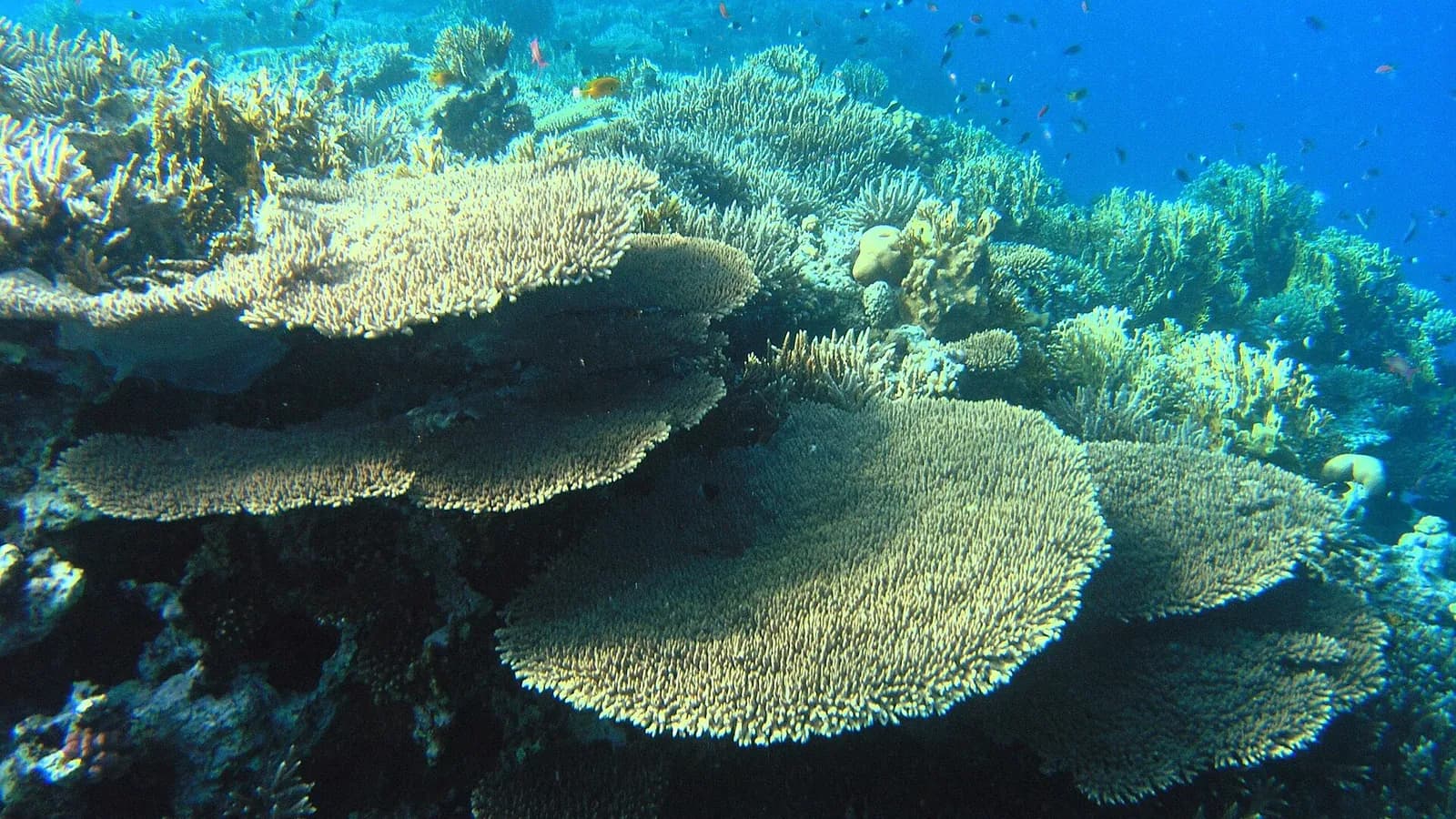
Hurghada Diving (2026): Best Sites, Packages & Prices
Diving in Hurghada — the best reefs (Giftun, Careless Reef, Dolphin House) and Abu Nuhas wrecks, Discover Scuba vs PADI courses, season and water temps, and real 2026 prices.
By TiE Editors7 min read
Hurghada Snorkeling Trips (2026): Best Reefs, Prices & How to Choose
Where to snorkel from Hurghada in 2026 — Orange Bay, Giftun, Mahmya, Utopia and Dolphin House — with boat types, marine life, month-by-month sea temperatures, family tips and real prices from 1,000+ bookable trips.
By TiE Editors7 min read
Egypt Tour Prices by Activity (2026): What Each Type Really Costs
What every type of Egypt experience costs — half day, full day or overnight — as a median and a mid-half range in US dollars, from 12,370 live bookable listings.
By TiE Editors6 min read