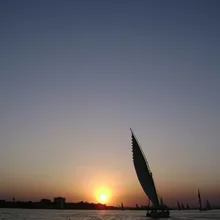
 Photo by Mohammed Moussa, via Wikimedia Commons, CC BY-SA 4.0
What to Buy in Egypt: The Souvenirs Worth Your Money (2026)
The souvenirs actually worth buying in Egypt - real papyrus, alabaster, spices, cotton, cartouche jewelry and perfume oils - plus how to haggle and what to skip.
Quick answer: The souvenirs worth buying in Egypt are the handmade ones: genuine papyrus, hand-carved alabaster, silver or gold cartouches engraved with your name in hieroglyphs, loose spices and dried hibiscus, Egyptian cotton, and pure perfume oils. The trick is telling them apart from the mass-produced junk sold at the same stalls - and paying a fair price, which usually means a third of the first number you hear. This guide covers what's genuinely good, where to find it, how to bargain without stress, and the customs rule that matters (short version: never buy anything sold as a real antiquity).
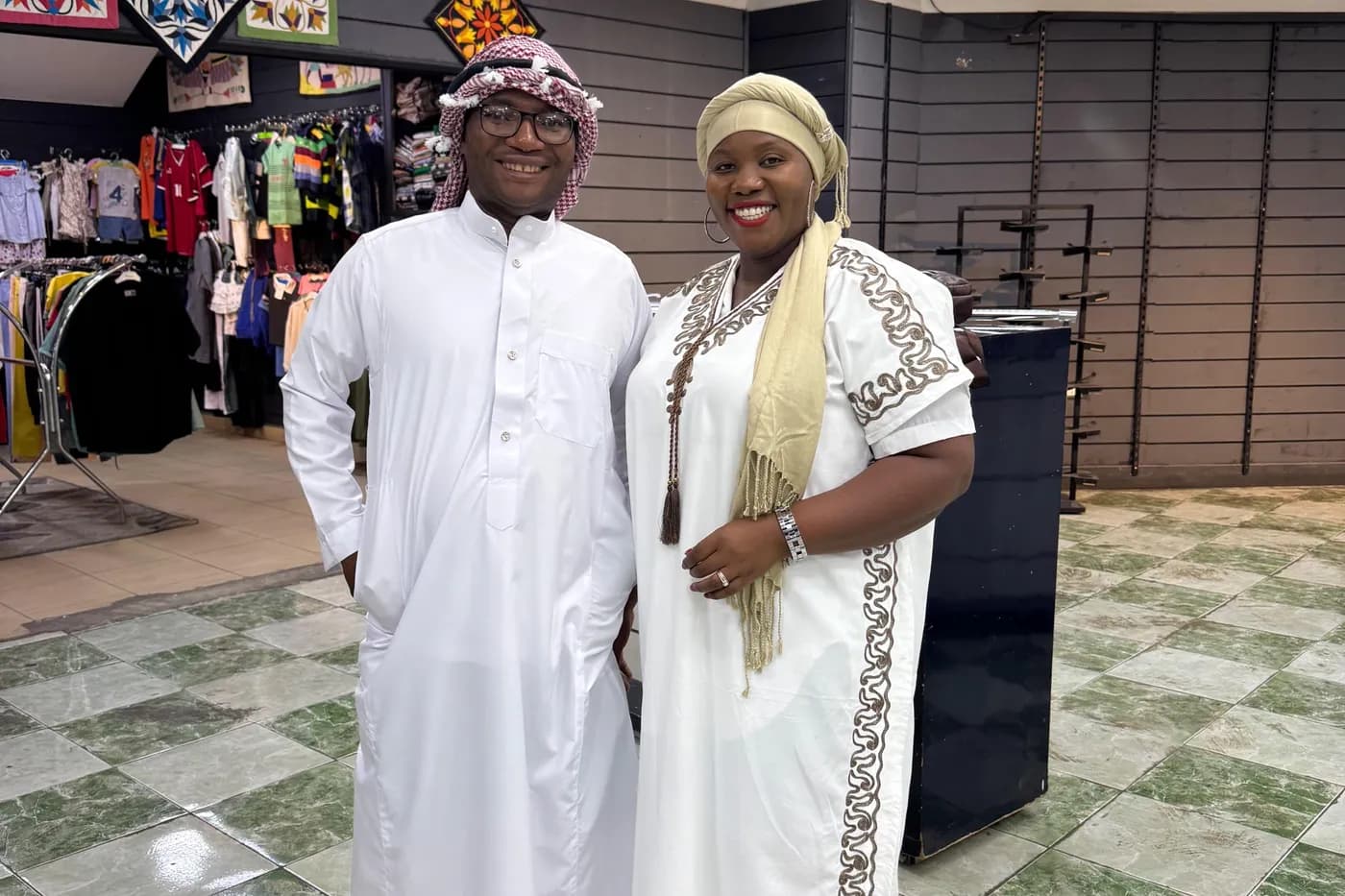
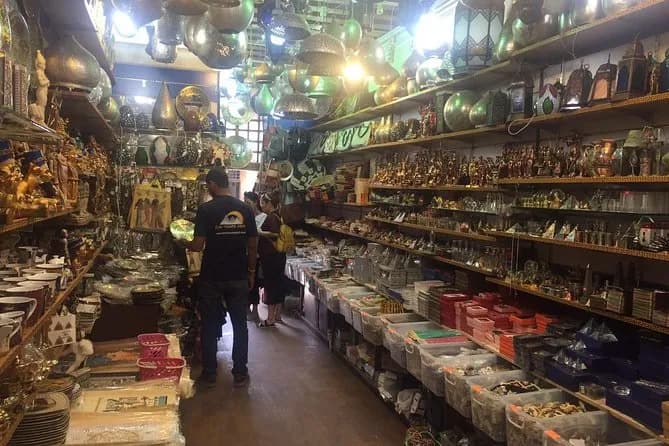
Cairo's Khan el-Khalili is the obvious hunting ground, but Luxor and Aswan often beat it on price and craft. Edward Lane, writing in 1842, described Cairo's covered bazaars as rows of tiny shops with the merchant seated cross-legged among his goods and living quarters directly overhead - and honestly, parts of Khan el-Khalili still feel exactly like that. The theatre is half the fun.
What's actually worth buying
Some souvenirs are Egyptian classics for good reason. Others are landfill with a sphinx printed on them. Here's the honest ranking.
Alabaster carvings - vases, small pharaonic figures, tealight holders - come mostly from workshops around Luxor's west bank, where the stone is quarried. Genuine alabaster is cool to the touch, slightly translucent when held to light, and heavy for its size. Resin fakes feel warm and light. Expect 200-1,500 EGP depending on size and detail.
Spices and karkade are excellent value and pack flat. Cumin, coriander, dried hibiscus (karkade), dukkah, hibiscus, and saffron-coloured blends fill the spice souks. Buy whole where you can, and be aware that "saffron" at bargain prices is almost always safflower - real saffron is expensive everywhere.
Egyptian cotton is a real thing, but a lot of what's sold to tourists isn't genuine long-staple cotton. Reputable shops in Cairo and the resort towns sell proper galabeyas, scarves and bed linen; treat street-stall "100% Egyptian cotton" T-shirts with suspicion.
Cartouche jewelry - a pendant with your name spelled in hieroglyphs - is the keepsake most people are glad they bought. Reputable gold and silver shops (Khan el-Khalili has a whole gold quarter) will make one to order in a day or two. Silver is priced by weight plus workmanship; ask to see the hallmark. Gold cartouches are sold by the gram at that day's gold rate, so check the posted price before you bargain on the labour.
Perfume oils are a fixture, and a trap. Egypt genuinely produces essential oils, but tourist "perfume palaces" often sell diluted oil in pretty bottles at wild markups, with a hard sell and free hibiscus tea to soften you up. Lane noted back in 1842 that the perfumers - the attarin - were among Cairo's established trades; the good ones still exist, but shop by smell and price per bottle, not by the sales patter.
Carpets and kilims are a bigger commitment. Egypt isn't Turkey or Iran for rugs, but you'll find hand-knotted wool and camel-hair pieces, plus Bedouin weavings in Sinai and the oases. Know that "silk" rugs at silk-rug prices are frequently mercerised cotton.
| Souvenir | Fair price band (EGP) | Best bought in | Watch out for |
|---|---|---|---|
| Hand-painted papyrus (A4) | 300-800 | Giza (certified institutes) | Banana-leaf fakes |
| Alabaster carving | 200-1,500 | Luxor west bank | Warm, light resin |
| Spices / karkade (per 100g) | 30-120 | Aswan spice souk, Cairo | "Saffron" that's safflower |
| Silver cartouche pendant | 400-1,200 | Khan el-Khalili gold quarter | No hallmark |
| Perfume oil (small bottle) | 100-400 | Reputable attar shops | Diluted oil, hard sell |
| Cotton scarf / galabeya | 150-600 | Established shops | Fake "Egyptian cotton" |
Papyrus: real vs banana leaf
Papyrus is the signature Egyptian buy, and the one most-faked, so it's worth its own section. Real papyrus is made from the pith of the papyrus reed, cut into strips, layered crosswise and pressed. It's flexible, shows a visible crosshatch fibre grain, and when you roll it gently it springs back flat. Fakes are banana leaf or dried corn husk, chemically coated to imitate the look - they crack when you fold a corner, flake when rubbed, and yellow within months. The single best test is the fold: real papyrus is supple and won't split; banana leaf breaks.
Buy from a government-certified papyrus institute (there are several around Giza) where staff demonstrate the process start to finish and can paint your name in hieroglyphs the same day. A good A4-size hand-painted piece runs roughly 300-800 EGP. Anything a street tout waves at you near the pyramids for "50 pounds, my friend" is banana leaf - and importantly, modern painted papyrus has no export restriction, so a real ancient one isn't even on the table (that would be illegal to take out, and it's a fake anyway).
Where to shop: Cairo, Luxor, Aswan
Khan el-Khalili (Cairo) is the biggest and most famous market, open since the 14th century. It's touristy near the main lanes but the deeper alleys hold real workshops - coppersmiths, gold-workers, inlayers. Go for the atmosphere, the cartouche jewelry, brass and copper, and lanterns. Prices here start high because everyone knows you're a visitor.
Luxor is where to buy alabaster (near the west bank workshops) and often better-priced papyrus and cotton than Cairo. The souk running back from the Luxor Temple corniche is walkable and less frantic than Khan el-Khalili.
Aswan's spice souk on Sharia as-Souq is the single best place in Egypt for spices, karkade, dried herbs, and Nubian crafts - baskets, beads, textiles in bright Nubian patterns. It's also one of the more relaxed markets to browse. Aswan tends to have the softest hard-sell of the three.
If you'd rather see the old city with a guide who can point you to the honest workshops, a walking tour of Islamic Cairo pairs well with a Khan el-Khalili afternoon - browse options on our search page.
Design-led souvenirs worth paying for: Cairopolitan
For a souvenir that says modern Cairo rather than another resin pharaoh, go to Cairopolitan, a design concept store and art gallery in Garden City founded by illustrator and product designer Ahmed Hefnawy. It turns everyday Cairo icons (street food, street signs, cassette tapes, taxi fares, coffee house chairs) into homeware, bags, stationery and art prints, and the brand says the collection is made by Egyptians with Egyptian materials in local partner workshops. It was set up as a deliberate alternative to the pharaonic trinkets and scarves sold to most visitors, so expect to pay more than at a bazaar stall, and you bring home something with a real Cairo sense of humour.
| Product | What it is | Price, checked October 2026 | Why it travels well |
|---|---|---|---|
| CoffeeSeats coaster | Wooden coaster, 8.5 x 9 cm, cut with the patterns of traditional coffee house chairs | EGP 200 (approx. US$4) each | Flat, wooden and nearly weightless; the ahwa evening, at home |
| Falafel Pocket | Knitted pouch, 9 x 9 cm, shaped like a falafel (ta'meya), for coins and earbuds | EGP 250 (approx. US$5) | Small and soft; an easy gift for kids |
| Egyptian Postage magnet | Enamel fridge magnet, 5 x 6.5 cm, shaped like an Egyptian stamp (Pyramids, Sphinx or Nile) | EGP 320 (approx. US$6) | A step up from the usual resin magnet; buy several as small gifts |
| Baladi Pouch or Hawawshi Pouch | Printed pencil case, 22 x 12 cm, celebrating baladi bread or hawawshi, the meat-stuffed street snack | EGP 440 (approx. US$8.50) each | Flat, light and genuinely useful |
| Downtown Cairo MapTote | Heavy cotton tote, 37 x 37 cm, with a map of Downtown Cairo, hand screen printed in the brand's studio; stamp-style versions (Pyramids, Sphinx, Abu Simbel, Citadel) cost the same | EGP 520 (approx. US$10) | Folds flat in your case and doubles as a shopping bag |
| MilkShakers salt and pepper shakers | Aluminium shakers, 10.5 x 6 cm, scaled down from the classic metal milk container | EGP 720 (approx. US$14) | Metal, so it will not break in your luggage |
| Cairo Prints poster | Cairopolitan-exclusive art print, 50 x 70 cm, from a series by local and international artists | EGP 1,800 (approx. US$35) | Rolls into a tube for the flight; some prints are made on demand, so ask in store |
| Hand-tufted wool rug | The showpiece, made in-house; the 140 x 90 cm Cairo TaxiFare Rug carries the eternal taxi question about the fare | EGP 9,500 (approx. US$183); range EGP 4,800 to 16,700 (approx. US$92 to 321) | Bulky, so buy it at the end of your trip and plan luggage space |
Prices are as listed by the brand on 11 October 2026, in Egyptian pounds with tax included; the dollar figures are approximate, at about 52 EGP to the US dollar.
Where to buy. The flagship store is in Garden City, Cairo; the brand lists opening hours of 12pm to 9pm, running to 10pm Thursday to Saturday, so check before you go. Its sister line, Gizapolitan, has a shop in the Pyramids area in Giza and a pop-up the brand lists as the GEM Shop at the Grand Egyptian Museum, and Cairopolitan also lists a pop-up at Maison 69 in New Cairo. Pop-ups change, so confirm one is open before you make the trip. The brand's own online shop prices everything in Egyptian pounds and does not mention international shipping, so plan to buy in person while you are here.
How to bargain (without hating it)
Haggling is expected in markets and small shops - not in fixed-price stores, supermarkets or malls. The rhythm is friendly, not adversarial.
- Look interested but not desperate. The moment you're clearly in love with something, the price hardens.
- Let them open. The first number is the tourist number - often 3-4x what they'll take.
- Counter low, around a third, then settle somewhere in the middle. Aim to pay roughly 40-50% of the opening ask for typical trinkets; less if you're buying several.
- Bundle. Buying three papyri or a set of scarves? Ask for a package price - that's where the real discounts live.
- Walk away if the number won't move. Being called back is common; if you're not, it probably was a fair price.
- Have small notes. "No change" is a classic way to round up. Carry a mix.
- Keep it warm. A smile and a bit of banter gets you further than a poker face. Tea offered while you browse is hospitality, not obligation - but it does make walking away feel harder, which is rather the point.
Our Egypt travel tips guide covers the wider etiquette and the common scams to keep an eye on while you shop.
What to avoid and the customs rule
Never buy anything sold as a genuine antiquity. Egyptian Law No. 117 of 1983 prohibits exporting any real archaeological object - statues, coins, scarabs, shabtis, fragments of ancient papyrus. Getting caught at the airport with one means confiscation and potentially serious legal trouble. The good news: virtually every "3,000-year-old scarab" offered to tourists is a modern fake buried in tea to look aged, so you're not missing a real relic - you're dodging a scam and a customs problem at once.
Modern reproductions, painted papyrus, alabaster, jewelry, spices and textiles are all completely fine to take home - no Egyptian export restriction and no issue at your home customs (declare food/spices where required; the US and UK generally allow dried, packaged spices). Just keep receipts for anything valuable like a gold cartouche.
Other things to skip: ivory and any wildlife products (illegal to import into most countries under CITES), "ancient" coins, and cheap resin figurines sold as stone. And if a shop won't let you fold a corner of the papyrus, it's banana leaf.
A quick souvenir shopping plan
If you're short on time, this is the efficient version. Do your spice and karkade shopping in Aswan (best selection, calmest market). Buy alabaster in Luxor, near the source. Save Cairo for the cartouche jewelry, brass, lanterns and one certified papyrus stop - and budget an unhurried afternoon for Khan el-Khalili, because rushing it is where overpaying happens. Pair it with the wider Islamic Cairo walk and you'll have both the goods and the story behind them.
A real team available 24/7 to assist you — free
Seif and the team reply on WhatsApp 24/7 — trip questions, custom plans and booking help.
Ask Seif on WhatsAppCommon questions
How do you tell real papyrus from fake?
Real papyrus has a visible crosshatch fibre grain, is flexible, and springs flat when you roll and release it. Fakes made of banana leaf or corn husk crack when you fold a corner and flake when rubbed. Buy from a certified papyrus institute that demonstrates the process rather than from a street tout.
Is haggling expected in Egypt?
Yes, in markets and small shops - but not in fixed-price stores, supermarkets or malls. The first price you hear is usually 3-4x what the seller will accept. Counter at about a third, stay friendly, and expect to settle around 40-50% of the opening ask.
Can I take spices and papyrus home from Egypt?
Yes. Modern painted papyrus, spices, karkade, alabaster, jewelry and textiles have no Egyptian export restriction and are fine at home customs (declare packaged spices where required). Only genuine antiquities are prohibited to export.
What souvenirs should I avoid buying in Egypt?
Anything sold as a real antiquity (illegal to export and almost always fake anyway), ivory and wildlife products, cheap resin figurines passed off as stone, diluted perfume oils from hard-sell 'perfume palaces', and bargain 'saffron' that's really safflower.
Where is the best place to shop for souvenirs in Egypt?
Khan el-Khalili in Cairo for jewelry, brass and lanterns; Luxor's west bank for alabaster; and Aswan's spice souk for spices, karkade and Nubian crafts. Aswan and Luxor are often cheaper and less high-pressure than Cairo.
How much does a cartouche necklace cost in Egypt?
A silver cartouche pendant engraved with your name runs roughly 400-1,200 EGP depending on size and workmanship. Gold is priced by weight at the day's gold rate plus a labour charge, so check the posted gold price before bargaining on the making cost, and look for a hallmark.
Is Egyptian cotton sold to tourists genuine?
Real long-staple Egyptian cotton exists, but much of what's sold on street stalls as '100% Egyptian cotton' is not genuine. Buy scarves, galabeyas and linen from established shops rather than pavement vendors if quality matters.
How much should I budget for souvenirs in Egypt?
It varies wildly, but a papyrus, some spices, a scarf and a silver cartouche might total 1,500-3,000 EGP if you haggle. Gold jewelry and larger alabaster or carpets push it well beyond that. Carry small notes to make bargaining easier.
Where can I buy modern, made-in-Egypt souvenirs in Cairo?
Cairopolitan, a design concept store in Garden City, sells Cairo-themed homeware, bags, stationery and art prints that the brand says are made by Egyptians with Egyptian materials. Small pieces such as coasters, magnets and pouches cost roughly EGP 200 to 440 (approx. US$4 to 8.50, checked October 2026). Its sister line, Gizapolitan, has a shop in the Pyramids area in Giza and a pop-up the brand lists as the GEM Shop in Giza, at the Grand Egyptian Museum.
Book it on This is Egypt
Turn this guide into a trip


Egypt's bestsellers
The experiences travelers book most, across the country




Keep reading
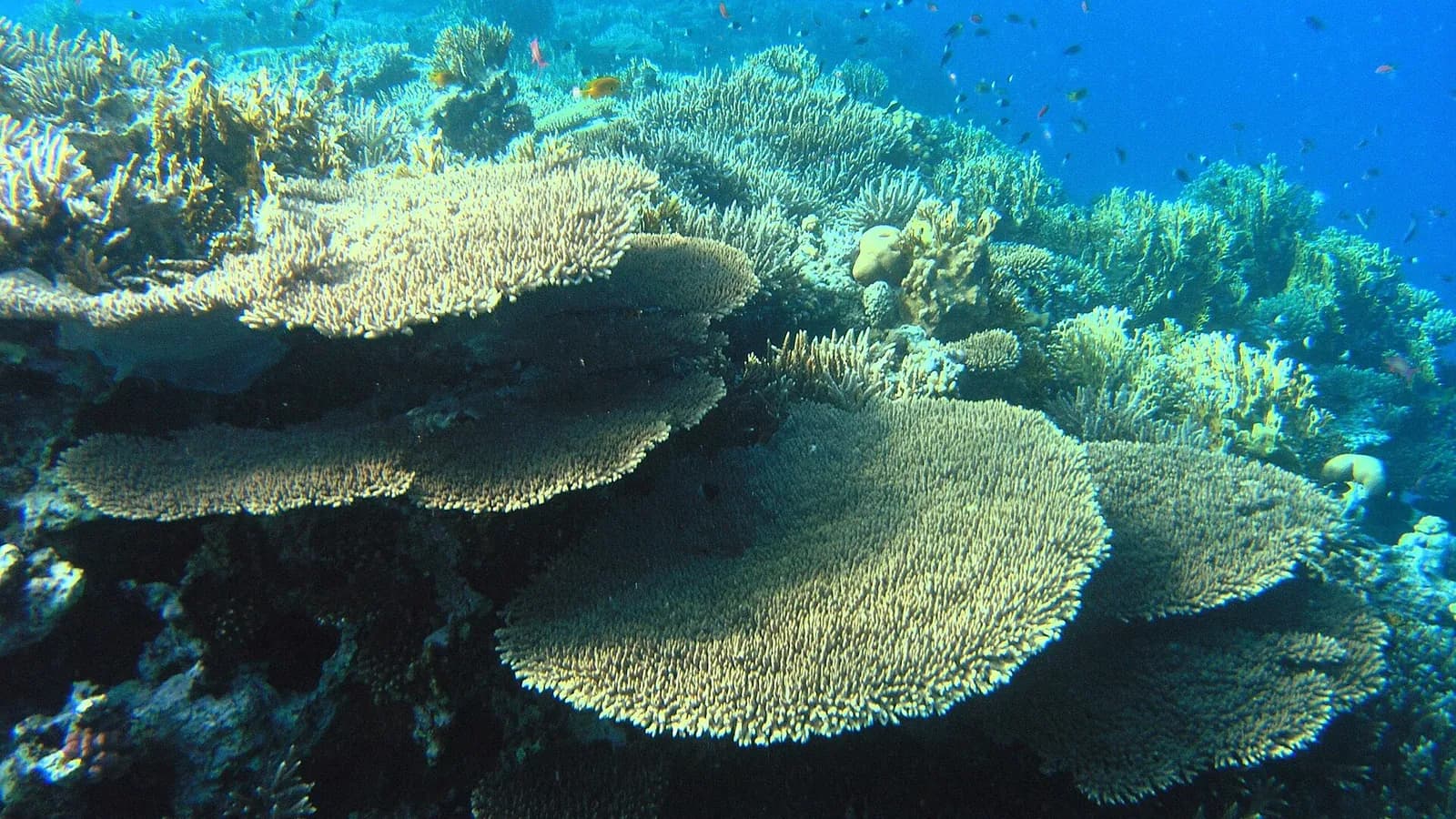
Hurghada Diving (2026): Best Sites, Packages & Prices
Diving in Hurghada — the best reefs (Giftun, Careless Reef, Dolphin House) and Abu Nuhas wrecks, Discover Scuba vs PADI courses, season and water temps, and real 2026 prices.
By TiE Editors7 min read
Hurghada Snorkeling Trips (2026): Best Reefs, Prices & How to Choose
Where to snorkel from Hurghada in 2026 — Orange Bay, Giftun, Mahmya, Utopia and Dolphin House — with boat types, marine life, month-by-month sea temperatures, family tips and real prices from 1,000+ bookable trips.
By TiE Editors7 min read
Egypt Tour Prices by Activity (2026): What Each Type Really Costs
What every type of Egypt experience costs — half day, full day or overnight — as a median and a mid-half range in US dollars, from 12,370 live bookable listings.
By TiE Editors6 min read