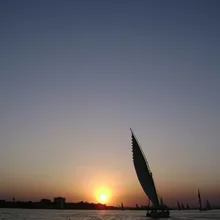
Egypt's Sound & Light Shows (2026): Giza, Karnak & Philae — Are They Worth It?
The night-time sound and light shows at the Pyramids, Karnak and Philae — schedules, languages, 2026 prices, and an honest verdict on which are worth your evening.
Quick answer: After dark, some of Egypt's greatest monuments put on a show: floodlights, a booming recorded narration and a swell of music that walks you through a few thousand years of history while the stones themselves glow against a black sky. The three big ones run at the Pyramids of Giza, Karnak Temple in Luxor and Philae Temple in Aswan. Are they worth it? Short answer: Karnak and Philae are genuinely atmospheric and worth an evening; Giza is the most convenient but the most dated. Here's the detail on each, plus timings, prices and how to book.
What a sound and light show actually is
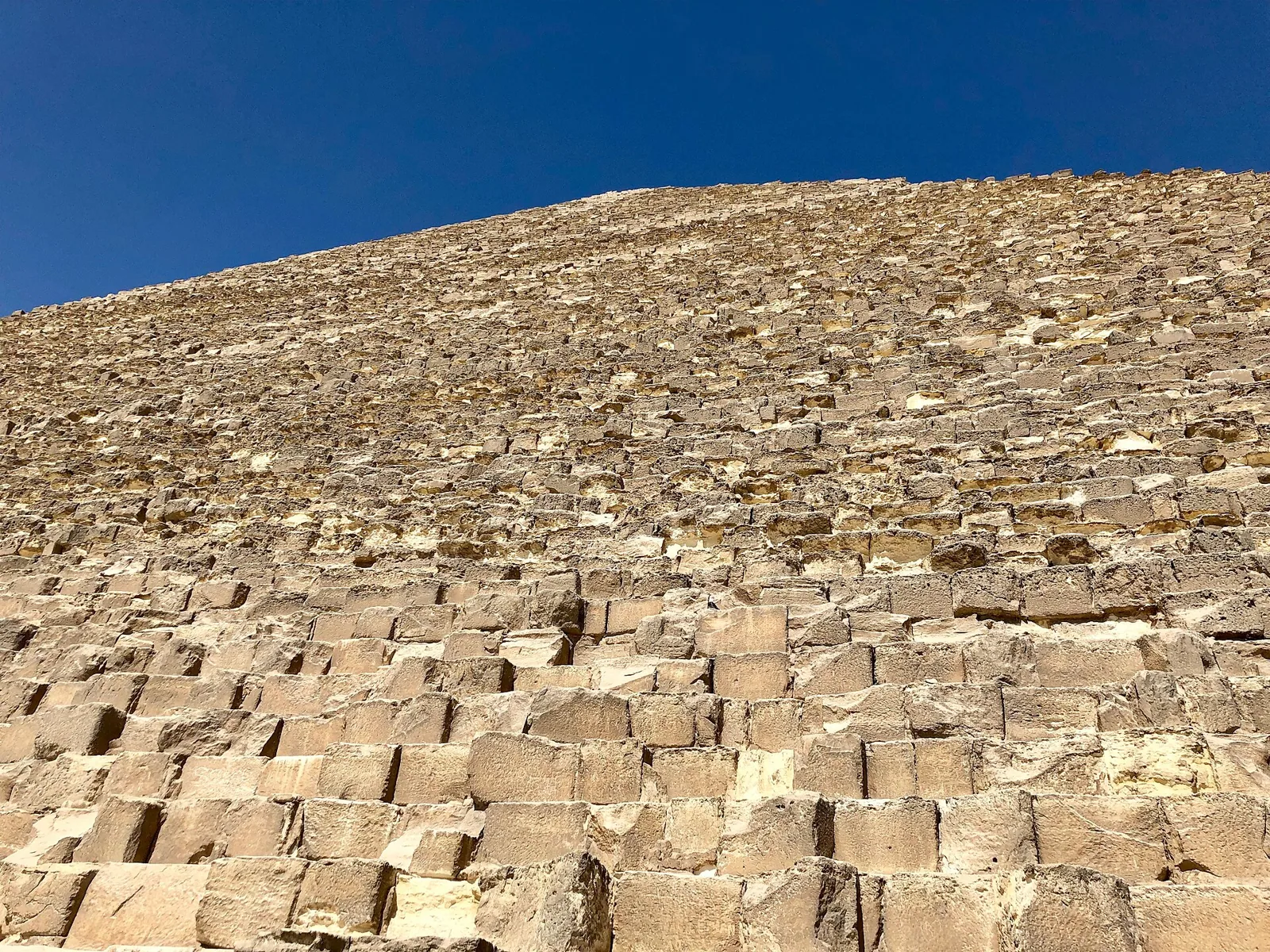
The format dates back to the 1960s and hasn't changed much. You sit on tiered seating facing the monument, the lights dim, and a narrated story plays over loudspeakers, sections of the site lighting up in sequence as the tale reaches them. The scripts lean theatrical — pharaohs "speaking," the Sphinx as narrator — and the production values are firmly of another era. That sounds like a warning, and for some travellers it is. But there's also something undeniably moving about seeing Karnak's columns or Philae rising out of the dark, lit up with no crowds and the temple essentially to yourself. Treat it as a relaxed, slightly kitsch bonus rather than a headline sight and you'll enjoy it.
The three main shows compared
| Show | City | 2026 price (foreigner) | Duration | Vibe |
|---|---|---|---|---|
| Giza Pyramids & Sphinx | Giza / Cairo | ~400 EGP | ~45 min | Convenient, dated, big backdrop |
| Karnak Temple | Luxor | ~450–600 EGP | ~75–90 min | Best of the three; you walk through the temple |
| Philae Temple (Isis) | Aswan | ~350 EGP + boat | ~45–60 min | Most romantic; reached by boat at night |
Prices are the on-site entry ticket and move with the exchange rate; book through a tour and you'll pay more but get transfers and a fixed language slot. These sit in the same band as our wider tickets and attractions figures — cheap by the standards of an evening out.
Giza Pyramids & Sphinx
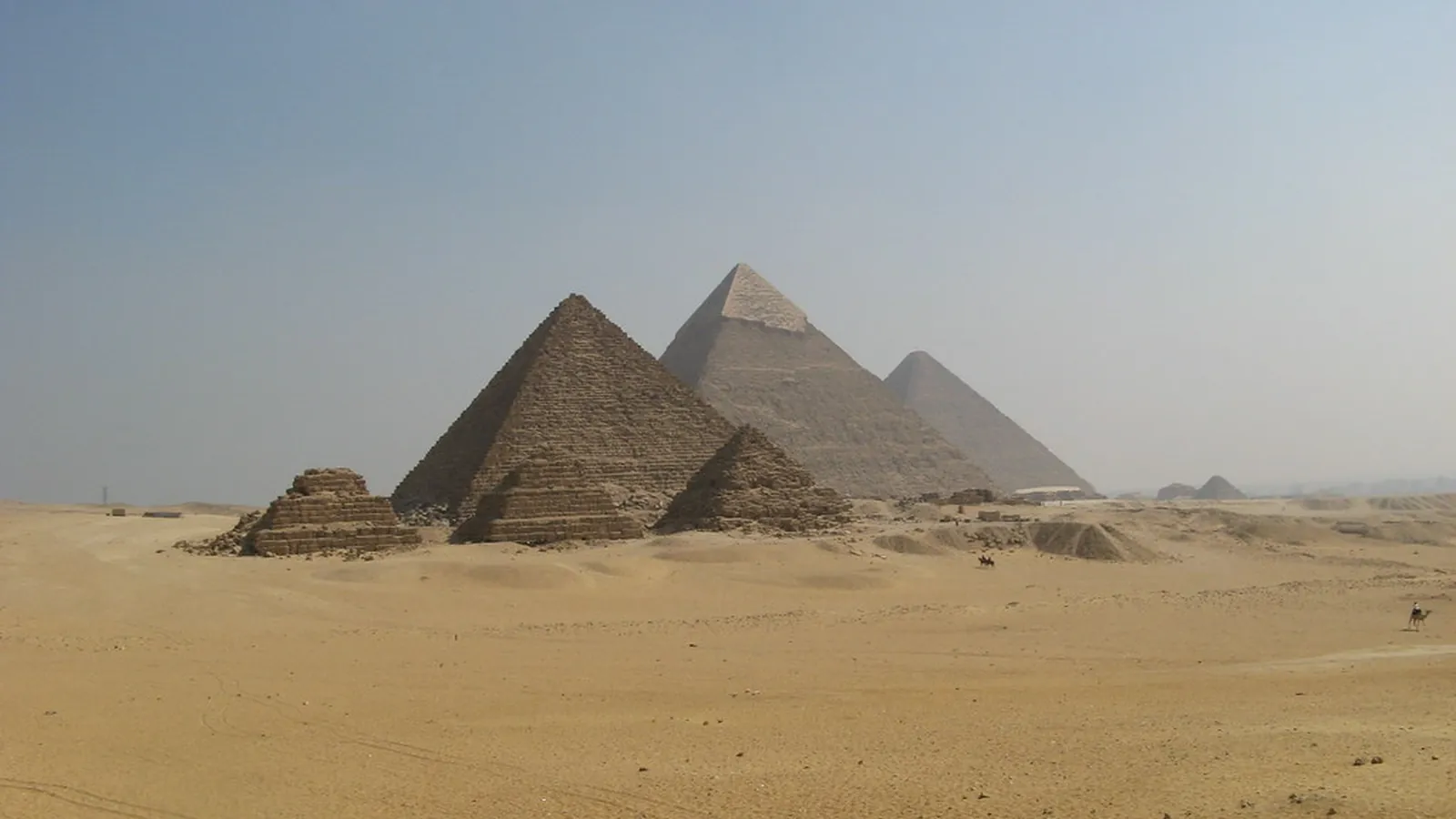
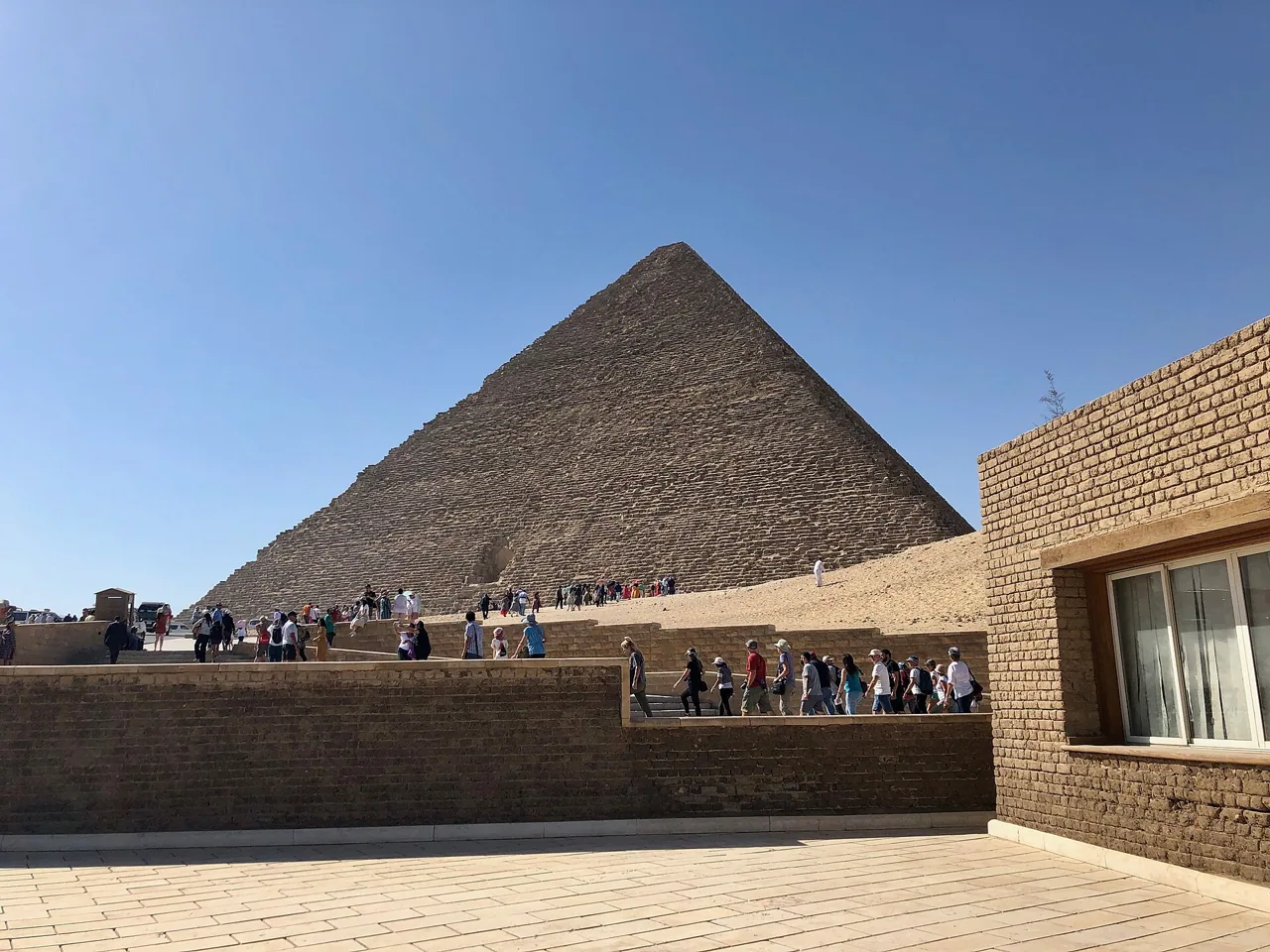
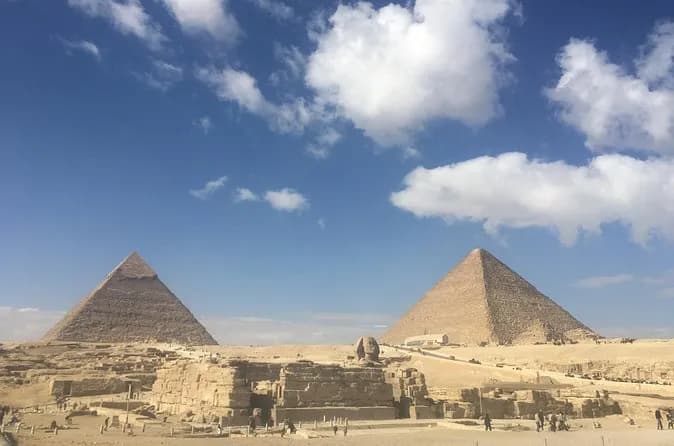
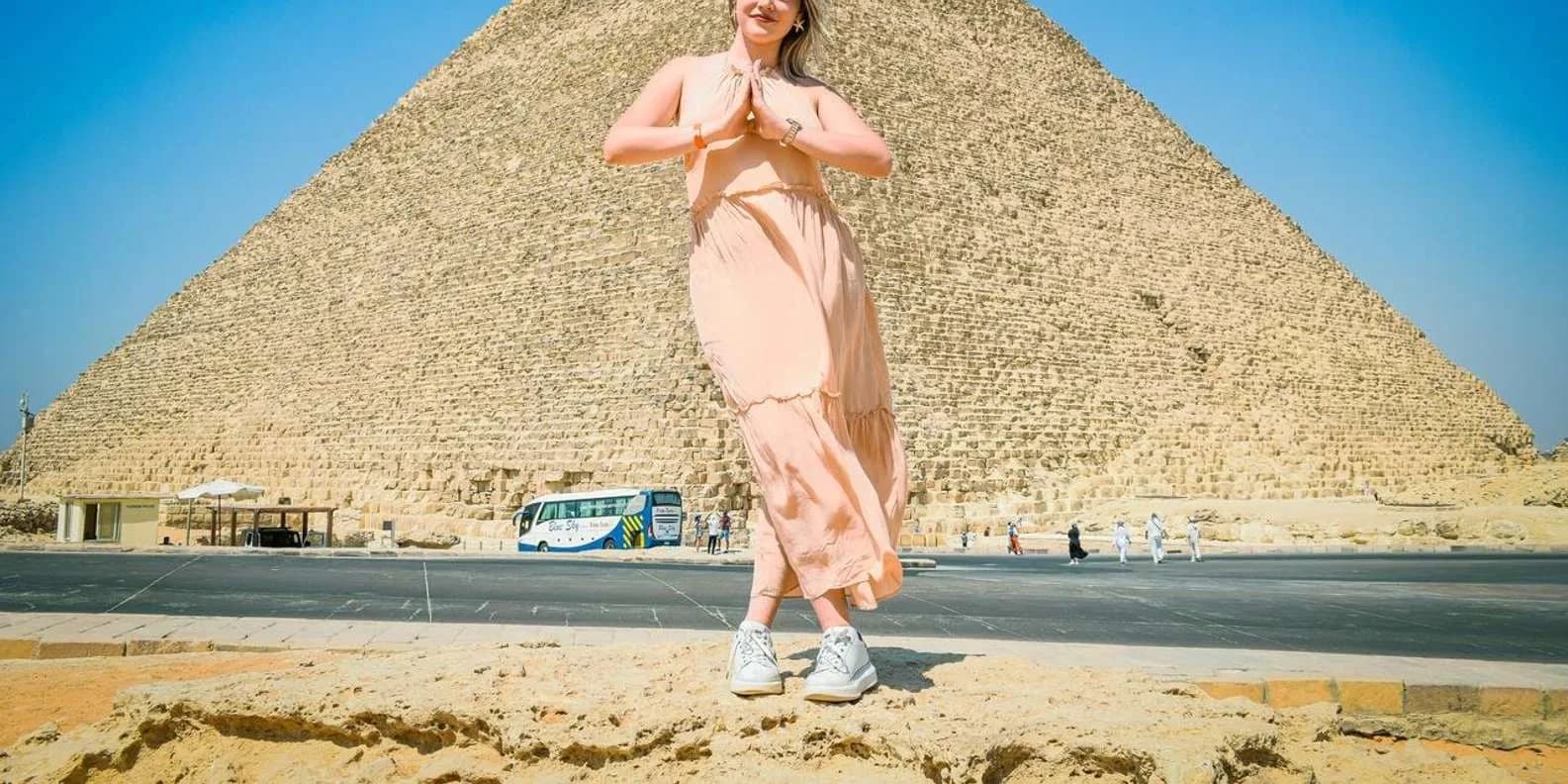
The Sphinx "narrates" the story of the pyramids while coloured light plays across the three tombs and the Sphinx itself. It's the easiest to reach — a short hop from central Cairo or Giza hotels — and the setting can't be beaten. But it's also the most theme-park of the three, and the seating faces the Sphinx from a distance, so the pyramids feel a touch remote. Shows typically start around 6:30–7:00 pm in winter and 7:30–8:00 pm in summer, with a second session about 30 minutes later in a different language. Tickets run about 400 EGP for foreign visitors. Worth it mainly if you can't get to Luxor or Aswan, or want a low-effort last evening in Cairo.
Karnak Temple, Luxor
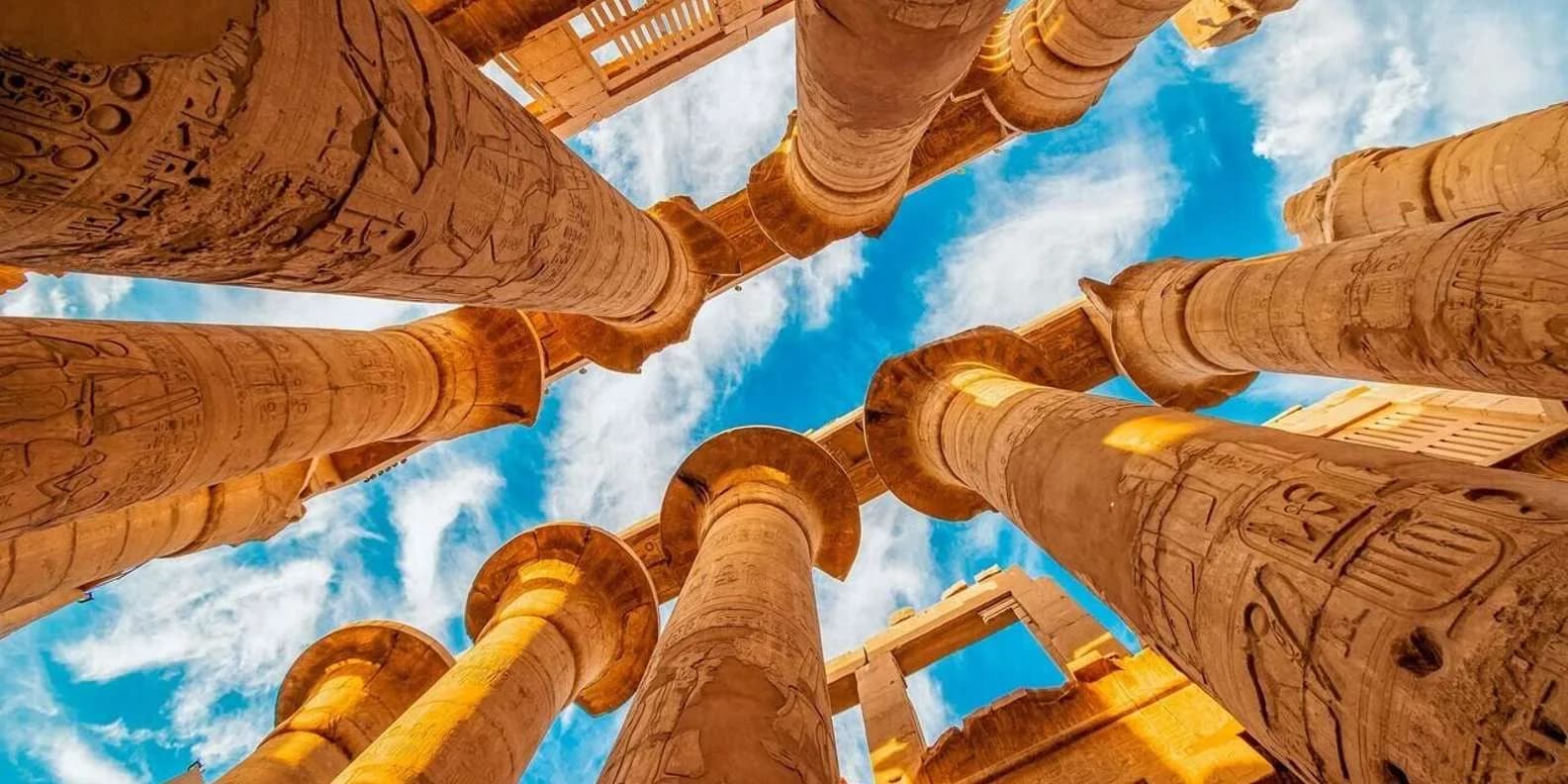
The best of the set. Rather than sitting still, you walk through the temple in the dark as the narration and lighting move with you — down the avenue of ram-headed sphinxes, through the vast Hypostyle Hall with its forest of columns, ending seated beside the Sacred Lake for the final act. Karnak is overwhelming by day; at night, floodlit and empty, it's something else. Shows run in the evening (roughly 7:00–8:45 pm depending on season), last around 75–90 minutes, and rotate through several languages nightly — English, French, German, Spanish, Italian, Arabic and others. Ticket around 450–600 EGP. If you only do one sound and light show in Egypt, make it this one.
Philae Temple, Aswan
The most romantic. You take a short motorboat across to the island of Philae after dark, and the Temple of Isis lights up gradually over the water as the narration tells the myth of Isis and Osiris. The boat ride is part of the magic — and part of the cost, since the boatman charges separately (agree the fare, roughly $1–3, before you set off). Entry is about 350 EGP. Shows start around 6:30 pm in winter, 7:30 pm in summer, with a second session following. It's less epic than Karnak but arguably more atmospheric, and it pairs perfectly with an Aswan evening. See our Aswan travel guide for how it slots into a couple of days on the Nile.
Other shows worth knowing about
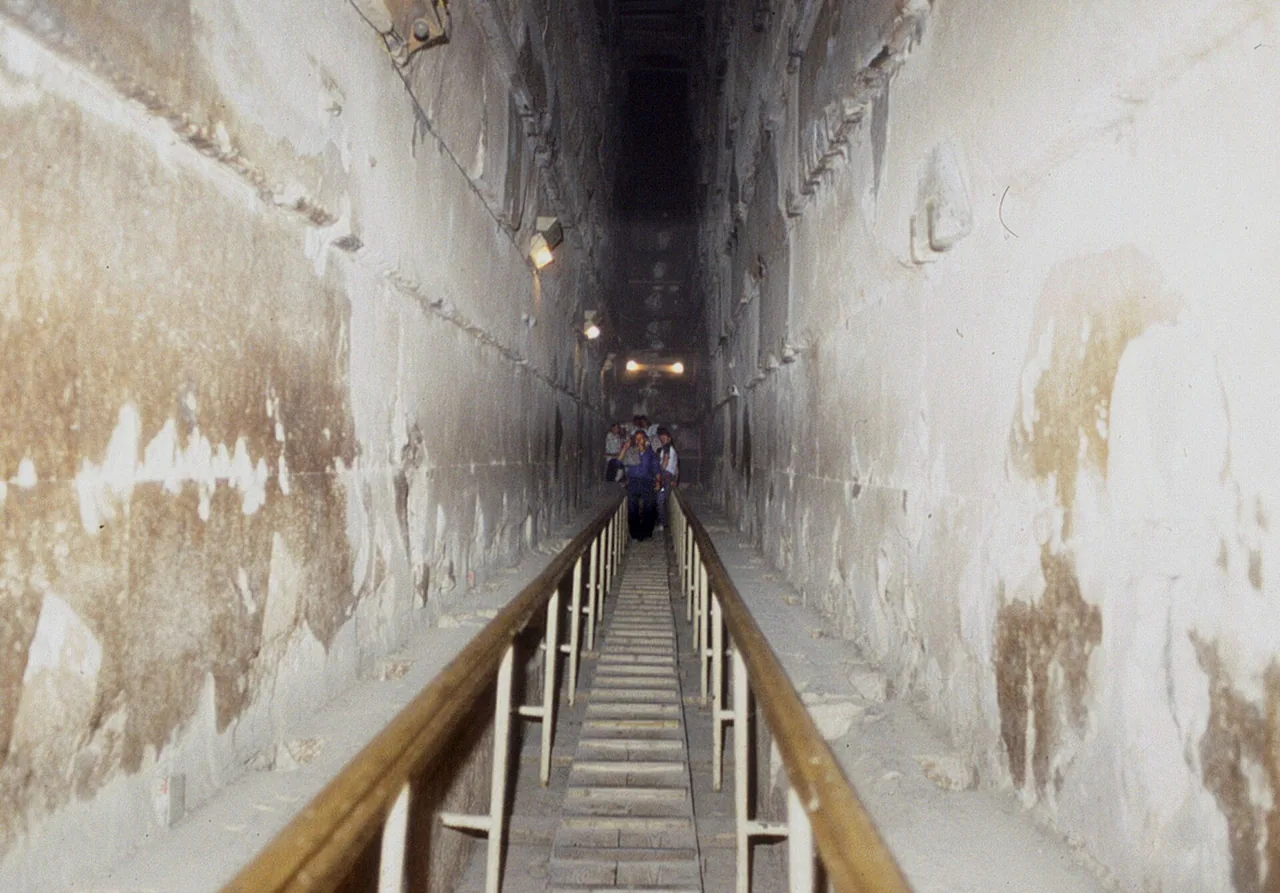
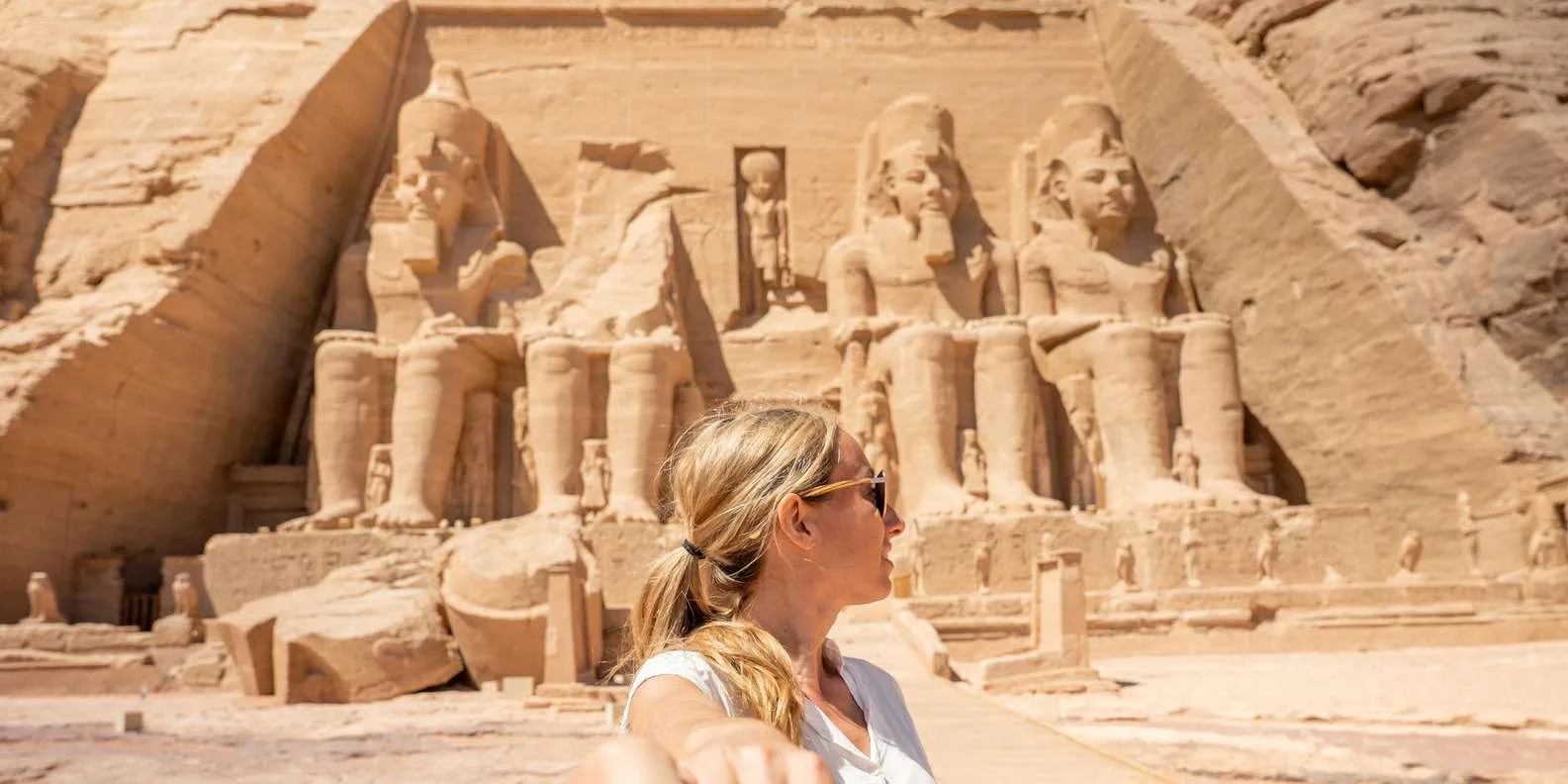
Beyond the big three, a few smaller sound and light shows run at Egyptian sites, though they're patchier. Abu Simbel occasionally hosts one against Ramses II's colossi — spectacular when it runs, but check it's operating, as it's often tied to package tours. The Citadel of Qaitbay and other spots have experimented with the format too. None rivals Karnak or Philae, and schedules for the smaller venues are unreliable, so don't build travel plans around them. Stick to Giza, Karnak and Philae unless you happen to be somewhere else with a confirmed running show.
Which language, and how to check
This trips people up. Each show cycles through languages by session and by day of the week, so the 7:00 pm slot might be English on Monday and French on Tuesday. Sites publish a weekly timetable, but it changes and isn't always online in English. The safe move is to confirm the English (or your language) session the day before — ask your hotel, a tour desk, or the operator you book through. If you book a packaged sound-and-light tour, the language slot is locked in for you, which is the main reason to pay the premium over a walk-up ticket.
Practical tips
- Dress warm in winter. Desert nights get genuinely cold from November to February, and you're sitting still outdoors for an hour. Bring a jacket.
- Arrive 15–20 minutes early. Seating is unnumbered general admission; the good central spots go first.
- Bring small cash. For the Philae boatman and any tips. Cards aren't taken at the gate.
- Manage expectations. The narration is grand and a little cheesy. Lean into it.
- Combine, don't build a day around it. These are evening fillers. Do the site by day for the real visit and the show as an after-dark encore, or vice versa.
The verdict
Worth it? For Karnak and Philae, yes — they use the format well, the settings do the heavy lifting, and having a great temple lit up and near-empty is a memory that sticks. Giza is worth it if it's convenient and you're not travelling south, less so if you'll see the pyramids properly by day anyway. None of them is a must-do on the level of the monuments themselves, but as a low-cost, low-effort evening they punch above their weight. Want to line one up with your temple visits? Browse Luxor and Aswan experiences to book the show with transfers and a confirmed language slot.
A real team available 24/7 to assist you — free
Seif and the team reply on WhatsApp 24/7 — trip questions, custom plans and booking help.
Ask Seif on WhatsAppCommon questions
How much do Egypt's sound and light shows cost in 2026?
On-site entry tickets are roughly 400 EGP at the Giza pyramids, 450–600 EGP at Karnak in Luxor, and 350 EGP at Philae in Aswan (plus a small boat fare to reach the island). Booking a packaged tour with transfers costs more but locks in your language session.
Which Egypt sound and light show is the best?
Karnak in Luxor. Instead of sitting still, you walk through the floodlit temple as the lights and narration move with you, ending by the Sacred Lake. Philae in Aswan is the most romantic thanks to the night boat ride; Giza is the most convenient but the most dated.
What language are the sound and light shows in?
Each show rotates through several languages by session and day — usually English, French, German, Spanish, Italian and Arabic. Because the schedule changes, confirm your language's session the day before, or book a tour that guarantees the slot.
What time do the sound and light shows start?
Roughly 6:30–7:00 pm in winter and 7:30–8:00 pm in summer, with a second session in a different language about 30 minutes later. Karnak's evening shows run a little later and longer. Timetables shift seasonally, so check locally.
How long is a sound and light show?
The Giza and Philae shows run about 45 minutes to an hour. Karnak is longer, around 75–90 minutes, because you walk through the temple in stages rather than staying seated.
Are Egypt's sound and light shows worth it?
Karnak and Philae are genuinely worth an evening — the settings are spectacular after dark and near-empty. Giza is worth it mainly if it's convenient or you won't travel south. The narration is theatrical and dated, so treat all of them as a fun bonus rather than a headline sight.
Do I need to book the sound and light show in advance?
You can buy tickets at the gate, but pre-booking a tour is worth it to guarantee your language session and, at Philae, to sort the boat transfer. Walk-up tickets are fine if you've confirmed the language and timing beforehand.
Should I bring anything to the show?
In winter, a warm jacket — desert nights are cold and you're sitting outdoors. Bring small cash for the Philae boatman and any tips, arrive 15–20 minutes early for unnumbered seating, and don't expect cutting-edge production values.
Book it on This is Egypt
Turn this guide into a trip



Egypt's bestsellers
The experiences travelers book most, across the country




Keep reading
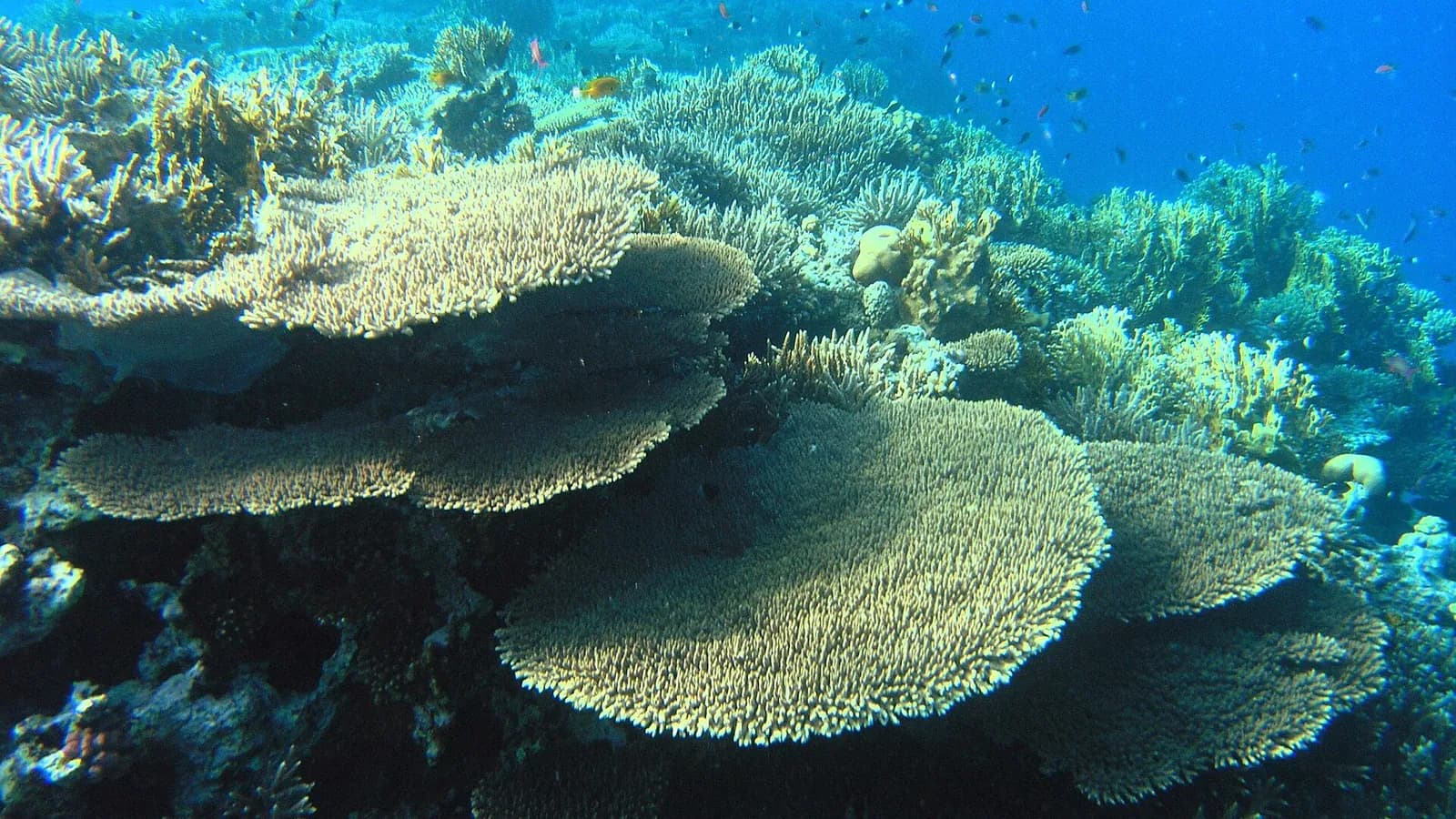
Hurghada Diving (2026): Best Sites, Packages & Prices
Diving in Hurghada — the best reefs (Giftun, Careless Reef, Dolphin House) and Abu Nuhas wrecks, Discover Scuba vs PADI courses, season and water temps, and real 2026 prices.
By TiE Editors7 min read
Hurghada Snorkeling Trips (2026): Best Reefs, Prices & How to Choose
Where to snorkel from Hurghada in 2026 — Orange Bay, Giftun, Mahmya, Utopia and Dolphin House — with boat types, marine life, month-by-month sea temperatures, family tips and real prices from 1,000+ bookable trips.
By TiE Editors7 min read
Egypt Tour Prices by Activity (2026): What Each Type Really Costs
What every type of Egypt experience costs — half day, full day or overnight — as a median and a mid-half range in US dollars, from 12,370 live bookable listings.
By TiE Editors6 min read