The 2027 Total Solar Eclipse in Egypt (Aug 2): Where & How to See It
The 2 August 2027 total solar eclipse crosses Luxor and Upper Egypt with one of the longest totalities of the century. Where to watch, why Luxor is prime, safety, and how to plan around a Nile cruise.
Nile Cruises & Dahabiyas
Turn this guide into a trip

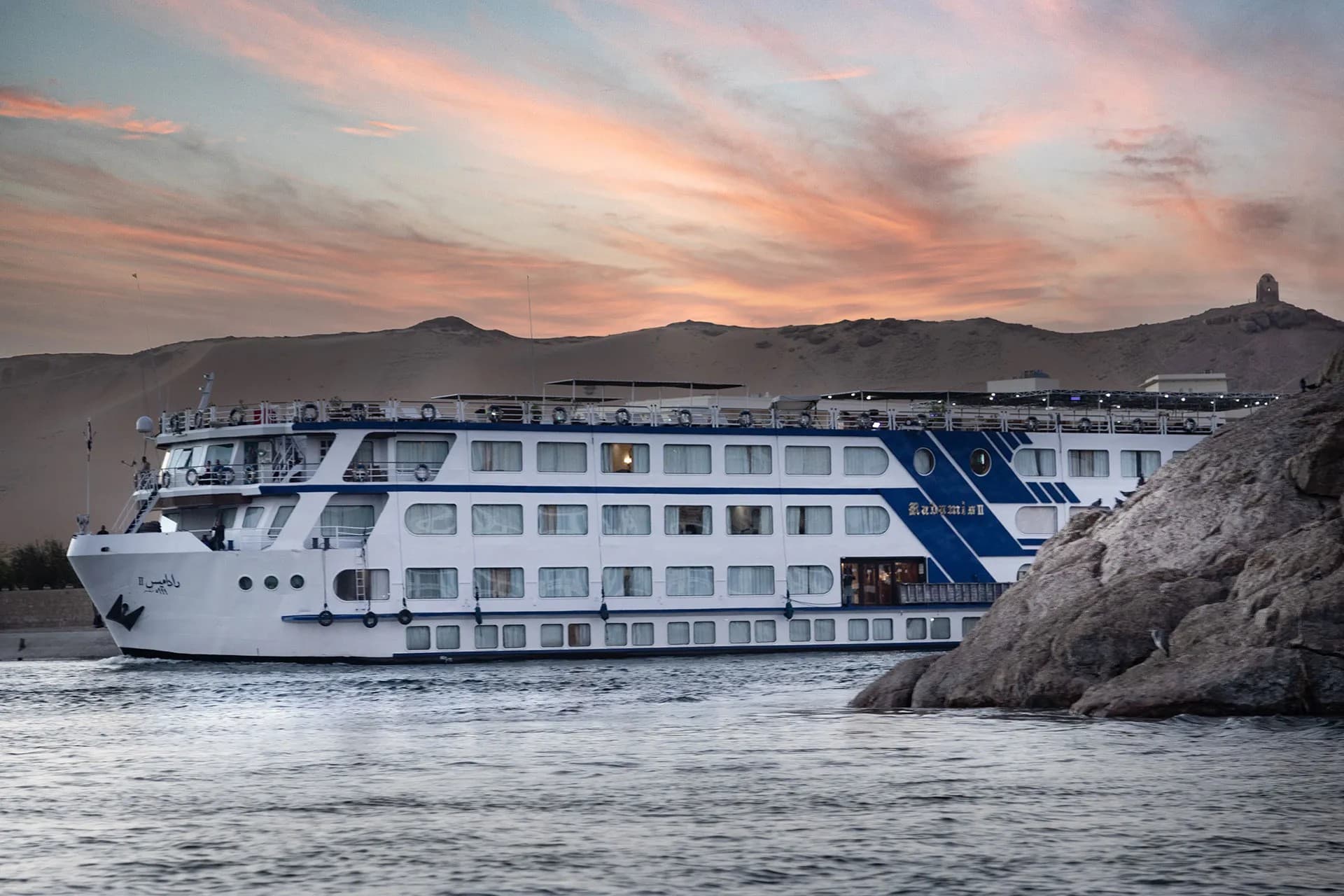
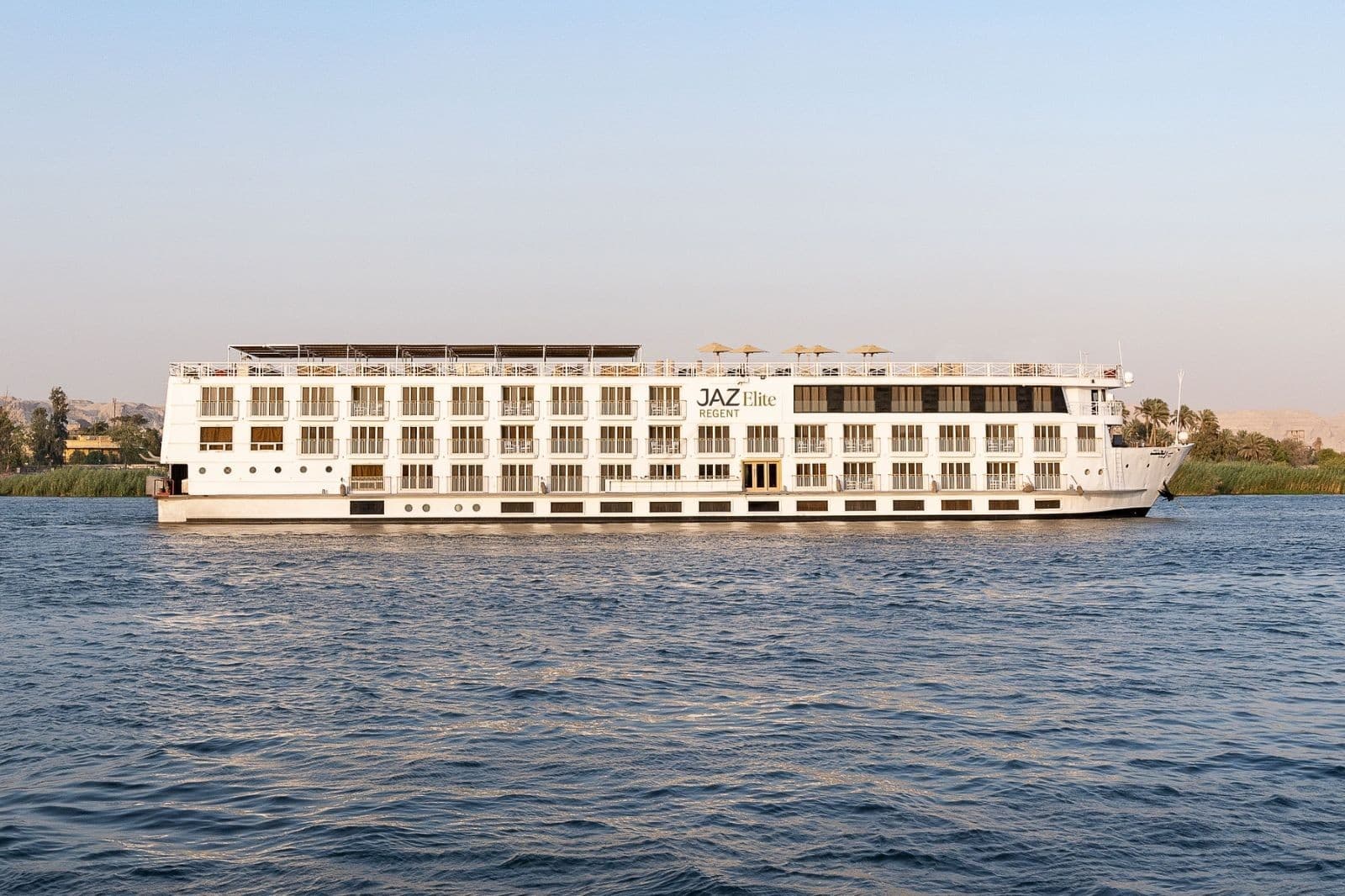
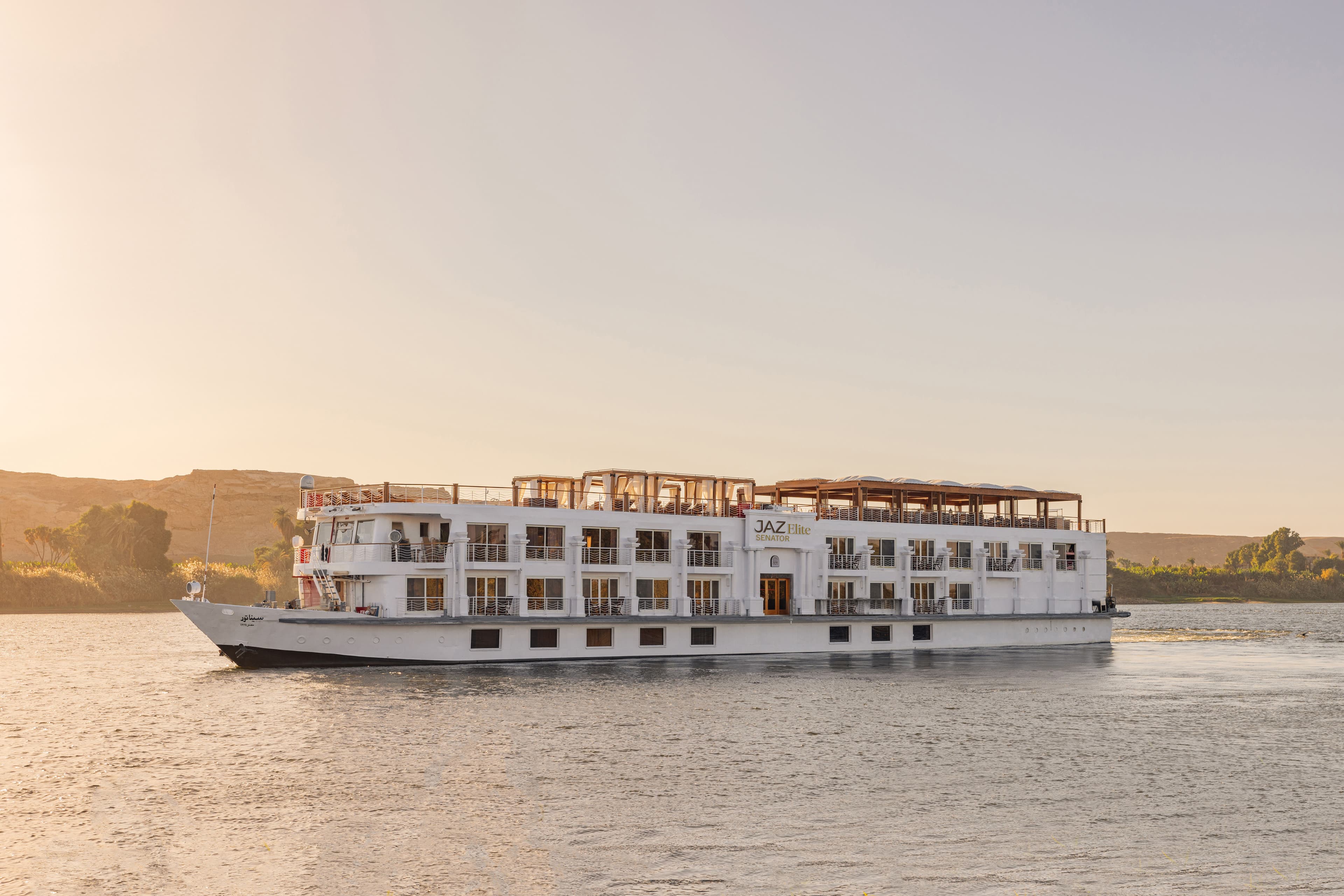
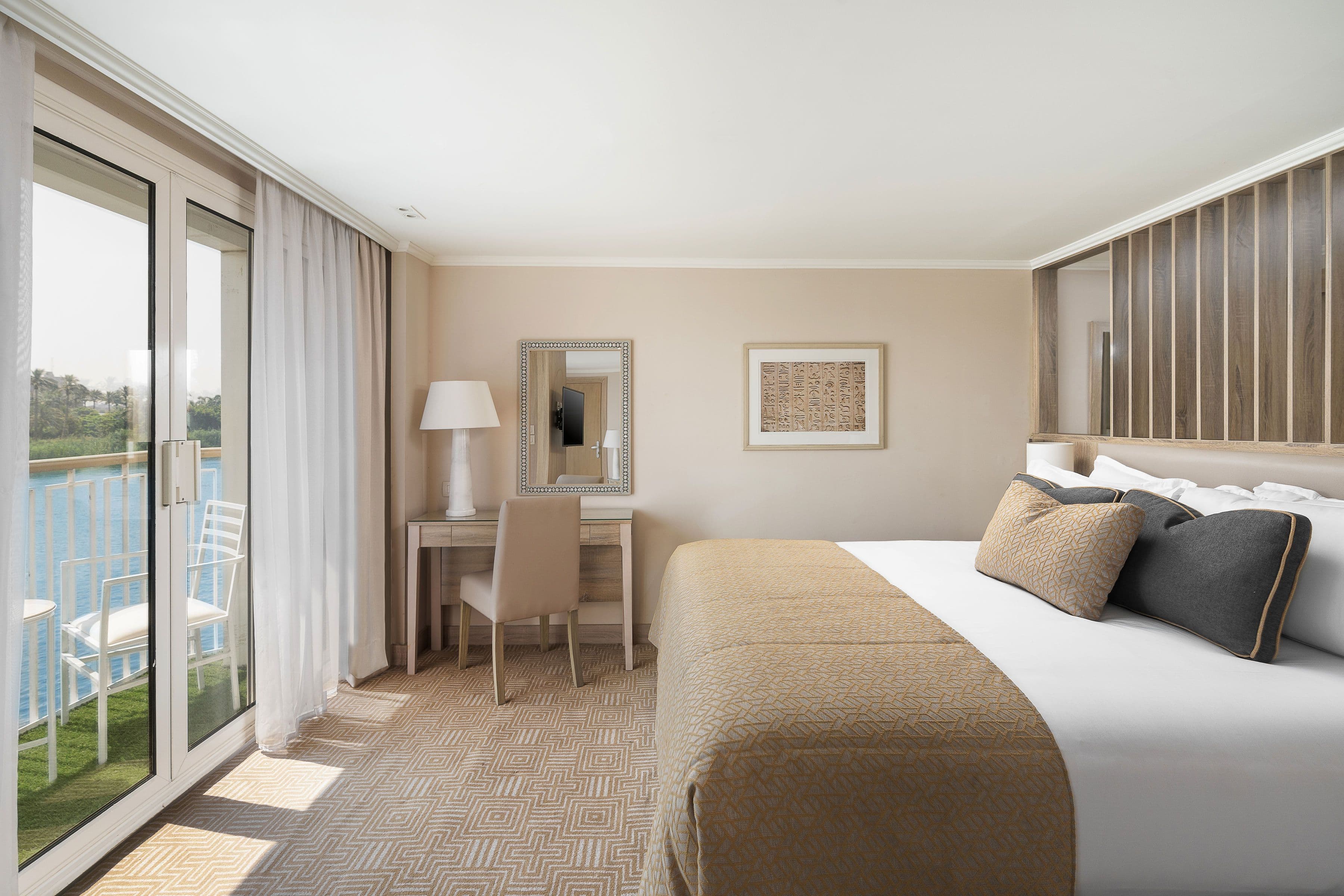
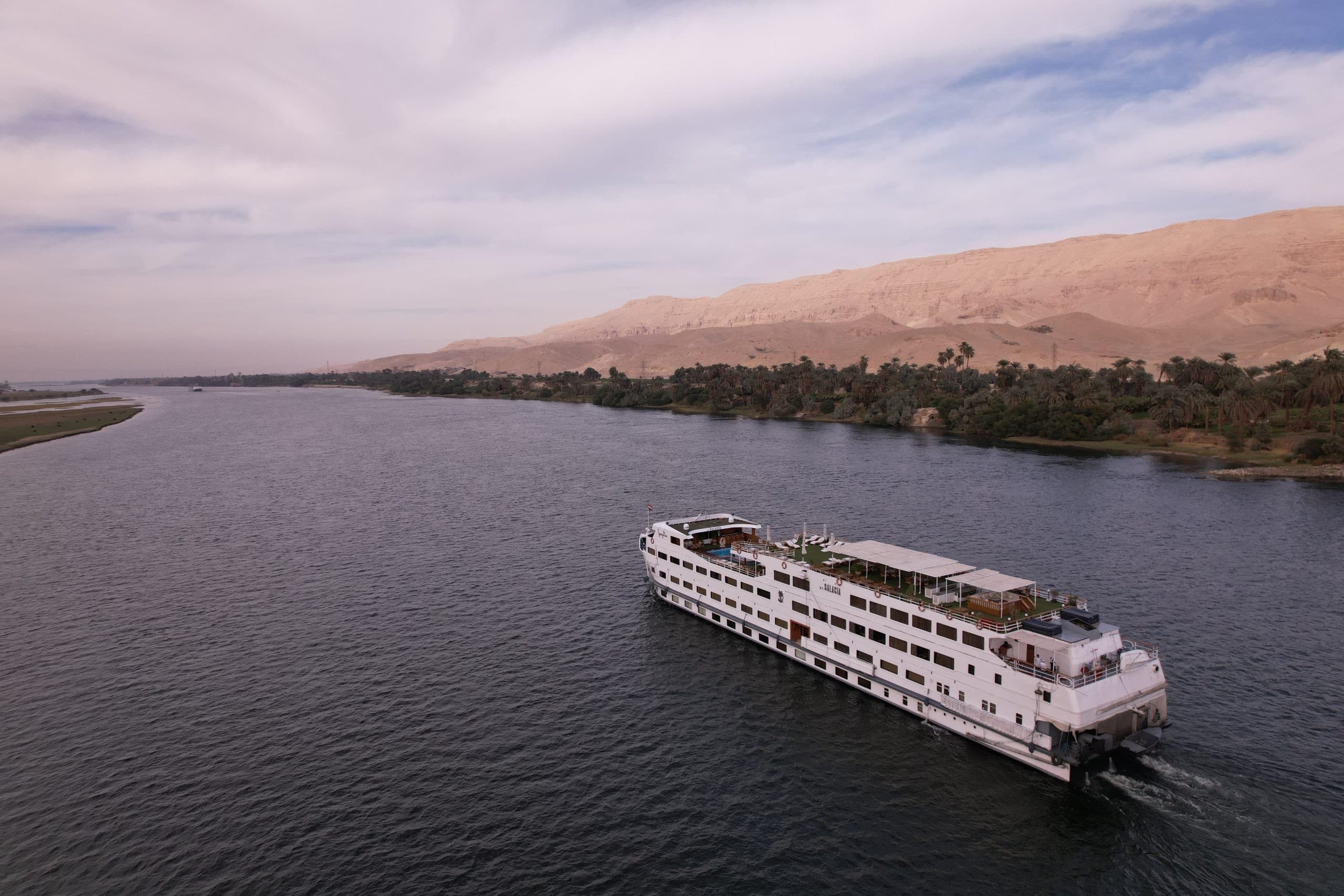
Quick answer: On Monday 2 August 2027, a total solar eclipse crosses Egypt, with the path of totality running over Luxor and Upper Egypt — and one of the longest totalities of the century, over six minutes near Luxor. Luxor is one of the best places on Earth to watch it, helped by clear early-August desert skies. Because hotels there will be scarce and expensive, many travellers plan around a Nile cruise, which puts you in the path and solves accommodation in one. Plan and book well ahead; confirm exact local timings closer to the date.
A total solar eclipse is one of nature's great spectacles, and on 2 August 2027 the best view on the planet may be from the banks of the Nile. Here is where it passes, why Luxor is the place to be, and how to plan a trip around it.
When is the 2027 eclipse, and where does it pass?
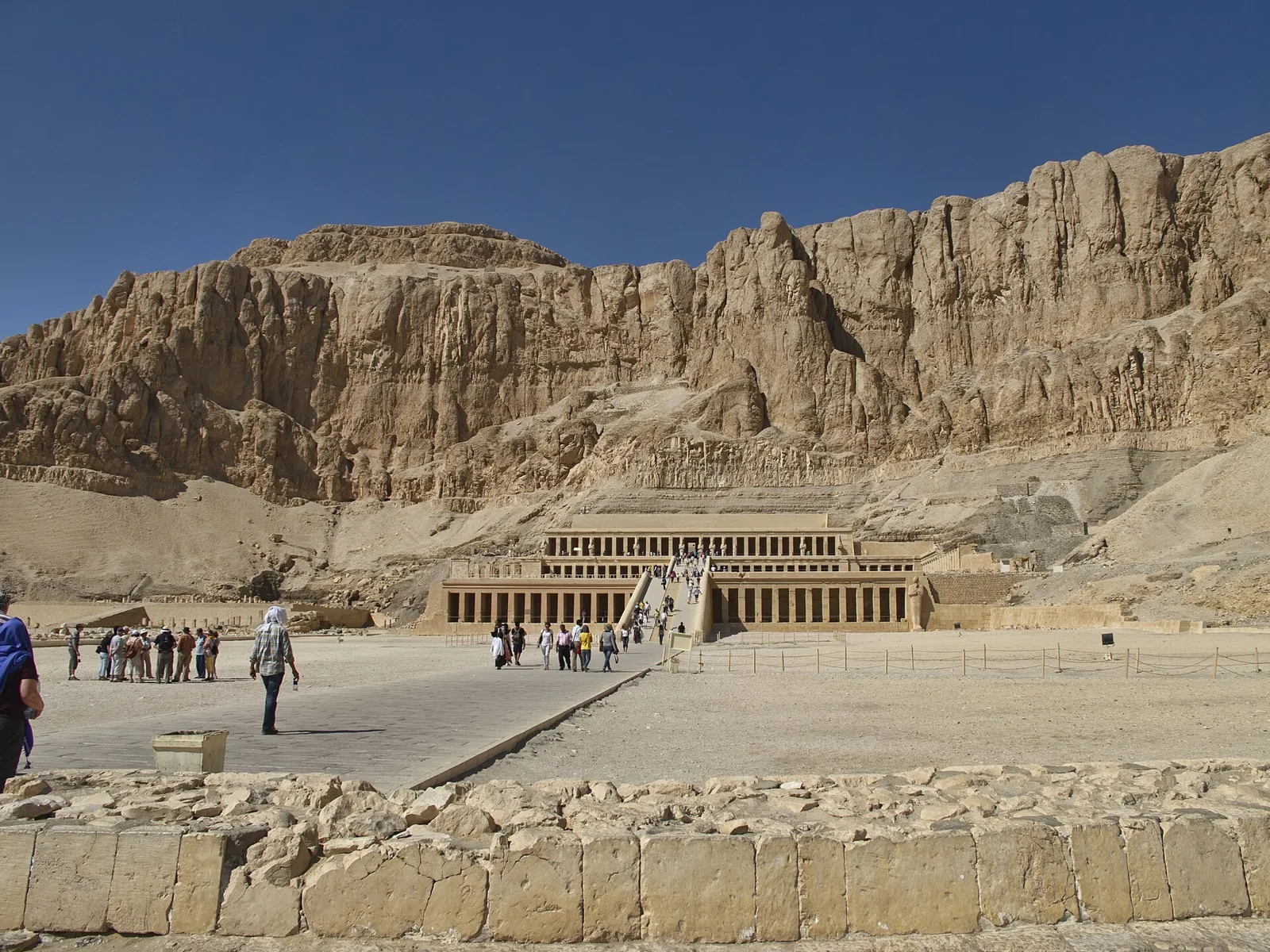
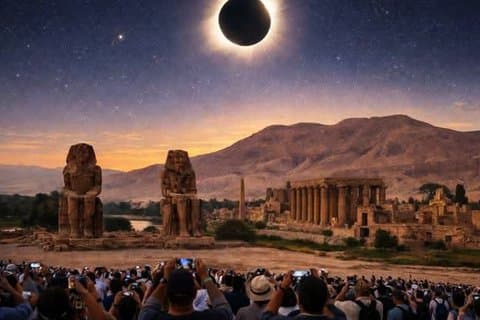
The eclipse falls on Monday 2 August 2027. The Moon's shadow tracks across the Atlantic, southern Spain and North Africa before crossing Egypt, where the centre of the path runs over Luxor and Upper Egypt, then continues on toward the Arabian Peninsula. Only inside the narrow band of totality does the Sun disappear completely; Cairo and the coasts see a large partial eclipse, but the full event — the corona, the sudden twilight — belongs to Upper Egypt.
Why Luxor is one of the best places on Earth to see it
Two things make Luxor exceptional. Duration: it sits on or beside the centreline, so totality lasts more than six minutes — against roughly two minutes for a typical eclipse — one of the longest of the entire century. Clear skies: early August in Upper Egypt is hot and almost cloudless, giving some of the best odds anywhere on the path of an unobstructed view. Add the setting — the eclipse over the temples and the Nile — and it is little wonder eclipse-chasers worldwide are already planning around Luxor.
Where to watch in Egypt
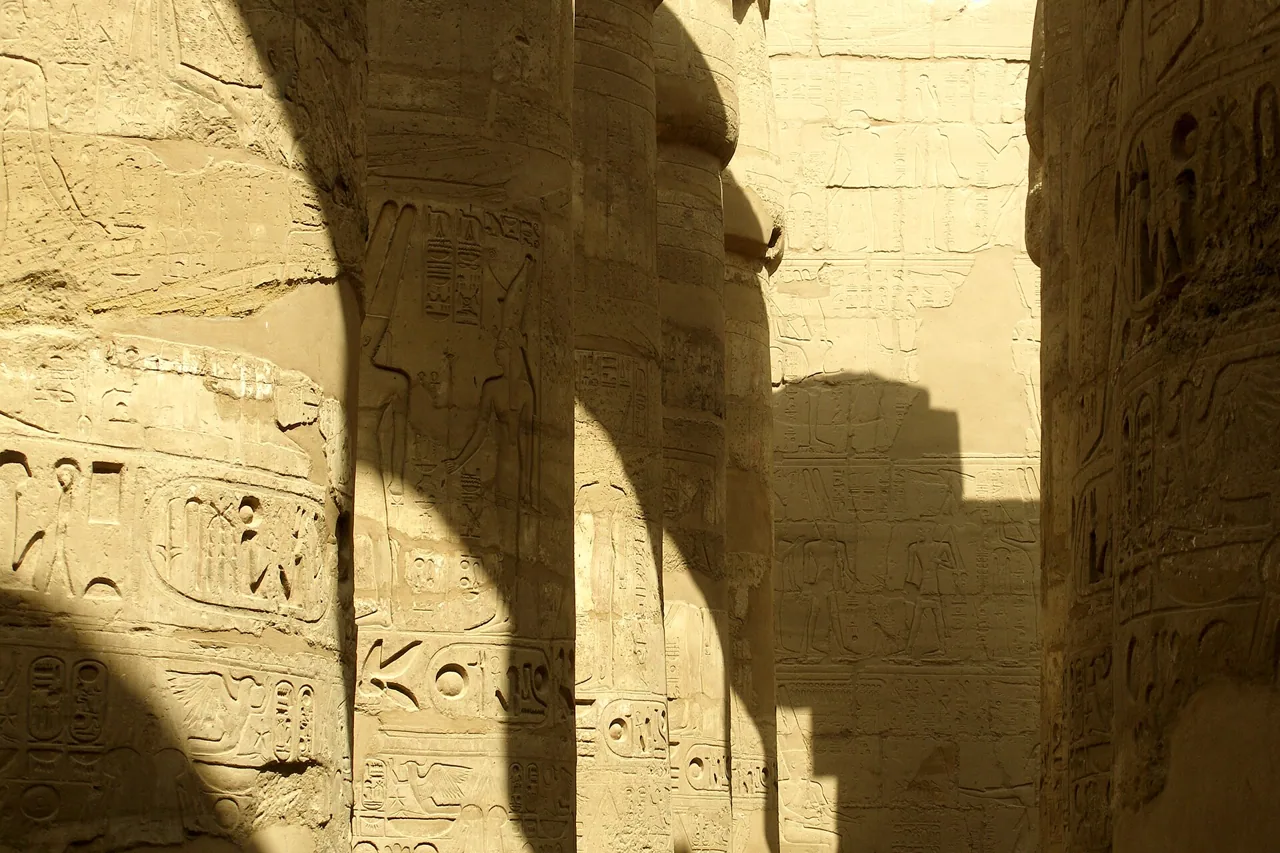
Luxor and the Upper Egypt / Nile corridor are the prime locations, on or near the centreline. The open desert around the river offers clear horizons and dark, dependable skies. Locations further from the centreline see a shorter totality, and places outside the band (including Cairo) see only a partial eclipse, so plan to be in Upper Egypt for the full experience. Confirm the exact coverage of any specific spot closer to the date, as the fine detail is still being finalised.
How to plan — accommodation is the crunch
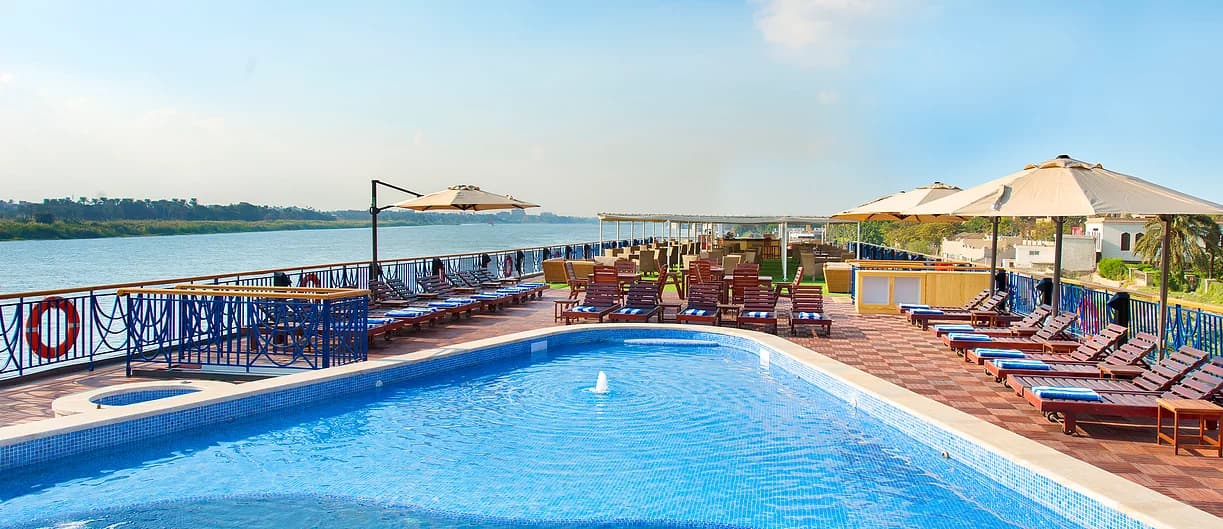
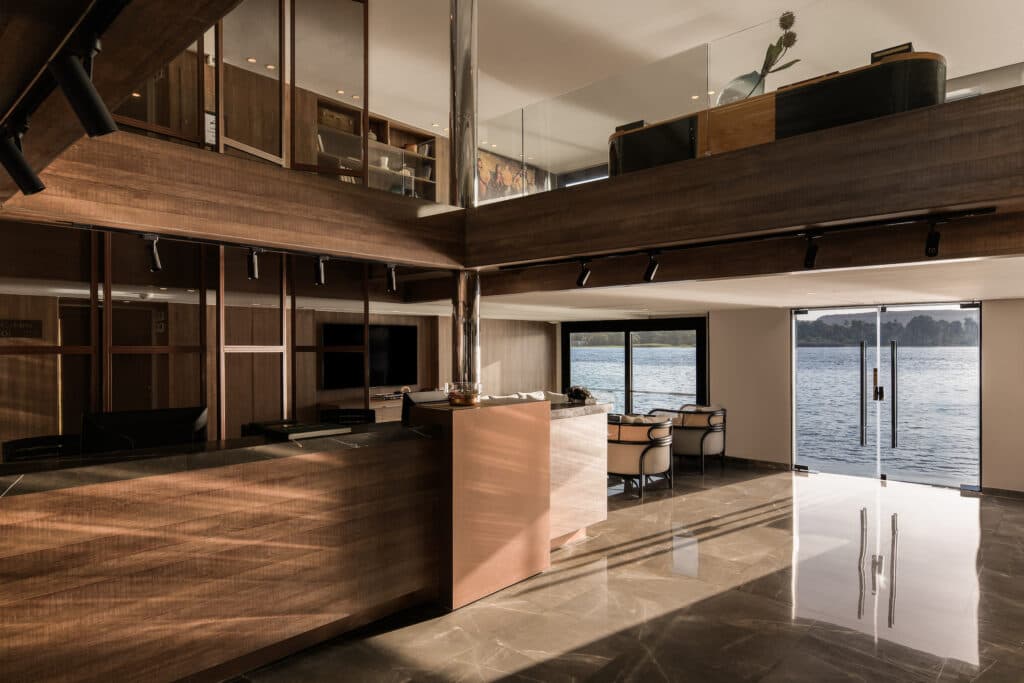
The hardest part of an eclipse trip is not the viewing, it is where to stay. Luxor's hotel rooms will fill many months ahead and surge in price as a single day's worth of global demand lands on one town. This is exactly why so many travellers plan the trip around a Nile cruise: it is your accommodation and a prime, flexible position in the path at the same time, with the temples of Upper Egypt built into the itinerary. See the dedicated Nile cruise for the 2027 eclipse guide for how those sailings work and why they book out early.
Pairing the eclipse with the rest of Egypt
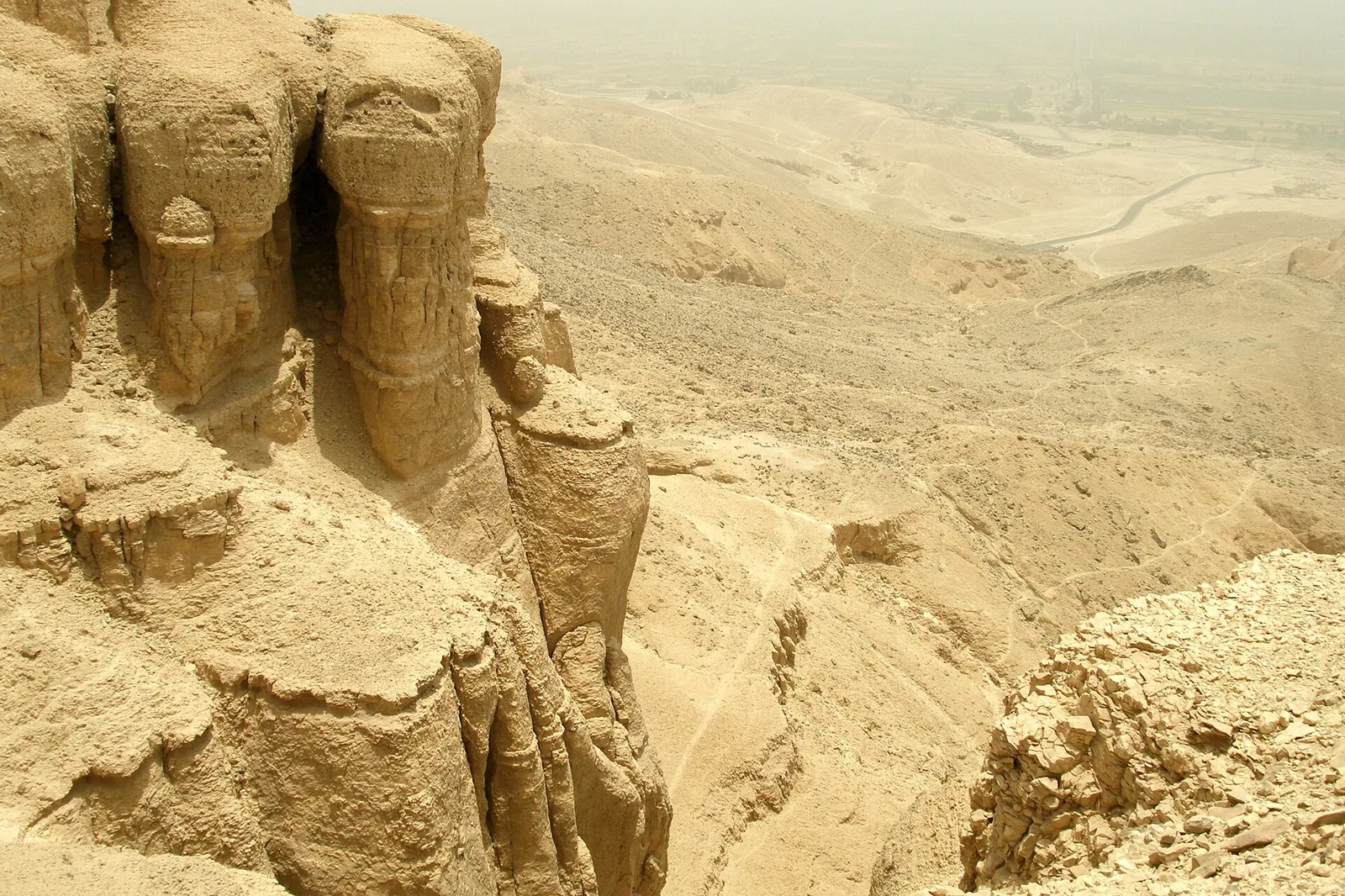
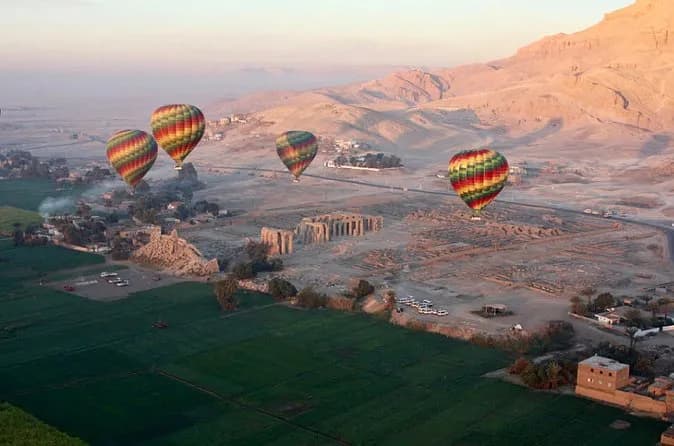
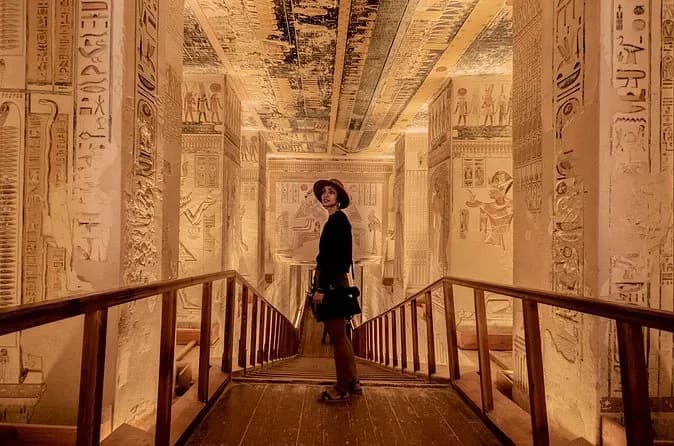
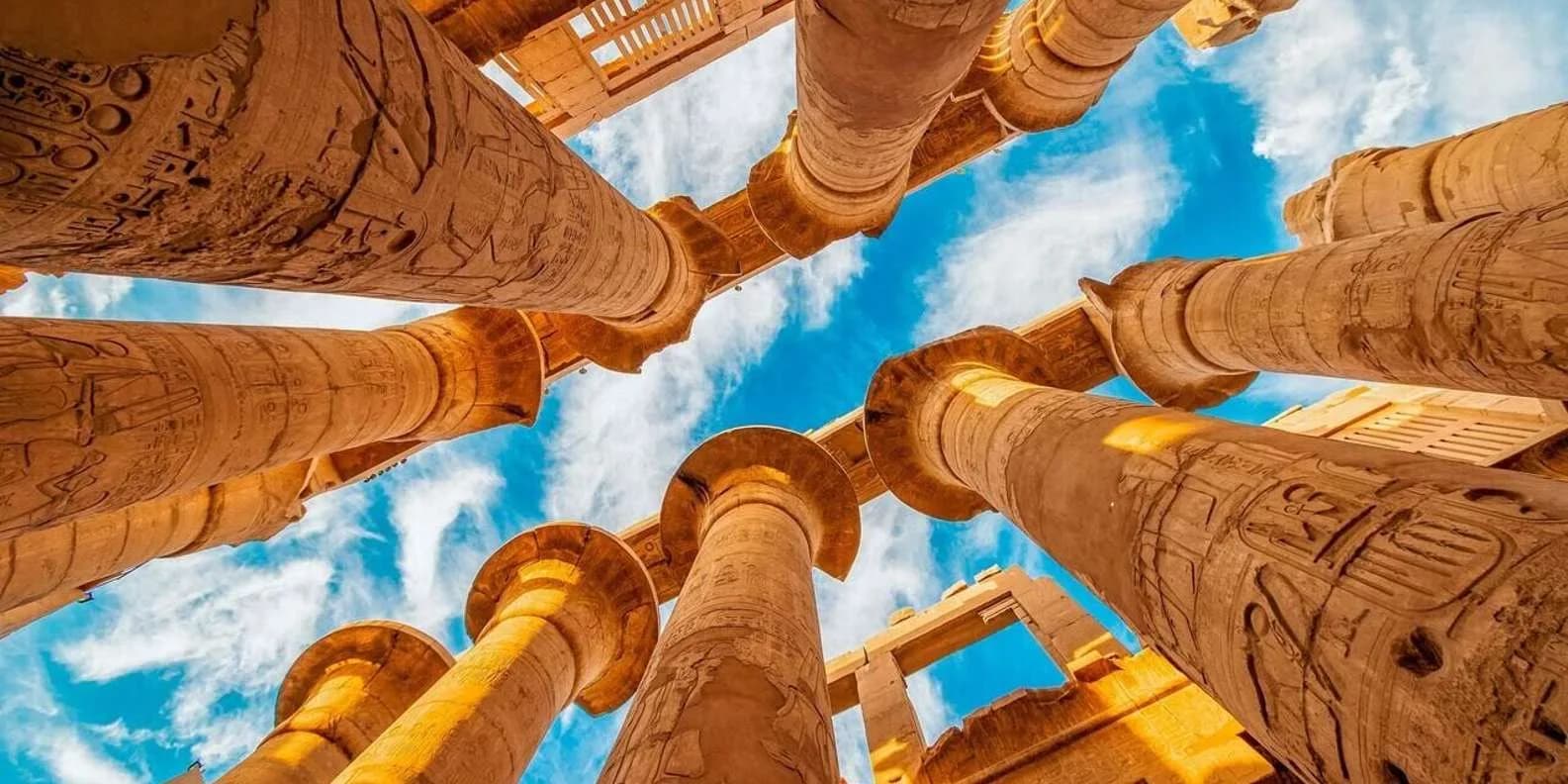
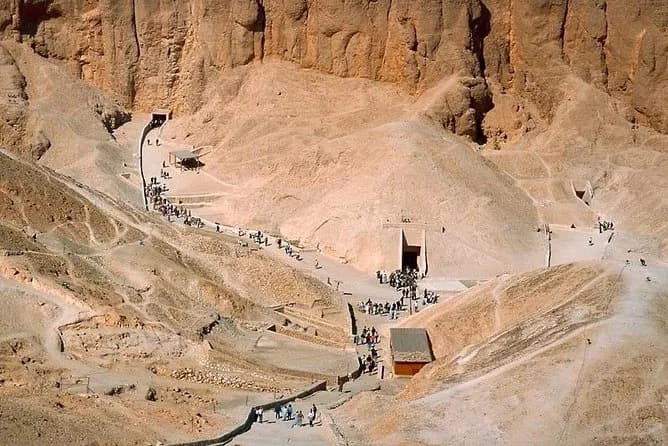
Few people fly to Egypt for six minutes alone, and the real beauty of the 2027 eclipse is that it lands in the middle of the country's greatest sights. Upper Egypt is the heart of the ancient world: Luxor alone holds Karnak, the Valley of the Kings and the temples of the west bank, and the Nile south of it threads past Edfu, Kom Ombo and Aswan. Building the trip around a few days on the river turns the eclipse into the highlight of a full Egypt holiday rather than a single stop — you tour the temples, you sleep on the water, and you are already sitting in the path of totality when the morning of 2 August comes. That is precisely why a Nile cruise, rather than a rushed fly-in day trip, is how most well-planned eclipse visits will be built, and why the good boats will be gone first.
What totality is actually like
In the minutes before totality the light turns strange and silvery and the air cools. Then the Sun's disc is covered: the sky goes to deep twilight, bright stars and planets appear, and the corona — the Sun's pearly outer atmosphere — streams around the black Moon. Here it lasts an astonishing six-minutes-plus before daylight returns. It is worth understanding the safety point clearly: it is only safe to look at the Sun with the naked eye during full totality itself; for every partial phase before and after, you must use ISO 12312-2 certified eclipse glasses (ordinary sunglasses are not safe).
Practical tips
- Book everything far ahead — flights, the boat or hotel, and any guide — eclipse demand sells out.
- Bring certified eclipse glasses for the partial phases; pack spares.
- Plan for August heat in Upper Egypt — shade, water and an early start.
- Arrive with time to spare so travel delays never cost you the few minutes that matter.
Plan the sailing in the Nile cruise for the 2027 eclipse guide, compare boats on Nile cruise ships and dahabiyas, and read up on the destination in the Luxor travel guide and Valley of the Kings guide.
What happens during the eclipse
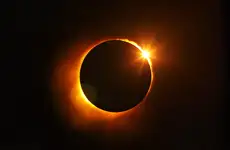
Totality is the climax of a longer show. It begins with first contact, when the Moon takes a first bite from the Sun; over the next hour or so the crescent thins, the light turns oddly silvery and the air cools. In the final moments comes the diamond ring — a last brilliant flash — and then totality: the Sun's disc vanishes, the sky drops to deep twilight, stars and planets appear, and the pearly corona streams around the black Moon. Here that lasts an astonishing six-minutes-plus before a second diamond ring signals the return of daylight and the phases run in reverse. Remember the safety rule throughout: naked-eye viewing is safe only during totality itself; for every partial phase you need ISO 12312-2 certified eclipse glasses.
Beyond Luxor: pairing the eclipse with a trip
Very few people travel to Egypt for six minutes alone, and you shouldn't either. Build the eclipse into a full Egypt trip: the pyramids and the Grand Egyptian Museum in Cairo, then south to Luxor and Aswan for the temples and the eclipse. The neatest way to join it all up is a Nile cruise, which puts you in the path of totality and handles accommodation at the very moment Luxor's hotels are scarcest — see the Nile cruise for the 2027 eclipse guide. However you plan it, book early: the eclipse concentrates a whole season's demand onto a single week.
A real team available 24/7 to assist you — free
Seif and the team reply on WhatsApp 24/7 — trip questions, custom plans and booking help.
Ask Seif on WhatsAppCommon questions
When is the total solar eclipse in Egypt?
Monday 2 August 2027. The path of totality crosses Luxor and Upper Egypt around the middle of the day; the exact local contact times are still being finalised.
Where in Egypt can you see the 2027 eclipse?
Inside the band of totality, which runs over Luxor and the Upper Egypt / Nile corridor. Luxor is the prime spot, on or near the centreline. Cairo and the coasts see only a partial eclipse, so plan to be in Upper Egypt for the full event.
How long will the 2027 eclipse last in Luxor?
More than six minutes of totality — one of the longest total solar eclipses of the century, against roughly two minutes for a typical eclipse. Confirm the exact figure for your specific spot closer to the date.
Why is Luxor one of the best places to see the 2027 eclipse?
It sits on or beside the centreline (so totality is exceptionally long), early-August skies in Upper Egypt are hot and almost cloudless (excellent viewing odds), and the setting — the eclipse over the Nile and the temples — is unmatched.
Where should I stay for the 2027 eclipse?
Book very early — Luxor hotels will be scarce and expensive as global demand lands on one day. Many travellers plan around a Nile cruise instead, which provides accommodation and a prime position in the path at once; see our Nile cruise for the 2027 eclipse guide.
Is it safe to look at the eclipse?
Only during full totality is it safe to look at the Sun with the naked eye. For every partial phase before and after, you must use ISO 12312-2 certified eclipse glasses — ordinary sunglasses are not safe.
How far ahead should I book for the 2027 eclipse?
As far ahead as you can. Eclipse tourism concentrates a season's demand into a single day, so flights, boats and hotels sell out well in advance and prices climb closer to the date.
What actually happens during a total solar eclipse?
First contact begins the partial phase as the Moon covers the Sun; the light turns silvery and the air cools. A last flash — the diamond ring — gives way to totality, when the sky darkens to twilight, stars appear and the corona blazes around the black Moon (here for over six minutes), before a second diamond ring returns daylight. Use ISO 12312-2 eclipse glasses for every phase except totality itself.
Should I build a whole trip around the 2027 eclipse?
Yes — pair it with the rest of Egypt: Cairo and the pyramids, then Luxor and Aswan for the temples and the eclipse. A Nile cruise is the neatest way to join it up, putting you in the path of totality while solving accommodation when Luxor's hotels are scarcest. Book early, as demand concentrates on a single week.
Book it on This is Egypt
Turn this guide into a trip



Egypt's bestsellers
The experiences travelers book most, across the country



Keep reading
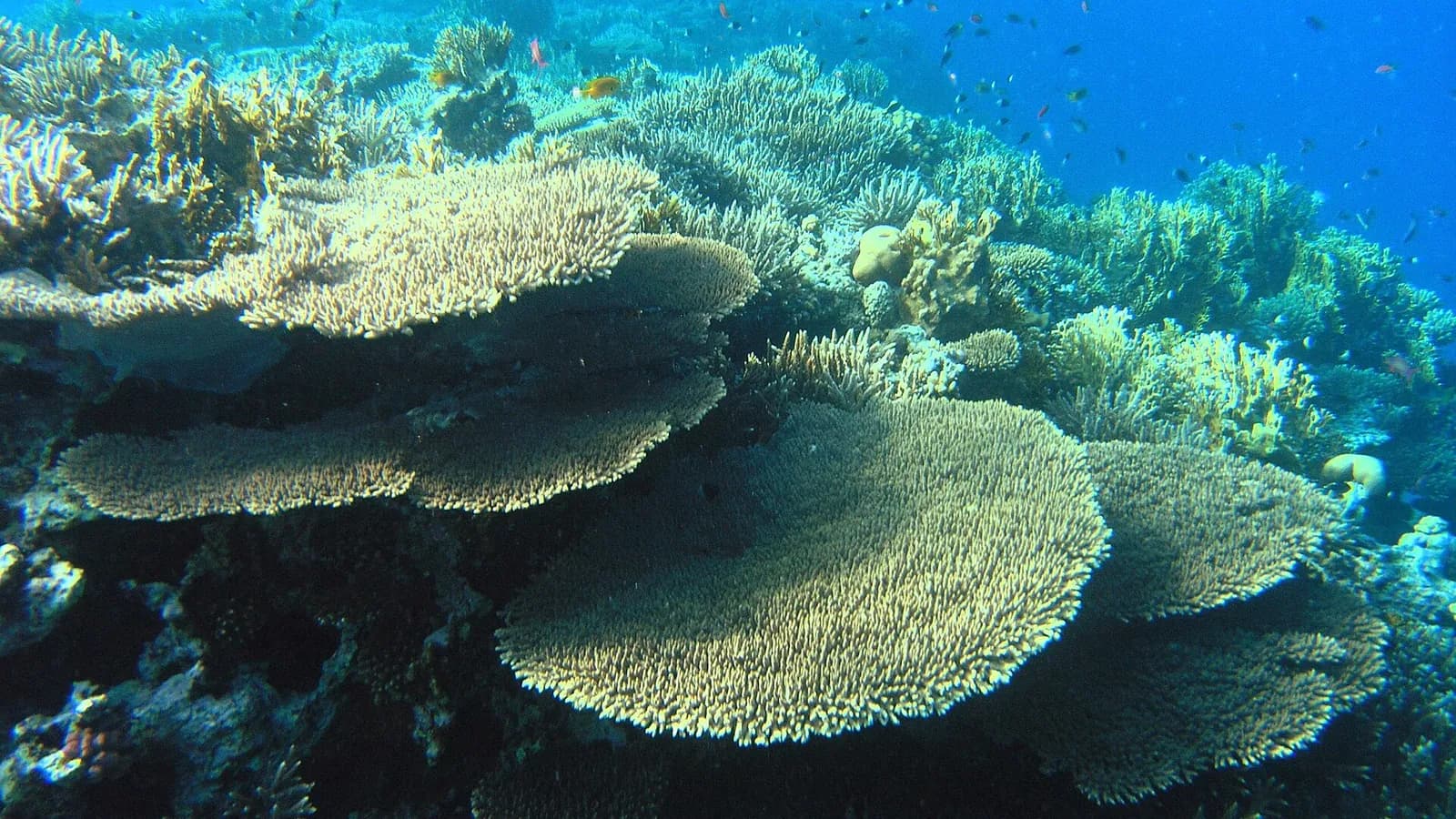
Hurghada Diving (2026): Best Sites, Packages & Prices
Diving in Hurghada — the best reefs (Giftun, Careless Reef, Dolphin House) and Abu Nuhas wrecks, Discover Scuba vs PADI courses, season and water temps, and real 2026 prices.
By TiE Editors7 min read
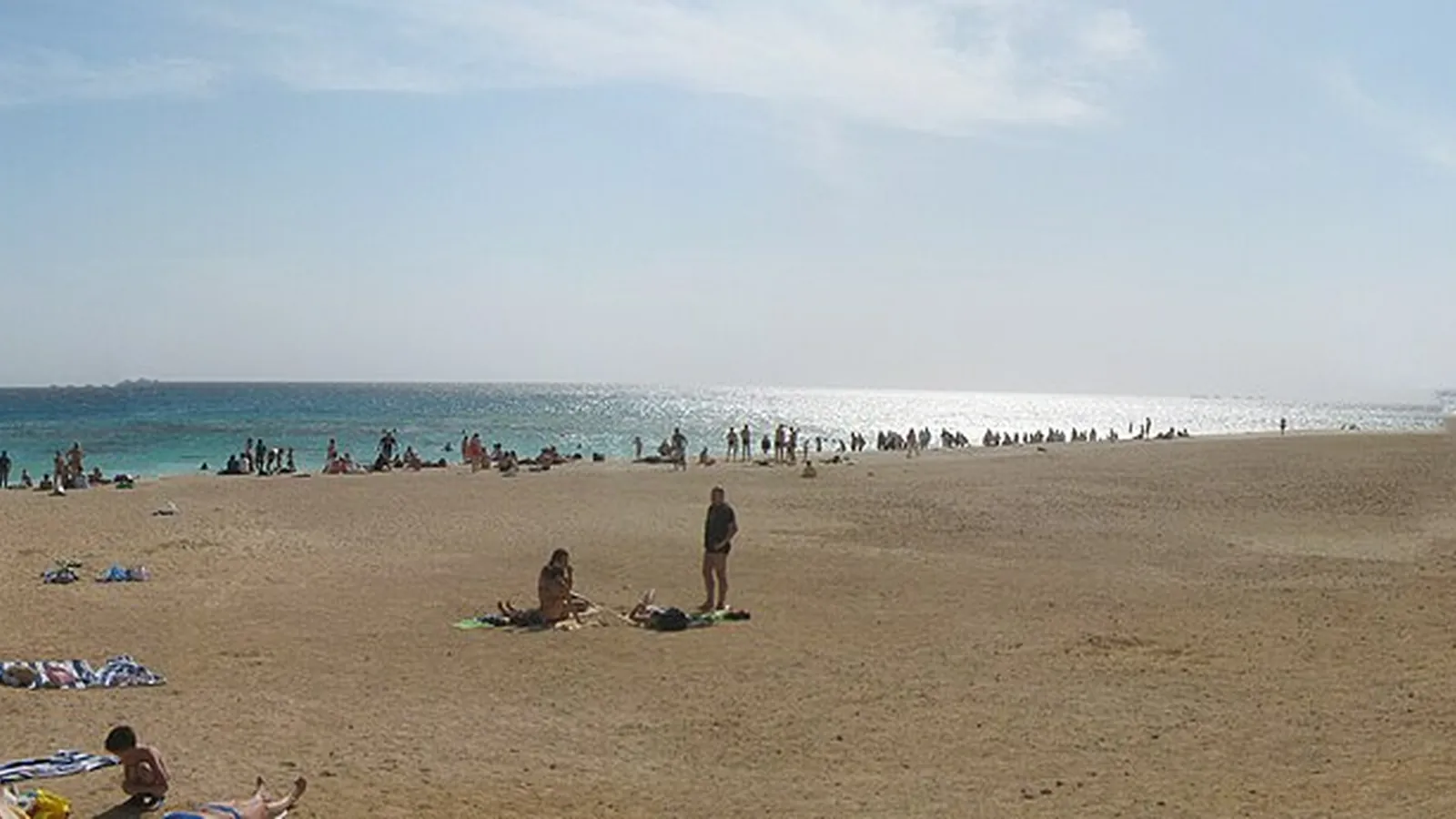
Hurghada Snorkeling Trips (2026): Best Reefs, Prices & How to Choose
Where to snorkel from Hurghada in 2026 — Orange Bay, Giftun, Mahmya, Utopia and Dolphin House — with boat types, marine life, month-by-month sea temperatures, family tips and real prices from 1,000+ bookable trips.
By TiE Editors7 min read
Egypt Tour Prices by Activity (2026): What Each Type Really Costs
What every type of Egypt experience costs — half day, full day or overnight — as a median and a mid-half range in US dollars, from 12,370 live bookable listings.
By TiE Editors6 min read