

Accessible Travel in Egypt (2026): An Honest Guide for Reduced Mobility
How accessible Egypt really is for wheelchair users and travelers with limited mobility - what works, what's genuinely hard, and how to plan a trip that flows.
Quick answer: Egypt is not an easy destination for travelers with reduced mobility - but it is a doable one, and getting better. The honest picture: ancient sites mean uneven stone, sand, steps and narrow tomb passages that were never built with access in mind, and public infrastructure (curbs, pavements, transport) is patchy. What makes Egypt work is not ramps at every temple - it's the human infrastructure. A private guide, a driver with an accessible vehicle, and a plan that swaps the impossible sites for the manageable ones will get a wheelchair user to the foot of the Great Pyramid, into the Grand Egyptian Museum, and onto a Nile cruise. This guide is about which parts flow and which don't, so you can plan around them.

The short answer: go private, go tailored
Self-guided, budget, public-transport travel is very tough with a mobility impairment in Egypt. Nearly every accessible traveler who has a good trip does it the same way: a private tour with a driver, an accessible or adaptable vehicle, and a guide briefed on your specific needs - what you can transfer to, how many steps you can manage, whether you need a viewpoint rather than the full walk. Specialist operators run wheelchair-friendly Egypt itineraries, including Nile cruises on ships fitted with lifts and accessible cabins. The premium over a standard tour is real, but it buys the difference between a trip that works and one that doesn't.
Across our catalog, private and tailored experiences in Cairo run roughly 2,200-9,900 EGP and cultural tours sit around a 4,700 EGP median - budget toward the upper end for a genuinely accessible private setup with the right vehicle and assistance. Start from our how to choose an Egypt tour guide, then ask operators directly about accessible vehicles and cabins.
Site by site: what to expect
| Site | Wheelchair reality |
|---|---|
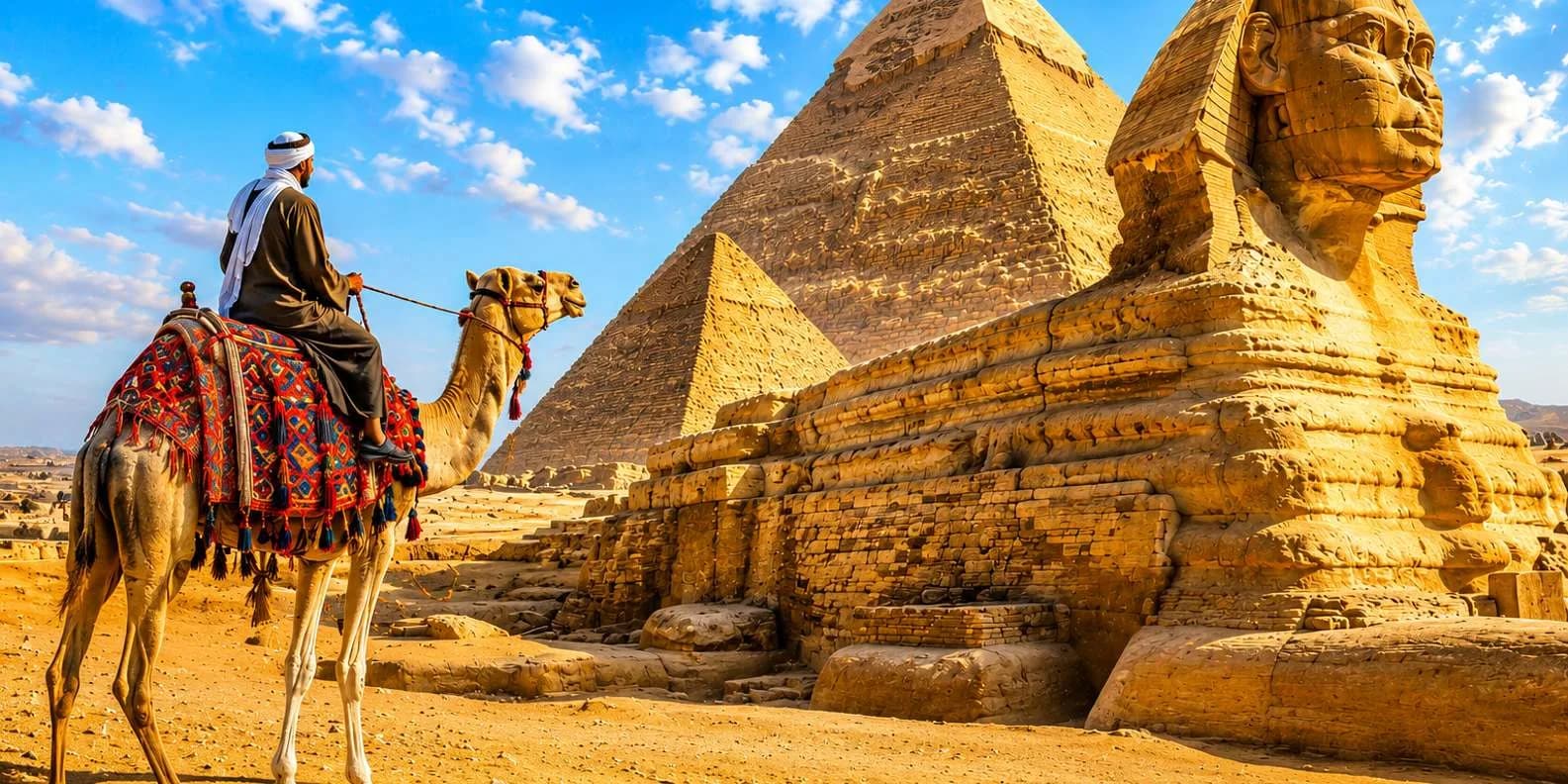
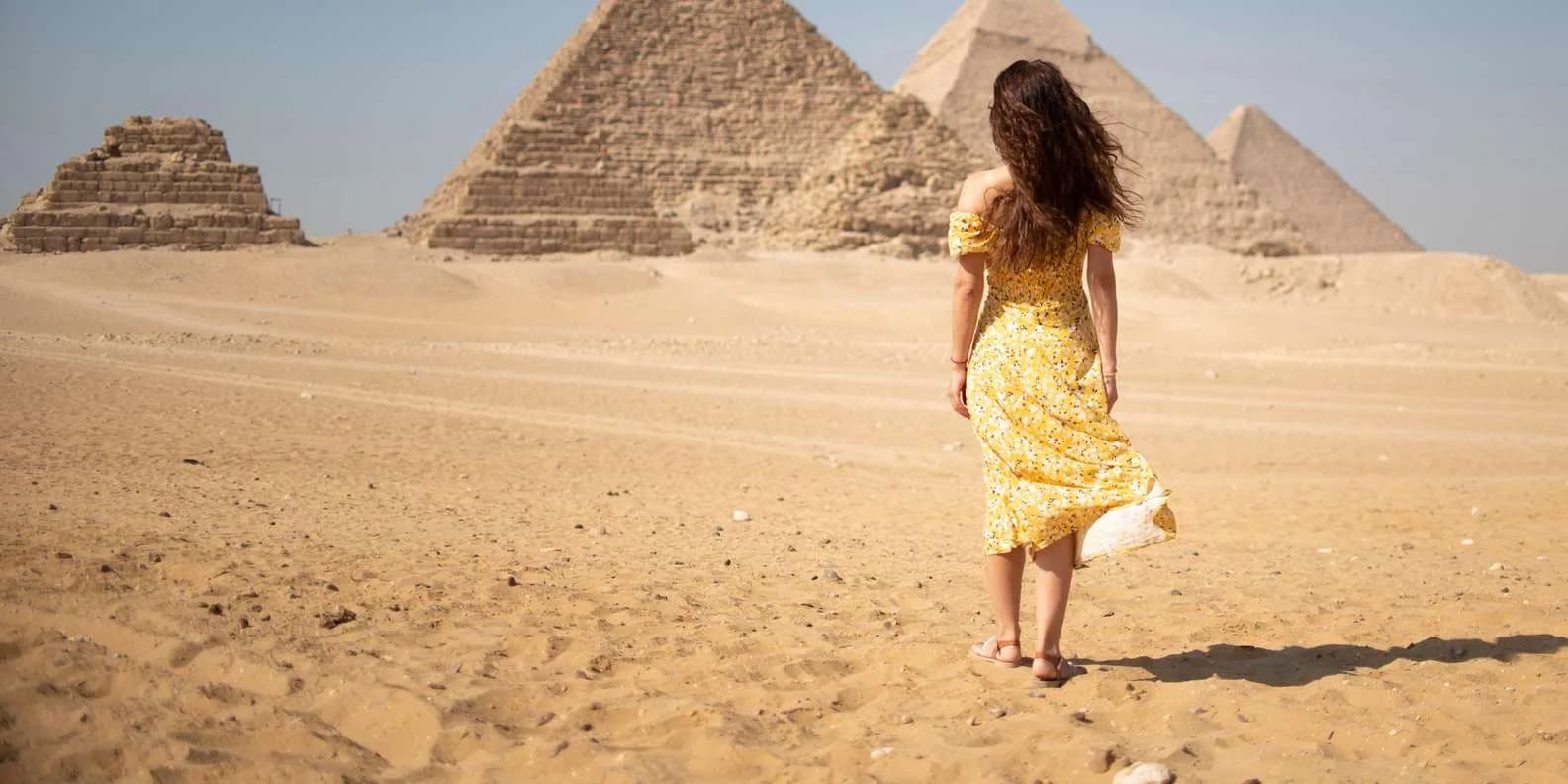
| Giza Pyramids (exterior) | Manageable - firm road up to the plateau, cars can drop near the base; the panorama viewpoint is drivable. Going inside a pyramid is not accessible (steep, low, ducking passages). |
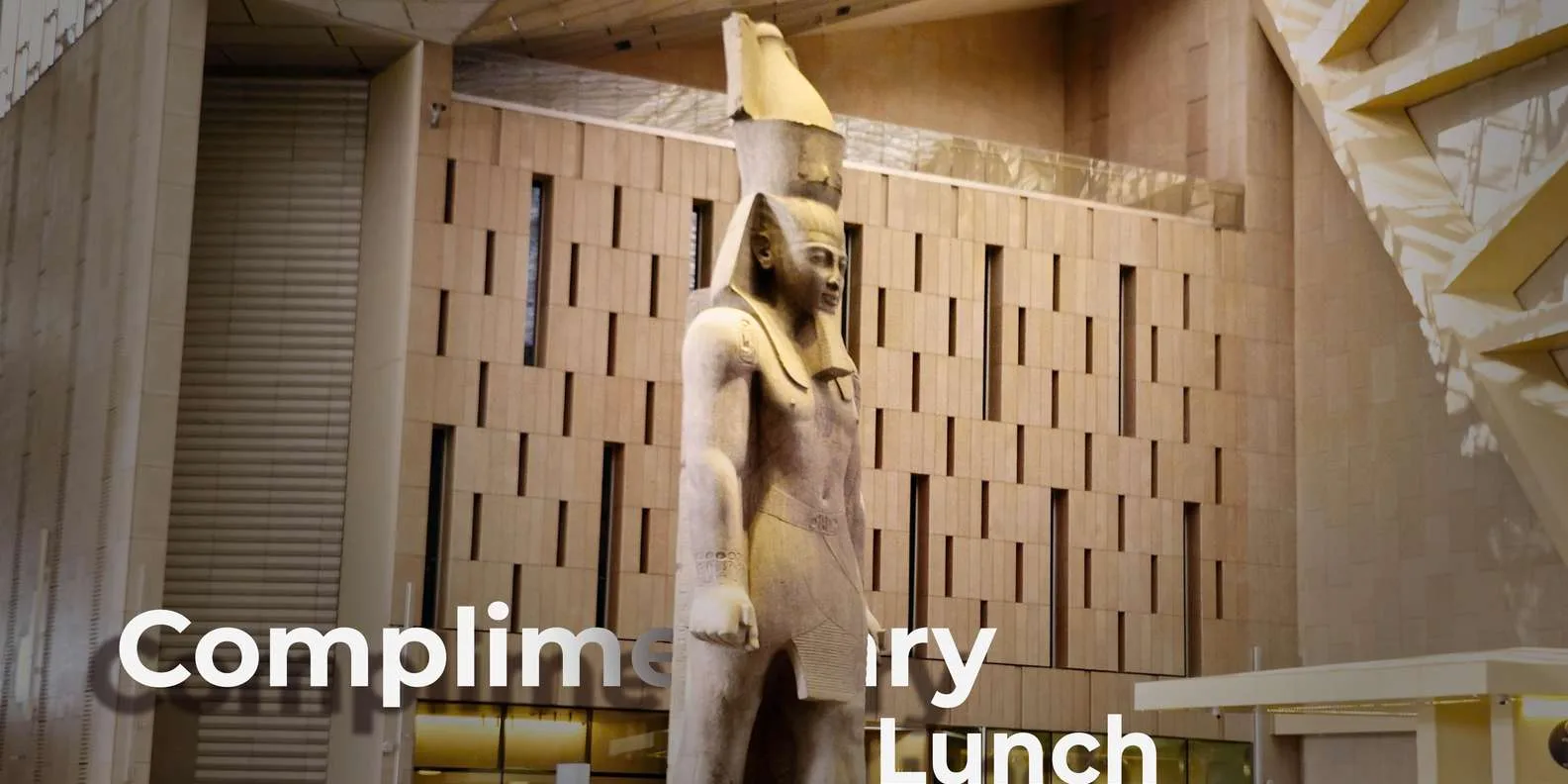
| Grand Egyptian Museum | The best in Egypt. Step-free entrances, ramps, lifts, wide corridors, accessible restrooms, and free wheelchairs at the entrance. Fully manageable. |
| Egyptian Museum (Tahrir) | Older building; a lift exists but is limited, some galleries have steps. Partly accessible with help. |
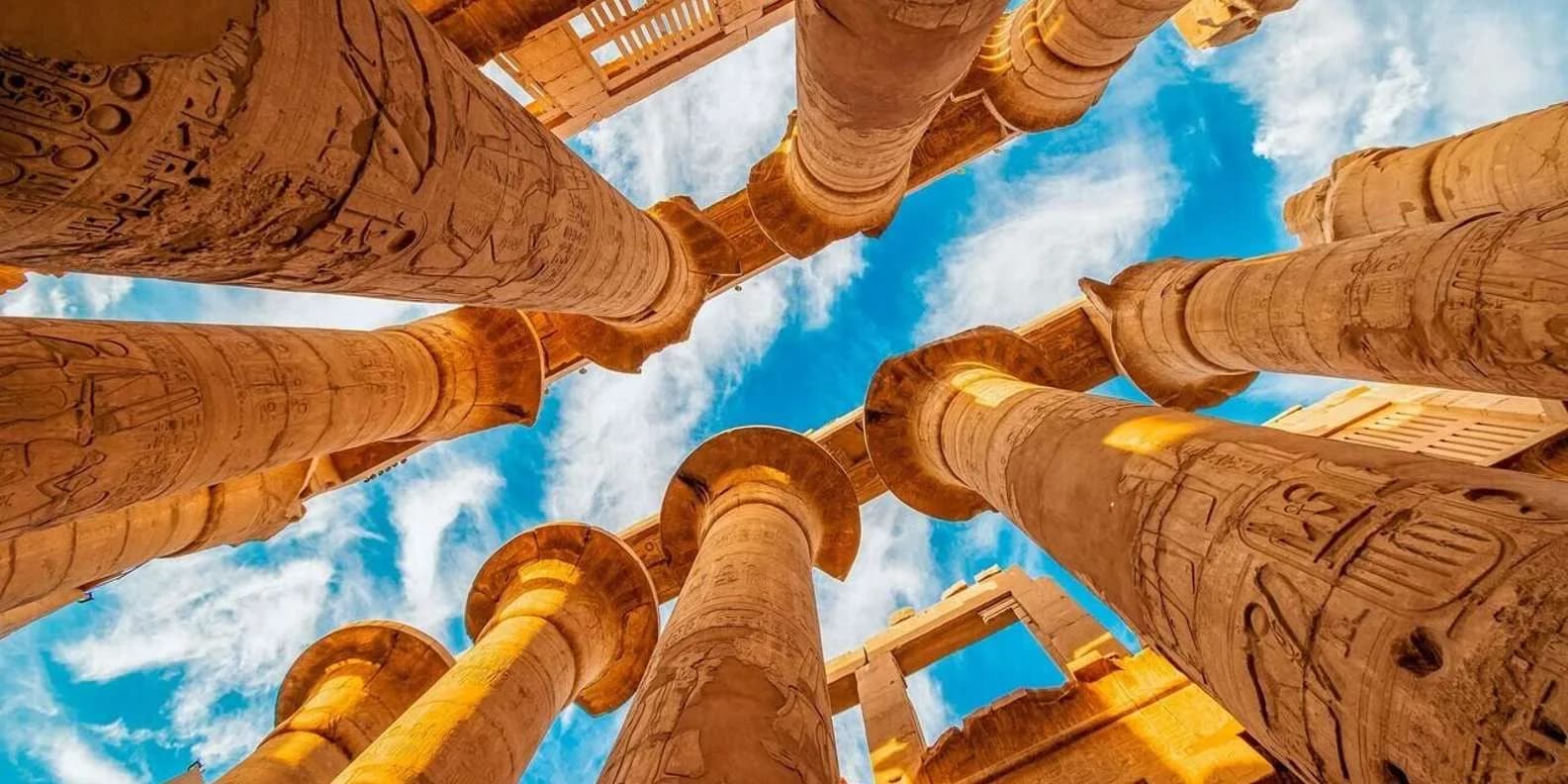
| Karnak Temple | Large, mostly flat sandy/paved ground - much of it can be done in a wheelchair, though surfaces are rough in places. One of the more accessible temples. |
| Luxor & Valley of the Kings | Mixed. Some tombs have long ramped descents (doable), others are steep with steps. Ask the guide which tombs are open and accessible on the day. |
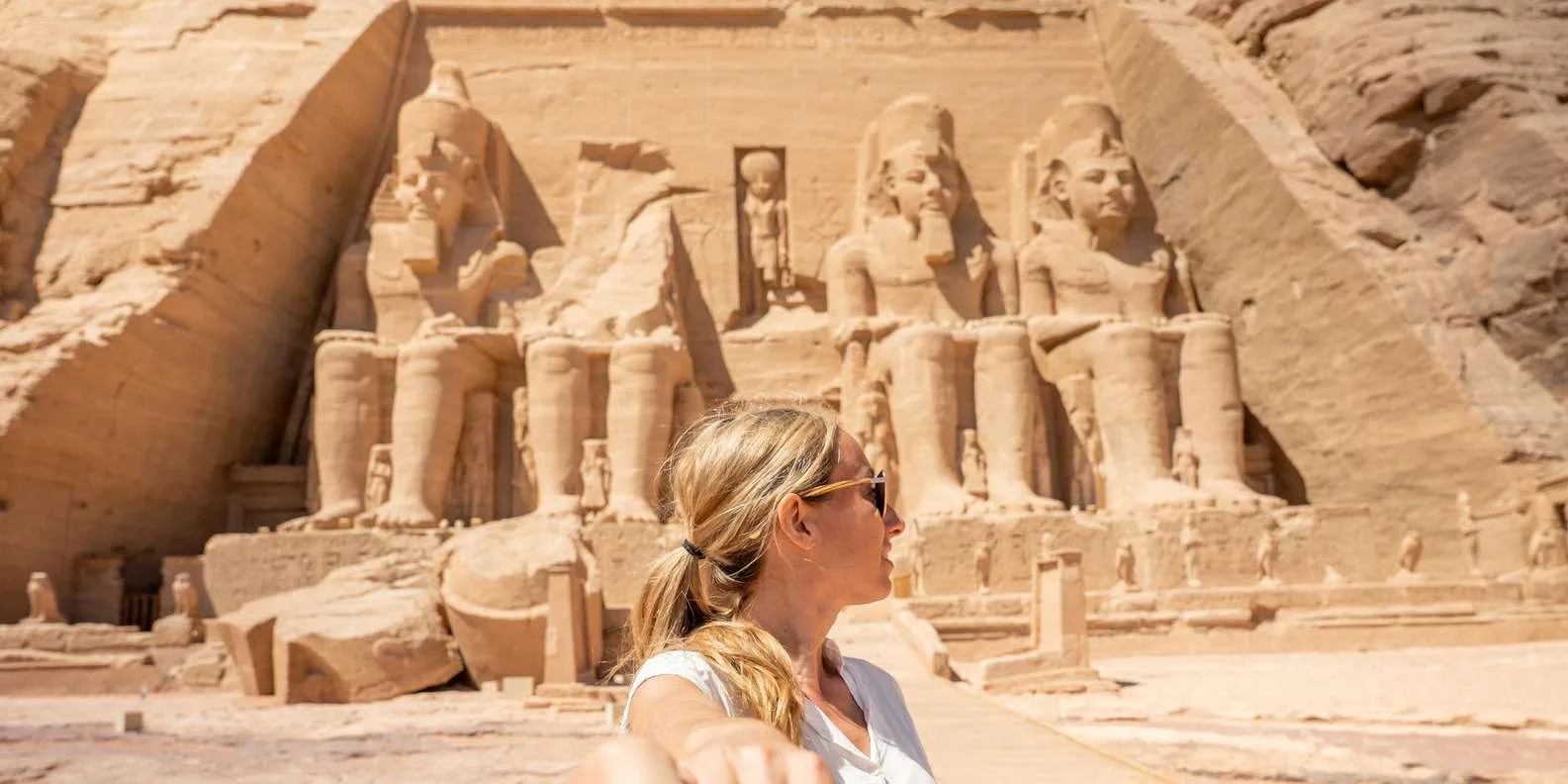
| Abu Simbel | Difficult - approach involves a walk around the hill and steps at the temple entrance; assess individually. |
| Nile cruise ships | Varies hugely. Newer/accessible-fitted ships have lifts and accessible cabins; many standard ships do not. Confirm before booking. |
The pattern is clear: exteriors, plazas and the new museum are fine; interiors of tombs and pyramids are the hard no. A good guide plans the day around that, and you lose far less than you'd fear - the Giza panorama, Karnak's forest of columns and the GEM's Tutankhamun halls are the headline experiences, and all three are workable.
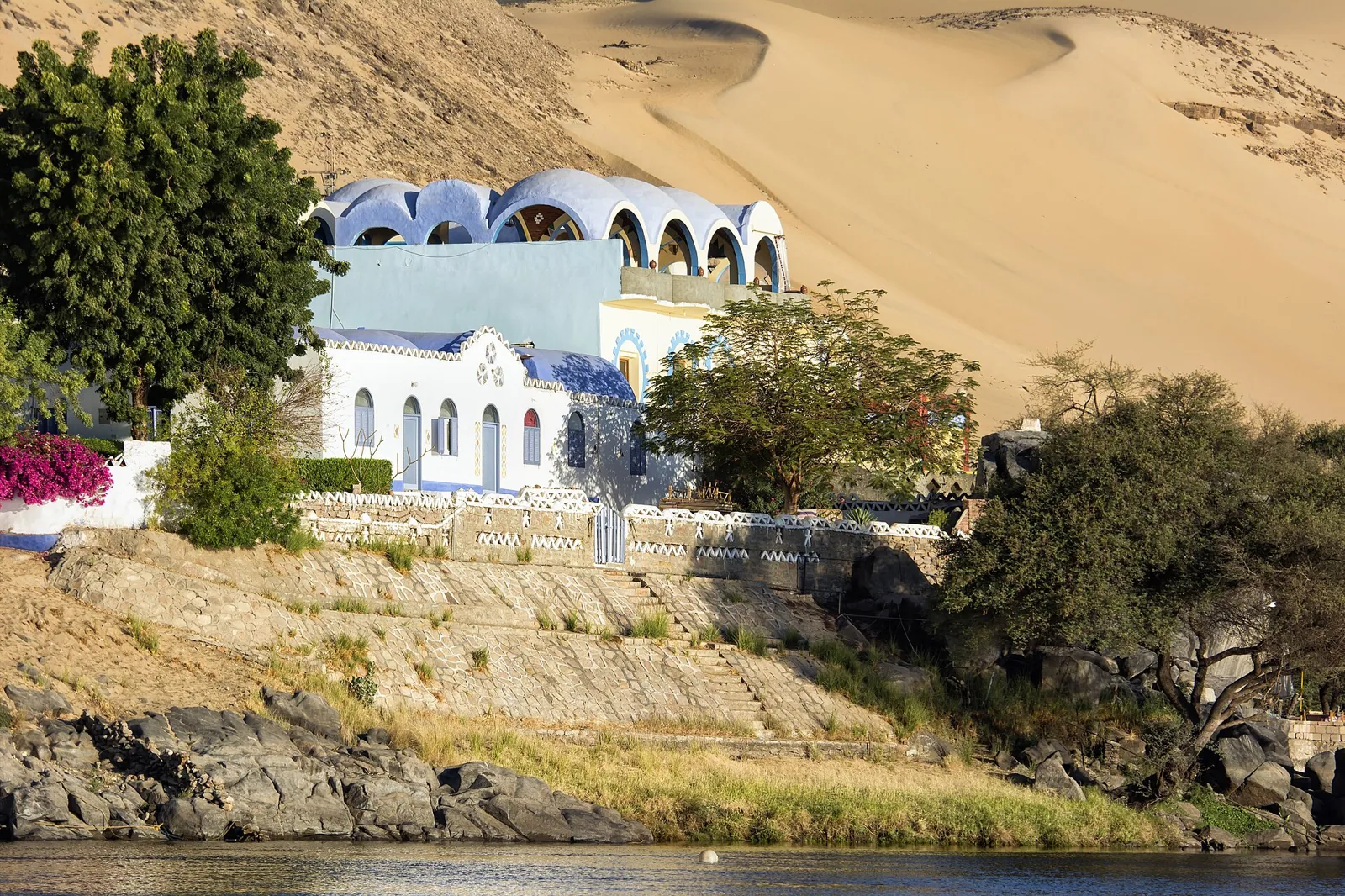
Nile cruises: choose the ship, not just the itinerary
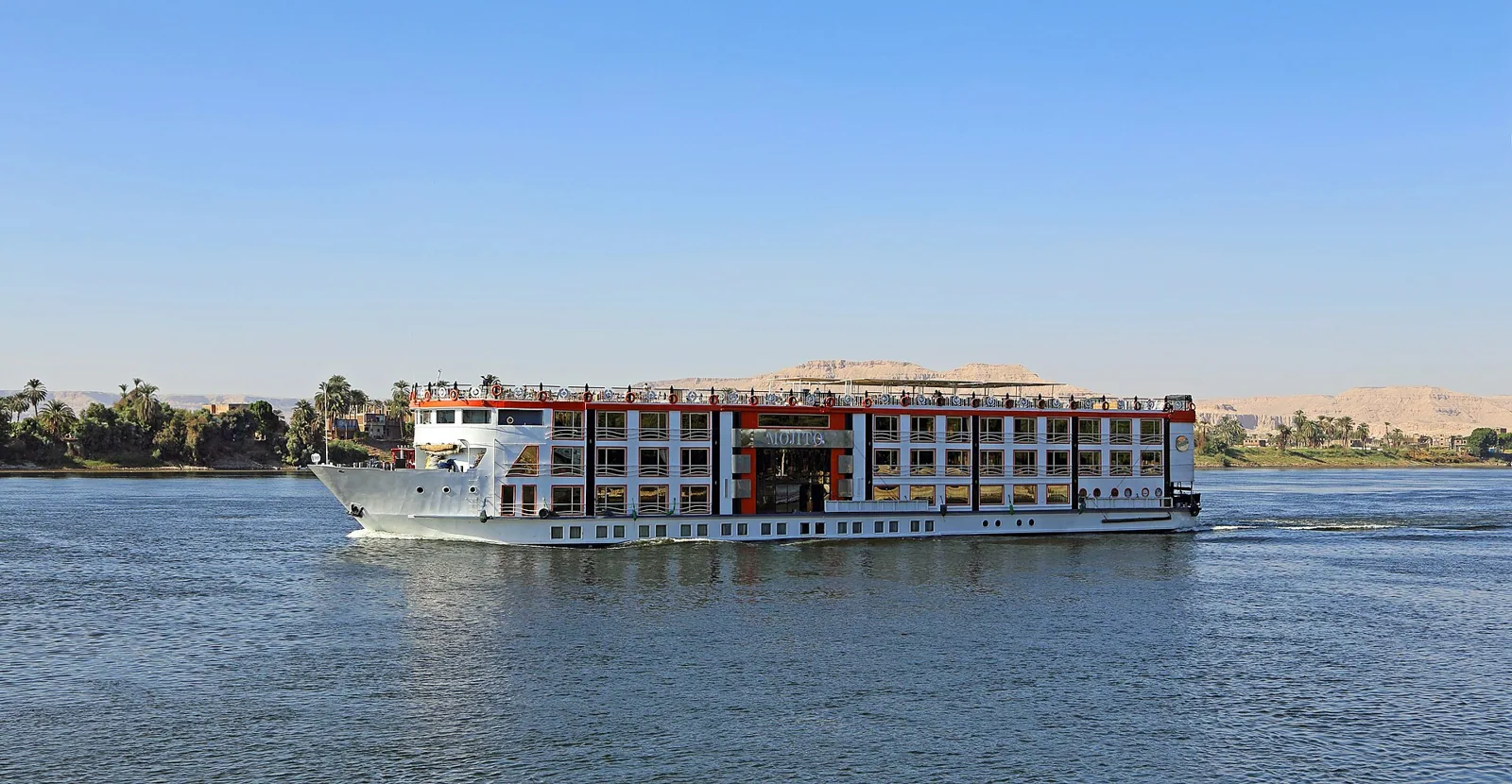
A Nile cruise is one of the more accessible ways to see Upper Egypt, because your hotel moves with you and you're not repacking daily. The catch is that accessibility is a property of the specific ship, not the route. Look for vessels advertising lifts between decks and purpose-built accessible cabins (wider doors, roll-in bathrooms) - several small five-star ships now offer these, and specialist operators book them as a matter of course. On board, sun decks and dining rooms are usually reachable; the friction is at the temple stops on shore, where you're back to the site-by-site picture above. Ask the operator, in writing, about deck lifts, cabin bathroom layout, and how they handle the gangway at each mooring, which can be a steep ramp.
Getting around and on the ground
Cairo traffic, high curbs and uneven pavements make independent wheeling hard, which is another reason the private-driver model wins. A few practical realities:
- Airports: Cairo and the tourist airports offer assistance and aisle chairs; arrange it with your airline in advance.
- Vehicles: True wheelchair-accessible vans with lifts exist but are limited - book through a specialist. Many trips instead use a standard high-roof van with a driver and guide who assist with transfers.
- Accessible restrooms: Reliable at the GEM and top hotels; scarce at older sites. Plan around hotel and restaurant stops.
- Heat: For anyone with a condition affected by temperature, avoid the summer furnace and travel in the cooler months. See our best time to visit guide - roughly November to March is far kinder.
- Companions: Egyptians are quick to help lift and assist, and staff at hotels and sites are generally warm about it. Bring a strong traveling companion regardless; you'll need spontaneous help over kerbs and thresholds.
Sensory, hearing and other needs
Most of this guide addresses mobility, but Egypt suits some other needs well. The sound and light shows at Giza and Karnak are seated, evening events with narration and are comfortable for slower walkers. For blind and low-vision travelers, the GEM has introduced tactile and assistive elements. Deaf and hard-of-hearing travelers do fine with a private guide (visual, one-to-one). For anyone with a chronic condition, carry a supply of medication in your hand luggage, a doctor's note for anything unusual, and comprehensive travel insurance - see our Egypt travel guide for the essentials.
How to plan it, step by step
- Decide your non-negotiables. Giza panorama and the GEM? Karnak? A cruise? Build the trip around what's achievable and skip the tomb interiors without guilt.
- Use a specialist accessible-Egypt operator, or a mainstream private operator you've grilled specifically on accessible vehicles, cabins and step counts. Get answers in writing.
- Book the ship by name, confirming lift and accessible cabin - not just "an accessible cruise."
- Travel in the cool season (Nov-Mar) and keep days short: mornings at sites, afternoons resting.
- Insure fully and pack medication, a note from your doctor, and any small mobility aids you rely on.
Egypt rewards the effort. The friction is real and worth naming plainly - but the sight of the pyramids from the plateau, or Karnak's columns rising over you, does not require you to climb anything. With the right operator, most of Egypt's greatest hits are within reach. Browse tailored options on our search page and lead every enquiry with your access needs.
A real team available 24/7 to assist you — free
Seif and the team reply on WhatsApp 24/7 — trip questions, custom plans and booking help.
Ask Seif on WhatsAppCommon questions
Is Egypt wheelchair accessible?
Partly. Modern venues like the Grand Egyptian Museum are fully step-free with lifts, ramps and free wheelchairs. Site exteriors - the Giza plateau, much of Karnak - are manageable. But tomb and pyramid interiors, older buildings, and public streets and transport are largely not accessible. Most wheelchair users travel successfully via a private, tailored tour with an accessible vehicle and a briefed guide.
Can a wheelchair user visit the Pyramids of Giza?
Yes, to a point. A firm road runs up to the plateau and cars can drop you near the base, and the panorama viewpoint is reachable by vehicle. What is not accessible is going inside a pyramid - the entry passages are steep, low and require ducking and climbing. The exterior experience, which is the main draw, works well.
Are Nile cruises accessible for wheelchair users?
It depends entirely on the specific ship. Some newer five-star vessels have lifts between decks and purpose-built accessible cabins with roll-in bathrooms; many standard ships have neither. Book the ship by name through a specialist operator and confirm deck lift, cabin bathroom layout, and how the gangway is handled at each mooring.
Is the Grand Egyptian Museum accessible?
Yes - it's the most accessible major site in Egypt. It has step-free entrances, ramps, lifts, wide corridors, accessible restrooms and parking, and free wheelchairs available at the main entrance. It's fully manageable for wheelchair users and slower walkers.
Should I book a specialist accessible tour operator for Egypt?
For most travelers with reduced mobility, yes. A specialist (or a mainstream private operator grilled on accessible vehicles, cabins and step counts) will supply the right vehicle, book an accessible ship, and plan sites around your abilities. Independent, public-transport travel is very difficult given curbs, uneven pavements and limited infrastructure.
When is the best time to visit Egypt with limited mobility?
The cooler months, roughly November to March. Egyptian summer heat is extreme and dangerous for anyone with a heat-sensitive condition, and it makes the walking and transfers far harder. Cool-season mornings at sites with afternoon rest is the comfortable rhythm.
Are there accessible toilets at Egyptian tourist sites?
Reliably only at the Grand Egyptian Museum and top-tier hotels and restaurants. Older archaeological sites rarely have accessible restrooms, so plan your day around hotel, museum and restaurant stops for facilities.
How much does an accessible private tour of Egypt cost?
Expect to budget toward the upper end of standard private-tour pricing - in our catalog, private Cairo experiences run roughly 2,200-9,900 EGP and cultural tours cluster around a 4,700 EGP median, with accessible vehicles and cabins adding a premium. Get a written quote that specifies the accessible vehicle and, for cruises, the named ship and accessible cabin.
Egypt's bestsellers
The experiences travelers book most, across the country



Keep reading
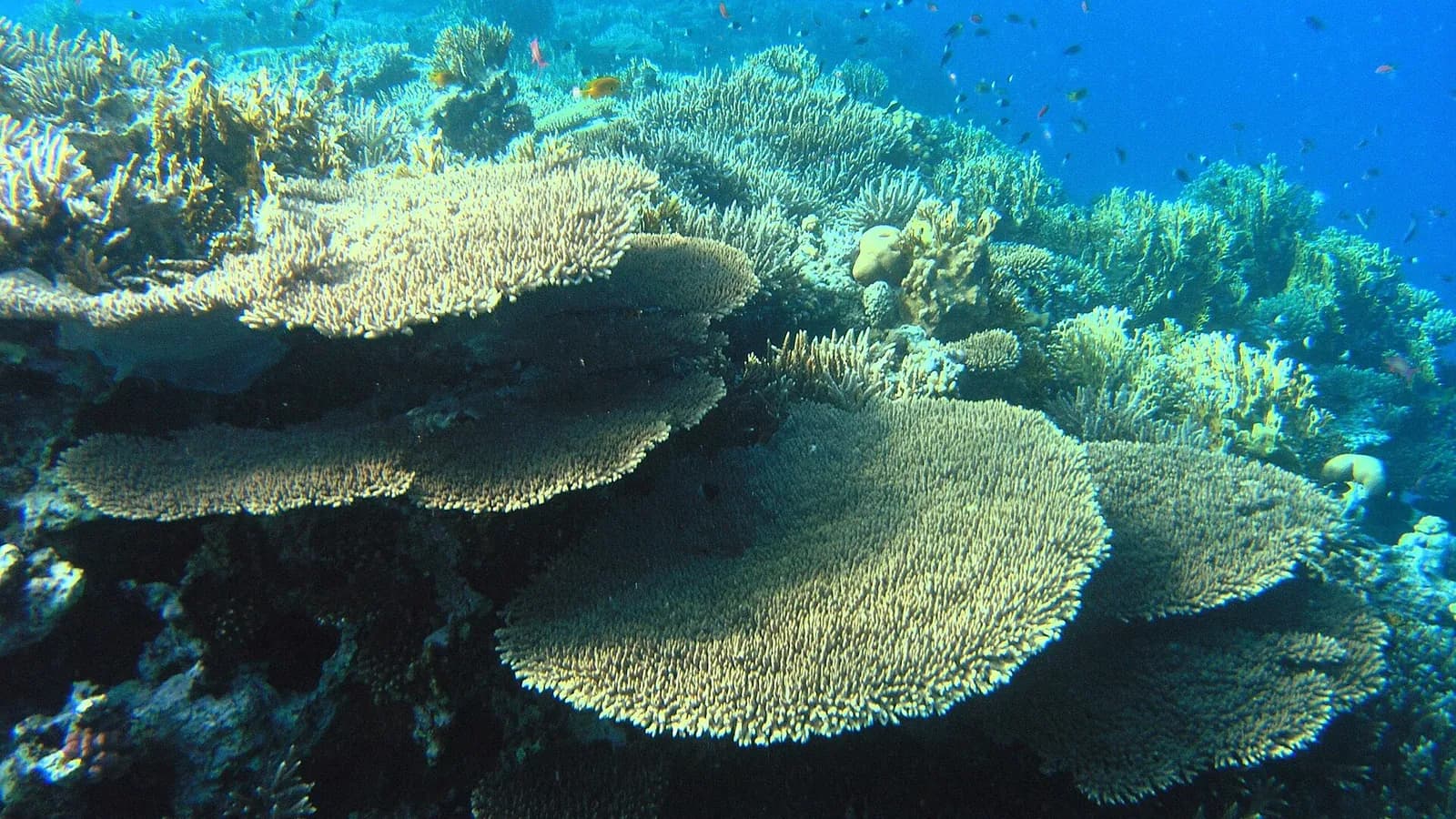
Hurghada Diving (2026): Best Sites, Packages & Prices
Diving in Hurghada — the best reefs (Giftun, Careless Reef, Dolphin House) and Abu Nuhas wrecks, Discover Scuba vs PADI courses, season and water temps, and real 2026 prices.
By TiE Editors7 min read
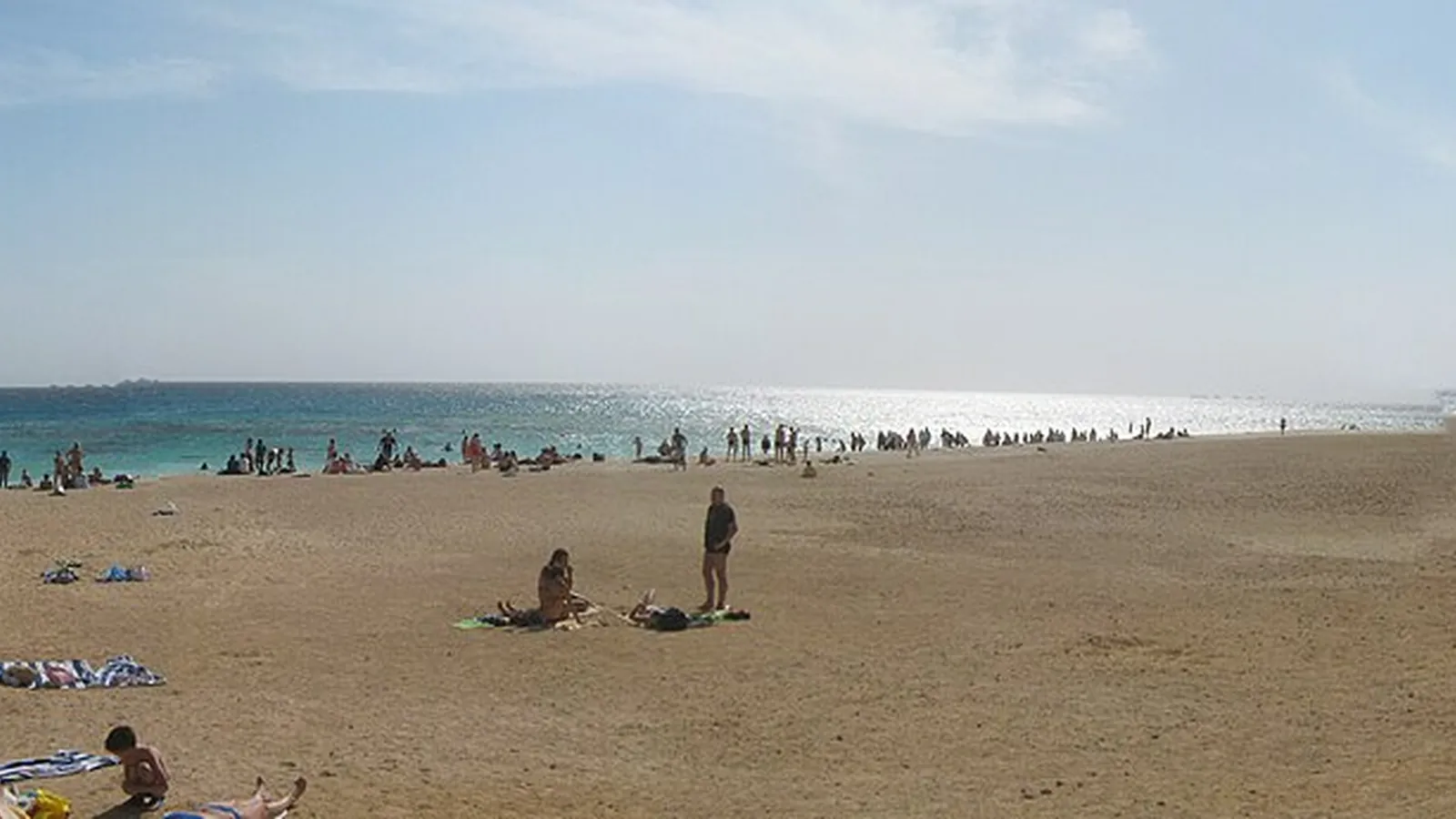
Hurghada Snorkeling Trips (2026): Best Reefs, Prices & How to Choose
Where to snorkel from Hurghada in 2026 — Orange Bay, Giftun, Mahmya, Utopia and Dolphin House — with boat types, marine life, month-by-month sea temperatures, family tips and real prices from 1,000+ bookable trips.
By TiE Editors7 min read
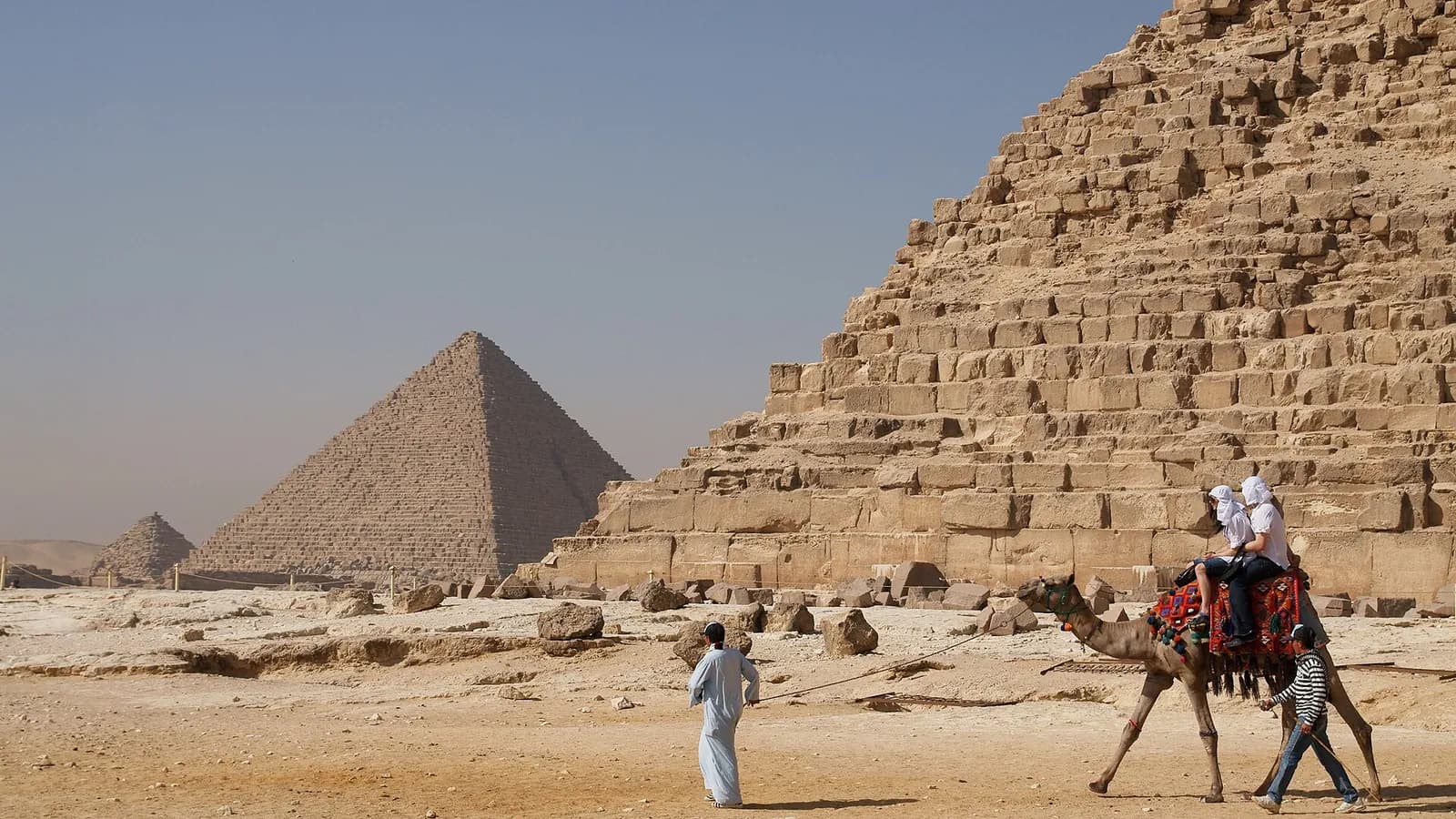
Egypt Tour Prices by Activity (2026): What Each Type Really Costs
What every type of Egypt experience costs — half day, full day or overnight — as a median and a mid-half range in US dollars, from 12,370 live bookable listings.
By TiE Editors6 min read