 Photo by Figure, via Wikimedia Commons, CC BY-SA 3.0
Hurghadai snorkelezéses kirándulások (2026): legjobb zátonyok, árak és hogyan válassz
Hol snorkelezz Hurghadából 2026-ban – Orange Bay, Giftun, Mahmya, Utopia és Dolphin House – hajótípusokkal, tengeri élővilággal, havi bontású vízhőmérséklettel, családi tippekkel és valós árakkal több mint 1000 foglalható kirándulásból.
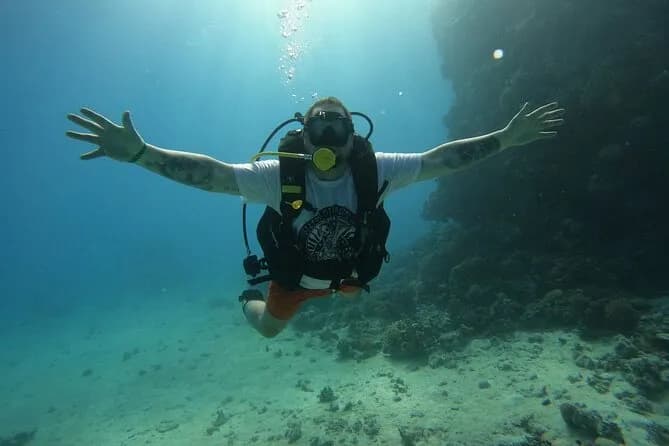
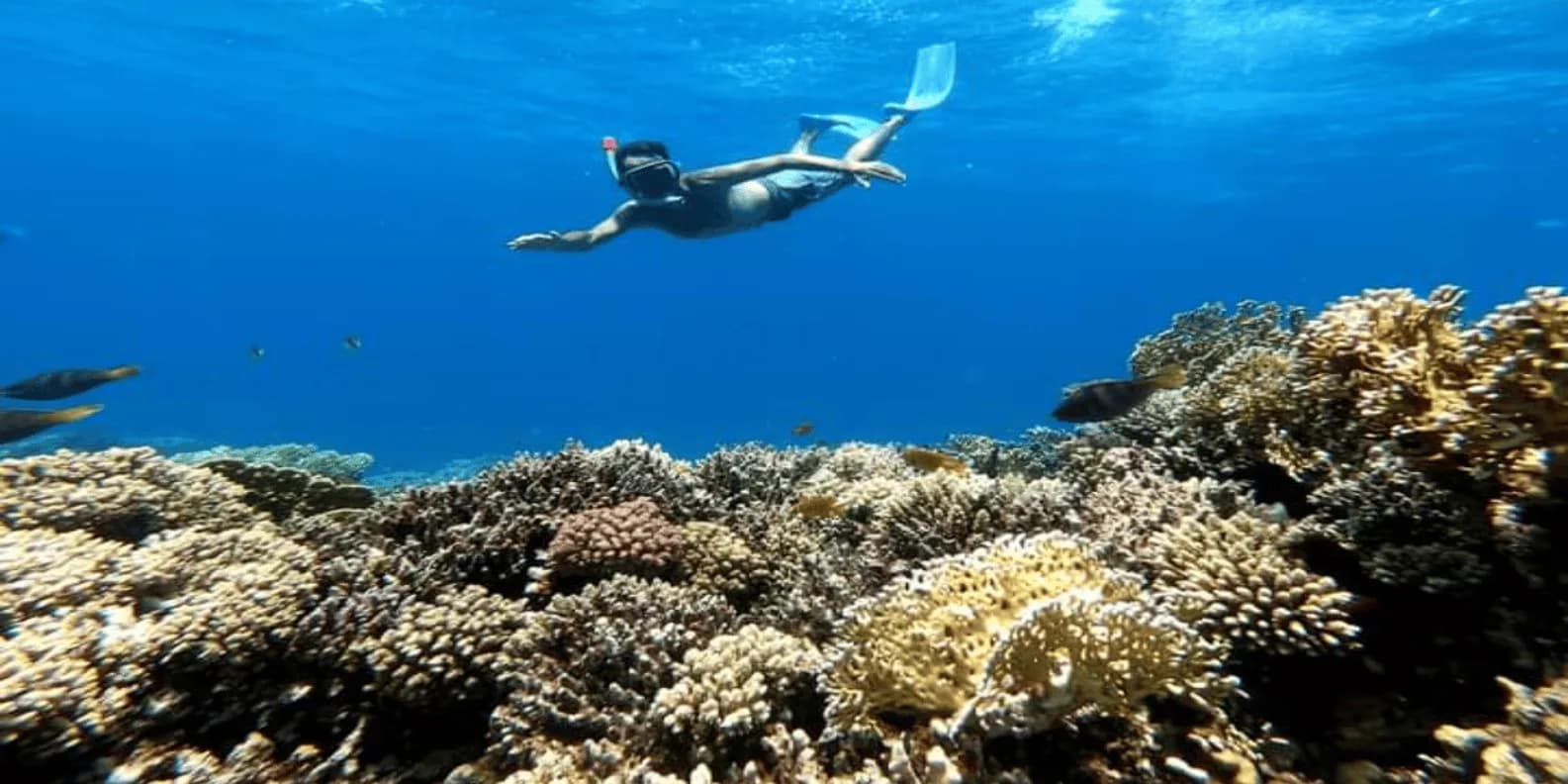
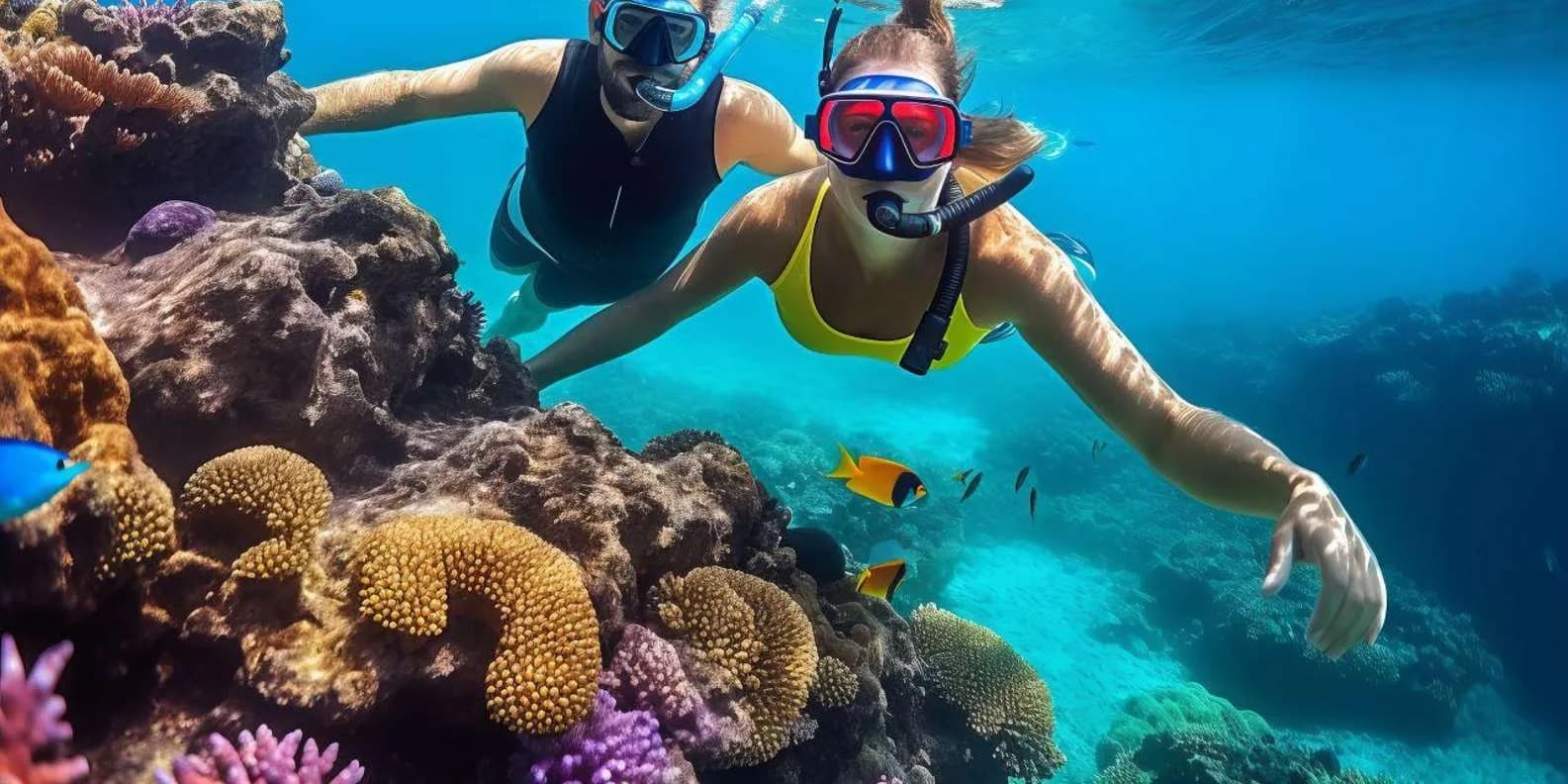
Hurghada a Vörös-tenger egyik nagyszerű snorkelezőbázisa. Meleg, üvegtiszta víz élő korall felett, mindössze egy rövid hajóútra az üdülőktől, a tengeri szigetek védett tengeri nemzeti park, és egy jó napon a látótávolság meghaladja a 20–30 métert. Nagyjából március és november között a tenger kellemes 24–30 °C-ot tart, a zátonyok pedig hemzsegnek az anthiaszok felhőitől, papagájhalaktól, sárkányhalaktól, murénáktól, zöld teknősöktől és – az északi útvonalakon – vad pörgőcsőrös delfinektől. A This is Egypt több mint 1000 foglalható hurghadai vízi tevékenység-kirándulásán a jellemző ár körülbelül 2 105 EGP (nagyjából 43 USD) fejenként, a snorkelezéses egynapos kirándulások pedig kifejezetten a 2 449 EGP (~50 USD) körül csoportosulnak, általában szállodai felvétellel, felszereléssel és ebéddel együtt.
Ez az útmutató bemutatja, hol snorkelezel valójában, melyik hajó illik hozzád, mit fogsz látni a víz alatt, a havi bontású tengeri körülményeket, a valós 2026-os árakat, és hogyan válassz jó kirándulást egy zsúfolt helyett. A búvárkodáshoz lásd hurghadai búvárkodás útmutatónkat, a hajóutak és vitorlázási lehetőségek teljes választékához pedig a legjobb hurghadai vörös-tengeri hajókirándulásokat.
A zátonyok és szigetek, ahonnan Hurghadából snorkelezel
Szinte minden kirándulás egy 7–25 km-re a parttól fekvő, alacsony, naptól kifakult szigetek és homokpadok csoportja felé indul, legtöbbjük a Giftun tengeri nemzeti parkon belül, amelyet 1986-ban nyilvánítottak Egyiptom egyik elsőjeként. Segít a várakozásokat beállítani, ha megérted, mi is valójában az egyes szigetek, mert több „sziget” valójában napközbeni használatú strand ugyanazon a zátonyrendszeren.
- Orange Bay – az egyetlen leglátogatottabb helyszín: egy híres fehér homokos strand a Giftun-zátonyon sekély, türkiz sekélyekkel. Nagyon fotogén, könnyű, könnyed snorkelezés a homokpadról, és késő délelőttre zsúfolt. A legjobb kezdő zátony.
- Giftun Kebir (Nagy Giftun) – a nemzeti park legnagyobb szigete, körülbelül 10 km-re a parttól, hosszú szegélyzátonyokkal és drámai leszakadásokkal. A legtöbb egynapos kirándulás horgonypontja; egy kis tengeri parki természetvédelmi díj érvényes.
- Giftun Soraya (Kis Giftun) – meredek zátonyfalak és csatornák, a búvárok jobban értékelik, mint a hétköznapi snorkelezők.
- Mahmya – egy öko-stílusú, csendesebb és zöldebb strand a Giftunon, amelyet a partról egyenesen kiváló zátonymegközelítéséről és helyszíni konyhájáról ismernek.
- Paradise Island – egy pezsgő strandklub mélyebb vízzel az igazi úszáshoz, déli szórakoztatással és egy házi zátonnyal a snorkelezéshez.
- Magawish Island – egy kis, békés sziget tiszta vízzel és fehér homokkal, amelyet gyakran a Karib-térséghez hasonlítanak; szelíd snorkelezés és kevés tömeg.
- Utopia Island – egy távoli homokpad, amelynek „varázslatos” homokja az árapállyal együtt mozog, egészséges korallkertekkel körülvéve. Nyugodtabb és sokkal kevésbé zsúfolt, mint az Orange Bay.
A strandokon túl Hurghada zátonyrendszere klasszikus snorkelező- és búvárneveket foglal magában, amelyeket a kirándulási ajánlatokban látsz: Abu Ramada (a sűrű halfelhőiért az „Akvárium” becenevet kapta), El Fanadir, El Fanous (egy sekély, védett korallkert, ideális kezdőknek), Umm Gamar és északabbra a Careless Reef.
Dolphin House (Sha'ab El Erg): snorkelezés vad delfinekkel
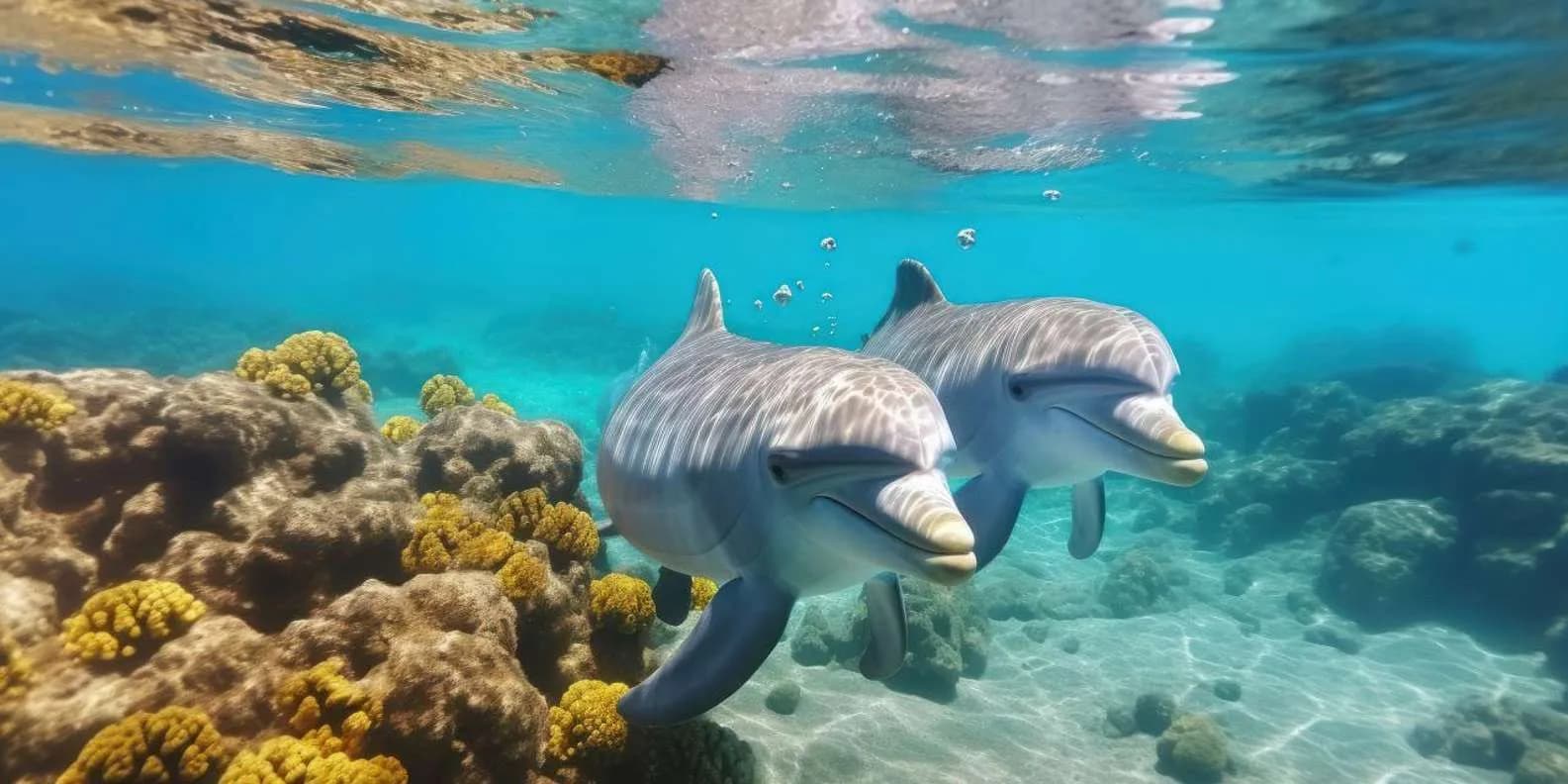
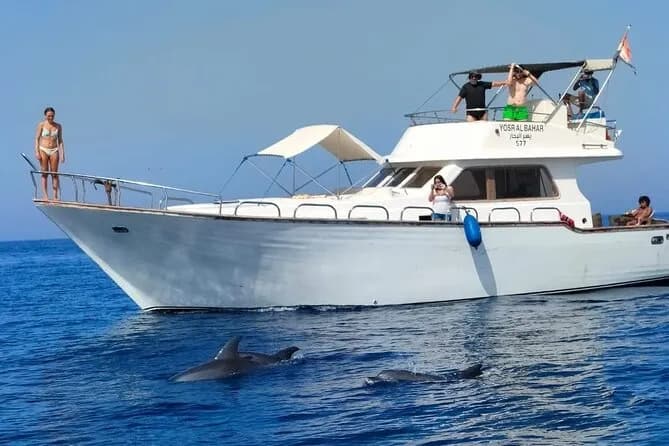
A zátony, amelyre a legtöbben a „Dolphin House” alatt gondolnak, a Sha'ab El Erg, egy nagy, patkó alakú zátony körülbelül 25 km-re Hurghadától északra. Homokos lagúnája és korallkertjei egyike a kevés helynek, ahol vad pörgőcsőrös és palackorrú delfinek rendszeresen pihennek napközben, ezért ez az a kirándulás, amelyet foglalj, ha a delfinek látása a prioritásod. A megfigyelések gyakoriak, de sosem garantáltak – ezek vad csapatok, ezért maradj nyugton, tartsd a távolságot, és hagyd, hogy közeledjenek, ne üldözd őket. Mivel hosszabb parttól távoli útvonalról van szó, a Dolphin House-kirándulások általában egész naposak, és gyakran gyorsabb hajókat használnak. Próbáld ki a 3 sziget, delfinek és snorkelezés jachtos kirándulást, ha nyugodt hajóutat szeretnél, vagy a motorcsónakos delfinek és snorkelezés 2 szigetre kirándulást, ha inkább kevesebb időt töltenél úton.
Hajótípusok: jachtos hajóút, motorcsónak vagy üvegfenekű
A hajó formálja az egész napot, ezért a formátumot válaszd ki az úti cél előtt.
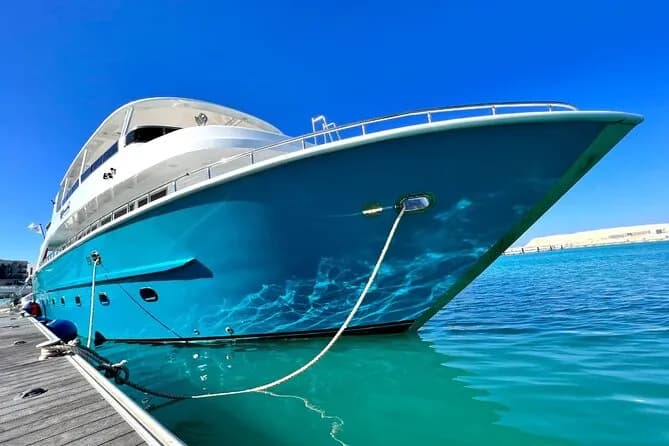
- Jacht / nagy hajóút-hajó – a standard egész napos „szigethajóút”. Tágas napozófedélzetek, árnyék, rendes büféebéd vagy grillezett tengeri herkentyűk, mellékhelyiségek és általában 2–3 snorkelezőmegálló. Lassabb és zsúfoltabb (40–80 vendég), de a legkényelmesebb és a legjobb ár-érték arányú. Ideális családoknak és először próbálkozóknak.
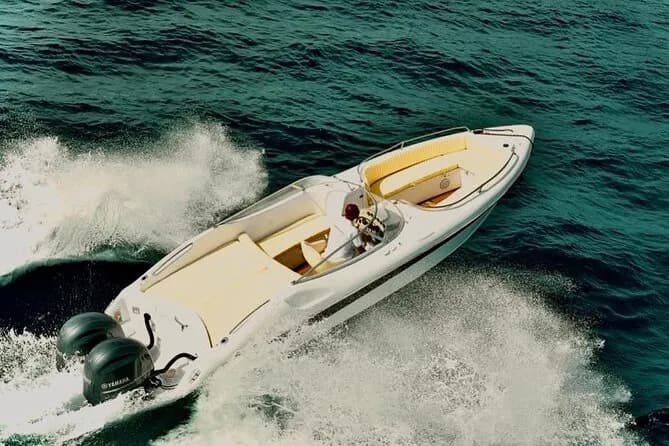
- Motorcsónak – kisebb csoportok (gyakran 8–20), gyorsabb, és több vagy távolabbi zátonyt tud elérni egy nap alatt (3 szigetes és 6 szigetes útvonalak, vagy Dolphin House). Kevesebb árnyék és zötykölősebb út, de sokkal kevesebb ember a vízben veled. A választás, ha zavar a tömeg, vagy delfineket szeretnél.
- Privát hajó / jachtbérlés – saját legénység, menetrend és megállók. A legdrágább lehetőség, de verhetetlen családoknak, csoportoknak vagy bárkinek, aki üres zátonyokat szeretne.
- Üvegfenekű hajó és félig merülő tengeralattjáró – nem úszóknak és kisgyermekeknek. A Royal Seascope félig merülő tengeralattjárónak víz alatti nézőteste van, így nedvesedés nélkül nézed a zátonyt és a halakat, a legtöbb kirándulás pedig még mindig tartalmaz egy snorkelezőmegállót azoknak, akik szeretnék.
Milyen tengeri élővilágot fogsz látni
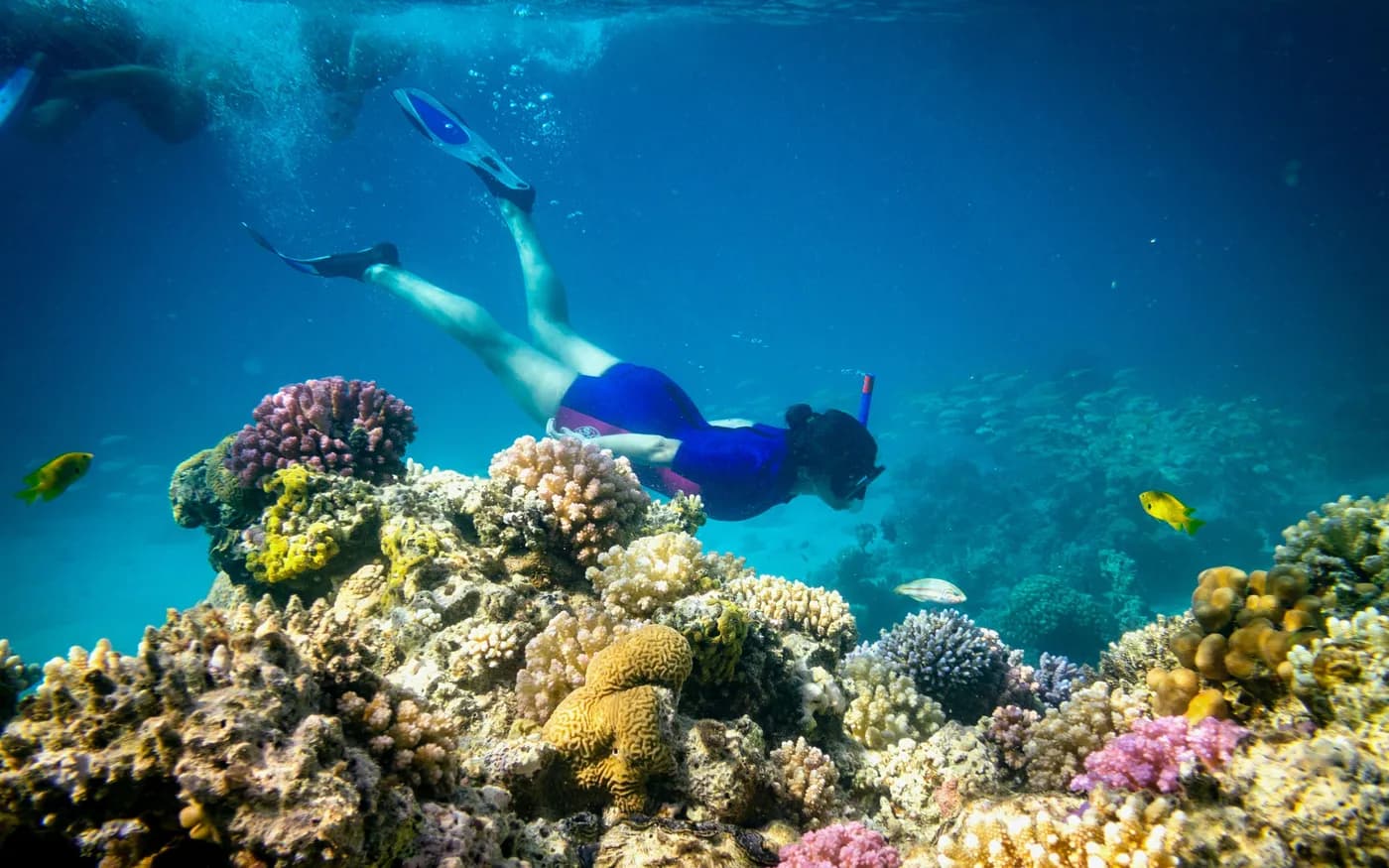
A Vörös-tenger félig zártan fejlődött évmilliókon át, és az endemizmus gyűjtőhelyévé vált, több mint 1000 halfajjal és 200-nál is több korallal – nagy részük sehol máshol nem található a Földön. Már a zátony teteje felett egy méter vízben sodródva is egy hurghadai snorkelező joggal számíthat:
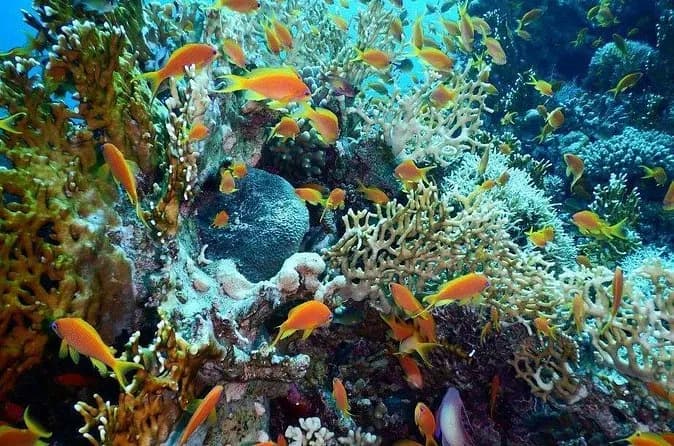
- Zátonyi halak tömegben – az anthiaszok narancssárga felhői, plusz papagájhalak (amelyek a korallt legelik és szó szerint a fehér homokot készítik), pillangóhalak, angyalhalak, őrmesterhalak, csattogóhalak és a rózsáikba bújt bohóchalak.
- Sárkányhalak – lesből vadászó ragadozók feltűnő legyezőszerű uszonyokkal; gyönyörűek, mérgezők, és legjobb távolról csodálni őket.
- Murénák – repedésekben pihennek nyitott állkapoccsal, hogy lélegezzenek, nem fenyegetésből.
- Tengeri teknősök – zöld teknősök a tengerifüvet legelik, karettteknősök a zátony felett táplálkoznak; mindkettőt gyakran látni elsiklani.
- Napóleon-ajakoshal (púposfejű ajakoshal) – szelíd óriások akár 1,5 m-ig, jellegzetes homlokpúppal, néha eléggé kíváncsiak ahhoz, hogy a snorkelezőket kövessék.
- Kékfoltos ráják a homokon pihennek, a parttól távoli útvonalakon pedig pörgőcsőrös és palackorrú delfinek.
Szezon, vízhőmérséklet és tengeri körülmények havonta
A snorkelezés Hurghadában valóban egész éves, de a kényelem és a tengerállapot a naptárral együtt változik. Az ideális időszak a tavasz és az ősz, amikor a meleg víz nyugodt tengerrel és kevesebb tömeggel találkozik.
| Szezon | Tengerhőmérséklet (kb.) | Mire számíts |
|---|---|---|
| Tél (dec.–febr.) | ~20–23 °C | Hűvösebb, nagyon tiszta, nyugodt napok. Egy 3 mm-es rövid ruha (vagy 5 mm hosszabb szakaszokhoz) kényelmessé tesz. |
| Tavasz (márc.–máj.) | ~22–26 °C | Melegedő, kiegyensúlyozott, kiváló minden szempontból. Kedvelt időszak. |
| Nyár (jún.–szept.) | ~27–30 °C | Legmelegebb víz és csúcskényelem a hosszú snorkelezésekhez – de kegyetlen szárazföldi hőség. Indulj korán. |
| Ősz (okt.–nov.) | ~25–27 °C | Még mindig meleg, kiegyensúlyozott tenger, erős látótávolság. Újabb kiváló időszak. |
Bármelyik hónap is, a reggelek hozzák a legnyugodtabb, legtisztább vizet, mielőtt a délutáni szél fodrozódást keltene – újabb ok, amiért a legkorábbi hajók a legjobb hajók. Egy teljesebb szezonális képért egész Egyiptomra lásd Egyiptom legjobb látogatási ideje útmutatónkat.
Mibe kerül egy hurghadai snorkelezéses kirándulás 2026-ban
Az alábbi árak fejenkéntiek egyiptomi fontban, körülbelül 49 EGP/USD árfolyamon átváltva. Mediánokat közlünk, hogy néhány luxusjacht-bérlés ne torzítsa el a képet.
| Fejenként | |
|---|---|
| Jellemző snorkelezéses egynapos kirándulás (medián) | 2 449 EGP (~50 USD) |
| Minden hurghadai vízi tevékenység (medián) | 2 105 EGP (~43 USD) |
| Szokásos tartomány (p25–p75) | 1 227–3 834 EGP (~25–78 USD) |
| Takarékos osztott hajóhelyek | ~1 100 EGP-től (~22 USD) |
| Privát motorcsónak / jachtbérlés | 6 000–6 800 EGP (~128–138 USD) |
A legtöbb kirándulás egybecsomagolja a szállodai felvételt és letételt, a snorkelezőfelszerelést, egy kalauzt és az ebédet (a szigethajóutakon a büfé vagy a grillezett tengeri herkentyűk a standard). Két költséget gyakran nem tartalmaznak, és érdemes megerősíteni foglaláskor: a Giftun tengeri parki természetvédelmi díjat (általában körülbelül 250–300 EGP / ~5–6 USD fejenként, érkezéskor beszedve), és néha a vízicipőt vagy a hosszú távú transzfereket. Hasonlítsd össze az élő árakat és dátumokat a hurghadai hajó- és szigetkirándulások teljes választékában.
A kirándulások, amelyeket az utazók a legmagasabbra értékelnek
Egy pillanatkép a This is Egypt jelenleg legjobban értékelt hurghadai snorkelezéses kirándulásairól:
- HRG: Orange Bay-sziget snorkelezéssel, ebéddel és italokkal – 4,91★ 5 828 értékelésből, 1 324 EGP-től (~27 USD). A legjobb ár-érték arányú kezdő hajóút.
- Hurghada: Luxushajóút az Orange Bayre ebéddel – 4,88★ 6 383 értékelésből, 2 700 EGP-től (~55 USD).
- Hurghada: 3 sziget, delfinek és snorkelezés jachtos kirándulás ebéddel – 4,68★ 7 635 értékelésből, 2 818 EGP-től (~58 USD). A legtöbb értékeléssel rendelkező delfin-és-szigetek hajóút.
- Hurghada: Motorcsónak, delfinek, snorkelezés és 2 sziget – 4,57★ 3 849 értékelésből, 1 952 EGP-től (~40 USD). Kisebb csoportos motorcsónak.
- Hurghada: Royal Seascope tengeralattjárós hajóút snorkelezőmegállóval – 4,43★ 5 315 értékelésből, 1 098 EGP-től (~22 USD). A választás nem úszóknak.
Család, gyerekek és nem úszók
Hurghada a világ egyik legkönnyebb snorkelező úti célja az ideges először próbálkozóknak. Az Orange Bay homokos sekélyei szelídek és sekélyek, a hajók mentőmellényeket visznek, a kalauzok pedig a kezdőkkel maradnak a vízben. Azokat a gyerekeket, akik még nem tudnak snorkelezni, jól kiszolgálják az üvegfenekű hajók és a Royal Seascope félig merülő tengeralattjáró, amelyek víz alatti ablakokon át mutatják a zátonyt és a halakat úszás nélkül. Egy esős délutánra vagy a legmelegebb déli órákra a szárazföldi Hurghada Grand Aquarium – a végigjárható cápaalagútjával és érintőmedencéivel – jó szárazföldi tartalék. Gyakorlati tippek családoknak: válassz nagyobb hajóút-hajót az árnyékért és a mellékhelyiségekért, válassz reggeli indulást a nyugodt vízért, és vigyél magaddal úszófelsőt, hogy a kis úszók melegen és napbiztosan maradjanak.
Mit vigyél magaddal és a zátonybarát etikett
Vigyél: zátonybarát fényvédőt (vagy még jobb, egy hosszú úszófelsőt), kalapot és napszemüveget, törülközőt, tengeribetegség elleni tablettát, ha hajlamos vagy rá, vízicipőt a sziklás bemenetekhez, és egy vízálló telefontokot vagy GoProt. Vidd a saját maszkodat, ha van olyan, amelyben megbízol – a hajófelszerelés változó.
A zátony az ok, amiért mindenki jön, és jogilag védett. Néhány egyszerű szabály életben tartja:
- Soha ne érintsd meg vagy állj a korallra. Élő, lassan növő állat; egy rúgás évek növekedését ölheti meg. Tartsd fel az uszonyaidat és lebegj, ne állj.
- Ne érintsd meg, ne üldözd vagy etesd az élővilágot – beleértve a teknősöket és delfineket. Hagyd, hogy hozzád jöjjenek.
- Ne vigyél el semmit. A korall vagy kagylók gyűjtése tilos a tengeri parkban, és gyakran illegális kivinni.
- Használj zátonybarát fényvédőt, és kerüld az oxibenzon-alapú krémeket, amelyek károsítják a korallt.
- Tiszteld a park szabályait és a díjat. A hajók rögzített bójákhoz kötnek ki, nem horgonyt vetnek a zátonyra; a kis természetvédelmi díj finanszírozza ezt a védelmet.
- Menj korán – nyugodtabb víz, jobb fény, kevesebb hajó és aktívabb tengeri élővilág.
Hogyan válassz jó kirándulást (és kerüld el a tömeget)
A különbség egy varázslatos nap és egy úszó forgalmi dugó között általában néhány döntésen múlik. Illeszd a hajót a célodhoz: nagy hajóút-hajó a kényelemért és az ár-értékért, motorcsónak a kisebb csoportokért és a delfinekért, privát bérlés az üres zátonyokért. Olvasd el, mit jelent valójában a „szigetek” – egy „3 szigetes” motorcsónak-kirándulás valós időt tölt különböző zátonyok snorkelezésével, míg egyes „szigetes” jegyek többnyire egy strandnap egy rövid megállóval. Ellenőrizd a csoportméretet és hány megálló van valóban a vízben, szemben a homokon lévőkkel. Erősítsd meg, mit tartalmaz (felszerelés, ebéd, parki díj, transzferek), hogy a helyszíni extrák ne érjenek meglepetésként, és részesítsd előnyben az ingyenes lemondású kirándulásokat az időjárás miatti rugalmasságért. Végül foglald a legkorábbi indulást, amit tudsz – az Orange Bayt a tömegek előtt kapod meg, a tengert pedig a legnyugodtabb állapotában. A tartózkodásod többi részét tervezed? Kezdd hurghadai úti útmutatónkkal.
Egy megjegyzés a számainkról: az itt szereplő árak a piacterünkön elérhető több mint 1000 foglalható hurghadai vízi tevékenység- és snorkelezéses kirándulás élő adataiból (2026) származnak, Egyiptom vörös-tengeri és Giftun tengeri parki hivatkozásaival kombinálva a zátony-, tengeri élővilág- és szezonális tényekért, valamint egy 2026-os ellenőrzéssel a parki díjakról és a tengerhőmérsékletekről. A számok fejenkéntiek egyiptomi fontban, körülbelül 49 EGP/USD árfolyamon, mediánokként jelentve, hogy a luxus szélsőségek ne torzítsák el őket, és frissítve, ahogy az árak és a kínálat változnak.
Csevegj egy valódi személlyel — ingyen
Seif és a csapat éjjel-nappal válaszol a WhatsAppon — úti kérdések, egyedi tervek és foglalási segítség.
Kérdezd Seifet a WhatsApponGyakori kérdések
Melyik a legjobb zátony a snorkelezéshez Hurghadában?
Az Orange Bay és a Giftun-sziget a legnépszerűbbek és a legkönnyebbek kezdőknek, sekély korallal homokos fenék felett. A Mahmya és a Magawish csendesebbek jó parti zátony-megközelítéssel, az Utopia egy nyugodt, kevésbé zsúfolt homokpad, delfinekhez pedig egy Dolphin House (Sha'ab El Erg) kirándulást szeretnél.
Mennyibe kerül egy hurghadai snorkelezéses kirándulás 2026-ban?
A medián snorkelezéses egynapos kirándulás körülbelül 2 449 EGP (nagyjából 50 USD) fejenként, a legtöbb hurghadai vízi tevékenység 1 227 és 3 834 EGP közé esik. A takarékos osztott hajóhelyek 1 100 EGP közelében kezdődnek, míg a privát motorcsónakok és jachtbérlések 6 000–6 800 EGP-be kerülnek. Egy körülbelül 250–300 EGP-s Giftun tengeri parki díjat gyakran külön szednek be érkezéskor.
Tényleg lehet delfineket látni snorkelezés közben Hurghadában?
Igen. Vad pörgőcsőrös és palackorrú delfinek rendszeresen pihennek napközben a Dolphin House-nál (Sha'ab El Erg), egy patkó alakú zátonynál körülbelül 25 km-re északra, amelyet dedikált delfinnéző és snorkelezéses kirándulásokon érnek el. A megfigyelések gyakoriak, de nem garantáltak, mivel a csapatok vadak – soha ne üldözd őket; hagyd, hogy közeledjenek.
Mikor a legjobb snorkelezni Hurghadában?
A snorkelezés egész évben lehetséges. Az ideális időszak a tavasz (március–május) és az ősz (október–november), amikor a meleg víz (22–27 °C) nyugodt tengerrel és kevesebb tömeggel találkozik. A nyár a legmelegebb (27–30 °C), de forró a szárazföldön; a tél körülbelül 20–23 °C-ra hűl, ezért egy könnyű búvárruha segít. A reggeleknek mindig a legnyugodtabb, legtisztább a vizük.
Mit tartalmaz egy hurghadai snorkelezéses kirándulás?
A legtöbb kirándulás tartalmazza a szállodai felvételt és letételt, a snorkelezőfelszerelést, egy kalauzt és az ebédet (gyakran büfé vagy grillezett tengeri herkentyűk a szigethajóutakon). Két dolgot gyakran nem tartalmaz: a Giftun tengeri parki természetvédelmi díjat (körülbelül 250–300 EGP, érkezéskor beszedve) és néha a vízicipőt vagy a hosszú távú transzfereket – erősítsd meg mindkettőt foglaláskor.
Alkalmas a hurghadai snorkelezés nem úszóknak és gyerekeknek?
Nagyon. Az Orange Bay homokos sekélyei szelídek kezdőknek, a hajók mentőmellényeket visznek, a kalauzok pedig a vízben maradnak. A nem úszók és kisgyermekek nedvesedés nélkül láthatják a zátonyt és a halakat egy üvegfenekű hajóról vagy a Royal Seascope félig merülő tengeralattjáróról, a szárazföldi Grand Aquarium pedig jó szárazföldi tartalék.
Mi a különbség egy jachtos hajóút és egy motorcsónak-kirándulás között?
Egy jacht vagy nagy hajóút-hajó a kényelmes, legjobb ár-érték arányú egész napos lehetőség – árnyék, büféebéd, mellékhelyiségek és 2–3 snorkelezőmegálló, de 40–80 vendég. Egy motorcsónak sokkal kevesebb embert visz, gyorsabb, és több vagy távolabbi zátonyt tud elérni (3 vagy 6 szigetes útvonalak és Dolphin House), kevesebb árnyék és zötykölősebb út árán. A privát bérlések üres zátonyokat és saját menetrendet adnak.
Mit vigyek magammal, és mik a zátony szabályai?
Vigyél zátonybarát fényvédőt vagy úszófelsőt, kalapot, törülközőt, vízicipőt, vízálló telefontokot és tengeribetegség elleni tablettát, ha hajlamos vagy rá. A zátonyon: soha ne érintsd meg vagy állj a korallra, ne érintsd meg, ne üldözd vagy etesd az élővilágot, ne vigyél el semmit, és hagyd, hogy a hajók rögzített bójákhoz kössenek ki. A Giftun-terület védett tengeri nemzeti park, és egy kis természetvédelmi díj támogatja. A legtöbb sziget-zátony 7–15 km-re fekszik a parttól, 20–60 perces hajóútra, míg a Dolphin House körülbelül 25 km-re északra van, és általában egész napos.
Foglald le a This is Egypt oldalon
Váltsd valóra ezt az útikalauzt egy utazással
Egyiptom sikerlistája
A leggyakrabban foglalt élmények országszerte


Olvass tovább

Hurghadai búvárkodás (2026): legjobb helyszínek, csomagok és árak
Búvárkodás Hurghadában – a legjobb zátonyok (Giftun, Careless Reef, Dolphin House) és az Abu Nuhas roncsai, Discover Scuba vs. PADI tanfolyamok, szezon és vízhőmérséklet, valamint valós 2026-os árak.
Szerző: TiE Editors7 perc olvasás

Egyiptomi túraárak tevékenység szerint (2026): mit kerül valójában minden típus
Mit kerül valójában minden egyiptomi élménytípus – egy 1 700 EGP-s tevegeléstől egy 48 500 EGP-s Nílus-hajóútig – 29 710 valódi, foglalható túra alapján hét platformon.
Szerző: TiE Editors6 perc olvasás

Egyiptomi úti kalauz: minden, amire szükséged van életed utazásának megtervezéséhez
A teljes egyiptomi úti kalauz – mikor menj, mennyi ideig maradj, mennyibe kerül, mennyire biztonságos, mit csomagolj, és melyek a kihagyhatatlan látnivalók a piramisoktól a Nílusig.
Szerző: TiE Editors9 perc olvasás