 Photo by Mahmoud Habeeb, via Wikimedia Commons, PUBLIC DOMAIN
Hurghadai búvárkodás (2026): legjobb helyszínek, csomagok és árak
Búvárkodás Hurghadában – a legjobb zátonyok (Giftun, Careless Reef, Dolphin House) és az Abu Nuhas roncsai, Discover Scuba vs. PADI tanfolyamok, szezon és vízhőmérséklet, valamint valós 2026-os árak.
Hurghada Egyiptom kontinentális vörös-tengeri partjának legforgalmasabb búvárbázisa, és jó okkal: meleg, kivételesen tiszta víz, egy tengeri zátonyfal, amely közvetlenül a Giftun-szigettől északra kezdődik, és tucatnyi búvárközpont versenyzik árban és szolgáltatásban. A legtöbb „napi búvárkodás” itt egy kétmerülős nappali hajót jelent, amely reggel indul a marinából, és egy órán belül a víz alá visz. Ez az útmutató bemutatja azokat a helyszíneket, amelyeket valóban meglátogatsz, hogyan búvárkodhatsz igazolvánnyal vagy anélkül, mikor érdemes menni, mibe kerül 2026-ban, és hogyan válassz megbízható szolgáltatót.
Miért búvárkodj Hurghadából
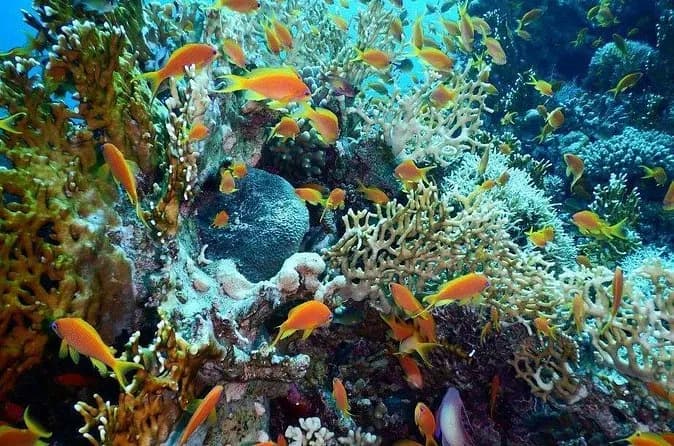
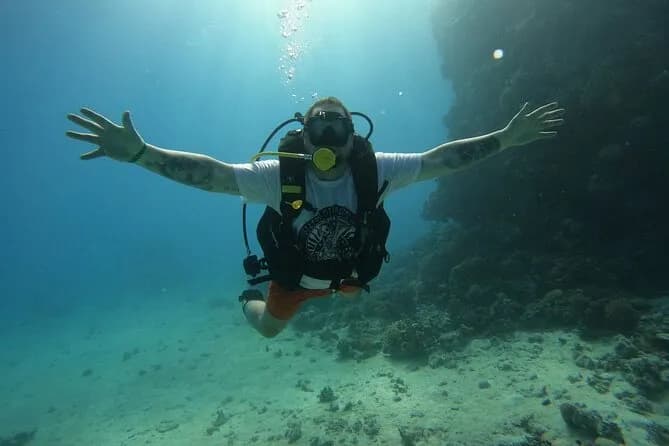
A Vörös-tengert sivatag határolja, folyók nem torkollanak bele, így a víz mentes marad az iszaptól és az algáktól; a helyi búvárvezetők félig viccelődve savanyú képet vágnak, ha a látótávolság 20 méter alá esik, a nyugodt hónapokban pedig gyakran meghaladja a 25–30-at. A zátonyökológia trópusi indopacifikus – narancssárga anthiaszok felhői a korall felett, gömbhalak, murénák, sárkányhalak és skorpióhalak szinte minden merülésnél, a leszakadásoknál pedig teknősök, tonhalak és barrakudák. Hurghada ezt a természeti gazdagságot a part legfejlettebb infrastruktúrájával párosítja: közvetlen európai és kairói járatok, búvárközpontok hatalmas választéka, és elég közeli zátonyok ahhoz, hogy ne kényszerülj kimerítő hajóútra. Mindenkinek megfelel, az először próbálkozóktól, akik sekély vízi ízelítőt kapnak, a roncsokat kereső, igazolvánnyal rendelkező búvárokig.
A búvárhelyszínek, amelyeket valóban meglátogatsz
A klasszikus hurghadai nappali hajós zátonyok a Giftun-szigettől északra fekszenek, és egy óránál rövidebb idő alatt elérhetők.
- El Fanadir – egy hosszú szegélyzátony szelíd fallal és a tetején egy sodrással; megbízható, könnyű helyszín, gyakran a nap első merüléséhez és képzéshez használják.
- Umm Gamar – egy kis szigetzátony a Giftuntól északra, fennsíkkal, korallgúlákkal és egy közeli kis ronccsal; több látnivaló, kissé mélyebb.
- Abu Nugar / Abu Galawa – sekély korallkertek és lagúnák, kiválóak nyugodt búvárkodáshoz és ahhoz, hogy a búvárkodást ugyanazon a hajón snorkelezőkkel kombináld.
- Careless Reef – a Giftun mellett, Hurghada egyik ünnepelt helyszíne. Egy töviskoronás tengericsillag-invázió az 1990-es évek elején elpusztította, de azóta felépült, ikerkorall-tornyai és murénái pedig kedvenccé teszik.
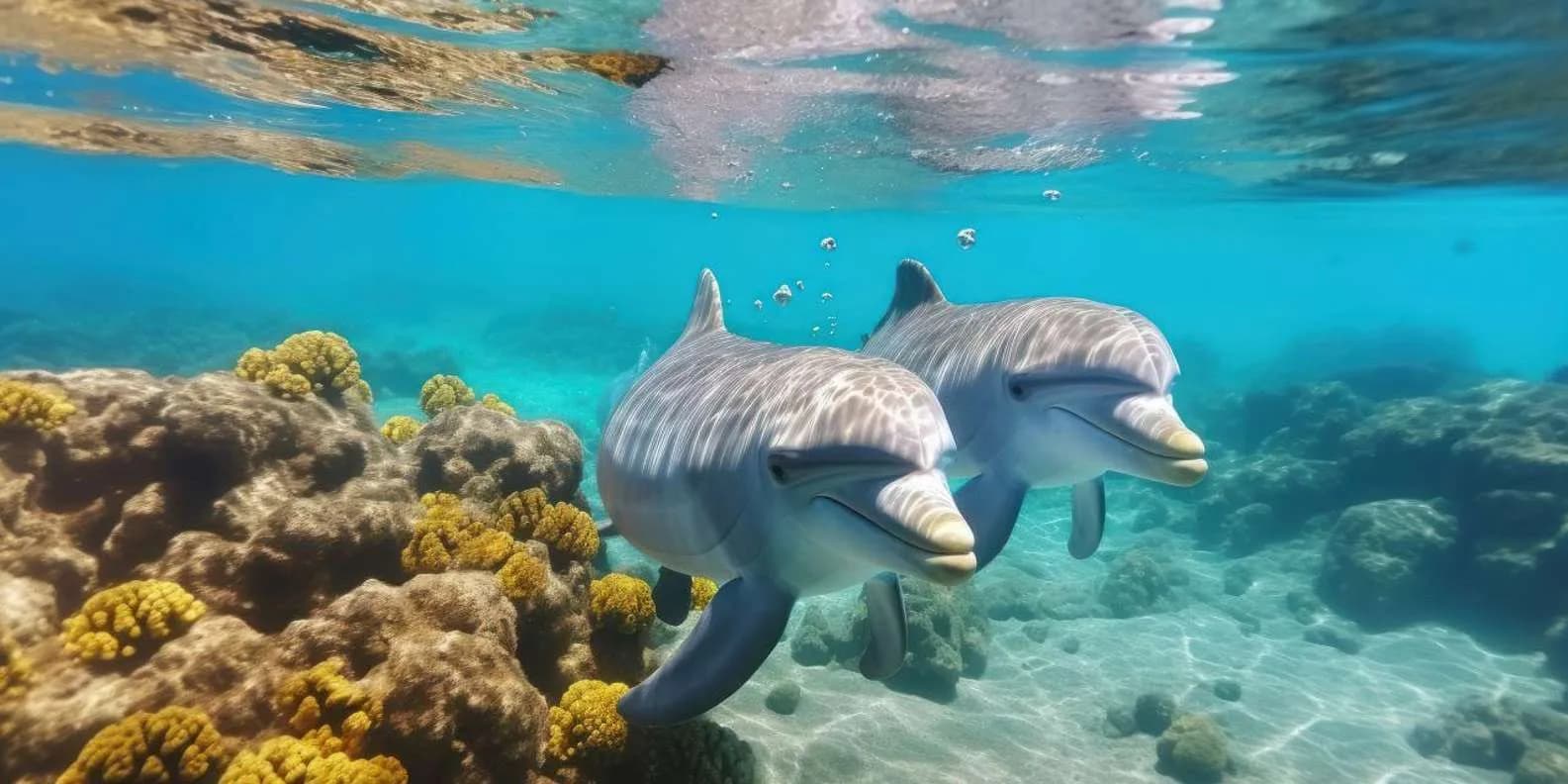
- Sha'ab El Erg („Dolphin House”) – egy patkó alakú zátony messzebb kint, jól ismert helyszín, ahol egy otthonos pörgőcsőrös delfincsapat gyakran elhalad; csúcspont, amikor jó az időzítés, bár a megfigyelés sosem garantált.
Messzebb, a Shadwan-sziget felé fekszik a Sha'ab Abu Nuhas, a Vörös-tenger leghíresebb „hajótemetője” a Gubal-szoros hajózási útvonalán. Négy roncsot rendszeresen búvárkodnak északi lejtői mentén, mind rekreációs mélységben (nagyjából 30 m-en vagy sekélyebben): a Giannis D (egy 1983-ban elveszett fa teherhajó, ferdén megdőlve 10–25 m-en fekszik), a Carnatic (egy 1869-es gőzös klipper, gazdagon benőve, körülbelül 28 m-ig), a csempével megrakott Chrisoula K és a Kimon M. Az Abu Nuhas egy hosszú nappali hajóút, vagy gyakrabban egy hajós szálló (liveaboard) megállója – ahogy a legendás SS Thistlegorm is, a Sarm közeli II. világháborús teherhajó, amely még mindig teherautókkal, motorkerékpárokkal és mozdonyokkal van megrakva, Hurghadából általában csak hajós szállóval vagy egy nagyon hosszú nappal érhető el.
Búvárkodás igazolvány nélkül: Discover Scuba
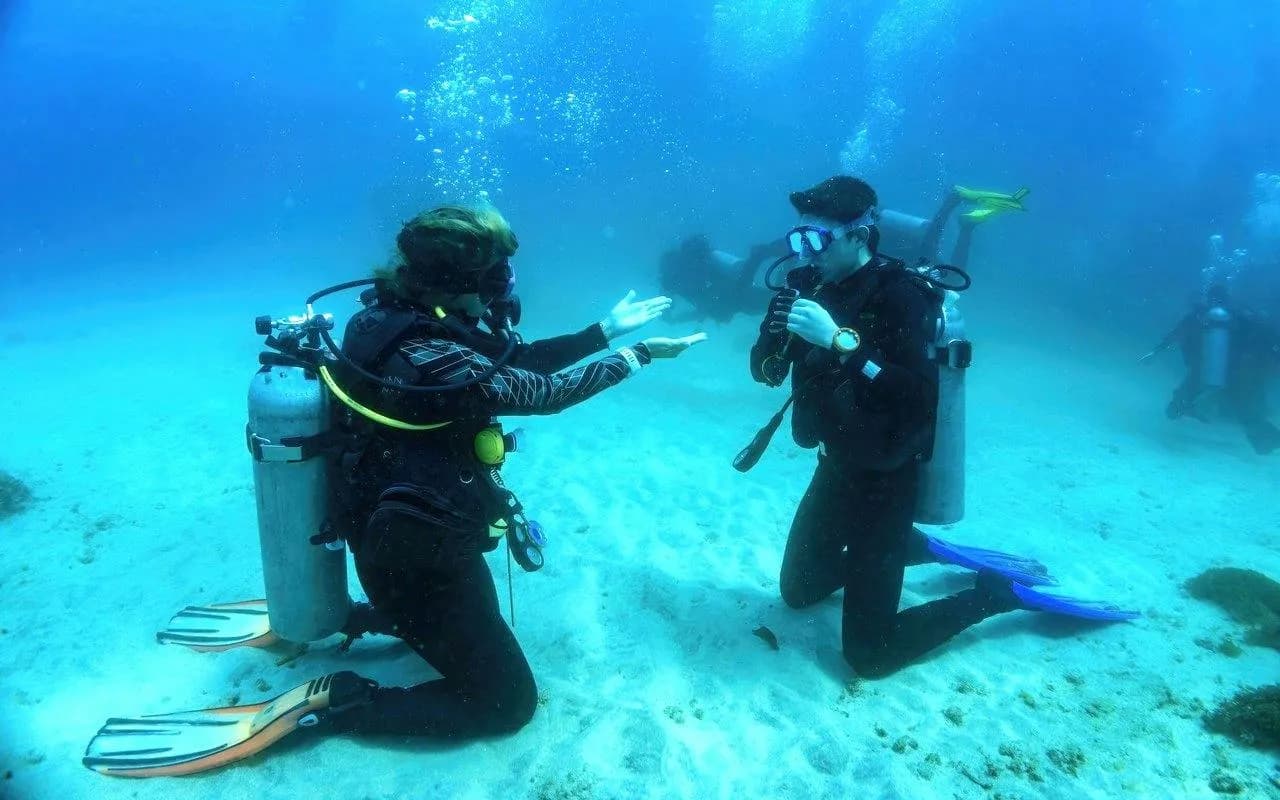
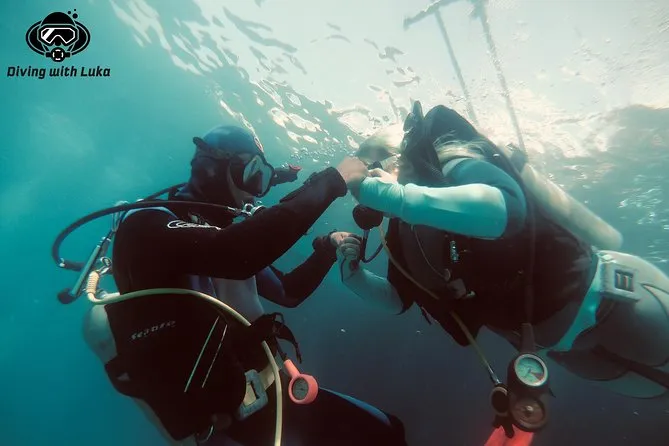
Nem kell engedély ahhoz, hogy kipróbáld a búvárkodást. Egy Discover Scuba Diving élmény egy vezetett bevezető merülés sekély, védett vízben, egy rövid eligazítás után – így derítik ki a legtöbben, szeretik-e. Hurghada nyugodt parti zátonyai és lagúnái ideálisak erre, és sok nappali hajó elvisz egy igazolvány nélküli vendéget egy-két felügyelt merülésre az igazolvánnyal rendelkező csoport mellett.
Igazolvány megszerzése: PADI tanfolyamok
Ha önállóan szeretnél búvárkodni, a belépő szintű PADI Open Water Diver tanfolyamot lényegében minden hurghadai központban oktatják, általában három-négy nap alatt, medencés vagy zárt vizes gyakorlatokat vegyítve nyílt vízi merülésekkel a házi zátonyon és a közeli helyszíneken. A rákövetkező Advanced Open Water tanfolyam mélyebb merüléseket és specialitásokat ad hozzá, mint a navigáció és a roncsbúvárkodás, és általában ez az a képesítés, amely az Abu Nuhas roncsaihoz és a Thistlegormhoz szükséges. Hurghada a világ egyik olcsóbb helye a tanulásra, ami nagy részben azért teszi olyan népszerűvé az először merülők körében.
Nappali hajók vs. hajós szállók
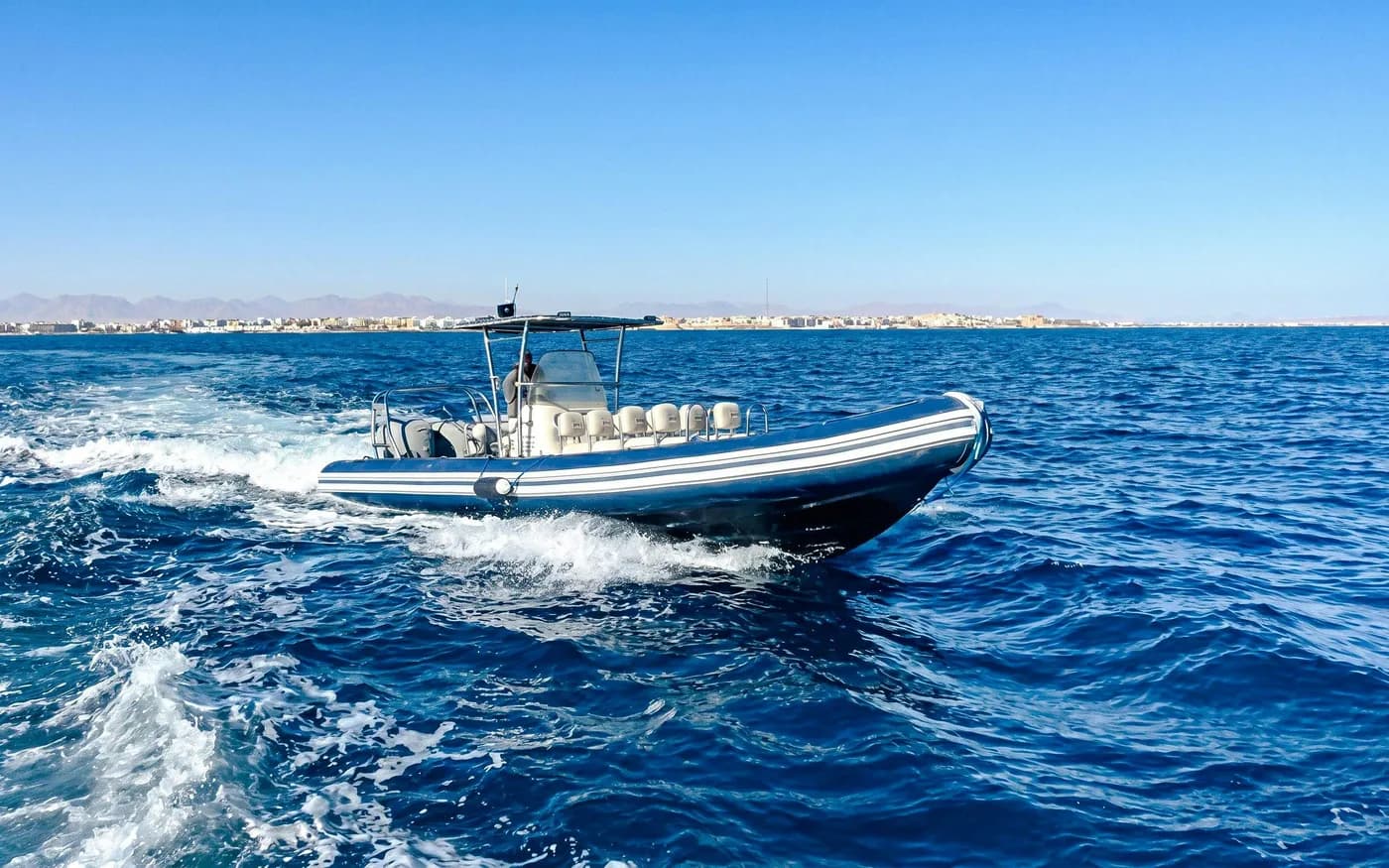
Egy nappali hajó a standard hurghadai élmény: két merülés, ebéd a fedélzeten, kikötőben a kora délután. Rugalmas, olcsó és nem igényel elköteleződést. Egy hajós szálló (liveaboard) – többnapos búvárút, ahol a hajón alszol – az a mód, ahogyan a nappali hajó hatókörén túli helyszíneket eléred, köztük az Abu Nuhas roncsait, a Thistlegormot, valamint a Gubal-szoros és a Tiran északi zátonyait. A roncsokat vagy nyílt vízi ragadozókat kereső komoly búvárok hajós szállót választanak; mindenki mást jól kiszolgál a marinából induló nappali hajó.
Szezon, vízhőmérséklet és látótávolság
A Vörös-tenger egész évben búvárkodható, de a körülmények a naptárral együtt változnak. Sok búvár a tavaszt és az őszt tartja az ideális időszaknak – meleg víz, nyugodt tenger és kevesebb tömeg.
| Szezon | Vízhőmérséklet | Milyen |
|---|---|---|
| Tél (dec.–febr.) | ~21–23 °C | Hűvösebb, de kellemes; kiváló látótávolság, csendes helyszínek; 5–7 mm-es búvárruha kapucnival |
| Tavasz (márc.–máj.) | ~24–26 °C | Melegedő víz, nyugodt tenger; kedvelt időszak |
| Nyár (jún.–aug.) | ~27–30 °C | Legmelegebb víz és a legjobb tengeri élet, de kegyetlen szárazföldi hőség; egy 3 mm-es ruha elég |
| Ősz (szept.–nov.) | ~26–24 °C | Meleg víz, jó látótávolság; népszerű, kiegyensúlyozott szezon |
Mivel a Vörös-tenger sósabb a nyílt óceánnál, adj hozzá nagyjából 2 kg-ot a szokásos ólomsúlyodhoz.
Mit fogsz látni
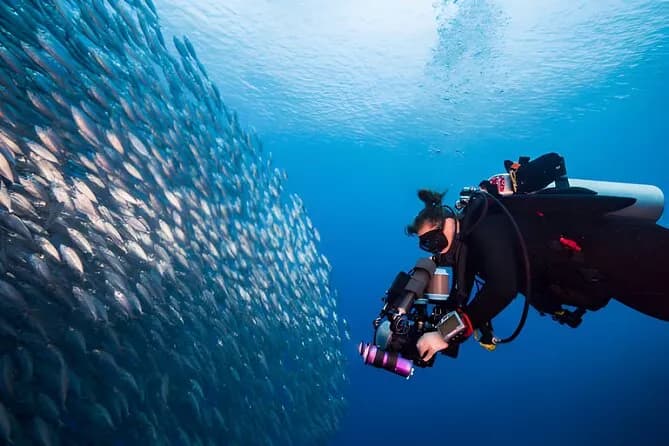
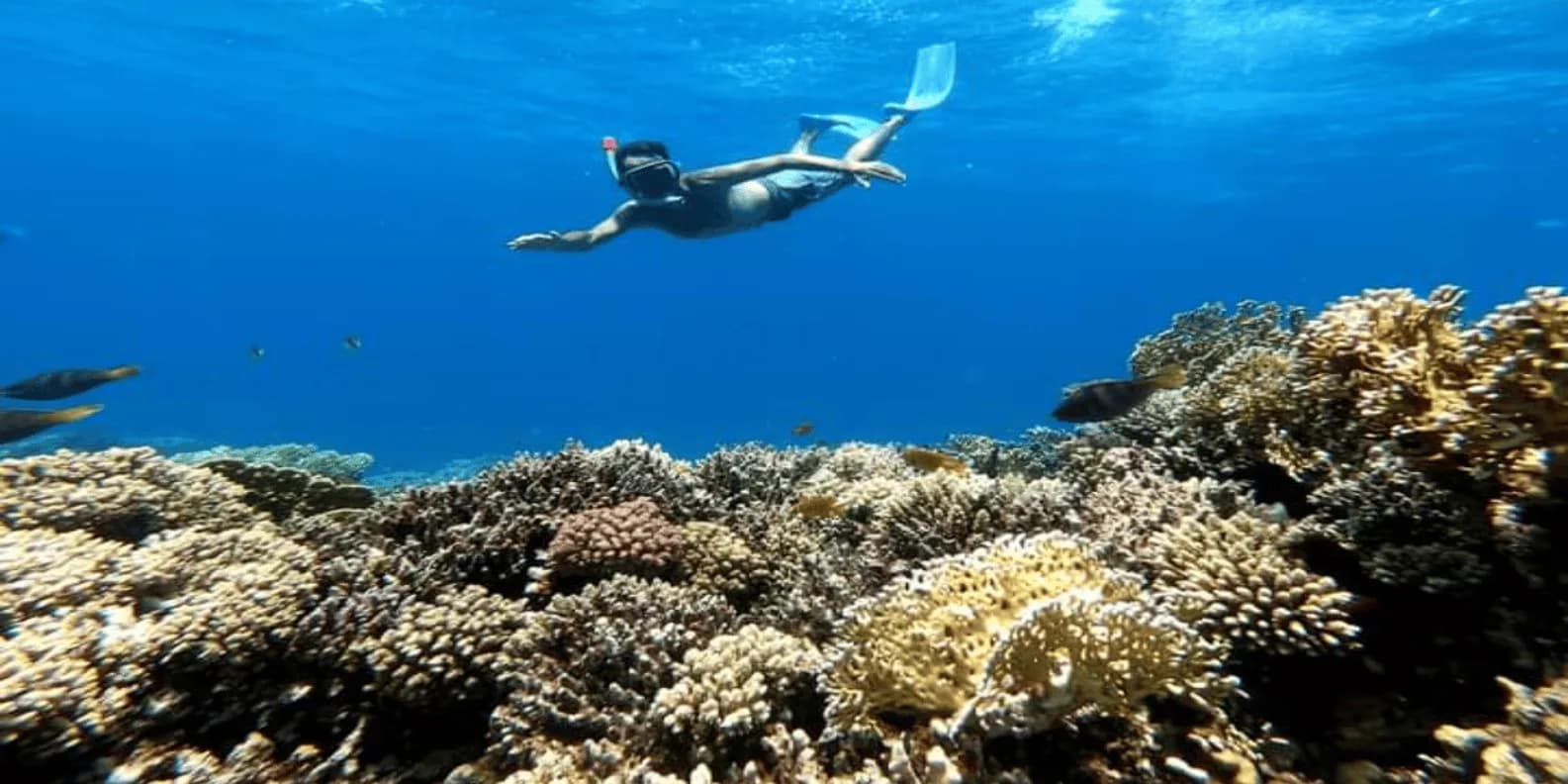
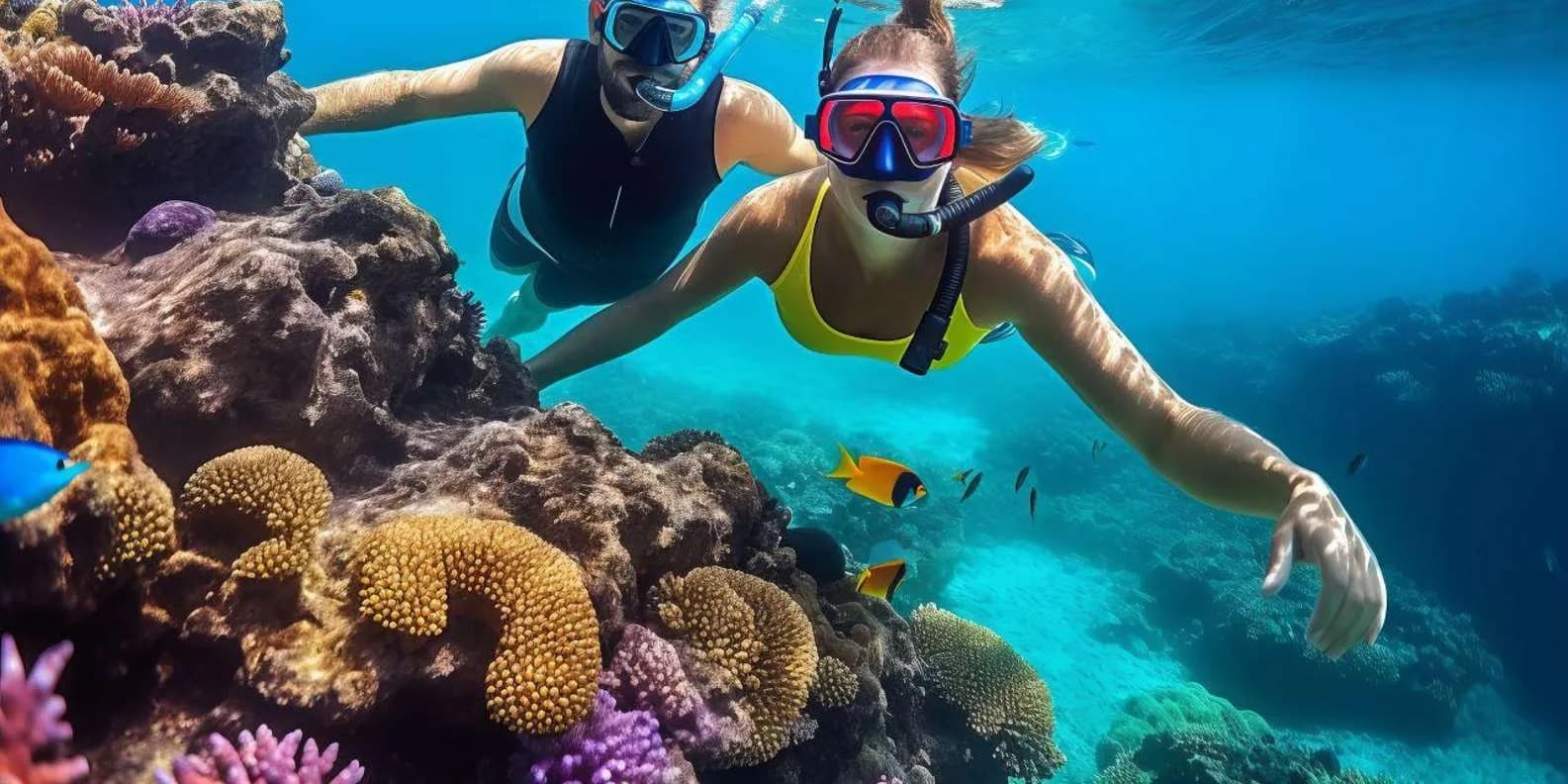
Egy tipikus hurghadai merülésnél számíts anthiaszokra, papagájhalakra, pillangóhalakra, angyalhalakra és ajakoshalakra a korall felett, bohóchalakra a rózsásukban, valamint gömbhalakra, ravaszhalakra, murénákra, sárkányhalakra és skorpióhalakra magán a zátonyon. Teknősök tűnnek fel a tengerifűben, a leszakadásoknál pedig tonhalak, barrakudák és fattyúmakrélák jelennek meg. A Sha'ab El Erg delfinjei a fő találkozás, amikor szerencséd van. A vörös-tengeri korallok viszonylag hőtűrőnek bizonyultak a 2014–16-os globális kifehéredési esemény során, így az itteni zátonyok jó állapotban maradtak.
Mit tartalmaz és mit vigyél magaddal
Egy standard kétmerülős nappali kirándulás tartalmazza a palackokat, súlyokat, egy búvárvezetőt vagy kalauzt, ebédet és üdítőket, valamint a szállodai transzfereket a fő hurghadai sávon belül. A teljes felszerelés bérlése (BCD, légszabályozó, búvárruha, számítógép) általában szerény kiegészítő, ha nincs sajátod. Vidd magaddal az igazolványkártyádat és a merülésnaplódat, egy törülközőt és napvédelmet, télen pedig számíts arra, hogy egy 5 mm-es ruhára lesz szükséged. A zátonybarát fényvédő és nyáron egy 3 mm-es ruha vagy bőrvédő a horzsolások és csípések ellen éppúgy véd, mint a nap és a hideg ellen.
Árak 2026-ban
Az árak a szezonnal, a csoportmérettel és attól függően változnak, hogy bérelsz-e felszerelést; kezeld ezeket hozzávetőleges tartományokként, ne fix díjakként.
| Lehetőség | Jellemző 2026-os tartomány |
|---|---|
| Kétmerülős nappali kirándulás (igazolvánnyal) | ~1 900–3 200 EGP (≈ 40–65 USD) |
| Discover Scuba (bevezető, 1–2 merülés) | ~2 200–3 500 EGP (≈ 45–70 USD) |
| PADI Open Water tanfolyam (3–4 nap) | ~14 000–19 000 EGP (≈ 290–390 USD) |
| PADI Advanced Open Water | ~9 000–13 000 EGP (≈ 185–270 USD) |
| Teljes felszerelésbérlés (naponta) | ~500–900 EGP (≈ 10–18 USD) |
| Hajós szálló (naponta, minden benne) | ~120–170 USD |
Két egyszerű első foglalás a marinából egy egynapos kétmerülős hajókirándulás és egy egész napos hajókirándulás két búvármerüléssel és ebéddel.
Biztonságos, jó hírű búvárközpont kiválasztása
A jó és a rossz búvárnap közötti különbség szinte teljes egészében a szolgáltatón múlik. Részesítsd előnyben az elismert ügynökséghez (PADI, SSI) tartozó központokat, kérdezd meg, hány búvár jut egy kalauzra (a kevesebb jobb), és ellenőrizd, hogy a bérfelszerelés jól karbantartottnak tűnjön, és hogy a palackok érvényesek legyenek. Egy jó központ minden helyszínt eligazít, a csoport valódi szintjén búvárkodik ahelyett, hogy mélységet erőltetne, és követi a bójákat, amelyeket olyan természetvédelmi szervezetek telepítenek, mint a HEPCA, a zátony védelmére. A korall vagy kagylók elvitele, a tengeri élővilág érintése vagy üldözése, valamint a delfinek etetése mind tilos – egy felelős szolgáltató ezt betartatja. Ha egy ár messze mindenki más alatt van, kérdezd meg, mit hagytak ki.
A tágabb képért lásd vörös-tengeri búvárkodás útmutatónkat, és ha inkább a felszínen maradnál, a hurghadai snorkelezéses kirándulásokat. Az utazás megtervezéséhez a hurghadai úti útmutató és az Egyiptom legjobb látogatási ideje lefedi a többit.

Csevegj egy valódi személlyel — ingyen
Seif és a csapat éjjel-nappal válaszol a WhatsAppon — úti kérdések, egyedi tervek és foglalási segítség.
Kérdezd Seifet a WhatsApponGyakori kérdések
Kell búvárigazolvány a hurghadai búvárkodáshoz?
Nem. Kipróbálhatsz egy vezetett Discover Scuba Diving élményt sekély, védett vízben engedély nélkül. Az önálló búvárkodáshoz elvégzel egy belépő szintű tanfolyamot, mint a PADI Open Water Diver, amelyet szinte minden hurghadai búvárközpontban oktatnak három-négy nap alatt.
Mennyibe kerül a búvárkodás Hurghadában 2026-ban?
Egy kétmerülős nappali kirándulás nagyjából 1 900–3 200 EGP (körülbelül 40–65 USD), egy Discover Scuba bevezető körülbelül 2 200–3 500 EGP, egy teljes PADI Open Water tanfolyam pedig nagyjából 14 000–19 000 EGP (körülbelül 290–390 USD). A felszerelésbérlés szerény összeget ad hozzá, ha nincs sajátod. Az árak a szezonnal és a csoportmérettel változnak.
Melyek a legjobb búvárhelyszínek Hurghada közelében?
A klasszikus nappali hajós zátonyok a Giftun-szigettől északra – El Fanadir, Umm Gamar, Abu Nugar és Careless Reef – plusz a Sha'ab El Erg („Dolphin House”). Messzebb a Sha'ab Abu Nuhasnál négy búvárkodott roncs van, a híres SS Thistlegorm pedig általában hajós szállóval érhető el.
Mikor a legjobb búvárkodni Hurghadában?
Egész éves úti cél. A tavasz (március–május) és az ősz (szeptember–november) kiegyensúlyozza a meleg vizet, a nyugodt tengert és a kevesebb tömeget. A nyáron a legmelegebb a víz; a tél hűvösebb, de kiváló látótávolságot kínál.
Milyen meleg a víz, és milyen búvárruha kell?
Nagyjából 21–23 °C télen és 27–30 °C nyáron. Egy 3 mm-es ruha elég nyáron; egy 5–7 mm-es teljes ruha kapucnival kellemes télen.
Búvárkodhatnak-e a kezdők a roncsoknál, mint a Thistlegorm?
A Thistlegorm körülbelül 30 m-en fekszik, az Abu Nuhas roncsai pedig többségükben 30 m-nél sekélyebbek, így rekreációs merülések – de általában Advanced Open Water képesítést igényelnek, nem egy először merülő igazolványát.
Fogok delfineket látni búvárkodás közben Hurghadában?
Lehetséges. A Sha'ab El Erg („Dolphin House”) otthonos pörgőcsőrös delfincsapata gyakran elhalad, de a vad delfinek megfigyelése sosem garantált, és soha nem szabad üldözni vagy etetni őket.
Hogyan válasszak biztonságos búvárközpontot?
Válassz elismert ügynökséghez (PADI vagy SSI) tartozó központot, kérdezz a búvár/kalauz arányról (a kevesebb jobb), ellenőrizd, hogy a bérfelszerelés és a palackok jól karbantartottak és érvényesek legyenek, és győződj meg róla, hogy minden helyszínt eligazítanak és a valódi szintedhez mérten búvárkodnak. Légy óvatos a piac alatt messze lévő árakkal.
Foglald le a This is Egypt oldalon
Váltsd valóra ezt az útikalauzt egy utazással
Egyiptom sikerlistája
A leggyakrabban foglalt élmények országszerte
Olvass tovább

Búvárkodás Sarm es-Sejkben (2026): Rasz Mohammed, zátonyok és a legjobb kirándulások
Sarm Egyiptom búvárfővárosa, Rasz Mohammeddel és a Fehér-szigettel a küszöbén. A legjobb búvár- és snorkeling-kirándulások, valós árak, és amit a nem búvárok is csinálhatnak.
Szerző: TiE Editors9 perc olvasás

Liveaboard vs Day-Boat Diving in the Red Sea (2026): Which to Choose
A liveaboard reaches the remote reefs and wrecks day boats can't — the Brothers, Daedalus, deep-south Egypt — but a day boat is cheaper, flexible and beginner-friendly. Here's the honest choice.
Szerző: TiE Editors4 perc olvasás

Búvárkodás és szabadtüdős merülés Dahabban: a teljes útikalauz
Dahab a Föld egyik legolcsóbb helye, ahol búvárvizsgát tehetsz. Íme a partról megközelíthető helyszínek, tanfolyamárak, a szabadtüdős merülés, a legjobb központok és az őszinte biztonsági kép.
Szerző: TiE Editors6 perc olvasás